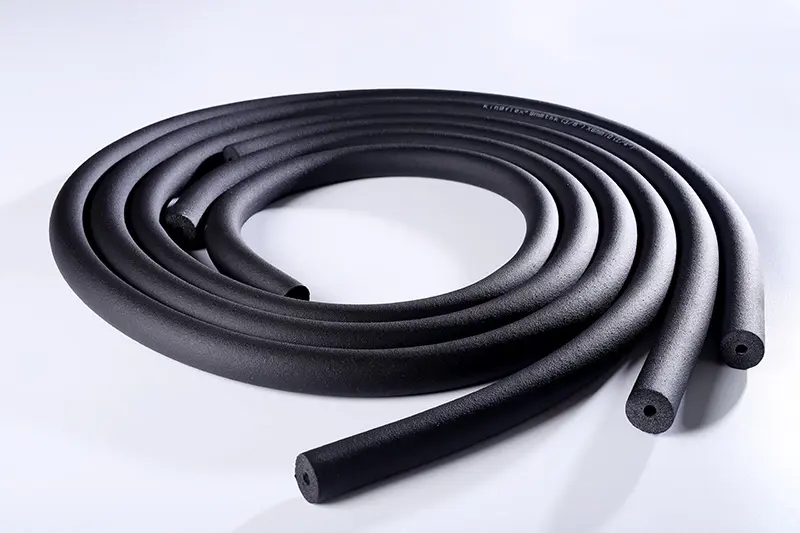
Explore our premium grade NBR/PVC elastomer sheets, cryogenic thermal systems, and pipeline protection products engineered for optimal thermal boundaries.
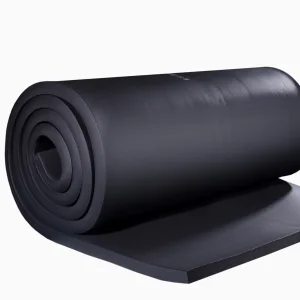
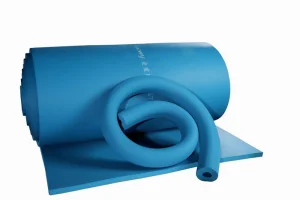
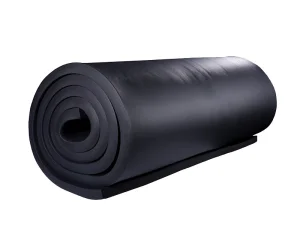
Within B2B HVAC construction, petrochemical transport, and low-temperature storage systems, the performance of elastomeric rubber foam (NBR/PVC) is fundamentally governed by the integrity of its joints. Even the highest-grade insulation materials will fail if the seams, butt joints, and terminations are not securely bonded. Foam Pipe Insulation Glue serves as more than just a temporary adhesive; it acts as a molecular-level continuous vapor barrier. A single gap or failure in the adhesive film allows moisture-laden air to penetrate the insulation matrix, resulting in condensation, thermal bridging, and the silent threat of Corrosion Under Insulation (CUI).
Modern adhesive formulations developed by specialized Chinese manufacturers combine high-tack synthetic polymers, specifically modified chloroprene rubber, and highly volatile solvent blends. These compounds guarantee rapid initial adhesion (tackiness) followed by strong vulcanized-like sealing properties that withstand thermal cycles ranging from -40°C to +105°C. For ultra-low cryogenic systems, specialized elastic bonding agents are implemented to remain flexible and prevent stress-fractures at temperatures down to -196°C.

"In industrial refrigeration and high-pressure steam distribution, the adhesive bond is the weakest link. Choosing the correct chemical formulation of foam pipe glue is equivalent to securing the life-expectancy of the piping structure itself." – Chief Technical Officer, Kingflex Insulation Co., Ltd.
Understanding the structural and supply-chain advantages that position Dacheng, China, as the undisputed hub for industrial thermal insulation systems.
Dacheng, China is globally recognized as the "Capital of Green Building Materials". This industrial clustering minimizes local transport costs for chemical polymers, synthetic rubbers, and packaging materials, allowing manufacturers to optimize production costs and pass the margins to global B2B buyers.
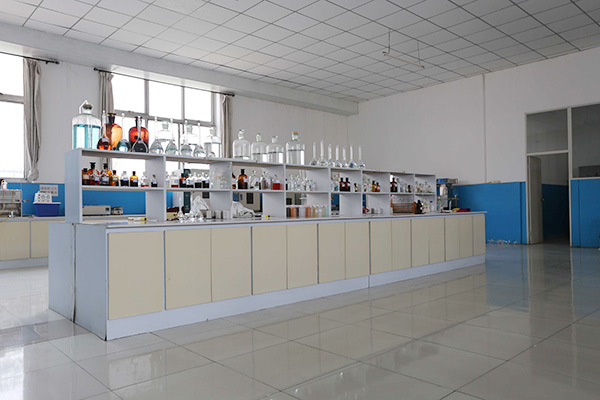
Chinese factories do not merely compound adhesives; they conduct simultaneous polymer compatibility tests. The interaction between NBR/PVC elastomer cell walls and adhesive solvents is analyzed at a molecular level to prevent solvent degradation of the insulation foam over years of operational service.
With massive automated mixing vessels and climate-controlled chemical storage, top-tier Chinese manufacturers insulate global buyers from localized resource shortages. Adhesives are systematically tested for shelf-life, freeze-thaw stability, and high-ambient transport durability.
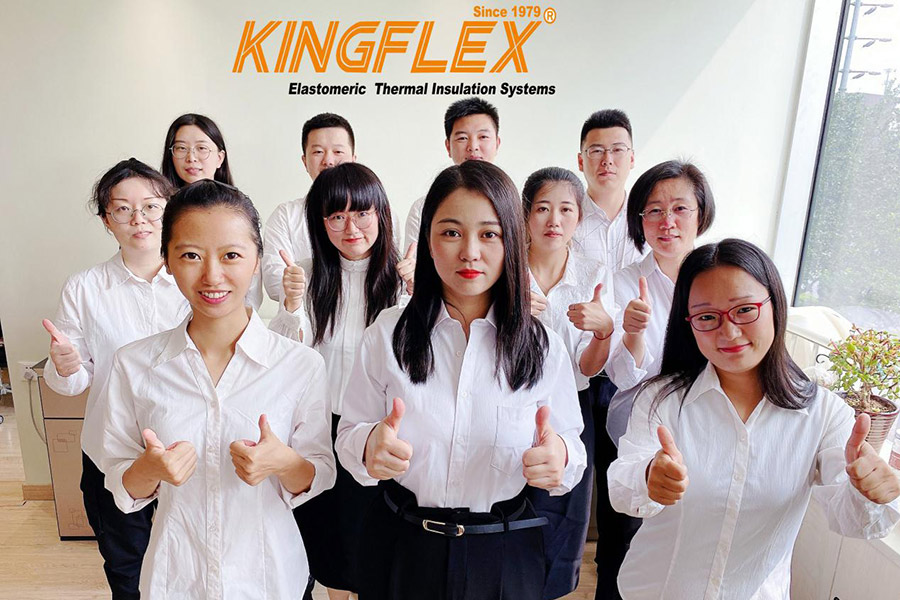
Kingflex Insulation Co., Ltd. is a highly specialized manufacturing and trading consortium dedicated to the development and distribution of energy-saving, environmentally responsible thermal insulation systems. Our production facility is situated in Dacheng, China, the premier hub for green-building material engineering.
At the core of our business model is the concept of integrated thermal efficiency. We do not simply manufacture materials; we supply complete structural systems. From initial engineering consultations and custom compound R&D, to high-precision factory production, installation support, and responsive after-sales service, Kingflex leads the advancement of global insulation technologies.
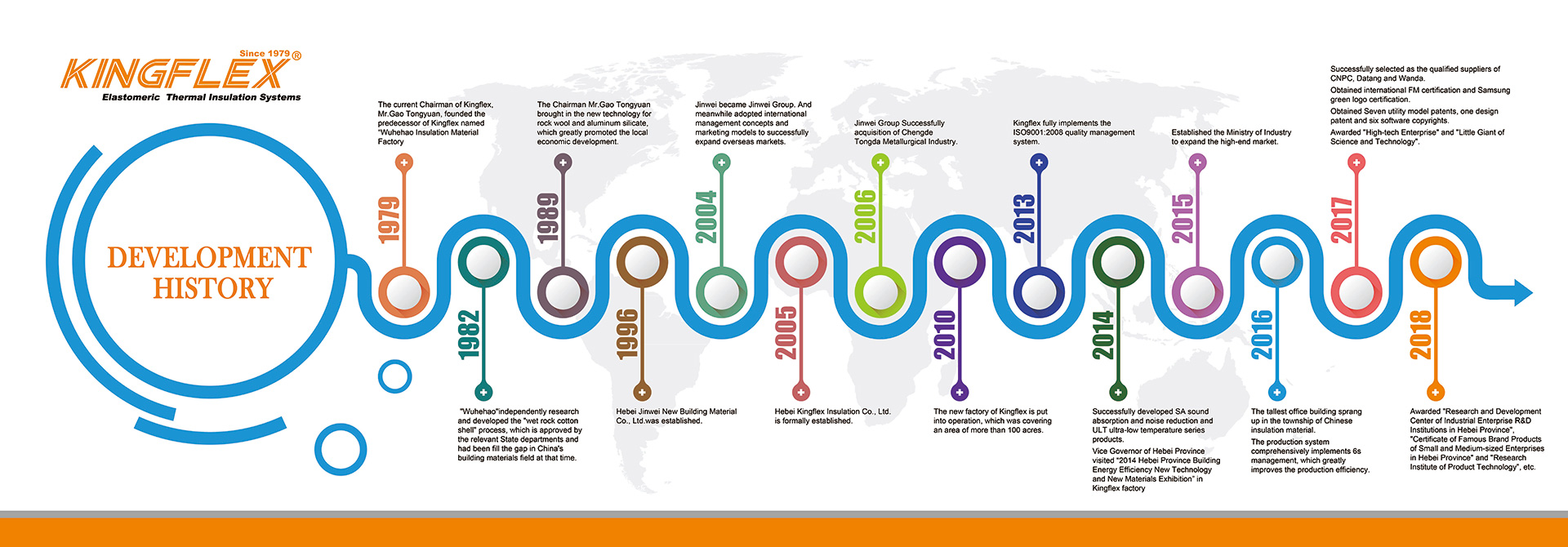
A Legacy of Excellence: Kingflex was established by the Jinwei Group, which boasts over 40 years of industry history. Founded in 1979, the group was the pioneer manufacturer of thermal insulation materials north of the Yangtze River, defining standards for the entire Chinese industrial sector.

B2B technical specification comparison for structural foam adhesives, showcasing properties critical for engineering approvals.
| Performance Parameter | High-Tack Neoprene Adhesive (Standard) | Water-Based Eco-Adhesive (Low VOC) | Cryogenic Elastic Sealant |
|---|---|---|---|
| Operating Temperature Range | -40°C to +105°C | -20°C to +85°C | -196°C to +120°C |
| Vapor Permeability (μ value) | ≥ 15,000 | ≥ 10,000 | ≥ 20,000 (Vapor-Tight) |
| Open Time (Tack Life) | 5 - 15 Minutes | 15 - 30 Minutes | 10 - 20 Minutes |
| Shear Strength (ASTM D1002) | ≥ 2.5 MPa | ≥ 1.8 MPa | ≥ 3.2 MPa (At low temp) |
| VOC Compliance | Classified Solvent limits | Zero-VOC / LEED Compliant | Industrial Spec Limits |
| Flame Retardancy (UL94) | V-0 Rated (Self-extinguishing) | V-1 Rated | V-0 Rated |
How technical developments, safety rules, and sustainability initiatives are reshaping the thermal bonding sector.
Stricter green building certifications (LEED v4, BREEAM) are accelerating the decline of heavy solvent adhesives. Water-borne polymer dispersion glues offer zero-VOC performance, ensuring safe indoor air quality (IAQ) during massive on-site HVAC installations in enclosed spaces like high-rises and hospitals.
To bypass labor costs and errors on site, manufacturers are seeing a massive demand for factory-applied, reinforced double-sided self-adhesive backings. The Kingflex Self-Adhesive NBR/PVC roll integrates high-tensile fiberglass mesh with pressure-sensitive adhesives, reducing install times by up to 50%.
With the global push for liquified natural gas (LNG), adhesives must perform at extreme cold boundaries (-160°C to -196°C). Standard chloroprene becomes brittle and shatters. New polyurethane-modified elastomeric adhesives maintain elongation and tensile properties under cryogenic conditions.
Translating chemical properties into real-world performance across critical municipal, industrial, and maritime infrastructures.
The Challenge: High salt spray, constant structural vibration, moisture, and extreme humidity cause fast joint deterioration in ship refrigeration lines.
The Solution: The application of Kingflex NBR/PVC Rubber Foam Tubing bonded with marine-grade waterproof adhesive. The adhesive forms a cross-linked barrier resistant to saltwater corrosion and high shear stress, preventing seawater intrusion and structural damage to core copper piping.
The Challenge: Strict requirements for micro-particle emissions, VOC limits, and zero mold growth in pharmaceutical or semiconductor assembly cleanrooms.
The Solution: Cleanroom HVAC pipelines insulated with closed-cell elastomeric foam and sealed with low-odor, zero-VOC water-borne adhesives. The smooth, seamless joint transitions eliminate dust traps and guarantee no off-gassing that could ruin sensitive wafers or chemical compounds.
Corrosion Under Insulation (CUI) accounts for billions of dollars in annual maintenance costs across global petrochemical plants and steam generation networks. CUI happens when water finds its way through small tears in the insulation jacket or unsealed joints and sits against the metal pipe. Because the insulation hides the pipe, the corrosion goes unnoticed until a line ruptures.
By implementing a systematic 3-stage bonding protocol using Kingflex closed-cell rubber foam and premium solvent adhesive, projects establish a continuous moisture barrier. The glue reacts with the outer skin of the NBR cell structure, fusing the butt joints. This forms a continuous vapor barrier that keeps moisture out, protecting the underlying steel pipe and extending its service life from 5 to over 15 years.
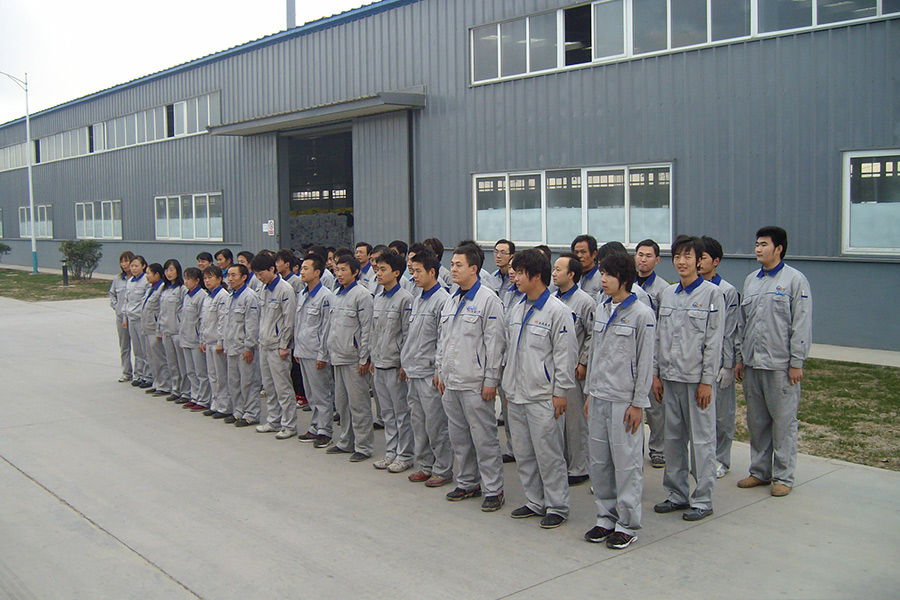
At present, Kingflex has 5 large automatic assembly lines, with an annual production capacity of more than 600,000 cubic meters. Our facilities are designated as production bases by the Ministry of Energy, the Ministry of Electric Power, and the Ministry of Chemical Industry in China.
This massive manufacturing scale allows us to fulfill large-scale project requirements without compromising quality. Our R&D department features 8 professional engineers dedicated to polymer optimization, sound barrier testing, and adhesive compatibility studies. Alongside them, our international division features 6 dedicated sales professionals, guiding global clients through complex customs compliance, logistics, and on-site engineering challenges.

For more than 16 years, Kingflex thermal insulation products and customized adhesive packages have been exported to over sixty-six countries. Our clients value our traceablity, strict quality controls, and verified certifications.
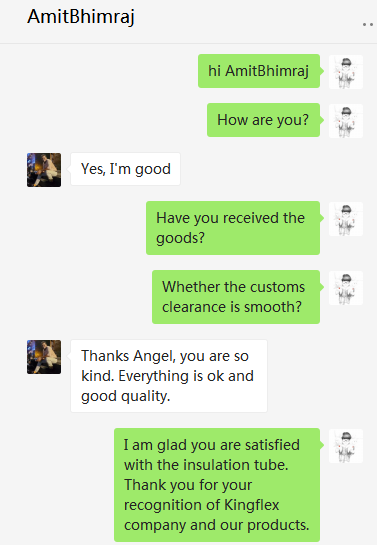
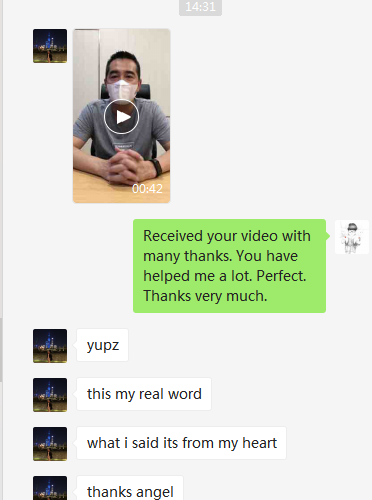
Below are verified records of client inquiries, project alignment discussions, and quality confirmations from leading engineering contractors worldwide:



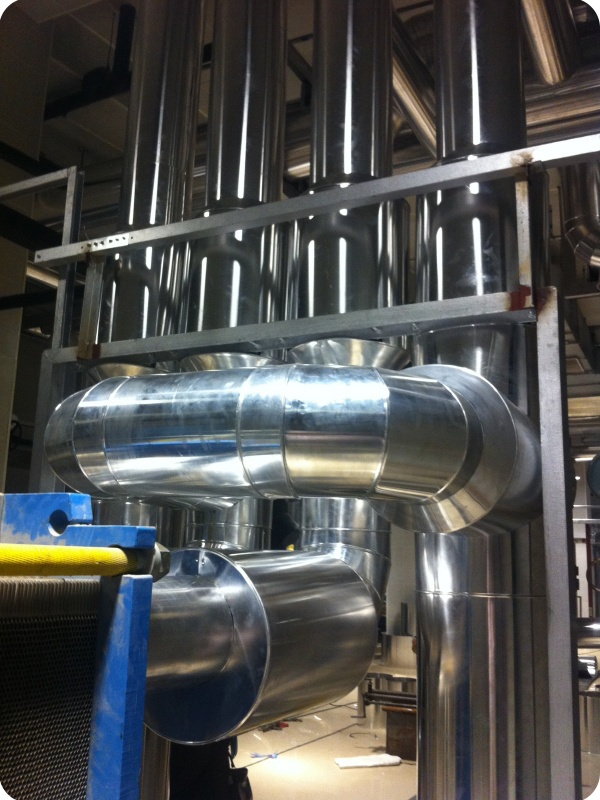
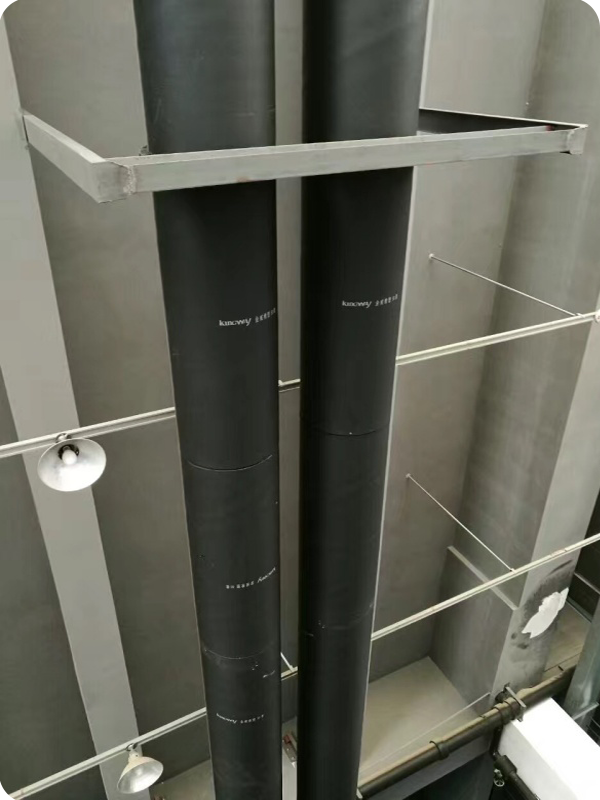
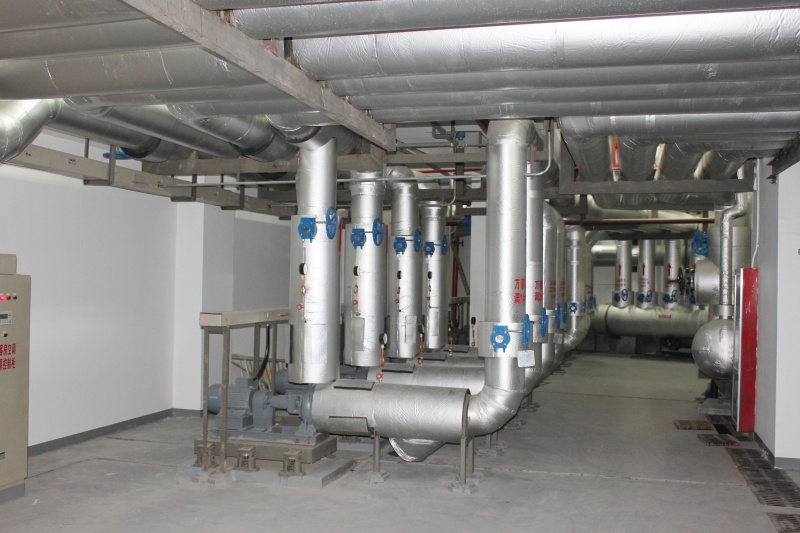
A portfolio of key installations where Kingflex closed-cell insulation materials and sealing systems have been implemented.

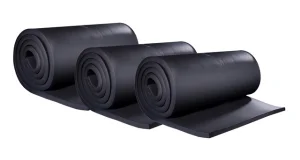
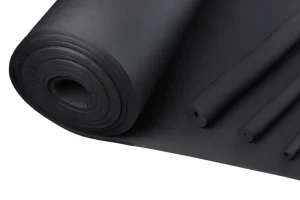
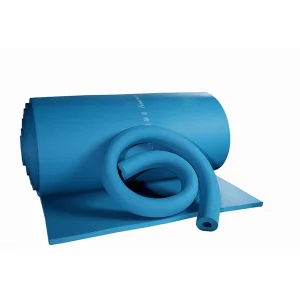
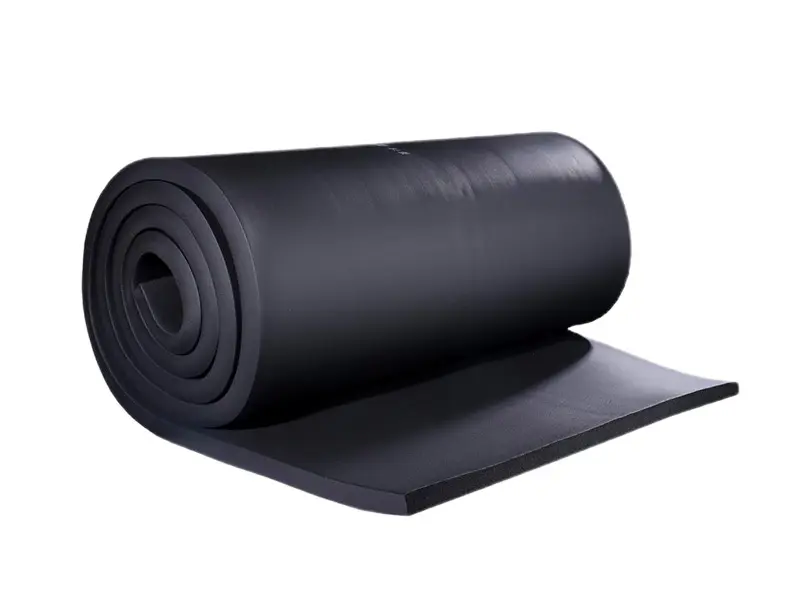
Standard Dimensions & Material Properties:
Material: High-grade NBR/PVC blend
Thickness Options: 6mm to 50mm
Density Range: 40 - 55 kg/m³
Operational Temperature Limits: -40°C to +105°C
Core Structural Advantages:
1. Consistently even cell structures with a closed-cell rating exceeding 98%.
2. High moisture resistance prevents moisture build-up, maintaining a stable thermal conductivity rating.
3. Excellent elasticity with compression recovery rates over 80%.
4. Built-in flame-retardants ensure self-extinguishing properties when exposed to fire.
5. Highly flexible sheets adapt easily to large storage tanks, ventilation ducts, and custom pipe shapes.
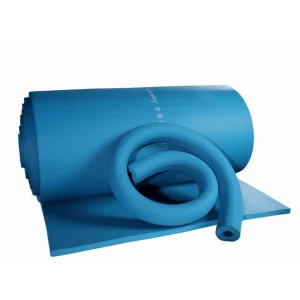
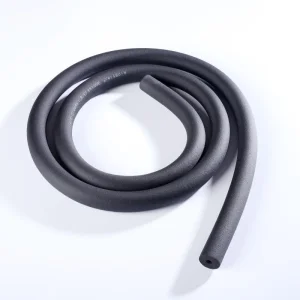
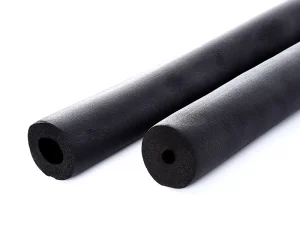
Standard Dimensions & Customization:
Material: Closed-cell NBR/PVC elastomer
Thickness Options: 9mm to 40mm
Internal Diameter (ID): 6mm to 114mm
Density: 40 - 55 kg/m³
Operational Temperature Limits: -40°C to +105°C
Core Structural Advantages:
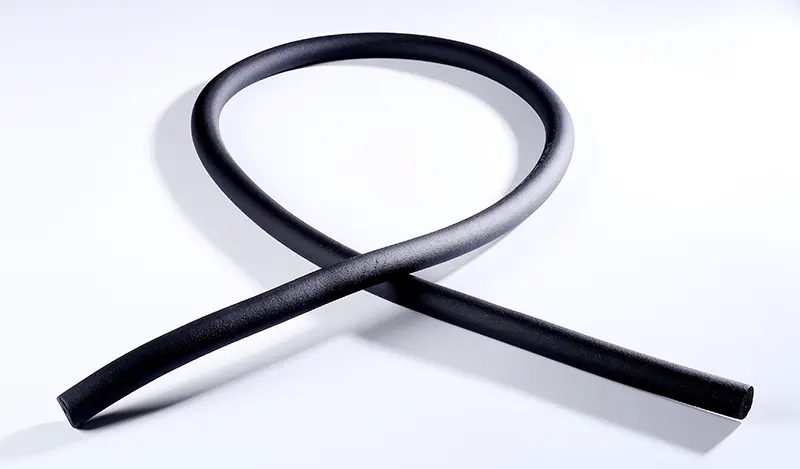
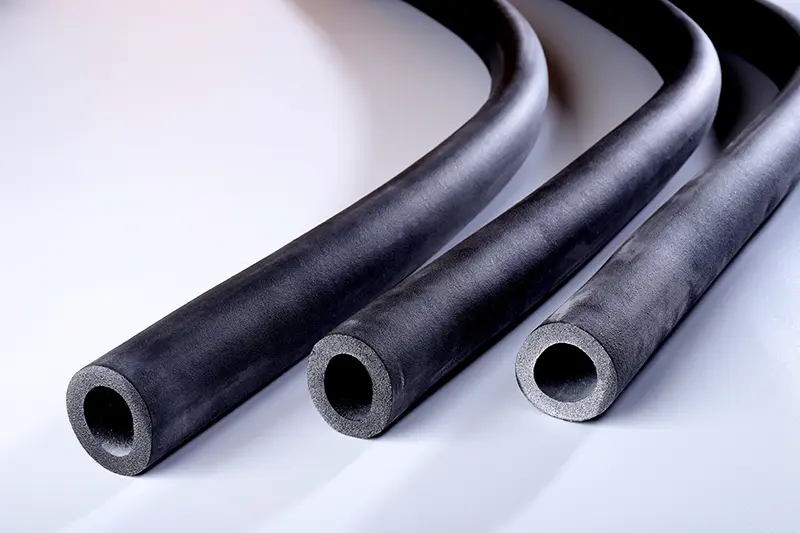
1. Pre-formed tubes designed for fast slip-on installation over copper, steel, and plastic lines.
2. Co-extruded inner walls ensure easy sliding over long pipes.
3. Flexible tubes absorb system vibrations, reducing noise transfer in machine rooms.
4. Resistant to outdoor weathering, UV degradation, and temperature swings.
5. Uniform wall thickness prevents condensation hot-spots at bends and fittings.



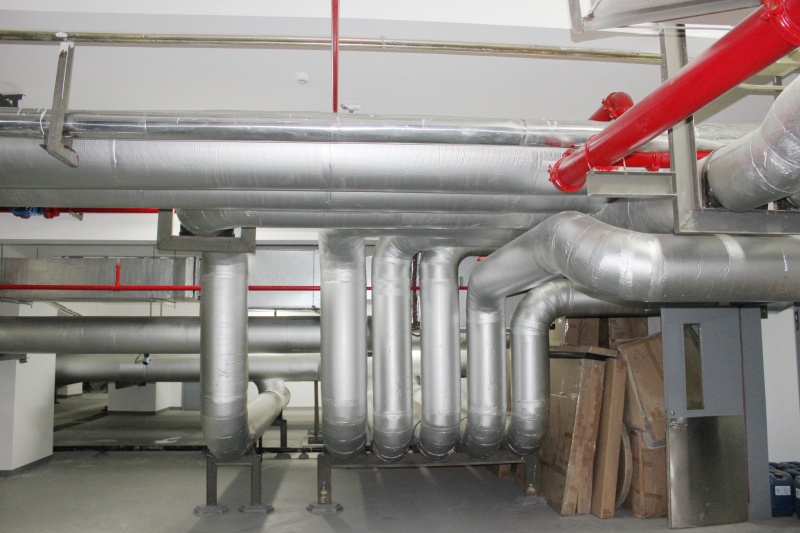
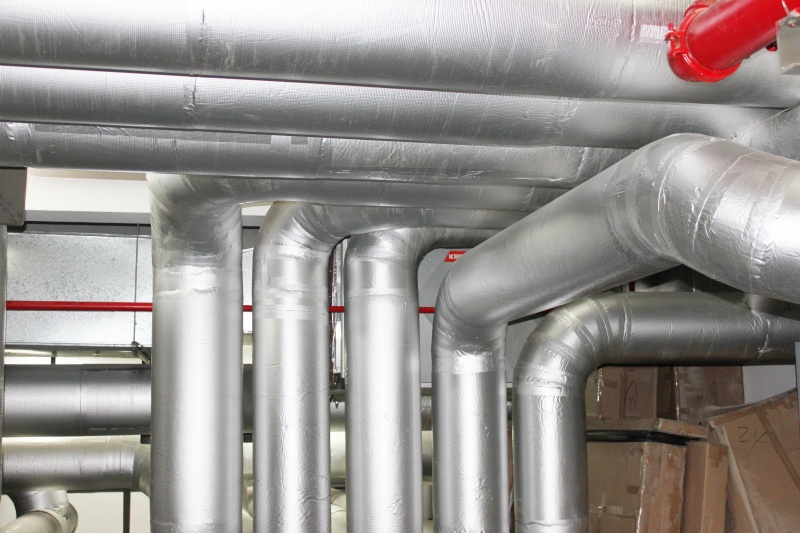
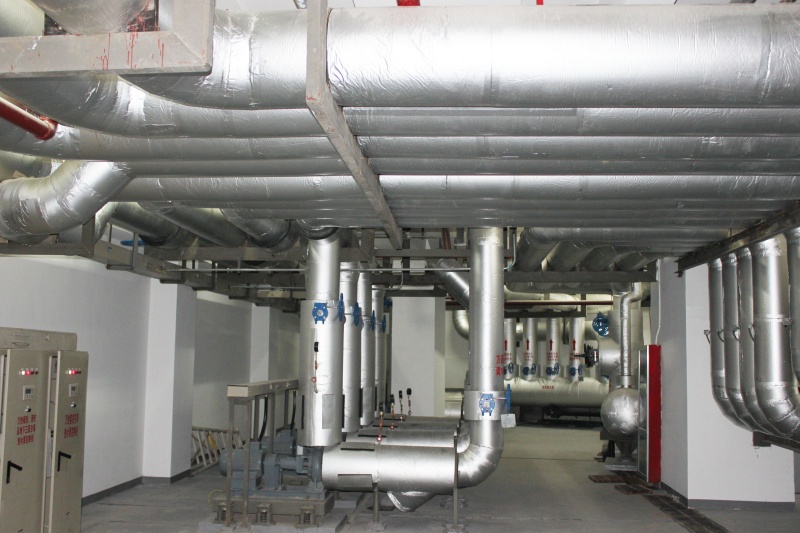
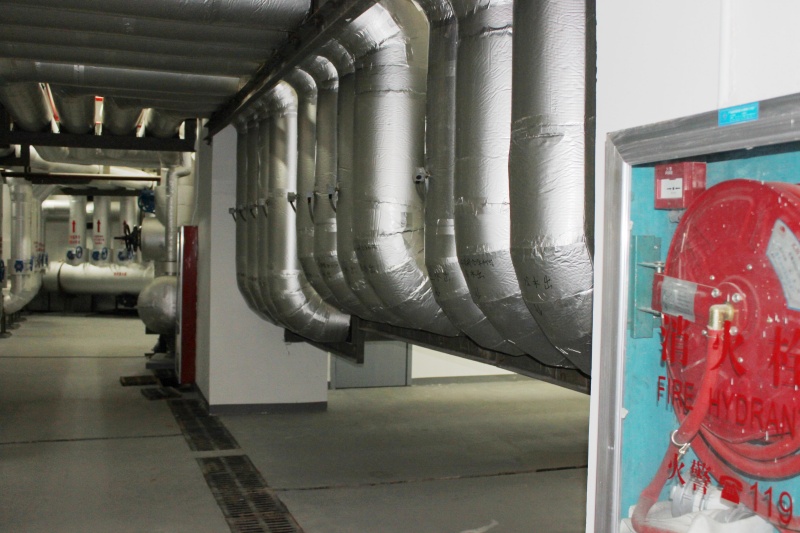

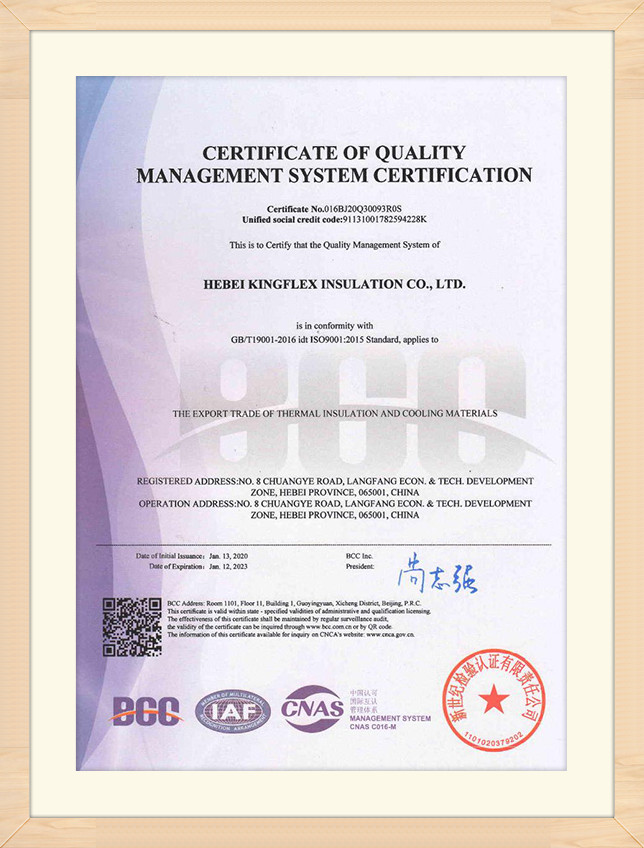
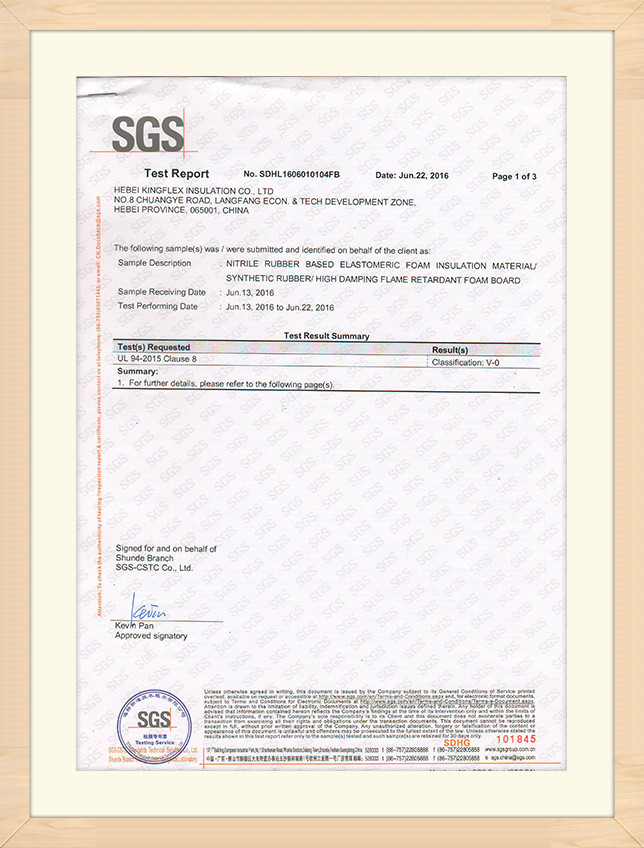
Our raw materials, NBR/PVC foaming products, and adhesive chemical formulas are regularly tested and certified by independent global safety agencies.
BS 476 Certification

ISO Standard Verification

SGS VOC Testing
CE European Compliance
Detailed technical answers addressing procurement specifications, chemical compatibility, and installation best practices.
It is primarily used for commercial HVAC ductwork, hot and cold water plumbing lines, building thermal insulation envelopes, industrial process piping (chemical plants, refineries), and cryogenic liquid storage tanks. Its closed-cell structure makes it excellent for prevention of condensation on cold surfaces, acoustic damping, and minimizing temperature loss.
Yes, our rubber foam products incorporate halogenated fire retardants that yield self-extinguishing flame-retardant properties. They successfully meet major international building safety codes, including BS 476 Part 6 & 7 (Class 0 / Class 1), UL94 V-0 ratings, and specific ASTM fire test standards, ensuring they do not fuel flame spread or produce excessive smoke.
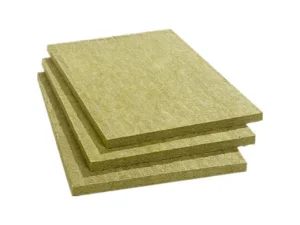
Elastomeric rubber foam is a flexible, closed-cell polymer with an integrated water vapor barrier, making it ideal for HVAC condensation control and cold piping systems. Rock wool is a high-density fibrous mineral structure with excellent high-temperature limits (often exceeding 1000°C) and fireproofing capabilities, making it suitable for high-temperature steam lines and structural firewall divisions, though it requires an external vapor barrier to prevent water absorption.
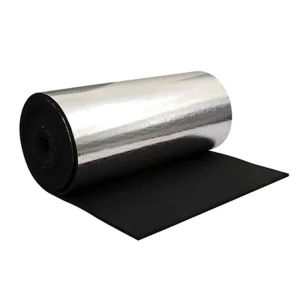
Yes, we provide extensive OEM/ODM services. We can customize sheet thicknesses (6mm to 50mm), pipe inner diameters, density ranges, facing options (including aluminum foil, fiberglass mesh, or self-adhesive backings), and adjust chemical formulation ratios for specialized adhesives to match unique geographic climates.
Our products have passed BS 476, CE, REACH, RoHS, UL94, and ASTM testing protocols. These certifications guarantee that our materials are free from banned hazardous substances, meet fire and toxicity codes, and perform reliably under mechanical and environmental stress.
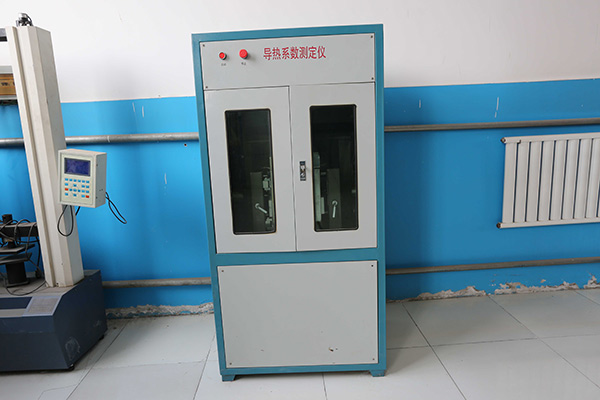
Yes. Every production run undergoes batch testing at our Dacheng manufacturing facility. Production parameters, raw material shipments, and laboratory test results are archived under specific batch numbers printed directly on the product packaging, ensuring complete traceability.
We operate five automated continuous foaming lines capable of producing sheet thicknesses ranging from 6mm up to 50mm, allowing engineering designs to meet local thermal calculations for complex mechanical systems.
Under standard operating conditions within defined temperature limits (-40°C to +105°C) and with proper joint sealing using specified adhesives, our elastomeric products maintain their structural and thermal performance for 10 to 15 years, significantly reducing maintenance costs.
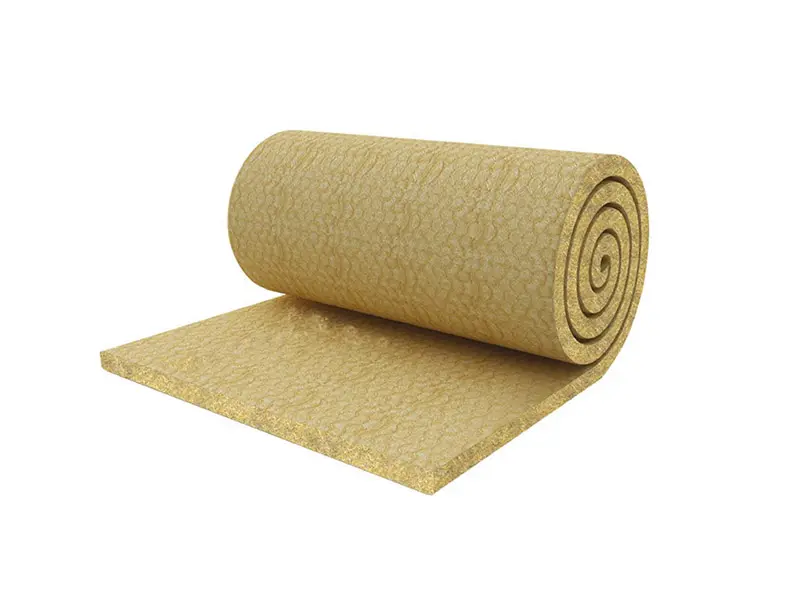
Review our specialized thermal blankets, high-density rock wool boards, and acoustic isolation systems.
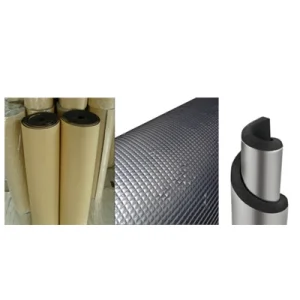
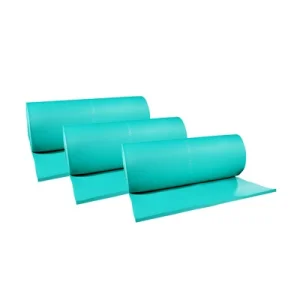
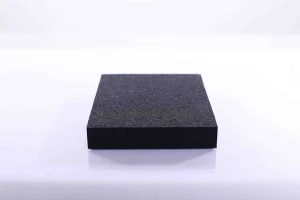
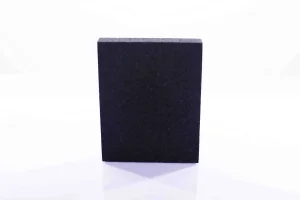
Our core range includes standard and customized NBR/PVC sheets, pre-slit tubes, and high-density isolation hangers. Ideal for commercial HVAC projects requiring condensation protection and thermal control.
Explore RangeFlexible fiberglass blankets and boards with optional foil facing. Engineered for high-temperature ducts, acoustic partition walls, and industrial process piping up to 250°C.
Explore RangeHigh-density mineral wool panels and pipe sections providing fire performance up to 1000°C. Designed for heavy industrial complexes, boilers, and petrochemical furnaces.
Explore Range Kingflex