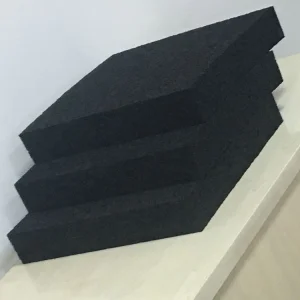
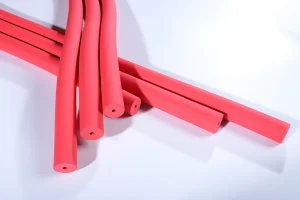
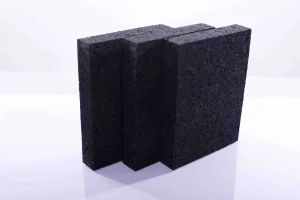
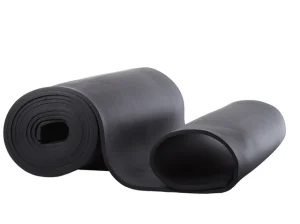
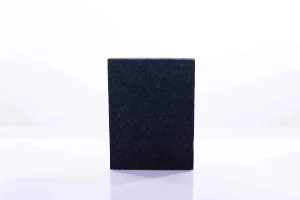
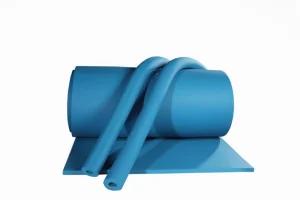
Explore our leading closed-cell elastomeric sheets and sound-absorbing sound insulation solutions.
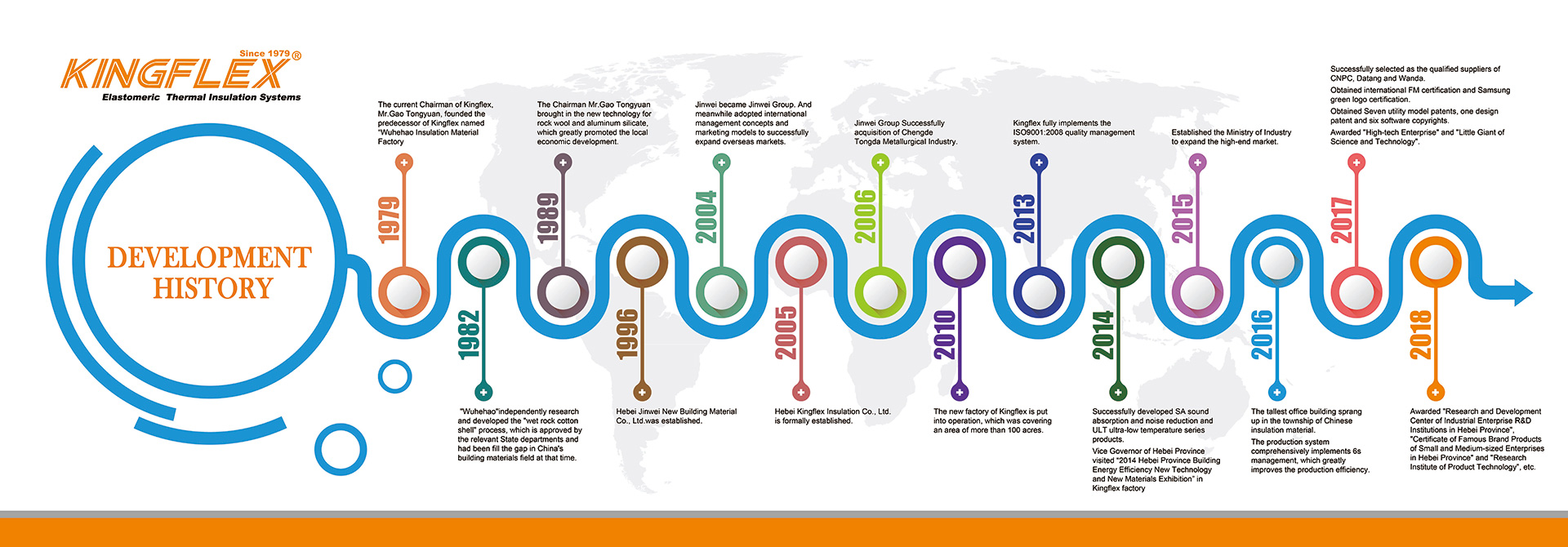
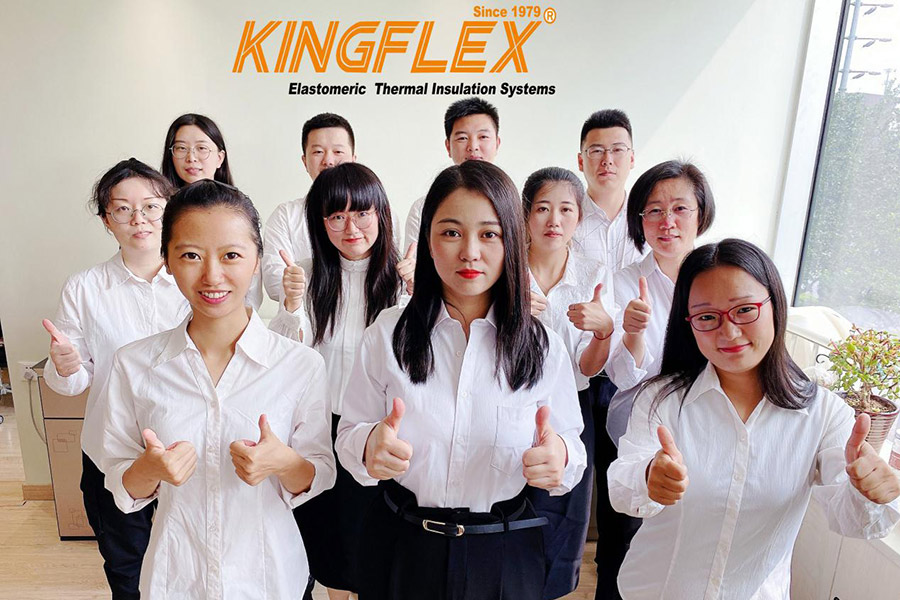
Established under the prestigious Jinwei Group, which commands a history of over 40 years since its founding in 1979, Kingflex Insulation Co., Ltd. has developed into a premier manufacturing and trading powerhouse. As the first designated manufacturer of thermal insulation materials north of the Yangtze River, we have spearheaded energy conservation technologies for building envelopes and large-scale industrial arrays.
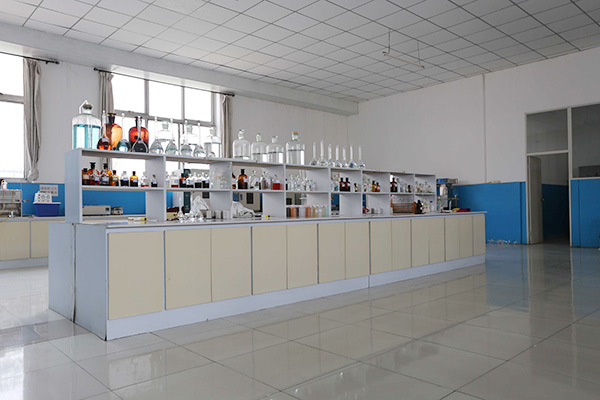
Strategically situated in Dacheng, China—globally recognized as the capital of green building materials—our campus functions as a dedicated center for high-performance closed-cell elastomeric research, formulation development, and manufacturing. Kingflex is committed to bridging the gap between raw thermal material supply and bespoke, high-efficiency mechanical engineering solutions.

How we ensure unmatched material consistency and scaled global supply chains.
With 5 massive fully automated continuous assembly lines, Kingflex outputs over 600,000 cubic meters of elastomeric foam annually. This capacity secures our role as a trusted supply partner for heavy chemical plants, national defense facilities, and large-scale infrastructure.
Our operation relies on a dedicated workforce of 230 production specialists, 6 seasoned international logistics engineers, and 8 professional R&D materials scientists working to optimize thermal conductivities and moisture permeation metrics.
Over the past 16 years of direct international operations, Kingflex products have been delivered to more than 66 foreign countries and regions, adapting to strict local standards across the Americas, EU, and Southeast Asia.

In-depth technical analysis of closed-cell elastomeric systems in commercial and industrial settings.
Standard NBR/PVC elastomeric rubber foam insulation features a dense matrix of individual cells, with a closed-cell rate exceeding 98%. Unlike open-cell media or fibrous boards (e.g., glass wool, standard rock wool), this closed-cell structure does not rely on static air pocket containment inside porous spaces. Instead, it prevents moisture vapor from passing through, maintaining high thermal efficiency even in wet environments.
In low-temperature or chilled-water pipe applications, moisture vapor can migrate toward the cold pipe surface due to vapor pressure differences. If water condenses inside the insulation, its thermal conductivity increases, leading to system failure. Kingflex NBR/PVC rubber foam has a high moisture resistance factor (μ ≥ 10,000), which creates a built-in vapor barrier to reduce this risk.
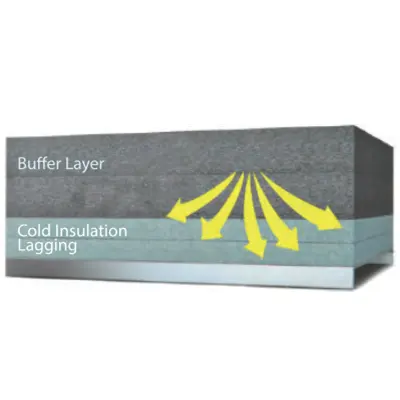
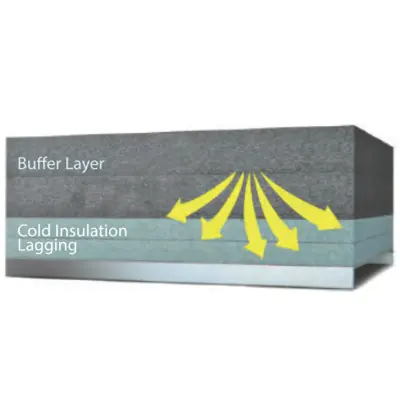
In petrochemical processing, marine liquid gas transport, and LNG setups, systems must operate reliably at temperatures down to -200 °C. For these conditions, typical materials can become brittle and crack due to thermal stress. Kingflex cryogenic elastomeric insulation retains its flexibility even in intense cold, preventing thermal bridging and protecting pipes from corrosion under insulation (CUI).
At these low temperatures, standard single-layer insulation is not enough. Design layouts require multi-layered setups with offset seams and specialized cryogenic adhesives. This ensures the system can handle thermal expansion and contraction without forming ice bridges.
For modern public buildings, industrial centers, and transport hubs, fire safety is critical. Kingflex elastomeric materials are engineered with advanced flame retardants to meet BS 476 (Class 0 and Class 1), UL94 (V-0 rating), and ASTM E84 standards. In a fire, our NBR/PVC matrix is designed to self-extinguish quickly without releasing burning droplets, helping to prevent flame spread through mechanical duct networks.
Comparative physical and thermodynamic performance indicators of Kingflex elastomeric layouts.
| Performance Characteristic | NBR/PVC Elastomeric Foam | Traditional Rock Wool | Test Standard Reference |
|---|---|---|---|
| Operating Temperature Range | -40°C to 105°C (Cryogenic down to -200°C) | Up to 650°C (High Temp only) | ASTM C534 / ASTM C547 |
| Thermal Conductivity (0°C) | ≤ 0.034 W/(m·K) | ≥ 0.040 W/(m·K) | ASTM C518 / ISO 8301 |
| Moisture Vapor Permeability | μ ≥ 10,000 (Built-in Vapor Barrier) | Highly Permeable (Requires Outer Jacket) | BS EN 12086 / ASTM E96 |
| Fire Safety Rating | Class 0 / Class 1 (BS 476), V-0 (UL94) | Non-Combustible Class A1 | BS 476 Part 6 & 7 / UL 94 |
| Closed-Cell Rate | ≥ 98% | ≤ 10% (Fibrous open matrix) | GB/T 10799 |
| Compression Resilience | ≥ 80% recovery rate | Minimal resilience under pressure | ASTM C165 |
How specialized elastomeric solutions protect mechanical systems in challenging environments.
In tropical and high-humidity climates, cold water lines can sweat, leading to ceiling damage and mold. Our closed-cell rubber foam prevents this condensation. Typical layouts use self-adhesive rolls or pre-formed tubes to seal joints, keeping the pipes dry and protected.
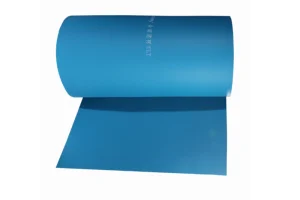
For liquid gas applications, our cryogenic elastomeric sheets are installed in staggered layers. Joint configurations are offset to prevent cold air leakage, while specialized cryogenic vapor barriers keep out moisture that could turn to ice and crack the system.
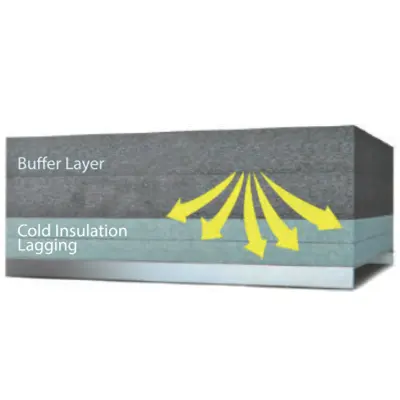
In plant rooms, HVAC duct interiors, and office spaces, mechanical noise can be a problem. Our open-cell soundproofing rubber foam absorbs low-to-mid-frequency vibrations, dampening acoustic energy and reducing structure-borne noise.

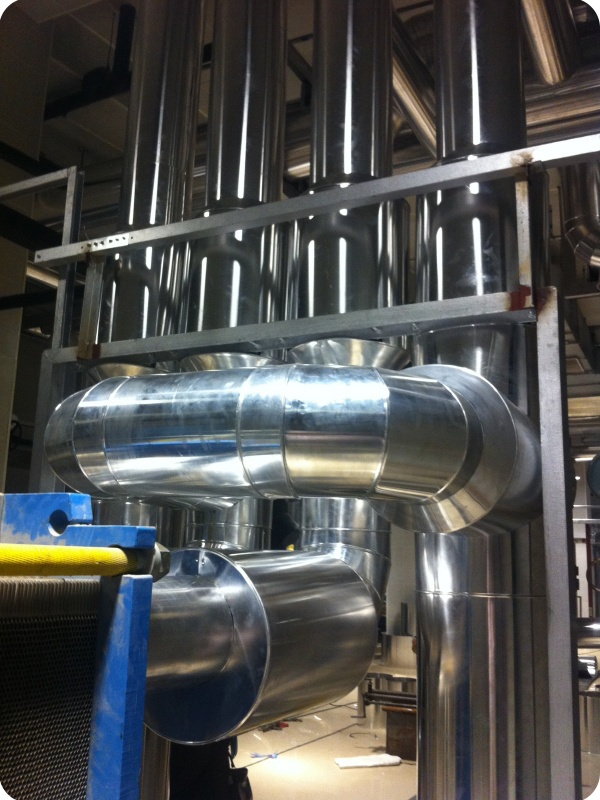
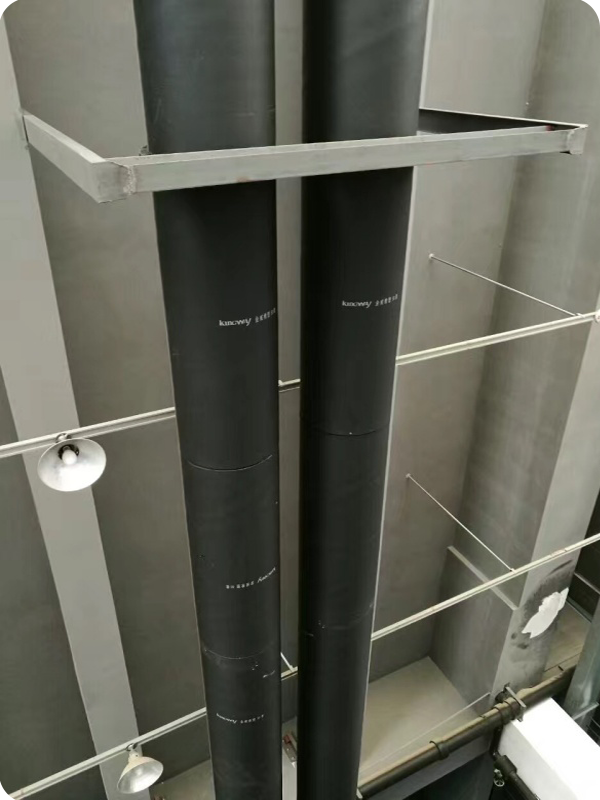
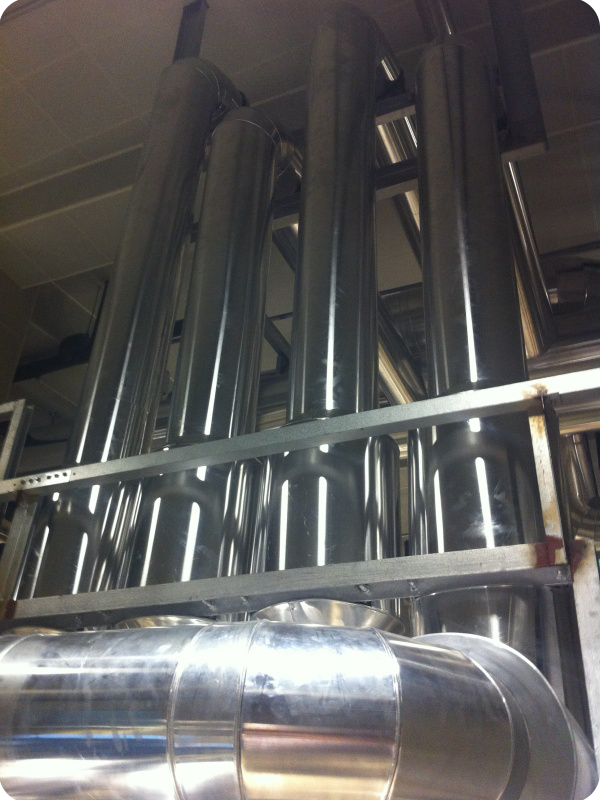
Standardized dimensional matrices ensuring correct mechanical tolerances and thermal protection limits.
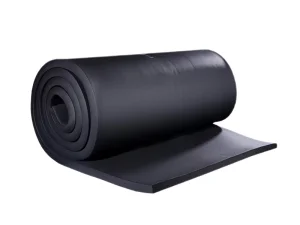
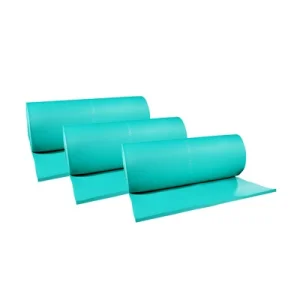
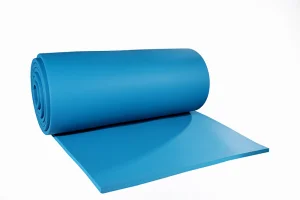
Designed for flat plates, large diameter pipes, and square ventilation ducts.
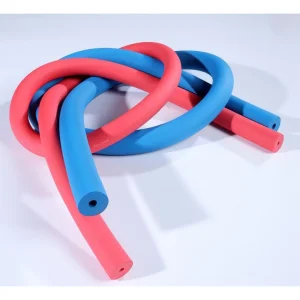
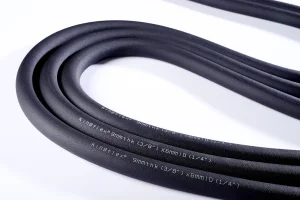
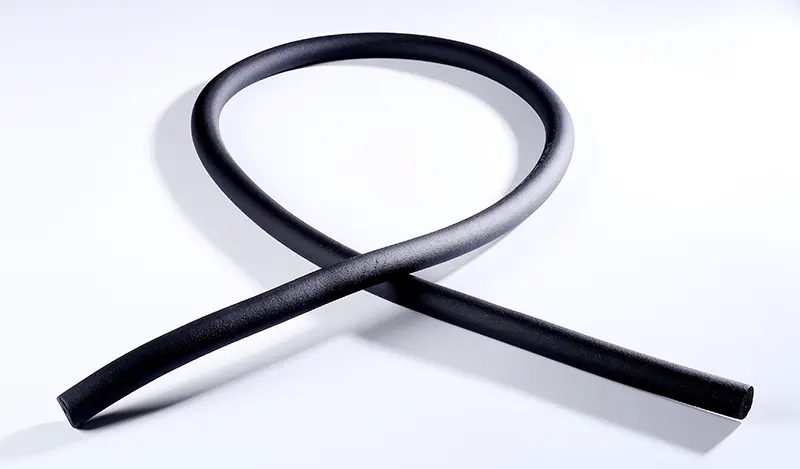
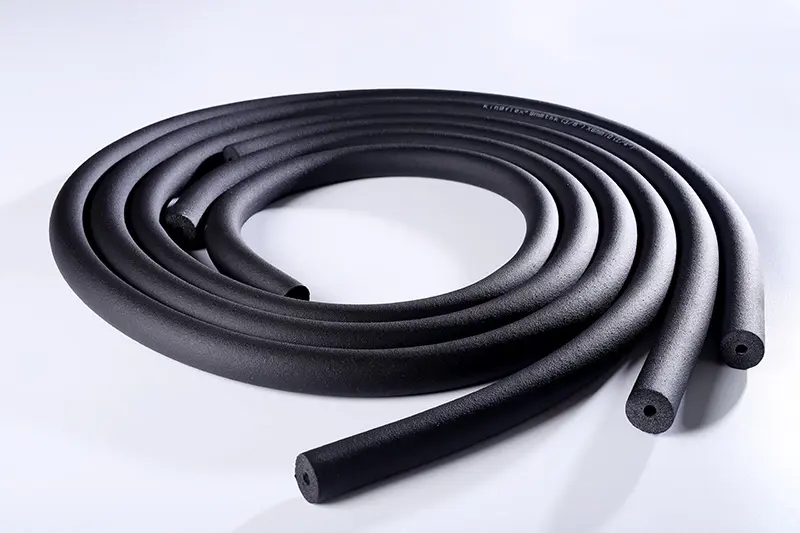
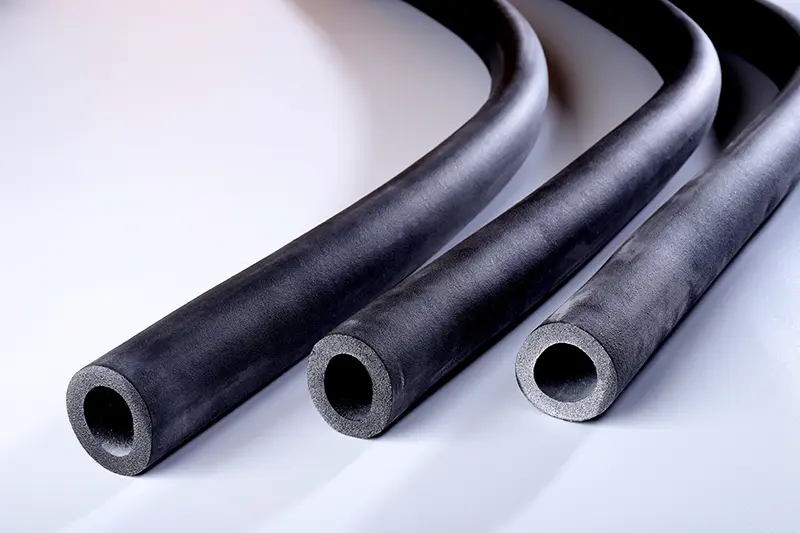
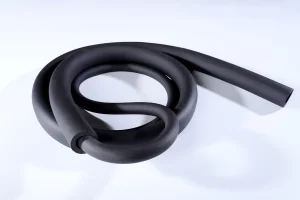
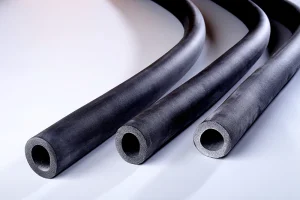
Specifically extruded for quick slip-on installation on copper, steel, and PVC conduits.
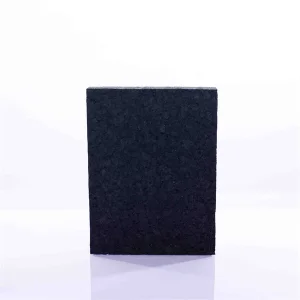
For outdoor industrial lines and high-traffic areas requiring physical protection.
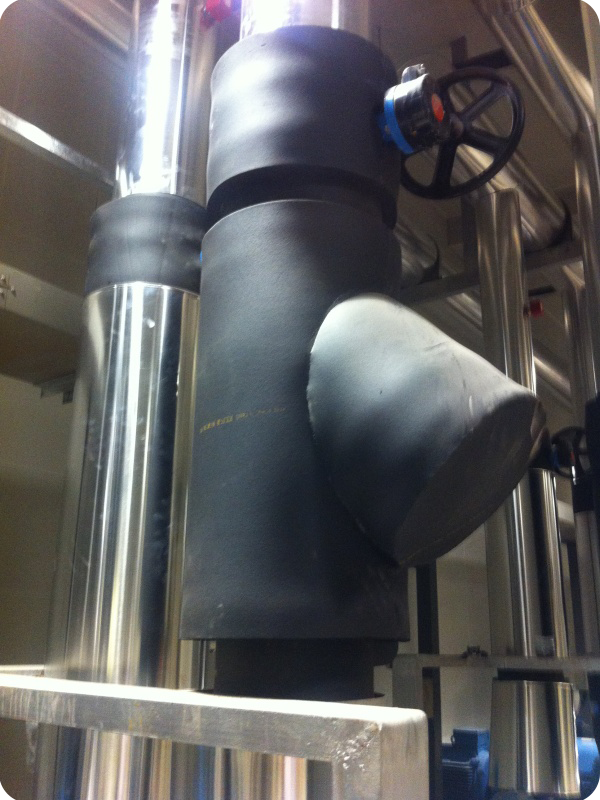
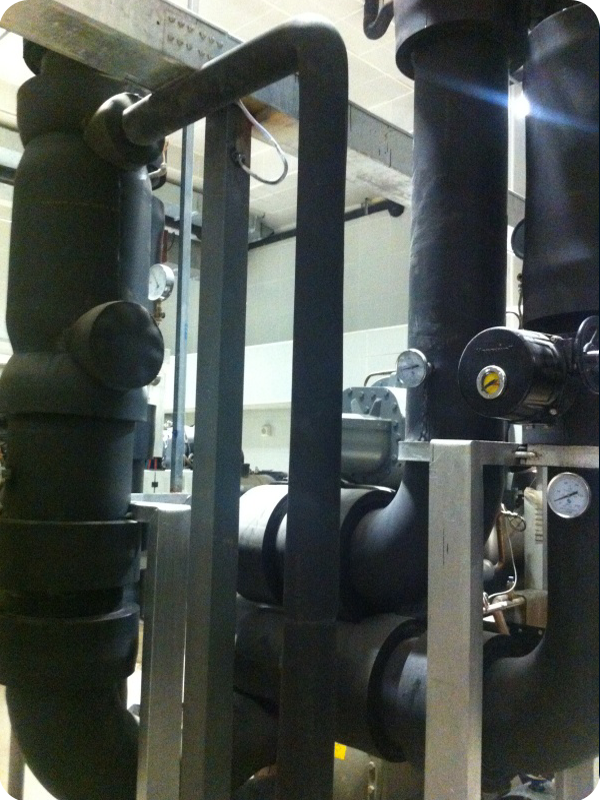
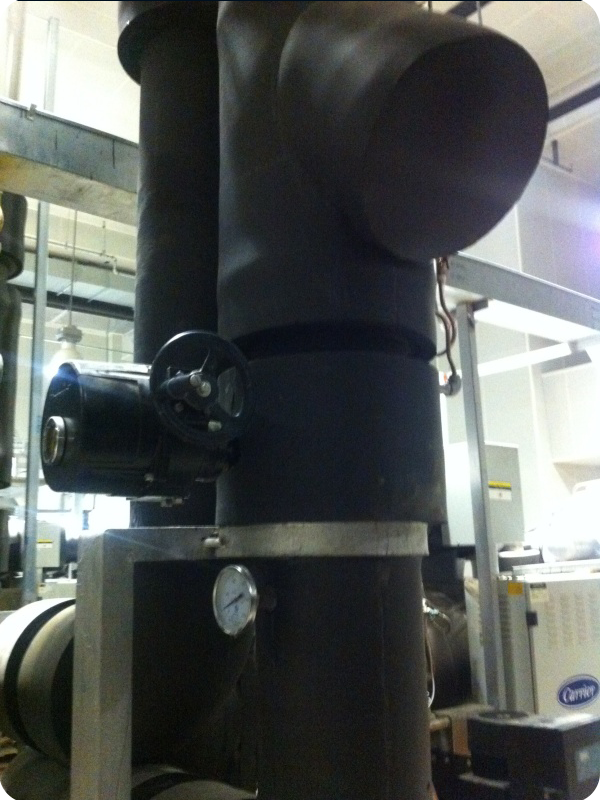
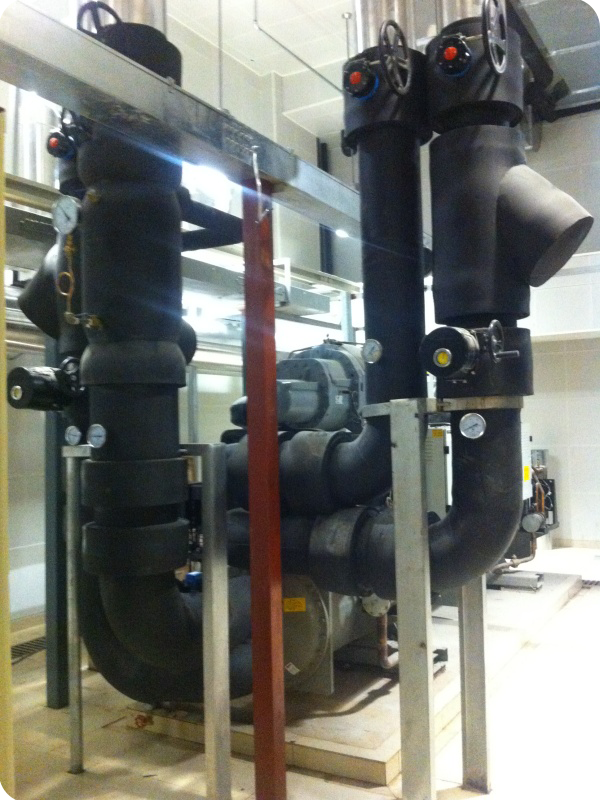
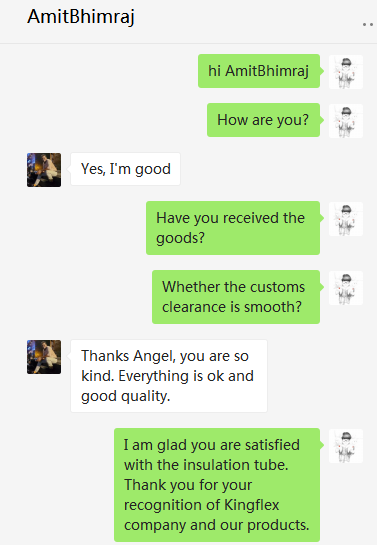
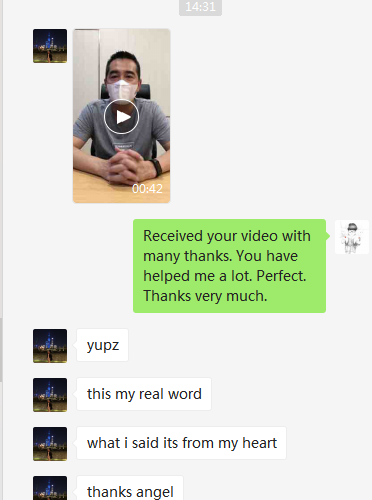
Internationally audited operations and direct customer feedback screenshots showing proven on-site reliability.
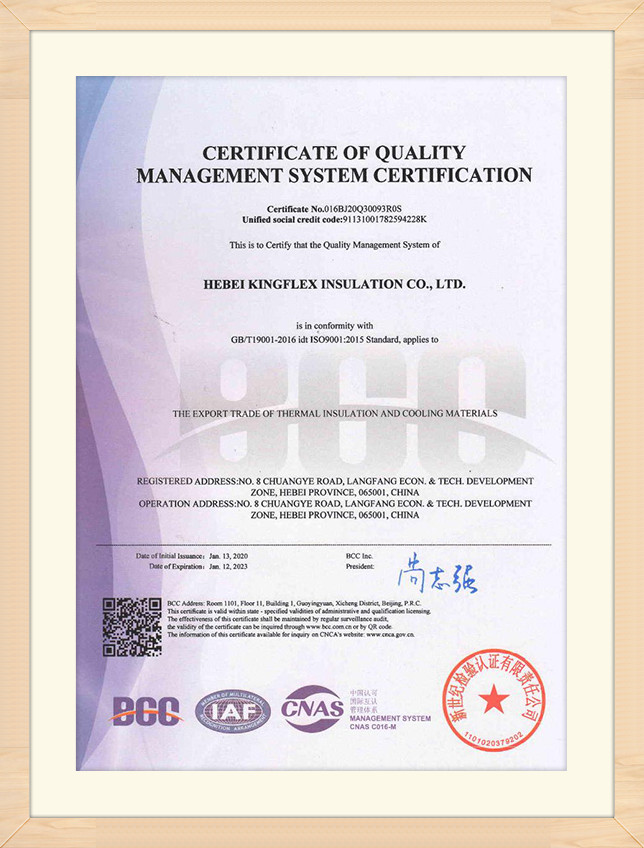


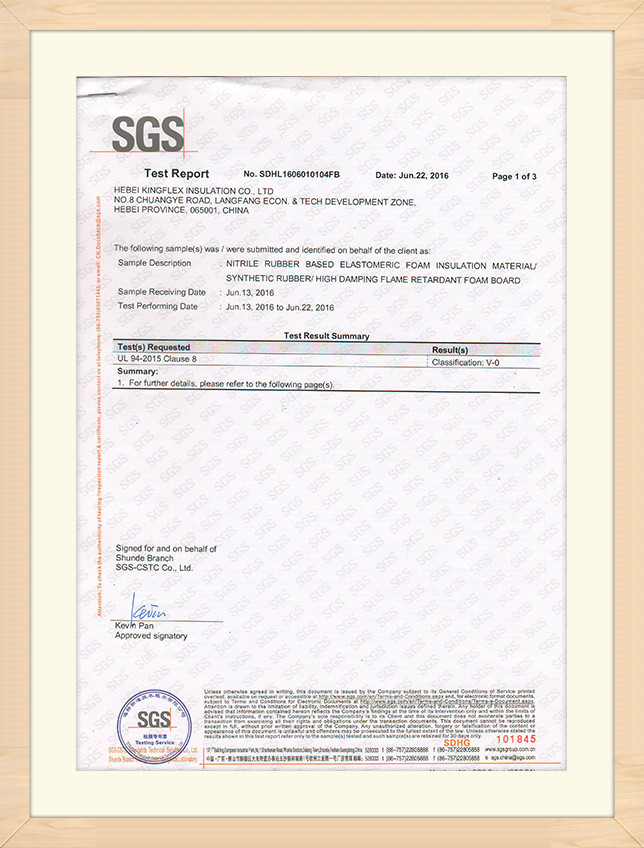
Proof of communication and product approval from our international partners.



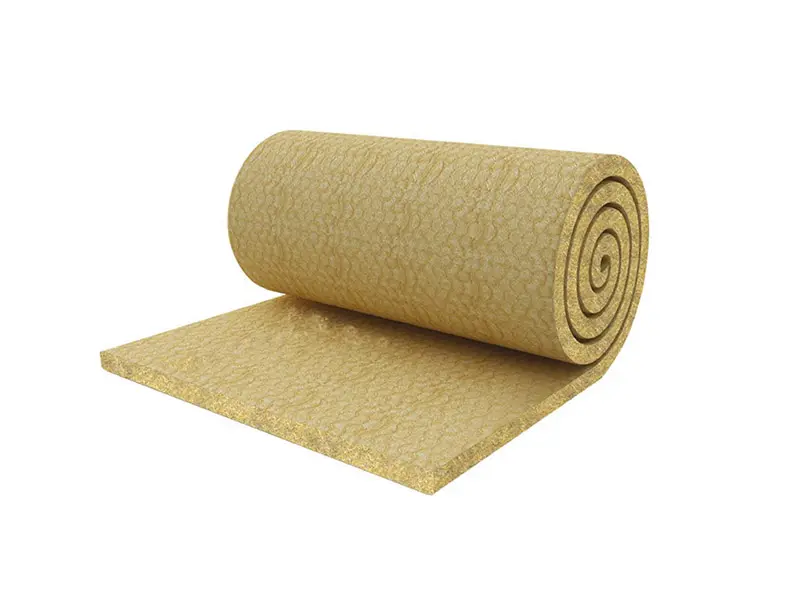
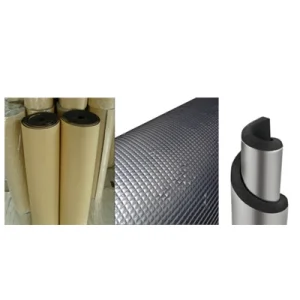
Our complete range of elastomeric rubber foam profiles, cryogenic wraps, and specialized rock wool sheets.
Take a look inside our Dacheng factory, showing our high-volume output and ready-to-ship inventory.
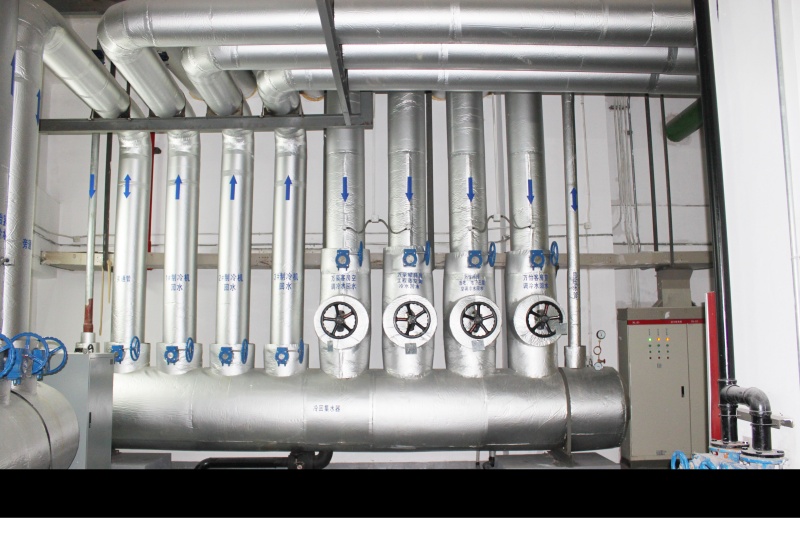


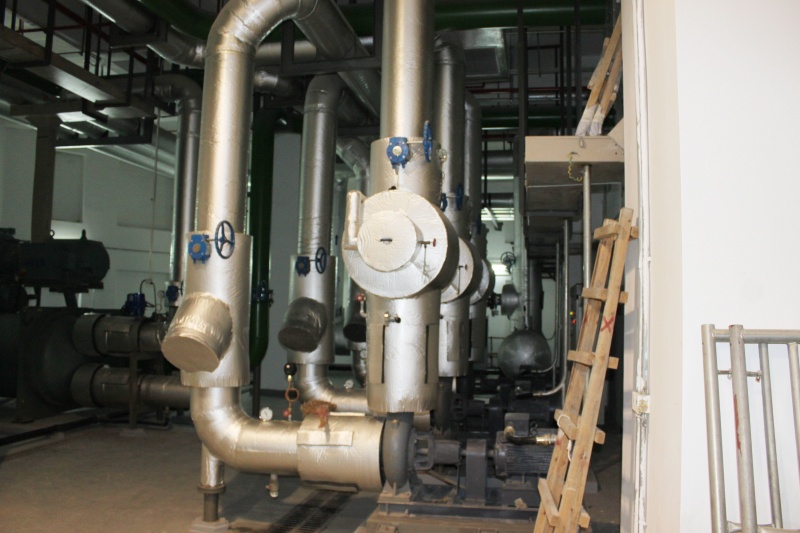
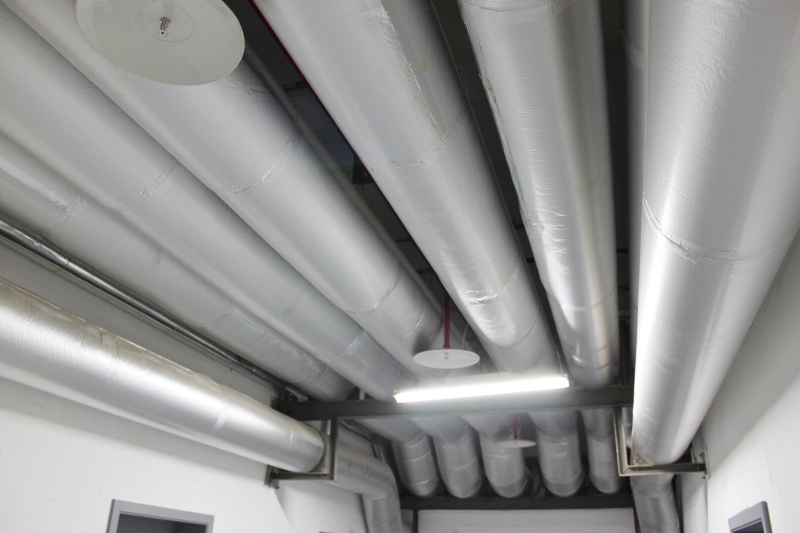

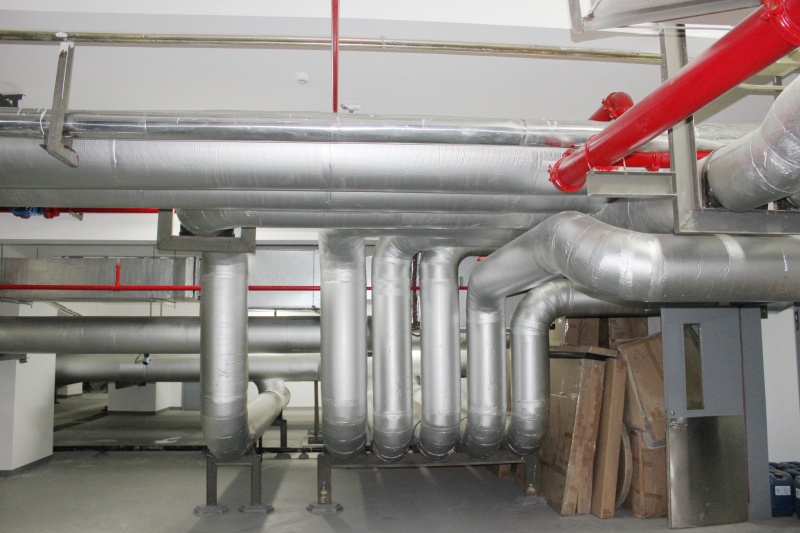
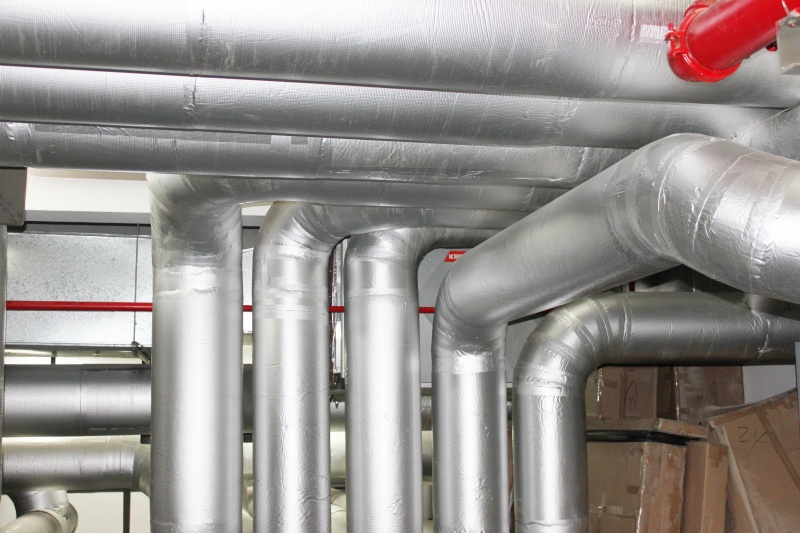
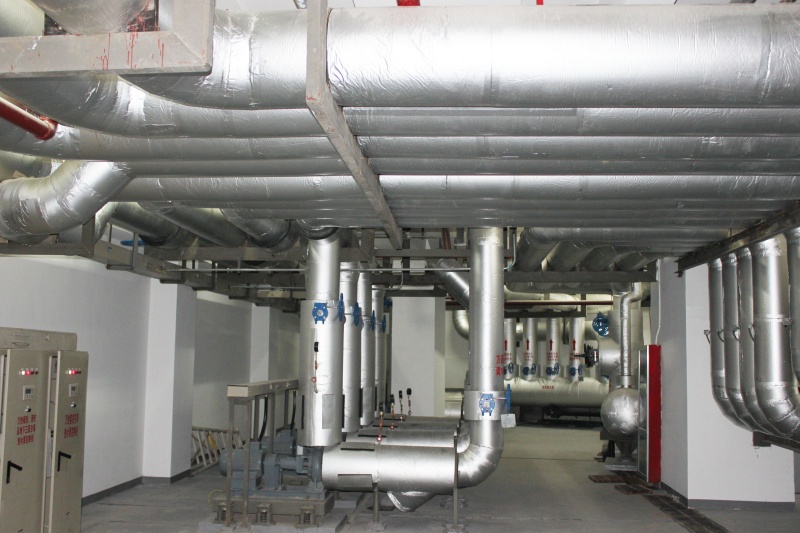
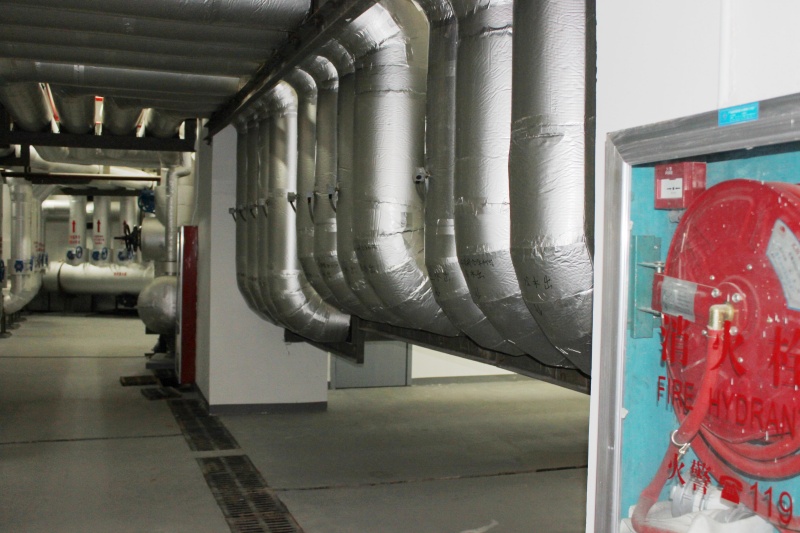
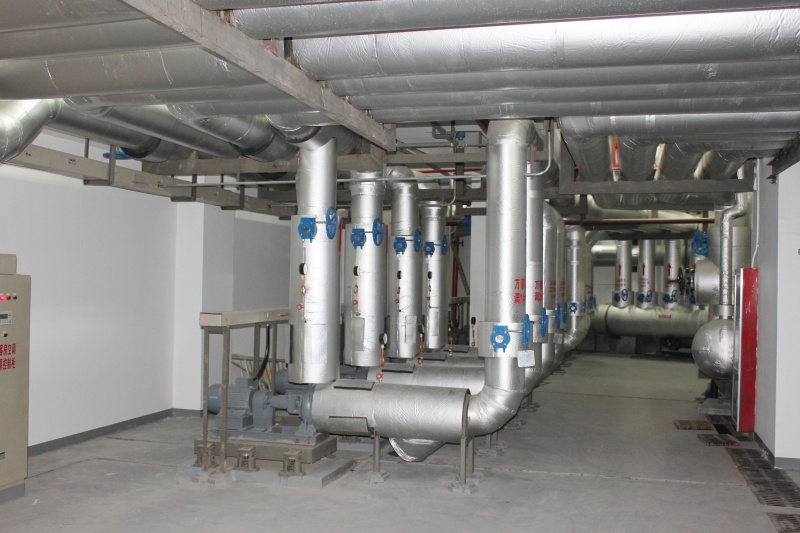

How we help project designers comply with local regulations and structural specifications.
For installations in the US and Canada, our elastomeric products are tested to meet ASTM E84 25/50 flame spread and smoke development indexes. This ensures they comply with building code requirements for mechanical systems and plenum spaces.
All items shipped to the EU are CE-certified and comply with EN 14304 specifications. We test and list thermal values across different temperatures, providing structural engineers with the precise thermal calculations they need for system designs.
Kingflex materials are manufactured to be environmentally safe, containing no CFCs, HFCs, or volatile organic compounds (VOCs). They comply with REACH and RoHS regulations, making them suitable for use in green building projects (such as LEED or BREEAM certified builds).
Providing reliable delivery and quality assurance for commercial projects around the world.


Find technical answers on how to select, design, and install our closed-cell elastomeric rubber foam systems.
Explore our pre-formed pipes, self-adhesive sheets, and low-temperature elastomeric wraps.
 Kingflex