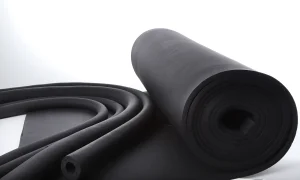
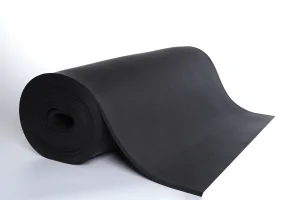
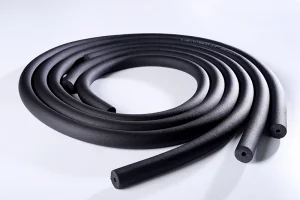
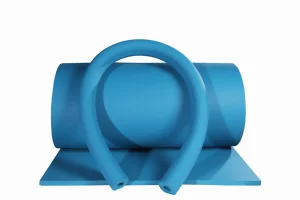
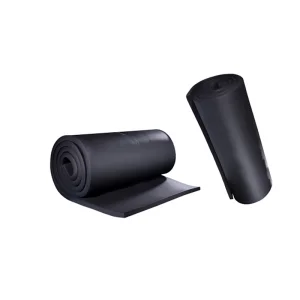
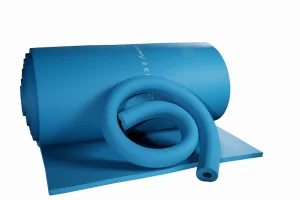
Select from our high-performance closed-cell thermal & cryogenic rubber foam products.
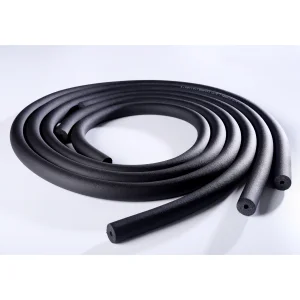
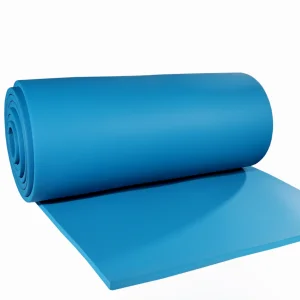
Modern HVAC and process engineering demand strict thermal efficiency. The choice of insulation thickness is no longer a matter of estimation, but of calculations based on thermal dynamics. An insulation calculator evaluates ambient temperature, relative humidity, pipe diameter, wind velocity, and operational fluid temperatures to establish the precise critical thickness needed to prevent condensation and minimize thermal gain.
At Kingflex, we coordinate factory testing with our digital calculation models. We analyze heat transmission rates through NBR/PVC closed-cell structures. This lets us recommend custom configurations for HVAC systems, cold chain logistics, and cryogenic processing, preventing energy loss and surface moisture aggregation.

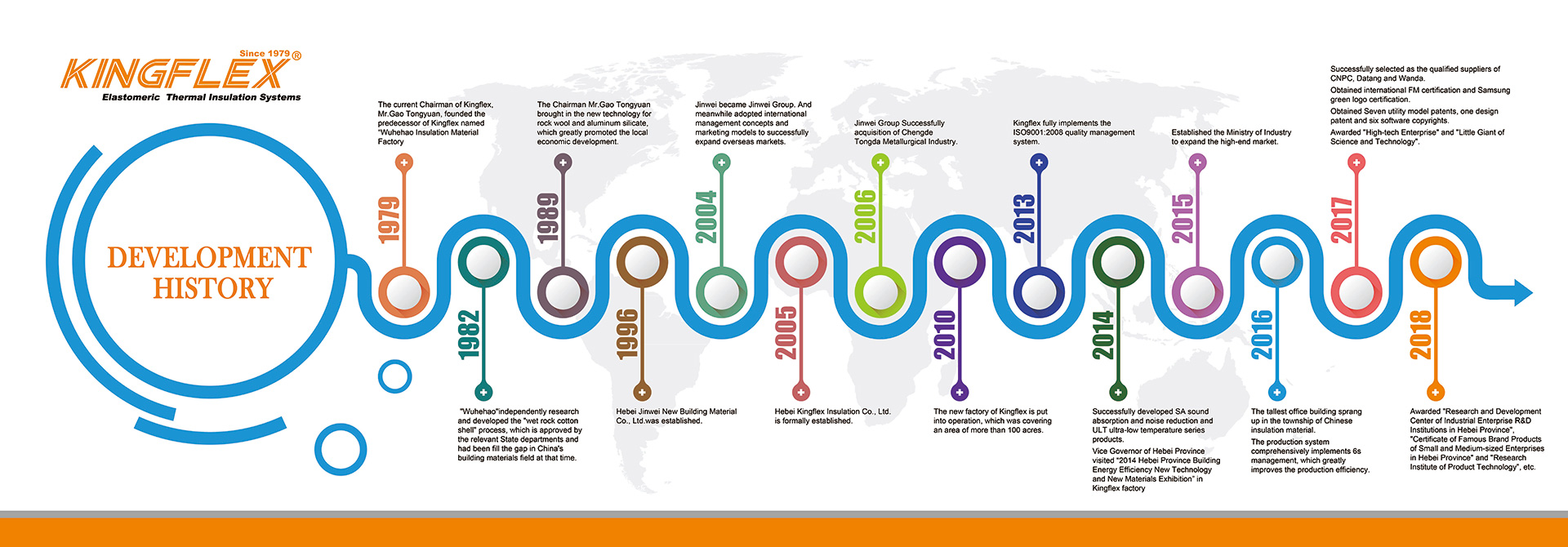
Kingflex Insulation Co., Ltd. is a professional manufacturing and trading combo for thermal insulation products. Our research, development, and production departments are located in Dacheng, China—a hub for green building materials. As an energy-saving, environmentally friendly enterprise, Kingflex concentrates on R&D, advanced production, global sales, and technical consulting.
Established by the Jinwei Group, which has over 40 years of history, Kingflex carries forward a legacy of quality. Founded in 1979, the group was the first thermal insulation manufacturer established north of the Yangtze River. Today, we focus on energy conservation, providing complete solutions from research to project-level installation guidance.
Our infrastructure delivers stable supplies to infrastructure projects worldwide.
Combining advanced industrial supply chains with scientific calculations.
Our raw polymer supply chain in Dacheng supports consistent batch manufacturing of NBR/PVC matrices, ensuring uniform cell distribution.
We combine software calculation tools with our extrusion processes. By matching calculated wall thicknesses with production parameters, we achieve high-precision sizing.
Our product formulations are tested against international standards like BS 476, ASTM, CE, REACH, RoHS, and UL94 for flame resistance.
How our engineering specialists support project planning from formula development to final installation.
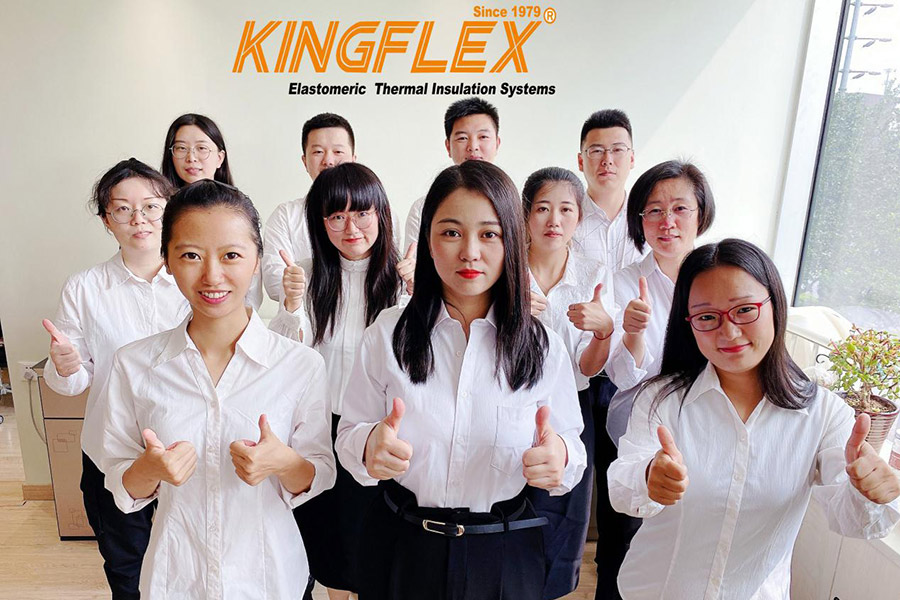
Our team includes 8 professional R&D engineers, 6 international sales consultants, and 230 manufacturing staff. This balance of experience and technical knowledge allows us to deliver high-quality thermal insulation systems.
Our engineers use data calculations to analyze thermal performance under varying conditions. This helps ensure that the density and cell structure of our rubber foam sheets match the requirements of each project.
By simulating challenging environments, we verify that our elastomeric foam designs resist water absorption and limit thermal loss over long operational lifespans.
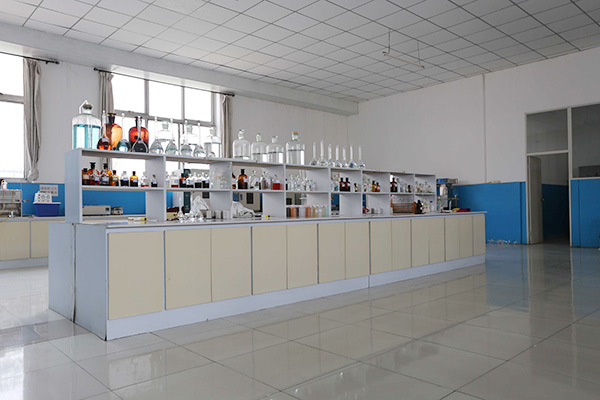

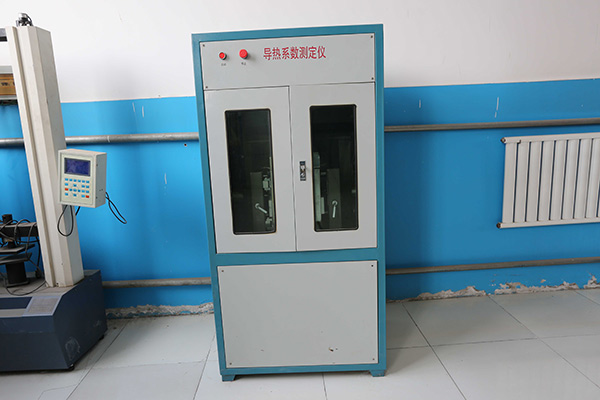
Tested and approved by third-party laboratories to meet regulatory requirements worldwide.
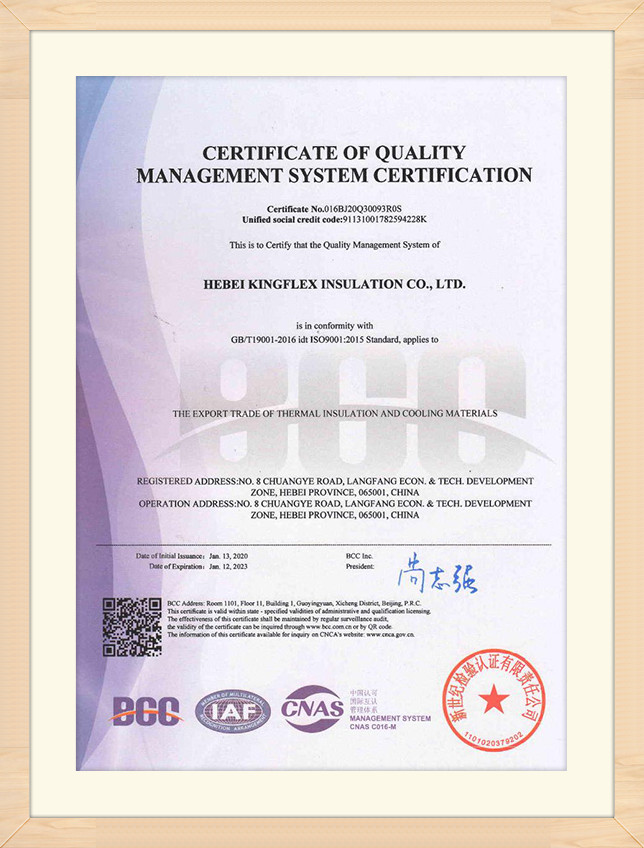
Flame Spread Certificate

CE Compliance

RoHS Safety Certified
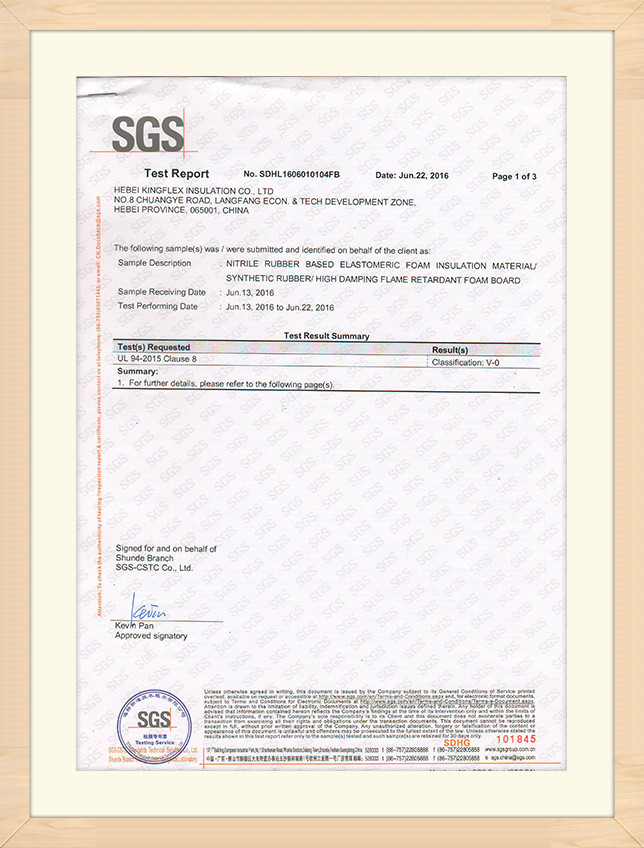
REACH Environmental Standards
Active communication and collaboration with global engineering groups.




Standard performance values and structural parameters for Kingflex elastomeric materials.
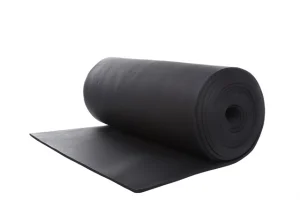
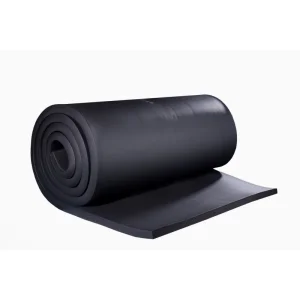
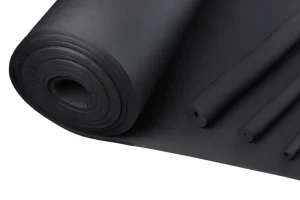
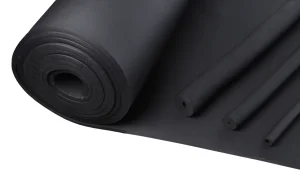
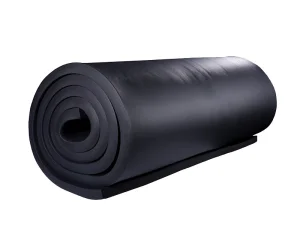
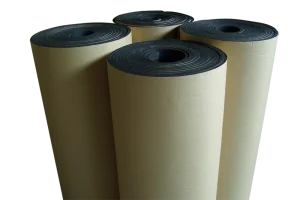
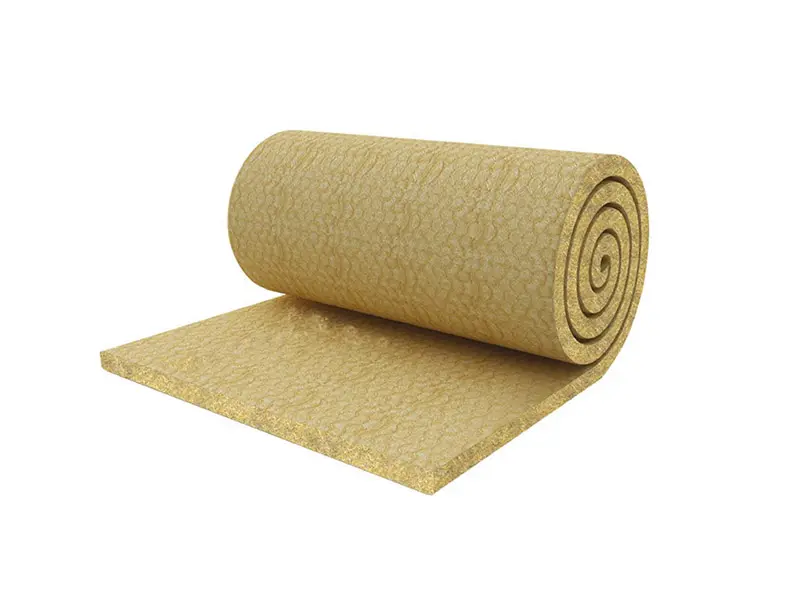
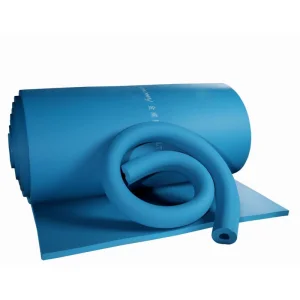
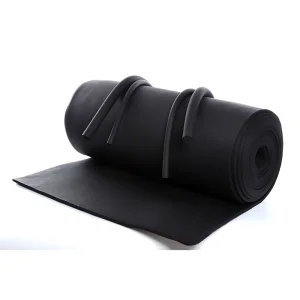
Our closed-cell elastomeric rubber foam sheets are designed to control heat flow and condensation on larger ductwork, tanks, and flat surfaces.
| Parameters | Value |
|---|---|
| Material Composition | NBR/PVC Elastomeric Matrix |
| Thickness Range | 6mm to 50mm |
| Density Range | 40 to 55 kg/m³ |
| Operational Temp Range | -40℃ to +105℃ |
| Closed-Cell Ratio | > 98% |
| Thermal Conductivity (λ) | ≤ 0.034 W/(m·K) at 0℃ |

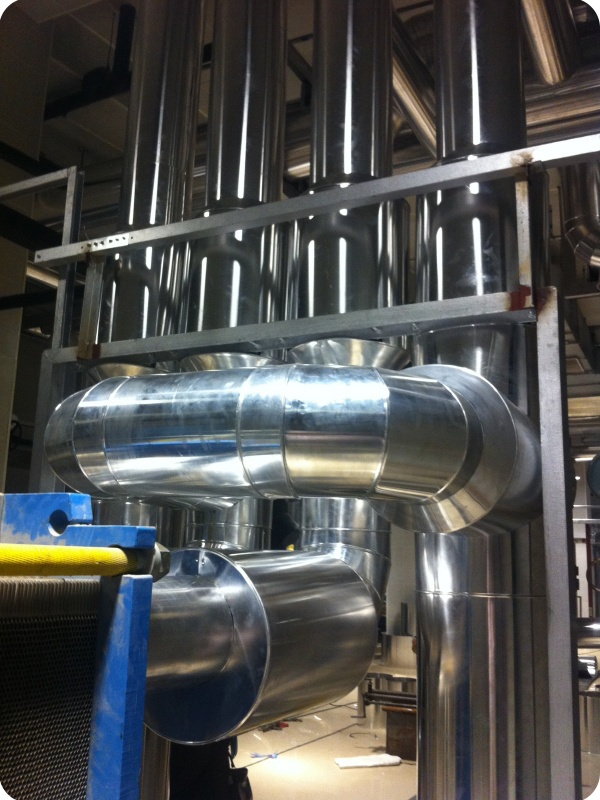
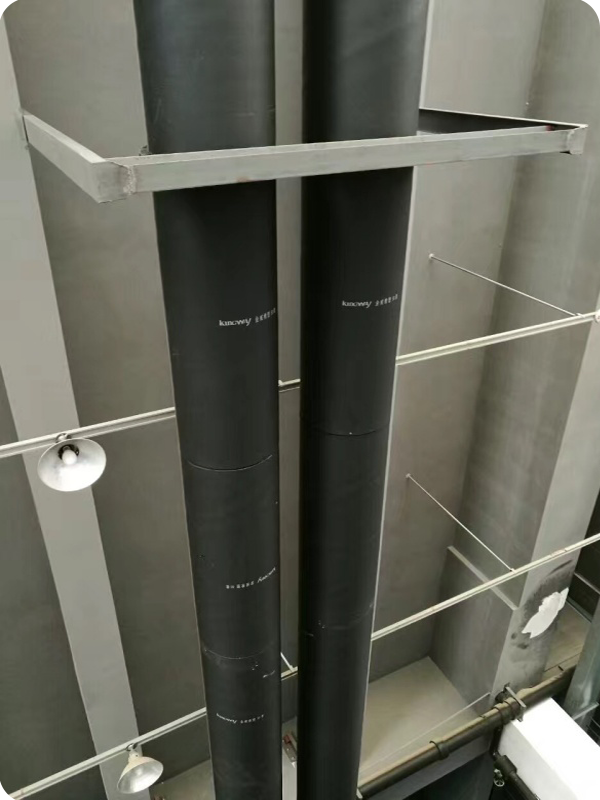
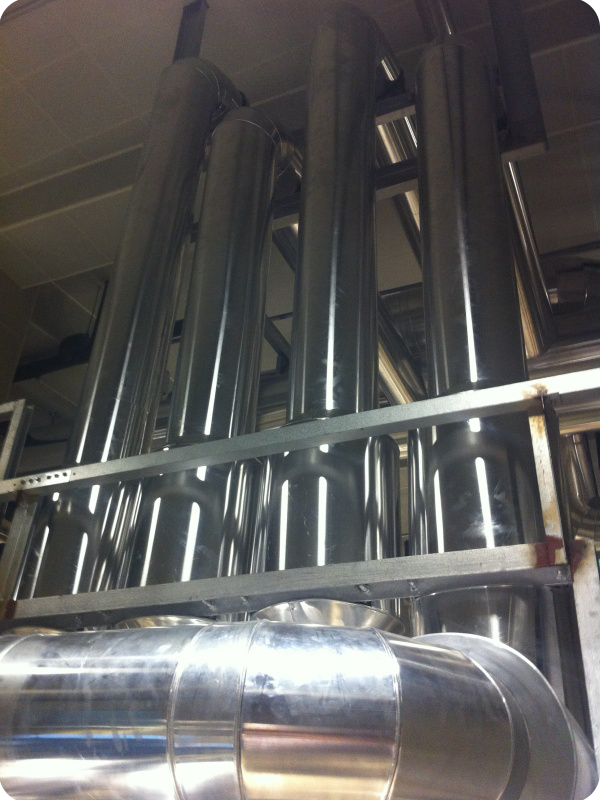
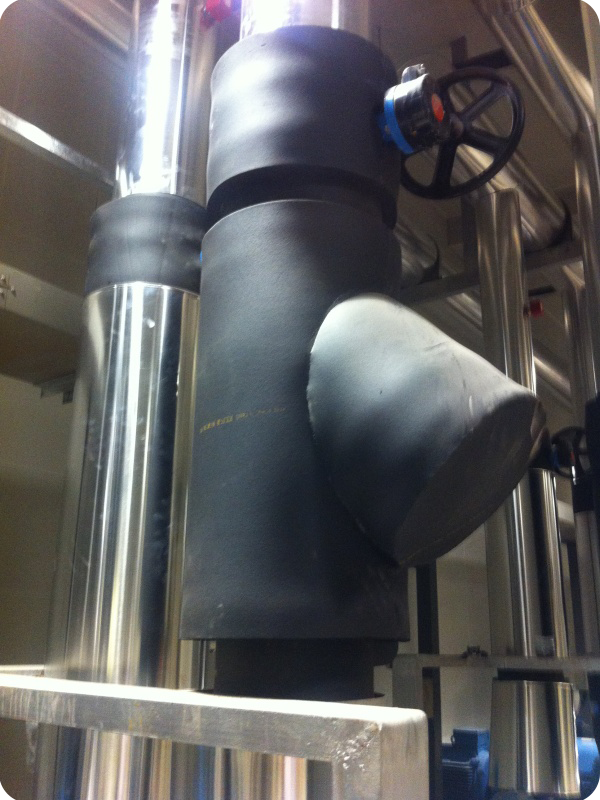
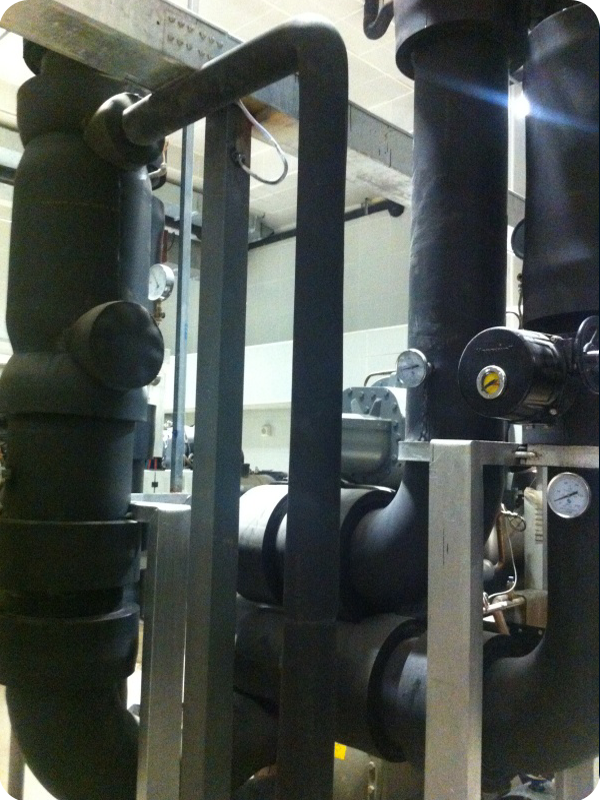
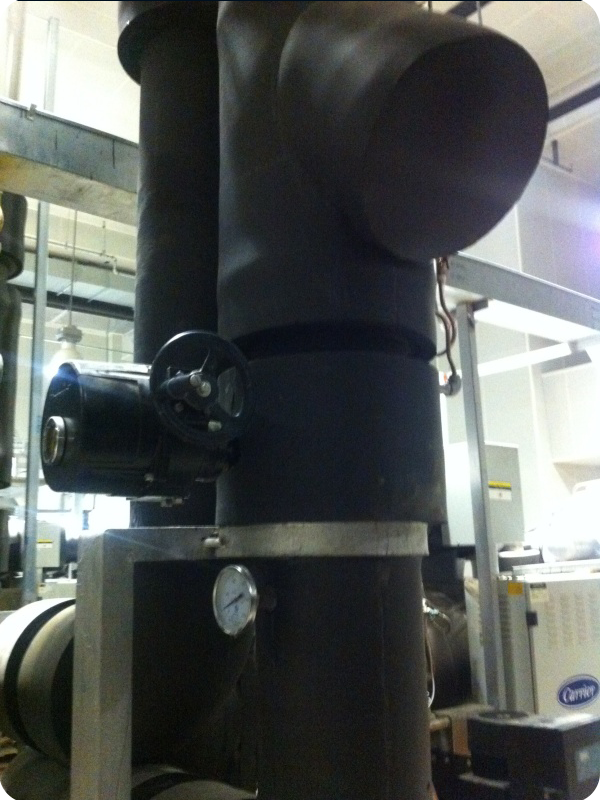
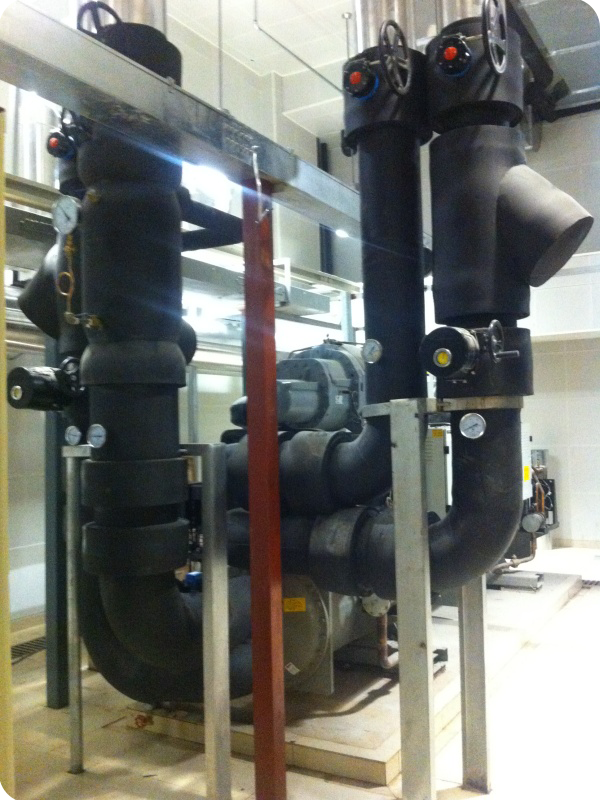
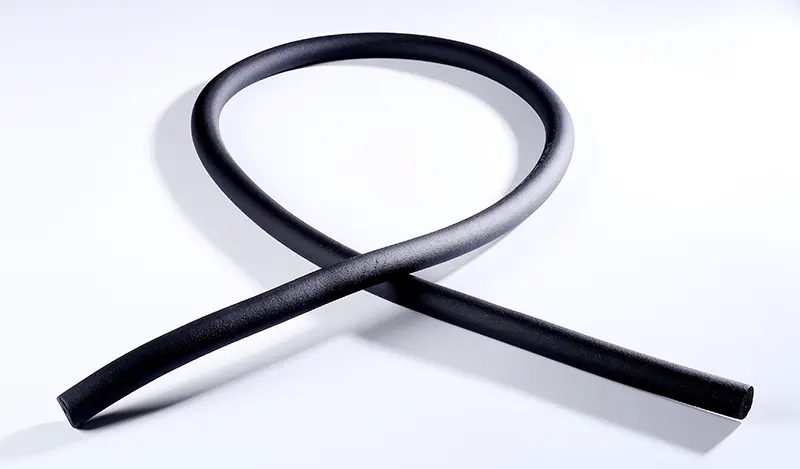
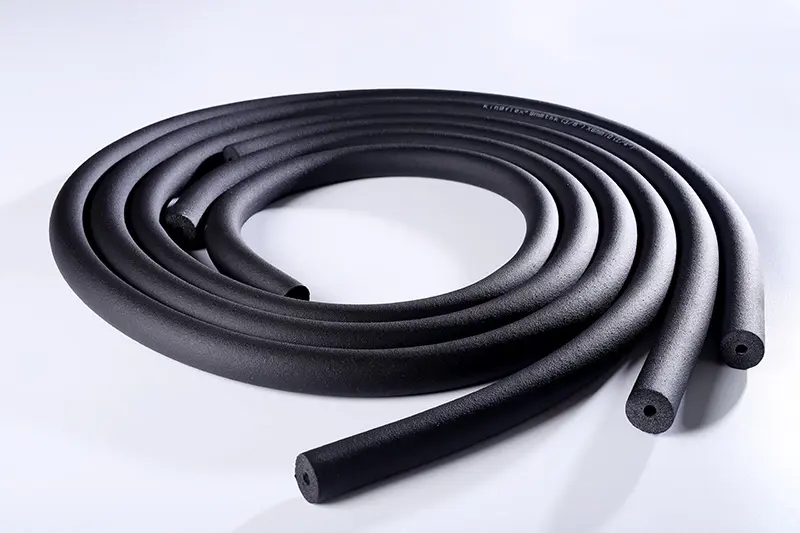
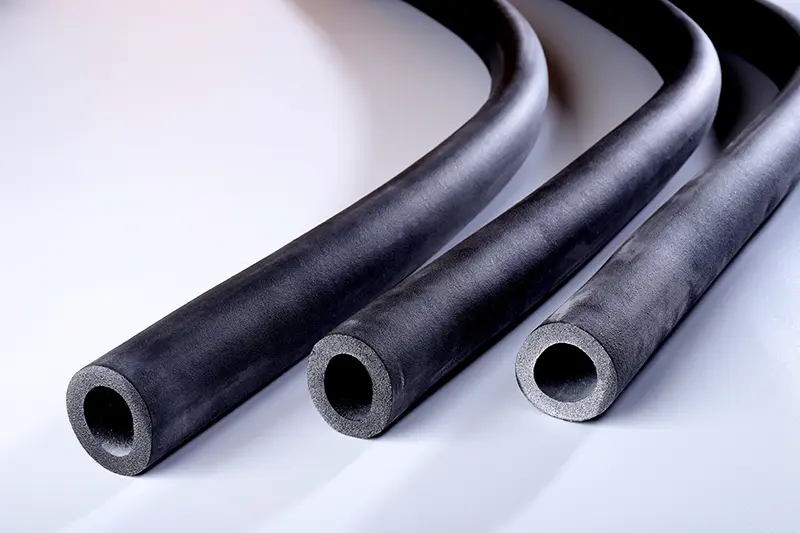
Optimized for direct slip-on or retrofit applications over water piping, process steam pipes, and HVAC chiller units.
| Parameters | Value |
|---|---|
| Material Formulation | Synthetic NBR/PVC Blend |
| Wall Thickness | 9mm to 40mm |
| Inner Diameter (ID) | 6mm to 114mm |
| Density | 40 to 55 kg/m³ |
| Fire Class Certification | Flame Retardant, Self-Extinguishing |
| Resilience Recovery | > 80% compression recovery |
How calculations, environmental conditions, and material structure affect industrial efficiency.
To avoid surface condensation on cold pipelines, the surface temperature of the insulation ($T_s$) must be maintained above the dew point of the surrounding air ($T_{dp}$). We utilize standard heat transfer equations (in accordance with ASTM C680) to compute the required insulation thickness ($L$):
Q = (T_ambient - T_line) / (R_insulation + R_surface)
Where $R_{insulation}$ is a function of the material’s thermal conductivity ($\lambda$) and thickness. Operating a dedicated insulation calculator allows design engineers to calculate the precise point where heat gain matches heat loss, avoiding excess thickness while preventing condensation at specified relative humidity levels.
Combining NBR and PVC yields a polymer matrix with high elasticity and oil resistance, as well as ozone and flame protection. The closed-cell extrusion process locks gas pockets inside the material. This structure prevents moisture ingress and maintains stable thermal conductivity over the product's lifespan, even in humid environments.
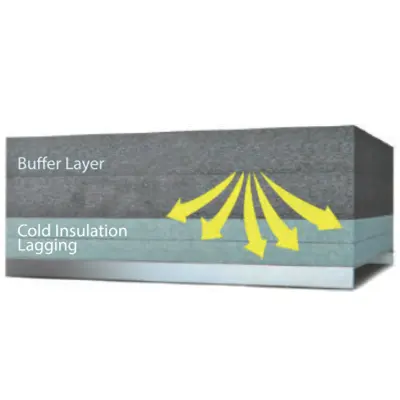
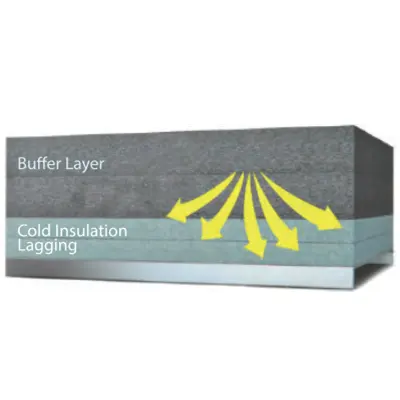
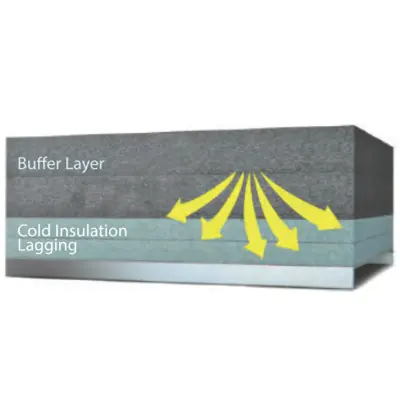
For applications down to -200°C (such as LNG systems), standard foam materials can suffer from thermal stress and cracking. Kingflex manufactures specialized, high-density cryogenic formulations that remain flexible at low temperatures. These systems feature multi-layered structures that manage thermal contraction and protect piping from mechanical stress.
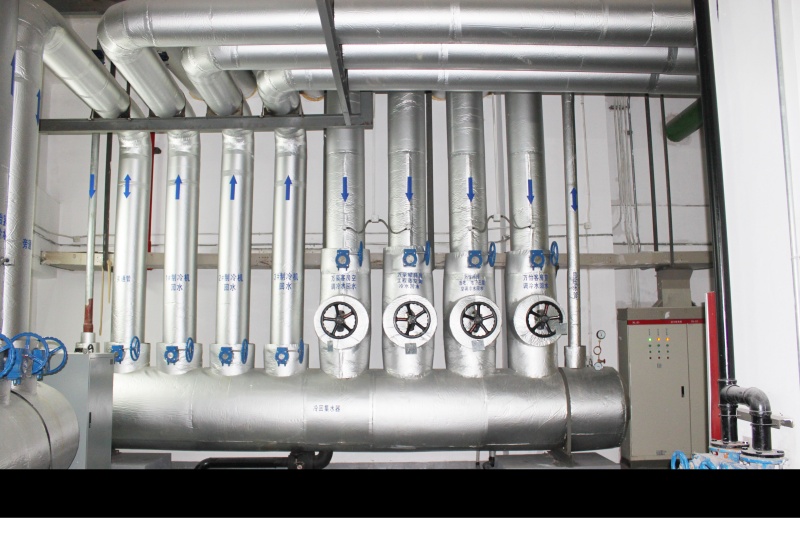


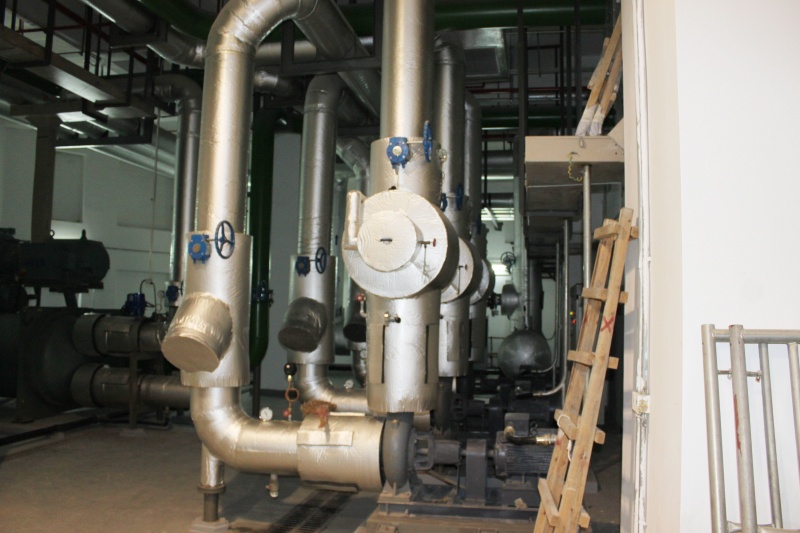
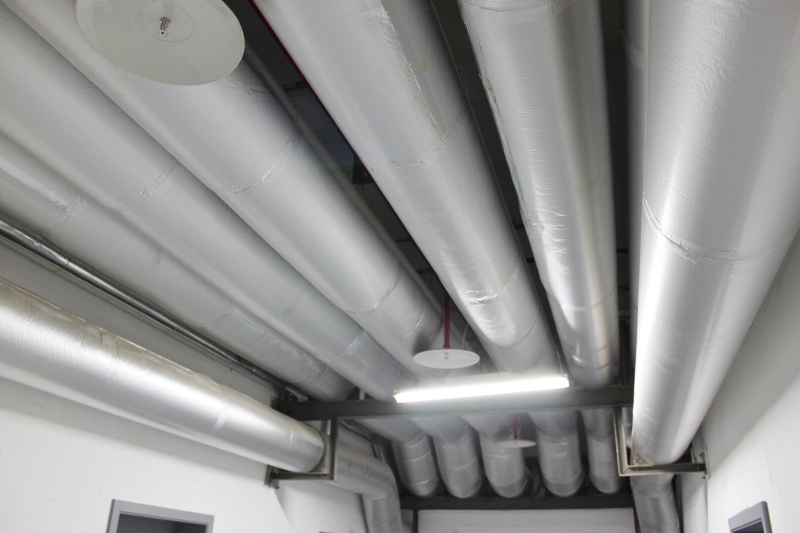

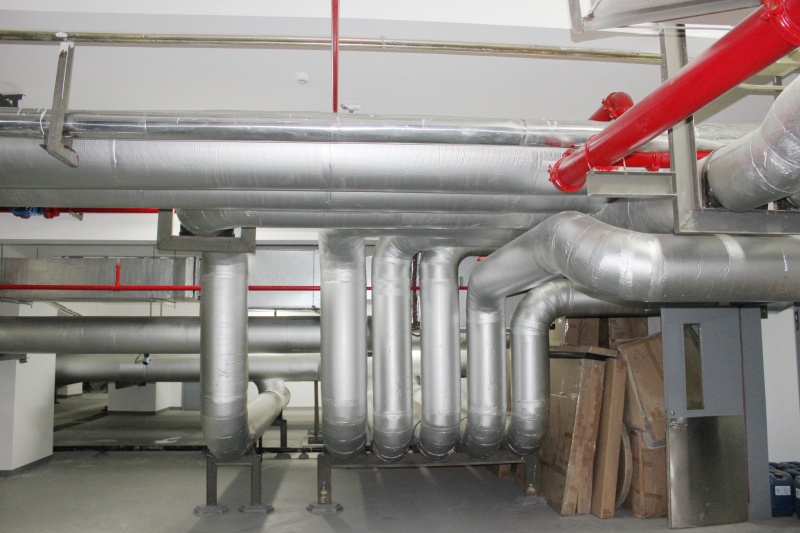
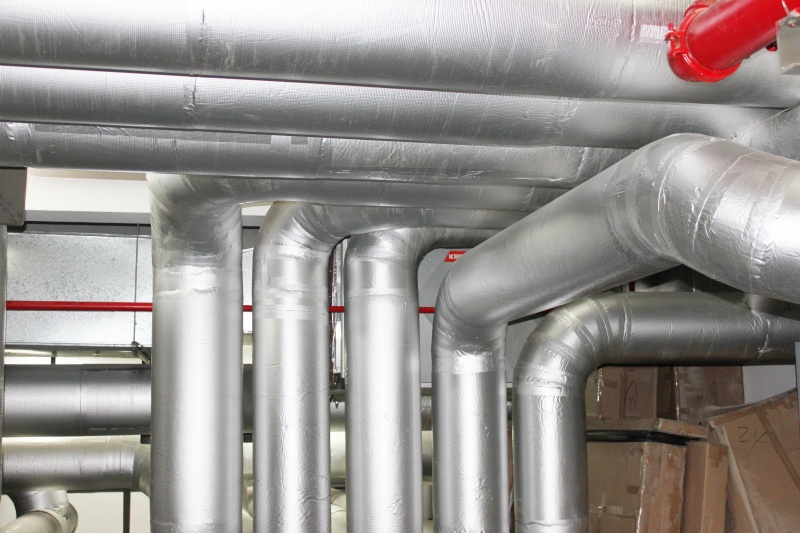
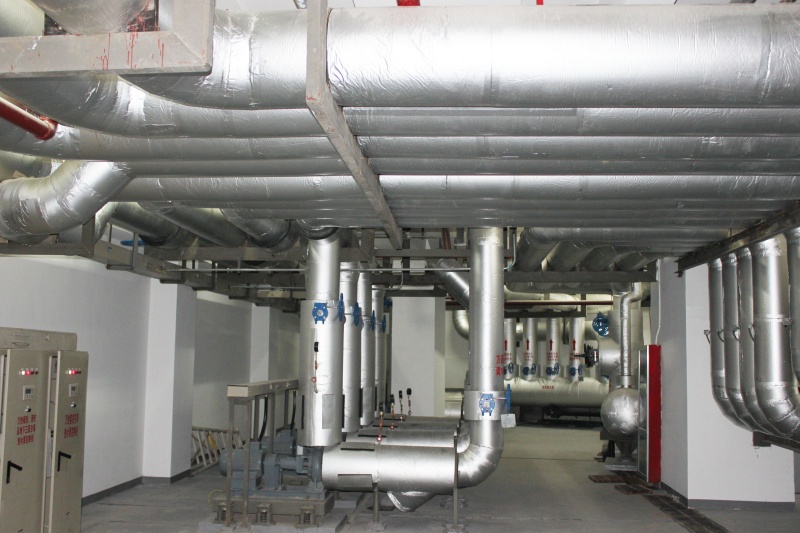
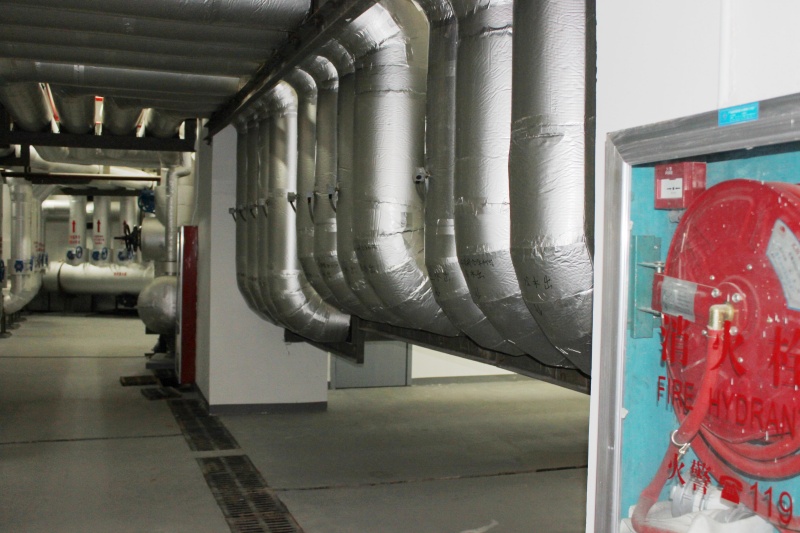
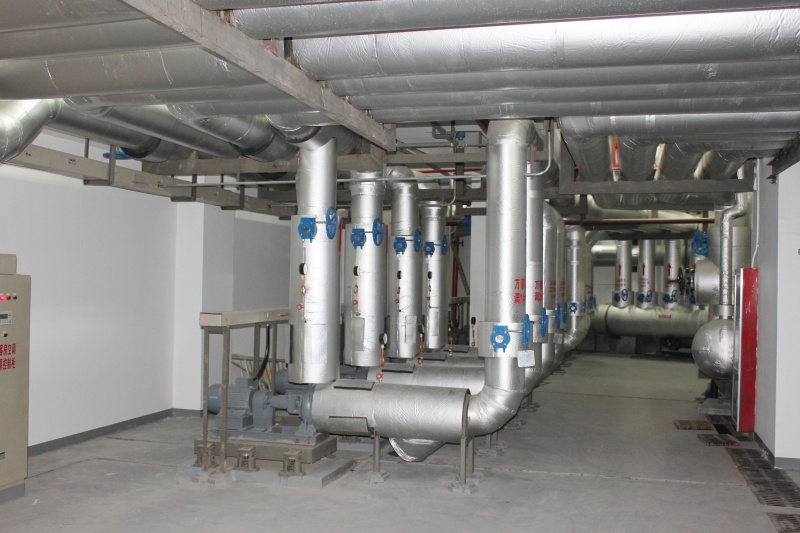

Explore our main product line, which is designed for various industrial thermal insulation applications.





A look at our plant operations, tracking raw polymer formulation through to container dispatch.









Answering common technical questions about elastomeric foam properties and installation design.
Compare and source our technical elastomeric foam configurations.
 Kingflex