Engineered to deliver exceptional thermal resistance, vapor control, and structural durability for demanding global applications.
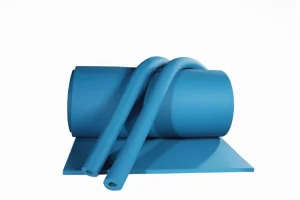
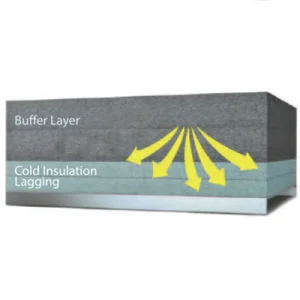
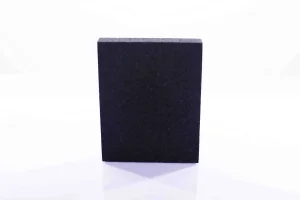
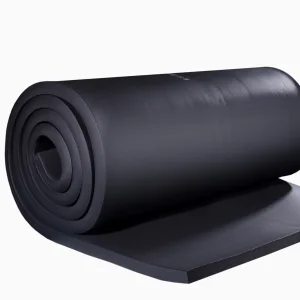
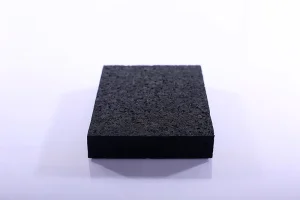
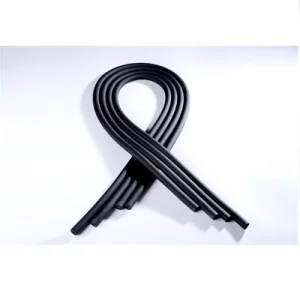
Modern commercial infrastructures and heavy processing plants are increasingly bound by strict environmental mandates and energy consumption targets. In large-scale systems such as chilled water HVAC networks, district heating, LNG cryogenic storage, and petrochemical plants, insulation is not merely a utility accessory—it is a critical system barrier preventing massive energy loss, pipe degradation, and structural corrosion.
Globally, the push towards net-zero carbon operations requires engineering managers to utilize materials offering a high water vapor transmission resistance (represented by a high μ-factor) and ultra-low thermal conductivity (λ-value). Closed-cell elastomeric rubber foam (NBR/PVC base) has become the gold standard, replacing traditional open fiber insulation in refrigeration and moderate heating applications due to its innate resilience against moisture ingress and atmospheric moisture absorption.

Decisive manufacturing efficiency and massive industrial capacity operating from Dacheng, the capital of green-building materials.
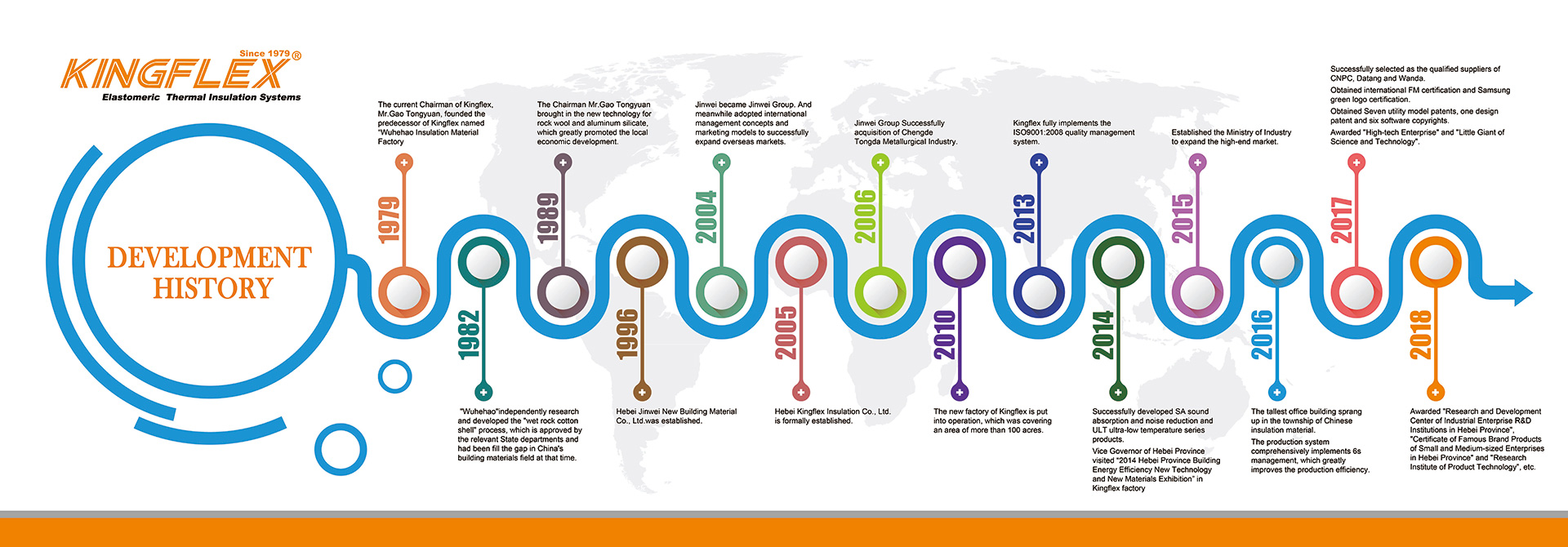
Established by the Jinwei Group (founded in 1979 as the first thermal insulation manufacturer north of the Yangtze River), Kingflex Insulation Co., Ltd. represents the pinnacle of modern green manufacturing. Operating from Dacheng, China, our localized cluster provides unmatched raw material sourcing efficiencies, cutting-edge raw chemical optimization, and logistics structures.
With 5 massive automated continuous foaming lines, we control and standardize density ranges between 40 to 55 kg/m³. This automation significantly reduces labor-driven defects, ensures uniform closed-cell networks exceeding 98%, and enables highly competitive pricing structures for global B2B procurement partners.
As a designated production supplier to the Ministry of Energy, Ministry of Electric Power, and Ministry of Chemical Industry, our products undergo rigorous lot testing ensuring safety, compliance, and material traceability.
Comprehensive installation guidelines for engineering contractors to prevent thermal bridging and vapor barrier failures.
Ensure the target metal pipes are clean, dry, and free of dirt, rust, oil, or scale. If installing on carbon steel or copper piping, verify corrosion-resistant primers are fully cured before applying insulation sheets or tubes.
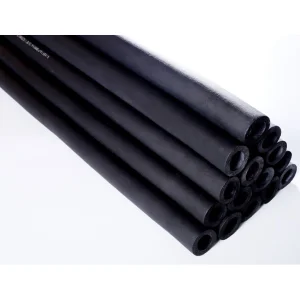
Use high-carbon steel insulation knives. For pre-formed NBR/PVC tubes, cut along the longitudinal guide line. For sheet rolls, wrap the sheet around the pipe structure to determine the circumference, then cut, ensuring a neat edge without pulling or tension.
Apply an even, thin layer of Kingflex proprietary contact adhesive on both cut seams. Allow the adhesive to become tacky (typically 3–8 minutes depending on ambient humidity) before pressing the joint edges firmly together to create a continuous vapor seal.
Engineered values conforming to global HVAC standards, offering high flexibility and temperature control.
| Property | Value |
|---|---|
| Material Base | NBR / PVC Blended Closed-Cell Elastomer |
| Available Thicknesses | 6mm, 9mm, 13mm, 19mm, 25mm, 32mm, 40mm, 50mm |
| Core Density | 40 – 55 kg/m³ |
| Service Temperature Limit | -40℃ to 105℃ (Optionally down to Cryogenic) |
| Closed Cell Ratio | ≥ 98% |
| Compression Resilience | ≥ 80% |
| Property | Value |
|---|---|
| Material Base | NBR / PVC Blended |
| Available Thicknesses | 9mm, 13mm, 19mm, 25mm, 32mm, 40mm |
| Inside Diameter (ID) | 6mm to 114mm (Accommodates standard pipes) |
| Density Range | 40 – 55 kg/m³ |
| Fire Performance | Class 0 / Class 1 (BS 476 Part 6/7), B1 (GB 8624) |
| Vapor Permeability | High resistance index (μ ≥ 7,000) |
How Kingflex insulation operates within localized commercial building segments and harsh industrial zones.
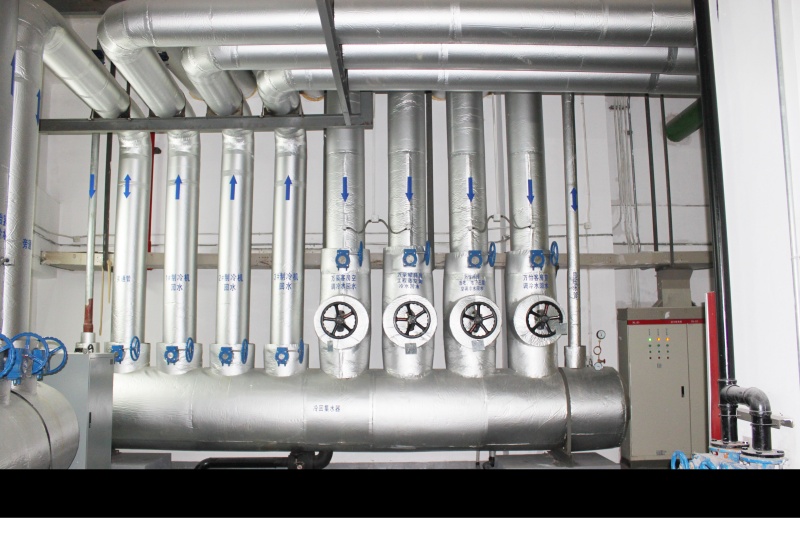
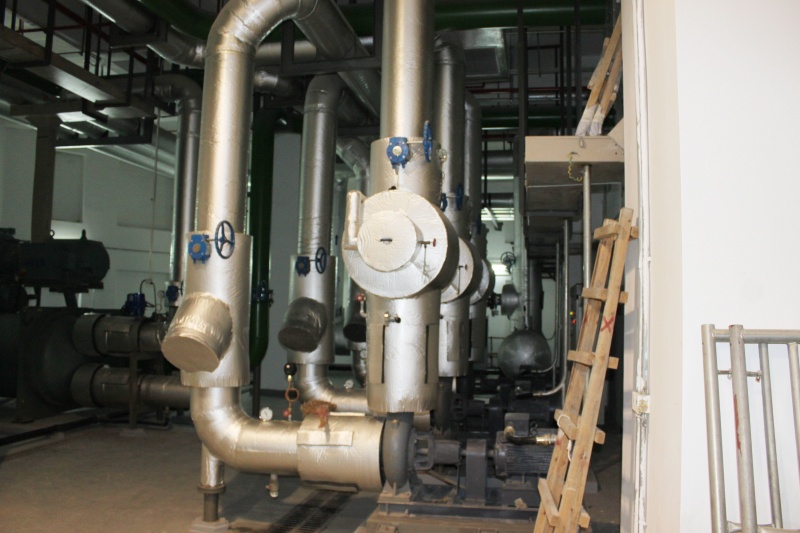
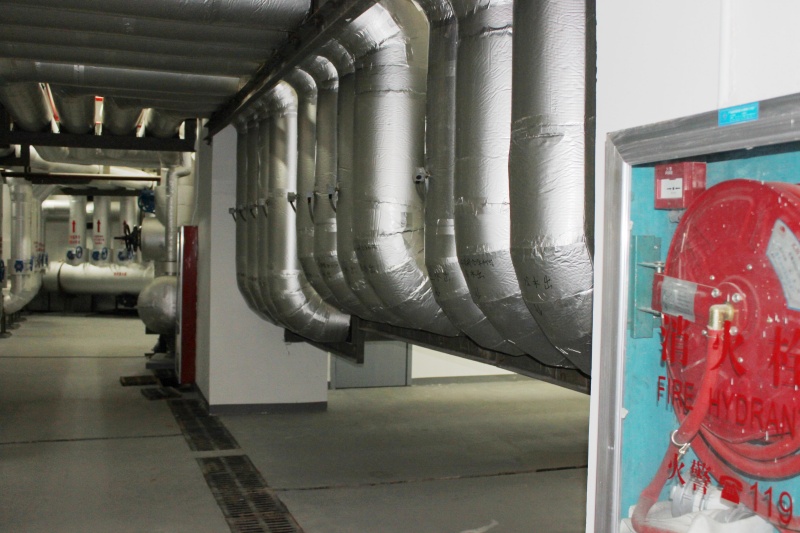
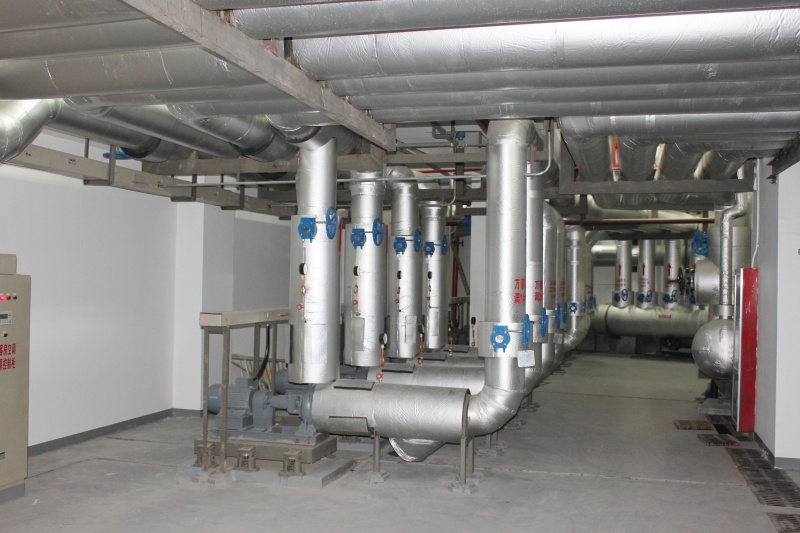
Used to prevent surface condensation on cold water piping in central air conditioning systems. The NBR/PVC rubber compound resists localized heat load fluctuations, maintaining the system's thermal balance.
Applied in LNG plants, petrochemical storage, and food manufacturing facilities operating at Ultra-Low Temperatures (ULT). The flexible cryogenic system prevents cracking during thermal contraction.
Our open-cell structures act as sound-absorbing barriers inside commercial mechanical equipment rooms, wall spaces, and wastewater transport pipes to minimize structure-borne noise.

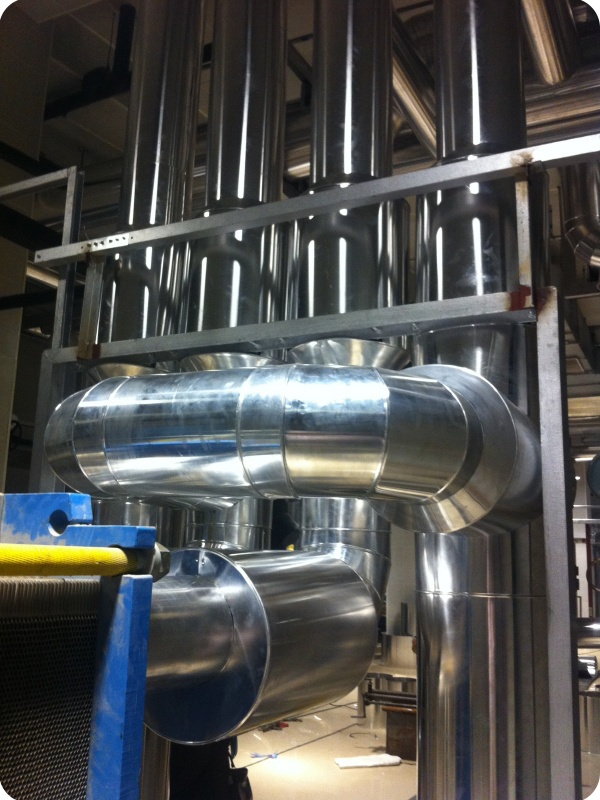
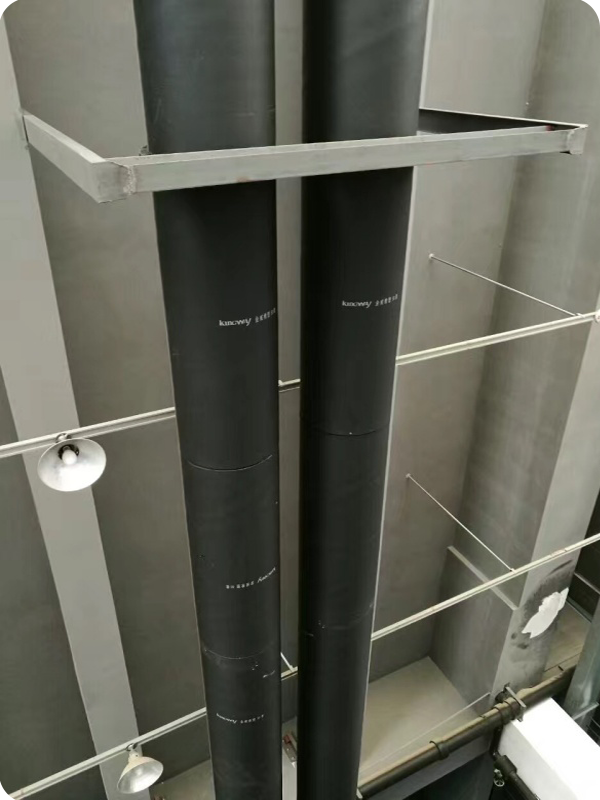
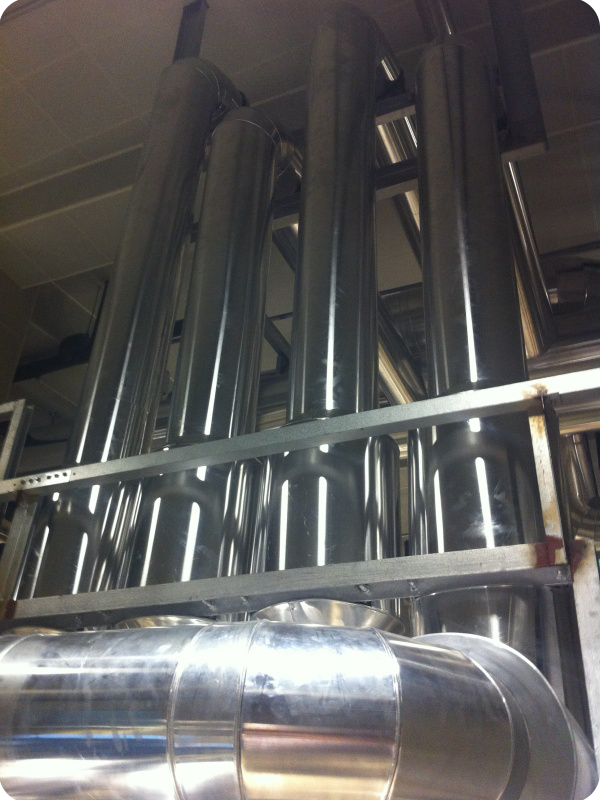
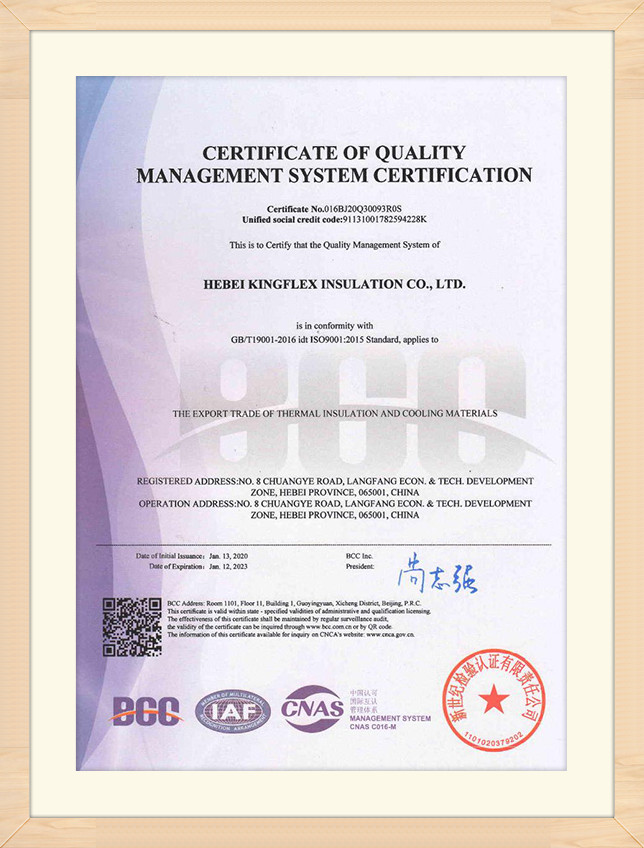
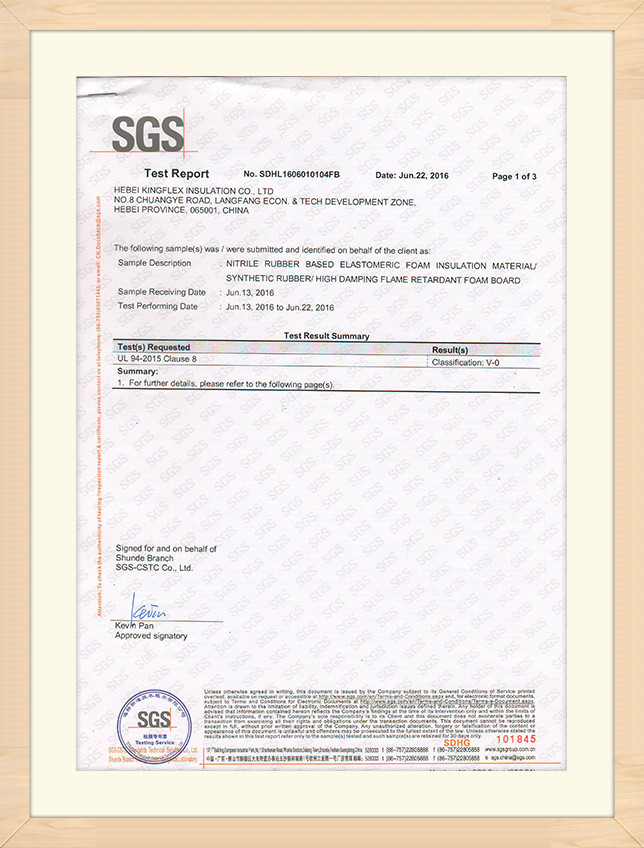
For global procurement managers, material safety and regulatory compliance are essential. Kingflex products have passed rigorous test procedures by international verification laboratories. Our products carry verified credentials including BS 476, CE, REACH, RoHS, UL94, and ASTM standards.
Each batch undergoes thorough quality control tracking from basic chemical blending to final packing. This allows engineering projects to proceed smoothly through local building control inspections without product safety delays.


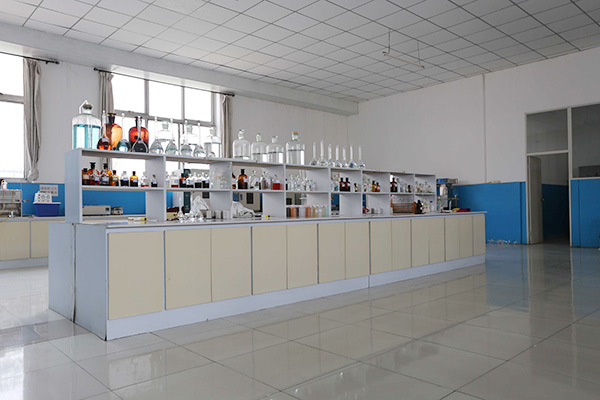
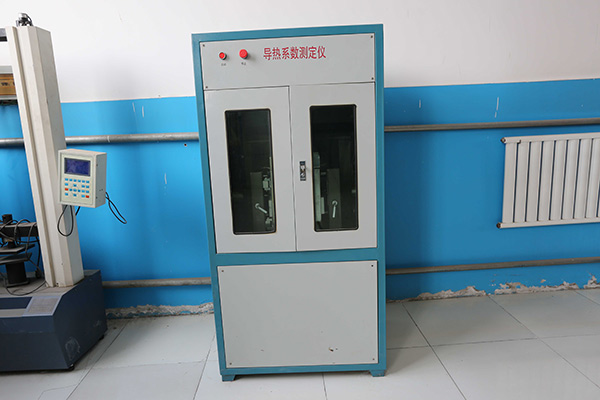
Our dedicated Research and Development department features state-of-the-art testing equipment to analyze thermal conductivity index values, smoke generation, fire toxicity, and tensile elasticity. By analyzing cell density variations, our engineers continuously refine the compound ratios of rubber elastomer.

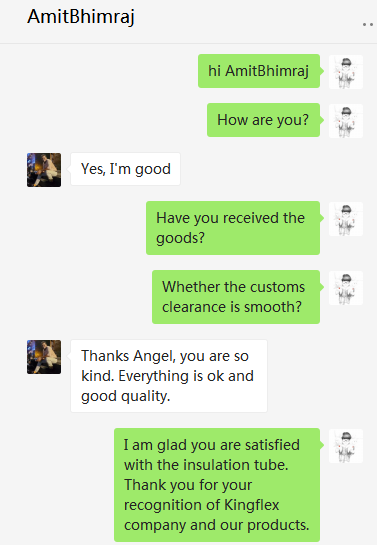
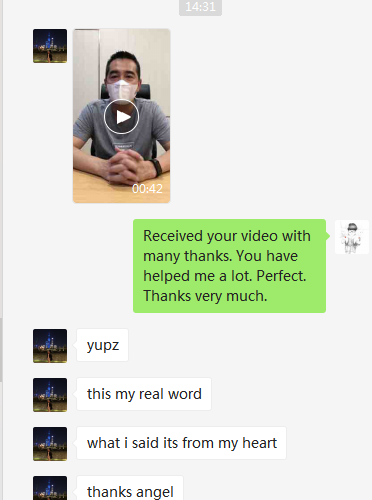
Proof of reliable delivery and close B2B support with partners across North America, Europe, and the Middle East.



Traditional open-structure insulation materials are highly susceptible to moisture ingress. When moisture enters the system, the overall thermal resistance drops rapidly, which can lead to corrosion under insulation (CUI).
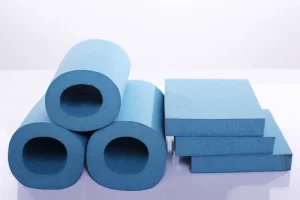
Modern construction projects are moving toward closed-cell elastomeric rubber foams. Our custom NBR/PVC blend provides a flexible matrix with an integrated vapor barrier. This ensures long-term thermal performance, lower maintenance costs, and prevents thermal bridging in structural systems.
Additionally, the demand for fire-retardant building materials is growing. Our R&D team continuously refines our compound formulations to achieve superior fire safety ratings while maintaining high flexibility and ease of installation on-site.


A B2B purchasing checklist to optimize project budgets, shipping logistics, and compliance.
Ensure the supplier provides certified thermal conductivity (λ-value) data. For HVAC and chilled water lines, typical values should be ≤ 0.035 W/(m·K) at 0°C to ensure energy savings.
Verify compliance with localized building codes, such as BS 476 Class 0, ASTM E84, or EN 13501-1. Ensure the manufacturer provides traceably documented test reports.
Due to the high volume of insulation materials, shipping costs can be significant. Our logistics team packages rolls and tubes efficiently to maximize container space and reduce transport costs.
Clear, direct answers regarding installation, material specifications, and global logistics support.
It is primarily used for HVAC ducts, refrigeration and air conditioning pipelines, building thermal envelopes, and industrial process cold insulation. Its closed-cell structure prevents condensation and moisture buildup.
Yes, our rubber foam insulation contains flame-retardant additives. It meets BS 476 Part 6 & 7 (Class 0 / Class 1) and UL94 safety standards, making it suitable for strict commercial and industrial code regulations.
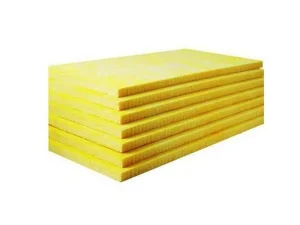
Rubber foam is flexible, closed-cell, and highly resistant to moisture, making it ideal for refrigeration, HVAC, and condensation control. Rock wool is open-fiber, highly heat-resistant, and suitable for high-temperature industrial steam piping.
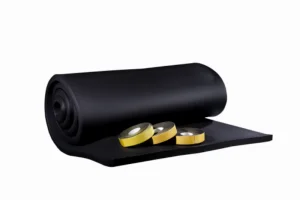
Yes, we offer OEM and ODM services. We can customize dimensions, thicknesses (6mm to 50mm), internal tube diameters, colors, self-adhesive backings, and aluminum foil protective claddings.
Our materials are certified to international standards including BS 476, CE, REACH, RoHS, UL94, and ASTM. This ensures compliance with regional environmental and building codes.
Yes, all our production batches are labeled with batch numbers. This allows us to track raw materials, production parameters, and quality testing history for every order.
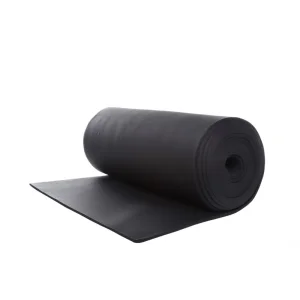
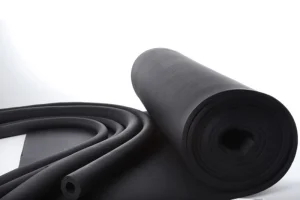
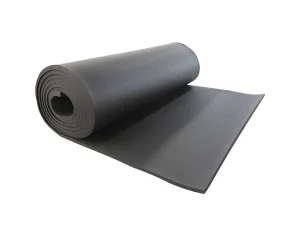
We manufacture sheet rolls in thicknesses ranging from 6mm up to 50mm. Standard production widths are typically 1 meter or 1.2 meters, with custom lengths available.
Under normal operating conditions and when installed according to our guidelines, the typical service life ranges from 10 to 15 years, depending on environmental exposure.
A look inside our automated production facility, managing high volumes for global exports.


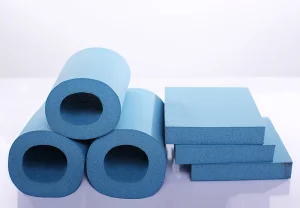
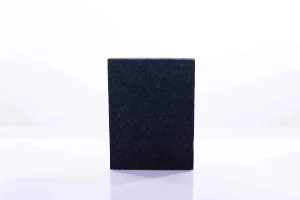
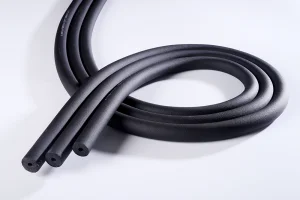
Premium solutions for acoustic insulation, cryogenic systems, and high-density industrial boards.
 Kingflex