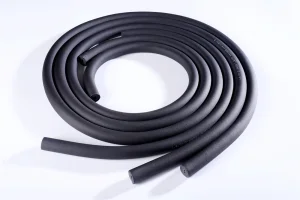
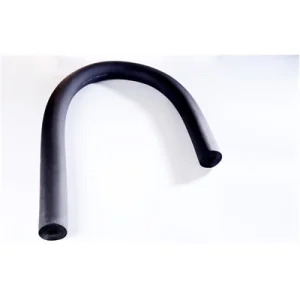
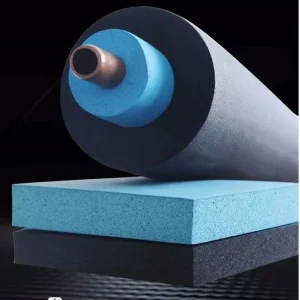
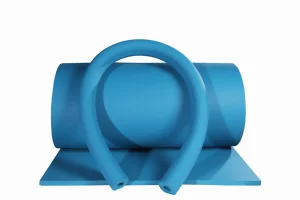
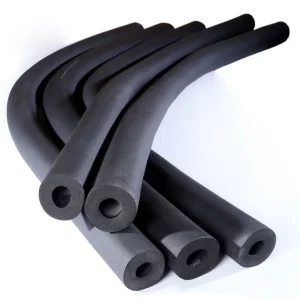
Engineered elastomeric foam profiles, sheet rolls, and tubing systems tailored for industrial applications.
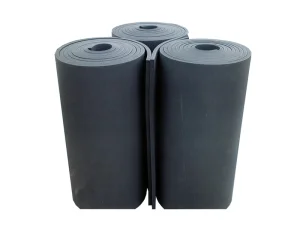
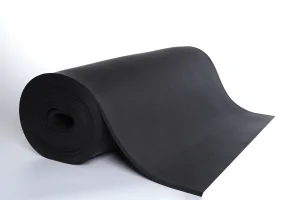
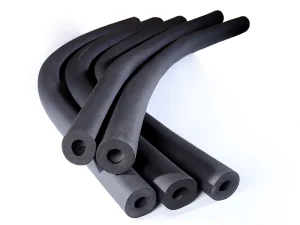
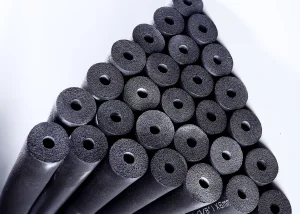
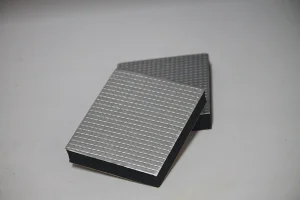
In global HVAC, civil plumbing, and petrochemical processing systems, specifying the correct insulation thickness is not merely a matter of material allocation; it is a critical thermodynamic balancing act. The fundamental objective is to restrict heat flow rates according to Fourier's Law of Heat Conduction:
Where q is the heat transfer rate, k represents the material's thermal conductivity (λ), A is the surface area, and dT/dx is the temperature gradient. For cylindrical geometries, heat transfer behaves non-linearly. Improper thickness designs shift the system outside the optimal radius parameter, failing to prevent thermal loss or vapor condensation.
In cold process and chilled-water systems, the primary driver for insulation design is preventing surface condensation. If the outer surface temperature of the insulated pipe drops below the ambient air's dew point, water vapor will condense. This leads to pipe corrosion (CUI - Corrosion Under Insulation), mold formation, and a catastrophic loss of insulating capacity, as water has a thermal conductivity 24 times higher than that of elastomeric foam.
Choosing a thickness configuration from a certified manufacturer ensures that the system's thermal resistance (R-value) remains high enough to keep surface temperatures above the dew point under high-humidity conditions (RH 80% to 90%).
Reference table for elastomeric NBR/PVC closed-cell foam insulation thickness based on nominal pipe diameters and operational parameters.
| Nominal Pipe Size (NPS) | Pipe Outer Diameter (OD mm) | Chilled Water (4°C - 10°C) / Mild RH 75% | Refrigeration / Cryogenic (-20°C to -40°C) / High RH 85% | Low-Pressure Steam (≤120°C) / Standard Room Temp |
|---|---|---|---|---|
| 1/4" to 1/2" | 13.7 mm - 21.3 mm | 9 mm Thickness | 19 mm - 25 mm Thickness | 13 mm - 19 mm Thickness |
| 3/4" to 1-1/4" | 26.7 mm - 42.2 mm | 9 mm - 13 mm Thickness | 25 mm - 32 mm Thickness | 19 mm - 25 mm Thickness |
| 1-1/2" to 2" | 48.3 mm - 60.3 mm | 13 mm - 19 mm Thickness | 32 mm - 40 mm Thickness | 25 mm - 32 mm Thickness |
| 2-1/2" to 4" | 73.0 mm - 114.3 mm | 19 mm Thickness | 40 mm - 50 mm (Double Layer) | 32 mm - 40 mm Thickness |
| 5" to 8" and above | 141.3 mm - 219.1 mm | 19 mm - 25 mm Thickness | 50 mm + (Engineered multi-layer) | 40 mm - 50 mm Thickness |
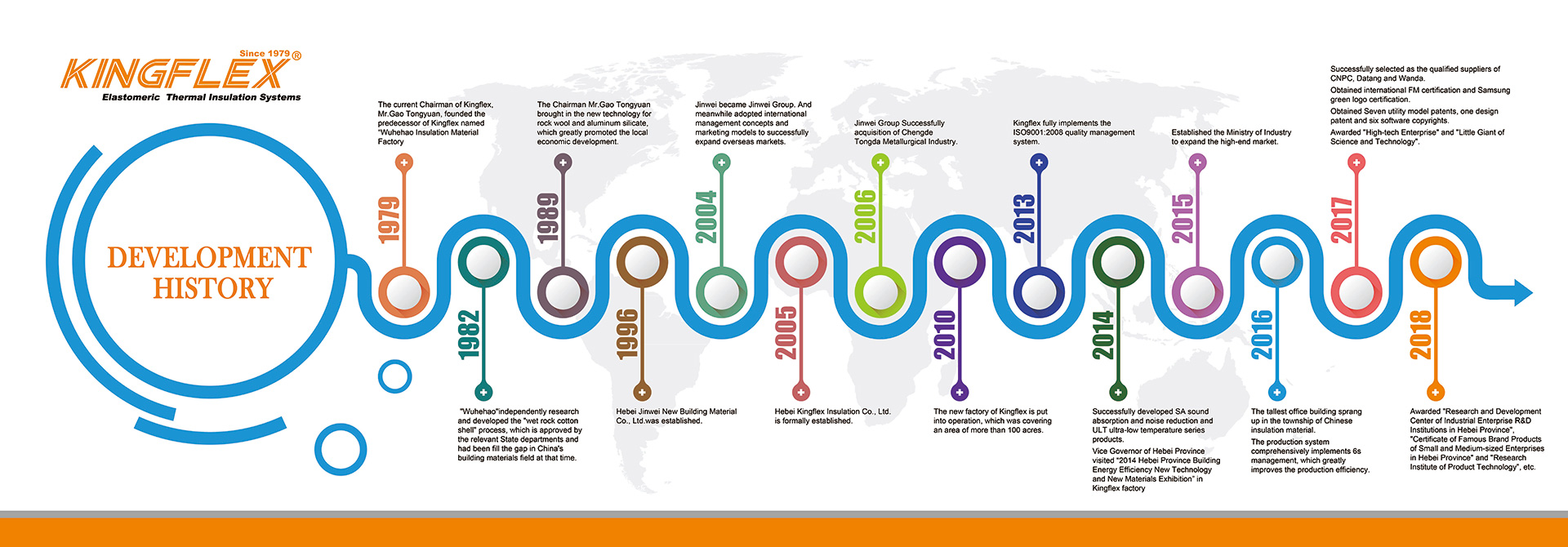
Established by the Jinwei Group, which boasts a rich history spanning more than 40 years since its founding in 1979, Kingflex Insulation Co., Ltd. has grown into an industry leader in thermal management systems. As the first thermal insulation manufacturer north of the Yangtze River, Jinwei Group established a standard of engineering that persists today.
Our research, development, and production facility is located in Dacheng, China, a recognized hub for green building materials. Operating with a focus on energy conservation and emission reduction, Kingflex combines consulting, R&D, advanced production, installation guidance, and post-sales support into a single, comprehensive service model.
Our facility operates 5 large-scale automated assembly lines. These systems ensure consistent extrusion profiles, cell sizes, and density ranges from batch to batch.
Our annual output capacity exceeds 600,000 cubic meters, allowing us to supply large-scale global infrastructure, commercial building, and industrial projects.
Our R&D team includes 8 professional engineers, supported by 6 international sales agents and a dedicated production workforce of 230 staff.
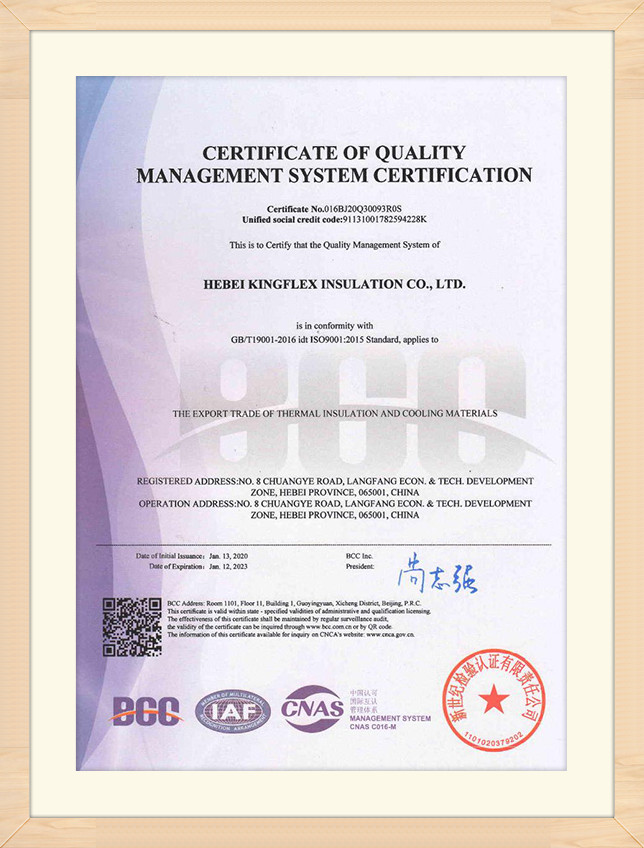
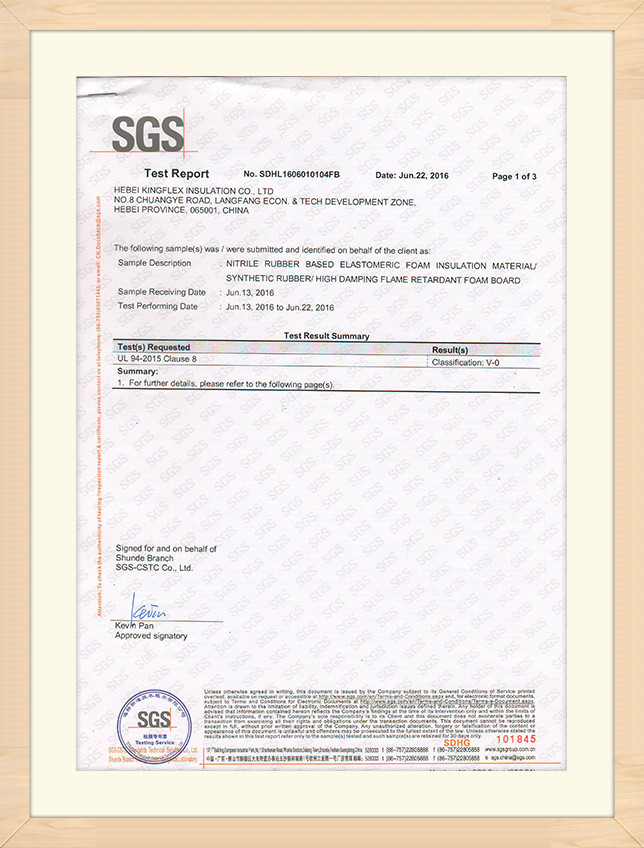
Meeting international regulatory and environmental requirements for safety and performance.
For global procurement, material certification is essential to ensure regulatory compliance. Kingflex products undergo regular testing to meet strict international standards, including BS 476, CE, REACH, RoHS, UL94, and ASTM. This guarantees compliance for commercial, industrial, and marine applications.


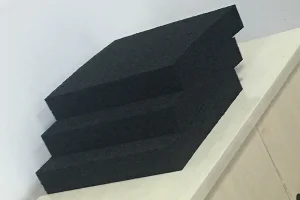
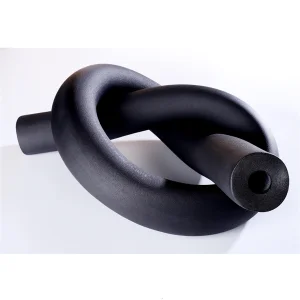
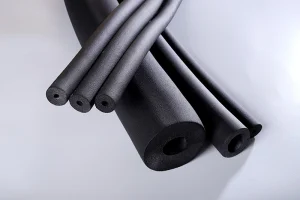
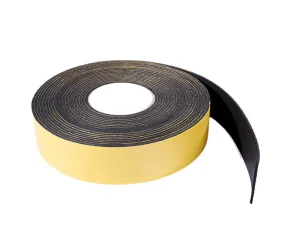
Detailed specifications for Kingflex black rubber foam insulation sheets, rolls, and pipes.
The evolving landscape of global industrial insulation systems.
The transition to zero-ODP and zero-GWP foaming systems. Kingflex uses advanced gas-expansion technology to avoid halogenated hydrocarbons.
As LNG and liquid nitrogen applications expand, there is a growing demand for elastomeric materials that remain flexible down to -200°C.
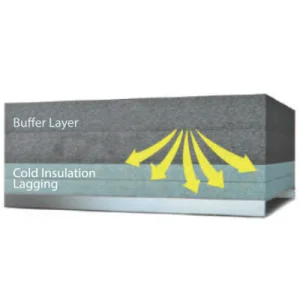
Multi-layer laminations, such as aluminum foil or tough polymeric films, protect the insulation from mechanical wear and UV degradation.
Our products are used in commercial HVAC, industrial pipelines, and specialized low-temperature installations.

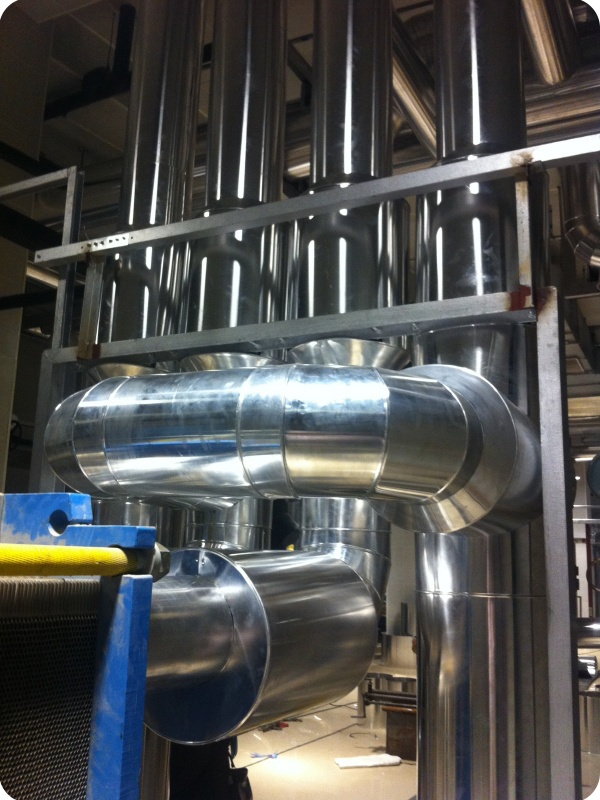
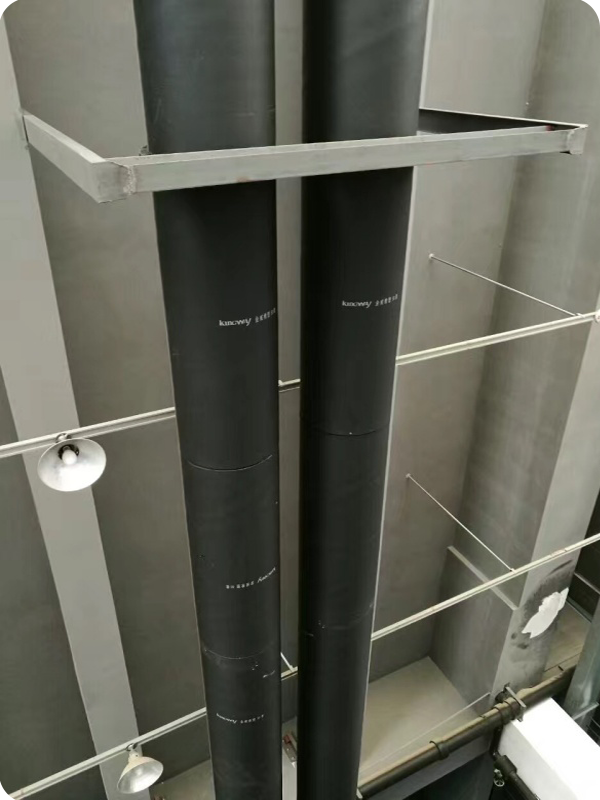
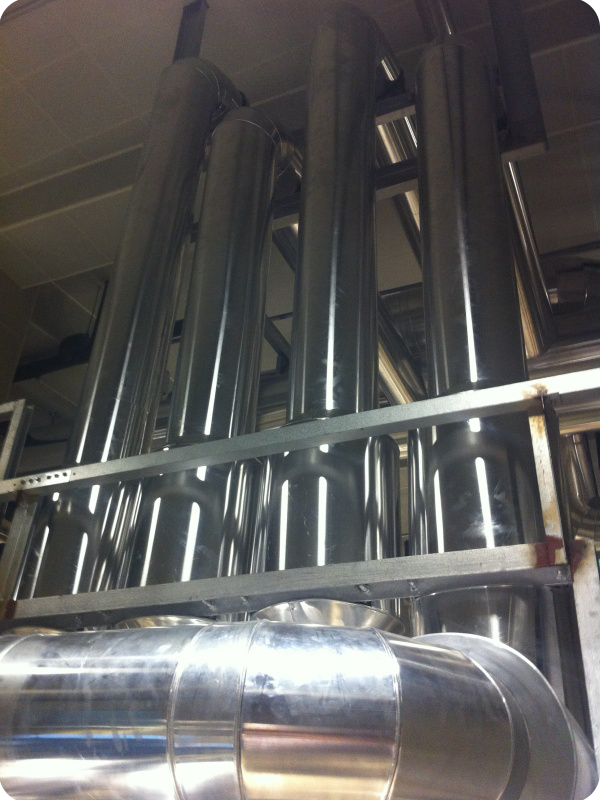
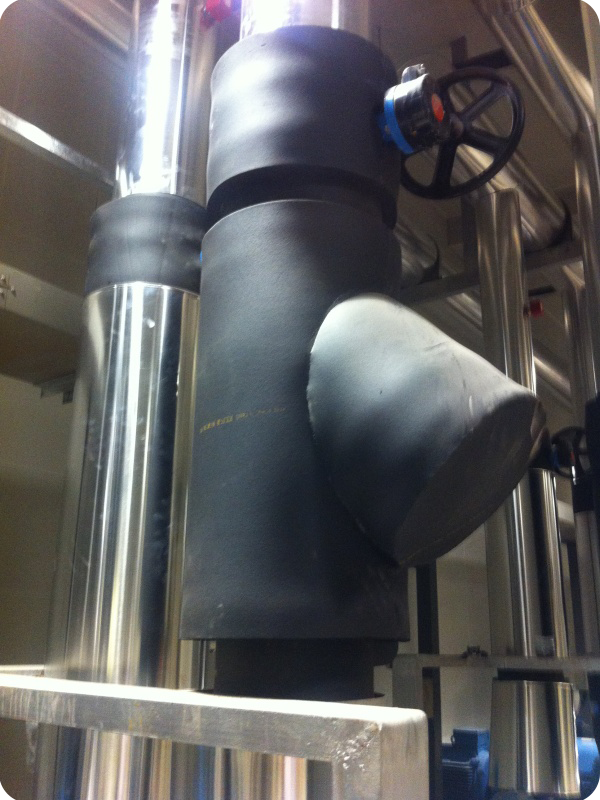
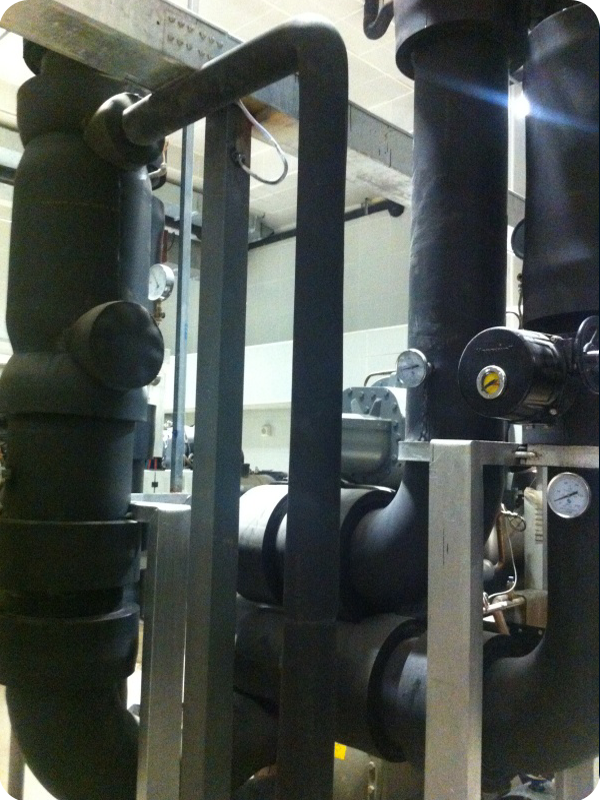
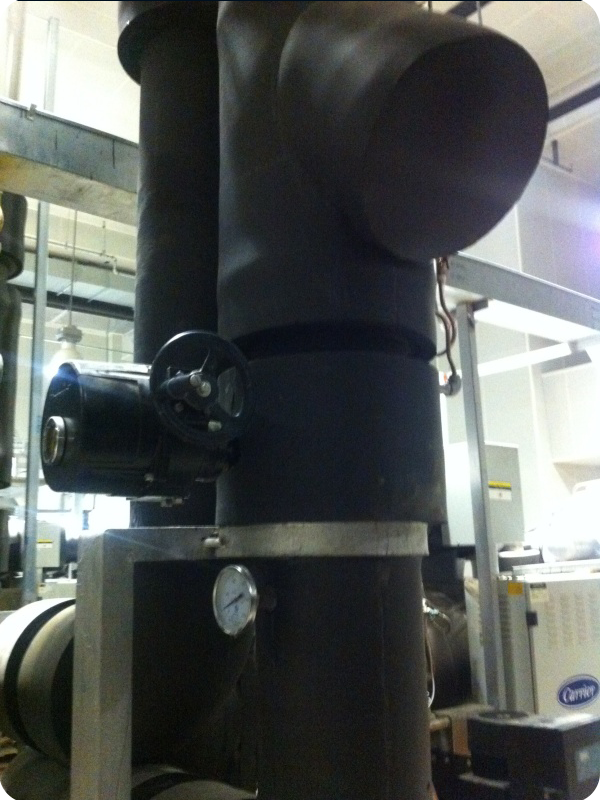
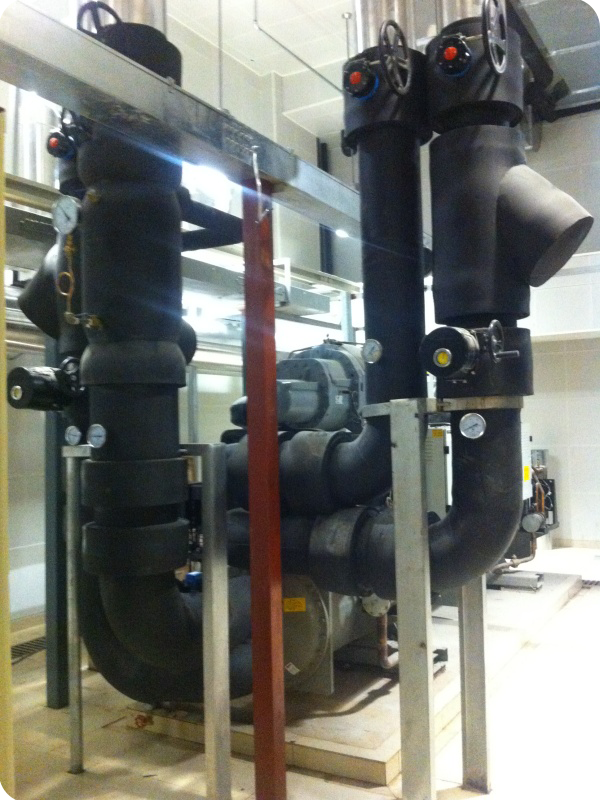
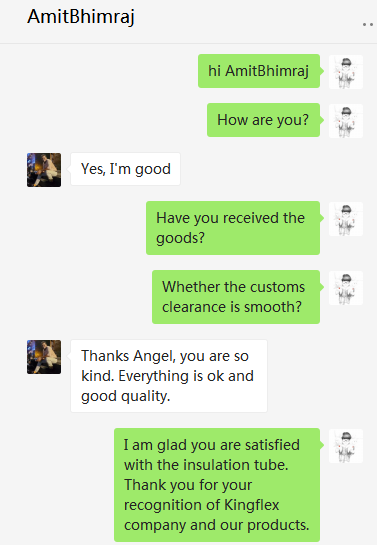
Our export operations cover 66 countries. Below are documented verifications of client communications, product specifications, and quality approvals, showcasing our commitment to transparent partnerships.



Technical clarifications regarding elastomeric rubber foam insulation products.
Browse our full range of thermal solutions, low-temperature systems, and corrosion-resistant profiles.
 Kingflex