High-performance elastomeric and cryogenic thermal materials designed for robust industrial operations, HVAC efficiency, and extreme weather mitigation.
Thermal insulating materials are specialized substance formulations engineered to substantially reduce the rate of heat transfer (thermal energy flux) between adjacent zones of differing temperatures. In industrial and civil construction applications, these materials act as thermodynamic barriers that arrest the three physical modes of heat transmission: conduction (molecular vibration transfers through solids), convection (thermal transport via fluid flows), and radiation (electromagnetic wave emission).
The quantitative efficacy of a thermal barrier is determined by its physical properties. Designers rely on three primary values to compute system efficiencies:
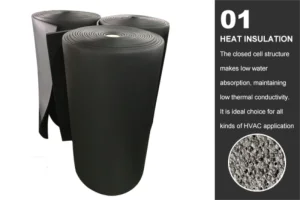
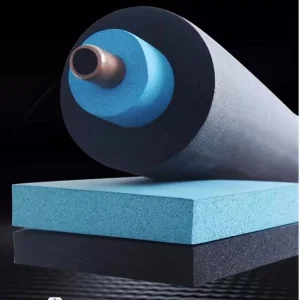
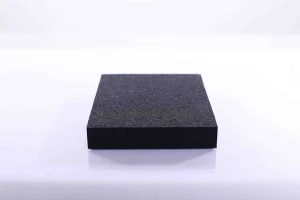
In modern HVAC/R systems, cold-process pipelines, and cryogenic storage facilities, closed-cell elastomeric synthetic rubber (NBR/PVC based) is the standard for high-performance projects. Its cellular structure encapsulates high densities of inert gas pockets, preventing convective air movements while offering a built-in water vapor barrier that stops condensation.
Selecting the appropriate material requires an understanding of structural differences. Below is an engineering comparison of the two leading industrial insulation technologies:
| Physical Property | Elastomeric NBR/PVC Foam (e.g., Kingflex) | Industrial Rock Wool |
|---|---|---|
| Basic Structure | Flexible, closed-cell micro-cellular structure (>98% cell density) | Fibrous, open porous mineral structure |
| Thermal Conductivity (at 0°C) | Extremely Low (λ ≤ 0.034 W/m·K) | Moderate (λ ≈ 0.040 W/m·K) |
| Moisture Absorption Barrier | Excellent (μ ≥ 10,000) built-in vapor barrier | Poor (requires external protective cladding) |
| Service Temperature Limit | -40°C to +105°C (Cryogenic variants down to -200°C) | Up to +650°C (excellent high heat resilience) |
| Acoustic Damping | High vibration absorption and structured acoustics | High air-permeable sound absorption |
| Flexibility & Installation | Highly flexible, wraps around fittings without joints | Rigid or semi-rigid blocks, labor-intensive installation |
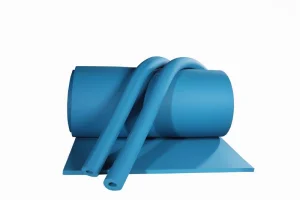
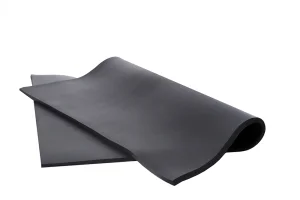
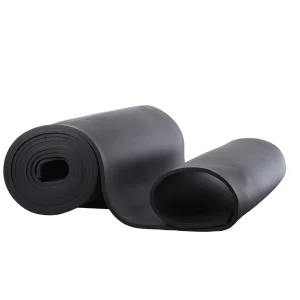
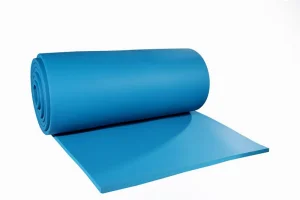
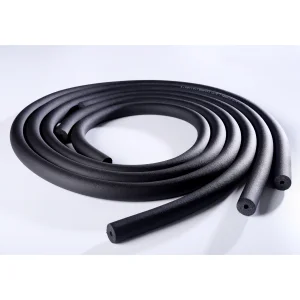
Engineered to global standards. Below are the key dimension parameters of Kingflex elastomeric foam sheets and tubes.
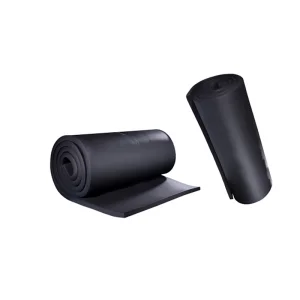
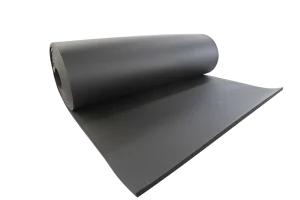
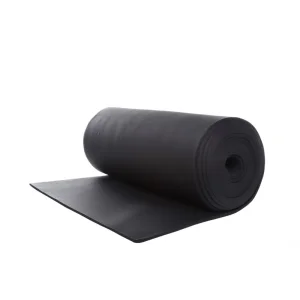
Material Structure: Synthetic NBR/PVC elastomer base with uniform closed-cell foaming agent.
Technical parameters:
Primary Applications: HVAC duct wrapping, large storage tanks, mechanical system rooms, acoustics panels, and cold storage units.
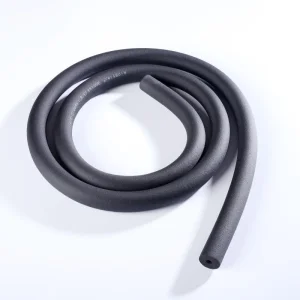
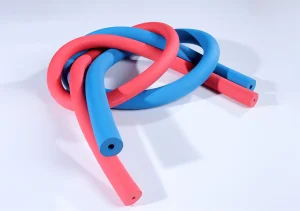
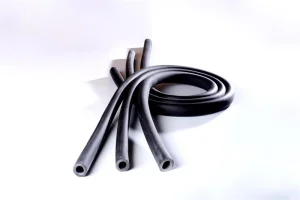
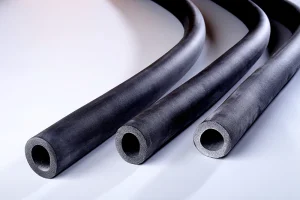
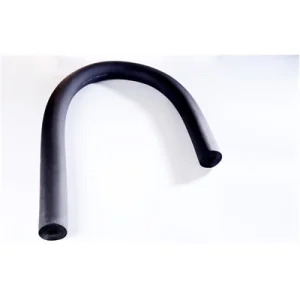
Material Structure: Extruded elastomeric tube designed for quick installation over process pipes.
Technical parameters:
Primary Applications: Chilled water pipes, hot water service systems, VRV air conditioning lines, and process plant pipelines.
Industrial thermal insulating demands differ by sector. Kingflex provides tailor-made systems to meet specific project criteria:
Prevents thermal transfer in ductwork, stops air duct condensation, and reduces fan noise in hotels, offices, and hospitals.
Custom cryogenic rubber materials maintain temperature down to -200°C, preventing structural cracking in cold pipelines.
Corrosion-resistant pipelines insulation that withstands chemical spills while reducing energy consumption.

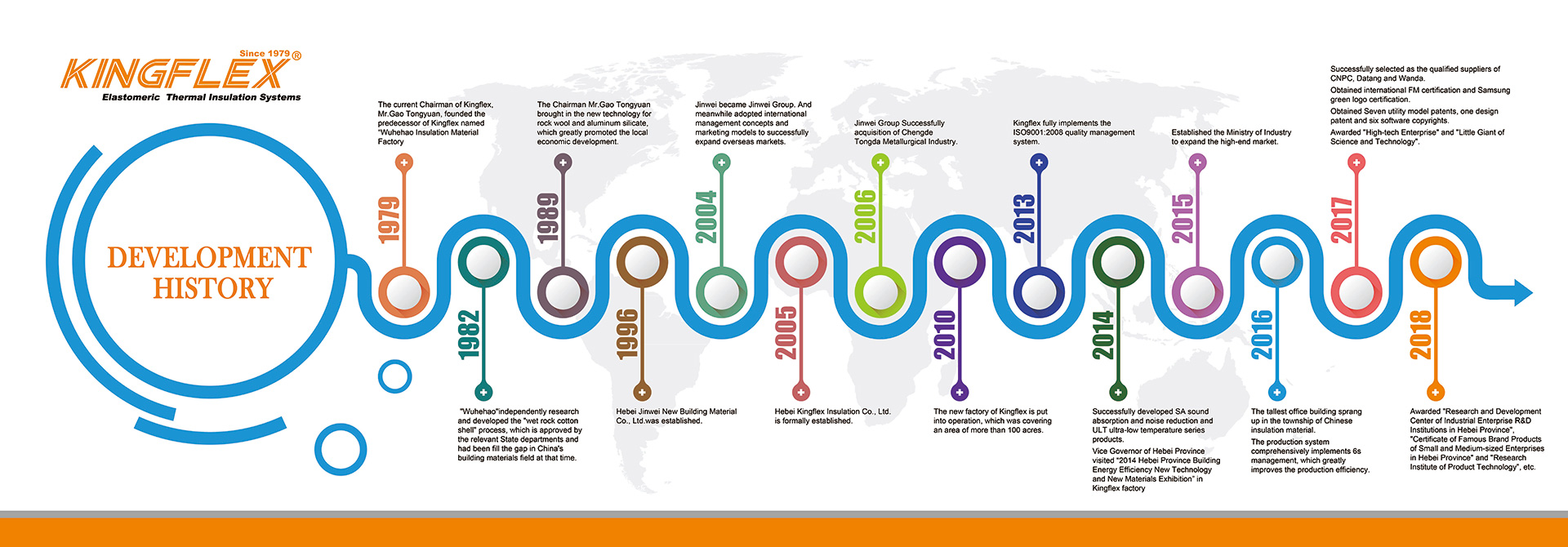
Kingflex Insulation Co., Ltd. is a leading manufacturer of thermal insulation systems, operating under parent company Jinwei Group (founded in 1979, the first insulation manufacturer north of the Yangtze River with over 40 years of experience).
Located in China's green building materials cluster in Dacheng, our facility integrates research and development, manufacturing, and distribution logistics.
Our facility is an approved supplier for the Ministry of Energy, the Ministry of Electric Power, and the Ministry of Chemical Industry, ensuring compliance with large-scale petrochemical and municipal infrastructure projects.
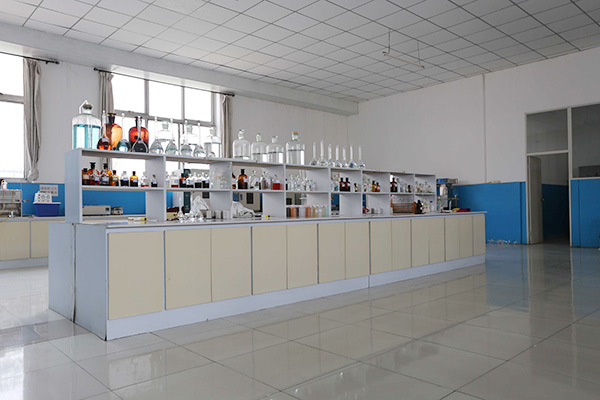
Our thermal insulation products undergo regular testing to meet strict environmental, fire safety, and functional standards in international markets.
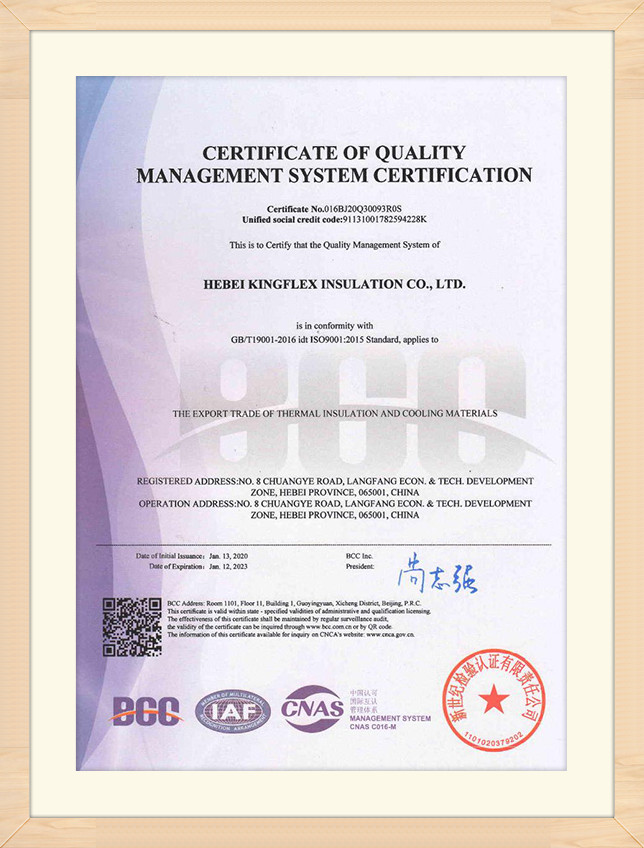


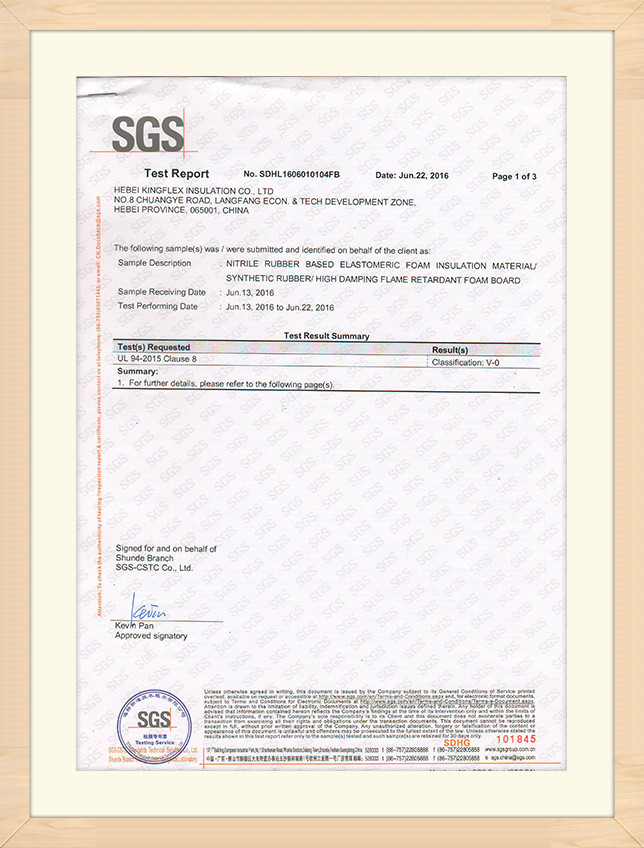
Our NBR/PVC formulations are certified to BS 476 Class 0 and Class 1, and comply with CE, REACH, RoHS, UL94, and ASTM standards. This ensures they are fire-retardant, chemical-resistant, and low in VOC emissions, making them suitable for green building initiatives.

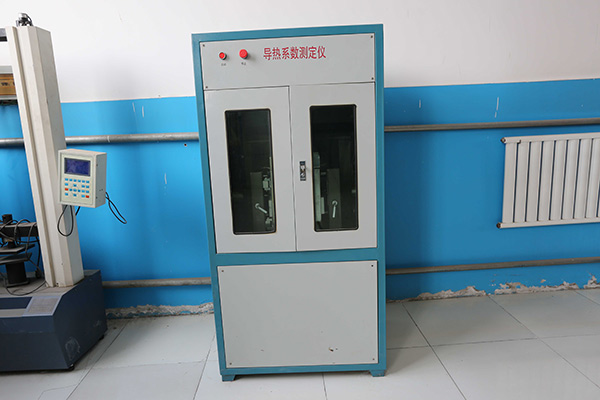
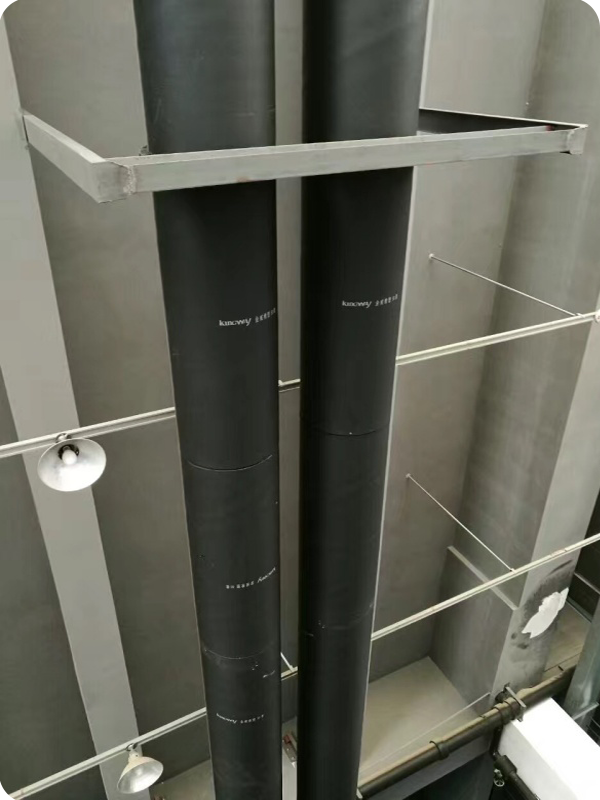
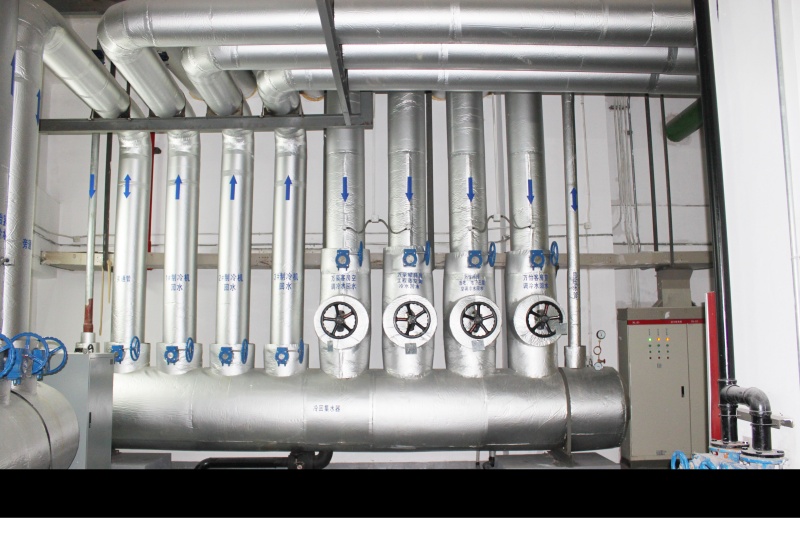
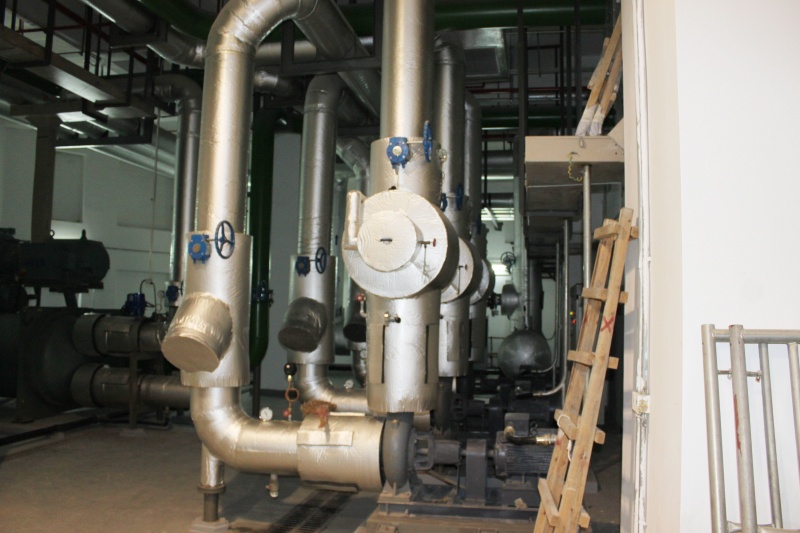
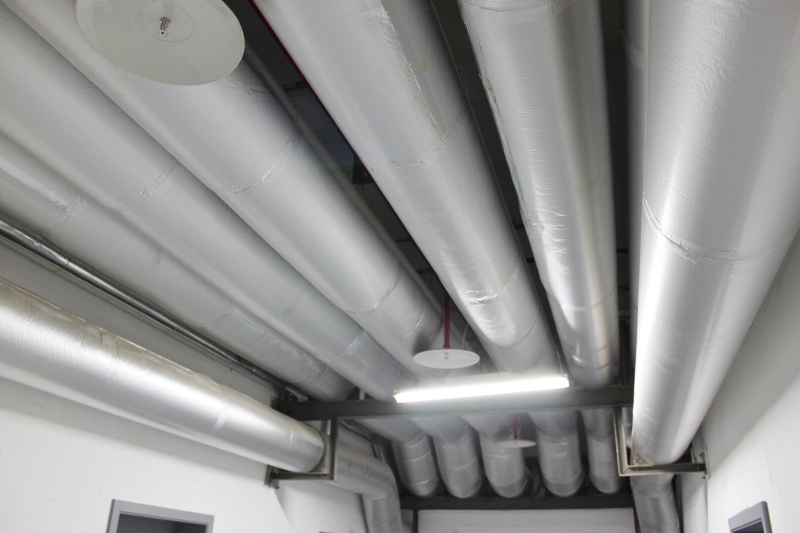
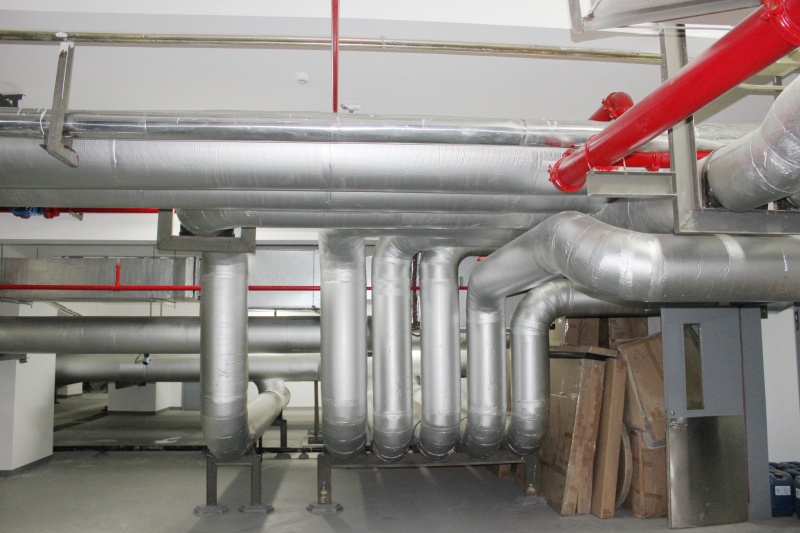
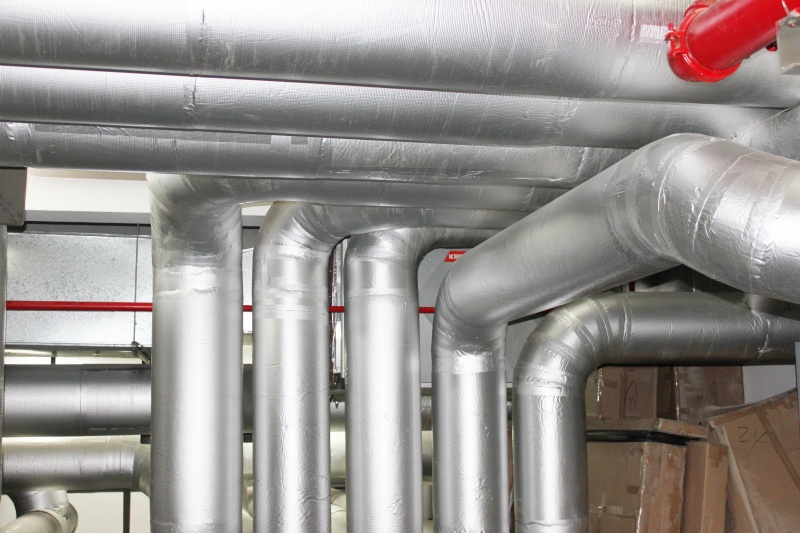
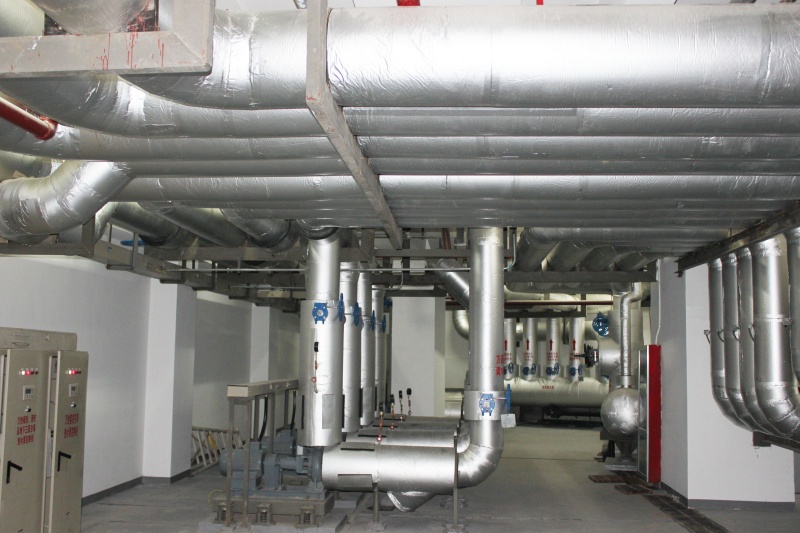
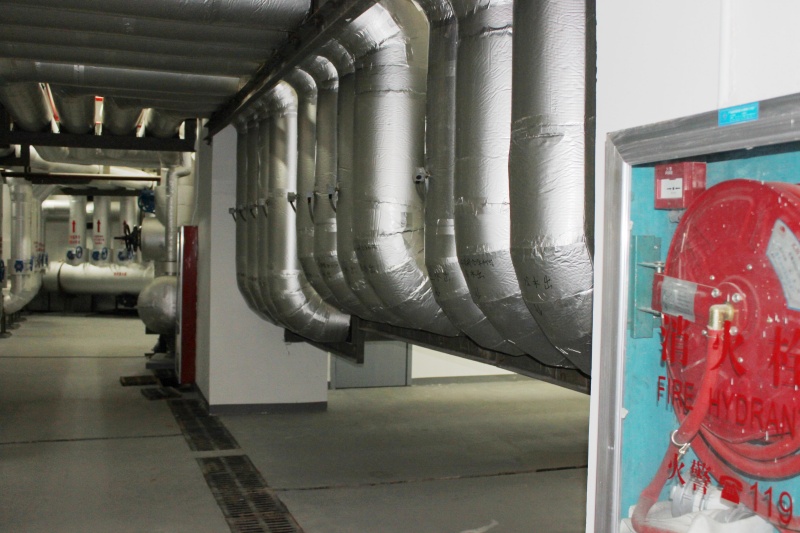
Case studies demonstrating Kingflex thermal insulation systems in various global projects.

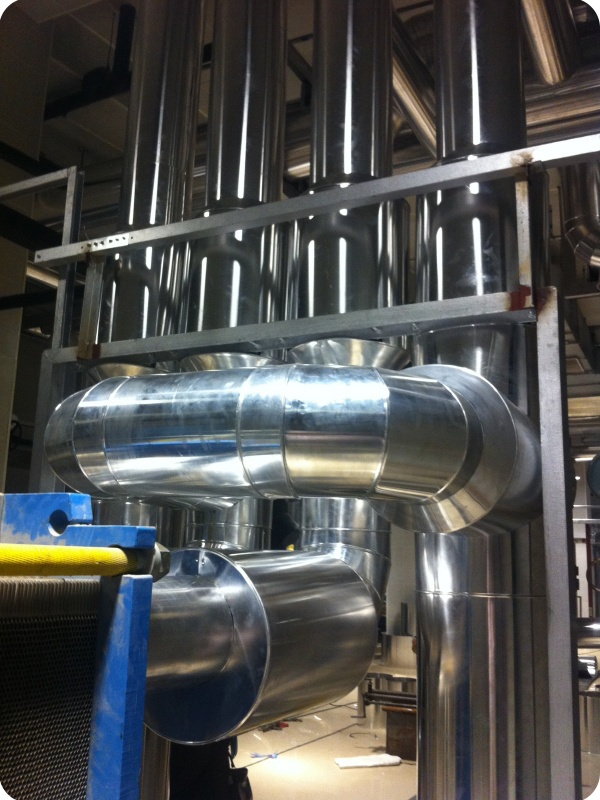
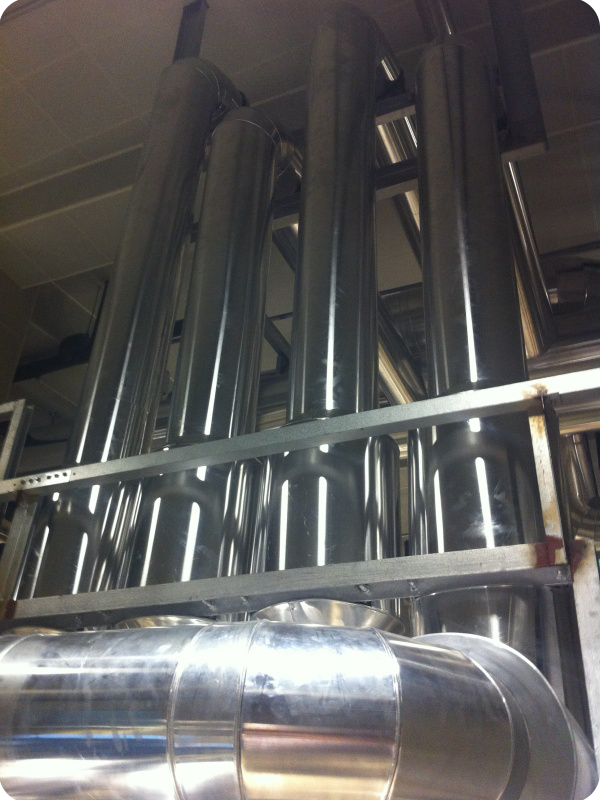
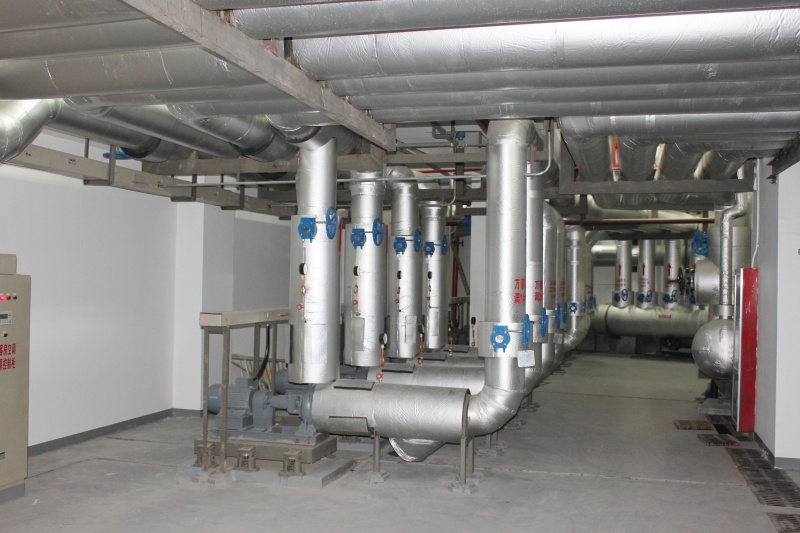
This project uses high-density NBR/PVC closed-cell sheet rolls to insulate central air conditioning systems. The installation ensures stable cold temperatures and prevents condensation in commercial spaces.
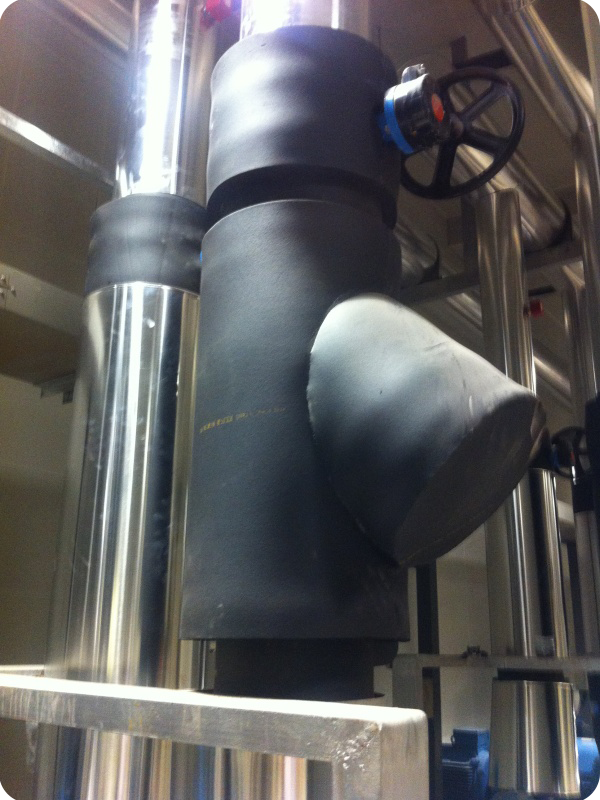
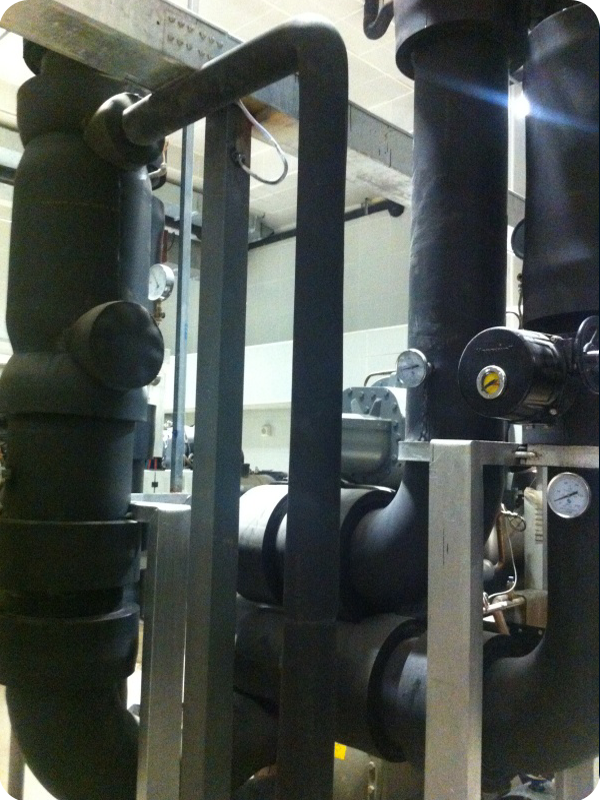
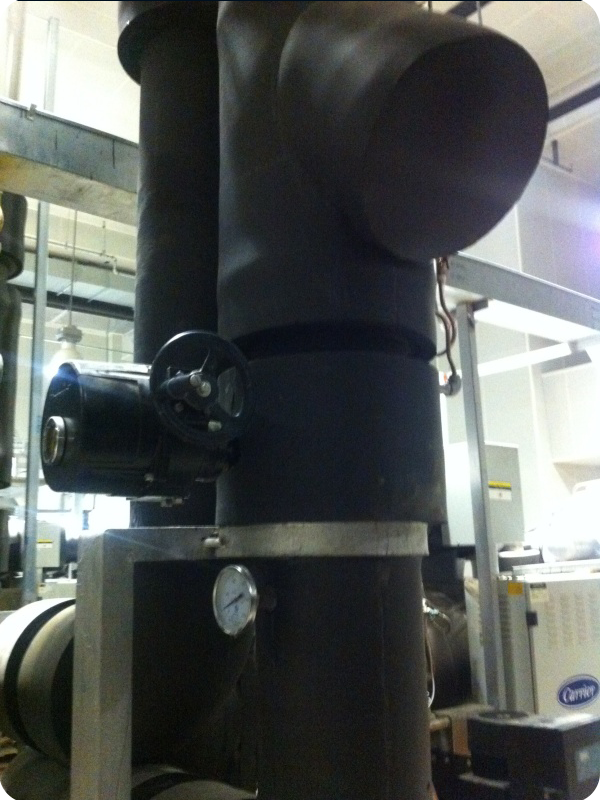
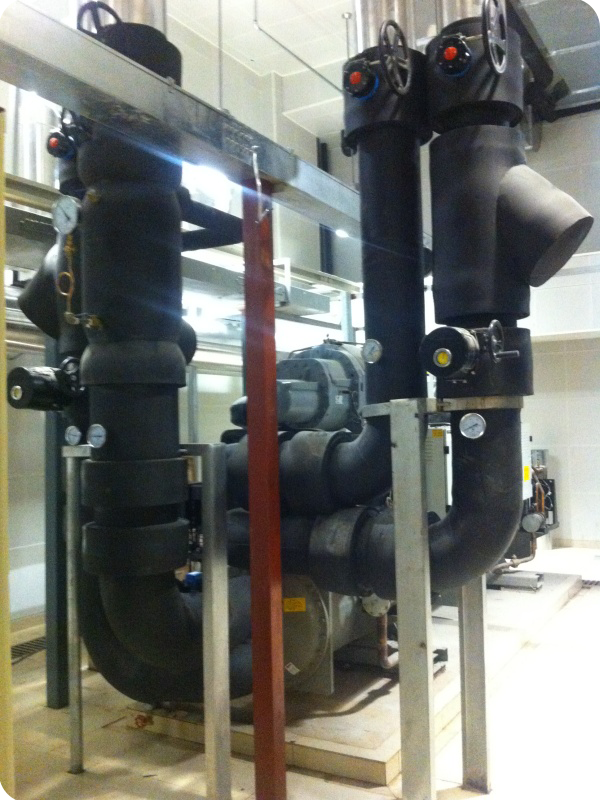
These pre-formed elastomeric pipes are designed for rapid installation on HVAC and water supply lines, protecting piping networks from freezing, condensation, and energy loss.
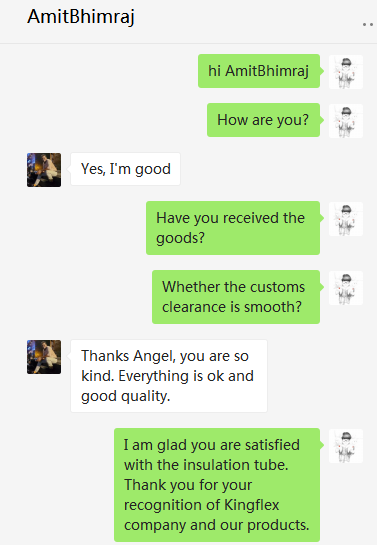
We build long-term partnerships with global clients by focusing on material quality, prompt shipping, and engineering support. Below are snapshots of our international customer feedback and order completions:




A look inside our automated production lines and logistics operations in Dacheng, China.











Common questions regarding elastomeric rubber foam insulation and bulk procurement from Kingflex.
A complete list of our specialized elastomeric foam tubes, piping systems, and sheet insulation products.
 Kingflex