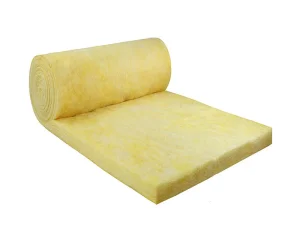
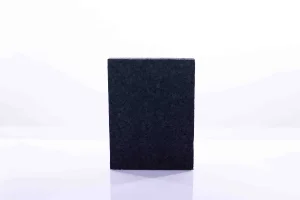
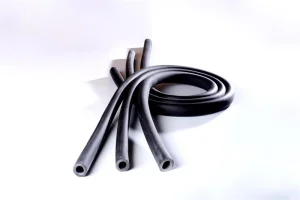
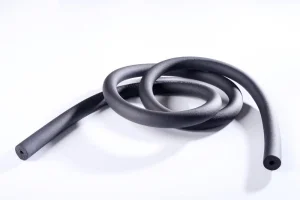
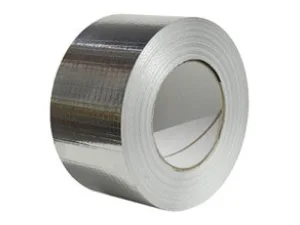
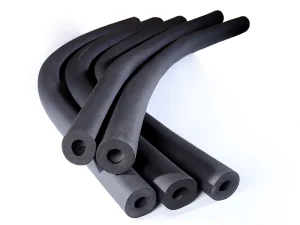
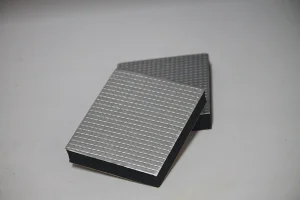
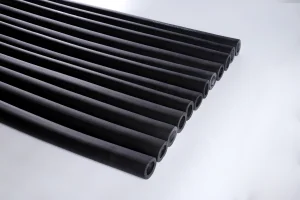
Explore our foundational range of certified thermal and acoustic insulation materials, optimized for mechanical ventilation, chilled water pipes, and cooling ductworks.
The global heating, ventilation, and air conditioning (HVAC) insulation market is experiencing a significant paradigm shift. With building energy consumption accounting for approximately 40% of global greenhouse gas emissions, high-efficiency insulation has transitioned from a standard construction component to a critical sustainability driver. Specifically, elastomeric rubber foam insulation is widely recognized as the industry benchmark for refrigeration lines, cold-water plumbing, and chilled water pipes.
Urbanization, strict environmental policies, and rising temperatures across the globe have accelerated the development of high-performing materials. Today, global commercial and industrial sectors require products that can prevent thermal loss, control condensation, mitigate corrosion under insulation (CUI), and provide robust acoustic absorption. As countries align with green building certification frameworks, procurement teams are demanding material traceabilities, low-VOC emission certificates, and verified non-combustible parameters.
For air conditioning and chilled water projects, selecting the right material is paramount to long-term operational success:
Singapore’s micro-climate presents a demanding test environment for mechanical thermal insulation systems. Characterized by year-round high temperatures (often exceeding 32°C) and average relative humidity levels above 80%, the ambient dew point sits exceptionally close to standard room temperatures. When chilled water pipelines transport fluid at 5°C to 7°C through building cavities, even minor flaws in the thermal barrier will trigger immediate condensation, resulting in "sweating pipes."
Continuous dripping from sweating pipes damages drywall ceiling boards, rusts support channels, and leads to hazardous mould growth. Premium closed-cell elastomeric rubber foam functions as a built-in water vapor barrier, ensuring consistent thermal conductivity over decades of service.
Under the Building and Construction Authority (BCA) Green Mark Scheme, commercial buildings must minimize energy loss. In addition, insulation installed within return-air plenums and utility shafts must meet strict fire safety regulations. Kingflex products comply with the BS 476 Part 6 & 7 standard to achieve Class 0 status, preventing flame spread and smoke development in public spaces.
Whether for data centers in Jurong, luxury hospitality projects along Marina Bay, or commercial hubs in the CBD, choosing the correct insulation thickness and thermal stability rating is vital. Standard engineering configurations dictate the following insulation profiles for Singapore commercial HVAC projects:
| HVAC System Component | Recommended Insulation Material | Standard Thickness Range | Key Compliance Standard |
|---|---|---|---|
| VRV/VRF Copper Refrigerant Lines | Closed-Cell Nitrile Rubber (NBR) Pipe | 9mm to 19mm | BS 476 Part 7 Class 1 |
| Chilled Water Flow & Return Pipes | Heavy-Duty NBR/PVC Rubber Foam Pipe | 25mm to 50mm | BS 476 Part 6 & 7 Class 0 |
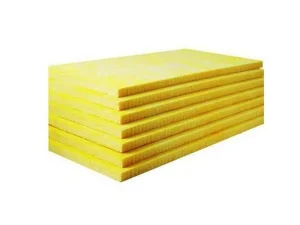
| Air Conditioning Ductwork (Exterior Wrap) | NBR Sheet Roll / Foil-Faced Glass Wool | 25mm to 40mm | UL 94, ASTM C547 |
| Plant Room Drainage & Condensate Lines | Flexible Rubber Foam Tubing | 9mm to 15mm | RoHS, REACH compliant |
Kingflex Insulation Co., Ltd. represents a highly efficient blend of research, development, and industrial-scale manufacturing. Strategically located in Dacheng, China—widely regarded as the capital of green-building materials—our production facilities take full advantage of localized raw material access, skilled labor pools, and advanced manufacturing clusters. This concentrated supply chain enables us to optimize production costs while maintaining strict international quality standards.
For Singaporean distributors, mechanical contractors, and engineering consultants, sourcing directly from Kingflex offers clear advantages. Lightweight materials like rubber foam often incur high shipping volumes. To address this, Kingflex has developed advanced compression-packing techniques and vacuum-sealing protocols, allowing us to load up to 35% more product volume into standard containers. This significantly lowers ocean freight costs per cubic meter, translating directly into competitive project pricing for our partners in Singapore.
Our elastomeric insulation materials are formulated using a premium blend of Nitrile Butadiene Rubber (NBR) and Polyvinyl Chloride (PVC). This synthetic polymer blend yields an even, fine closed-cell structure (closed-cell rate exceeding 98%). The resulting matrix features high density, strong compression resilience, and a high resistance to moisture migration.
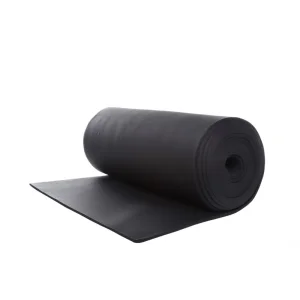
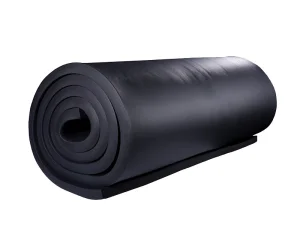
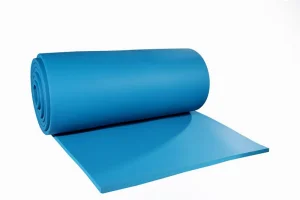
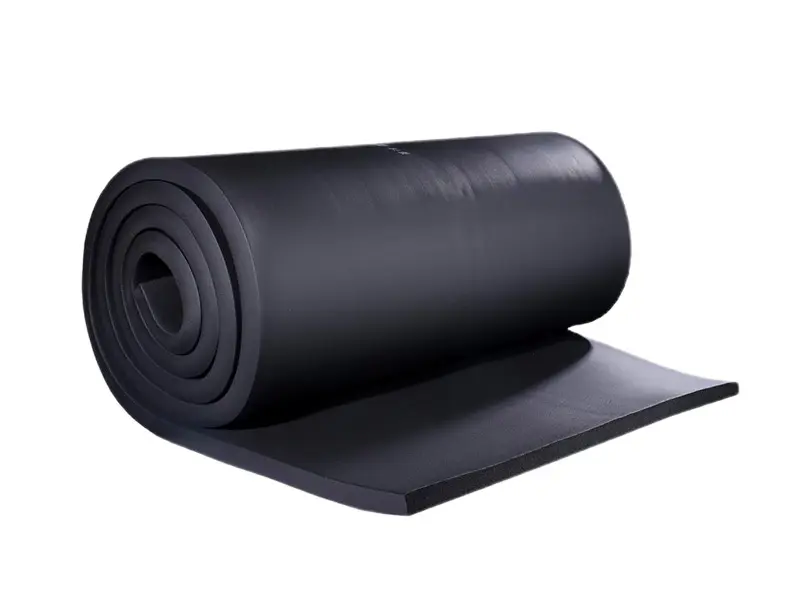
Insulation Sheet Rolls:
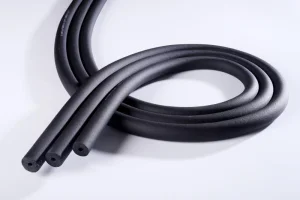
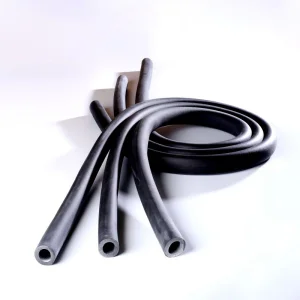
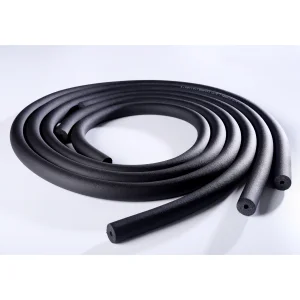
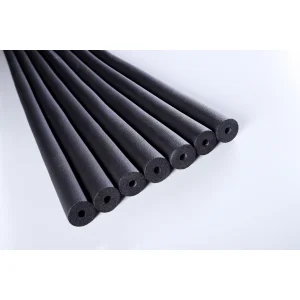
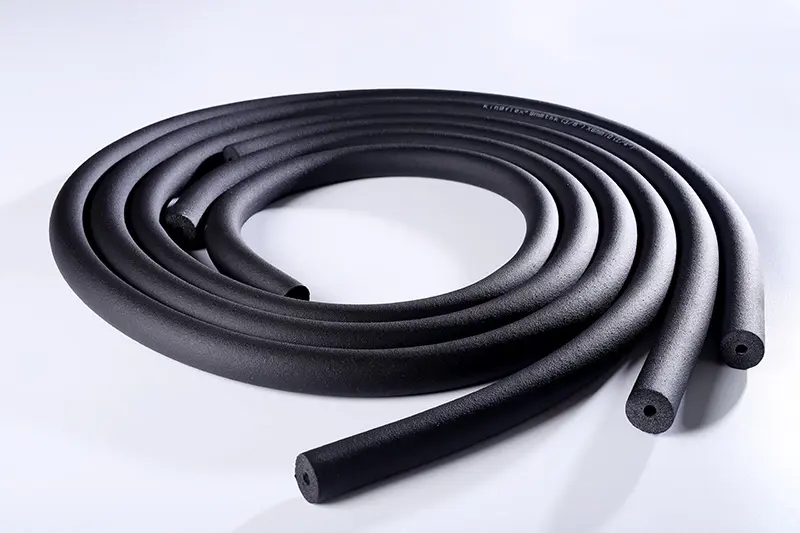
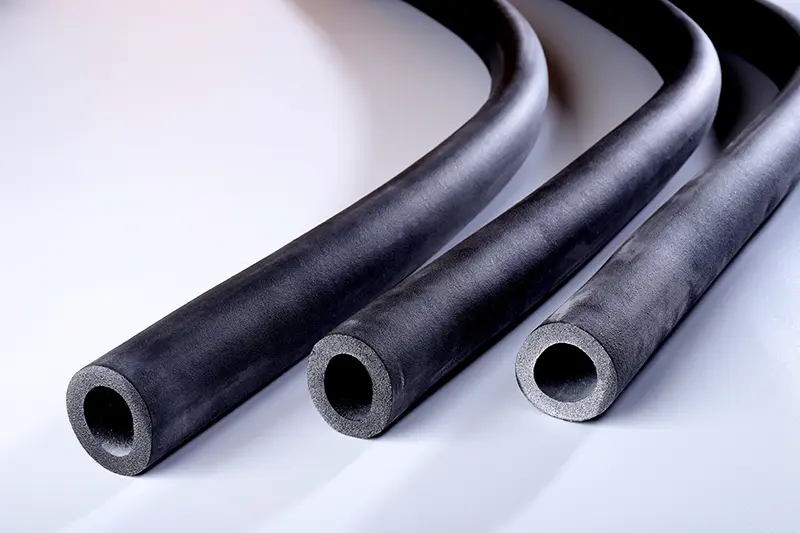
Insulation Pipes & Tubes:
Every batch of Kingflex insulation is rigorously tested to ensure performance consistency in demanding environments:
As a leading trade and manufacturing combo, Kingflex operates on a tiered wholesale pricing model designed for volume buyers, MEP (Mechanical, Electrical, Plumbing) contractors, and regional distributors in Singapore. The price of Aircon Insulation Foam is influenced by three main factors: foam density (standard 40–55 kg/m³ vs. custom high-density), fire-safety rating levels (Class 1 vs. Class 0 BS 476), and secondary facings (such as custom aluminum foil backing or self-adhesive tapes).
Class 0 certified elastomeric foam requires specialized flame-retardant additives. While it commands a premium over standard Class 1 materials, it is highly recommended for high-rise commercial structures and municipal projects to meet building codes.
Applying a layer of reinforced aluminum foil protects the rubber foam from UV degradation, mechanical damage, and weather wear in outdoor installations. Self-adhesive backings can also reduce on-site labor installation times by up to 40%.
Ordering full container loads (FCL) allows us to optimize packaging configurations. We can nest smaller pipe diameters inside larger ones to maximize container space, lowering the unit price and shipping cost for our buyers.
For the latest price estimates, bulk quotes, and custom thickness requests, please contact our international sales division directly with your material take-off (MTO) schedules.
It is primarily used for HVAC ducts, air conditioning piping systems, commercial building insulation, industrial cold-insulation systems, and soundproofing panels. Its excellent moisture resistance makes it particularly effective in preventing condensation on cold surfaces.
Yes, Kingflex rubber foam insulation is engineered with flame-retardant formulations. It complies with major international fire safety standards, including BS 476 (Class 0 and Class 1), UL 94, and ASTM, making it suitable for high-occupancy commercial and industrial projects.
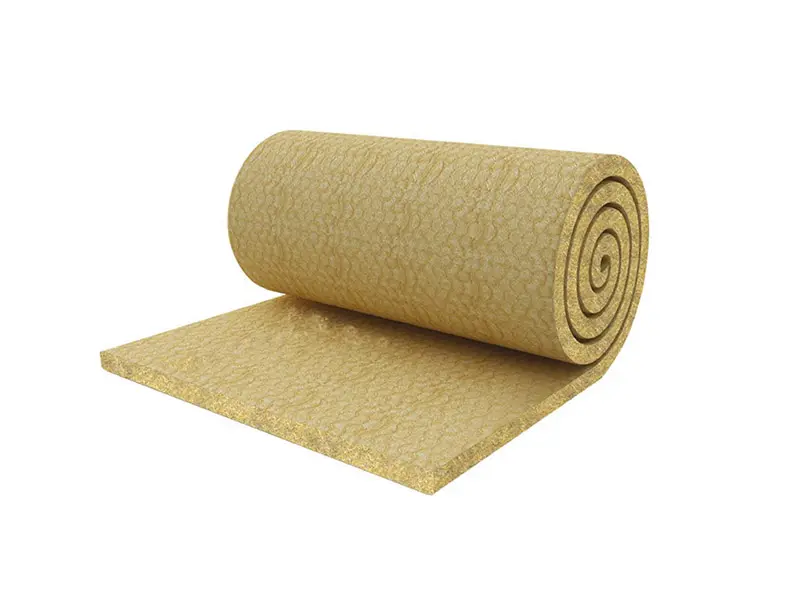
Rubber foam is a flexible, closed-cell material that is inherently moisture-resistant, making it ideal for refrigeration and low-temperature HVAC lines. Rock wool is an open-cell, fibrous material that offers higher temperature thresholds and superior structural fireproofing, making it better suited for high-temperature steam pipes and fire-rated walls.
Yes. We offer OEM and ODM services. We can customize dimensions (thicknesses up to 50mm, specific inner diameters), apply various protective facings (such as aluminum foil or glass cloth), and pre-apply high-tack adhesive backings to meet specific project demands.
Our products have passed multiple international testing standards, including BS 476, CE, REACH, RoHS, UL 94, and ASTM. This ensures our insulation meets global building codes and environmental safety standards.
Yes. We implement a rigorous quality control program where every production run is logged with batch numbers, raw material inputs, manufacturing dates, and quality test records, ensuring full traceability from the factory floor to the job site.
We produce elastomeric rubber foam sheet rolls in standard thicknesses ranging from 6mm to 50mm. Custom thick-layer laminations can also be manufactured for specialized industrial or cryogenic applications.
Under standard indoor operating conditions and when installed according to manufacturer guidelines, Kingflex rubber foam insulation typically provides a service life of 10 to 15 years, maintaining its structural integrity and thermal performance.
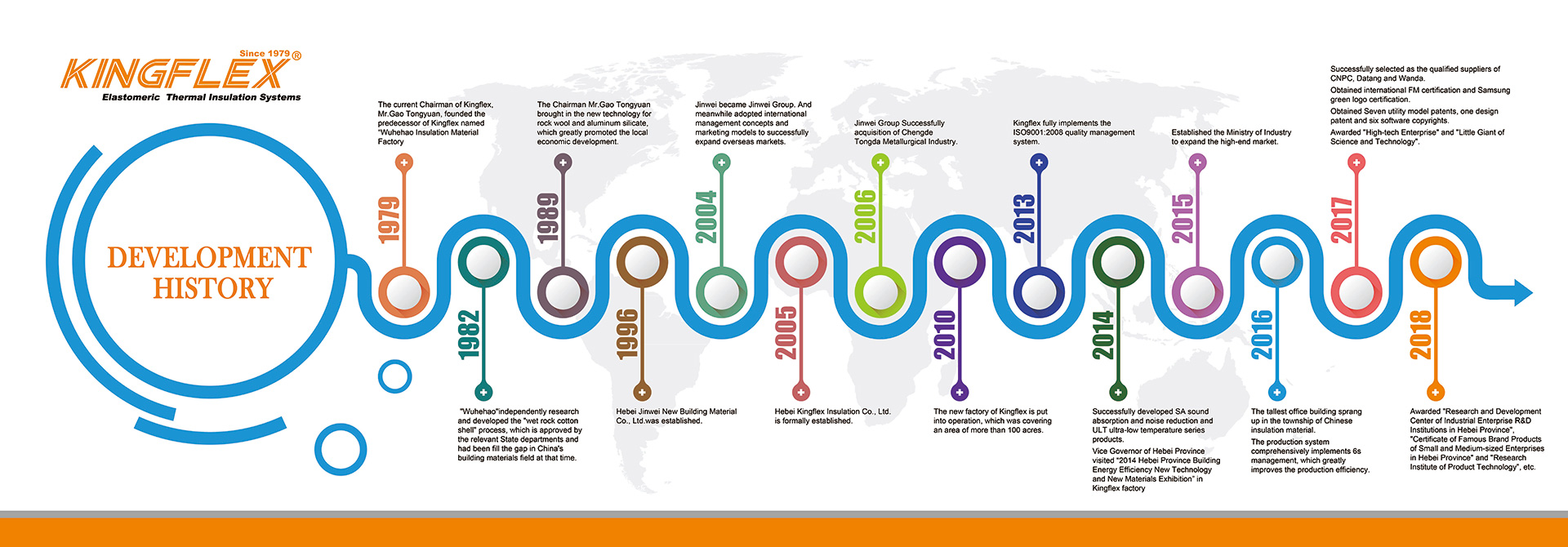
Kingflex Insulation Co., Ltd. is a professional manufacturing and trading combo for thermal insulation products. Our research, development, and production departments are located in Dacheng, China—a well-known capital of green-building materials. As an energy-saving, environmentally friendly enterprise, we concentrate on the research, development, production, and sales of high-performance insulation. In operation, Kingflex takes energy saving and consumption reduction as its core concepts. We provide comprehensive insulation solutions through consultation, R&D production, installation guidance, and dedicated post-sale service to help lead the development of the global building materials industry.
Kingflex was established by the Jinwei Group, which has more than 40 years of history. The Jinwei Group was established in 1979 and was the first manufacturer of thermal insulation materials north of the Yangtze River. This heritage provides our team with deep technical expertise and manufacturing experience.
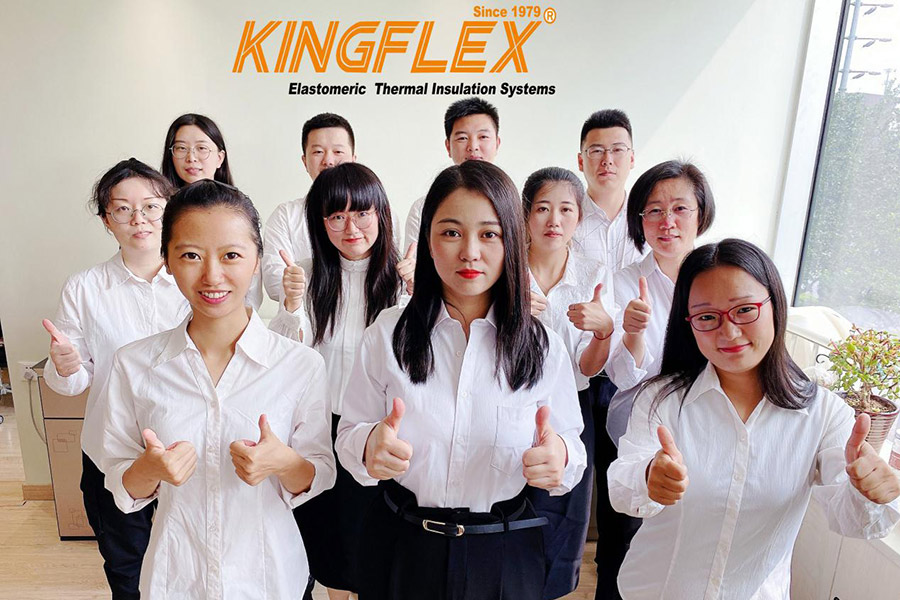
Our employees are outstanding in their own right, and together they make Kingflex a rewarding and collaborative place to work. The Kingflex team is a close-knit group focused on delivering reliable service to our clients. Kingflex employs 8 professional engineers in our R&D department, 6 international sales specialists, and 230 workers across our production lines.
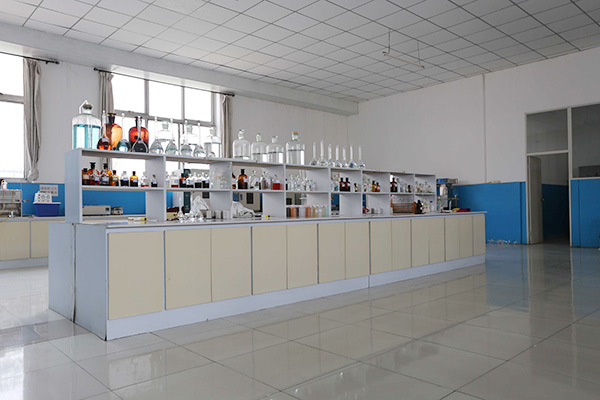
Our commitment to quality is backed by continuous testing in our on-site laboratories, ensuring our insulation products consistently meet international thermal, moisture, and fire-resistance standards.

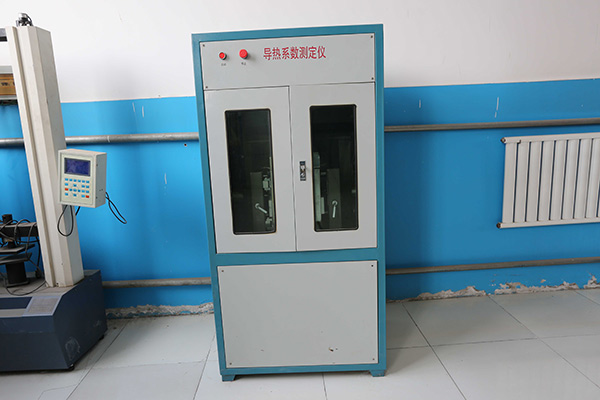
Kingflex insulation materials are tested by independent certification bodies to verify their compliance with building codes and fire safety regulations around the world.
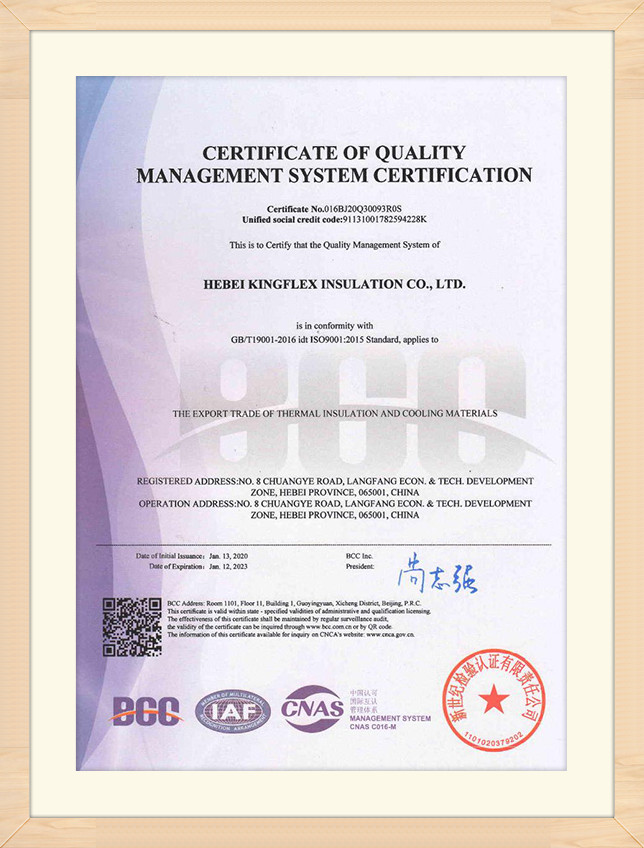


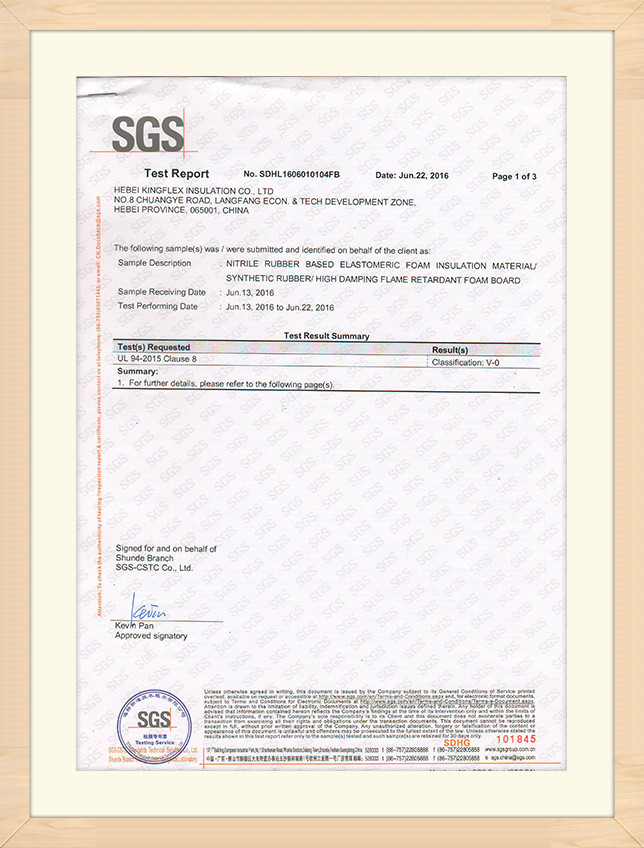
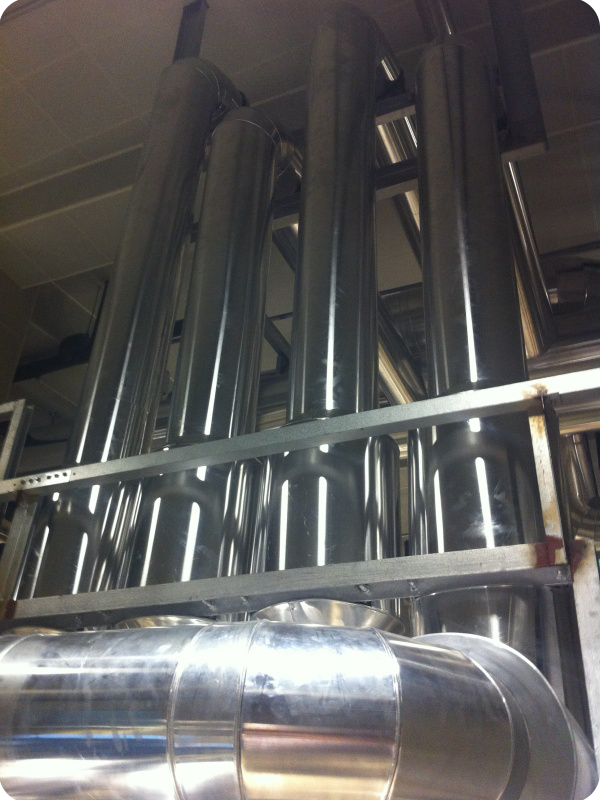
Our thermal insulation systems have been installed in major projects worldwide, including commercial office complexes, industrial plants, cold storage facilities, and public infrastructure works.

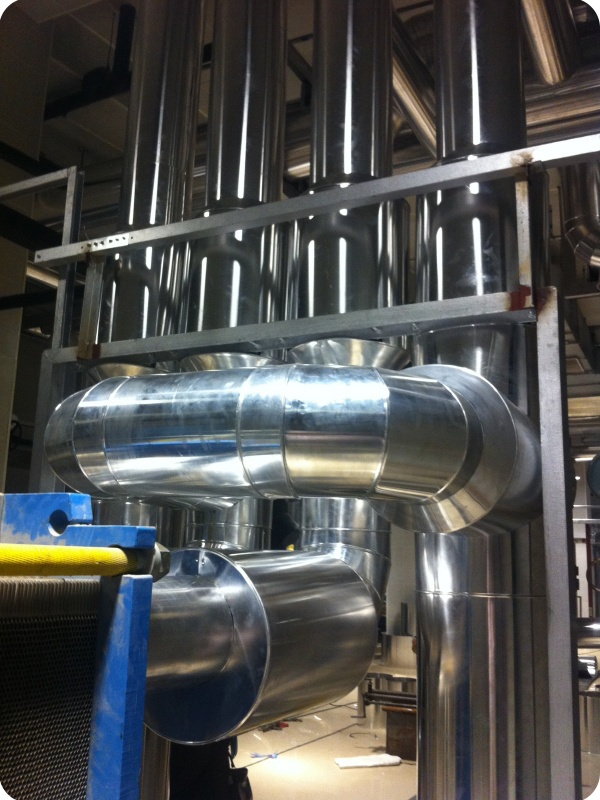
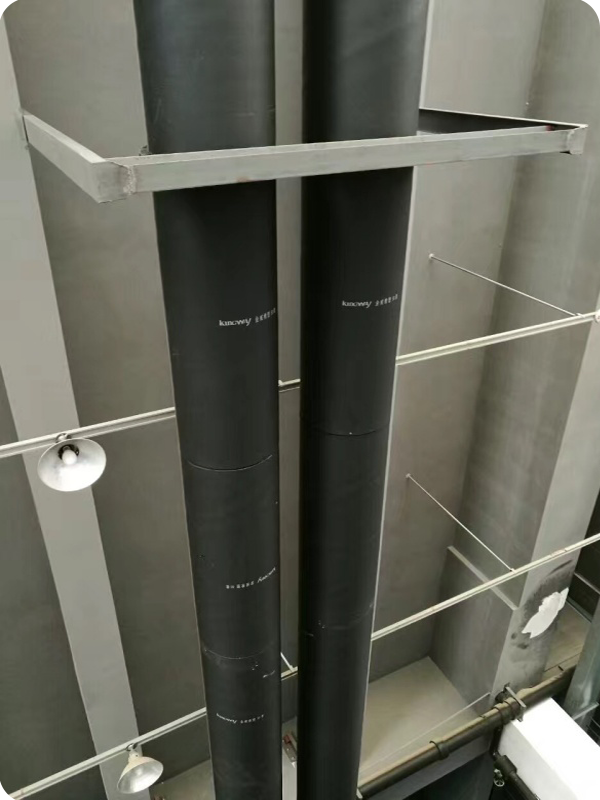
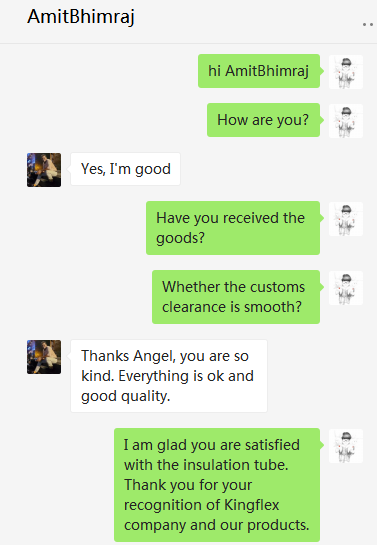
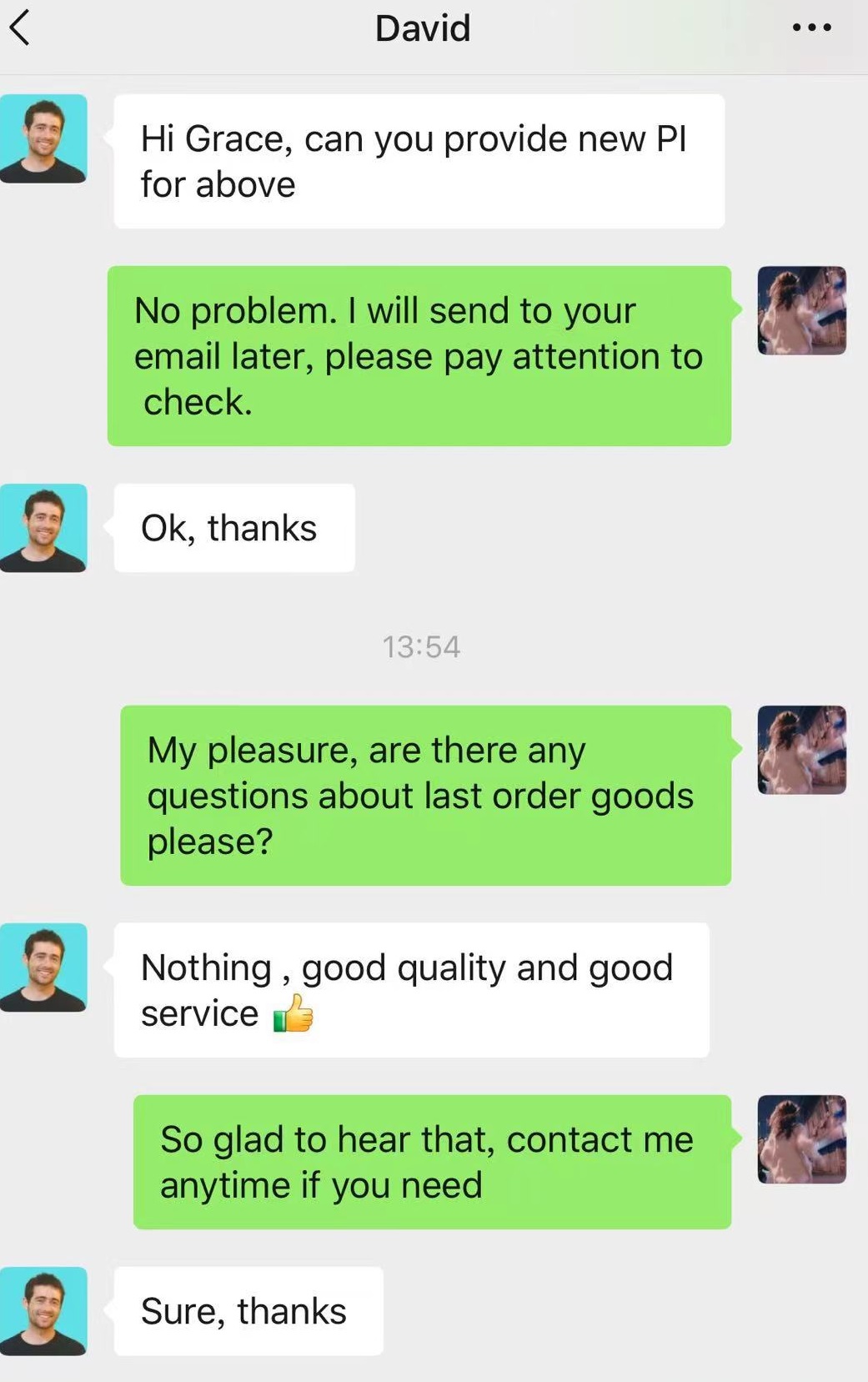
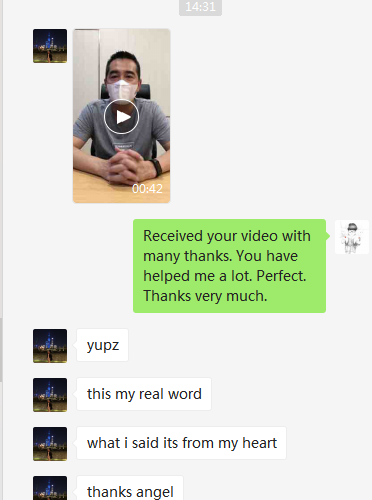
We work closely with international engineering consultants and procurement teams, providing clear technical communication and documentation throughout the ordering process.


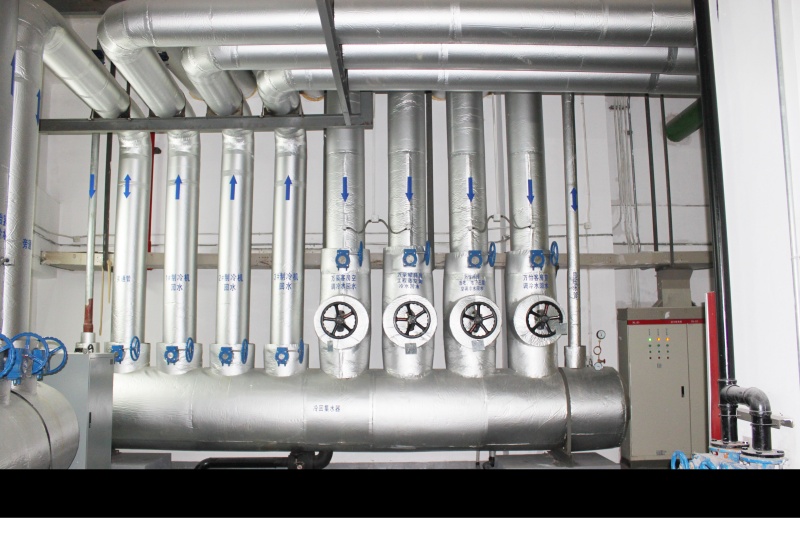


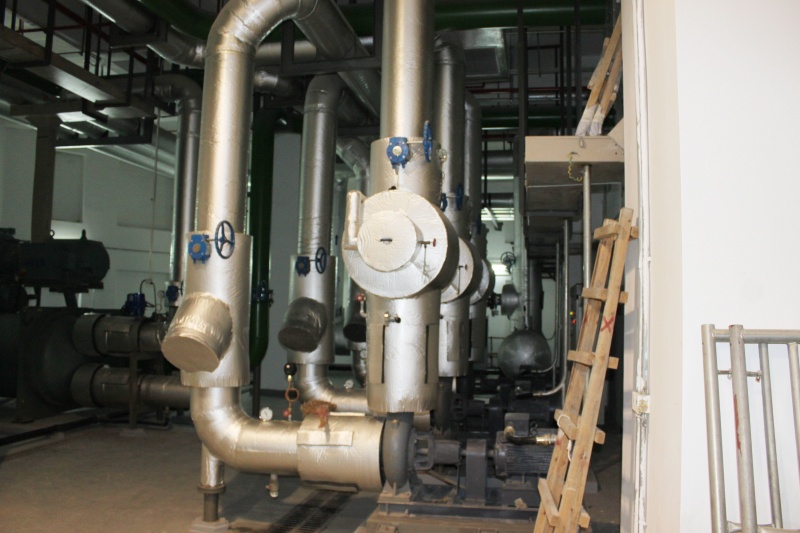
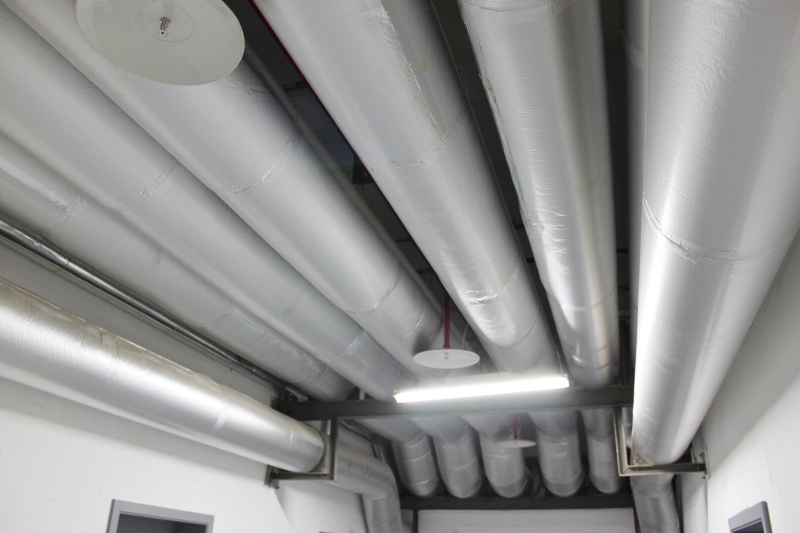

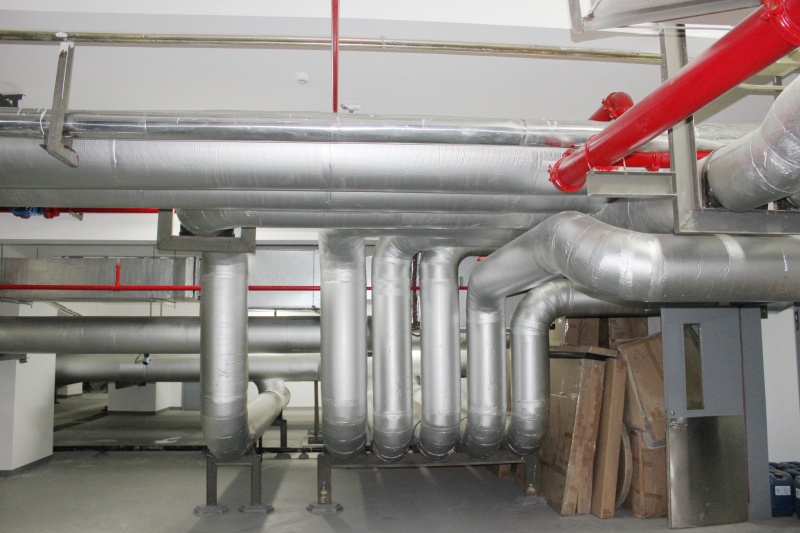
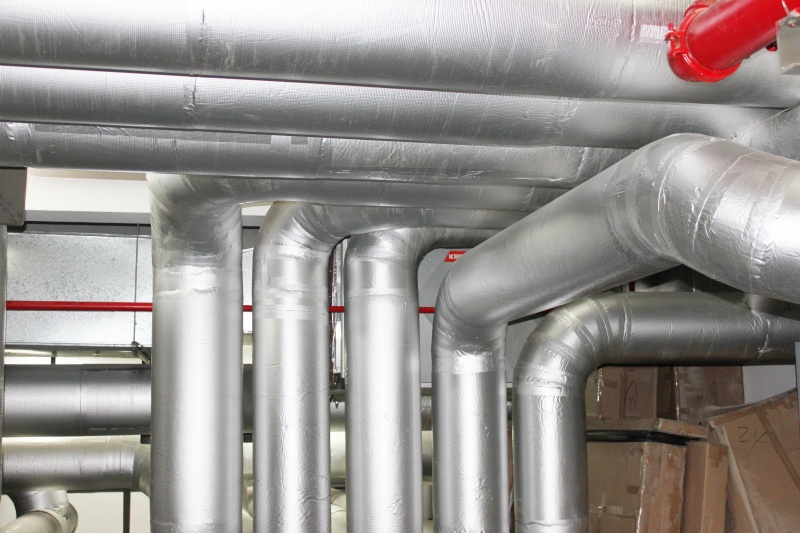
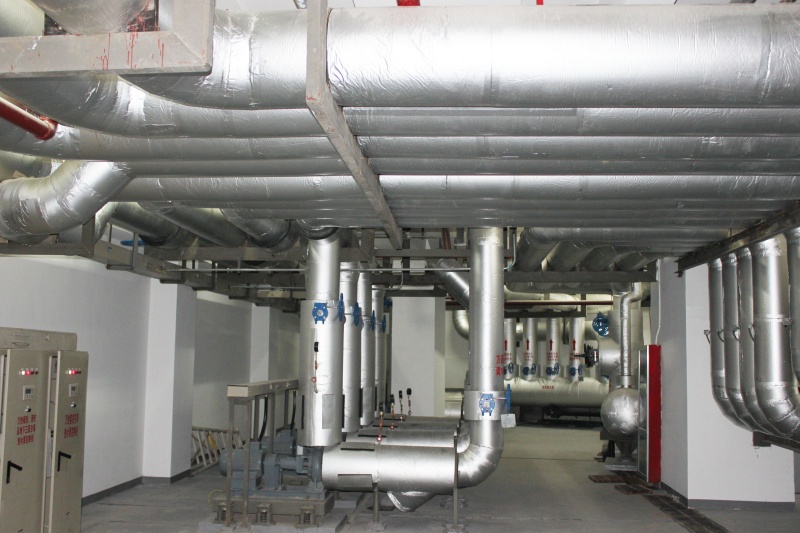
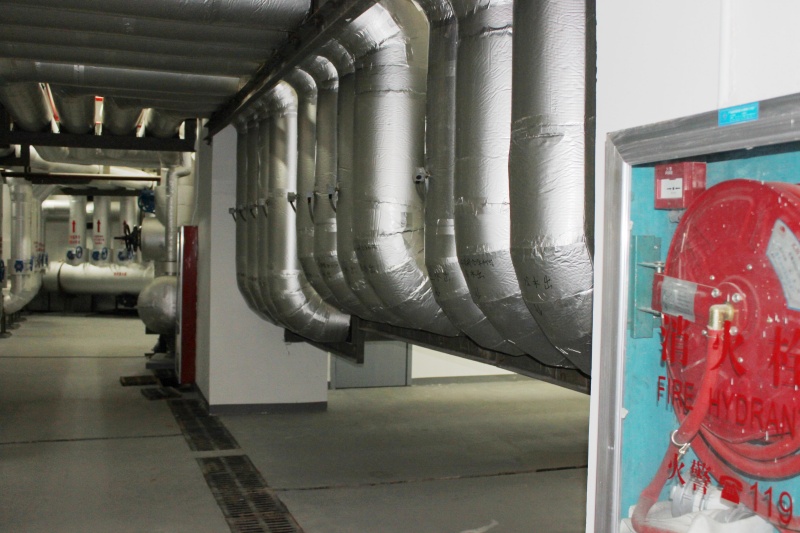
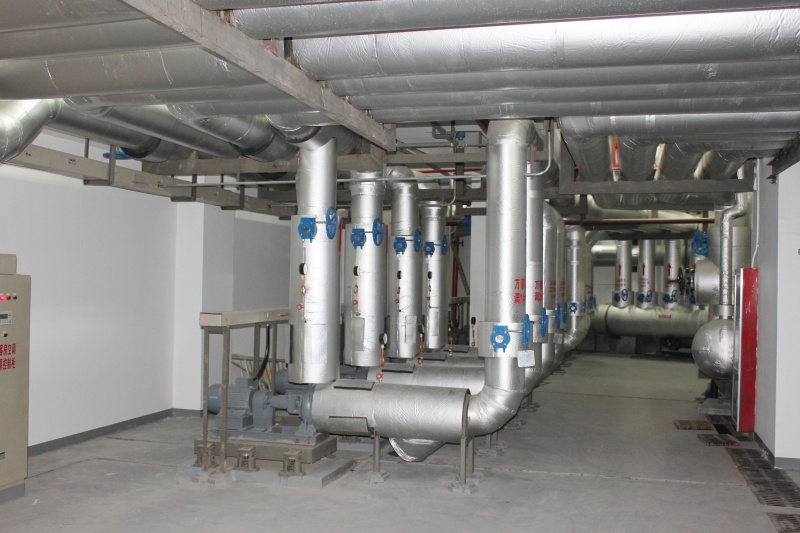

Explore our secondary selection of specialized insulation options, including flexible pipes, low-temperature tubing, and aluminum foil-faced sheets designed for challenging environment profiles.
To assist with detailed engineering specifications, below is our extended range of specialized elastomeric tubes, sheets, and cryogenic formulations. These products are manufactured to meet precise technical parameters for HVAC systems, cold-room piping, and industrial installations.






 Kingflex