Explore our high-performance thermal and acoustic insulation range. Designed for extreme durability, fire safety compliance, and maximum thermal efficiency.
In the era of hyper-efficient architecture and industrial decarbonization, the selection of piping insulation is no longer just about preventing freezing. It is a critical engineering decision that dictates structural energy sustainability, operational safety, and acoustic compliance.
Utilizing high-performance NBR/PVC closed-cell structures with an exceptionally low thermal conductivity (λ ≤ 0.034 W/m·K at 0°C). This blocks heat transfer paths, mitigating energy leakage in HVAC ducts and chilled water pipes.
Engineered to meet international flame-retardant standards. Self-extinguishing materials prevent smoke spread and burning droplets, fully conforming to BS 476 Class 0, UL94 V-0, and ASTM fire protection criteria.
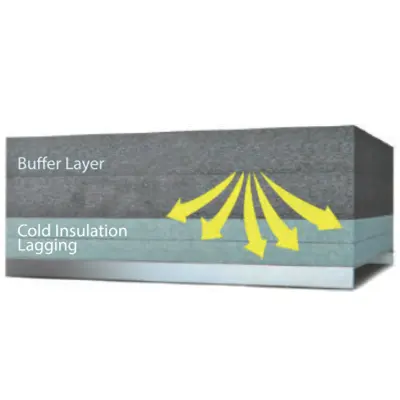
High-density foam matrices absorb low to high-frequency structural vibrations, dramatically dampening noise from high-pressure fluid flow, HVAC compressors, and mechanical vibrations in building shafts.
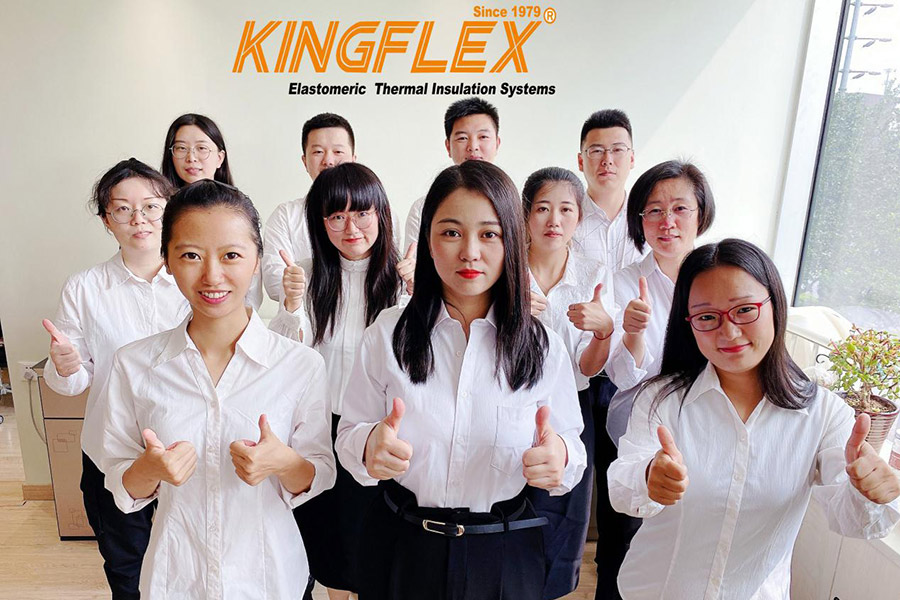
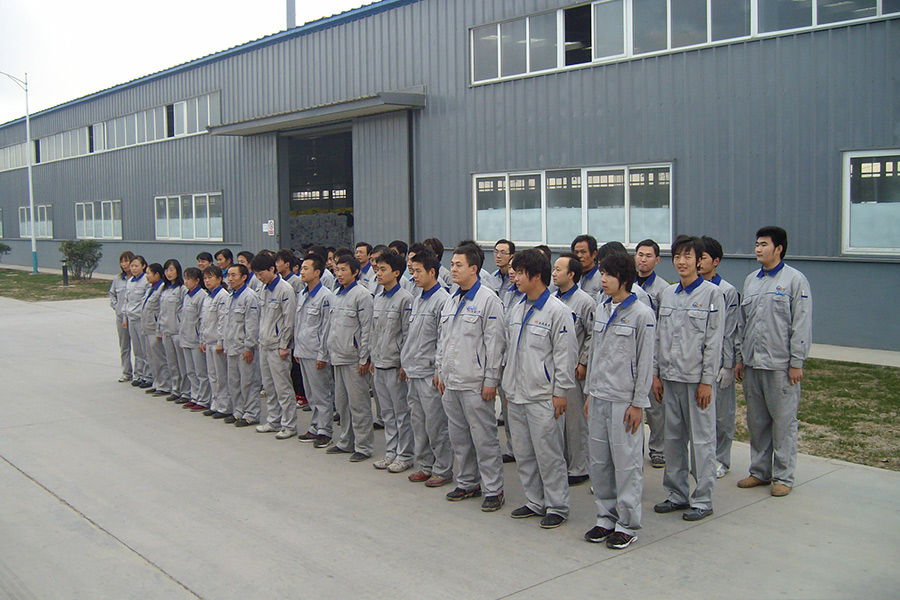
Kingflex Insulation Co., Ltd. is a professional manufacturing and trading combo for thermal insulation products. Kingflex research development and production department is located in the well-known capital of green-building materials in Dacheng, China. It is an energy-saving and environmentally friendly enterprise concentrating on research, development, production, and sales.
In operation, Kingflex takes energy saving and consumption reduction as its core concept. We provide insulation solutions by means of consulting, research and development, manufacturing, installation guidance, and post-sale service to lead the development of the global building materials industry.
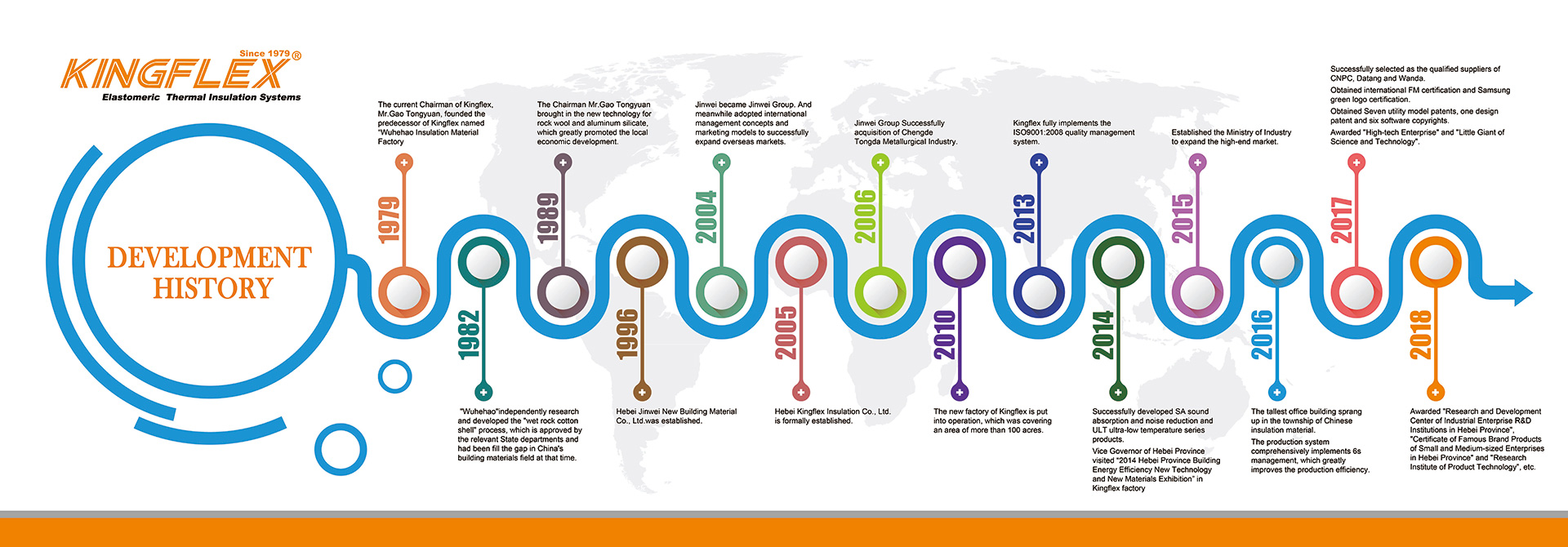
Founded by the Jinwei Group, which possesses more than 40 years of manufacturing history (established in 1979 as the first manufacturer of thermal insulation materials north of the Yangtze River), Kingflex leverages deep legacy expertise to deliver cutting-edge materials.

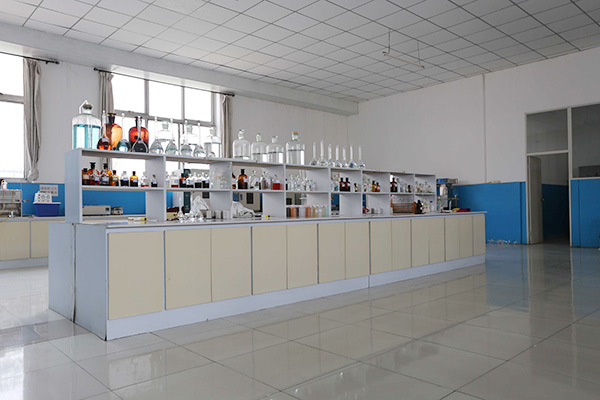
Our production base features state-of-the-art automatic vulcanization machinery that ensures perfect micro-cellular structures. Our dedicated R&D wing consists of 8 senior materials scientists and chemical engineers constantly iterating on raw material formulations.

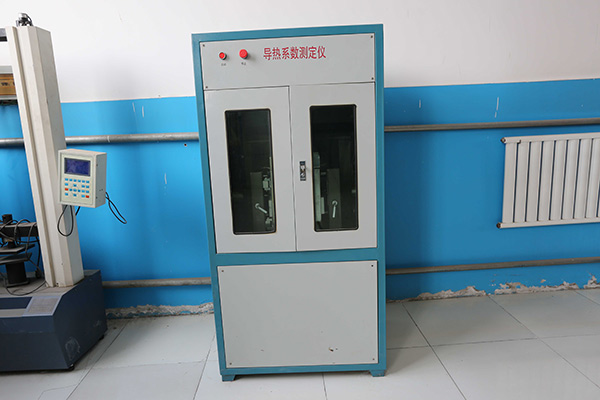
We ensure our materials pass strict testing barriers across major global markets. From Europe to North America, our products carry legitimate safety and performance marks.
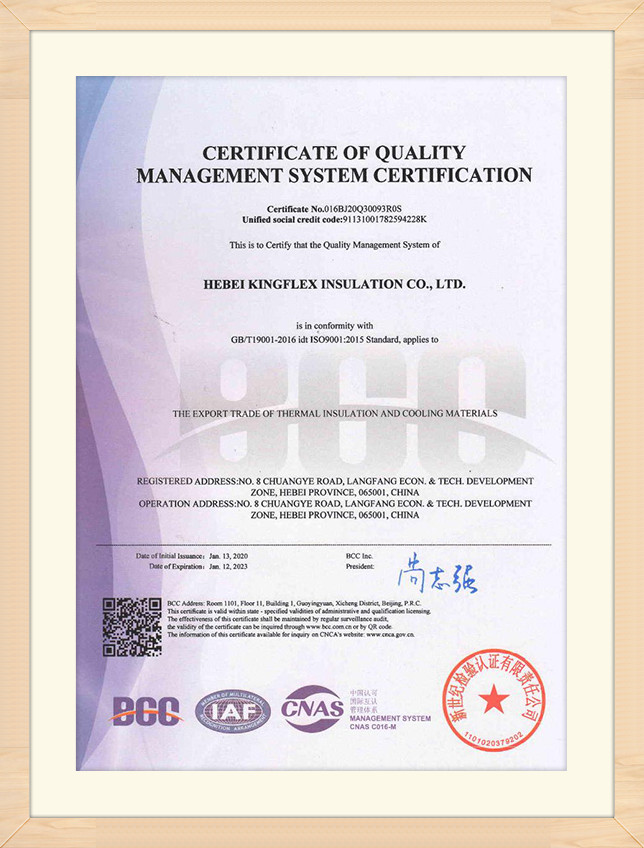


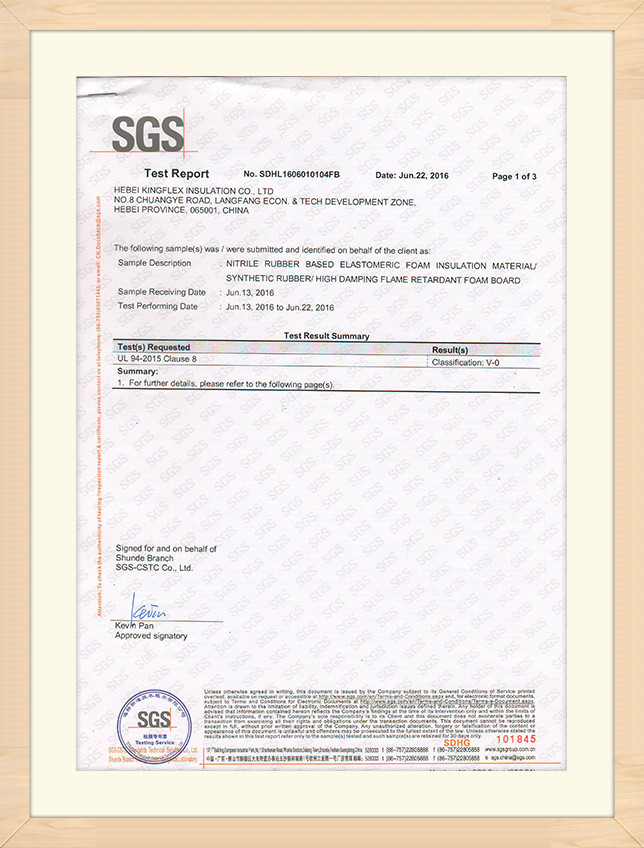
Unlike uncertified alternatives, Kingflex elastomeric insulation has been tested against the world's most rigorous benchmarks:
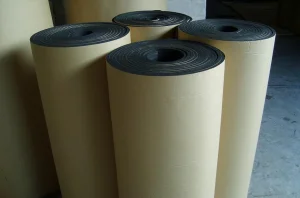
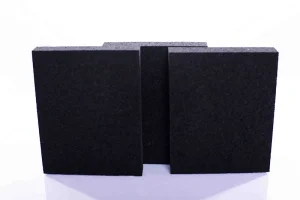
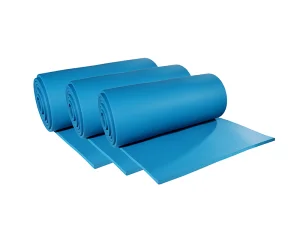
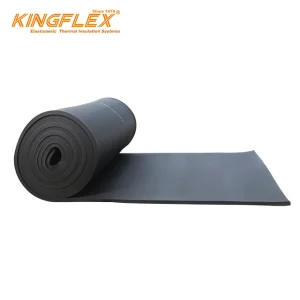
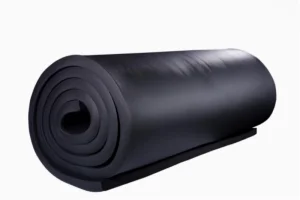
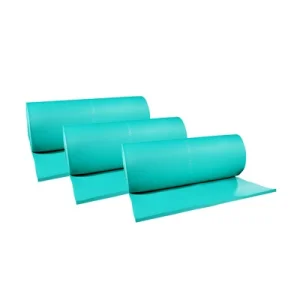
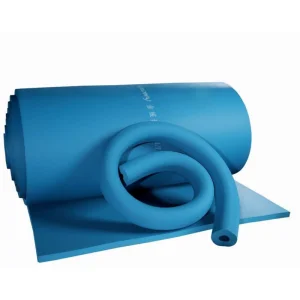
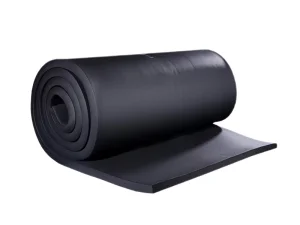
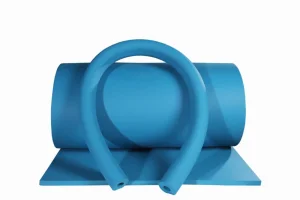
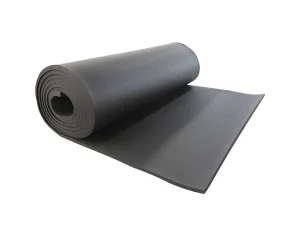
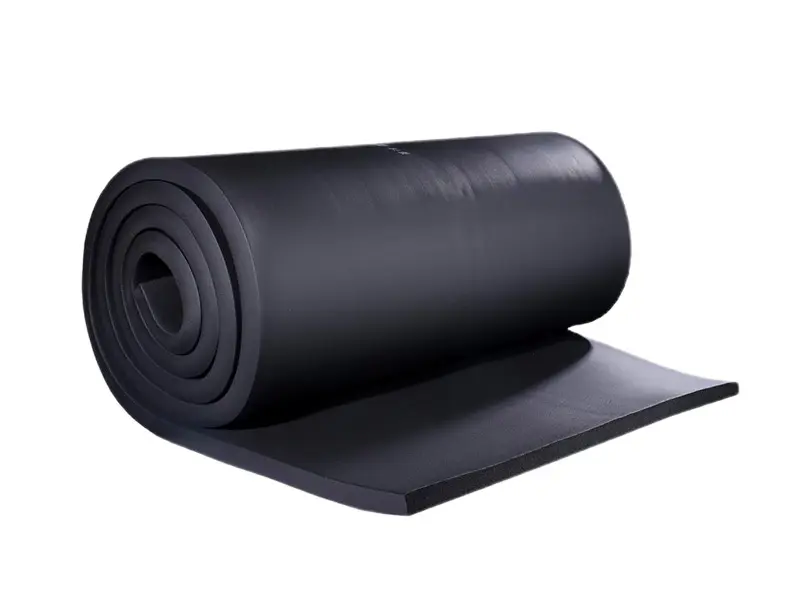
Our flagship sheet rolls are designed for flat surfaces, large diameter ducting, and HVAC plenum boxes. The highly flexible elastomeric structure allows fast, snug wrapping on complex geometries.
| Parameter | Specification Range |
|---|---|
| Material Base | Premium NBR (Nitrile Butadiene Rubber) / PVC Blend |
| Thickness Options | 6mm - 50mm (Customizable) |
| Density Range | 40 - 55 kg/m³ |
| Service Temperature Limit | -40℃ to 105℃ |
| Closed-Cell Rate | ≥ 98% |
| Water Vapor Permeability (μ) | ≥ 10,000 |
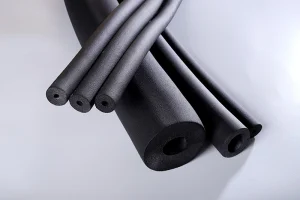
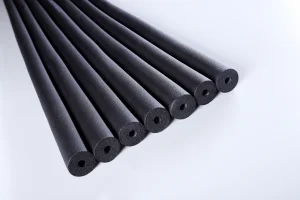
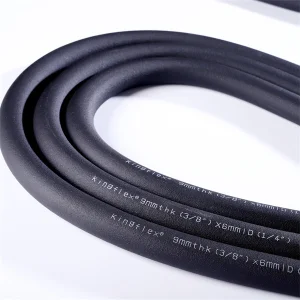
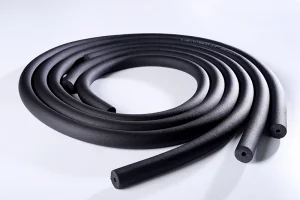
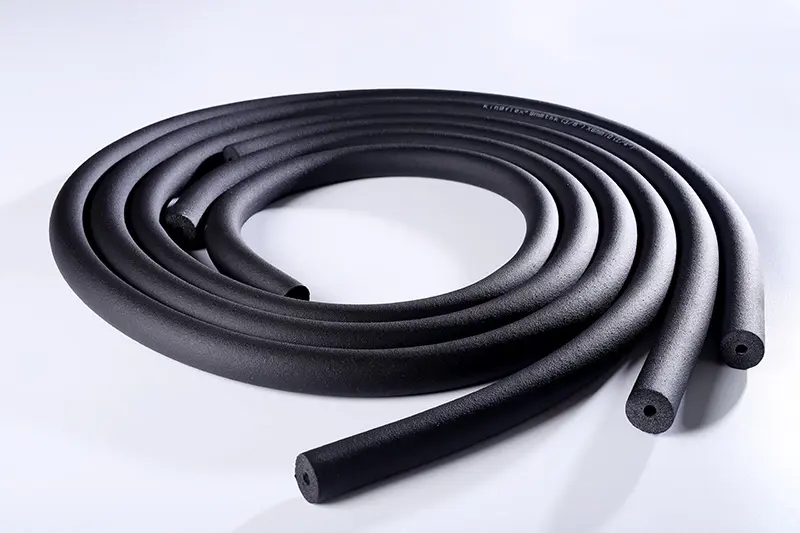
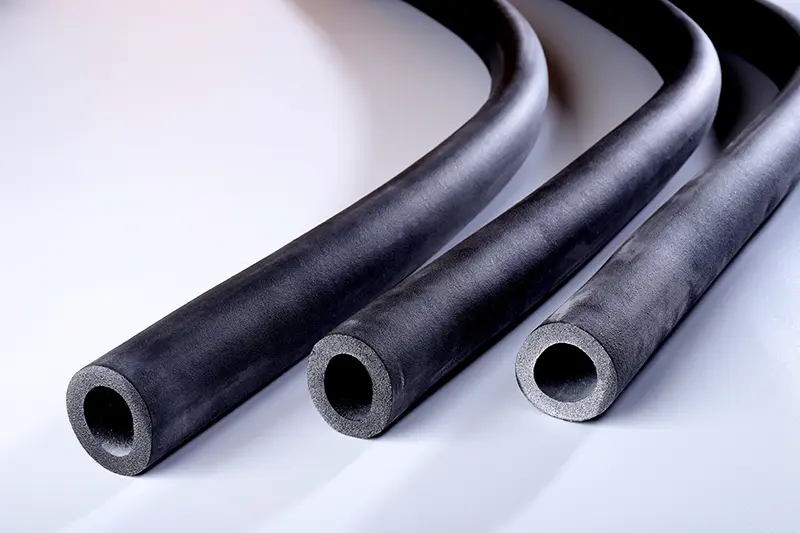
Pre-formed tubes built specifically for copper and steel pipework. The smooth, tough outer skin offers mechanical protection, while the inner micro-cells seal out moisture and maintain structural heat containment.
| Parameter | Specification Range |
|---|---|
| Material Base | NBR / PVC Elastomeric Compound |
| Thickness Options | 9mm - 40mm |
| Inner Diameter (ID) | 6mm - 114mm |
| Density Range | 40 - 55 kg/m³ |
| Thermal Conductivity | ≤ 0.034 W/m·K at 0℃ |
| Application Risks Solved | Pipe freezing, thermal bridges, exterior condensation |

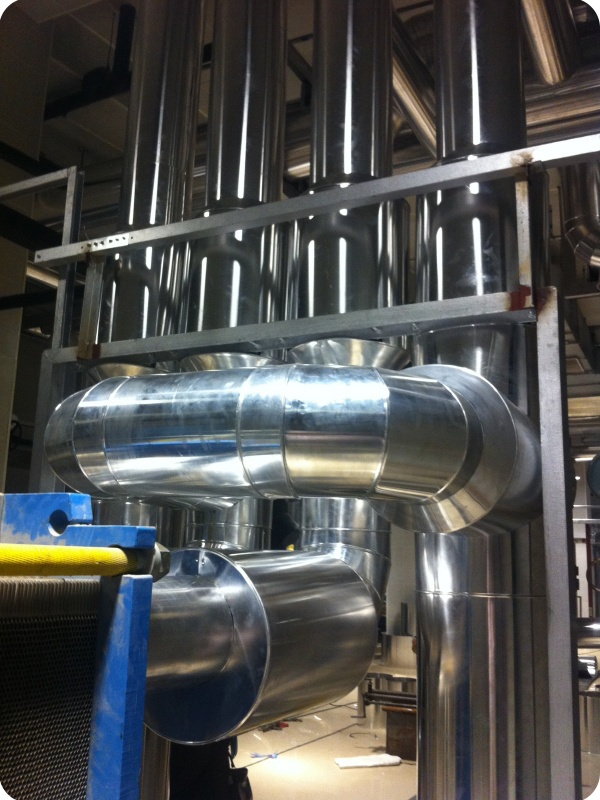
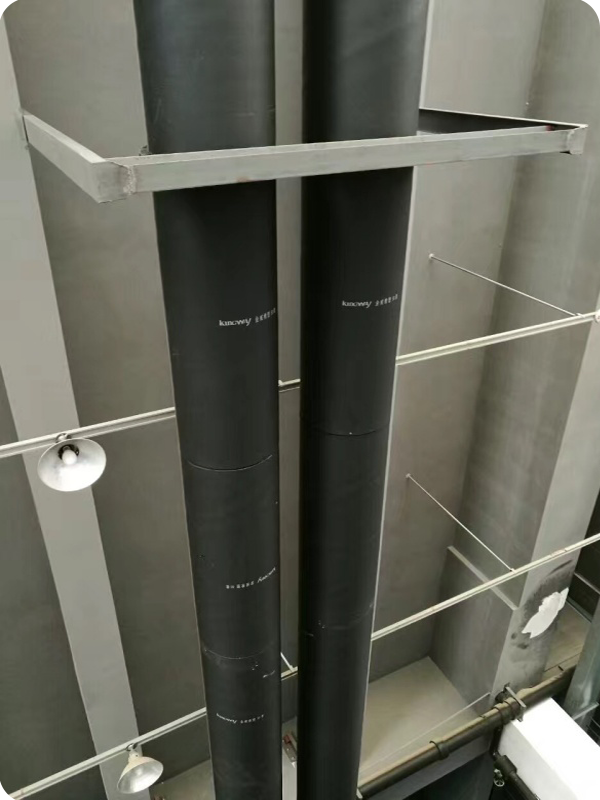
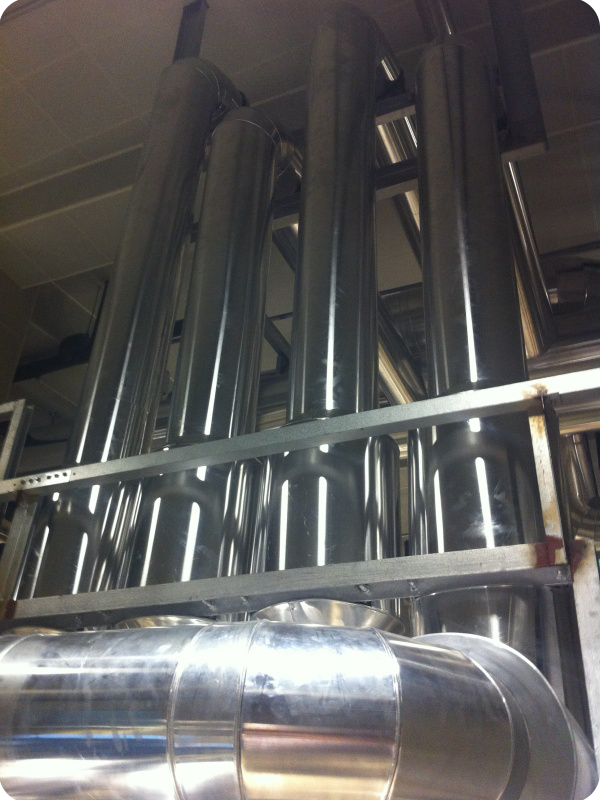
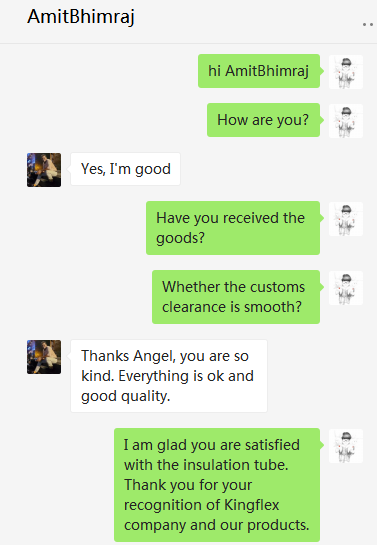
Our insulation materials are trusted by MEP engineers, petrochemical contractors, and commercial developers globally. Browse actual onsite deployment and warehouse shipping photos.
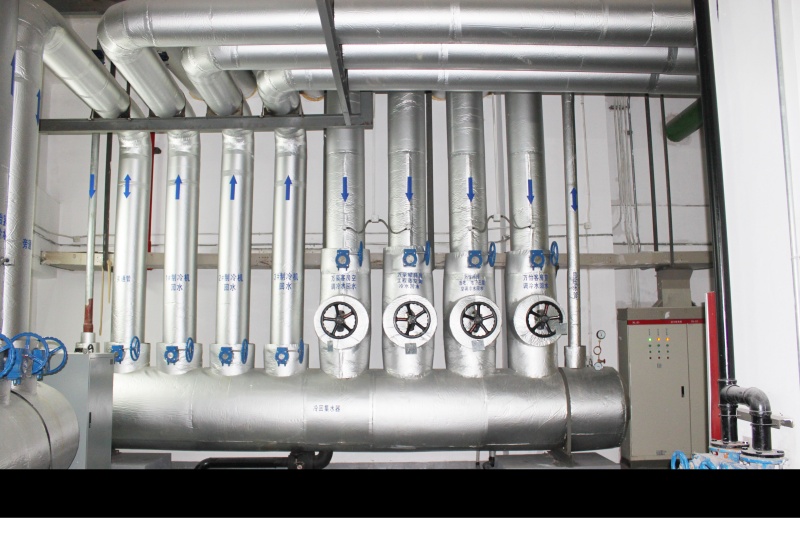


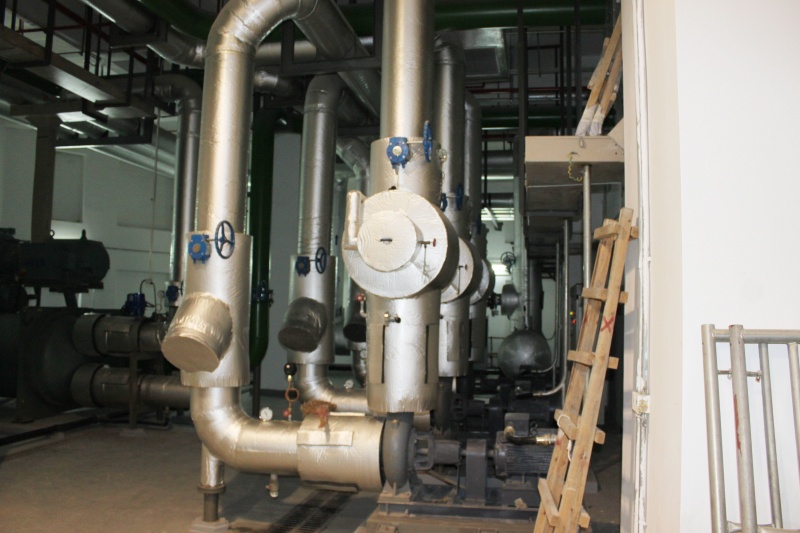
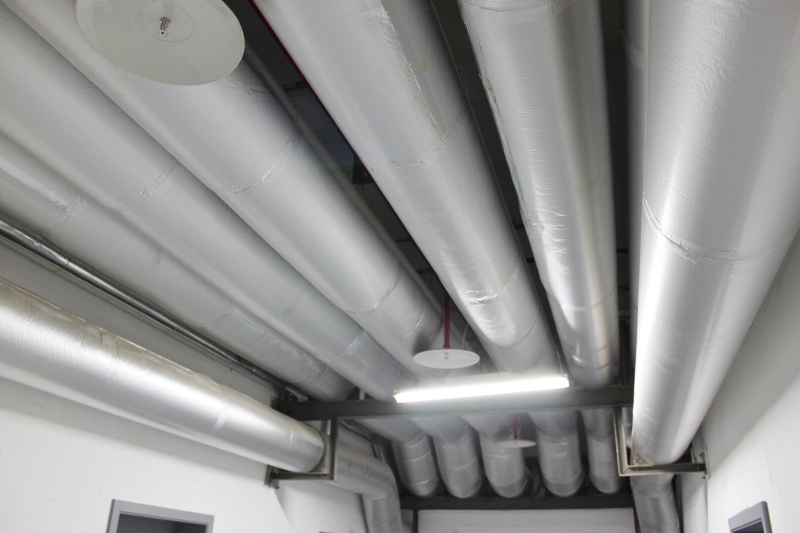

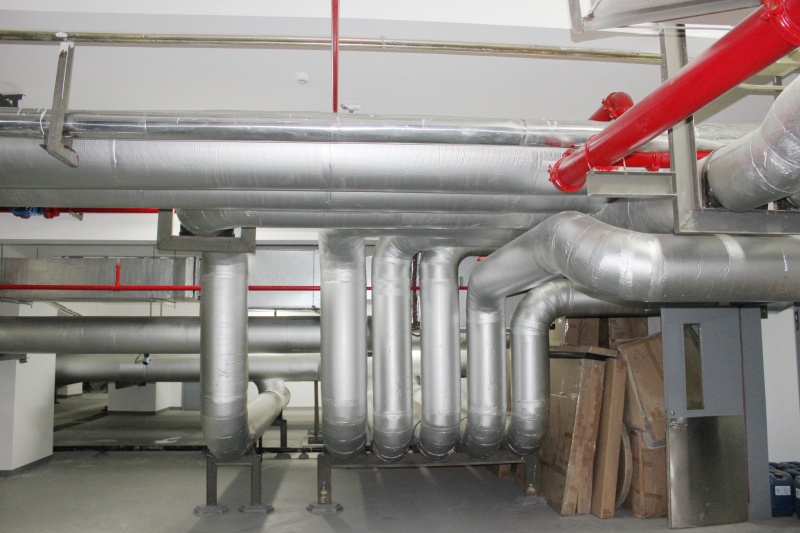
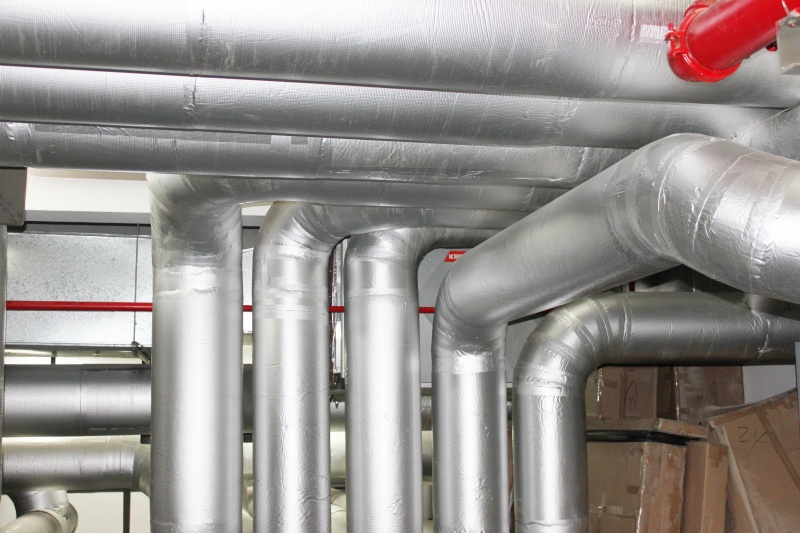
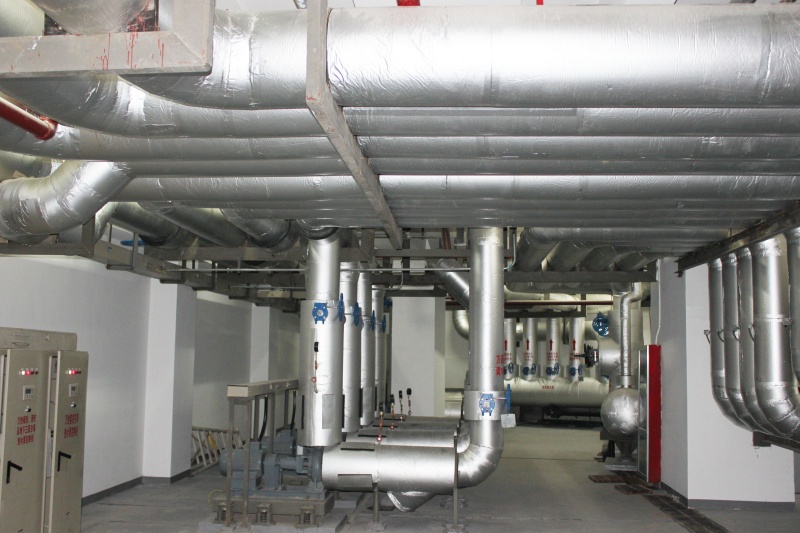
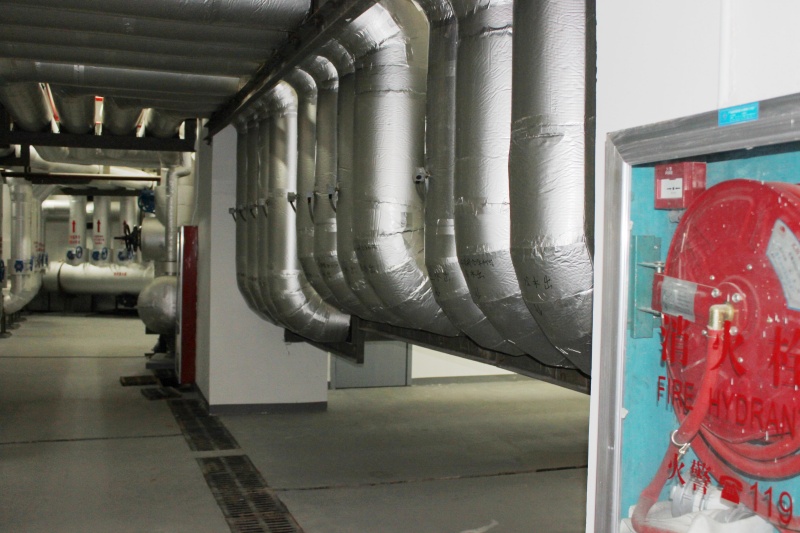
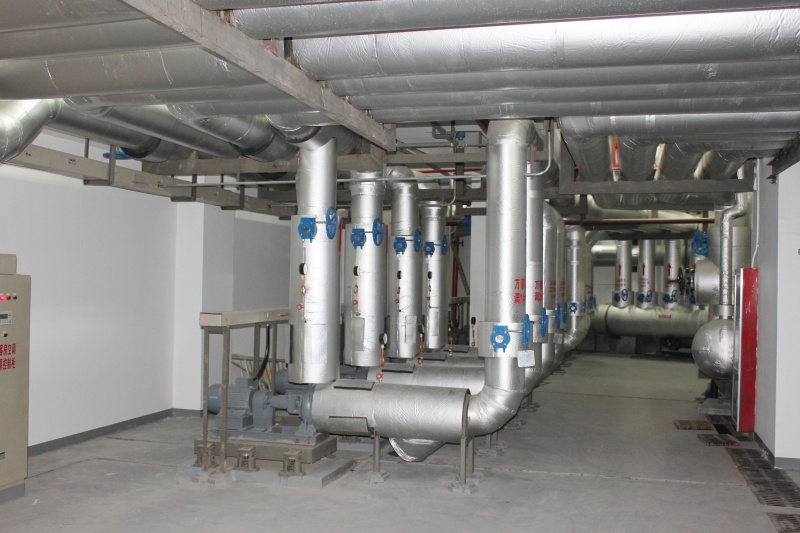

Advanced elastomeric insulation relies on NBR/PVC polymers synthesized to create a uniform distribution of gaseous cells. Unlike open-cell foams that allow convective current loops to carry energy from hot surfaces to the atmosphere, a closed-cell rate of over 98% immobilizes the air within the cells. This cellular confinement holds the thermal conductivity (k-value) down to an incredibly low range of ≤ 0.034 W/m·K at 0℃.
Furthermore, the low water absorption properties of closed-cell foam guarantee that moisture does not infiltrate the material over time. This is critical because water's thermal conductivity is roughly 25 times higher than that of trapped air, meaning even a tiny volume of moisture absorption can double the heat loss of conventional open fibrous materials.
In petrochemical and chemical piping, Corrosion Under Insulation (CUI) represents an expensive and hazardous failure mode. Liquid water, combined with industrial atmospheric gases (SO₂, CO₂, etc.), penetrates open fibrous systems and sits directly against metal surfaces, triggering rapid oxidation. Our NBR/PVC closed-cell matrix serves as a continuous, vapor-tight barrier. Even without a separate cladding jacket, the high moisture resistance factor (μ ≥ 10,000) prevents water vapor from migrating to the pipe wall, mitigating CUI risks.
Ultra-low temperature and cryogenic installations (ranging down to -200℃, such as LNG pipework and liquid nitrogen systems) require specialized elastomeric configurations like the Dolefin and Dienes rubber foam systems. Standard rubbers become brittle and fracture under thermal shock at cryogenic temperatures. Our specialized cryogenic elastomeric formulations maintain flexibility while keeping a vapor-sealed boundary, protecting system integrity against thermal expansion/contraction cycles.
Manufacturing high-density elastomeric materials requires high capitalization. Kingflex operates 5 automated high-speed extrusion lines at our Dacheng manufacturing campus, ensuring uniform expansion and vulcanization. This level of vertical integration, combined with localized raw material access in China's premier green-building cluster, allows us to stabilize prices and support large-scale infrastructure projects globally.
Every batch of Kingflex insulation is fully documented and traceable from raw material polymerization to final shipping containers. Our customers value this transparency and efficiency.












It is mainly used for HVAC ducts, air conditioning pipes, building thermal insulation, industrial pipeline cold insulation, and sound insulation. Its high flexibility and moisture barrier properties make it perfect for environments with high humidity and shifting temperatures.
Yes, our rubber foam insulation products are fire retardant. They meet the stringent safety standards of global building and industrial projects, including BS 476 Class 0, UL94 V-0, CE, and ASTM guidelines.
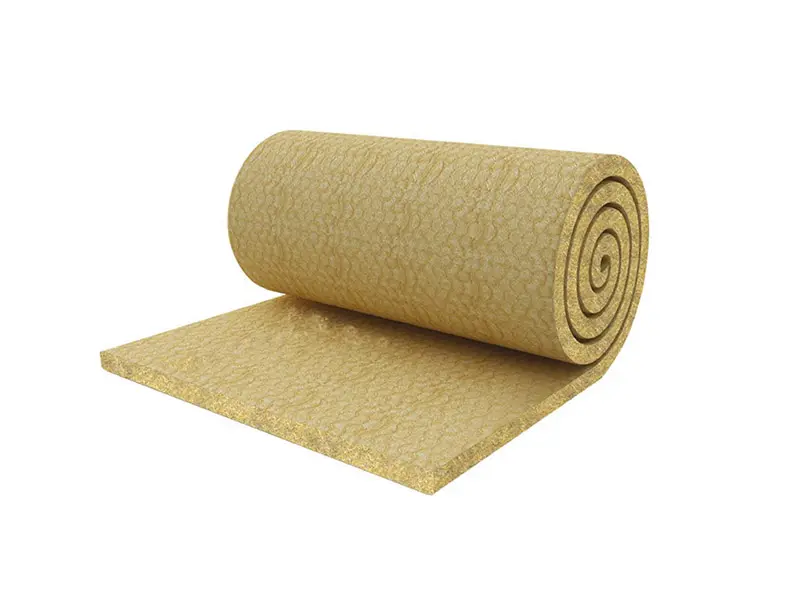
Rubber foam features a highly flexible, closed-cell structure that acts as a natural moisture barrier, making it ideal for HVAC, refrigeration, and cold pipes. Rock wool is a fibrous material with high-temperature resistance and fireproofing capabilities, making it more suitable for high-temperature steam lines and furnace walls.
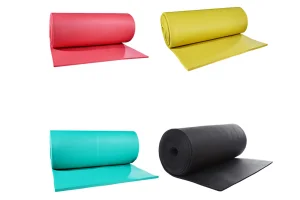
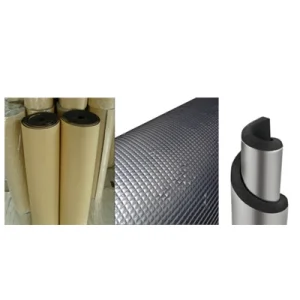
Yes, we offer complete OEM/ODM solutions. We customize colors, roll thicknesses (6mm to 50mm), pipe inner diameters (6mm to 114mm), self-adhesive backings, and aluminum foil claddings to fit specific project demands.
Our products have passed BS 476, CE, REACH, RoHS, UL94, ASTM, and other international certifications, ensuring global quality standards and chemical safety compliance.
Yes, every production run is stamped with a batch traceability code. We track every manufacturing step from raw material polymer chemistry down to the shipping logistics for commercial auditing.
We can continuously extrude sheet rolls ranging from 6mm to 50mm thick.
Under normal operational environments and proper installation, Kingflex products maintain their mechanical and thermal properties for 10 to 15 years.
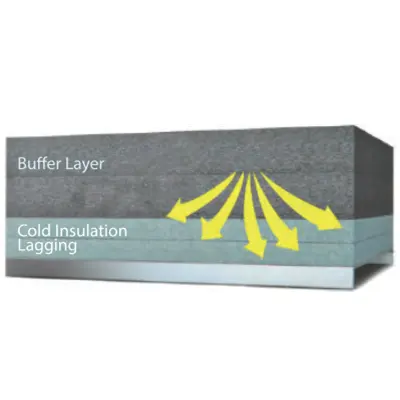
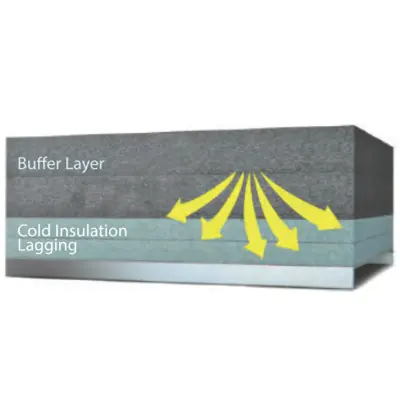
Browse our comprehensive catalog of specialized elastomeric foam tubes, cryogenic barriers, and performance lagging configurations. Keep your operations running at peak efficiency.
 Kingflex