Engineered to mitigate thermal losses and prevent condensation in global industrial environments
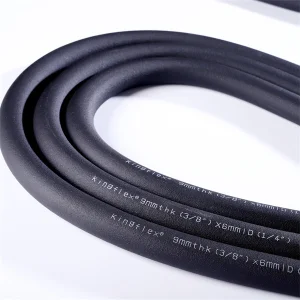
A technological perspective on thermal isolation efficiency, modern material science advancements, and global supply configurations.
In modern industrial engineering, controlling energy transfer is paramount. High heat range insulation acts as a critical thermal barrier designed to operate under intensive mechanical, environmental, and thermal stresses. Traditionally, insulation was evaluated strictly by R-value metrics. However, in the era of automated processing and smart infrastructure, structural longevity, moisture-barrier properties, and environmental impacts are equally crucial variables.
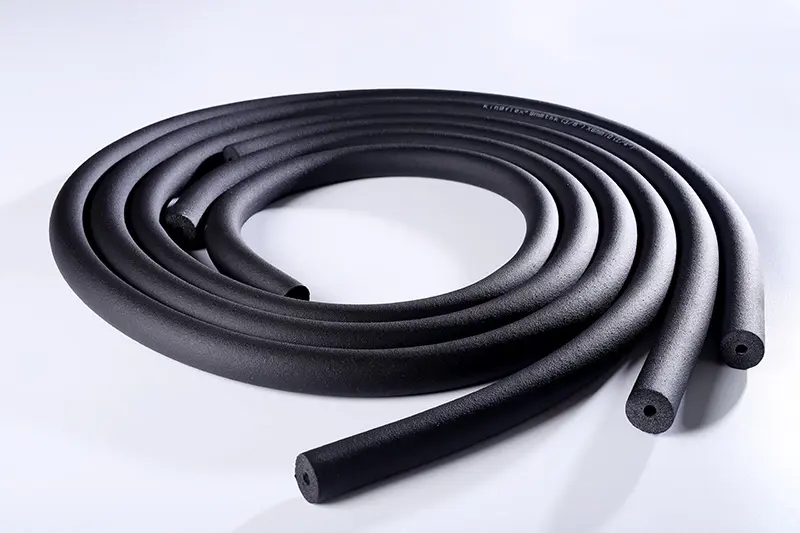
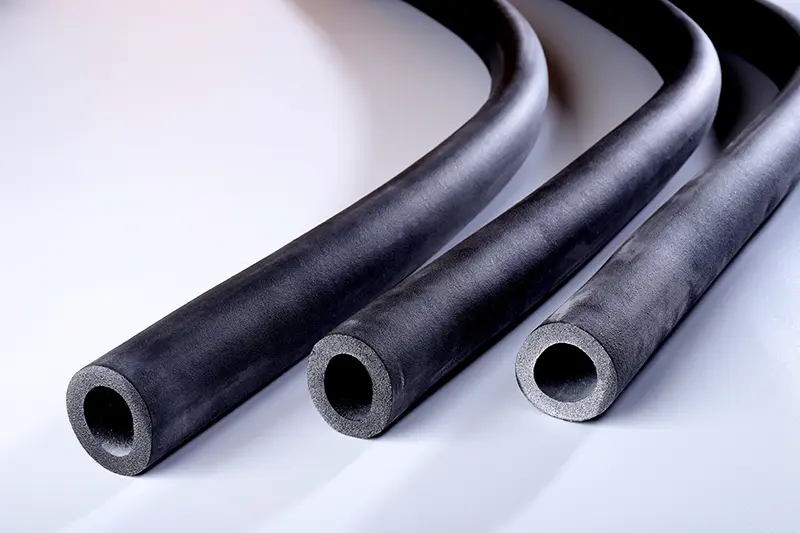
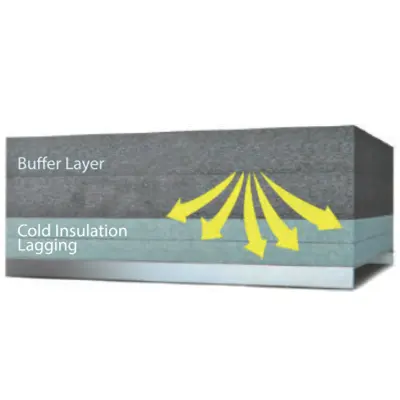
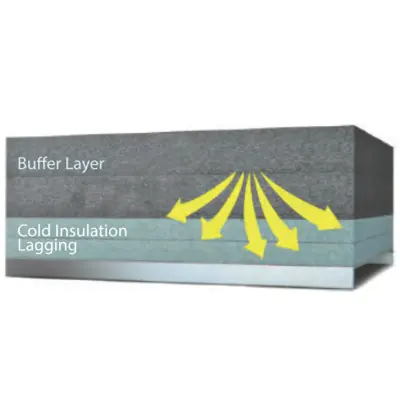
Global industrialization trends highlight a shift towards low-toxicity, fire-retardant, and low-thermal-conductivity materials. NBR (Nitrile-Butadiene Rubber) and PVC composites are at the forefront of this evolution, presenting a closed-cell matrix that blocks heat transfer while maintaining a natural resistance to vapor transmission. Unlike traditional open-cell materials like fiberglass, which can suffer from moisture retention, rubber foam prevents moisture buildup and protects underlying piping from corrosion under insulation (CUI).
At the same time, high-temperature requirements in power generation, chemical processing, and petroleum transport require stable, high-density structures. By engineering composite elastomeric solutions, modern factories provide insulation systems that perform reliably across a wide temperature range, from cryogenic levels (-40℃) up to high thermal systems (105℃) and beyond.

For multinational corporations and large-scale industrial contractors, choosing an insulation supplier is a strategic decision that directly affects project delivery and compliance. Procurement managers look for partners that meet strict testing metrics, environmental directives, and global safety standards.
How digital integration, raw material optimization, and automated scale enable Kingflex to offer consistent wholesale value worldwide.
Located in Dacheng, the green-building materials center of China, Kingflex Insulation Co., Ltd. uses a manufacturing model focused on resource efficiency and consistent product quality. Operating as a combined manufacturing and trading setup, our modern facility handles large-scale demand with fast turnaround times, backed by the Jinwei Group's forty-year manufacturing legacy.
Our production relies on 5 large automatic assembly lines. These facilities output over 600,000 cubic meters of high-heat rubber foam insulation annually. By automating the raw material mixing, extrusion, and curing stages, we ensure uniform cell sizes and density throughout every roll and pipe. This automated approach limits human error, reduces scrap, and keeps material properties highly consistent.
For international buyers, this scale ensures a highly resilient supply chain. Our partnerships with shipping hubs and raw material suppliers help us buffer against supply chain disruptions, allowing us to maintain stable lead times when others cannot. We offer a full range of building and industrial insulation solutions from a single, reliable source.
Review the exact mechanical, thermal, and dimensional criteria of our high heat range product lines
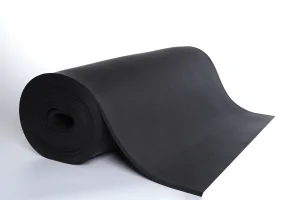
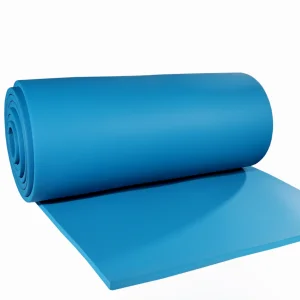
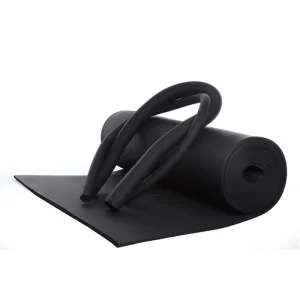
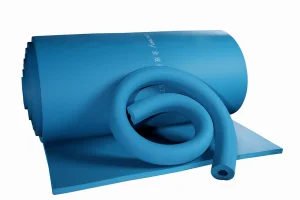
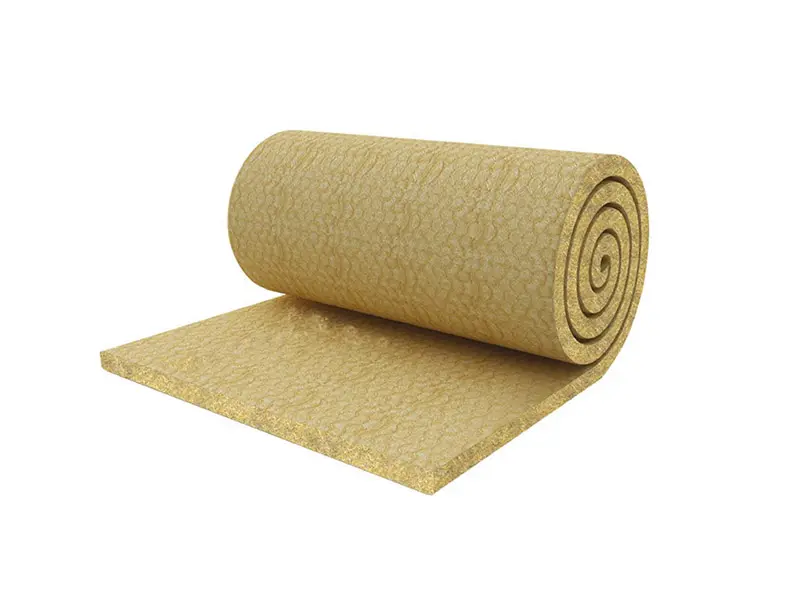
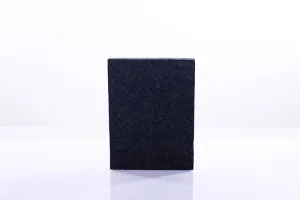
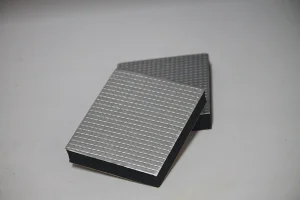
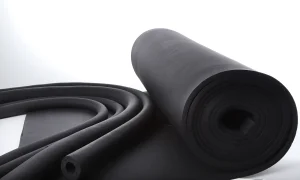
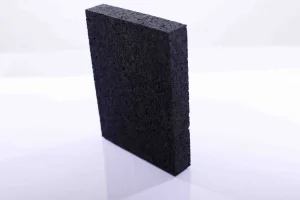
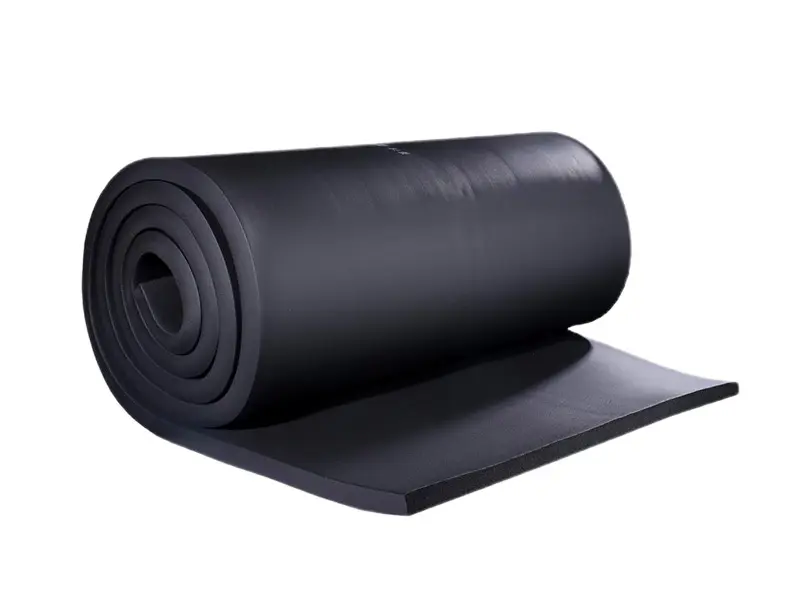
A flexible, elastomeric thermal insulation sheet roll designed for large flat surfaces, complex shapes, and high-temperature ductwork systems.
| Material Composition | Nitrile-Butadiene Rubber / Polyvinyl Chloride (NBR/PVC) |
| Available Thickness | 6mm - 50mm |
| Product Density | 40 - 55 kg/m³ |
| Service Temperature | -40℃ to 105℃ |
| Closed Cell Rate | > 98% for excellent thermal performance |
| Resilience Class | Compression resilience over 80% |
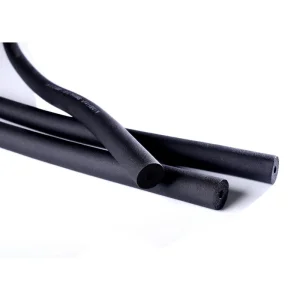
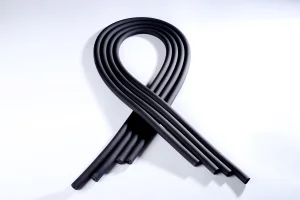
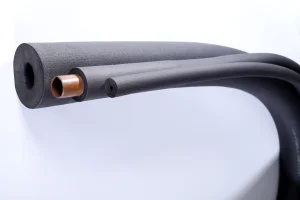
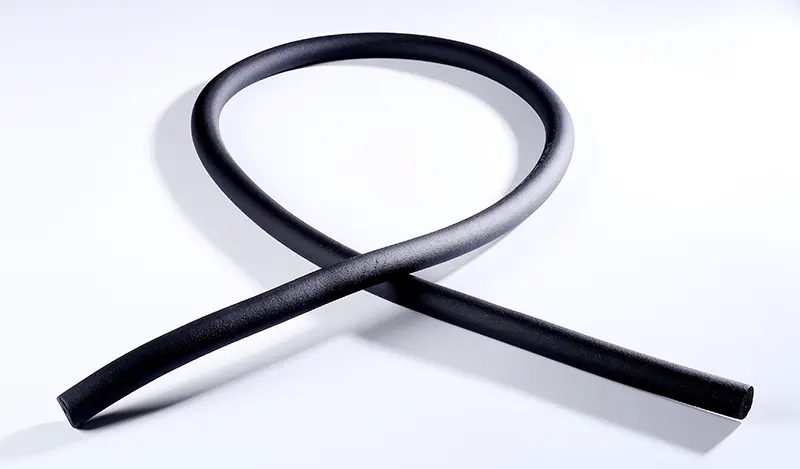
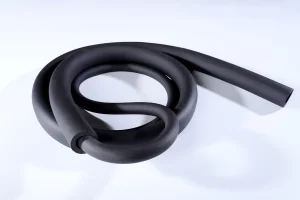
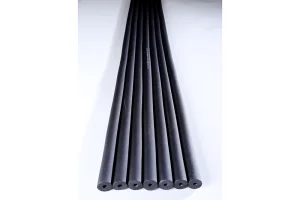
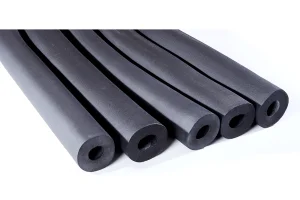
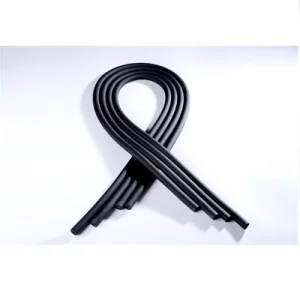
Designed for easy installation over pipes, this tubing provides reliable condensation control and energy efficiency on process pipe networks.
| Material Composition | Nitrile-Butadiene Rubber / Polyvinyl Chloride (NBR/PVC) |
| Available Thickness | 9mm - 40mm |
| Inner Diameter (ID) | 6mm - 114mm |
| Product Density | 40 - 55 kg/m³ |
| Service Temperature | -40℃ to 105℃ |
| Key Advantage | Significantly reduces pipe freezing and cracking risks |
From cryogenic gas pipelines to high-temperature HVAC distribution systems.
Highly effective for insulating air ducts, chilled water lines, and hot water routing, preventing energy loss and surface condensation.
Provides thermal comfort and acoustic dampening in high-traffic facilities like hotels, shopping centers, and medical complexes.
Designed for chemical factories and refineries requiring thermal insulation, noise reduction, and protection against chemical exposure.
NBR/PVC systems designed to handle the thermal contraction and moisture risks of cold-storage and liquid gas transport pipelines.
Lightweight and vibration-resistant insulation boards that control temperature inside shipping containers and rail carriages.
Weather-resistant outer skin structures designed to resist degradation from constant UV exposure and outdoor temperature shifts.
Ensuring compliance with international safety and performance standards.
Kingflex maintains an active research and development program. With eight dedicated R&D engineers, we continuously test polymer formulations, fire-retardant blends, and physical structures to improve thermal and mechanical properties.
Our products undergo standard testing for fire resistance, thermal conductivity, and aging, helping ensure compliance with global building codes. Our systems hold certifications including BS 476, CE, REACH, ROHS, UL94, and ASTM, providing the verification required by municipal authorities and project insurers.

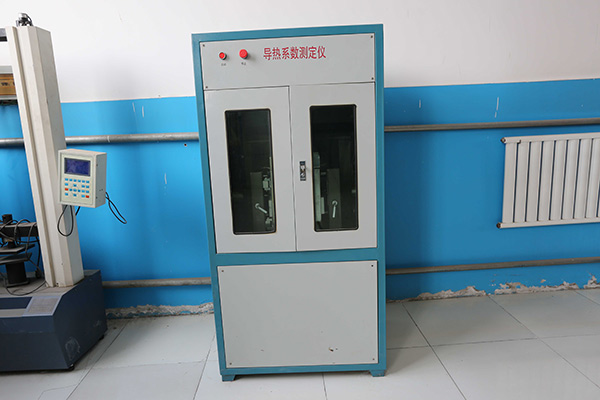
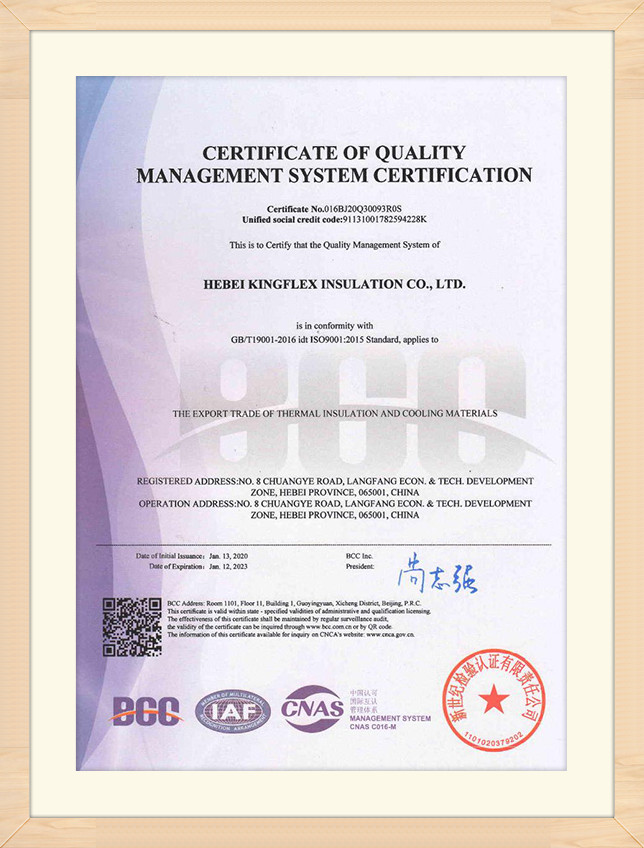


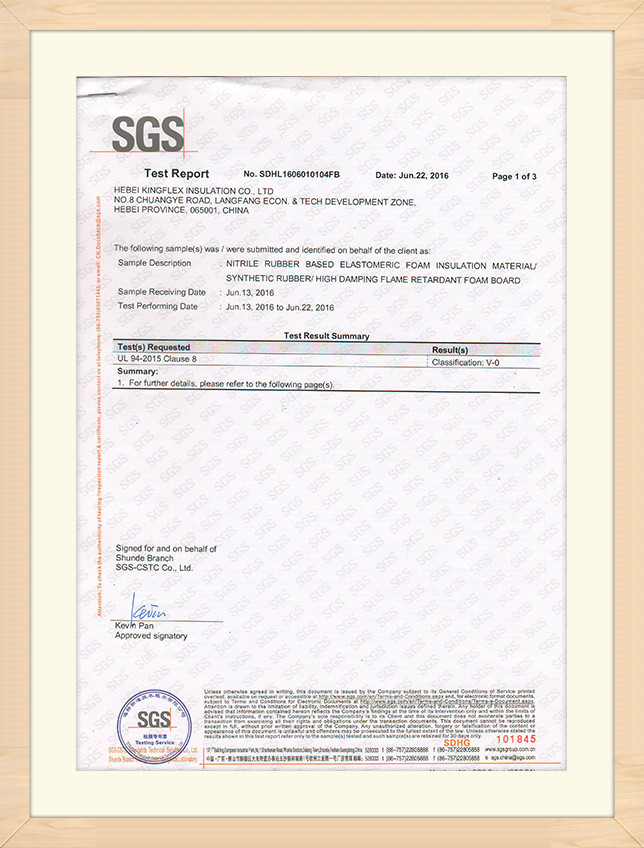
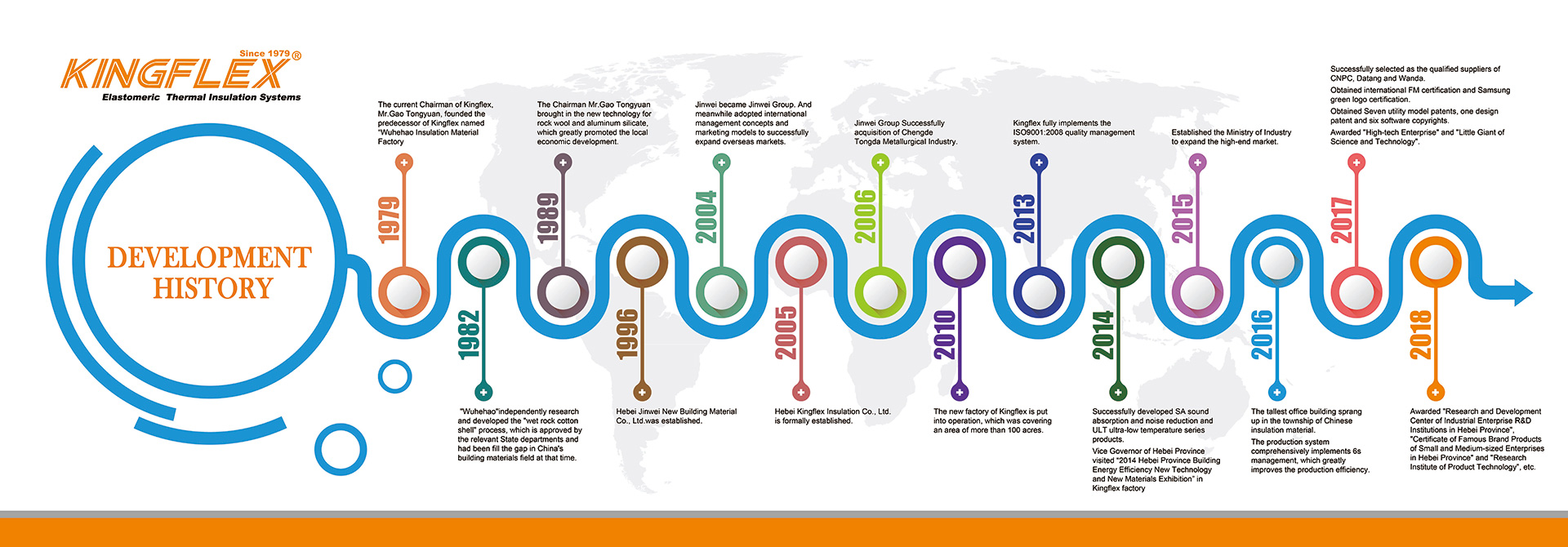
Over 40 years of combined experience in high-heat insulation manufacturing.
Established as a pioneer in northern China's thermal insulation market, building a foundation of material expertise and reliable manufacturing.
Created as a specialized division targeting global export markets, combining local manufacturing advantages with international quality standards.
Now exporting to over 66 countries, supported by a structured team of R&D engineers, logistics coordinators, and production staff.

Our operational model relies on structured team coordination to ensure smooth product delivery from raw material stages to international shipping docks.
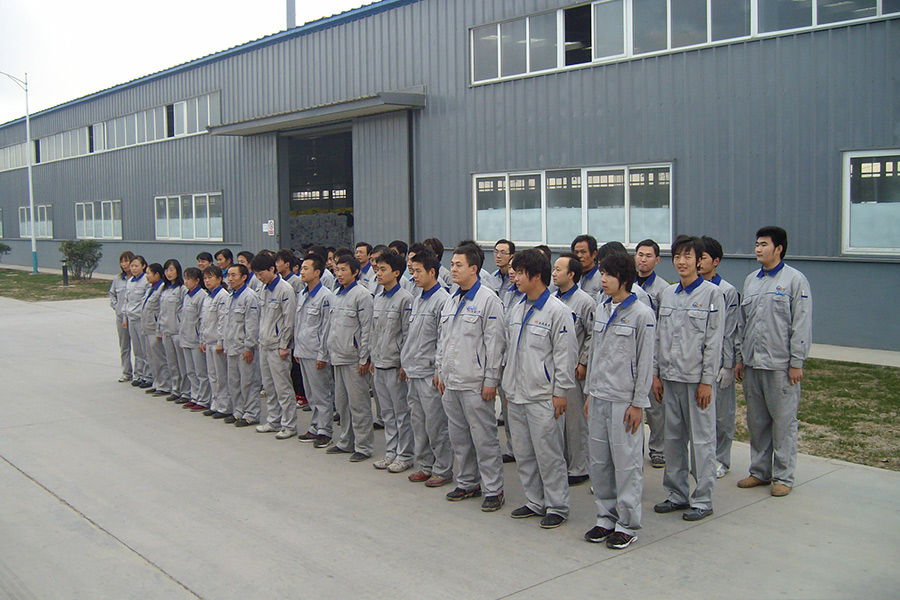
The manufacturing floor is run by 230 production workers, managing our automated curing and extrusion machinery under strict quality protocols. Our customer support is managed by 6 international sales specialists who handle project specifications, logistics, and document compliance for our clients.
Verifiable satisfaction records from our global partner network.


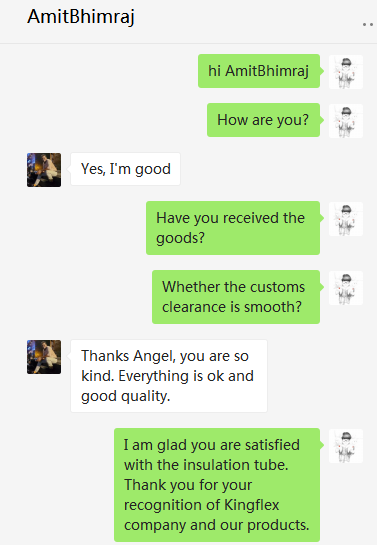


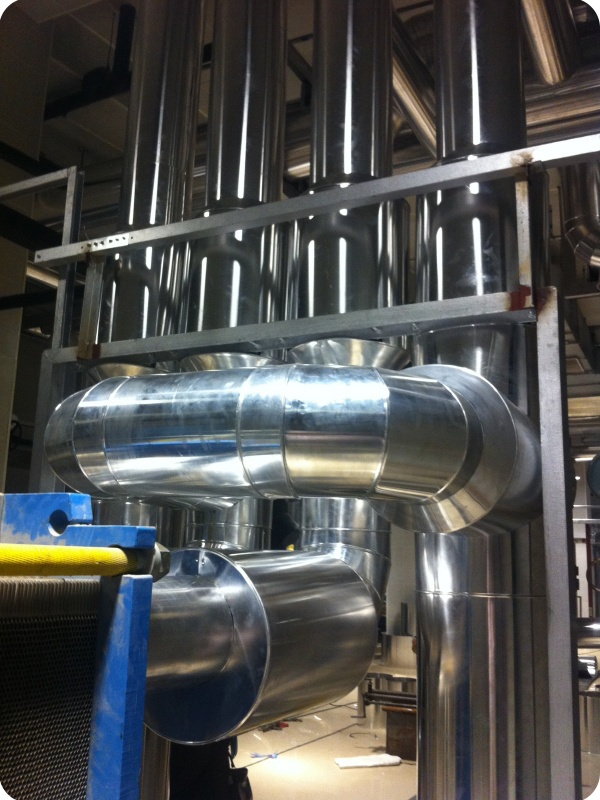
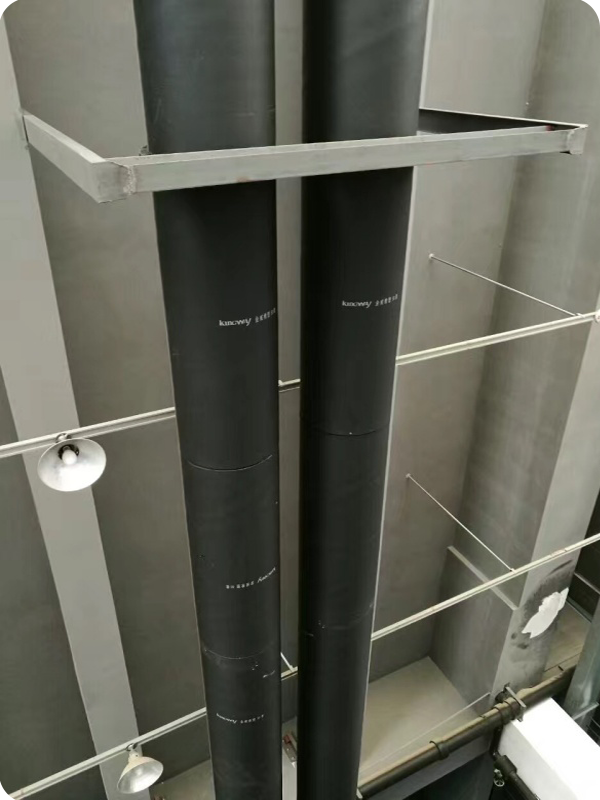
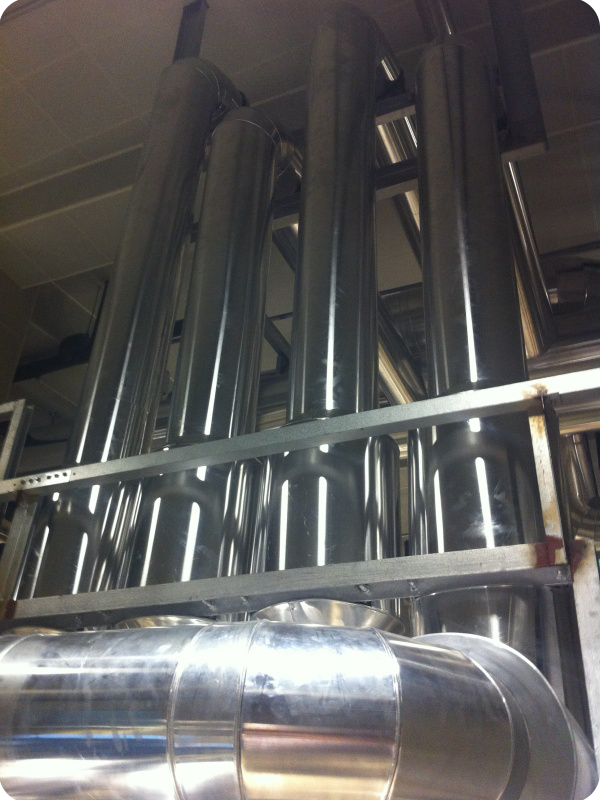
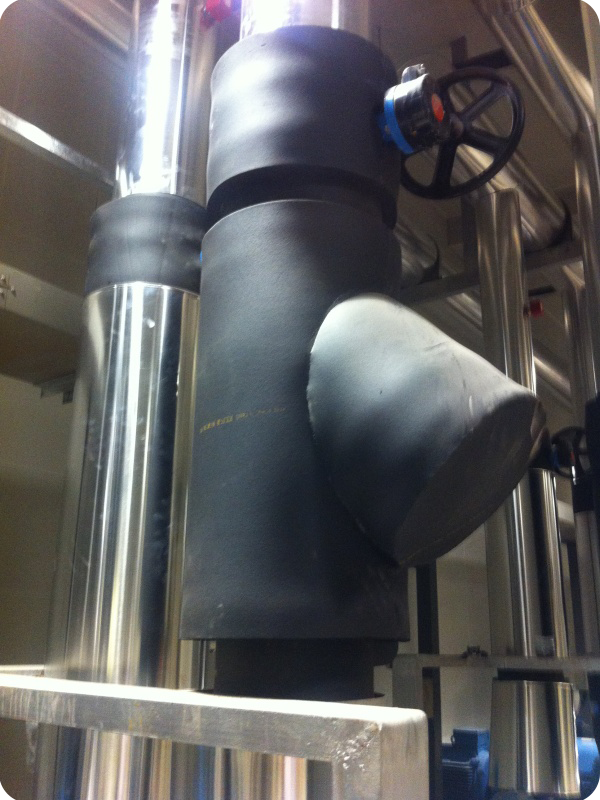
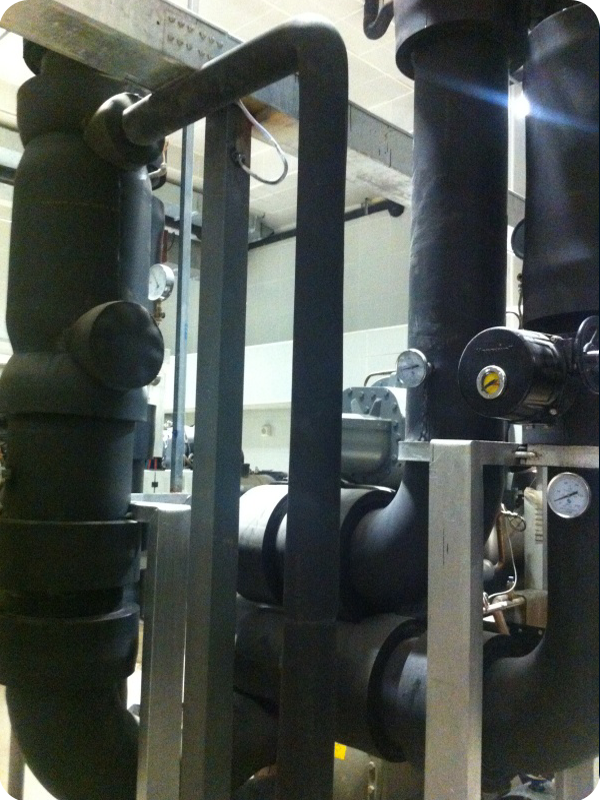
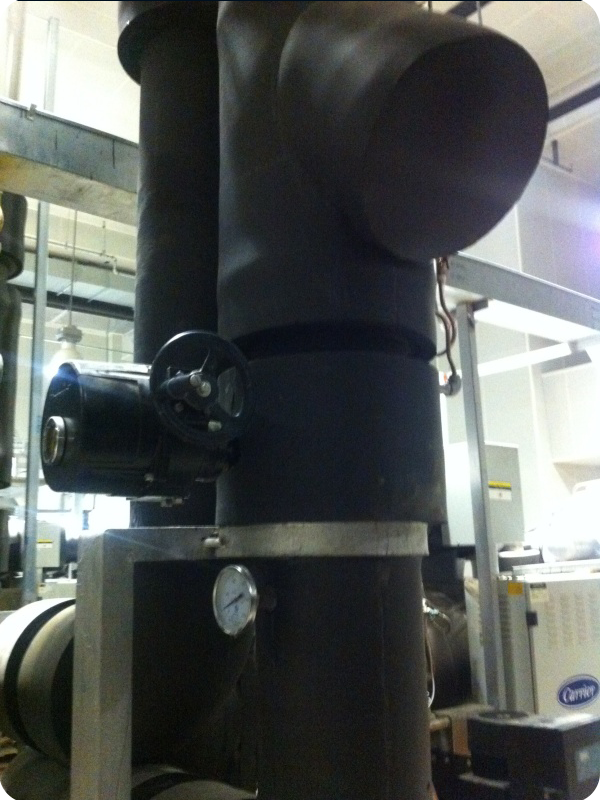
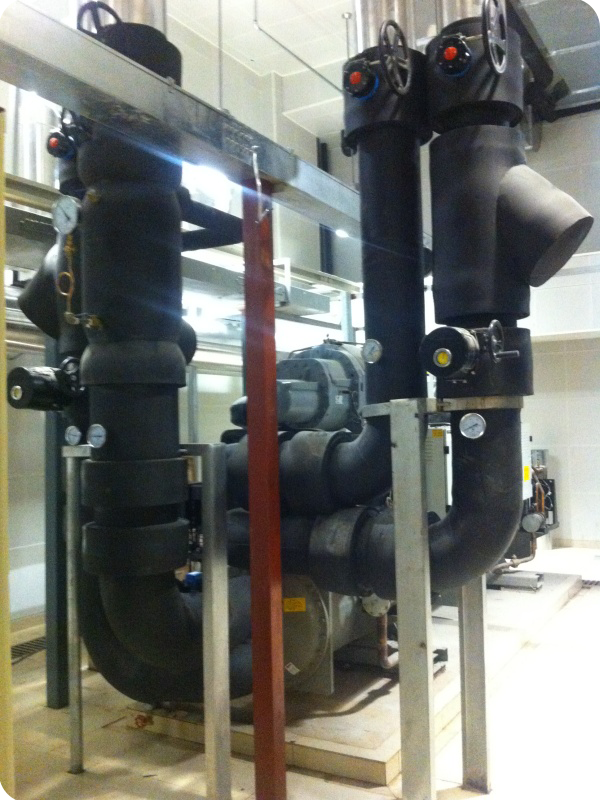
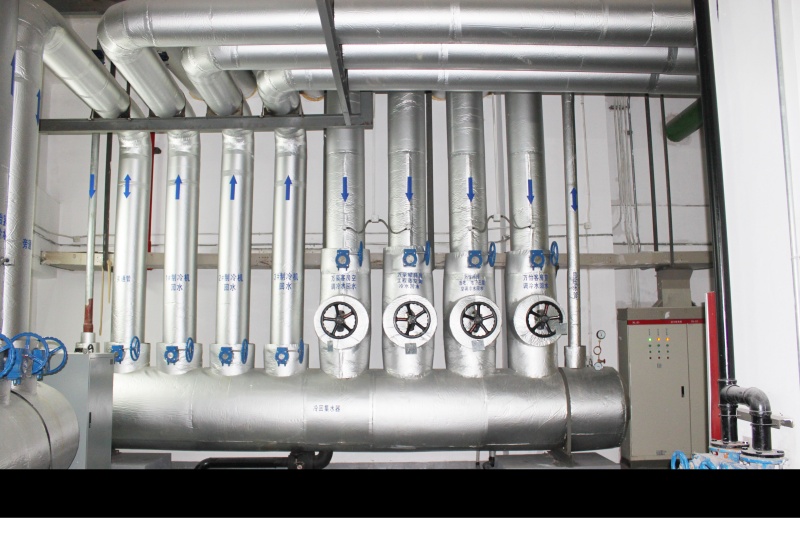
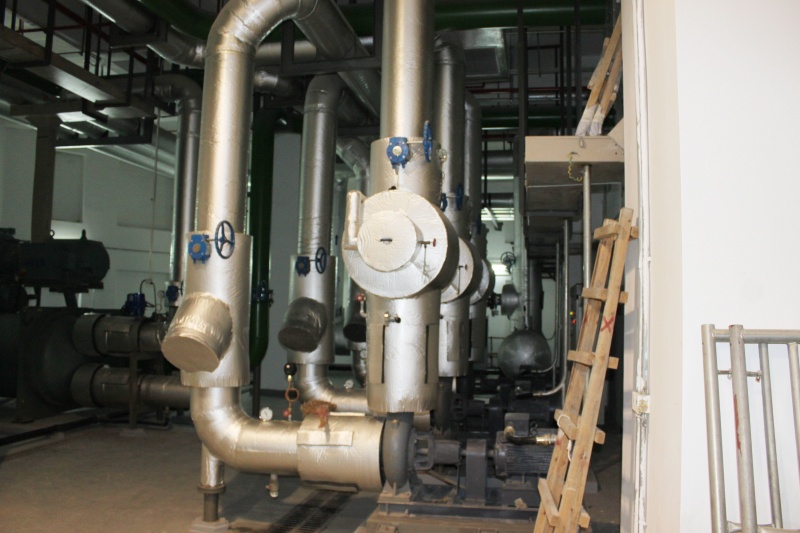
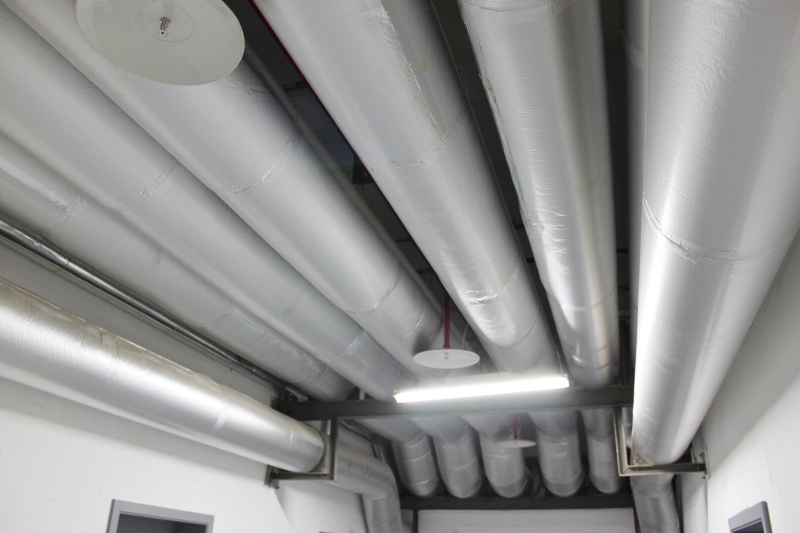
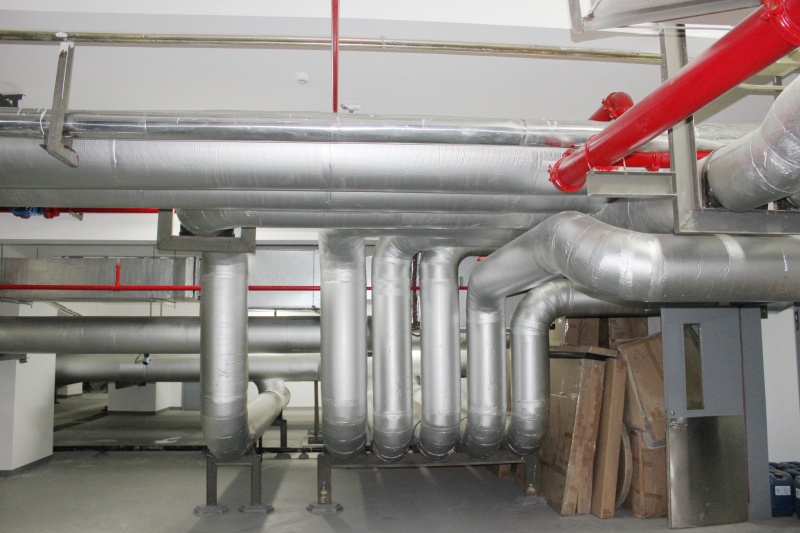
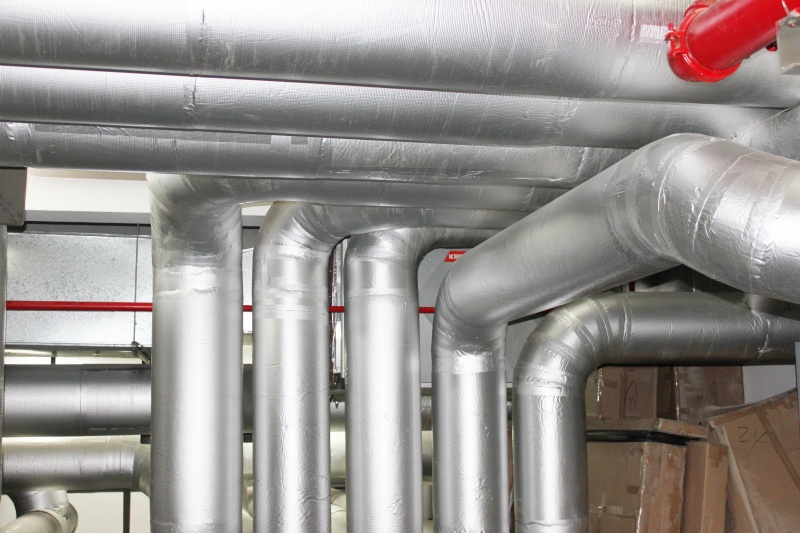
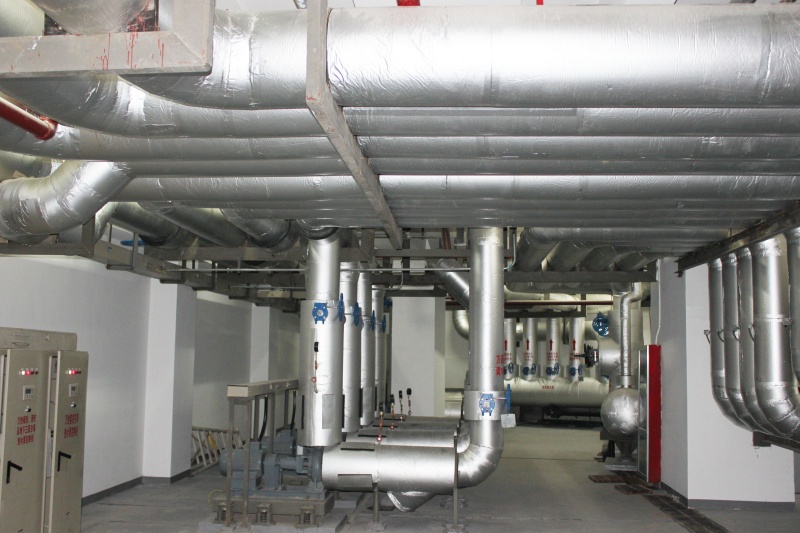
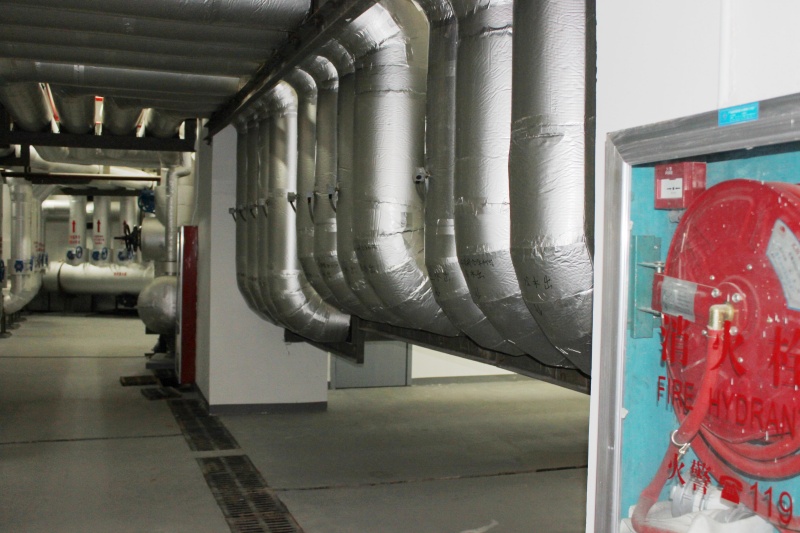
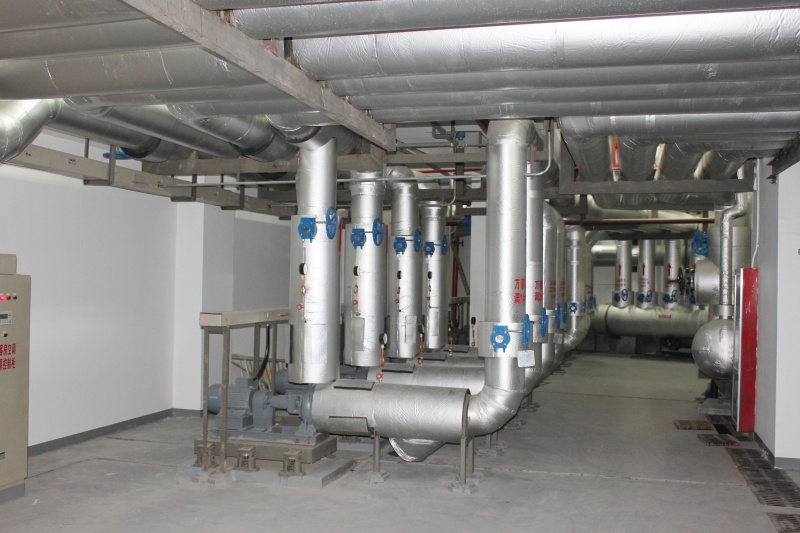
Showing Kingflex rubber foam sheets and tube components installed on operational pipelines globally.

Quick reference guide addressing common engineering queries, material parameters, and purchasing considerations.
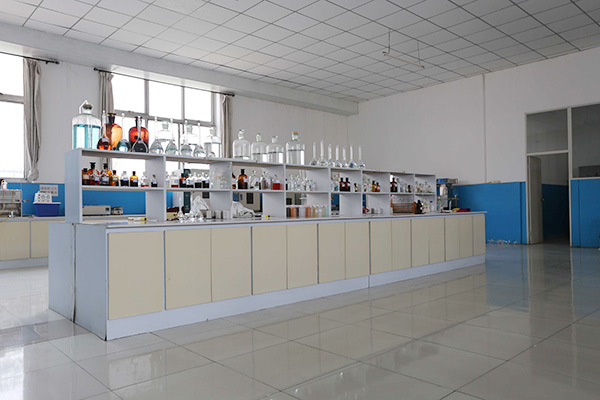
A look inside our automated storage facilities and processing halls.




Detailed performance parameters for specific applications







Wholesale-ready, factory-tested elastomeric insulation tubes and sheet rolls for industrial applications
 Kingflex