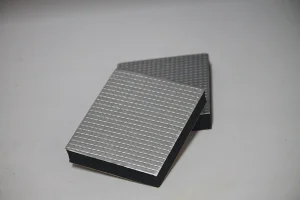
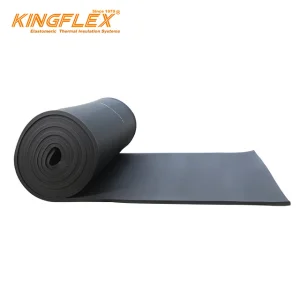
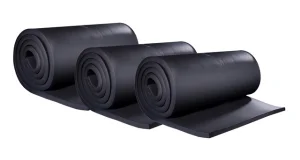
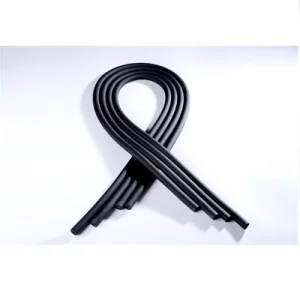
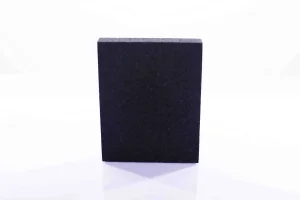
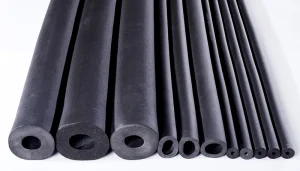
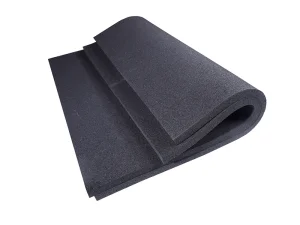
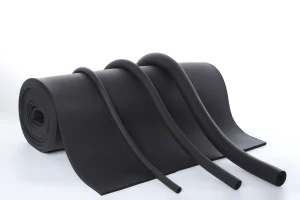
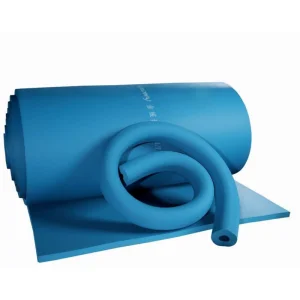
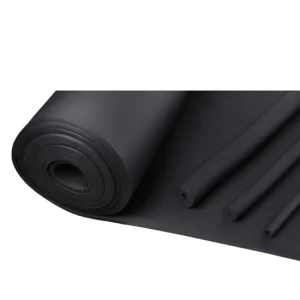
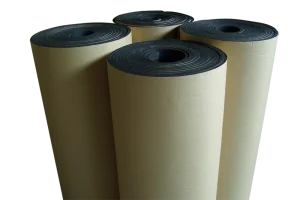
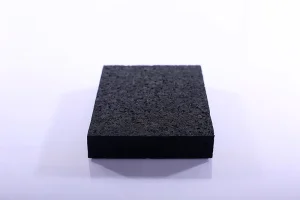
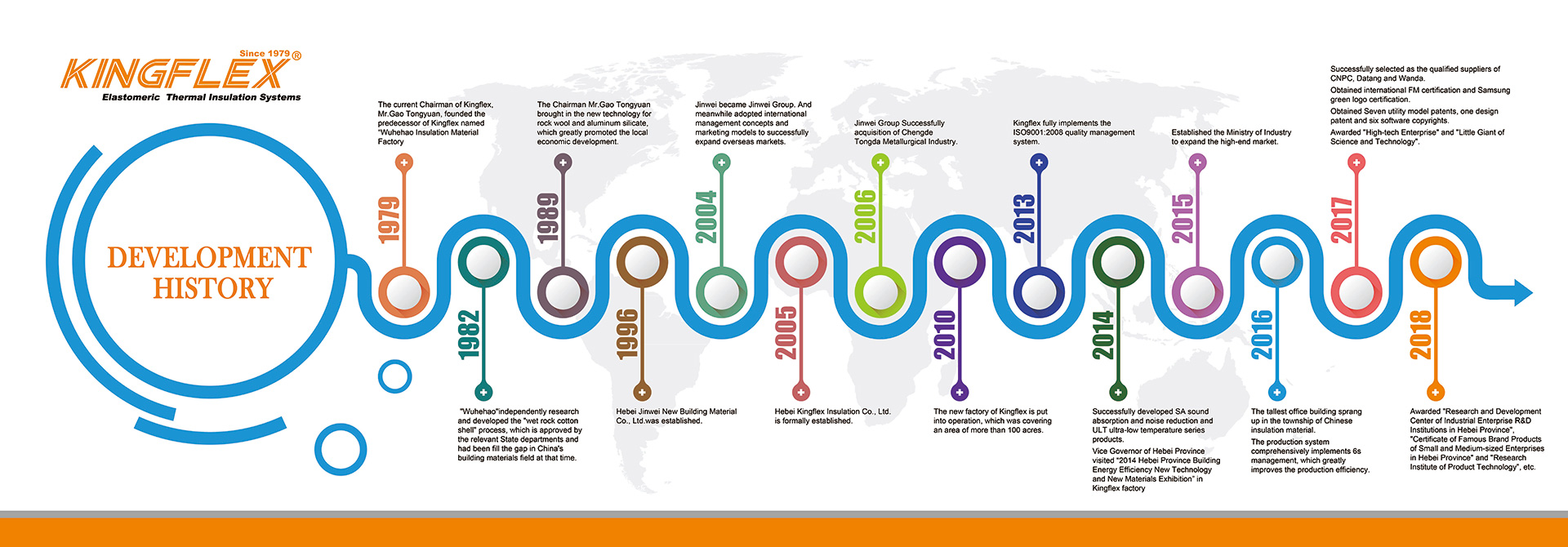
Kingflex Insulation Co., Ltd. is a premium, professional manufacturing and trading combo specializing in the development of next-generation thermal and acoustic insulation products. Our R&D headquarters and main manufacturing facilities are strategically located in Dacheng, China—historically celebrated as the capital of green building materials.
We are a dedicated energy-saving, environmentally friendly enterprise that concentrates its resources on the complete loop of research, development, custom manufacturing, and global sales distribution. In daily operations, Kingflex prioritizes energy conservation and systemic consumption reduction. We deliver comprehensive thermodynamic insulation solutions through systematic consulting, high-fidelity production lines, localized installation guidance, and dedicated post-sale engineering support.
Established as an elite division of the Jinwei Group, which possesses over 40 years of industrial heritage since its founding in 1979, Kingflex stands as the premier pioneer of thermal insulation systems north of the Yangtze River.

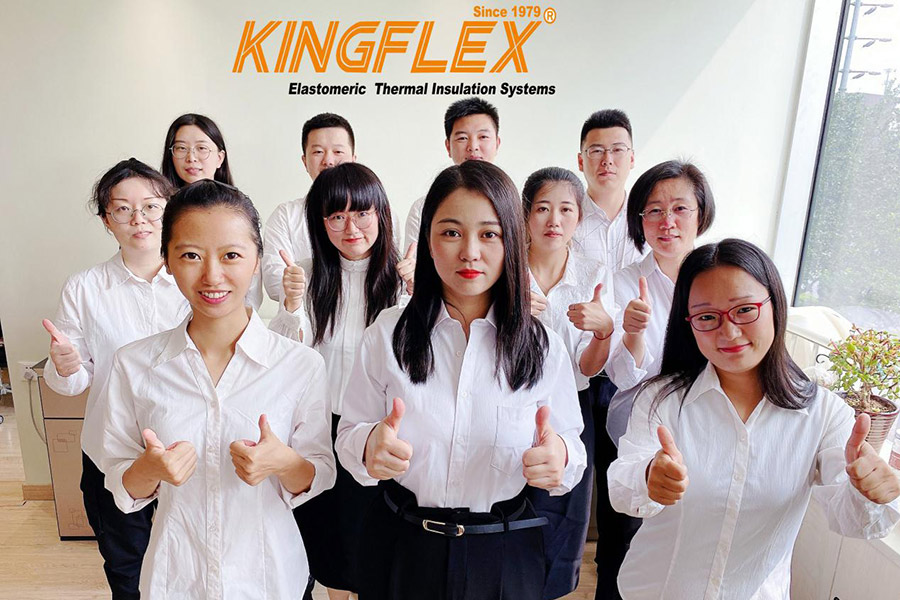
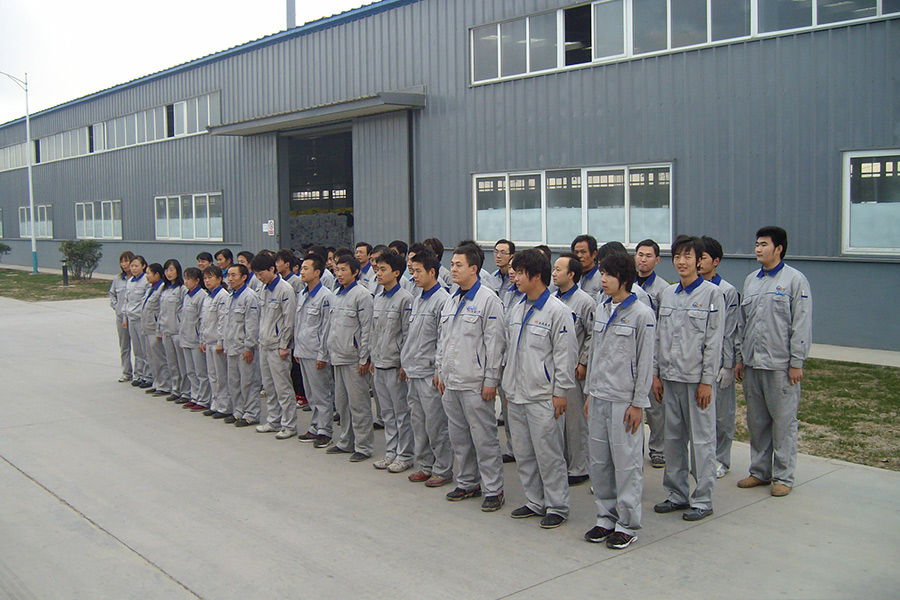
Our operational strength lies in our unified technical teams. The Kingflex R&D and quality control departments are managed by 8 professional thermodynamic engineers, supported by 6 international sales consultants, and powered by 230 manufacturing specialists on our assembly lines. This integrated structure ensures that our bulk shipments match the rigorous engineering guidelines of standard commercial projects.
Currently, Kingflex runs 5 highly automated, digitalized production lines with continuous density feedback controls. As a designated manufacturing vendor approved by national energy and chemical regulatory ministries, we maintain the operational stability to fulfill massive global supply agreements without compromising material tolerances.
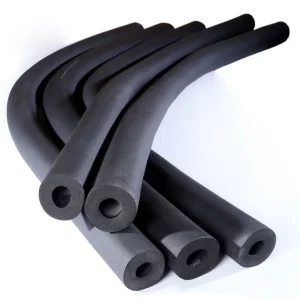
The core structural advantage of Kingflex elastomeric insulation lies in its high-density, closed-cell NBR/PVC matrix. Traditional fibrous insulation like fiberglass or open-cell products present high moisture vulnerability. Once water vapor penetrates the interstitial spaces of an insulation barrier, the thermal conductivity rises dramatically. Water has a thermal conductivity of roughly 0.6 W/(m·K), which is over 17 times higher than that of dry air. A mere 1% increase in moisture absorption by volume can degrade the R-value of an insulation system by up to 7.5%.
By engineering a matrix with a closed-cell ratio exceeding 98%, Kingflex isolates micro-air pockets within structural walls, eliminating the capillary action that draws moisture into the material. This achieves an extremely high moisture resistance factor (μ value ≥ 10,000) that eliminates the requirement for separate vapor retarder membranes in most interior installations.
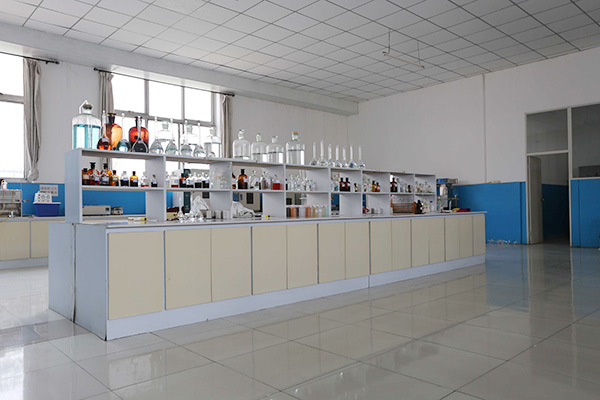

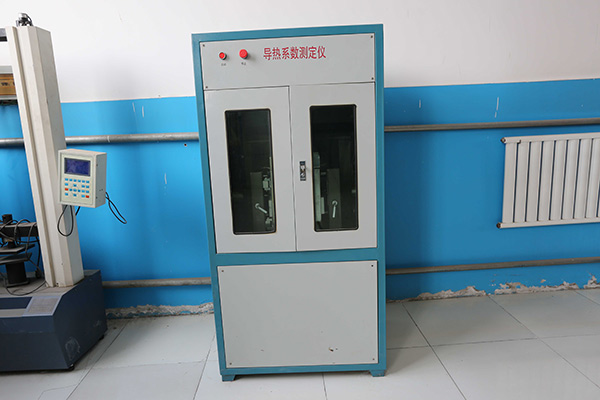
In the high-stakes sector of commercial construction and municipal district energy distribution, supply chain predictability determines project profitability. At the Kingflex manufacturing hub in Dacheng, China, our 5 automated production lines run continuous automated mixing, extrusion, vulcanization, and curing cycles. This digital integration maintains material uniformity at scale, allowing us to hit consistent densities across massive batches.
Every shipment of Kingflex insulation is batch-coded for complete origin and quality traceability. This ensures that the raw chemical components, environmental monitoring logs during vulcanization, and final safety inspection stamps are logged and retrievable. This degree of transparency provides global procurement officers with verified product integrity that satisfies strict engineering compliance audits.


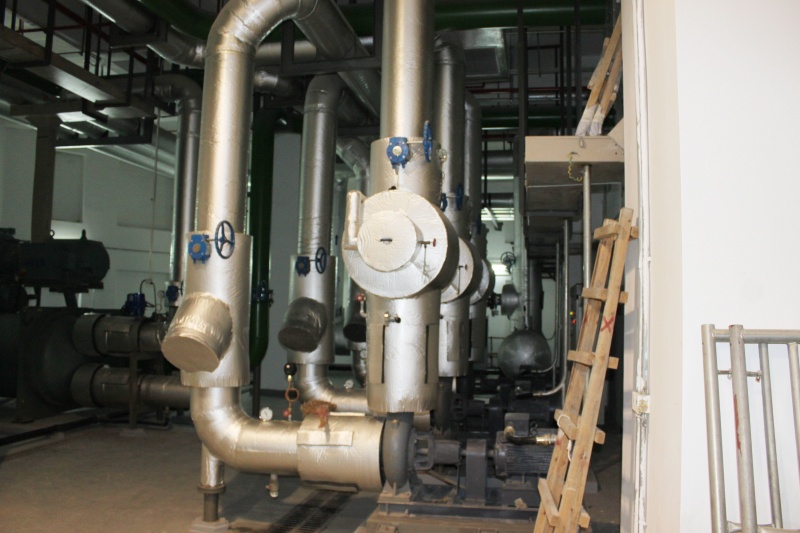
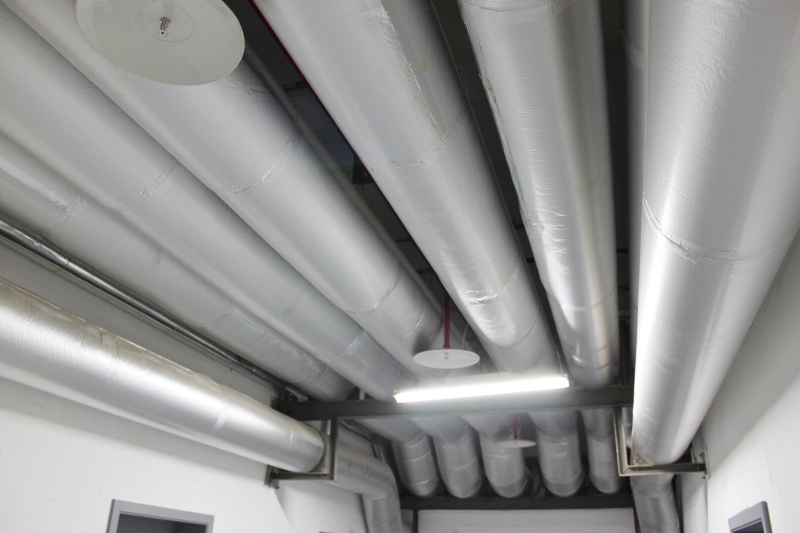

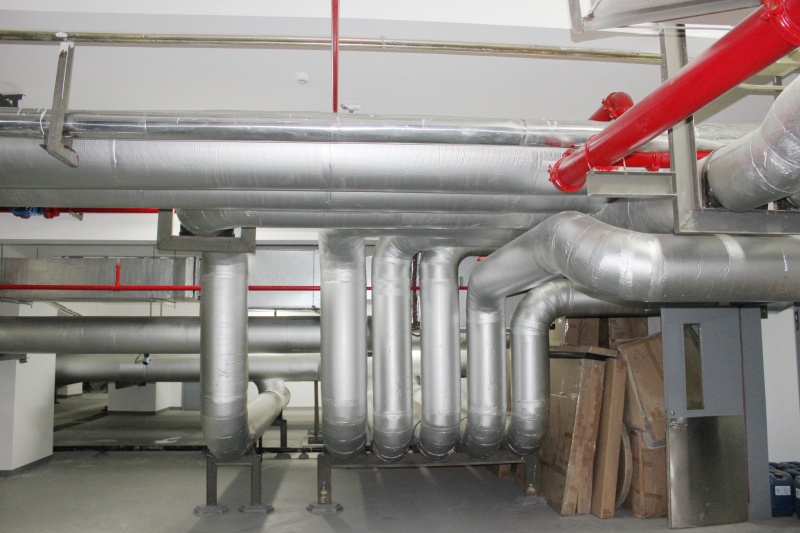
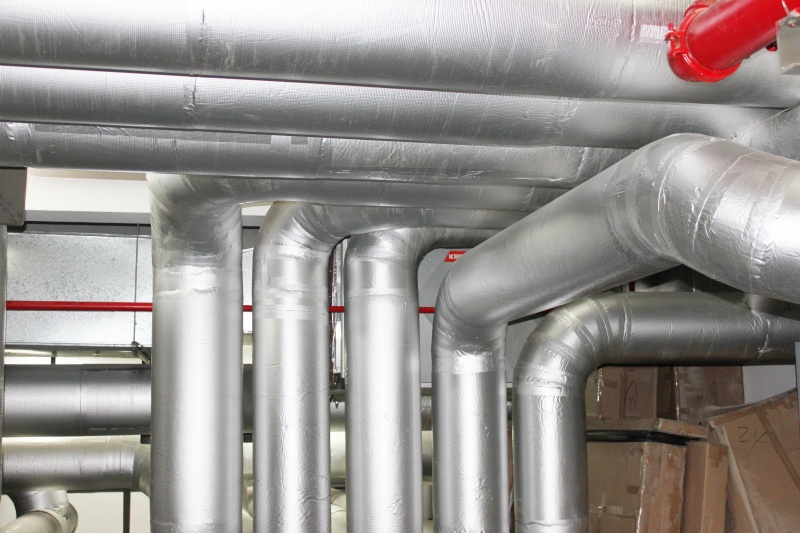
In global wholesale procurement, estimating material needs for large-scale operations often starts with a 1,000 square foot benchmark. This baseline calculation helps procurement officers scale material orders for commercial developments, residential building envelopes, industrial process plants, and high-volume HVAC distribution ducts. Understanding the physical layout of the 1,000 sq ft footprint allows engineers to accurately calculate material thickness, adhesive volume requirements, and scrap factors.
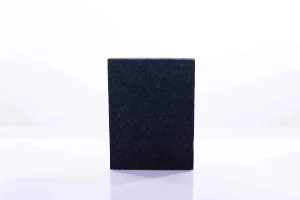
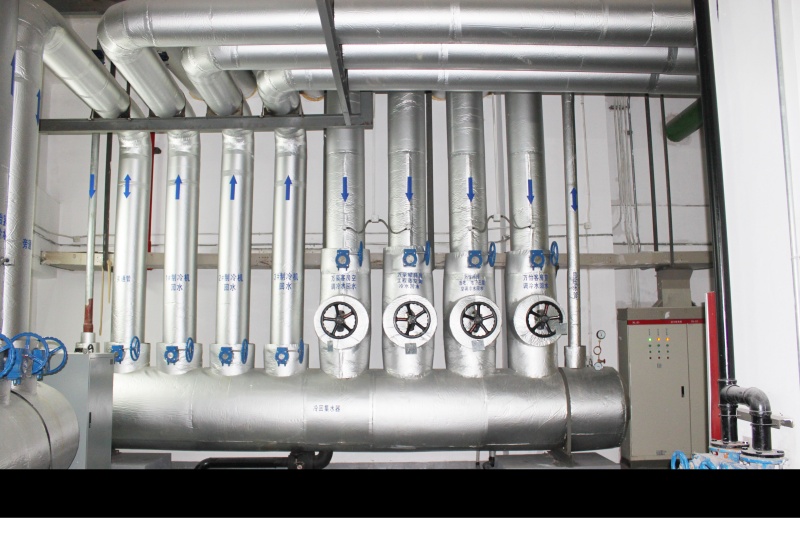
For a standard 1,000 sq ft floor plan with extensive ductwork, wrapping supply and return air channels with 9mm to 19mm elastomeric sheets prevents thermal bridging and energy loss. A 1,000 sq ft space typically translates to approximately 400 to 600 square feet of actual duct surface area, depending on spatial design and duct geometry. Utilizing Kingflex NBR/PVC sheets reduces condensation on cold duct surfaces, protecting drop-ceiling assemblies from moisture damage.
In industrial systems, ammonia refrigeration, and LNG pipelines, maintaining cold temperatures is vital. The Kingflex Dolefin and Dienes Cryogenic Series are designed for these applications, maintaining elasticity down to -196°C. At this level, thermal contraction can stress materials. Kingflex cryogenic rubber foams accommodate this thermal expansion and contraction, preventing structural cracking and micro-fractures.
In high-density offices, hospitality venues, and hospital mechanical rooms, structural sound isolation is key. Our 6mm open-cell acoustic insulation sheets provide targeted sound absorption. The semi-open cellular network absorbs mechanical vibration and airborne sound frequencies, lowering the Sound Transmission Class (STC) across partition walls and reducing noise pollution from HVAC equipment rooms.

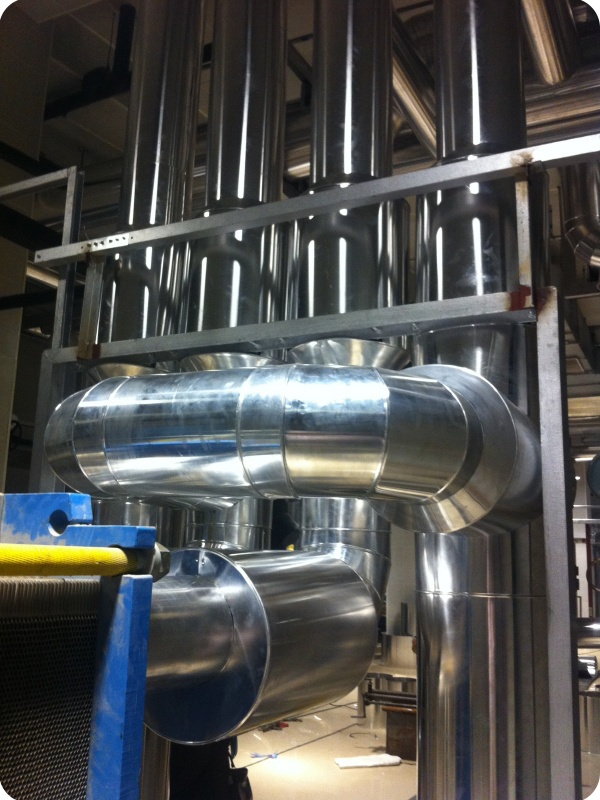
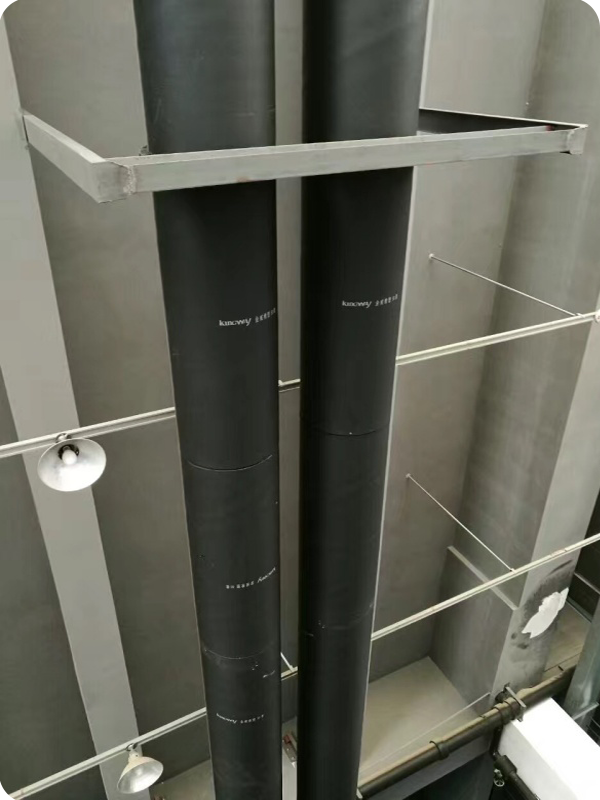
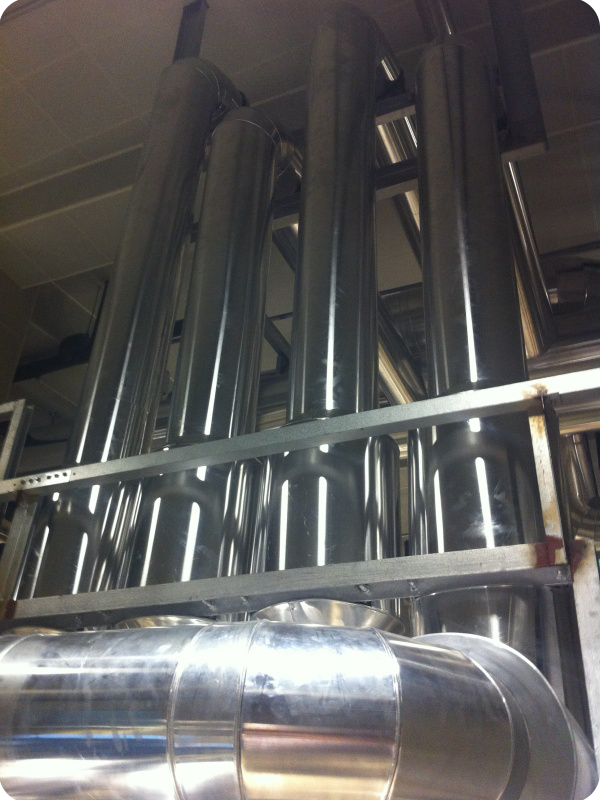
Exporting to global markets requires meeting diverse regulatory and fire safety standards. Kingflex products undergo independent testing to comply with international code requirements. Our closed-cell rubber foam insulation meets fire propagation and flame spread standards, minimizing toxic smoke emissions in commercial structures.






A1: It is primarily designed for commercial HVAC ductwork, copper air conditioning pipelines, high-density building thermal barriers, heavy industrial pipeline cold insulation, and high-frequency sound attenuation schemes. The closed-cell structure prevents dew formation on cold metal piping.
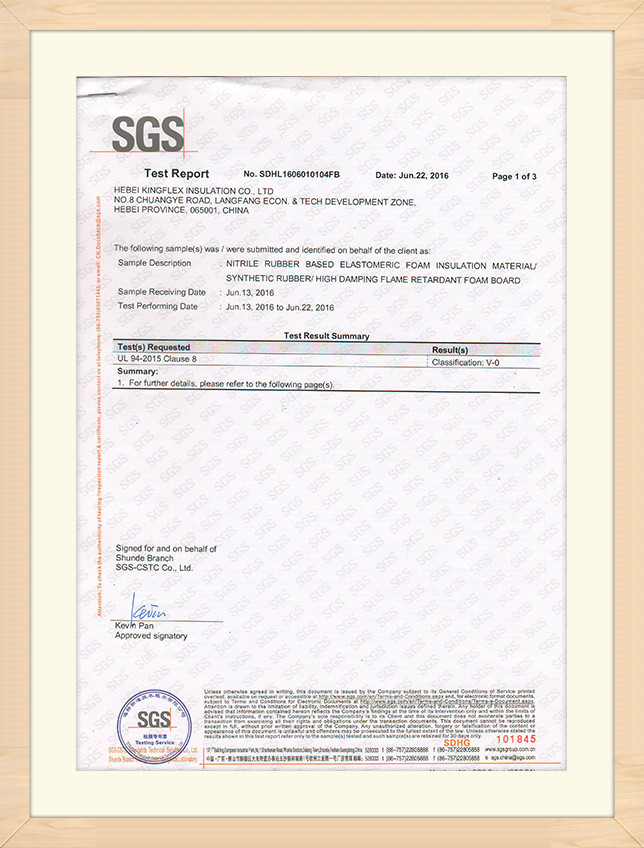
A2: Yes. Kingflex rubber foam contains proprietary flame retardants that help it meet BS 476 Class 0, UL94 V-0 self-extinguishing, and ASTM E84 safety classifications. It limits rapid flame propagation and minimizes toxic smoke output.
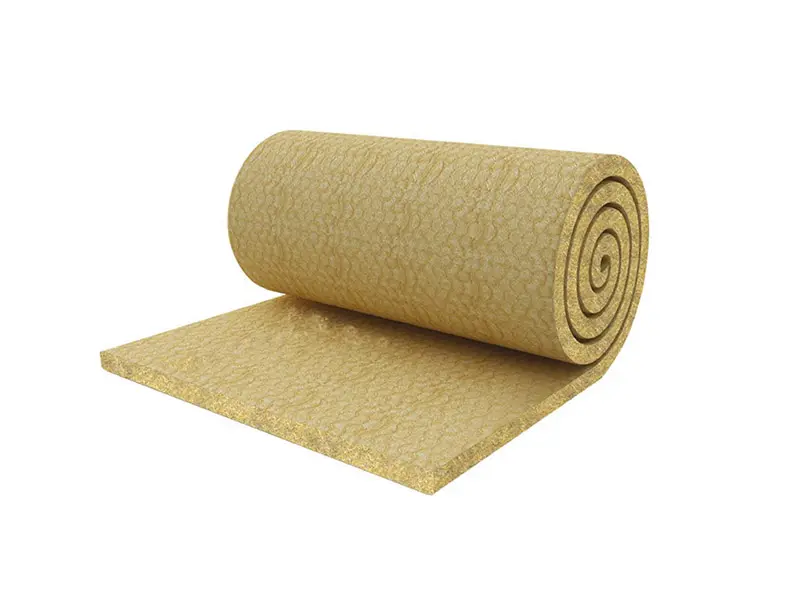
A3: Rubber foam features a flexible, closed-cell, moisture-proof structure, making it ideal for refrigeration, chilled water systems, and HVAC. Rock wool is a fibrous, open structure with high temperature resistance (up to 650°C) and excellent fire blocking, making it suitable for high-temperature steam lines and industrial plant furnace walls.
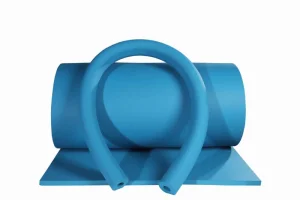
A4: Yes. We offer comprehensive OEM and ODM support. We can custom-formulate densities (40-55 kg/m³), extrude custom interior diameters for large pipes, manufacture self-adhesive composite backings, and laminate reinforced aluminum protective foils.
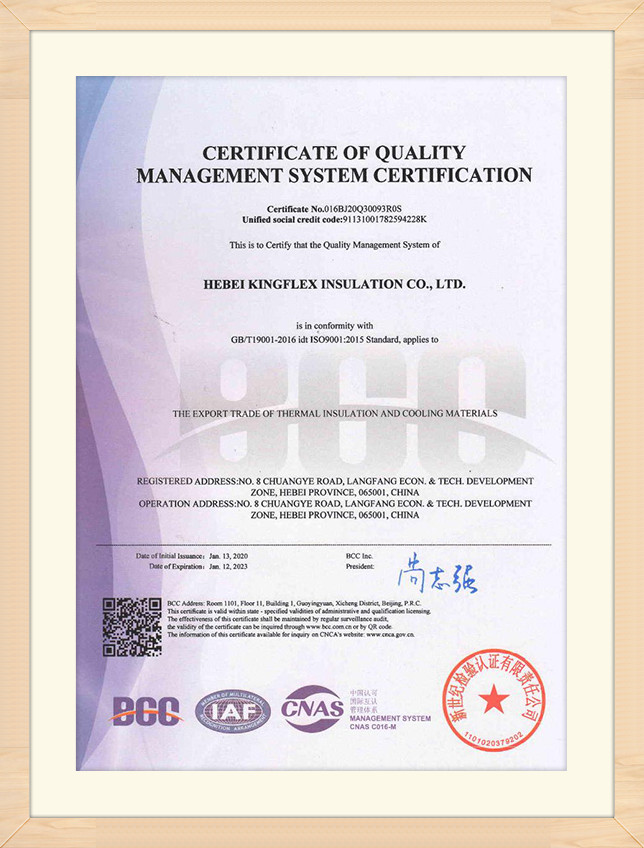
A5: Kingflex materials are tested and certified under international standards, including BS 476, CE, REACH, RoHS, UL94, and ASTM. This ensures compliance with regional environmental and safety regulations.
A6: Yes. Every batch from our 5 automated production lines is logged. Raw chemical source data, vulcanization oven records, and final quality control approvals are archived and traceable.
A7: We can continuously extrude and vulcanize sheet thicknesses from 6mm up to 50mm. Thicker sheets can be layered or custom-engineered for specific project requirements.
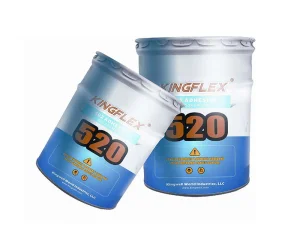
A8: Under standard operational conditions (-40°C to +105°C) and with proper professional adhesive application (such as Kingflex 520 glue), the material provides an expected service life of 10 to 15 years, maintaining thermal efficiency throughout.
A9: First, identify the type of substrate. For flat surfaces or rectangular ducts, 1,000 sq ft of surface requires approximately 1,050 to 1,080 sq ft of sheet roll material, accounting for a standard 5% to 8% installation scrap factor. For piping, calculate the outer circumference and total length to determine the necessary sheet thickness and matching adhesive volume.
A10: Adhesive selection is critical for long-term vapor seals. Kingflex 520 is a high-performance contact adhesive formulated to bond NBR/PVC membranes to metal surfaces. It prevents localized joint separation, maintaining a vapor barrier that protects against condensation and moisture intrusion.

 Kingflex