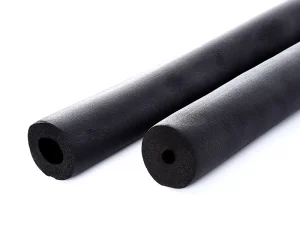
Explore our wholesale-grade, high-durability thermal and cold insulation systems designed to minimize operational risk and maximize thermal retention.
Within large-scale industrial and commercial processing infrastructures, thermal piping systems function as the circulatory network of operations. A proper Risk Assessment for Pipe Insulation Work is not merely a compliance checklist; it is an analytical protocol that evaluates thermal stability, limits greenhouse gas footprint, and controls capital expenditures.
Failure to specify and correctly install closed-cell elastomeric insulation exposes operations to thermal runaway, severe condensate accumulation, energy dissipation, and catastrophic mechanical corrosion. As a premier global manufacturer, Kingflex addresses these design vulnerabilities systematically through advanced material engineering.

As regulatory bodies globally tighten parameters regarding emission footprints and operational safety, industrial plants must transition from legacy insulation methodologies to advanced thermodynamic systems.
Piping systems without adequate thermal retention waste energy. Utilizing closed-cell structures with low thermal conductivity (λ ≤ 0.034 W/m·K at 0°C) mitigates thermal loss, directly reducing fuel use and industrial carbon footprints.
CUI remains a multi-billion dollar industrial challenge. Condensation build-up under open-cell or porous materials causes rapid pipe corrosion. Closed-cell NBR/PVC structures seal out moisture, eliminating this critical operational risk.
Modern process engineering requires precise temperature limits. Our high-performance systems prevent thermal fluctuations, securing chemical yields and protecting workers from contact with high-temperature process pipes.
To accurately perform a risk assessment for pipe insulation work, design engineers must compare key properties of closed-cell elastomeric rubber foam against standard alternatives. The table below represents the performance parameters standard in high-end specifications:
| Performance Metrics | Kingflex Closed-Cell Elastomeric (NBR/PVC) | Traditional Rock Wool (Mineral Fiber) | Mitigated Operational Risks |
|---|---|---|---|
| Thermal Conductivity (K-Value / λ) | ≤ 0.034 W/m·K at 0°C (Highly Stable) | 0.040 - 0.045 W/m·K at 25°C | Reduces energy loss, maintains thermal consistency |
| Moisture Resistance (μ-value) | ≥ 10,000 (Built-in Vapor Barrier) | ~ 1 (Requires external vapor jacket) | Eliminates internal condensation, prevents CUI |
| Water Absorption Rate | Closed-cell rate > 98% (Minimal absorption) | High (Acts as sponge if jacket is compromised) | Prevents insulation degradation and load weight increase |
| Fire Classification | Class 0 (BS 476 Part 6/7), Class V-0 (UL 94) | Class A1 Non-combustible | Restricts flame spread, limits toxic smoke emission |
| Service Temperature Range | -40℃ to 105℃ (Ideal for HVAC/Cryogenics) | Up to 650℃ (High temperature) | Covers standard industrial heating/cooling processes |
| Installation Complexity & Flexibility | Extremely Flexible; easily fitted around elbows | Rigid / Semi-rigid; labor intensive | Minimizes installation error and joint leaks |
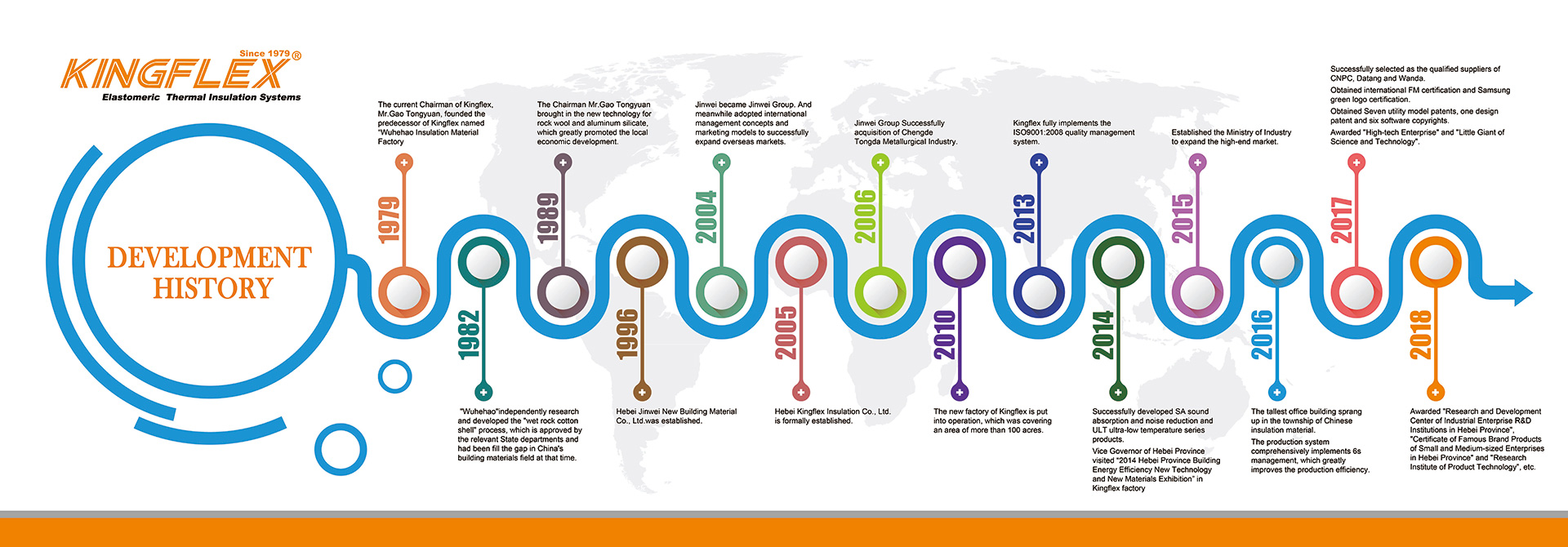
Founded by the Jinwei Group, which traces its manufacturing legacy back to 1979, Kingflex Insulation Co., Ltd. stands as a leader in green building thermal materials. As the first thermal insulation manufacturer established north of the Yangtze River, we combine history with research and development to deliver solutions worldwide.
Operating from Dacheng, China—the capital of green building materials—our facilities feature 5 large automatic assembly lines, capable of an annual production volume exceeding 600,000 cubic meters. This scale allows us to fulfill large-scale wholesale procurement requirements for international municipal, petrochemical, and commercial projects.
Different regions and installation environments exhibit different risk factors. To support project engineers, our materials are optimized for key installation profiles:
Risk Profile: Condensation forming on outer sheet surfaces in humid climates, leading to water damage and mold growth.
Solution: Kingflex High-Density NBR/PVC sheets. These provide an impermeable moisture barrier, preventing structural leaks and securing indoor air quality (IAQ) parameters.
Risk Profile: Extreme cold temperature contraction cracking insulation, causing severe icing and thermal bridging.
Solution: Kingflex Cryogenic elastomeric systems. Formulated for ultra-low temperature ranges down to cryogenic levels, maintaining flexibility and preventing thermal cracks.
Risk Profile: High temperature degradation of thermal barrier, increasing risk of burn injury and high auxiliary heating costs.
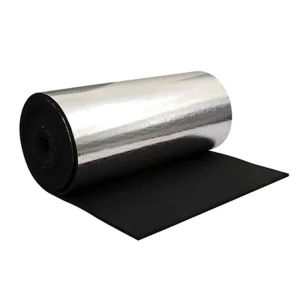
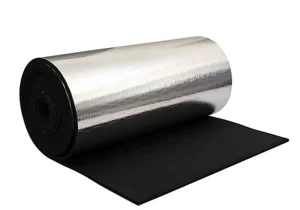
Solution: Aluminum foil-clad NBR PVC foam. The radiant barrier limits heat loss and protects the underlying material from mechanical tearing.
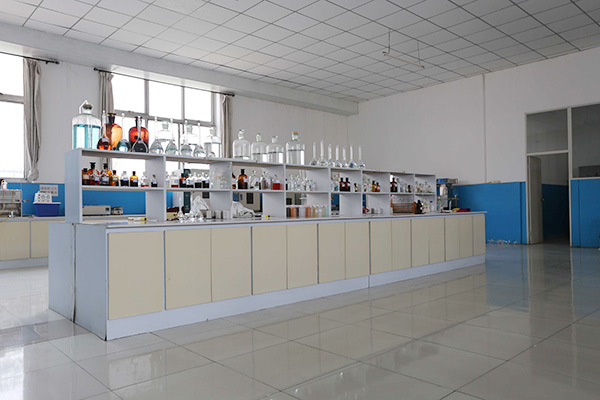

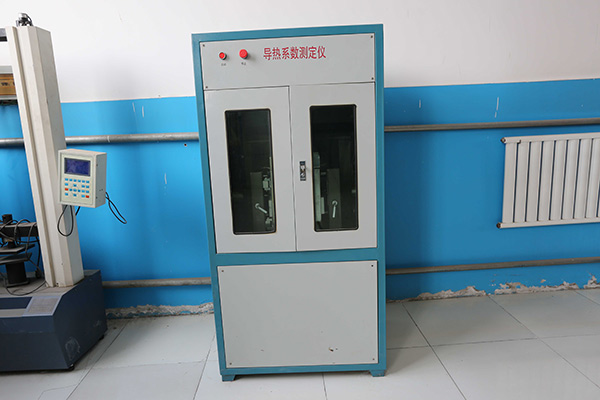
Our commitment to reliable insulation performance is driven by our specialized research and development team. Led by eight professional engineers, our department focuses on refining the thermodynamic and physical properties of elastomer matrices.
Every batch of Kingflex elastomeric foam undergoes rigorous testing to verify cell structure density, compression set resistance, and fire behavior under international standards. This ensures that the products dispatched to global job sites meet high-level engineering specifications.
Additionally, Kingflex maintains traceability throughout its production cycle, providing quality assurance from raw chemical input to the final packaged sheet rolls and pipes.
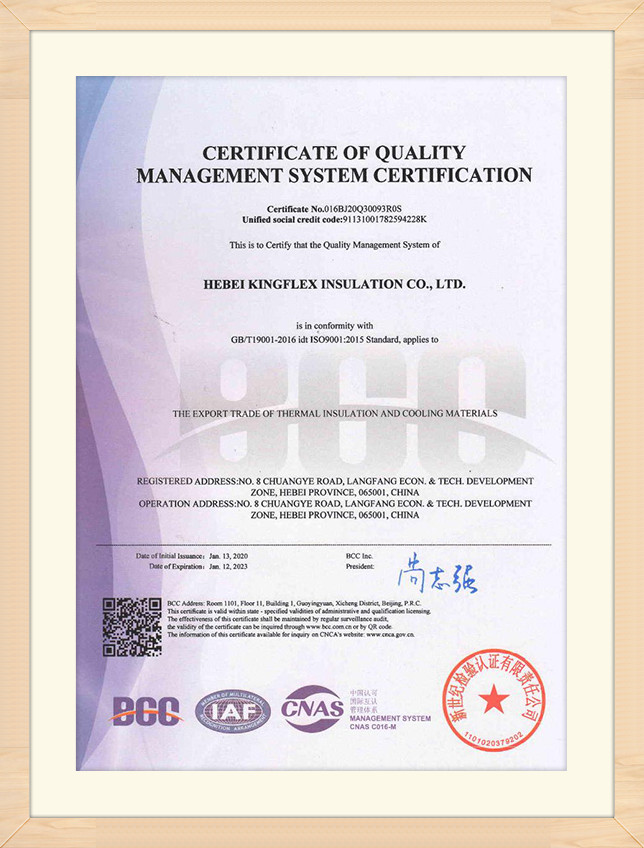


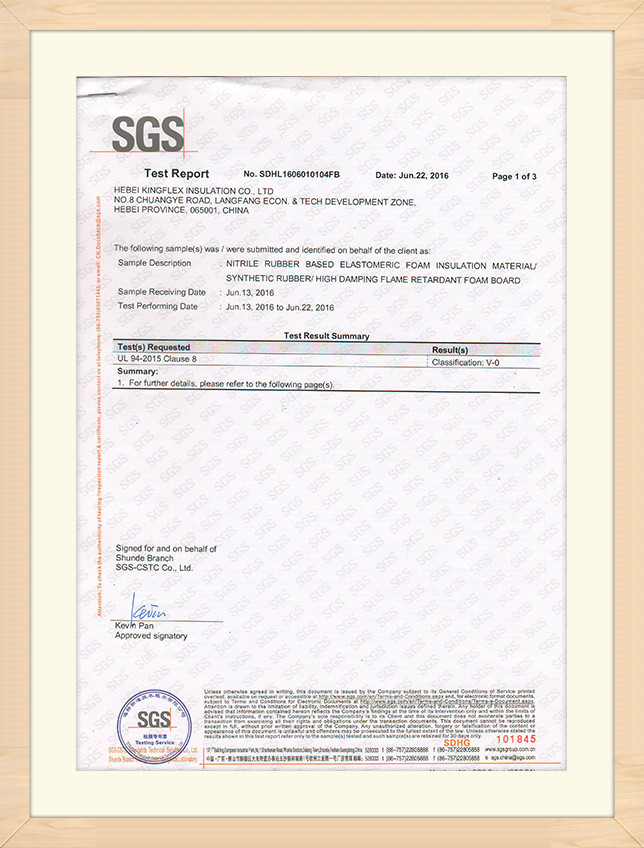
Compliant with BS 476, CE, REACH, RoHS, UL94, and ASTM standards.
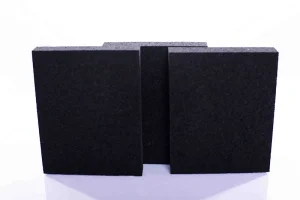
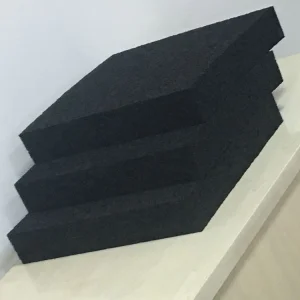
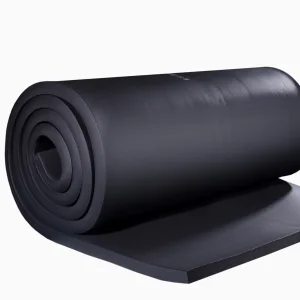
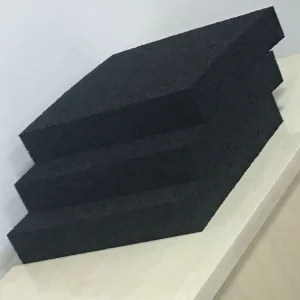
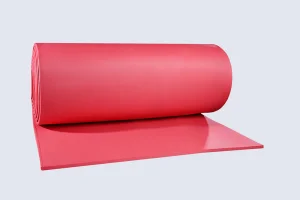
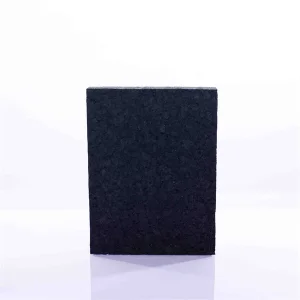
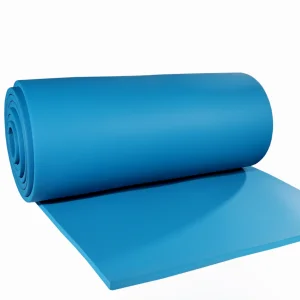
Engineered for large-diameter ducts, tanks, and structural panels, our sheet roll provides deep coverage and minimal seams:
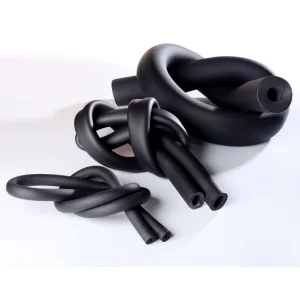
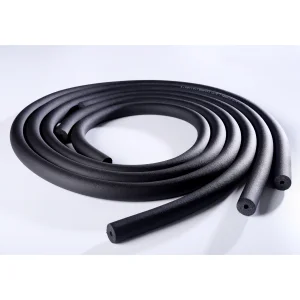
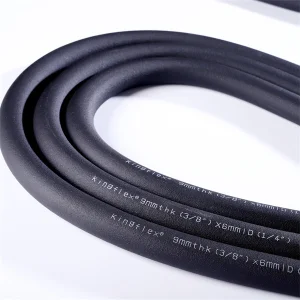
Optimized for rapid slip-on installations over processing piping, copper runs, and chilled lines:

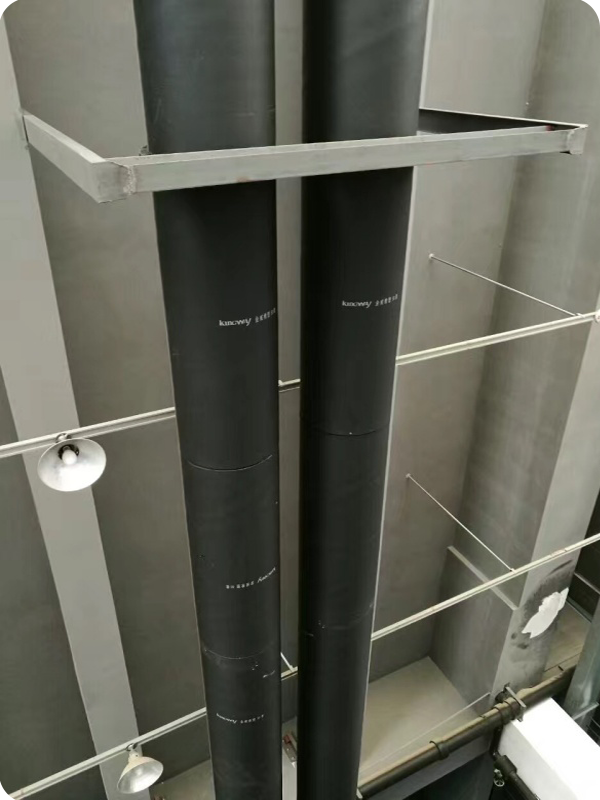
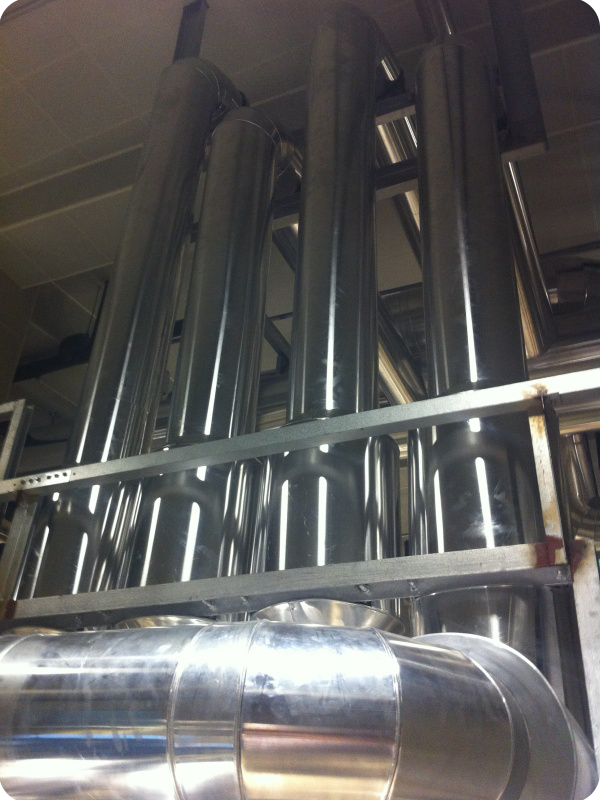
As the construction and industrial manufacturing sectors adopt stricter net-zero mandates, the insulation industry is evolving beyond traditional petrochemical formulations.
Kingflex is researching plant-derived plasticizers and bio-sourced rubbers to replace fossil inputs, lowering the carbon footprint of NBR/PVC production without compromising insulation performance.
Developing smart insulation jackets integrated with moisture sensors to monitor humidity beneath insulation in real-time, helping prevent Corrosion Under Insulation (CUI) before it begins.
Innovating halogen-free fire retardants that meet smoke toxicity standards (Class 0 and EN 13501-1) for high-occupancy commercial and transit projects.
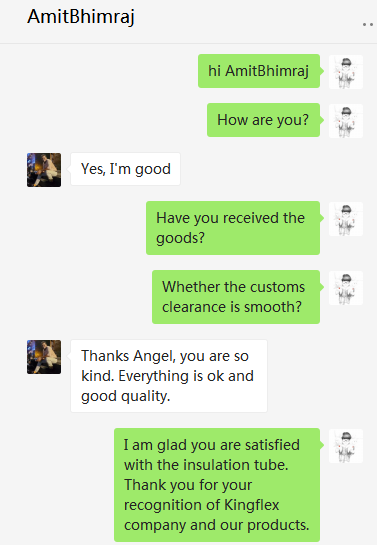
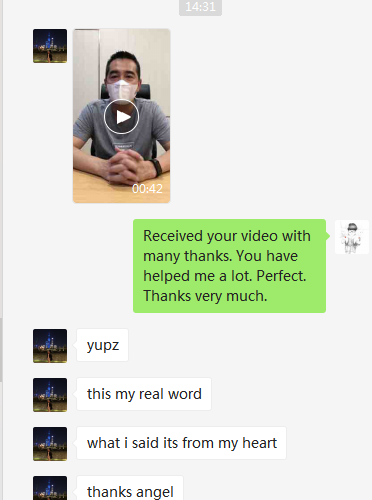
Transparency is key to our business relationships. Kingflex provides documented evidence of client communications, material tracking, and feedback loops across international borders.
From prompt delivery to reliable product performance under pressure, our team maintains consistent quality standards. The adjacent logs document our communication, engineering approvals, and shipment coordinates for global projects.



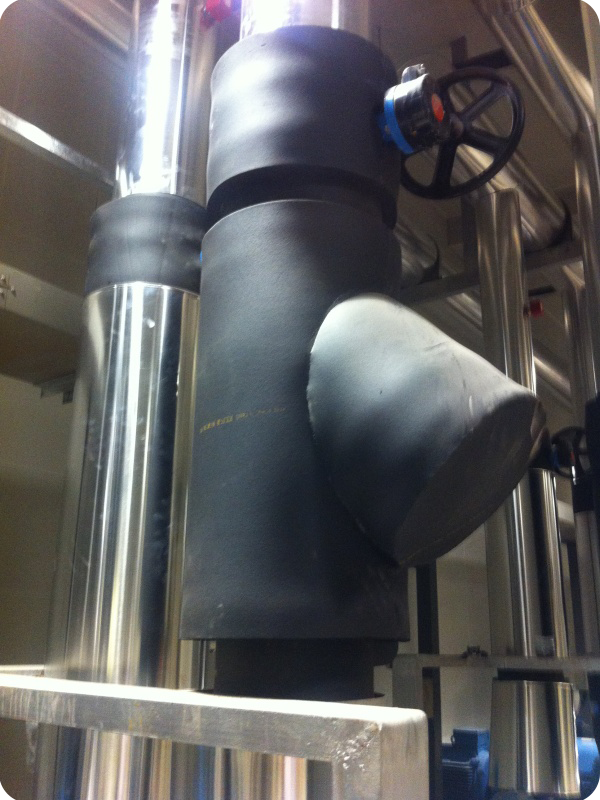
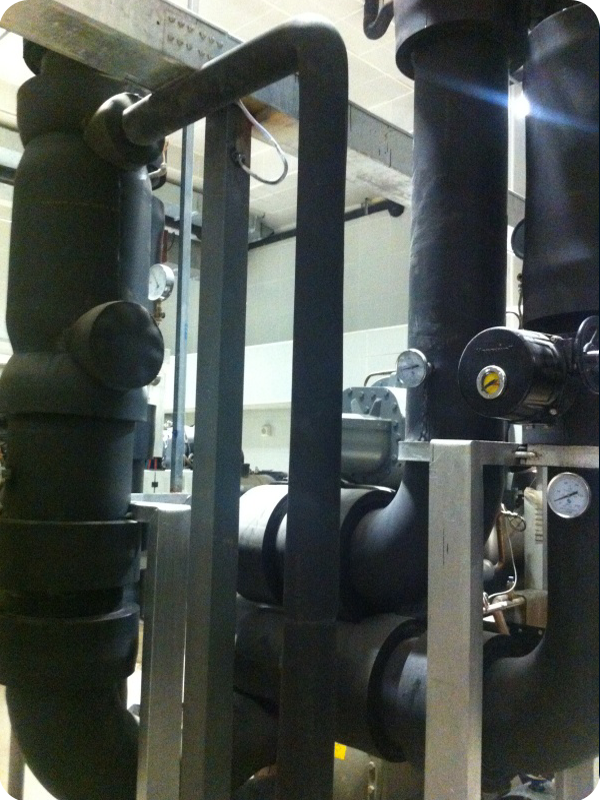
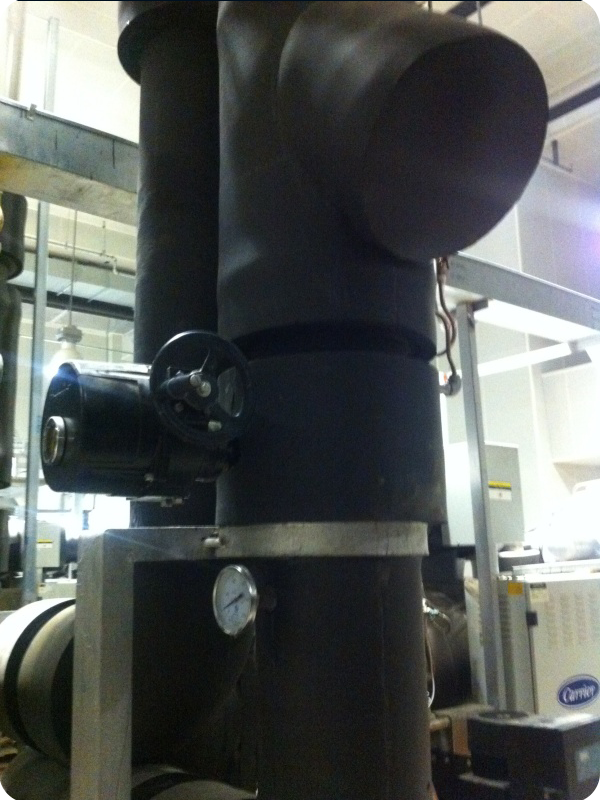
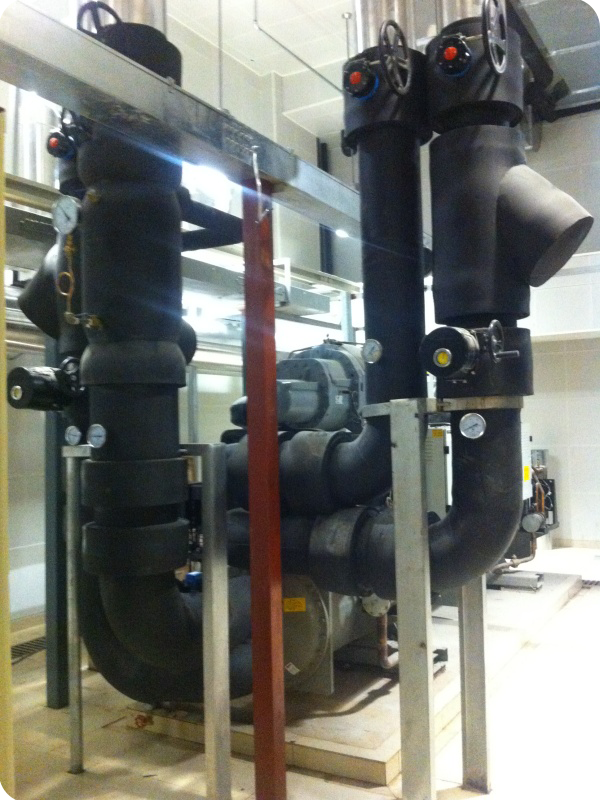
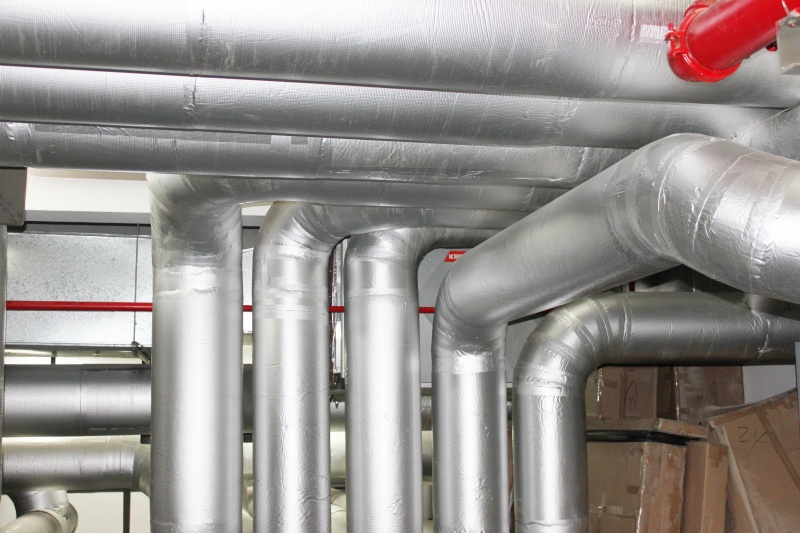
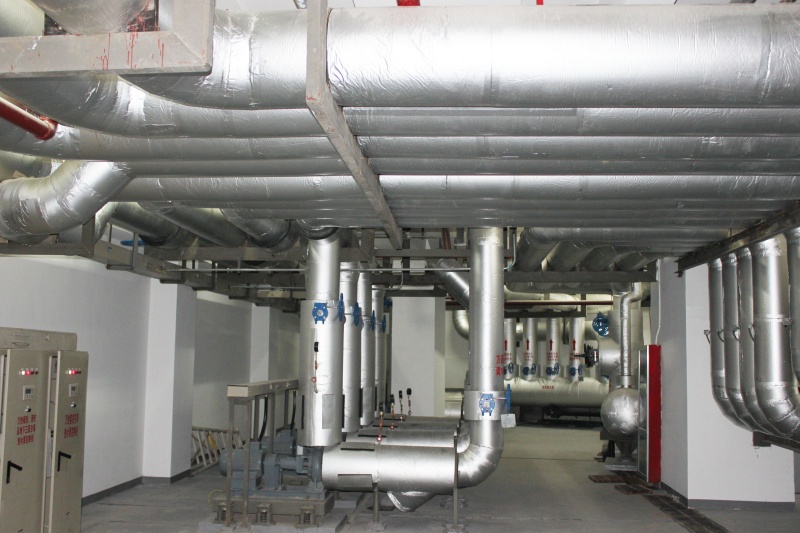
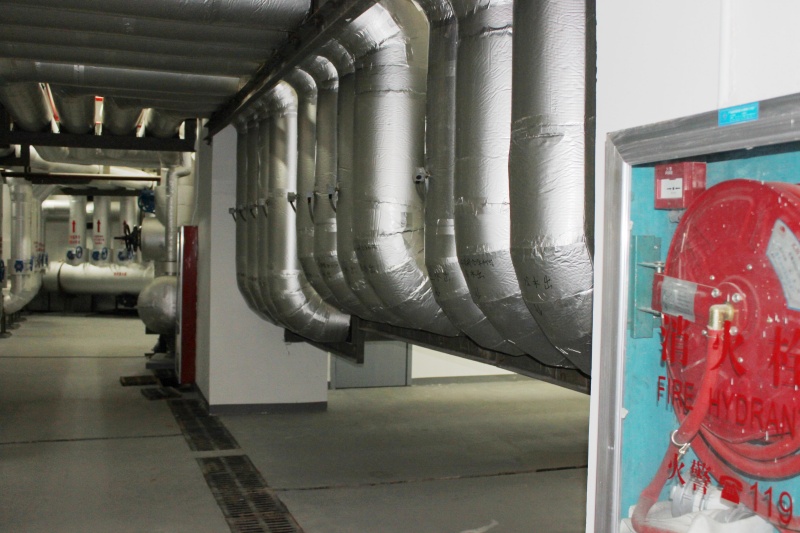
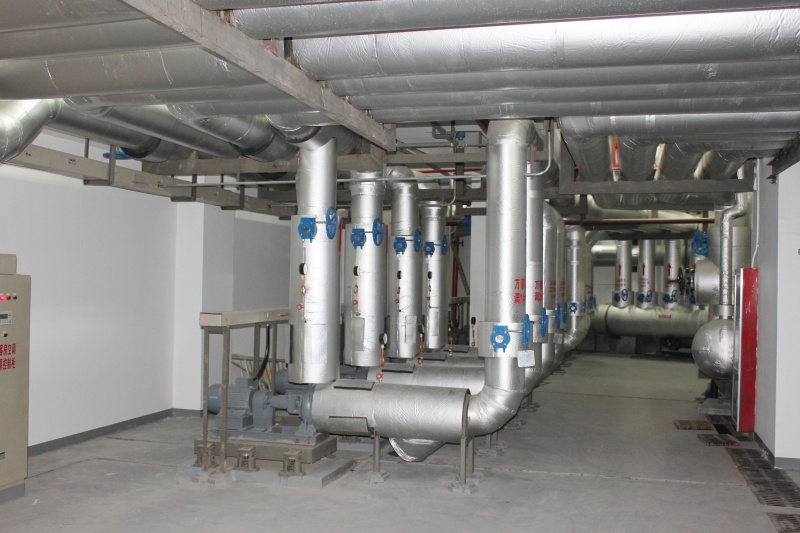
A gallery illustrating our manufacturing steps, raw material processes, automated production lines, and final application sites.
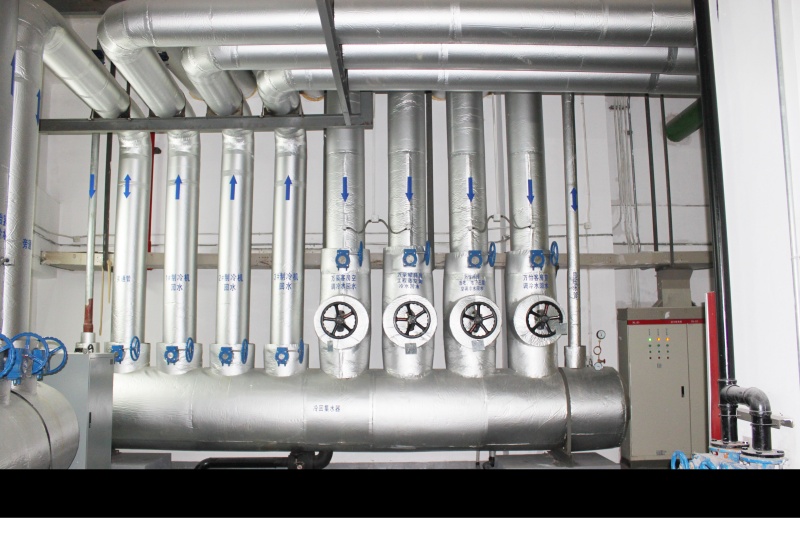


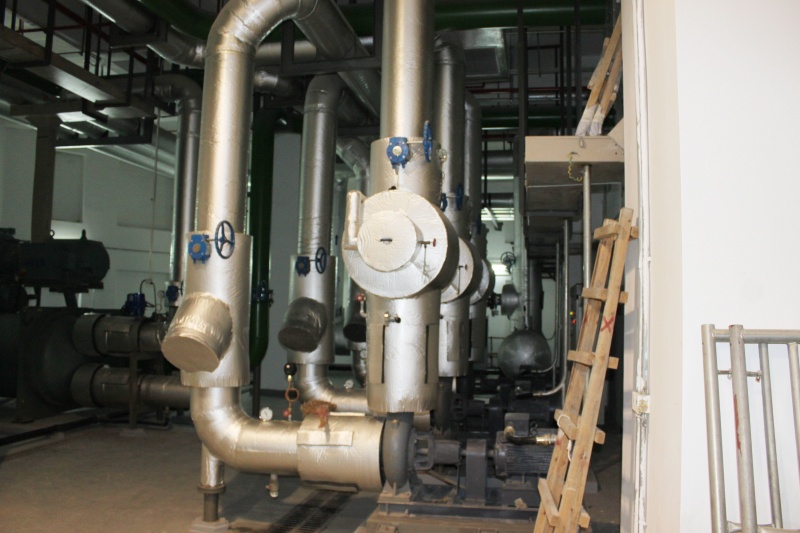
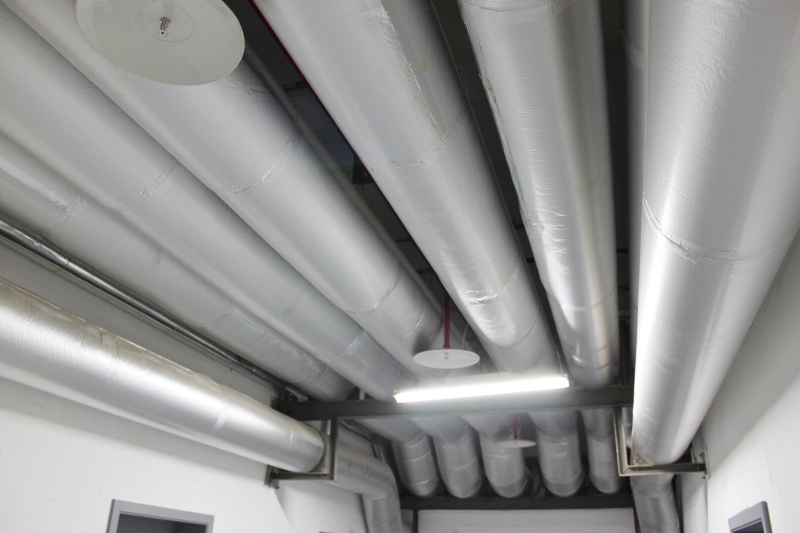

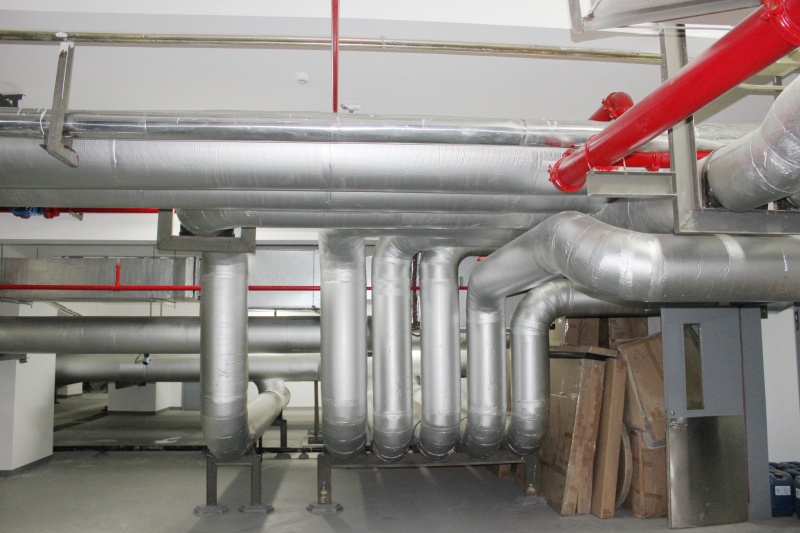







Technical answers to support risk assessments and product specifications for insulation projects.
It is mainly used for HVAC ducts, air conditioning pipes, building thermal insulation, industrial pipeline cold insulation, and sound insulation. Its closed-cell structure makes it highly effective for systems operating under high moisture variables.
Yes, our rubber foam insulation products are fire retardant, meeting standard building and industrial safety regulations. Our materials conform to BS 476 Class 0 and UL 94 V-0 flame rating structures, ensuring fire containment and low toxicity smoke emission.
Rubber foam is flexible, features a closed-cell structure, and resists moisture, making it ideal for HVAC, chilled water pipes, and building insulation. Rock wool is high-temperature resistant and fireproof, making it suitable for high-temperature industrial steam lines, but it requires an external vapor barrier to prevent moisture absorption.
Yes, we offer comprehensive OEM and ODM services. We can adjust the thickness, inner diameter, density, and add self-adhesive backings or reflective foils to meet specific project guidelines.
Our products are certified to international standards including BS 476, CE, REACH, RoHS, UL94, and ASTM. This guarantees compliance with regulatory specifications across North America, Europe, and Asia-Pacific markets.
Yes, our products feature full production batch traceability. Every shipment can be tracked back to its raw material specifications and quality inspection logs, supporting compliance audits.
We manufacture sheet rolls in thicknesses ranging from 6mm to 50mm, allowing for single-layer or multi-layer thermal application layouts.
When installed according to specifications, Kingflex rubber foam insulation provides a service life of approximately 10 to 15 years, resisting structural sagging, decay, and moisture infiltration.
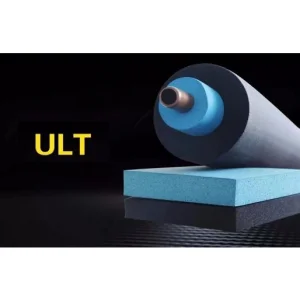
Browse our selection of specialized closed-cell elastomeric pipes and rolls, featuring self-adhesive and aluminum-clad options.
 Kingflex