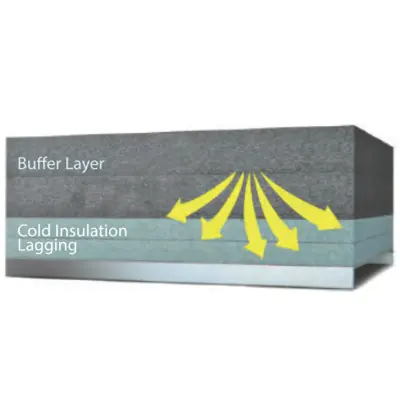
Explore our high-performance thermal insulation and soundproofing product range. Direct factory sourcing for commercial, residential, and industrial applications.
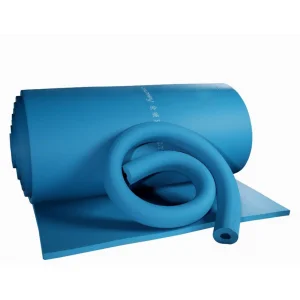
An engineering insight into structural noise reduction, vibration dampening, and high-frequency absorption spectrums.
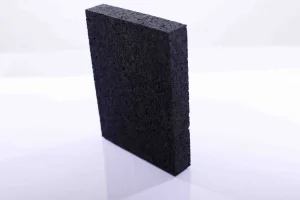
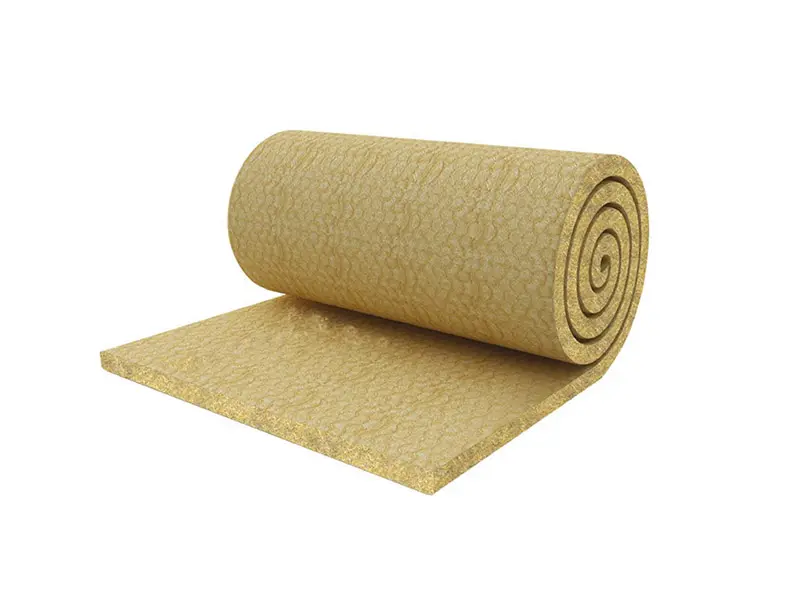
Rockwool features an open-cell, fibrous matrix that effectively traps sound waves. When acoustic pressure waves penetrate the dense basalt rock fibers, kinetic energy is converted into thermal energy through friction, resulting in high Noise Reduction Coefficients (NRC) up to 1.0.
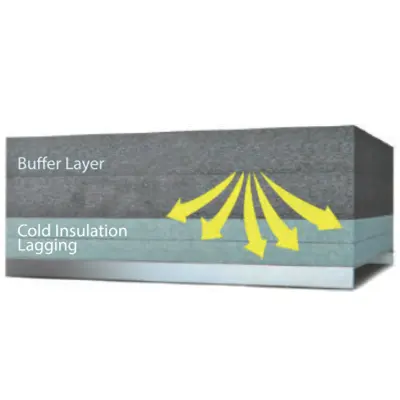
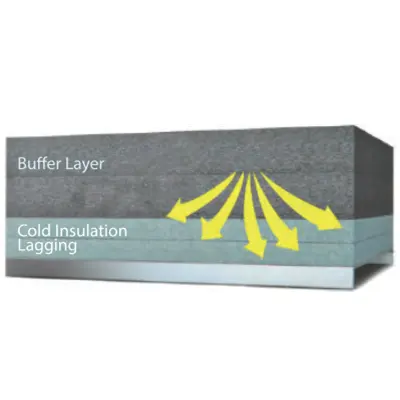
For applications experiencing high vibration levels and low-frequency structure-borne noise, elastomeric rubber foam functions as a viscoelastic dampening element. It restricts mechanical energy transmission across metal ducts, partition frames, and multi-layered piping networks.
Modern commercial buildings benefit from combining open-cell fibrous cores (like rockwool) with closed-cell elastomeric wraps. This hybrid assembly offers sound absorption across high, mid, and low frequencies, while protecting the installation from vapor transmission and thermal losses.
| Insulation Type | Noise Reduction Coeff. (NRC) | Service Temp. Range | Vapor Diffusion Resistance | Fire Classification | Primary Industrial Applications |
|---|---|---|---|---|---|
| Rockwool Board | 0.90 – 1.05 | Up to 1000°C | Low (Requires jacket) | Class A1 (Non-combustible) | High-temperature steam lines, power generation, structural fire walls |
| Elastomeric Rubber Foam (NBR/PVC) | 0.45 – 0.65 | -40°C to 105°C | μ ≥ 7,000 (Built-in barrier) | Class 0 / Class B-s3, d0 | HVAC refrigeration, chilled water pipes, condensate drainage |
| Cryogenic Rubber Foam | 0.50 – 0.70 | -200°C to 125°C | Extremely High (μ ≥ 20,000) | Flame retardant (Self-extinguishing) | LNG liquefaction lines, liquid nitrogen containment, petrochemical storage |
| Glass Wool Blanket | 0.80 – 0.95 | Up to 400°C | Moderate (Requires FSK facing) | Class A1 | Lightweight attic insulation, commercial partition walls, utility ducts |
While rockwool is the standard for high-temperature acoustic enclosures, elastomeric rubber foam (such as the Kingflex NBR/PVC matrix) provides superior dual-action thermal and sound insulation for mechanical services operating in high-humidity environments. Selecting the correct density (40-55 kg/m³) ensures optimal dampening of structural resonance across HVAC structures.
Kingflex Insulation Co., Ltd. is a professional manufacturing and trading combo for thermal insulation products. Our research development and production department is located in the green-building materials hub of Dacheng, China. As an energy-saving, environmentally friendly enterprise, we concentrate on the research and development, production, and sales of high-performance acoustic and thermal insulation.
Established by the Jinwei Group (Kingway Group), which carries more than 40 years of manufacturing history (founded in 1979 as the first manufacturer of thermal insulation materials north of the Yangtze River), Kingflex has become a designated production enterprise designated by the Ministry of Energy, the Ministry of Electric Power, and the Ministry of Chemical Industry.
Our commitment to operational quality is supported by 5 large automatic assembly lines, producing an annual output of more than 600,000 cubic meters. Our solutions are supplied via technical consultation, custom R&D production, installation guidance, and dedicated post-sale service.

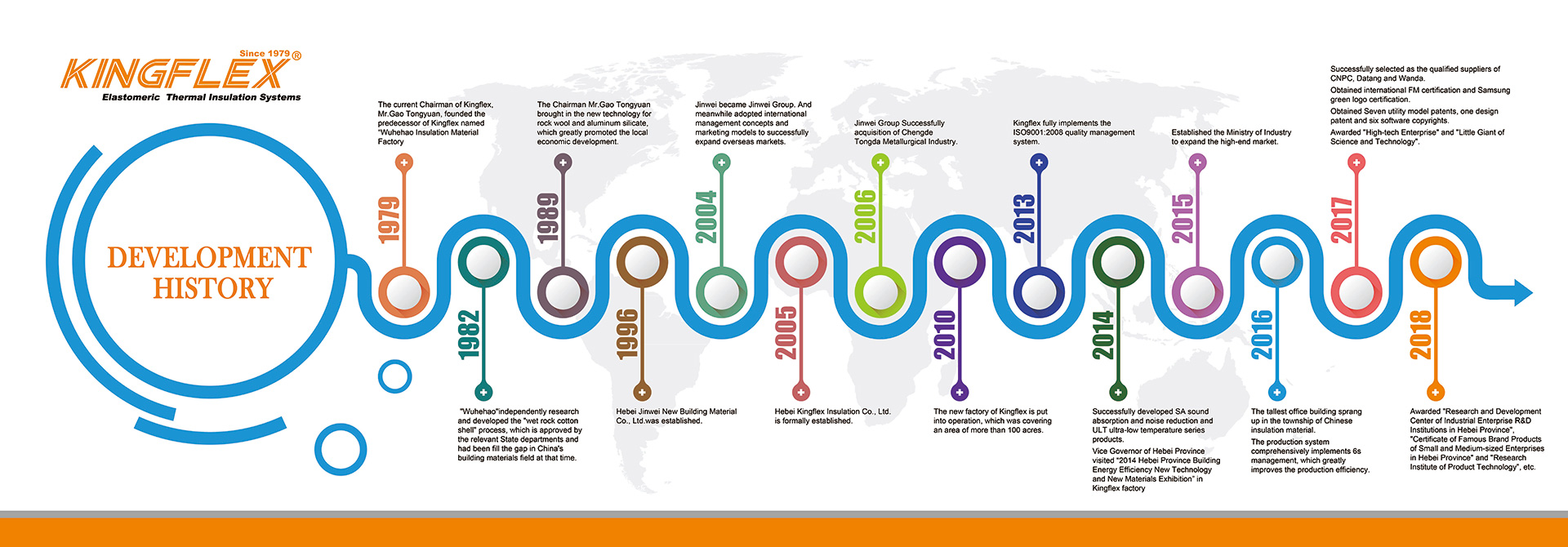
Over the past 16 years, Kingflex thermal insulation products have been exported to more than sixty-six countries. Our clients include commercial contractors, industrial developers, and regional distributors across Europe, Southeast Asia, the Middle East, and the Americas.
We provide supply chain reliability through traceably certified raw materials, standardized manufacturing, and transparent quality control systems. Whether sourcing high-density rockwool panels for power plant noise suppression or flexible elastomeric foam rolls for commercial HVAC projects, Kingflex delivers bulk shipping and tailored OEM packaging options.
Our ongoing development focus aims to improve thermal resistance, fire-retardancy, and sound transmission loss characteristics.

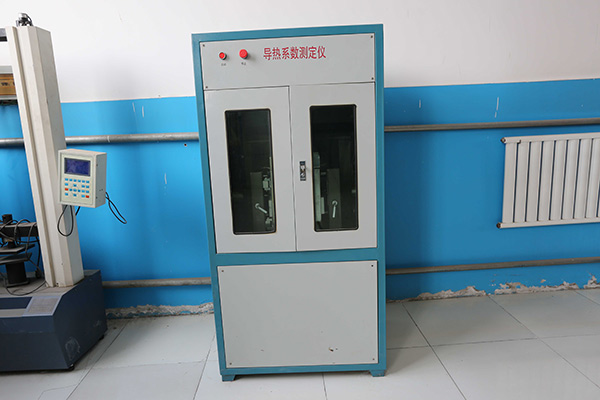
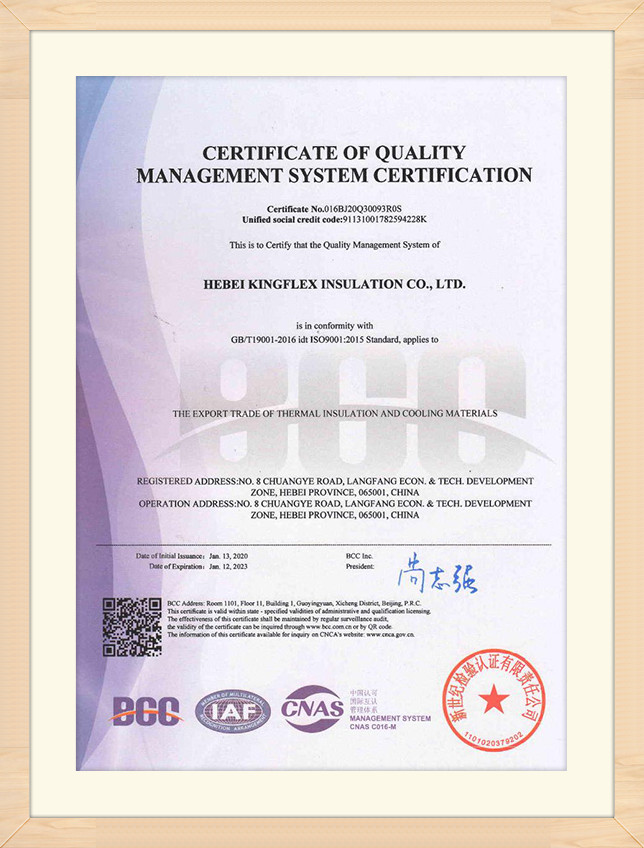
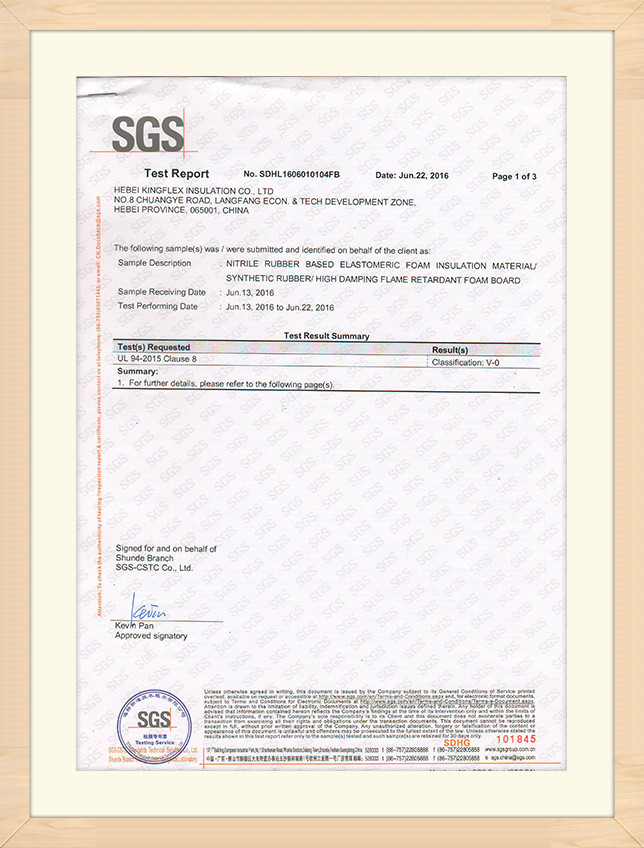
Kingflex insulation materials are manufactured to comply with strict international regulatory bodies. We hold multiple approvals that secure smooth imports for global projects:
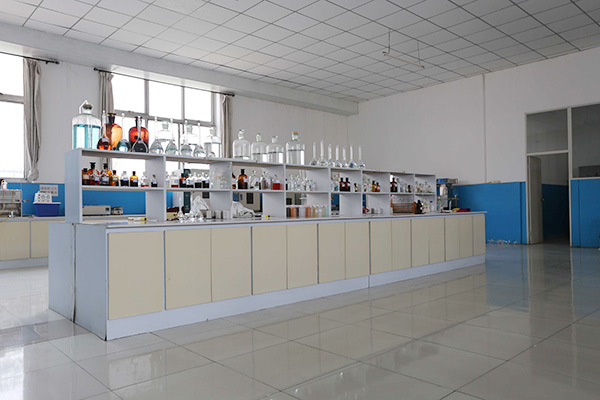
Our dedicated R&D department features 8 professional engineers working alongside 6 international sales managers and 230 production personnel. We optimize cellular structures to reduce the moisture absorption rate of our open-cell matrices and improve the compression resilience of our elastomeric foam blends (maintaining >80% resilience).


How we solve acoustic transmission loss and thermal heat transfer challenges across sectors.
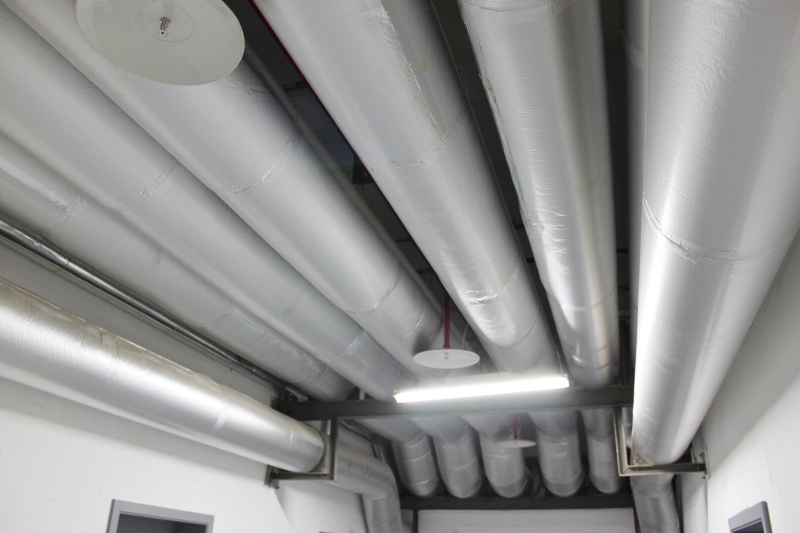
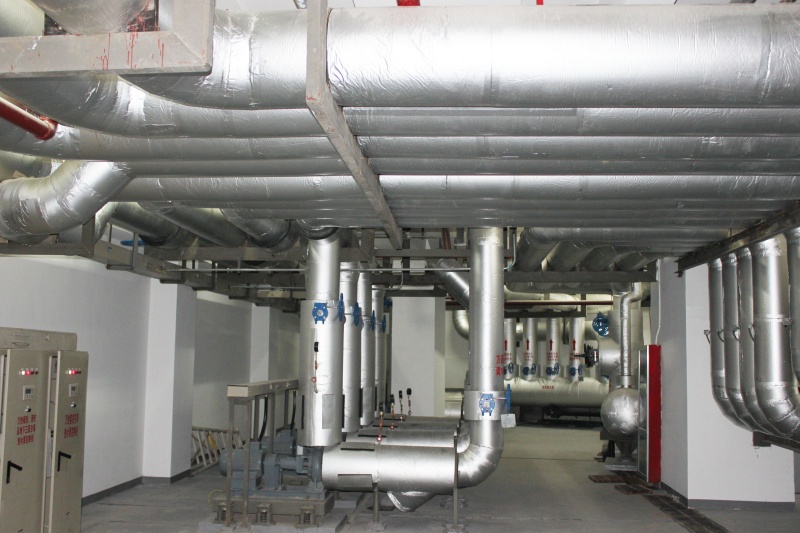
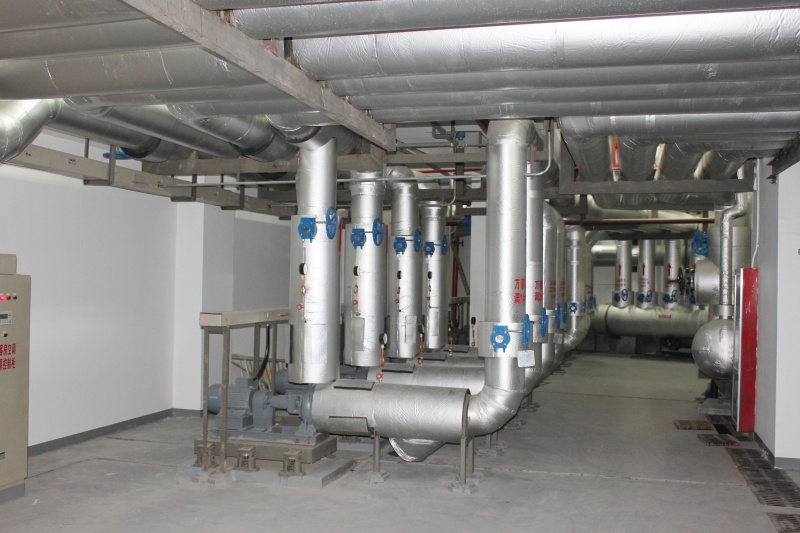
Condensation control and airflow noise reduction in ventilation ducts. The combination of NBR/PVC closed-cell structures prevents moisture accumulation while isolating motor and compressor vibrations from structural partition walls.
For operations from -40°C down to -200°C, our cryogenic insulation lines (using elastomeric and polyurethane composite sheets) manage thermal expansion and prevent vapor penetration, protecting structural steel from cryogenic cracking.
In high-pressure steam, refining, and power generation systems, rockwool board and blanket products provide critical fireproofing barriers and thermal retention, maintaining working temperatures up to 1000°C.
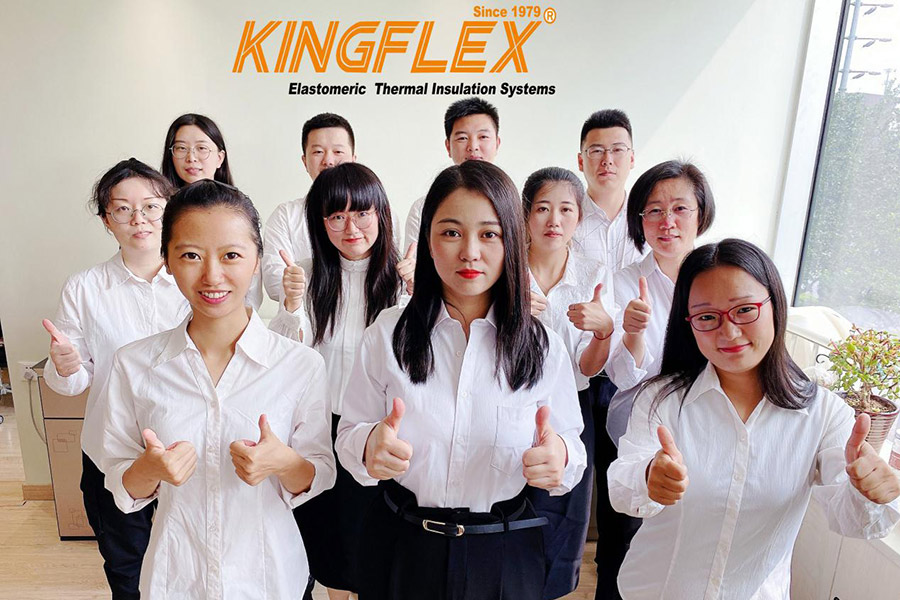
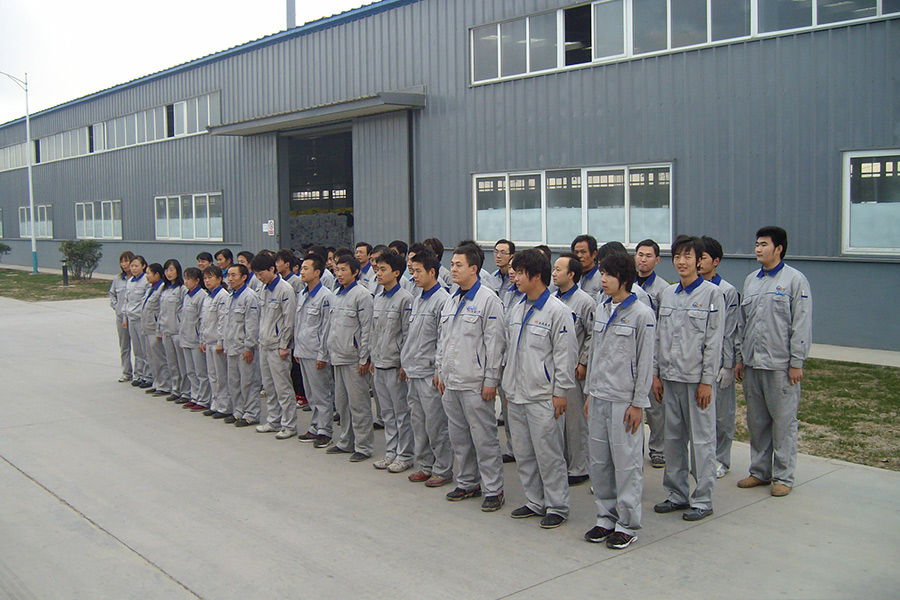

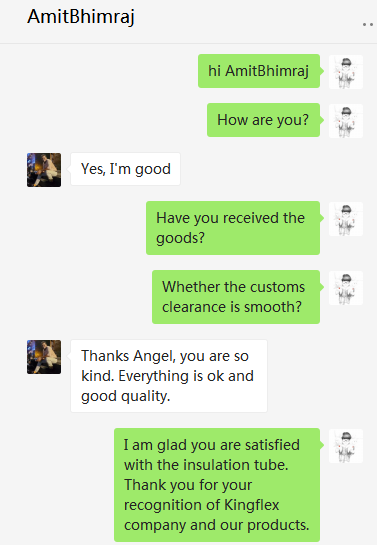
Direct communication and global project execution archives representing our transparency and customer satisfaction.





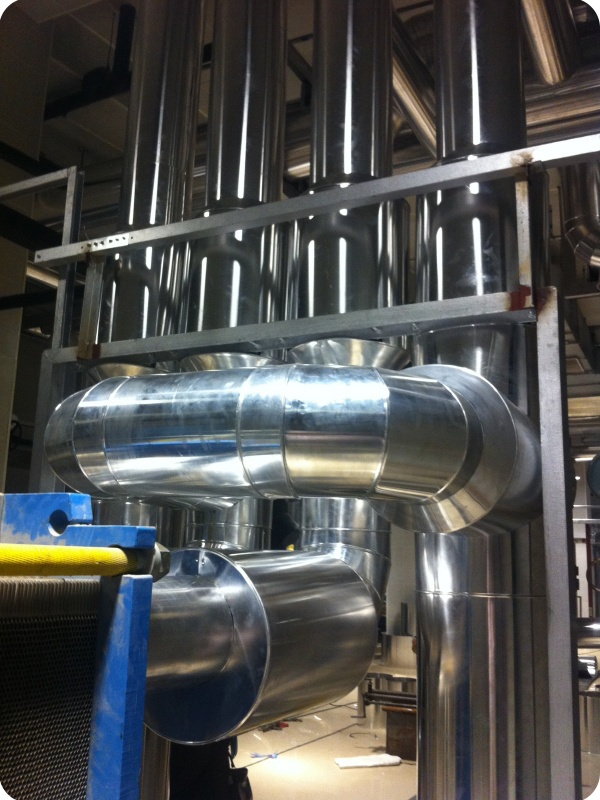
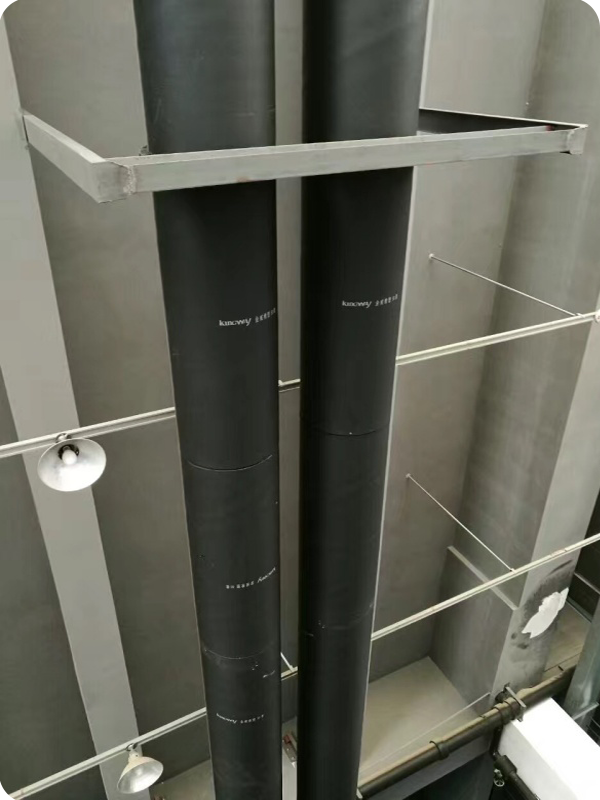
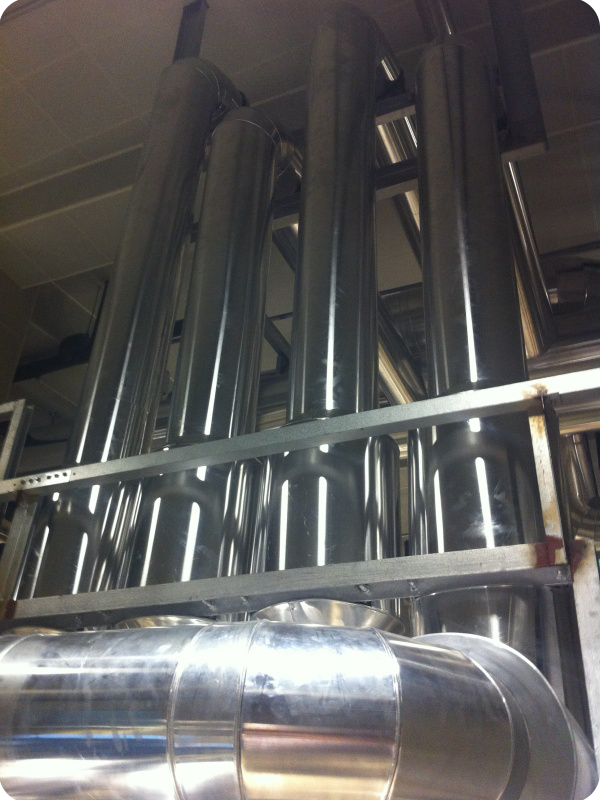
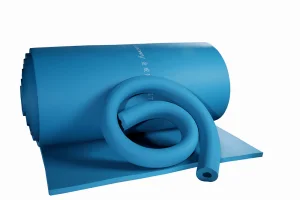
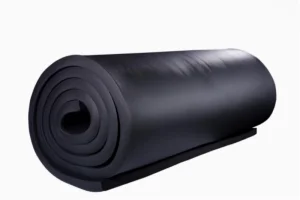
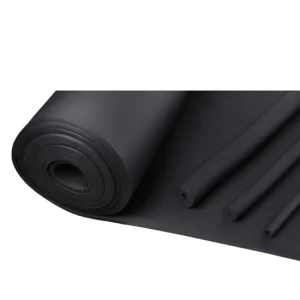
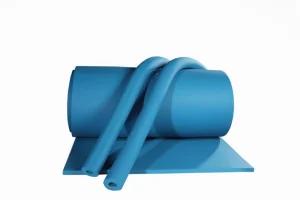
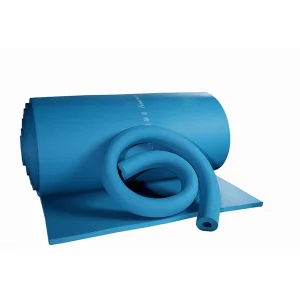
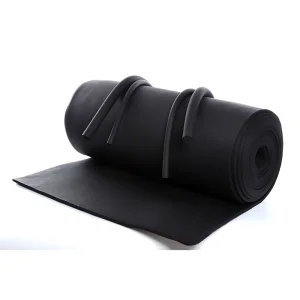
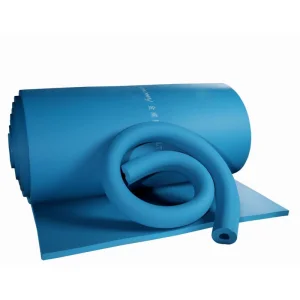
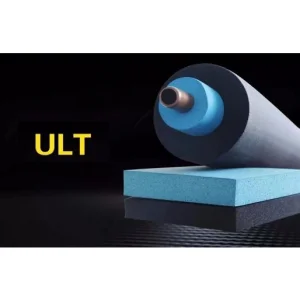
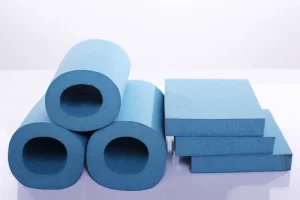
Detailed performance attributes of our elastomeric line, manufactured in sheets, rolls, and pre-formed pipe sections.
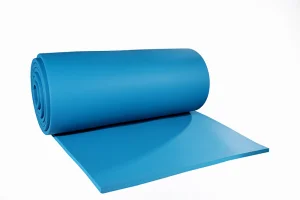
Engineered from an NBR/PVC blend, this closed-cell material prevents condensation and blocks moisture migration in high-humidity applications.
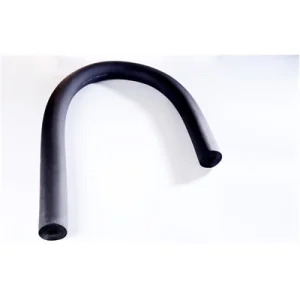
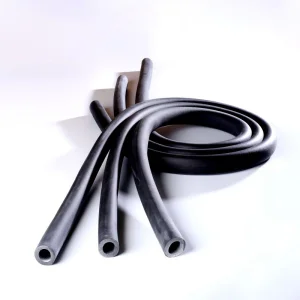
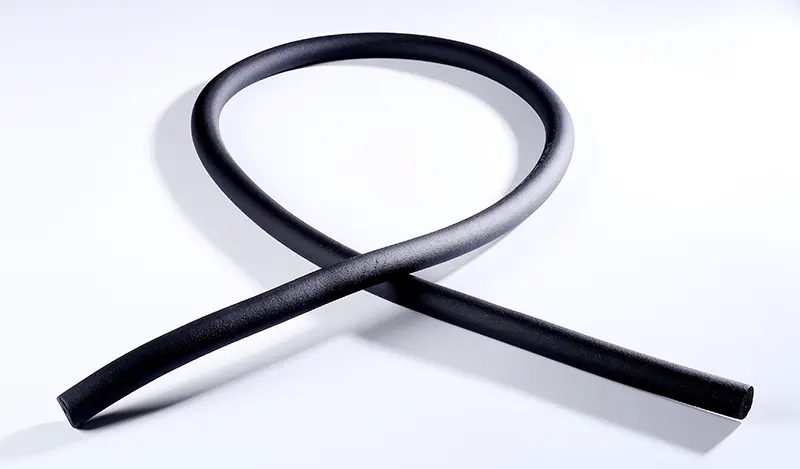
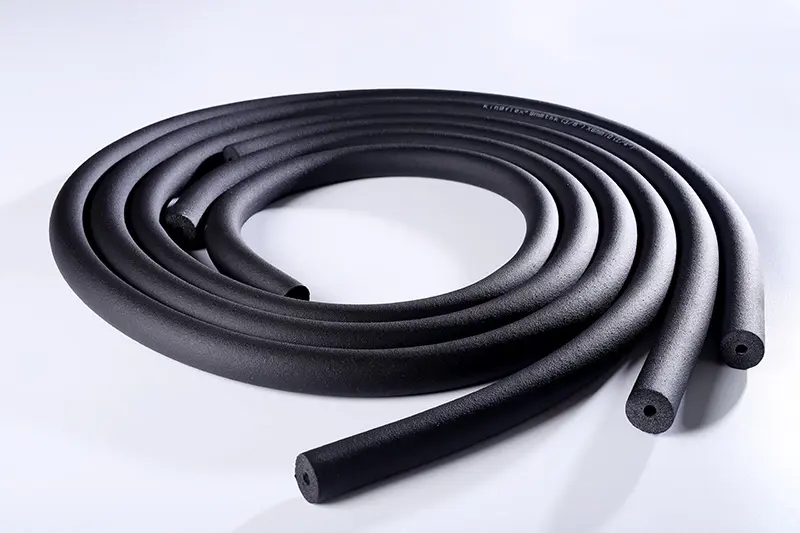
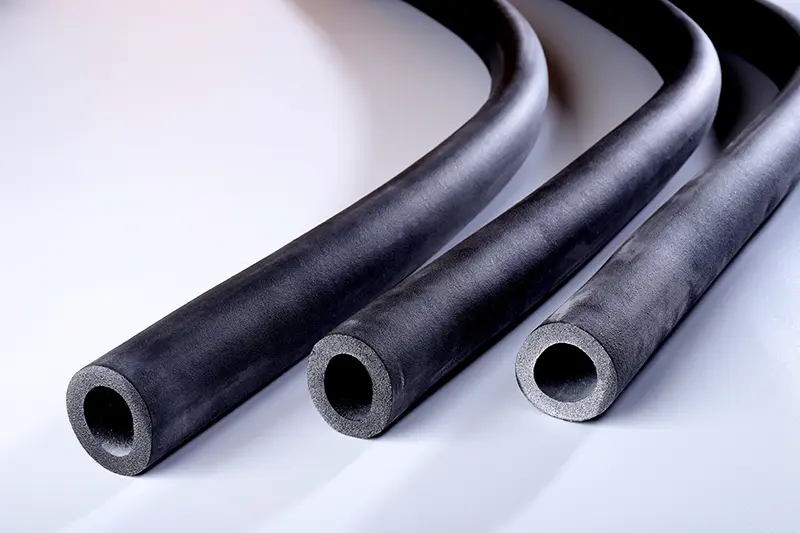
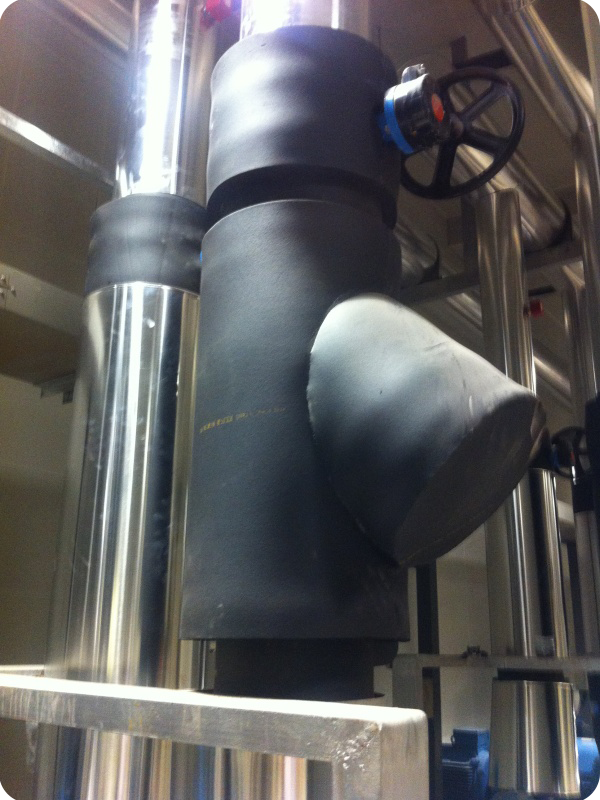
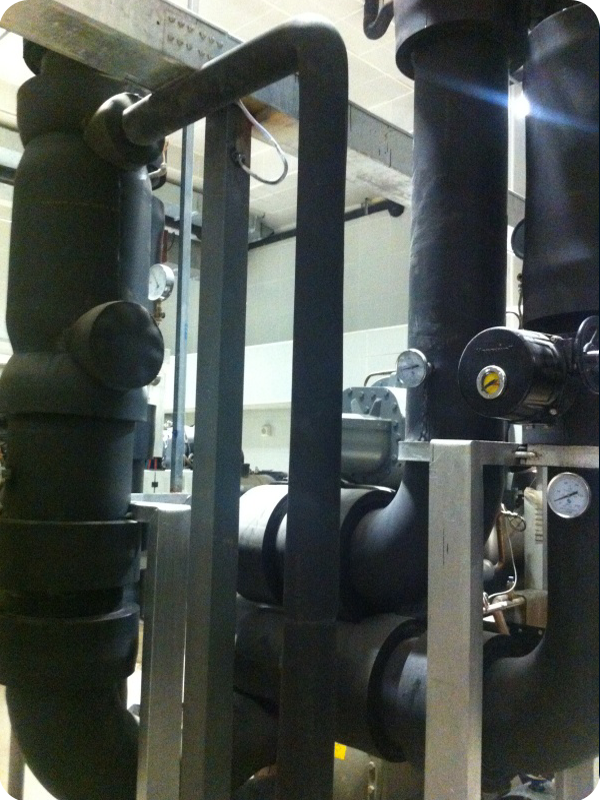
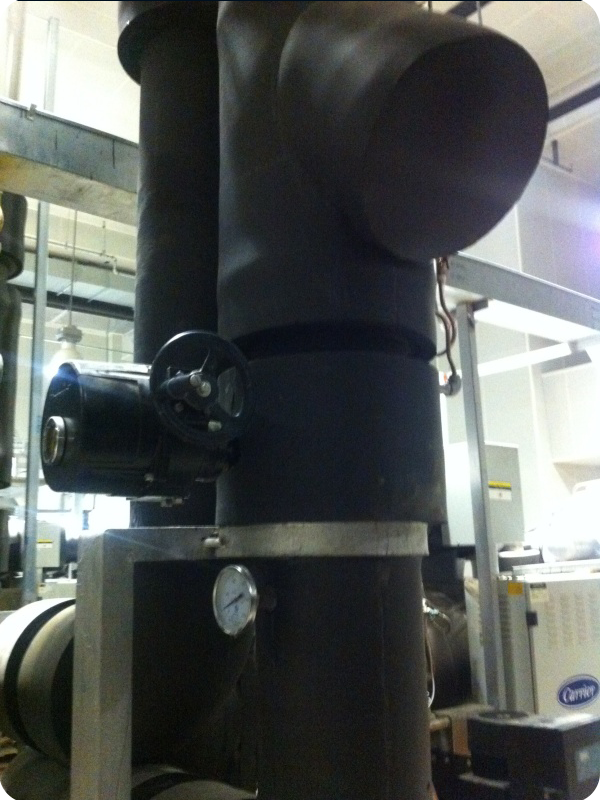
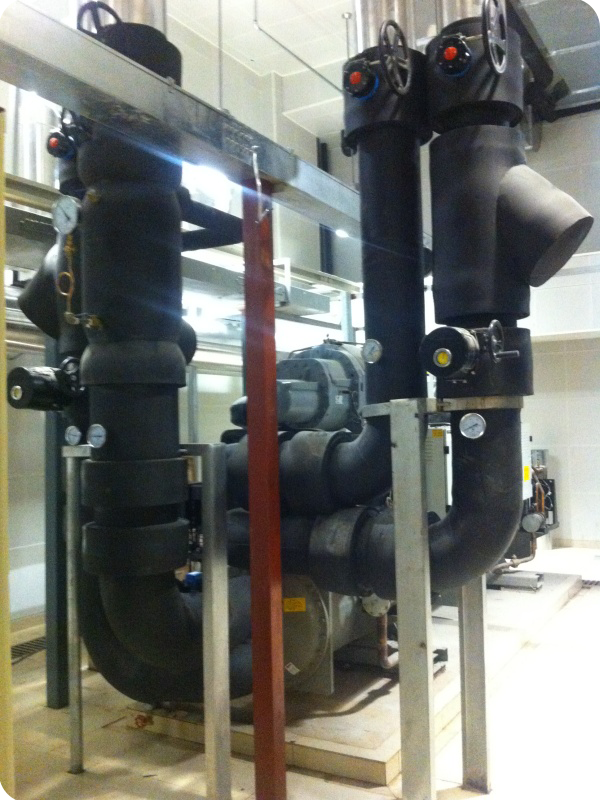
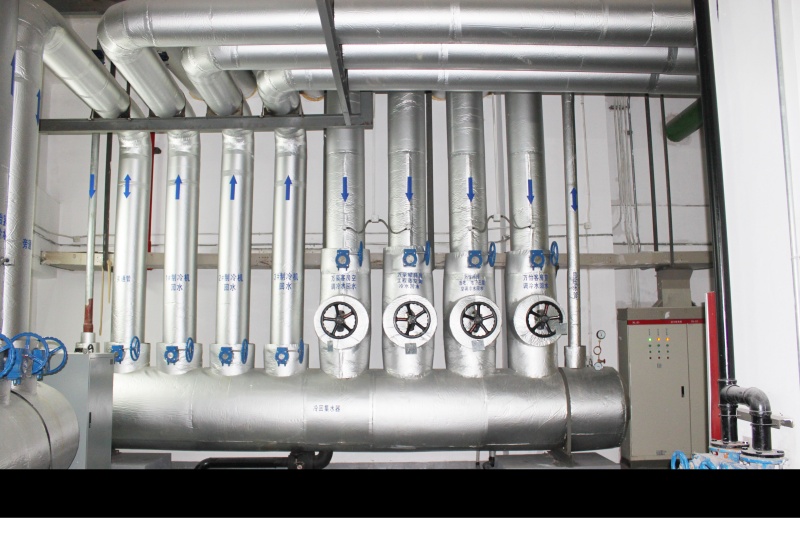
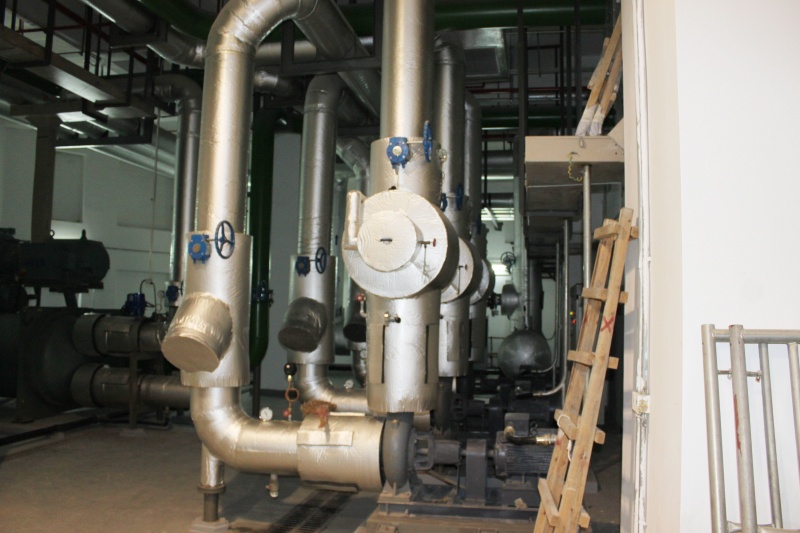
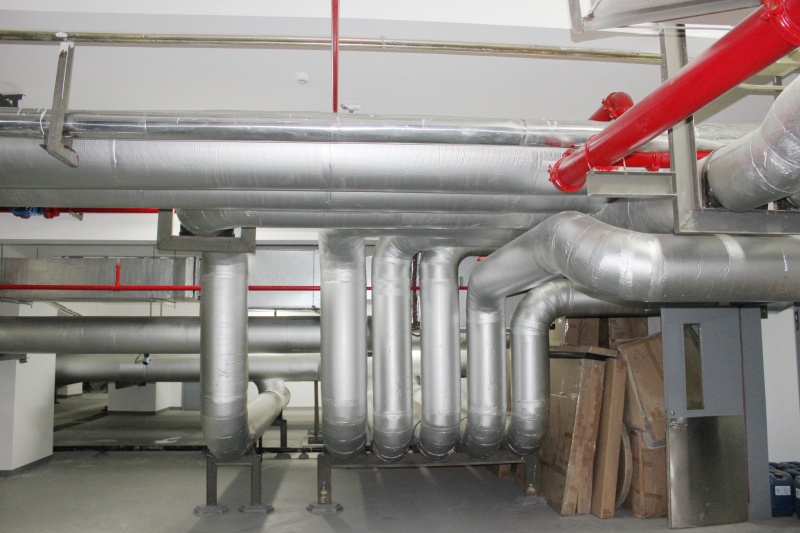
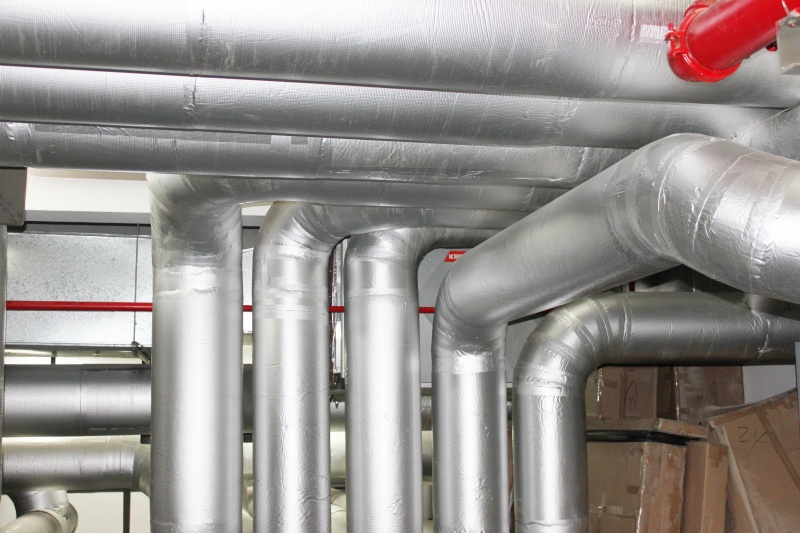
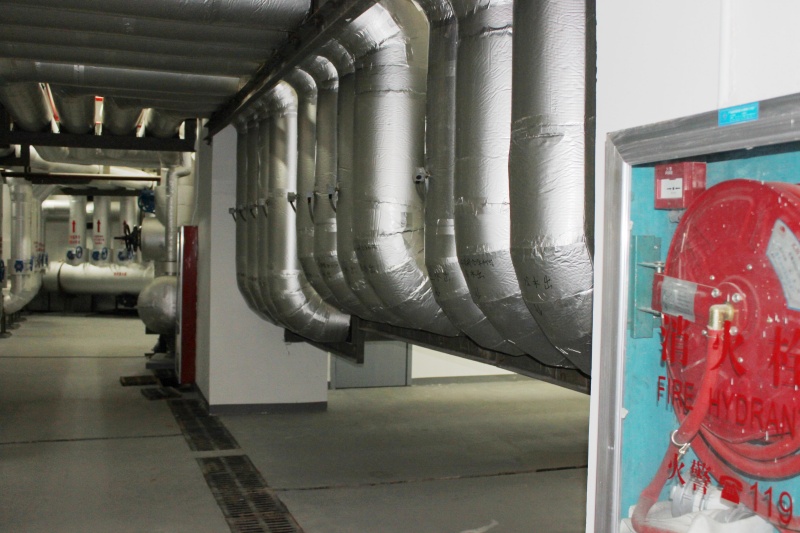
Pre-formed cylindrical pipe insulation tailored for mechanical copper piping, chiller lines, and steam networks.




Our long-term R&D targets align with global environmental mandates and next-generation building standards.
We are optimizing the cellular structural design of our NBR/PVC foams to reduce reliance on halogenated chemical flame retardants, shifting toward eco-friendly options. Additionally, we are working to integrate aerogel composites into our product lines to provide thinner insulation solutions with higher R-values for space-restricted urban building applications.
In step with global carbon reduction targets, our Dacheng production facility is upgrading to high-efficiency electric melting furnaces and heat recovery loops. This system recaptures process exhaust heat and routes it back into the primary lines, helping to lower energy consumption per cubic meter of finished insulation material.
Our products are widely used in construction, petroleum, chemical processing, national defense, aerospace, and other industries. We focus on providing integrated thermal, cold, and acoustic insulation solutions to improve efficiency and system longevity.
A technical guide to selecting, installing, and certifying Kingflex thermal and acoustic insulation materials.
Elastomeric rubber foam insulation is mainly used for HVAC ducts, air conditioning lines, structural insulation, and industrial piping. Its closed-cell structure makes it effective at preventing condensation on cold piping systems and dampening mechanical vibrations to reduce structural noise.
Yes, Kingflex rubber foam insulation contains fire-retardant additives and is formulated to self-extinguish when exposed to fire. It is certified under international standards including BS 476 (Class 0), CE, REACH, RoHS, UL94, and ASTM, meeting safety requirements for commercial and industrial projects.
The main differences lie in material structure and application limits:
Yes, we offer comprehensive OEM services. We can adjust the thickness, inner diameter, density, and backing adhesive to match specific project requirements. Contact our sales department to receive technical drawings and customized quotes.
Our products have passed BS 476, CE, REACH, RoHS, UL94, and ASTM testing. These certifications ensure quality compliance, low chemical outgassing, and flame-retardant performance that align with global construction standards.
Yes, all Kingflex shipments are traceably coded. Every batch of raw material is registered alongside production timestamps, laboratory test logs, and packaging records, allowing for quality verification from raw supply to final installation.
We produce rubber foam sheets and rolls in standard thicknesses from 6mm up to 50mm. Thick-wall variations are available for specialized low-temperature and cryogenic applications.
Under standard indoor conditions and correct installation, Kingflex elastomeric insulation has an estimated service life of 10 to 15 years. For outdoor installations, an additional UV-resistant coating or metal cladding is recommended to maximize durability.
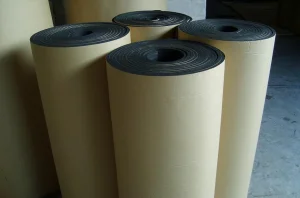
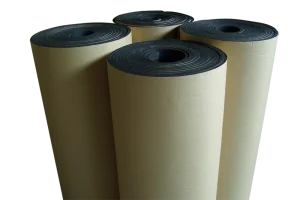
Select from our product catalog, featuring adhesive-backed rolls, pre-formed piping tubes, and specialty rockwool boards.
 Kingflex