Explore our industrial-grade, closed-cell rubber foam solutions optimized for structural resilience, energy performance, and anti-condensation protection.
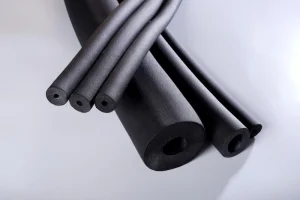
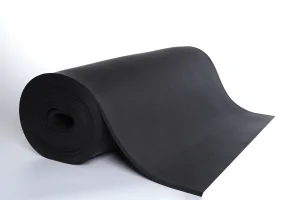
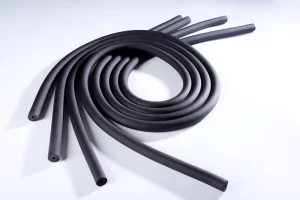
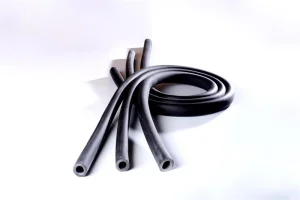
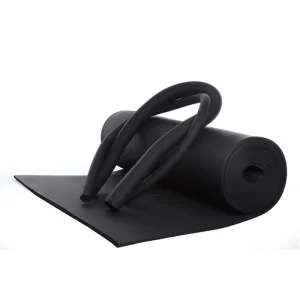
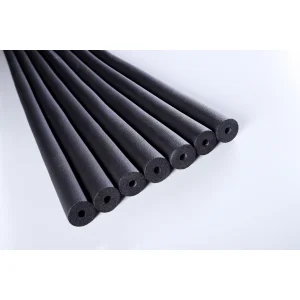
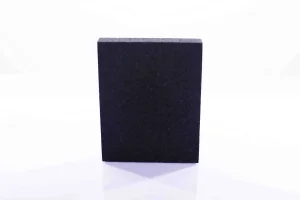
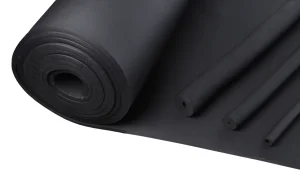
In thermal design, elastomeric rubber foam insulation represents the gold standard for controlling heat flow and moisture ingress in medium and low-temperature applications. Compounded from NBR (Nitrile Butadiene Rubber) and PVC (Polyvinyl Chloride), this advanced elastomer features a high closed-cell density (>98%). This cell structure acts as millions of microscopic, individual barriers that trap air, reducing convective and conductive heat transfer paths.
Unlike porous open-cell fibrous structures (such as mineral wool or fiberglass), elastomeric NBR/PVC structures exhibit a high resistance to moisture vapor transmission (measured as the water vapor diffusion resistance factor, μ ≥ 10,000). Water accumulation is the primary driver of thermal degradation in insulation. Because water has a thermal conductivity of roughly 0.6 W/(m·K)—which is 24 times higher than that of still air—any absorption drastically degrades performance. With elastomeric rubber foam, the barrier is built into every individual cell, eliminating the need for separate exterior vapor barriers in standard applications.
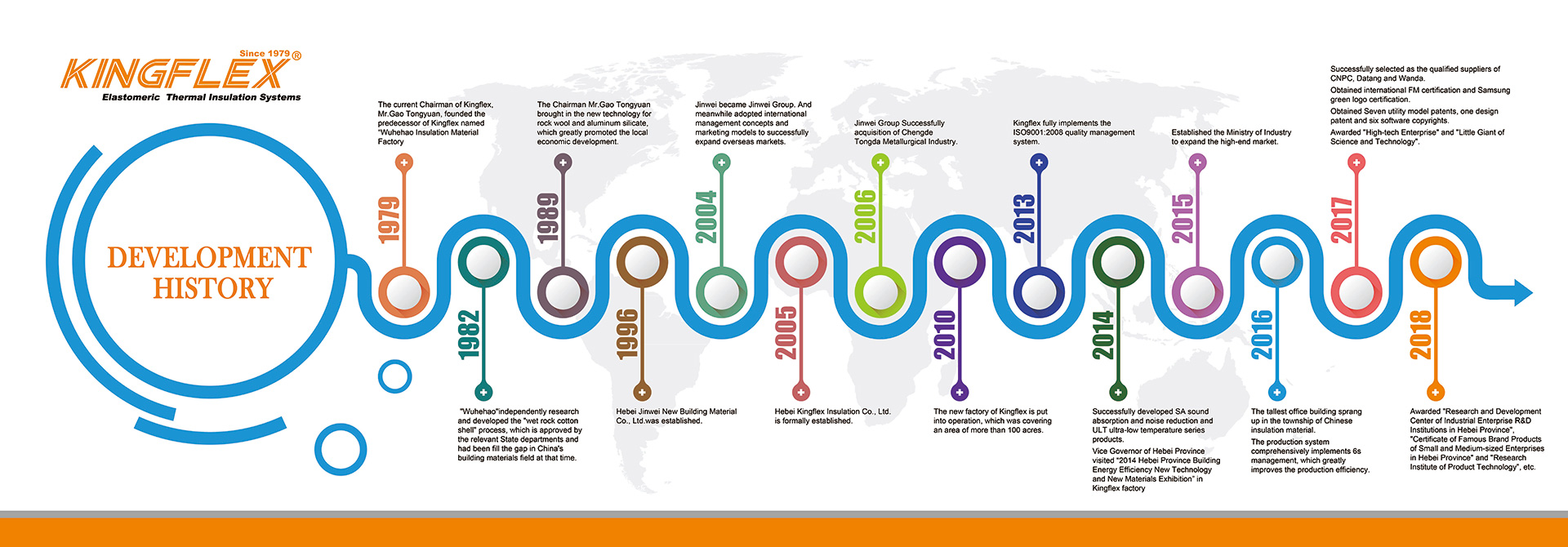
Founded by the Jinwei Group, which possesses a heritage dating back to 1979 as the first thermal insulation manufacturer north of the Yangtze River, Kingflex Insulation Co., Ltd. represents the intersection of volume production and precision engineering.
Located in Dacheng, China—the capital of green building materials—Kingflex has grown into a key designated supplier for China's Ministry of Energy, Ministry of Electric Power, and Ministry of Chemical Industry. Operating 5 modern, fully automated production lines, Kingflex manages a production capacity exceeding 600,000 cubic meters annually, delivering custom solutions to building projects, industrial lines, solar collectors, and LNG systems worldwide.

A manufacturing framework is only as good as the brains behind it. Kingflex maintains an engineering R&D department staffed by 8 dedicated insulation engineers who continuously refine polymer performance. Supported by 6 international customer managers and 230 skilled production workers, the group ensures that every cubic meter of foam leaving the Dacheng facility adheres strictly to ISO-9001 quality controls.
Our historical growth is deeply rooted in Jinwei Group's foundational experience, transforming Dacheng into a global hub for elastomeric manufacturing. By continuously upgrading our extruder designs and heating chambers, we achieve exceptionally uniform density across both tubes and rolls, maintaining structural integrity across temperature ranges from -40°C to 105°C.
Detailed performance attributes of our key NBR/PVC elastomeric product families.
Specially blended Nitrile Rubber and Polyvinyl Chloride matrix provides durability, oil resistance, and a flexible structure that resists cracking.
Features low thermal conductivity (λ ≤ 0.034 W/m·K at 0°C), minimizing heat loss and gain on ductwork and pipeline networks.
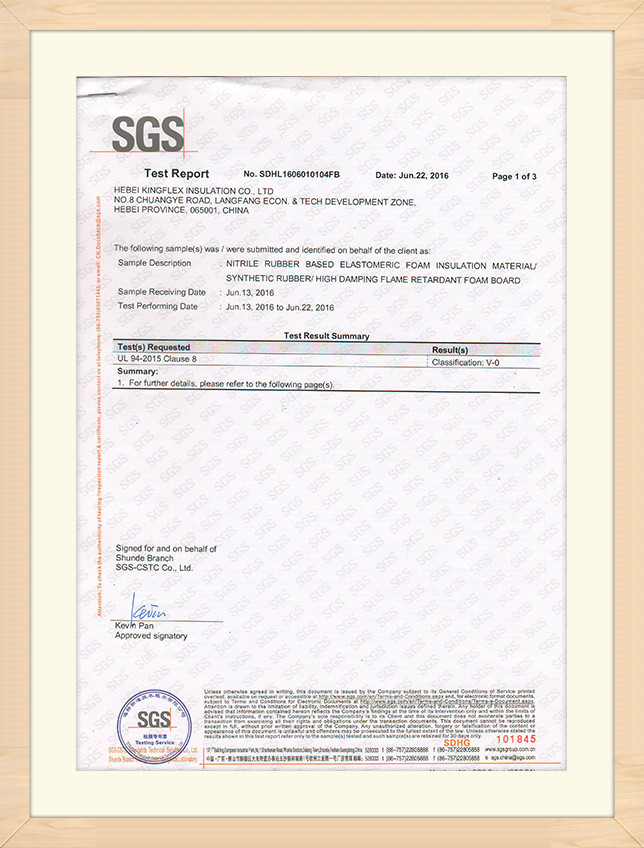
Exhibits self-extinguishing properties, formulated to satisfy global fire safety specifications including BS 476, Class 0, and UL94.
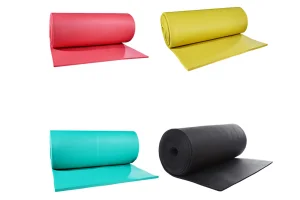
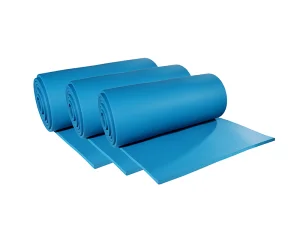
Our elastomeric sheet insulation is engineered for expansive flat surfaces, large diameter ducting, and irregular equipment shapes. It limits condensation and minimizes thermal transmission across commercial HVAC plenums.
| Parameters | Standard Specifications |
|---|---|
| Material Composition | Premium Nitrile Butadiene Rubber (NBR) / PVC blend |
| Thickness Range | 6mm to 50mm |
| Product Density | 40 - 55 kg/m³ |
| Working Temperature | -40℃ to 105℃ |
| Closed-Cell Ratio | >98% for excellent thermal performance |
| Compression Resilience | >80% recovery rate |
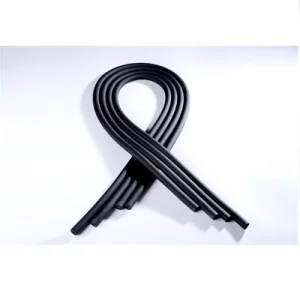
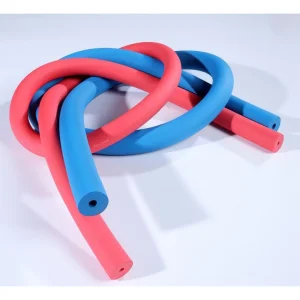
Designed for rapid, slip-on installation for HVAC copper tubing and carbon steel fluid systems. Our piping line features precise inner diameters and flexible walls that resist kink propagation.
| Parameters | Standard Specifications |
|---|---|
| Material Composition | NBR/PVC Elastomeric Foam |
| Thickness Range | 9mm to 40mm |
| Inner Diameter (ID) | 6mm to 114mm |
| Product Density | 40 - 55 kg/m³ |
| Service Temp. | -40℃ to 105℃ |
| Application Advantage | Limits pipeline freezing and condensation risks |
Take an inside look at our research chambers, quality control testing, and dynamic extrusion lines.
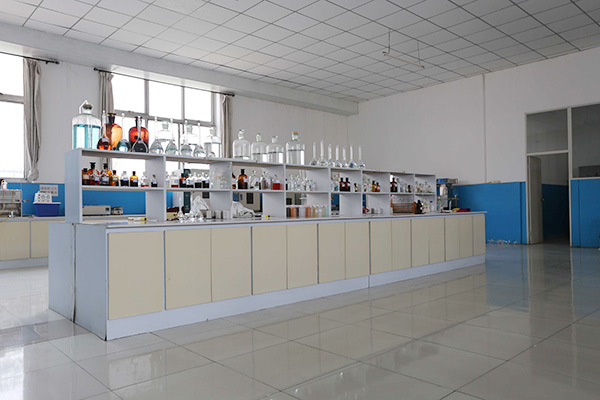
Microscopic cell analysis to confirm uniform cross-linking densities.

Regular validation testing of heat flow parameters across production batches.
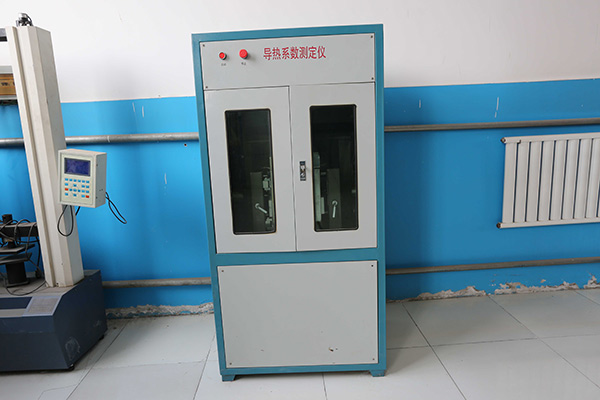
Automated measurements verifying consistent mechanical bounce-back qualities.
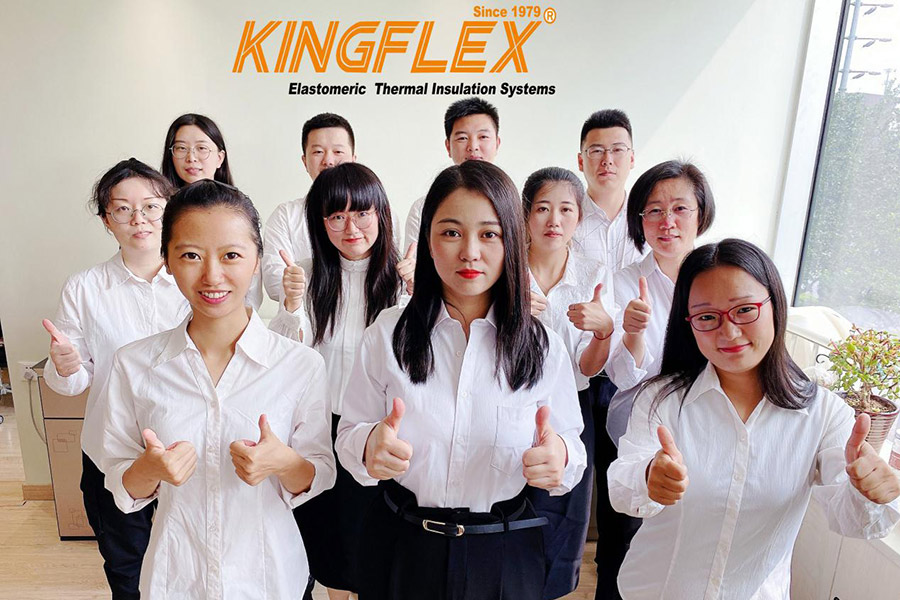
Our core engineering team focuses on expanding working temperature ranges.
Regular quality audits to ensure compliance with export certifications.

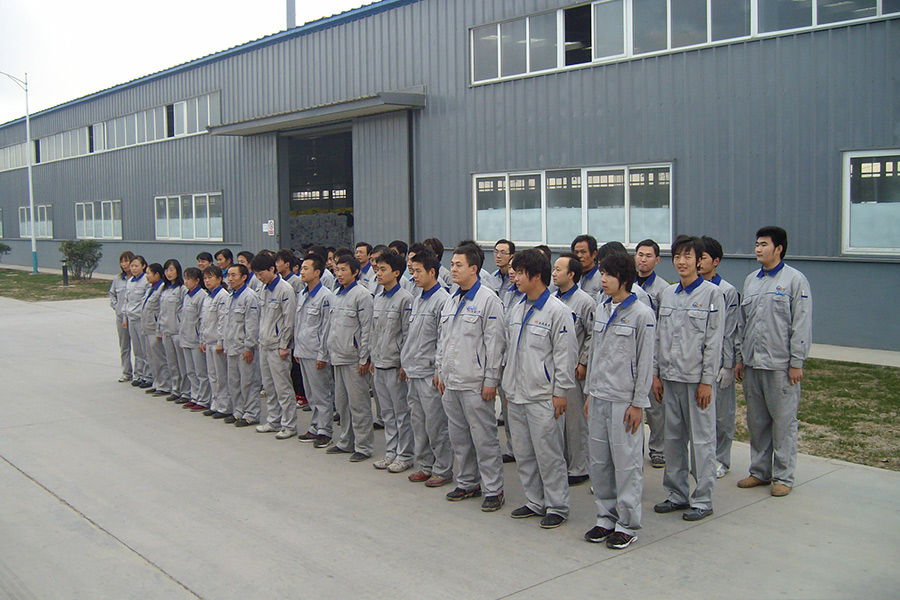
Highly trained operators overseeing our 5 continuous extrusion lines.
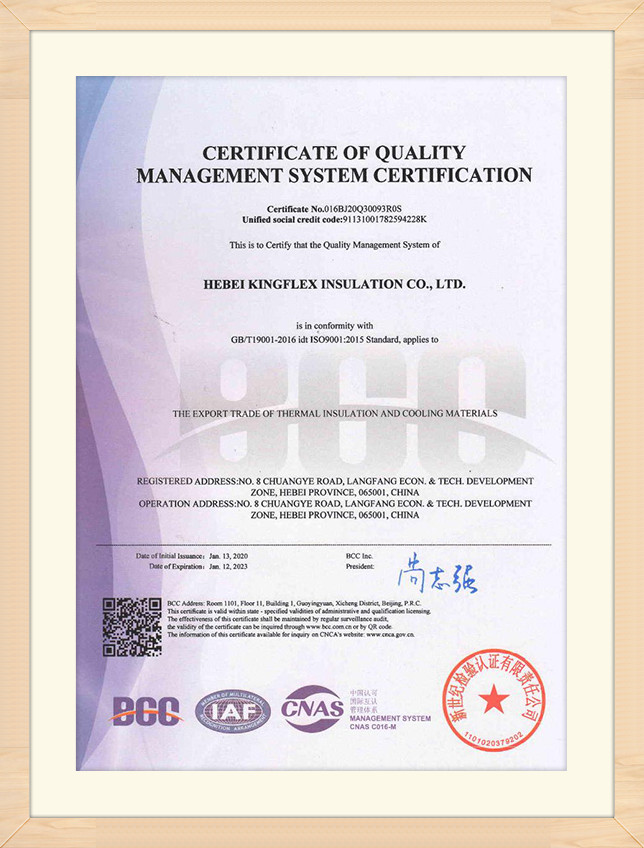
Our elastomeric materials are rigorously tested and certified to comply with global safety, environment, and building regulations.


In modern industrial and commercial projects, procurement managers prioritize total cost of ownership (TCO) over basic unit pricing. The overall cost of an insulation package includes the initial material cost, logistics volume optimization, install times, and lifecycle performance.
Our pricing model is designed to support volume distribution while ensuring consistent compliance with global building codes. Below are the key variables that influence our wholesale quotes:
We supply customized solutions across three primary sectors:
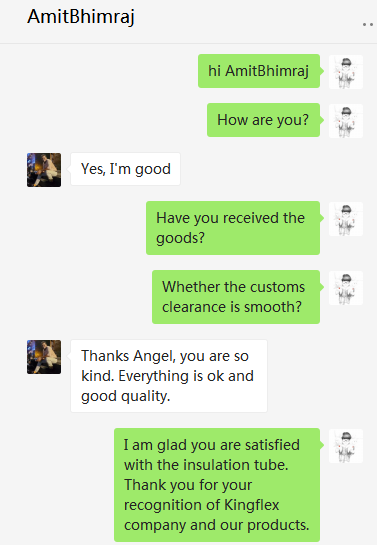
Transparent communication, strict compliance checks, and real-time shipment updates for our global partners.




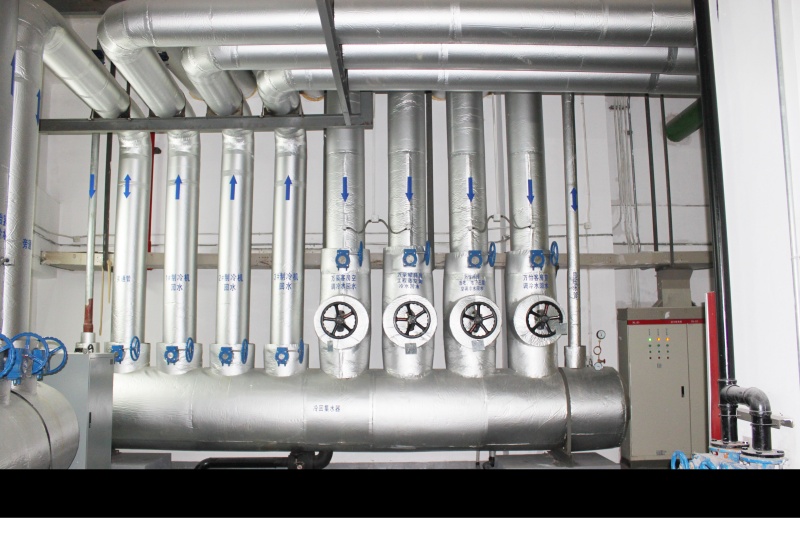
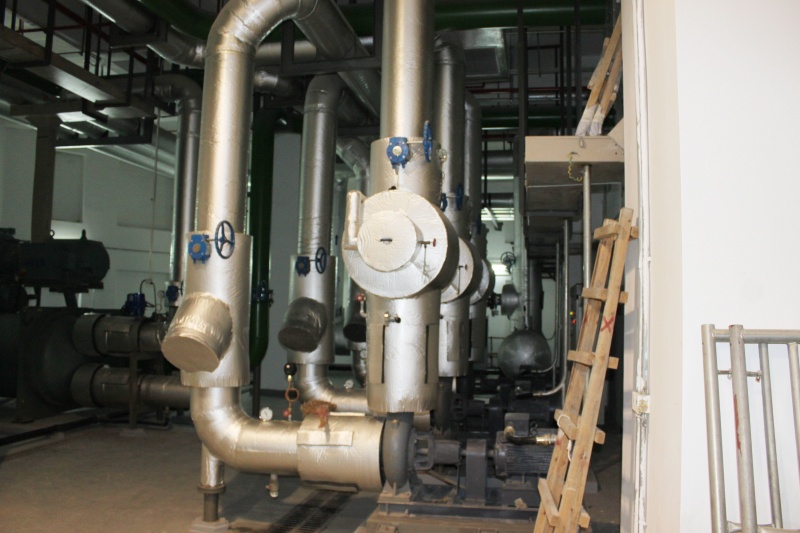
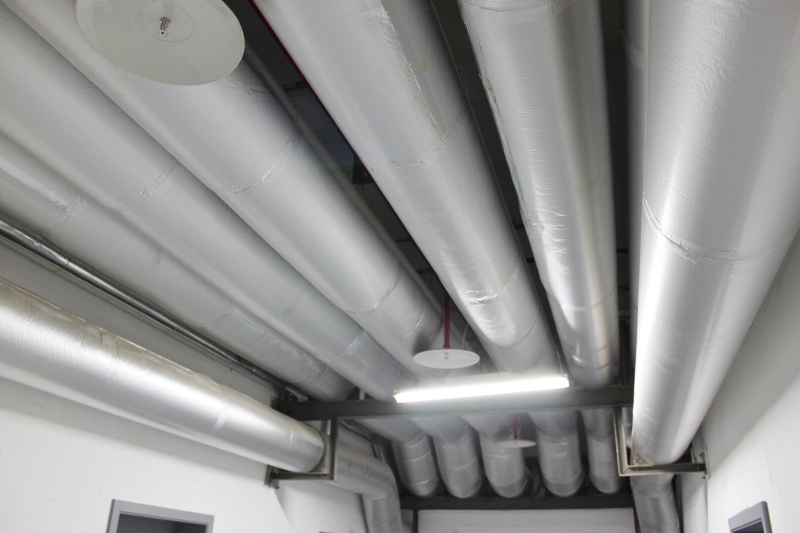
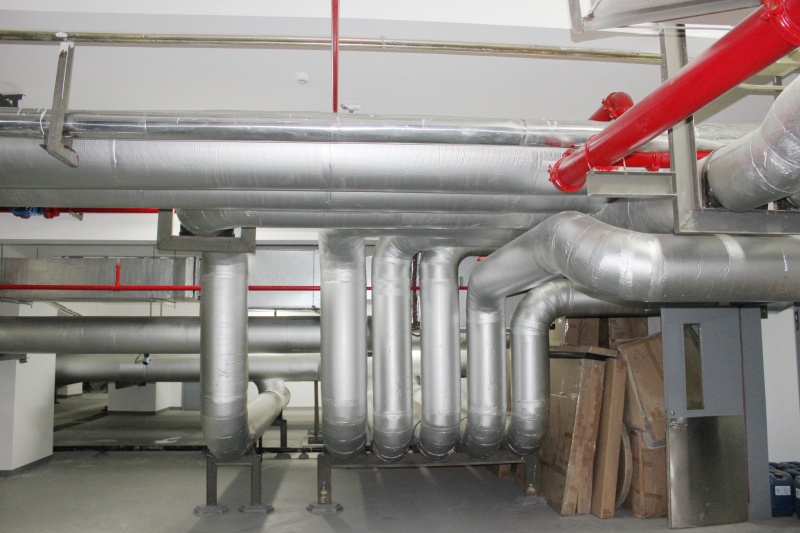
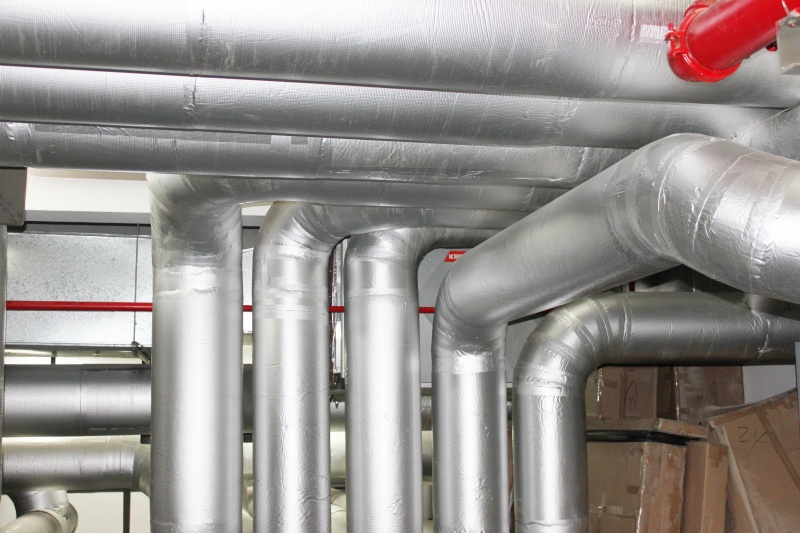
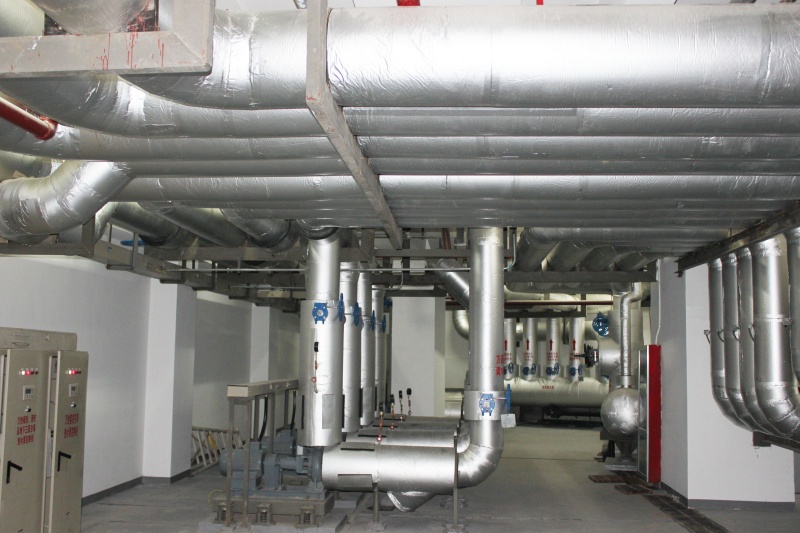
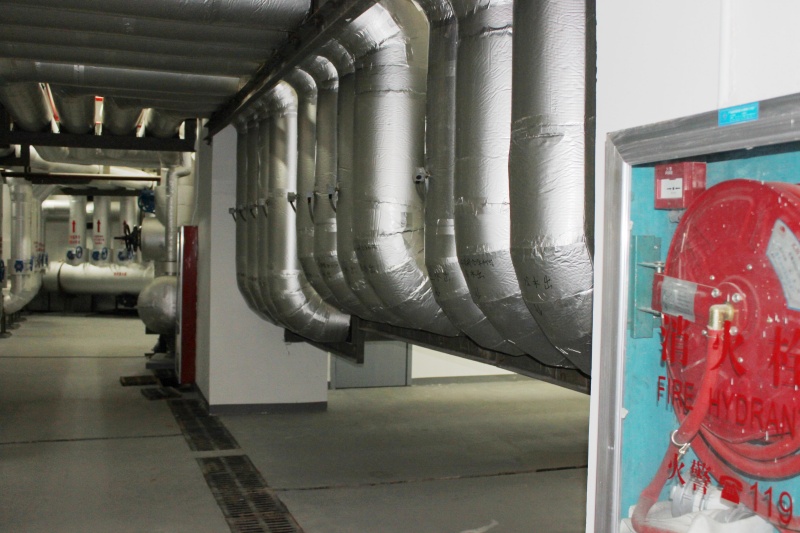
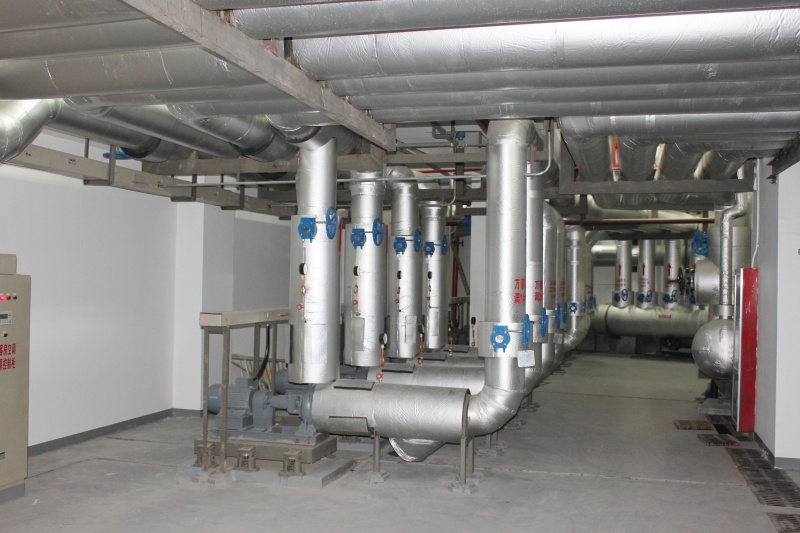
Our products are installed in commercial developments, district cooling networks, and industrial complexes worldwide.




As the construction and HVAC sectors adapt to stricter global green building initiatives, requirements like LEED v4, BREEAM, and DGNB now evaluate materials based on their lifecycle carbon footprint and Indoor Air Quality (IAQ) emissions. Typical elastomeric compounds can release volatile organic compounds (VOCs) and halogenated byproducts when exposed to high temperatures. Kingflex's engineering R&D team is addressing these trends with two key research initiatives:
Every batch of Kingflex elastomeric foam insulation features printed batch codes to ensure full traceabiity back to the raw material compound mix. Our technical division assists project engineers by providing chemical compatibility declarations, wind-load resistance calculations for outdoor line applications, and certified structural sound transmission class (STC) ratings.
Our raw materials and manufacturing lines undergo regular audits to maintain international standards compliance.







Practical answers to common technical, shipping, and customization questions from engineers and procurement managers.
A1: It is mainly used for HVAC ducts, air conditioning pipes, building thermal insulation, industrial pipeline cold insulation, and sound insulation.
A2: Yes, our rubber foam insulation products are fire retardant, meeting the safety standards of building and industrial projects.
A3: Rubber foam is flexible, closed-cell, and moisture-proof, making it ideal for HVAC systems and building insulation. Rock wool is high-temperature resistant and fireproof, making it suitable for industrial high-temperature pipelines.
A4: Yes, we support comprehensive OEM services to meet the specific requirements of various building and industrial projects.
A5: Our products have passed BS 476, CE, REACH, ROHS, UL94, ASTM, and other international certifications, ensuring compliance with global regulatory standards.
A6: Yes, all Kingflex products are batch-tracked with printed production codes for full quality assurance trace capabilities.
A7: We can produce sheet rolls in thicknesses ranging from 6mm to 50mm, depending on project design requirements.
A8: Under standard operational conditions, the typical service life ranges from 10 to 15 years.
A9: Corrosion Under Insulation (CUI) occurs when moisture becomes trapped against carbon or stainless steel pipes. Because Kingflex closed-cell rubber foam has a high water vapor resistance factor (μ ≥ 10,000) and does not absorb water, it prevents moisture from reaching the pipe surface, significantly reducing the risk of CUI.
A10: The thermal conductivity (λ) of Kingflex NBR/PVC foam is ≤ 0.034 W/m·K at a mean temperature of 0°C. As the mean temperature rises, the conductivity shifts slightly (e.g., ≤ 0.038 W/m·K at 40°C), which is typical for elastomeric insulation materials.
Complete elastomeric, cryogenic, and high-temperature thermal insulation options for global distribution.
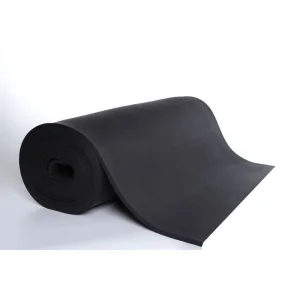
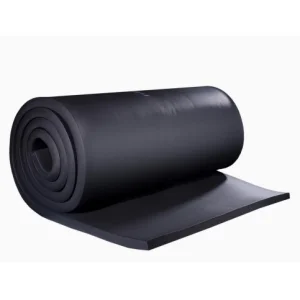
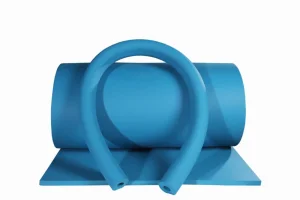
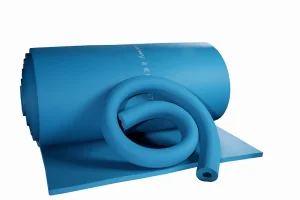
We supply a full range of thermal, acoustic, and fire protection materials to meet various project specifications:
| Product Category | Key Performance Highlights |
|---|---|
| Rubber Foam Insulation Products | Closed-cell design, moisture-proof, and flexible. Ideal for HVAC condensation control. |
| Glass Wool Insulation Products | Lightweight, fibrous structure. Excellent thermal and acoustic absorption properties. |
| Rock Wool Insulation Products | High melting point (above 1000°C), ideal for high-temperature and structural fire protection. |
In addition to our elastomeric foams, we supply high-density stone wool products for high-temperature applications:

High-density stone wool boards for structural partition walls and fire rated barriers.
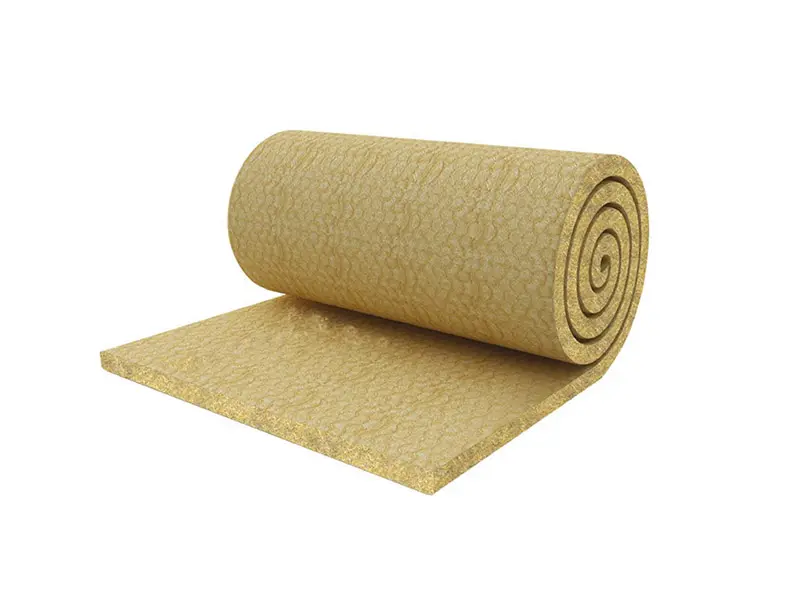
Flexible insulation blankets designed for high-temperature industrial duct wraps.
 Kingflex