Engineered for dynamic commercial and residential structures across New York City and suburbs. These direct-from-factory solutions offer superior condensation prevention and thermal performance.
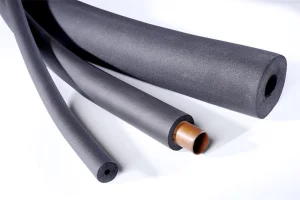
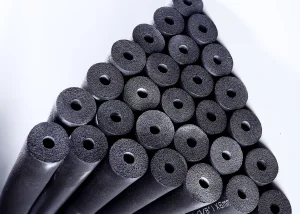
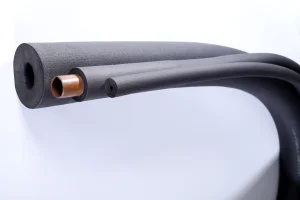
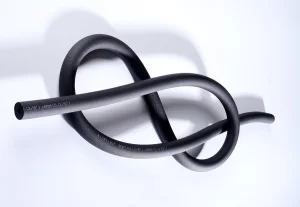
New York City presents some of the world's most demanding climatic and structural environment criteria. Under the New York Energy Conservation Construction Code (NYCECC) and municipal climate laws like Local Law 97, builders and building operators must meet strict thermal efficiency markers. Elastomeric rubber foam insulation plays a critical role in meeting these compliance goals.
From historic skyscraper pipe retrofits in Manhattan to complex district utility frameworks underneath Brooklyn, preventing pipe condensation is about more than structural safety—it is a mandatory metric to prevent toxic mold, indoor air quality degradation, and energy waste. High relative humidity in coastal New York, coupled with aging steam loops and modern VRF lines, demands high-performance closed-cell insulation materials that will not decay or absorb moisture.

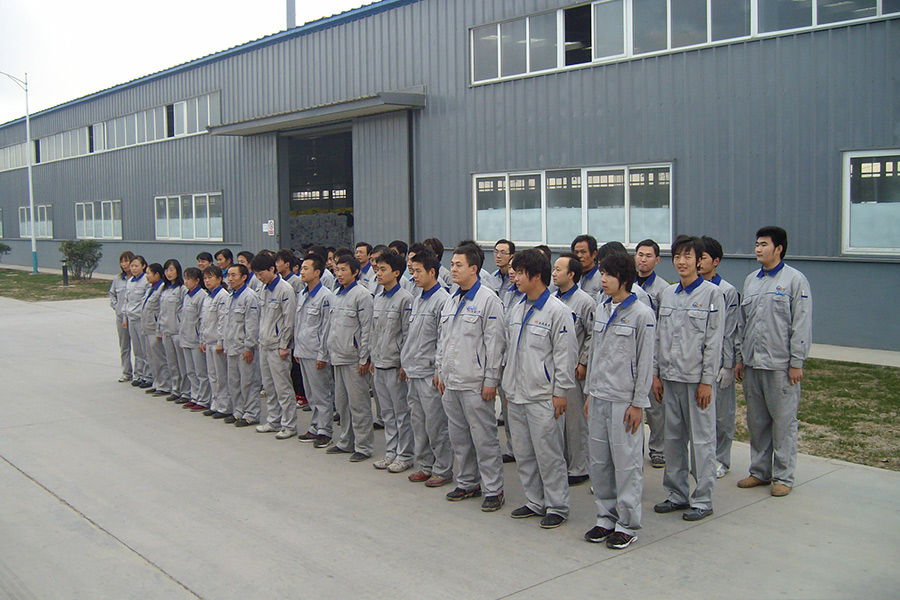
Kingflex Insulation Co., Ltd. automated processing center ensuring uniform density across rubber foam insulation sheets and tubes.
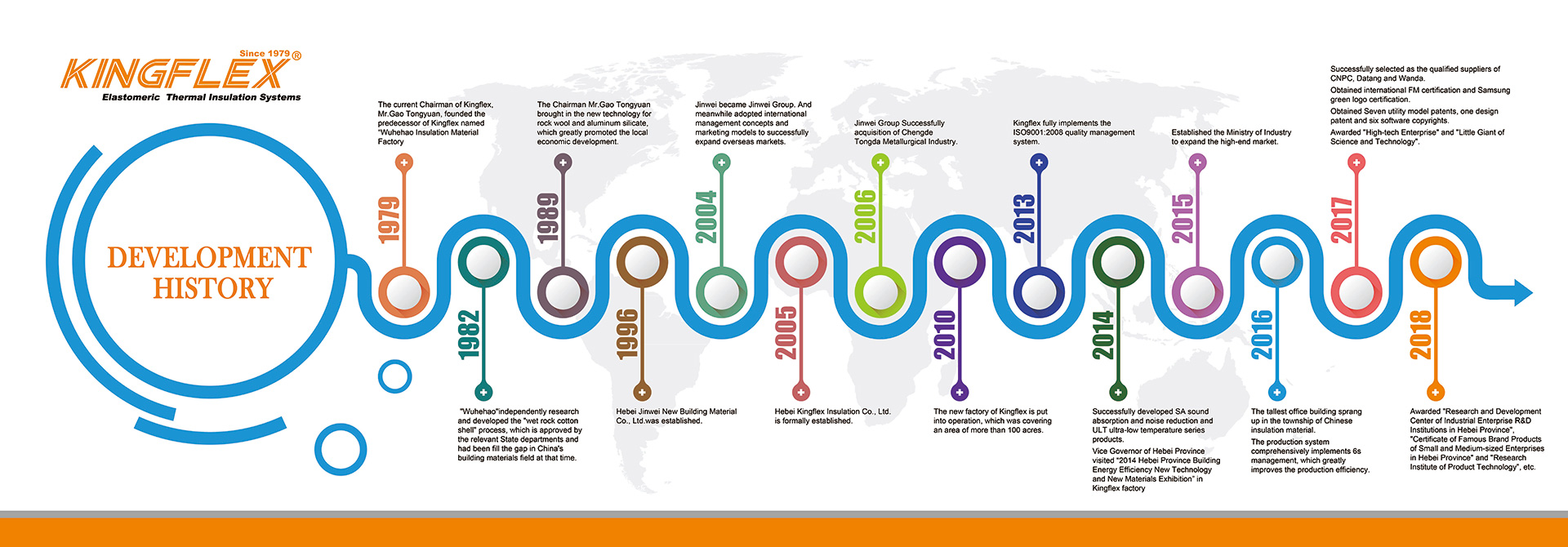
Backed by the Jinwei Group's forty-year manufacturing history, Kingflex operates advanced automatic production plants designed to provide quality materials at competitive prices to the global insulation sector.
As a manufacturing and trading combo, Kingflex has designed a reliable path from raw material preparation using Nitrile Butadiene Rubber (NBR) and Polyvinyl Chloride (PVC) to physical distribution. Our 8 specialized R&D engineers and 230 workers ensure every batch conforms to fire, toxicological, and safety standards like ASTM, UL94, and CE.
Our products feature clear batch coding and tracking codes. This traceability makes us a reliable partner for public projects, military applications, and municipal energy-saving upgrades in the New York metropolitan area.
Selecting the proper piping insulation for high-rise, commercial, or industrial HVAC installations requires looking at a range of variables. Below is a breakdown comparing closed-cell elastomeric rubber foam to other standard options used in the NYC construction sector:
| Insulation Material | Thermal Conductivity (λ at 0°C) | Moisture Vapor Permeability (μ) | Fire Classification | Installation Flexibility | Major Application Case |
|---|---|---|---|---|---|
| Kingflex Elastomeric Rubber Foam | ≤ 0.035 W/(m·K) | ≥ 10,000 (Built-in Vapor Barrier) | Class 0 / Class 1 / ASTM E84 25/50 | Highly Flexible / Self-Sealing options | Chilled HVAC piping, cleanrooms, VRF loops |
| Rock Wool (Mineral Fiber) | ~ 0.040 W/(m·K) | 1 (Permeable, requires jacket) | Non-combustible (A1) | Rigid / Semi-rigid | High-temp industrial steam, fire containment |
| Glass Fiber (Fiberglass) | ~ 0.038 W/(m·K) | 1 (Permeable, requires jacket) | Non-combustible | Semi-rigid sleeves | Domestic hot water piping, boiler rooms |
| Polyurethane Foam (PU) | ≤ 0.028 W/(m·K) | ~ 50 - 100 (Moderate barrier) | Class B2/B3 (High smoke density) | Rigid pre-insulated pipes | District heating systems, cold storage walls |
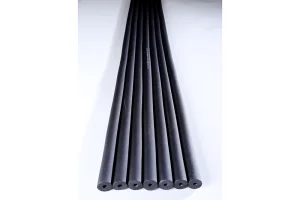
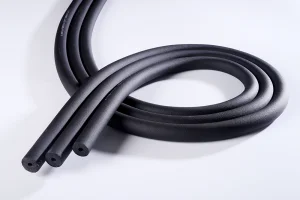
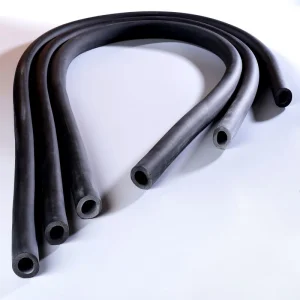
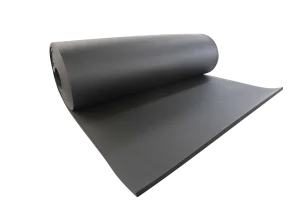
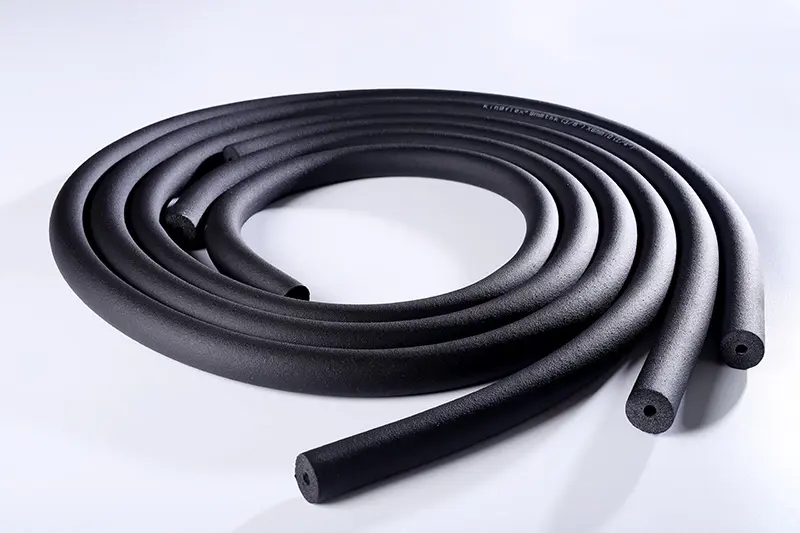
Our manufacturing lines accommodate diverse sizing needs. Below are the design blueprints for our flagship insulation rolls and pipes.
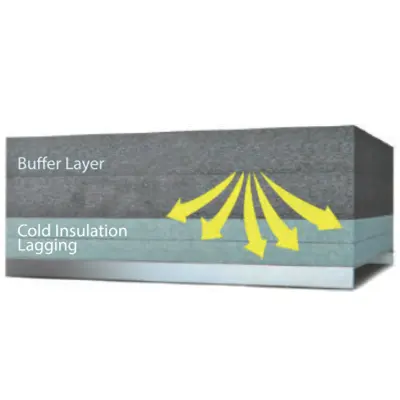
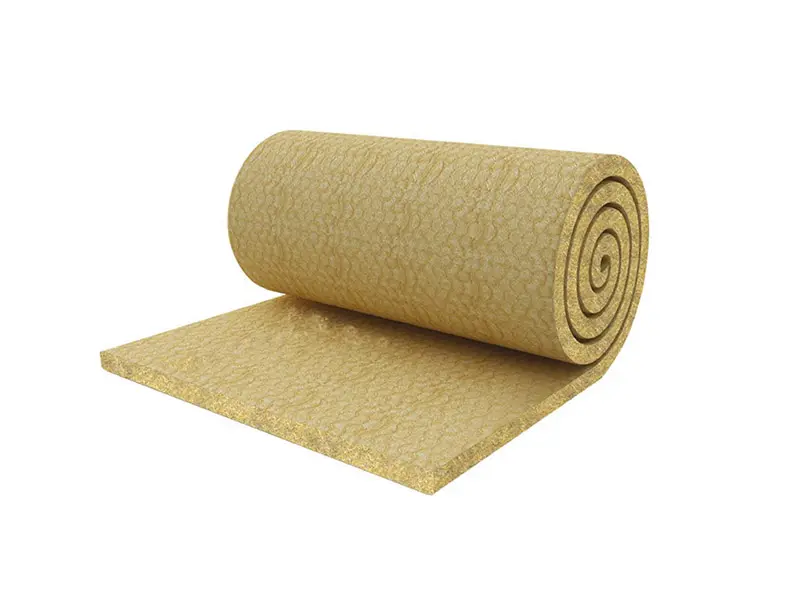
Designed for large duct networks, tanks, and wide diameter pipes. The flexible layout provides excellent protection against thermal bridge development.

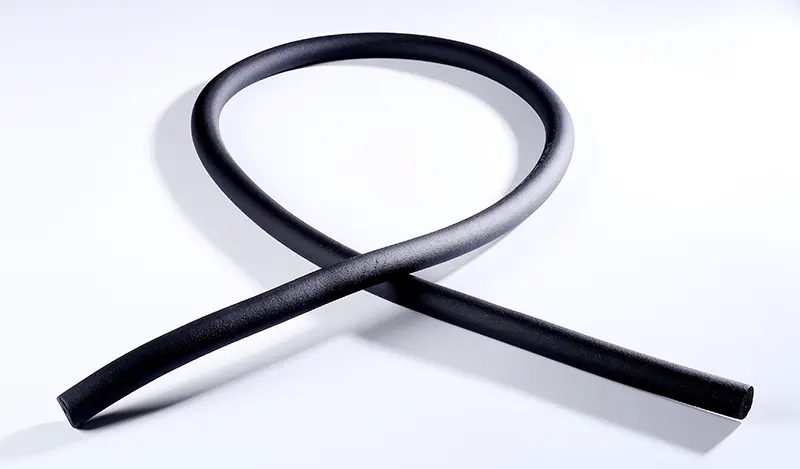
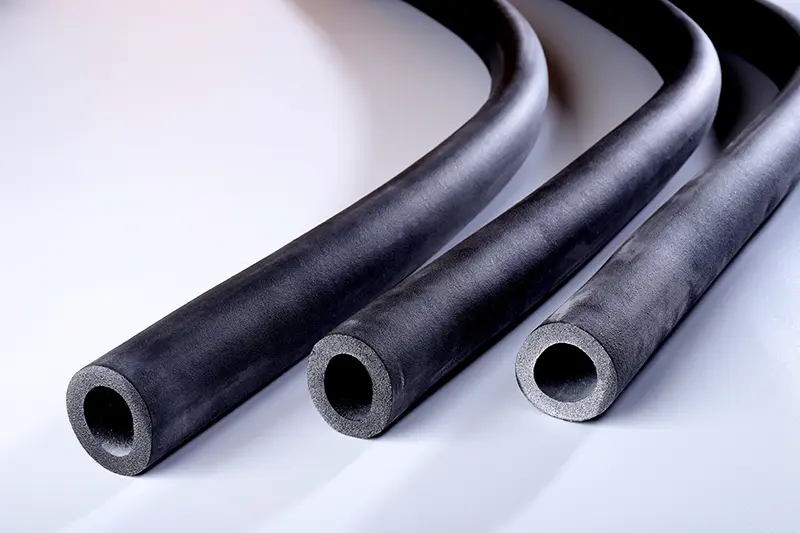
Slit or unslit designs for direct mounting on copper and steel pipes. Ideal for condensation prevention on chilled water systems.
Explore our comprehensive catalogue of elastomeric solutions. We ship direct from our factory to New York ports and project sites, matching custom dimensions and project schedules.
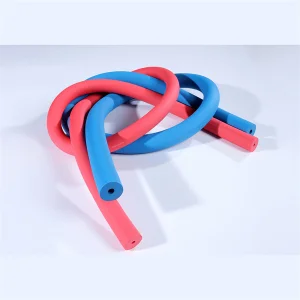
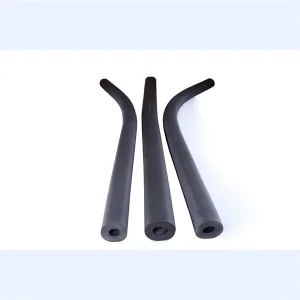
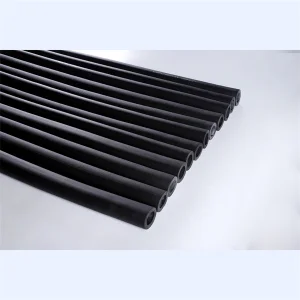
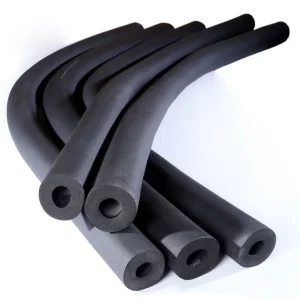
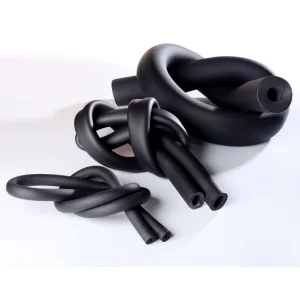
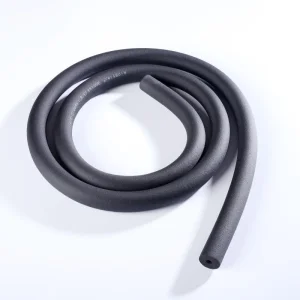
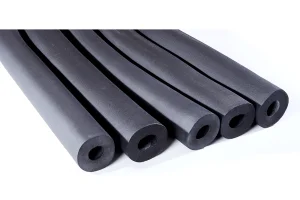
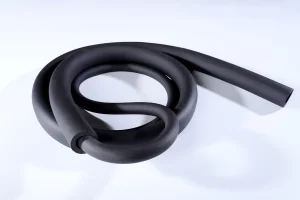
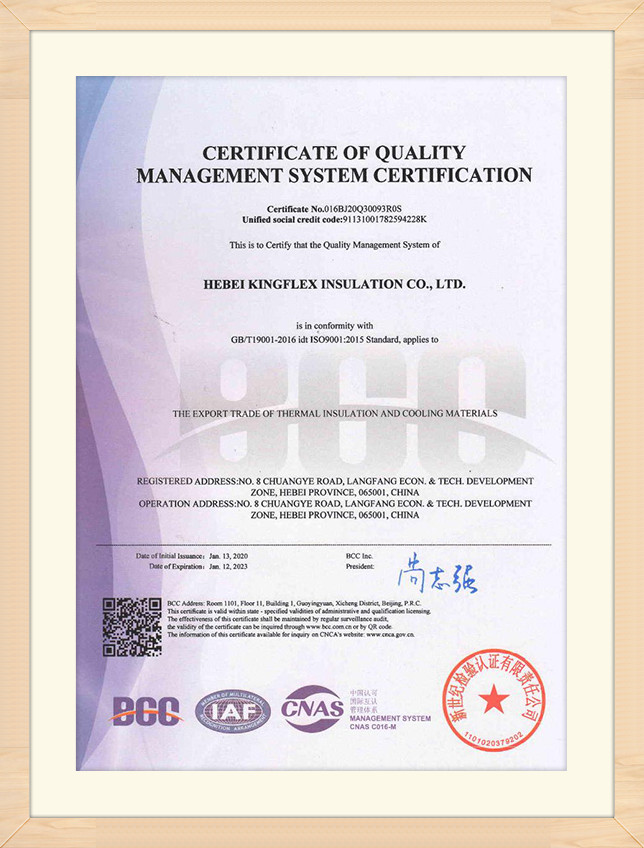
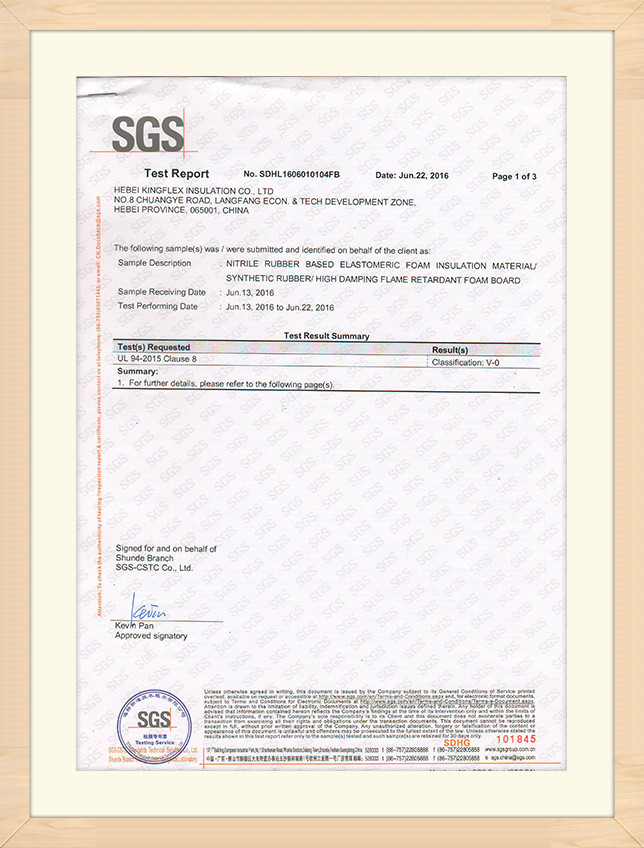
To operate in highly regulated environments like New York, our materials undergo routine fire safety, thermal coefficient, and chemical composition analysis. Our products are tested against international standards including BS 476, CE, REACH, RoHS, UL94, and ASTM.
This ensures our insulation is suitable for green building initiatives, zero-VOC building designs, and projects requiring high fire-safety parameters. Our ongoing testing program delivers uniform product quality from our DACheng production lines directly to your job site.


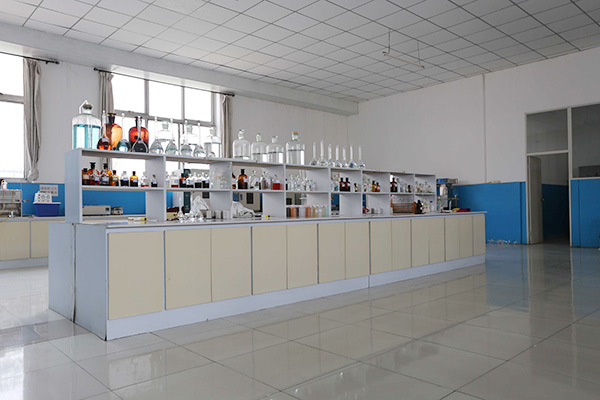
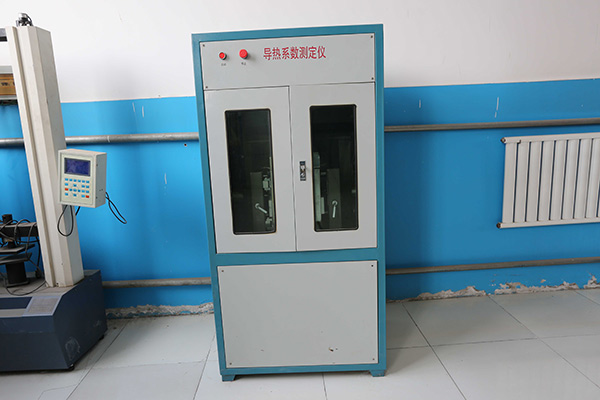
Our 8 research and development engineers run ongoing simulations on water vapor absorption, thermal conductivity fluctuations, and long-term aging under high humidity. This enables us to design specialized solutions like cryogenic and low-smoke insulation grades.

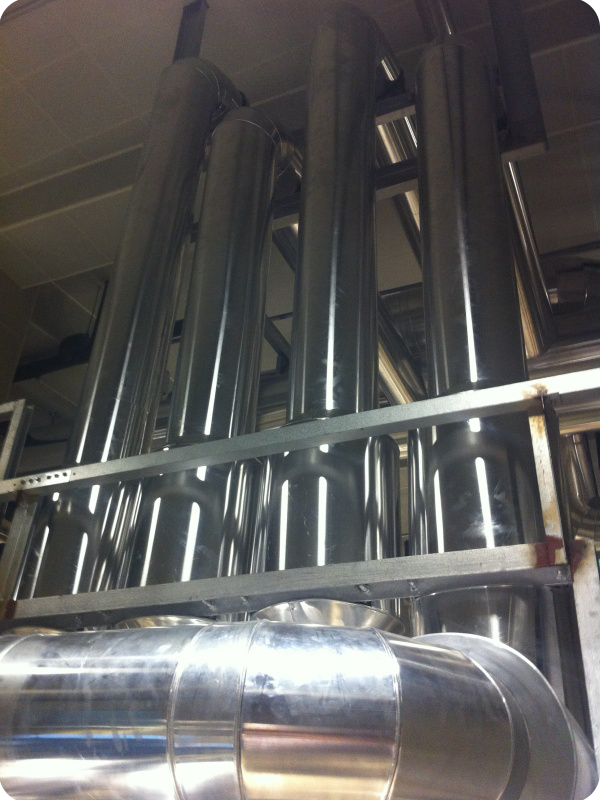
Our high-performance rubber foam insulation serves across diverse commercial, residential, and industrial projects in the New York market.
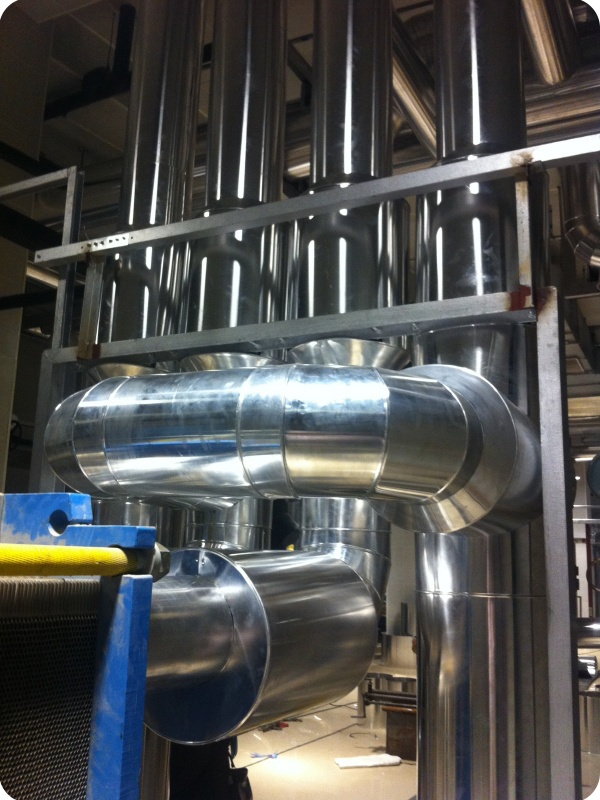
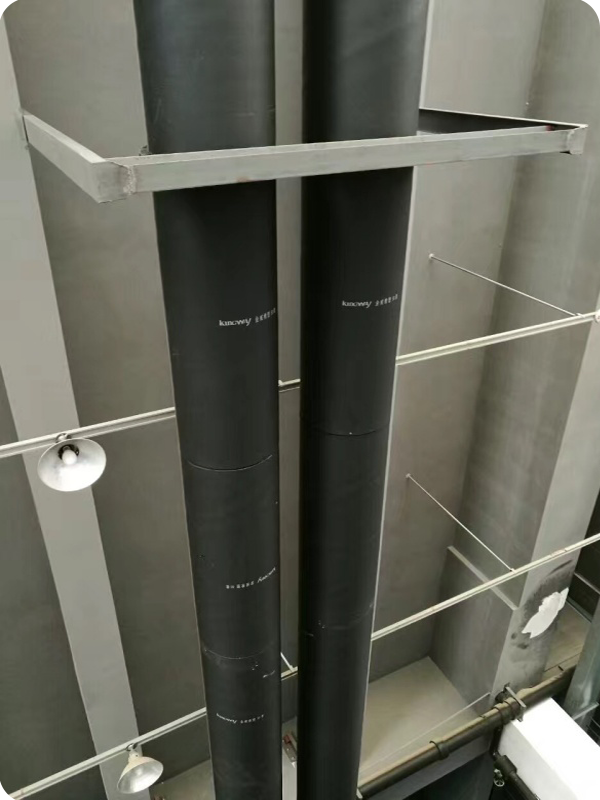
High-density elastomeric insulation tubes installed on central chilled water loops to prevent condensation and energy losses.
Over the past 16 years, we have built relationships with distributors, mechanical contractors, and industrial developers worldwide. Our commitment to responsive communication and quality control makes us a trusted supply partner.
From matching custom dimensions to facilitating container shipments with dynamic tracking documentation, our sales team ensures a reliable procurement process.


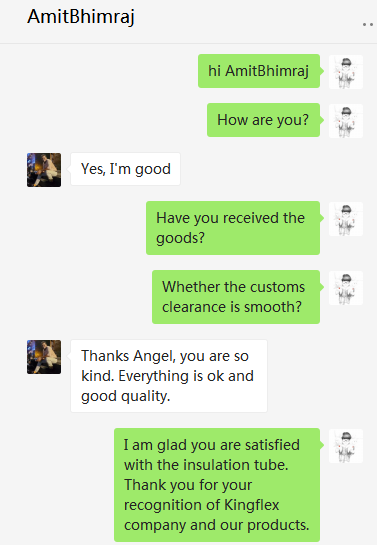
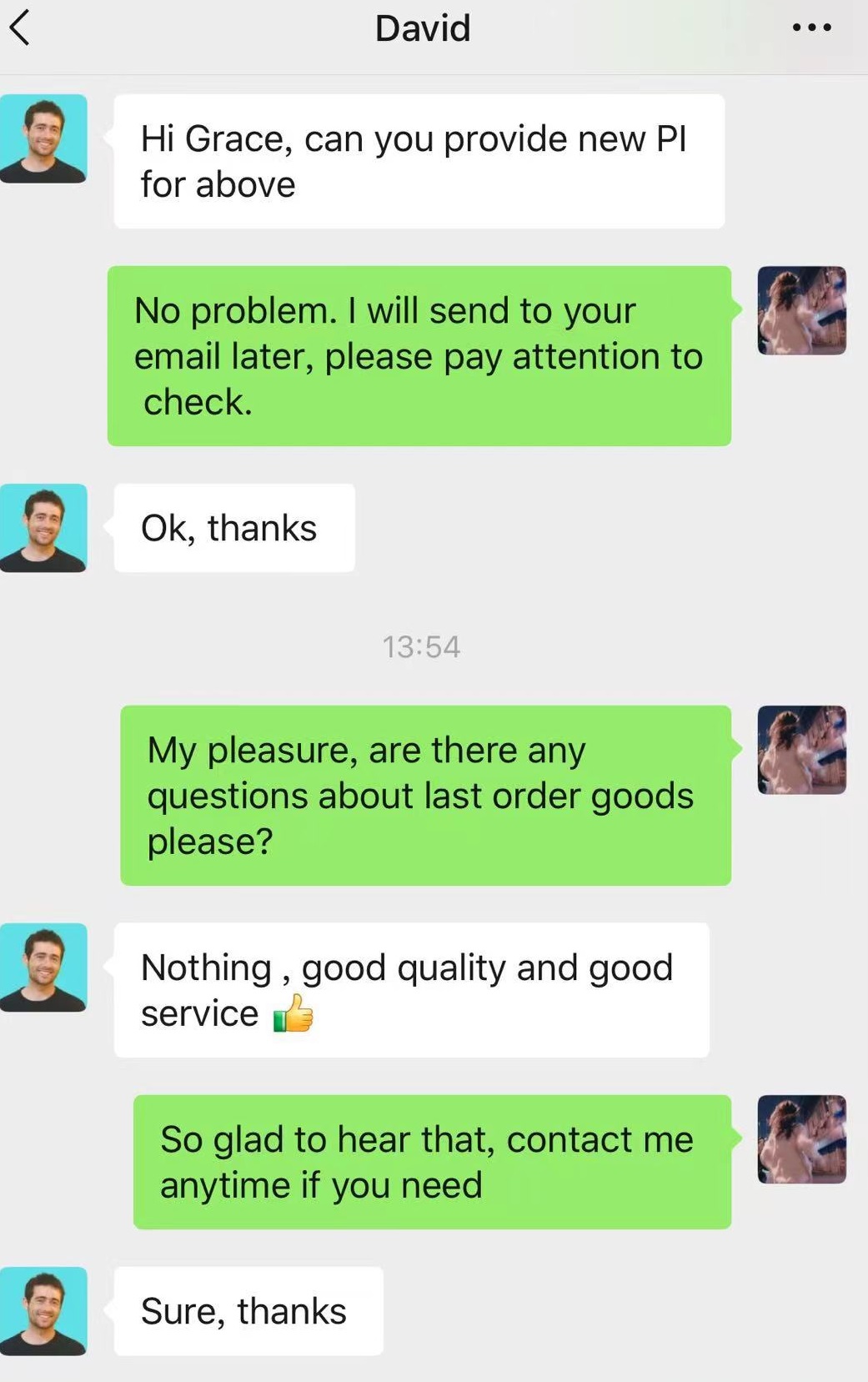
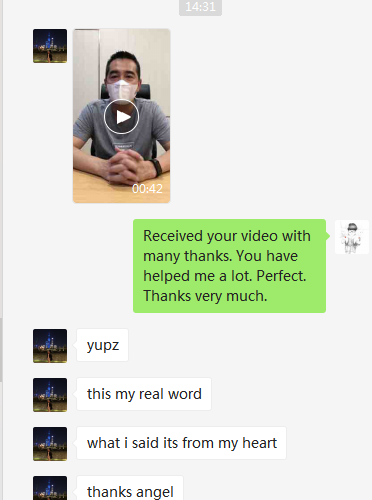
Real-time shipment updates, packaging confirmations, and quality verification documents shared directly with our international partners.
The thermal insulation sector is evolving to meet higher environmental standards and changing building requirements. Here is how Kingflex is planning for future industry needs:
We are researching bio-based raw materials to replace petroleum-derived components in NBR/PVC blends. This aims to reduce the carbon footprint of our manufacturing process while maintaining fire resistance and structural flexibility.
By infusing silica aerogel particles into our closed-cell rubber foam matrix, we aim to lower thermal conductivity to below 0.026 W/(m·K), enabling thinner insulation designs in tight spaces.
We are exploring the integration of thin humidity sensors within pipe insulation wraps during production, allowing building management systems to monitor condensation risk in real time.
We continue to refine our halogen-free product options to minimize smoke toxicity during fire emergencies, helping systems comply with modern building safety codes.
Explore our complete range of elastomeric solutions. We manufacture specialized designs, including cryogenic sheets and high-resistance pipes, to meet diverse project needs.





Find answers to common questions about properties, installations, and ordering procedures for Kingflex products.
Elastomeric rubber foam insulation is primarily used for HVAC duct wrap, air conditioning piping networks, building thermal insulation systems, industrial process pipeline cold insulation, and acoustic absorption. Its closed-cell structure is designed to prevent condensation on chilled water lines.
Yes. Our rubber foam insulation materials meet fire safety standards, achieving British Standard BS 476 (Class 0 and Class 1) and ASTM E84 (25/50 flame spread/smoke developed index ratings), making them suitable for commercial structures.
Rubber foam is a flexible, closed-cell material that offers high moisture resistance, making it suitable for cold pipelines and HVAC systems without requiring an external vapor jacket. Rock wool is a fibrous, open structure designed for high-temperature industrial steam lines, focusing on fireproofing and acoustic dampening.
Yes. We support custom sizing, including specific inner diameters (ID), wall thicknesses, colors, and adhesive backing configurations, to meet local building or mechanical specifications.
Our products have passed BS 476, CE, REACH, RoHS, UL94, and ASTM testing, helping mechanical systems comply with international building and safety standards.
Yes. Every batch is cataloged with trace codes to monitor physical consistency, density variations, and quality performance from raw material processing to final delivery.
We manufacture rubber foam insulation sheets in thicknesses ranging from 6mm to 50mm, available in various roll widths to match diverse industrial wrapping projects.
Under standard operating conditions within our recommended temperature range (-40℃ to +105℃) and with proper installation, our rubber foam products provide an operational service life of 10 to 15 years.
Because our elastomeric foam has a closed-cell rate of over 98%, it prevents water vapor from migrating to the pipe surface. This stops moisture accumulation on the metal pipe, minimizing the risk of corrosion under insulation (CUI).
Whether retrofitting a commercial facility in Manhattan or specifying materials for new construction, our team can help. Contact us to request product samples, laboratory test documents, or a customized factory quote.
 Kingflex