Engineered specifically to comply with Swiss Minergie standards and extreme alpine climates.
Achieving climate neutrality, high thermal efficiency, and adherence to rigorous local standards in Switzerland.
In Switzerland, the building and industrial sectors are undergoing a significant transformation driven by the Swiss Federal Council's "Energy Strategy 2050". To meet the ambitious climate neutrality goals, building systems require exceptionally high levels of energy efficiency. Thermal insulation for HVAC, refrigeration, and process piping plays an irreplaceable role in this development. A primary target is the reduction of thermal losses in HVAC systems, which accounts for substantial domestic energy consumption.
Swiss engineers operate under the strict guidelines of the SIA (Swiss Society of Engineers and Architects), specifically standards like SIA 380/1 (Thermal energy in buildings) and SIA 382/1 (Ventilation and air conditioning systems). These guidelines mandate that all distribution systems—whether carrying hot water, chilled water, or refrigerants—must be insulated with materials exhibiting precise, certified thermal properties. Low thermal conductivity and high resistance to water vapor transmission are non-negotiable parameters for installations in public, commercial, and residential projects throughout Zurich, Geneva, Basel, and Bern.
Beyond standard commercial buildings, Switzerland’s high-tech industrial segments place extreme demands on insulation. The Basel pharmaceutical cluster, globally renowned for biotech and drug development, operates cleanrooms with zero-tolerance policies for airborne fiber shedding. Unlike traditional glass or rock wool, high-performance elastomeric rubber foam insulation is entirely dust- and fiber-free, making it the preferred specification for cleanroom mechanical systems. Additionally, the growing network of district heating and cooling (Fernwärme/Fernkälte) systems in Swiss municipalities requires durable, weather-resistant, and high-density elastomeric sleeves to maintain fluid temperatures over extensive underground piping networks.
An in-depth thermodynamic analysis of NBR/PVC closed-cell technology.
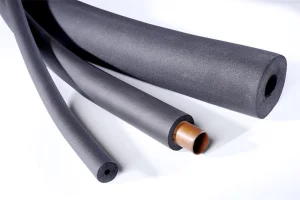
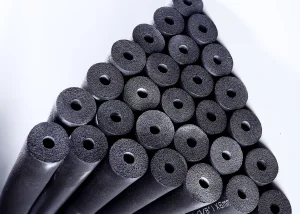
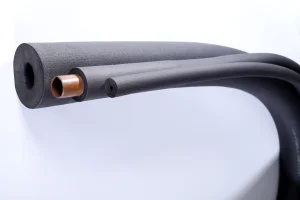
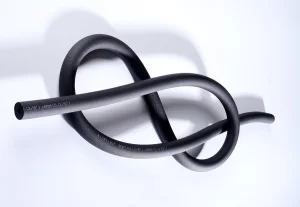
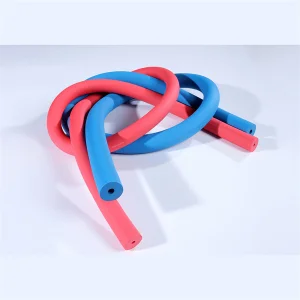
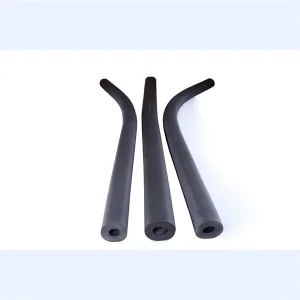
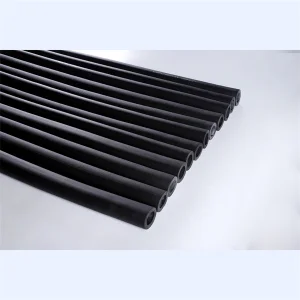
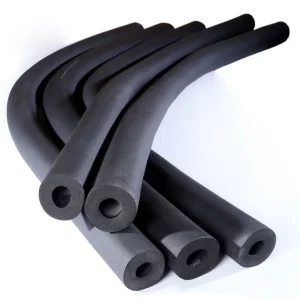
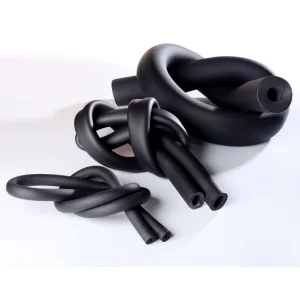
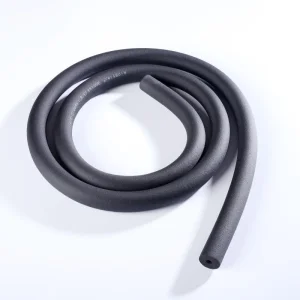
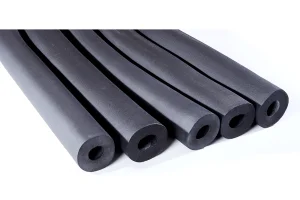
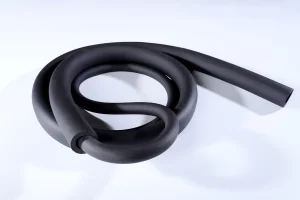
Rubber foam insulation tubes, formulated using synthetic Nitrile-Butadiene Rubber (NBR) and Polyvinyl Chloride (PVC), represent the pinnacle of closed-cell technology. The manufacturing process involves continuous extrusion and vulcanization, creating a micro-cellular matrix where over 98% of the cells remain fully closed and filled with dry, trapped air. This structural matrix directly limits heat transfer through all three primary thermal mechanisms: solid conduction, gas convection, and radiation.
Here is a detailed thermodynamic comparison between modern elastomeric rubber foam and traditional mineral wool insulation:
| Physical Parameter | Elastomeric NBR/PVC Foam (Kingflex Standard) | Traditional Mineral/Rock Wool | Engineering Implications |
|---|---|---|---|
| Thermal Conductivity (λ) | ≤ 0.034 W/(m·K) at 0°C | ≥ 0.040 W/(m·K) at 0°C | Elastomeric foam requires thinner profiles to achieve equivalent thermal resistance, saving space. |
| Water Vapor Resistance (μ) | ≥ 10,000 (Built-in vapor barrier) | ≈ 1 (Highly permeable) | Elastomeric foam prevents moisture ingress and interstitial condensation without external cladding. |
| Fiber Shedding | Zero (Fiber-free, cleanroom compliant) | High (Prone to particulate release) | NBR/PVC is highly suited for Swiss pharmaceutical and medical cleanroom environments. |
| Operating Temperature Range | -40°C to +105°C | Up to +650°C | Rock wool is superior for high-temp steam pipes, while rubber foam is optimal for HVAC and refrigeration. |
| Fire Classification (EN 13501-1) | Class B-s3, d0 (Flame retardant, zero droplets) | Class A1 (Non-combustible) | Kingflex NBR/PVC complies with standard Swiss fire safety regulations for building services (RF2/RF3). |
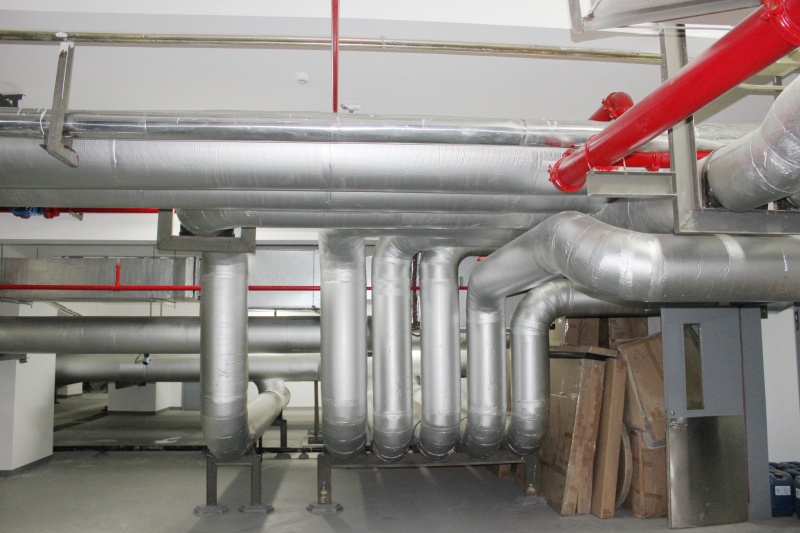
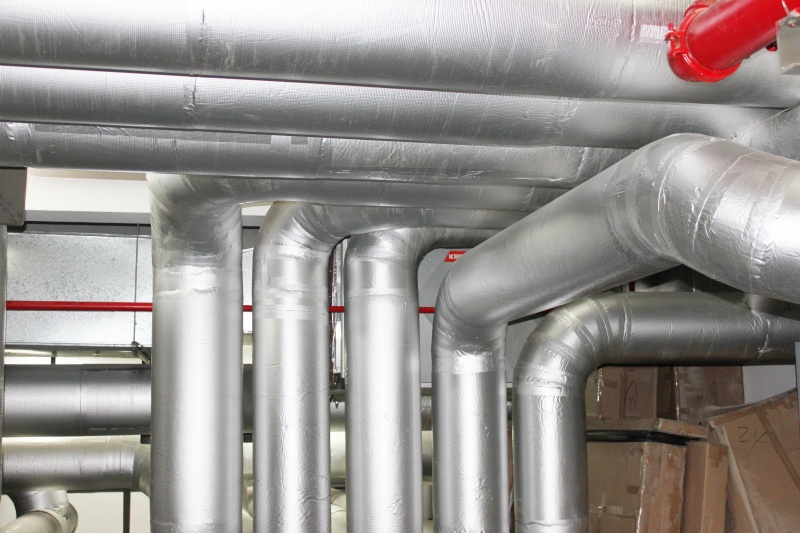
In humid operating environments, such as cold-water pipelines running through Swiss HVAC shafts, traditional open-cell materials like rock wool rapidly absorb moisture from ambient air. For every 1% by volume of moisture absorbed, the thermal conductivity of mineral wool can increase by up to 85%. Kingflex closed-cell rubber foam, conversely, retains its low thermal conductivity over its entire service life (10-15 years) due to its high water vapor resistance factor (μ ≥ 10,000), eliminating the risk of structural corrosion under insulation (CUI).
How Kingflex leverages intelligent manufacturing, massive scale, and international logistics pipelines to guarantee Swiss market delivery.
For Swiss procurement managers and HVAC contractors, supply chain reliability is just as critical as product performance. Kingflex Insulation Co., Ltd. operates under the Jinwei Group, established in 1979 as the pioneer of thermal insulation northern of the Yangtze River. Utilizing automated smart factory lines, Kingflex achieves production capabilities that meet demanding European quality and lead-time constraints.
Our production department features 5 large-scale, fully automated continuous vulcanization assembly lines. Controlled by advanced MES (Manufacturing Execution Systems), these lines maintain strict control over mixing ratios, extrusion pressure, and multi-stage heating profiles. This ensures that every batch of NBR/PVC foam achieves uniform cell density (40-55 kg/m³), optimal cross-linking density, and precise wall thicknesses. The automated system actively monitors and flags deviations, keeping quality consistent and minimizing scrap rates.
With an annual capacity exceeding 600,000 cubic meters, Kingflex handles large-scale project inquiries with shorter lead times than localized European operations. To address logistics constraints, Kingflex works with global shipping partners to offer flexible, fast container routes from Chinese manufacturing hubs to major European gateways (Rotterdam, Hamburg, Genoa). From these ports, goods are routed via rail or freight directly to central warehouses in Switzerland, including Zurich, Basel, and Geneva. Custom packaging options, including vacuum-compressed packaging for sheets and reinforced outer cartons for tubes, ensure products arrive undamaged and ready for field installation.
Tailoring high-performance elastomeric insulation to the specific technical requirements of Switzerland's geography and infrastructure.

Pharmaceutical and biotechnology facilities in Basel require strict particulate management. Kingflex fiber-free NBR/PVC insulation prevents airborne shedding, supporting compliance with cleanroom standards and GMP guidelines while insulating chilled water and process piping.
Switzerland’s deep lake water cooling systems require high water vapor resistance (μ ≥ 10,000) to prevent condensation on primary cold-water pipes. Kingflex elastomeric tubes offer reliable condensation control, helping prevent mold growth and piping corrosion.
For ski resorts, hotels, and cableway facilities in Zermatt, St. Moritz, and Davos, outdoor utilities must withstand sub-zero conditions. Kingflex NBR/PVC insulation remains flexible down to -40°C, offering reliable thermal protection without cracking.
Select from our range of standard and specialized elastomeric insulation solutions, fully traceable and internationally certified.
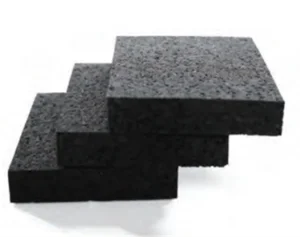
High-performance sheet rolls and auxiliary insulation components designed for demanding industrial applications.
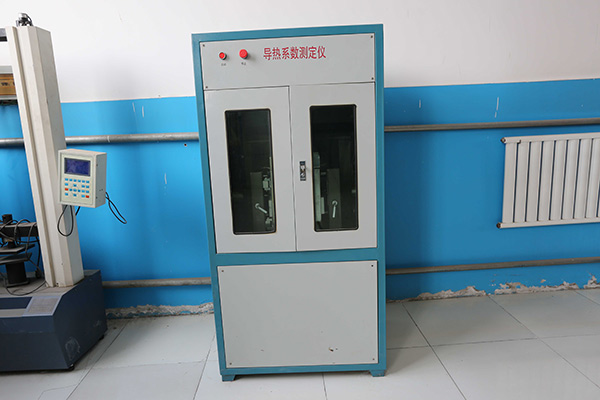
In engineering specifications, verification of material performance is critical. Kingflex provides technical documentation to verify that our thermal insulation products meet international standards. Each batch of NBR/PVC insulation goes through regular testing, including thermal conductivity verification via guarded hot plate methods, aging tests, and fire-behavior classifications.
Our product certifications include:
Each shipment of Kingflex insulation tubes includes batch codes for raw material and production line traceability. This allows engineers and building owners in Switzerland to trace mechanical insulation compliance for key projects.
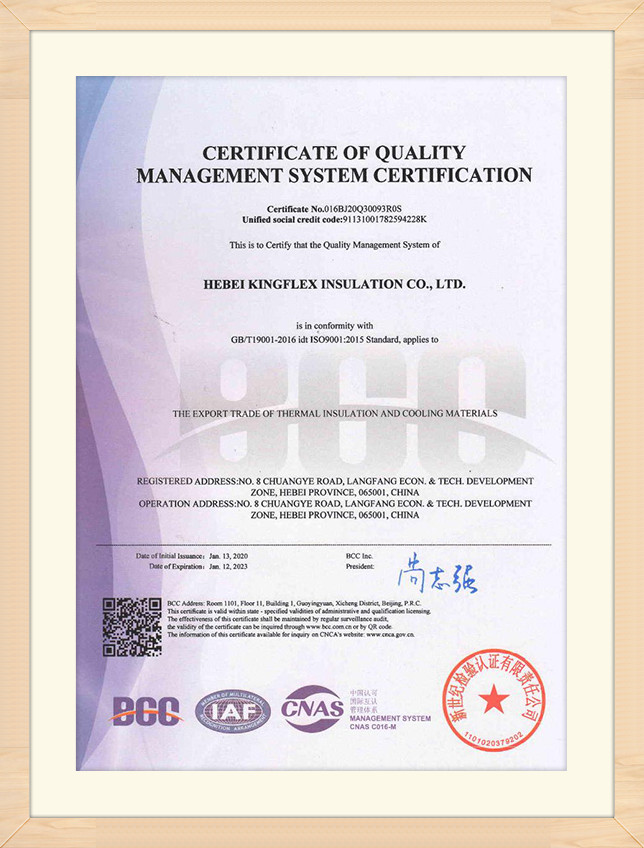
Quality Management Certification

ASTM & EN Standard Testing

REACH & RoHS Compliance
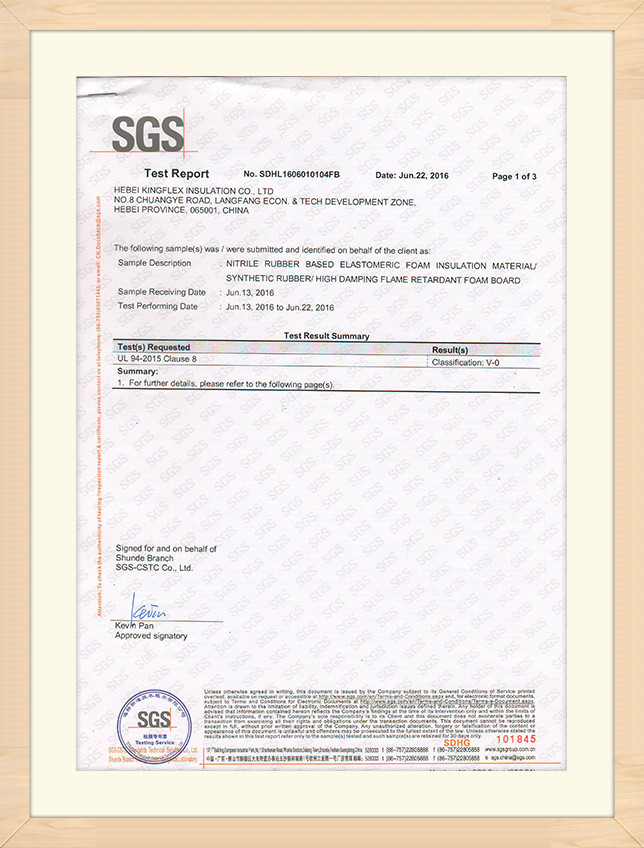
Factory Audit Compliance
Standard measurements and material properties for Kingflex elastomeric sheets and tubes.

Material: NBR/PVC
Thickness: 6mm-50mm
Density: 40-55kg/m³
Service Temperature Range: -40℃ to 105℃
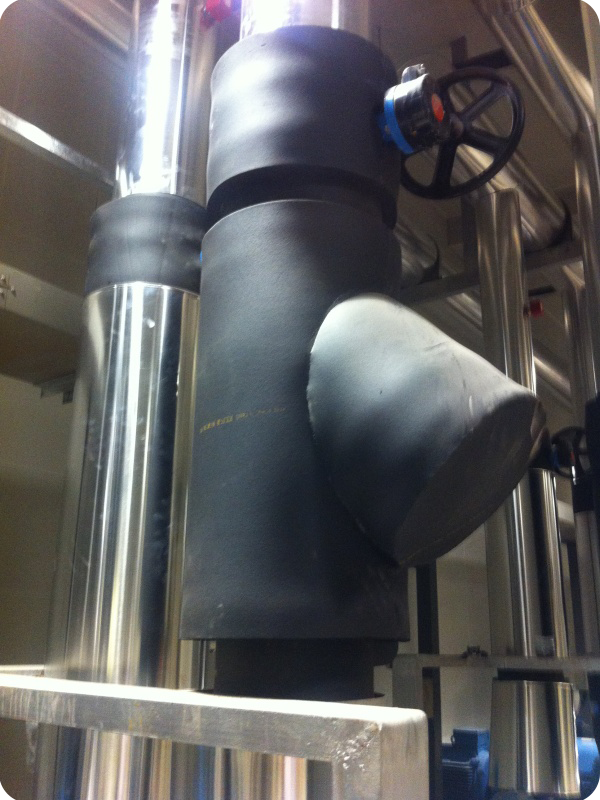
Material: NBR/PVC
Thickness: 9mm-40mm
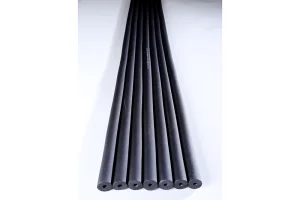
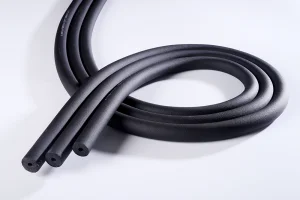
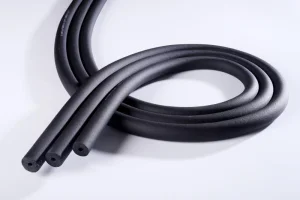
ID (Internal Diameter): 6mm-114mm
Density: 40-55kg/m³
Service Temperature Range: -40℃ to 105℃
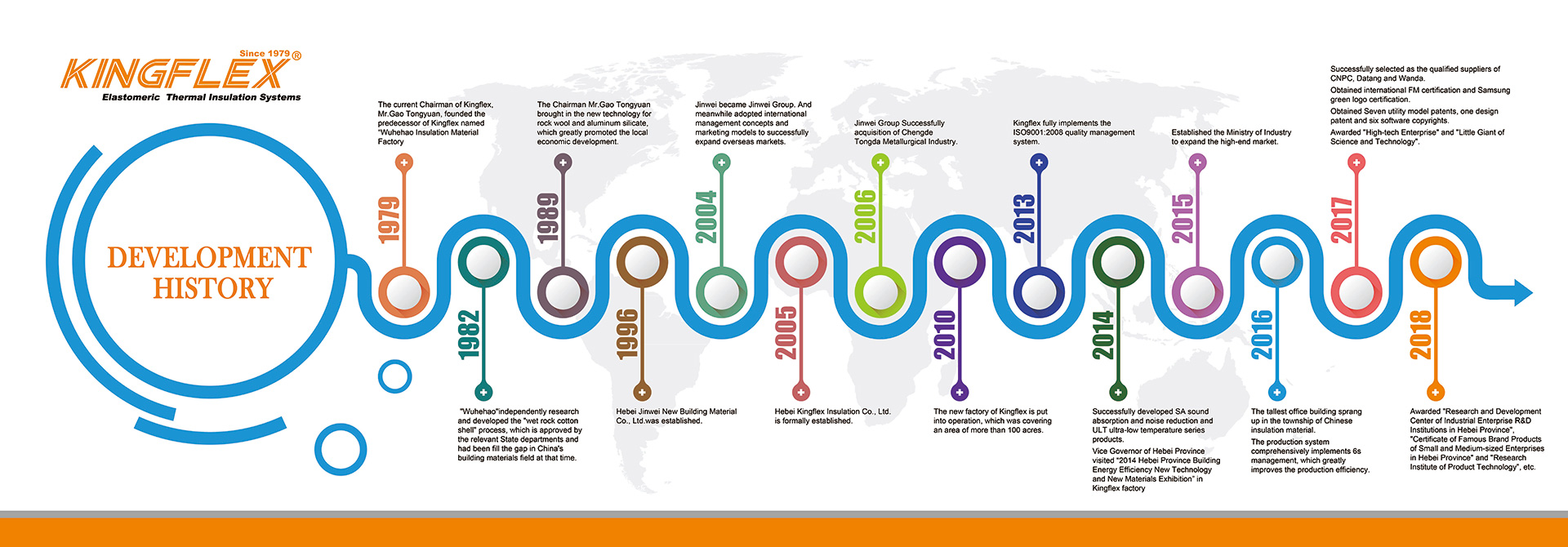
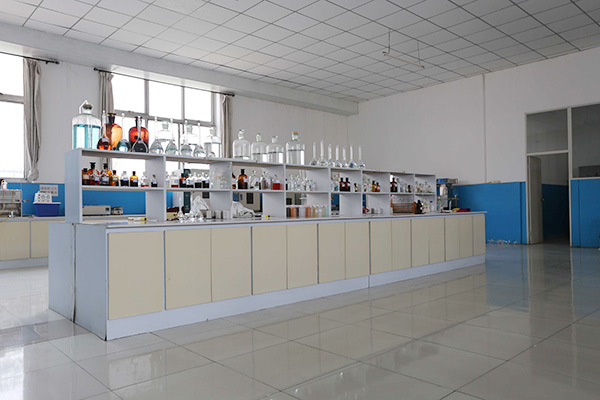
Kingflex Insulation Co., Ltd. is a professional manufacturing and trading combo for thermal insulation products. Kingflex research development and production department is located in the capital of green-building materials in Dacheng, China. It is an energy-saving environmental friendly enterprise concentrating on research, development, production, and sales.
In operation, Kingflex takes energy saving and consumption reduction as its core concept. We provide mechanical insulation solutions by means of consultation, research and development, production, installation guidance, and post-sale service to support building and industrial systems globally.
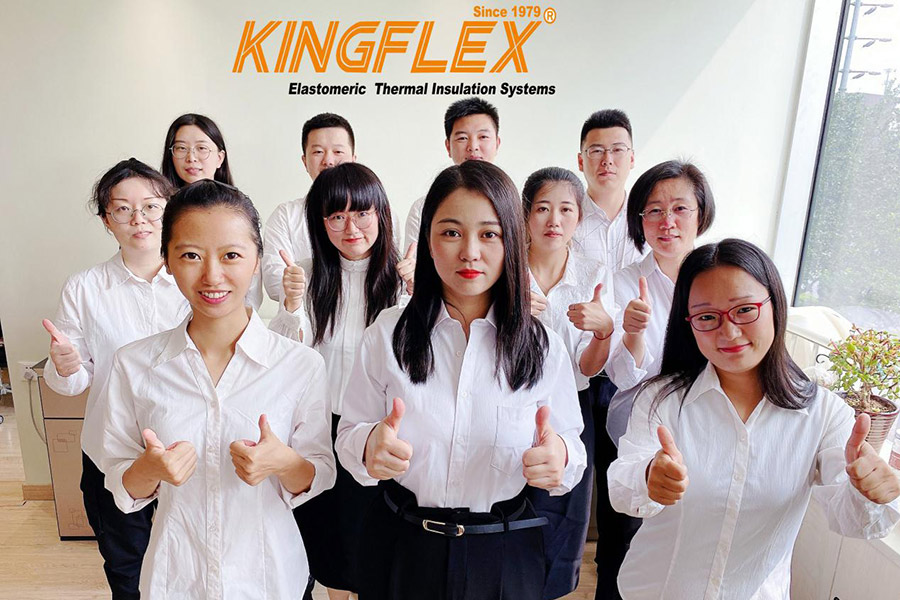
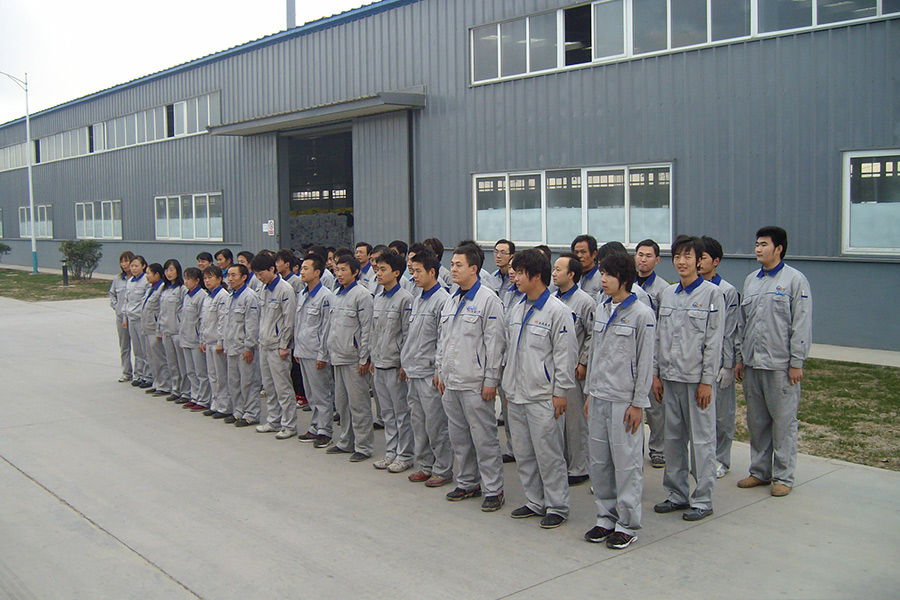
Established by the Jinwei Group, which has more than 40 years of history, our parent company was founded in 1979 as the first manufacturer of thermal insulation materials north of the Yangtze River. Today, our team is a tight-knit, talented group with a shared vision of providing reliable service for our clients. Kingflex has 8 professional engineers in our R&D Department, 6 professional international sales specialists, and 230 workers in our production department.

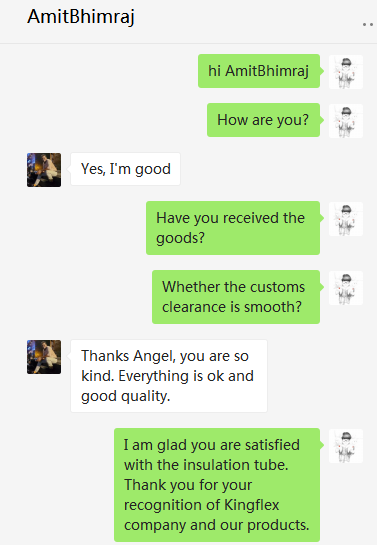
Feedback and logistics coordinates from our international projects.

Global Logistics Coordinates

Client Order Confirmation
Technical Support Log

Delivery Verification
Technical and logistics questions answered by our engineering team.
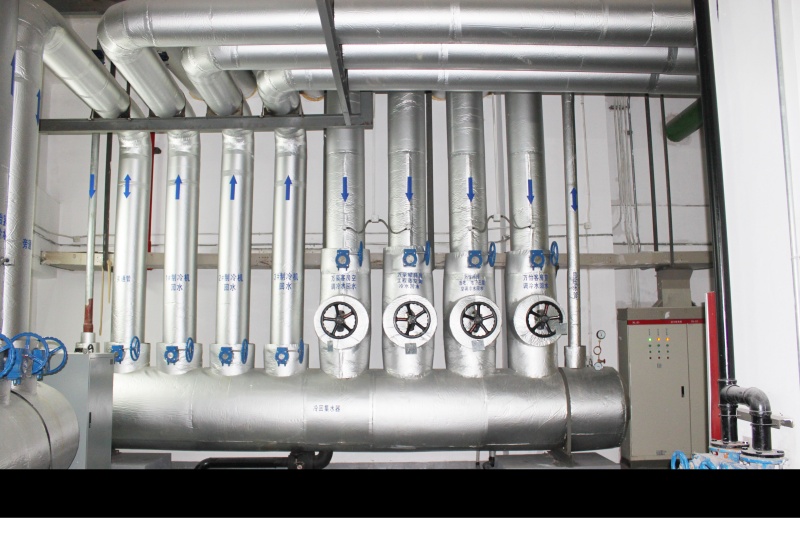
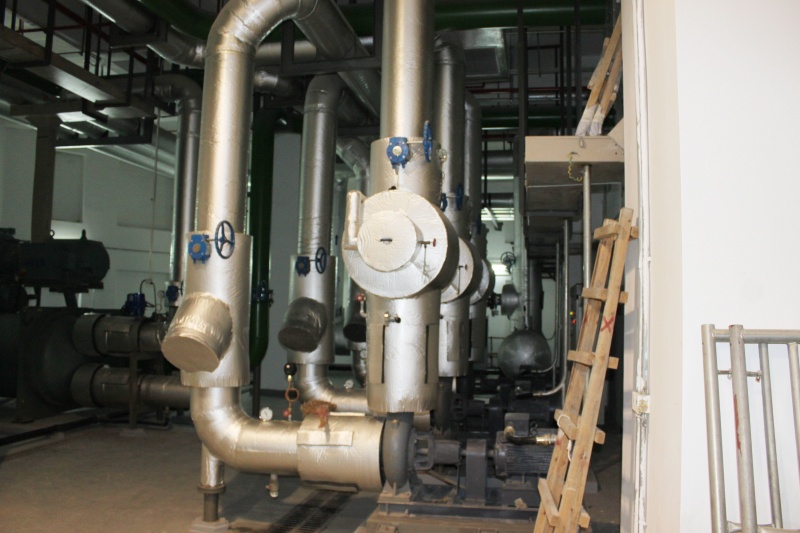
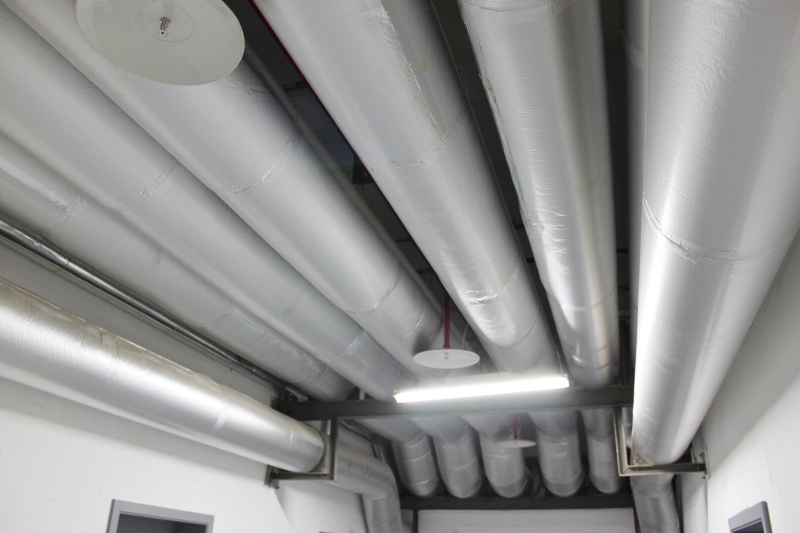
Kingflex systems installed across residential, commercial, and industrial facilities globally.



Speak with a Kingflex technical engineer today. We provide full support, technical submittals, and samples for projects in Switzerland and Europe.
 Kingflex