Engineered for thermal performance, moisture barrier control, and comprehensive acoustic mitigation.
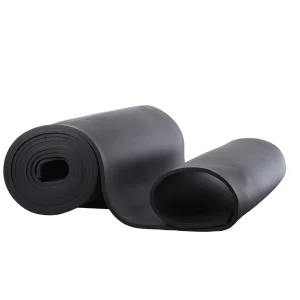
High density elastomeric sheets configured for sheet metal and rectangular HVAC duct wrapping.
Get Quote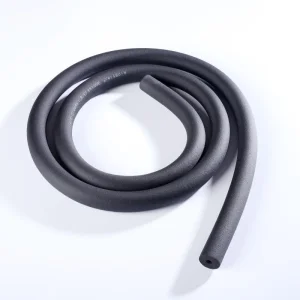
Complete spectrum of closed-cell rubber foam tubes and sheets with superior K-value metrics.
Get Quote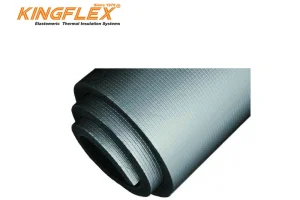
Laminated with protective aluminum foil shielding against UV radiation and physical abrasion.
Get Quote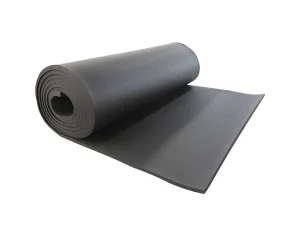
Roll format insulation engineered for rapid site installation on large-diameter pipes.
Get Quote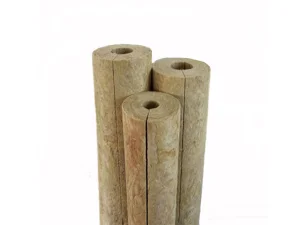
High-temperature resistant mineral fiber pipes designed for steam & process pipelines.
Get Quote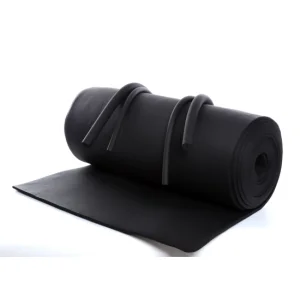
Elastomeric hollow profiles optimized for HVAC condensation prevention.
Get Quote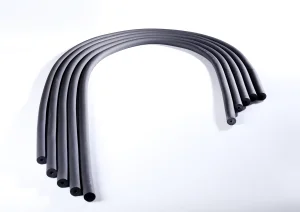
Engineered elastomeric tubes designed to withstand environmental weathering and thermal loss.
Get Quote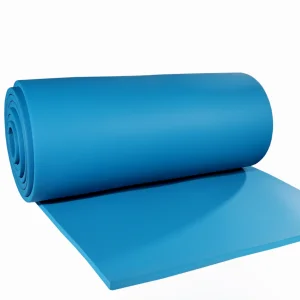
Specialty low-temperature elastomeric foam tailored for LNG and liquid chemical conduits.
Get QuoteEnergy conservation mandates and stringent carbon emissions frameworks like ASHRAE 90.1, EN 14304, and local building regulations have placed advanced thermal insulation systems at the heart of architectural design.
In modern structural design, the HVAC system represents between 40% and 60% of total energy consumption. Without appropriate thermal interfaces—specifically around critical junctions like AC vents, registers, plenums, and supply ducts—thermal bridging leads to high energy losses and condensation issues. These problems degrade indoor air quality (IAQ) and can cause structural damage through mold formation.
The global shift toward high-performance materials has driven demand for closed-cell elastomeric structures, such as NBR/PVC blends. Unlike conventional open-cell glass fiber or mineral wool, elastomeric foam features an integrated vapor barrier. This barrier prevents moisture ingress, which can reduce the insulation material's thermal effectiveness.

Decades of chemical development, automated capacity scaling, and rigorous quality systems drive global HVAC projects.
Kingflex Insulation Co., Ltd. is a professional manufacturing and trading combo for thermal insulation products. Our research, development, and primary production divisions are strategically located in Dacheng, China—a region recognized as the green building materials hub. As an energy-saving, environmental-friendly enterprise, Kingflex integrates advanced R&D, continuous high-volume production, and comprehensive sales support.
In operation, Kingflex prioritizes energy efficiency and consumption reduction. We provide customized insulation solutions through tailored consultation, research and development, on-site installation guidance, and dedicated post-sale support, helping to lead the global building materials market.
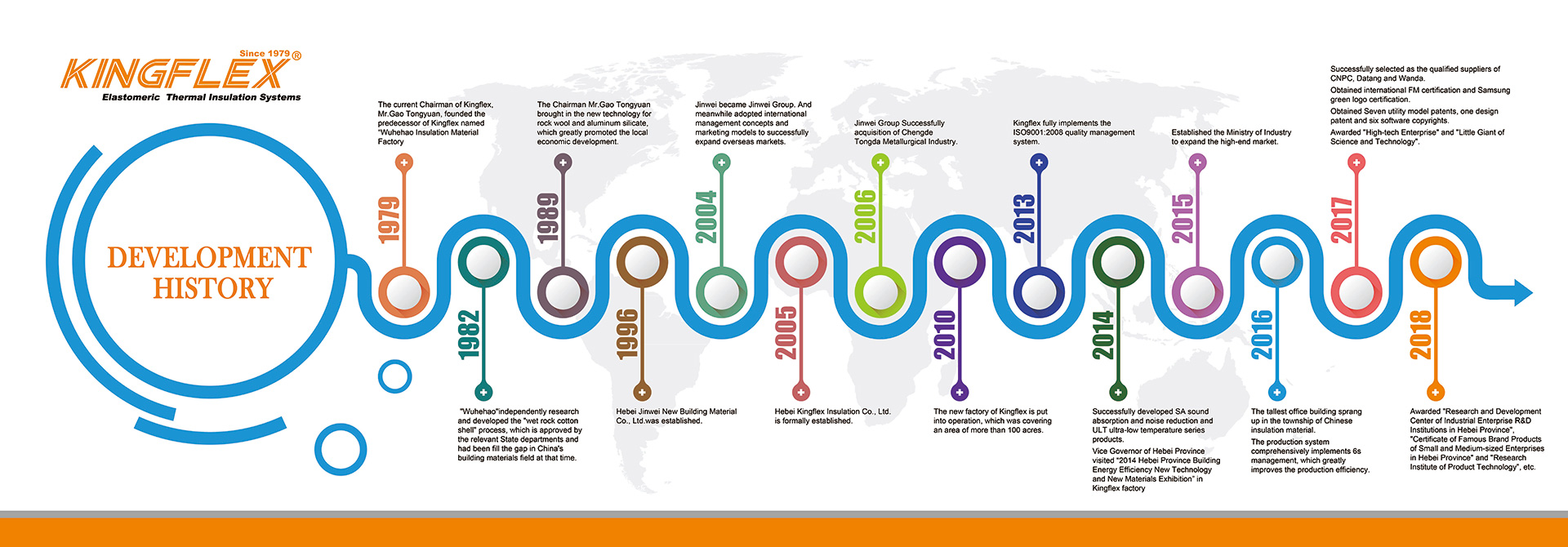
Our parent company, the Jinwei Group, brings over 40 years of manufacturing history. Established in 1979, Jinwei Group was a pioneer in thermal insulation production north of the Yangtze River, establishing a foundation of technical expertise that continues to support Kingflex's engineering standards.
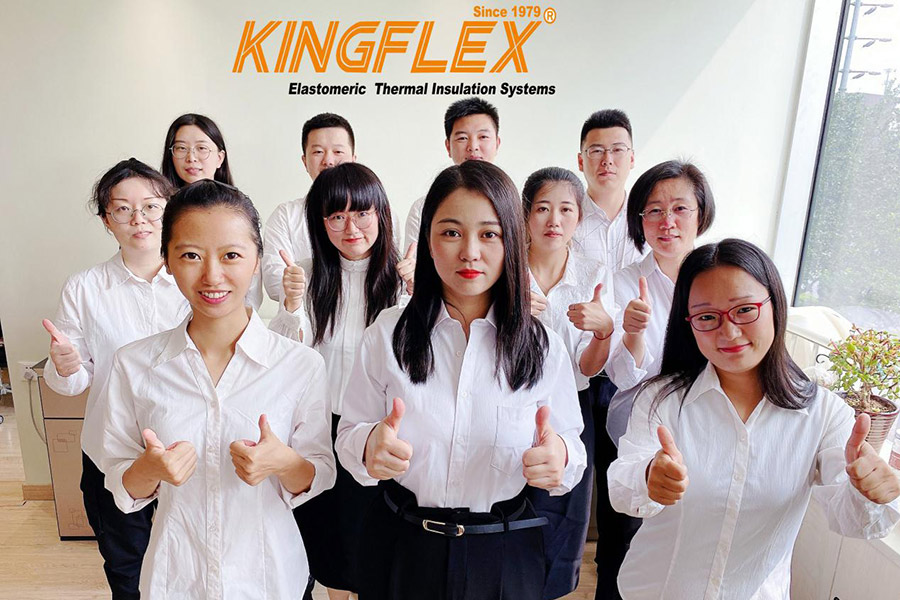
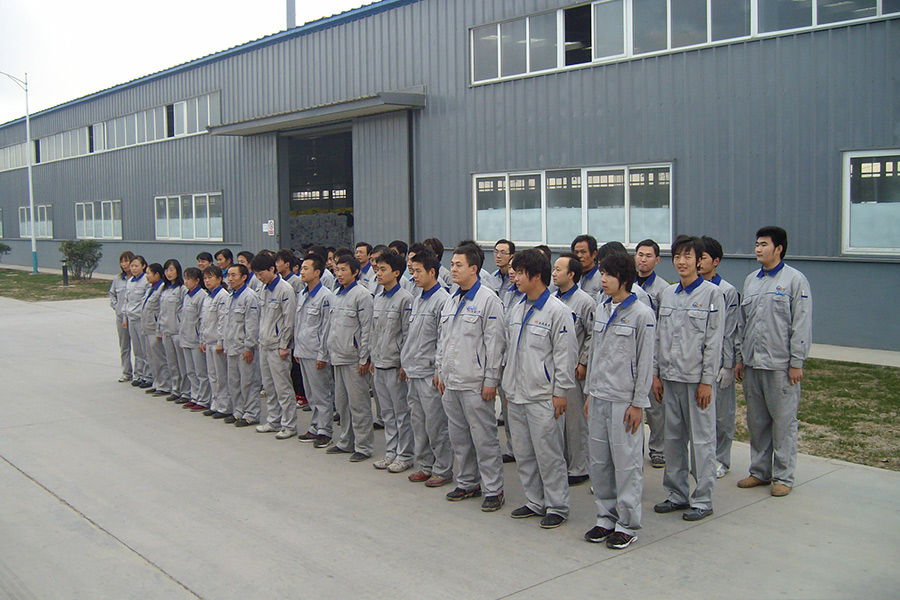
Our team's combined expertise is central to the high performance of Kingflex insulation solutions. Kingflex employs a highly skilled workforce, featuring 8 professional thermal engineers in the R&D department, 6 international sales specialists, and 230 factory workers. This configuration supports high-quality service and reliable product delivery for clients worldwide.
Our modern facilities house 5 automated production lines, enabling an annual capacity of over 600,000 cubic meters. These capabilities have positioned Kingflex as a designated production partner for chemical, energy, and electrical engineering initiatives.
Physical property guidelines for Kingflex Black Rubber Foam sheet rolls and insulated pipes.
Manufactured using a high-density, closed-cell NBR/PVC blend. The cell structure features a high concentration of closed air pockets (over 98%), providing consistent, long-term thermal resistance.
| Property | Specification Range / Value |
|---|---|
| Material Composition | Nitrile Butadiene Rubber (NBR) / Polyvinyl Chloride (PVC) |
| Available Thickness | 6 mm to 50 mm |
| Material Density | 40 to 55 kg/m³ |
| Service Temperature Range | -40℃ to 105℃ |
| Closed-Cell Ratio | ≥ 98% |
| Water Vapor Permeability | High resistance factor (Moisture resistance barrier μ ≥ 10,000) |
Specifically calibrated for HVAC refrigerant lines, chilled water loops, and split-system connection lines. Extruded with precise interior diameter metrics to fit snugly against copper and steel pipes.
| Property | Specification Range / Value |
|---|---|
| Inner Diameter (ID) Range | 6 mm to 114 mm |
| Wall Thickness Option | 9 mm to 40 mm |
| Compression Resilience | ≥ 80% recovery rate |
| Thermal Conductivity | ≤ 0.034 W/(m·K) at 0℃ |
| Flammability Rating | Flame retardant, self-extinguishing (Class 0 / Class 1 BS 476) |
| Weathering Performance | Resistant to ozone, UV radiation, and environmental aging |
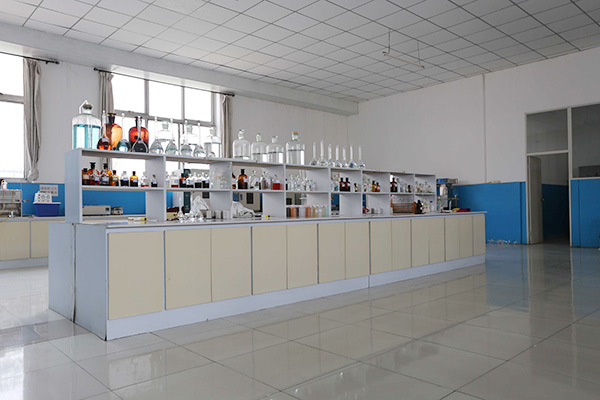
Chemical analysis of raw polymers

K-value instrumentation test
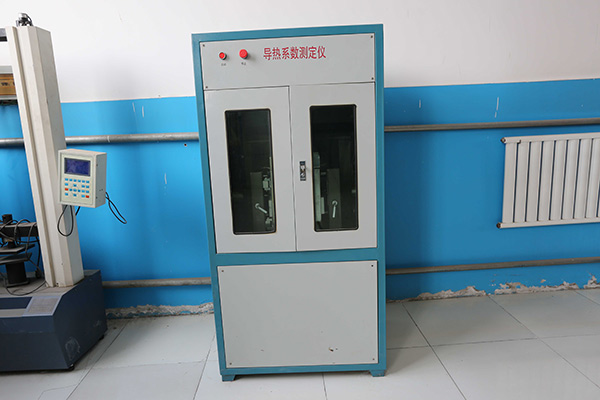
Physical resilience monitoring
Where Kingflex rubber foam insulation delivers critical performance advantages across various sectors.
Used for wrapping sheet metal air ducts, rectangular vents, and air handling units (AHUs). It limits thermal loss, dampens motor and airflow vibrations, and reduces transmission noise.
Designed for chemical processing facilities and steam distribution pipes. High-density structures provide stable thermal barriers, protecting pipes from moisture intrusion and corrosion under insulation (CUI).
Engineered for very low-temperature conditions down to -200°C. Useful in LNG pipelines, ethylene plants, and commercial cold chain storage, preventing structural thermal shock.

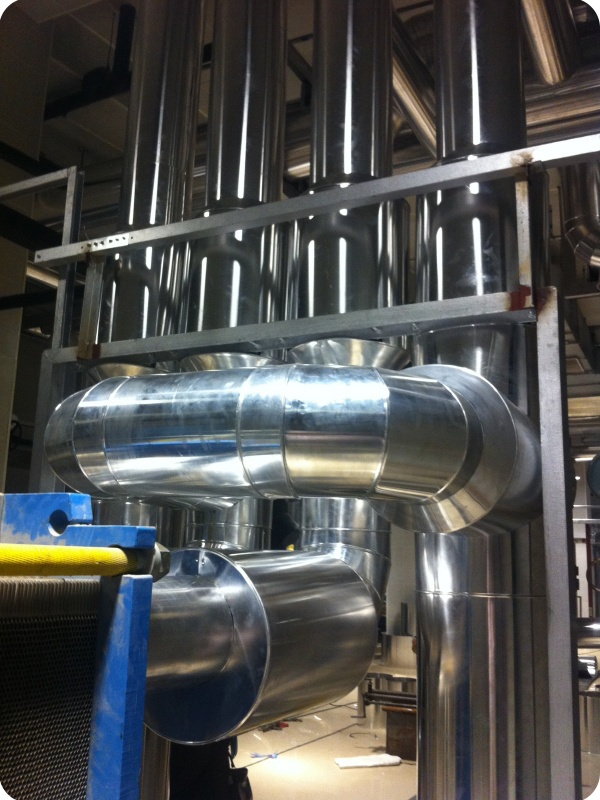
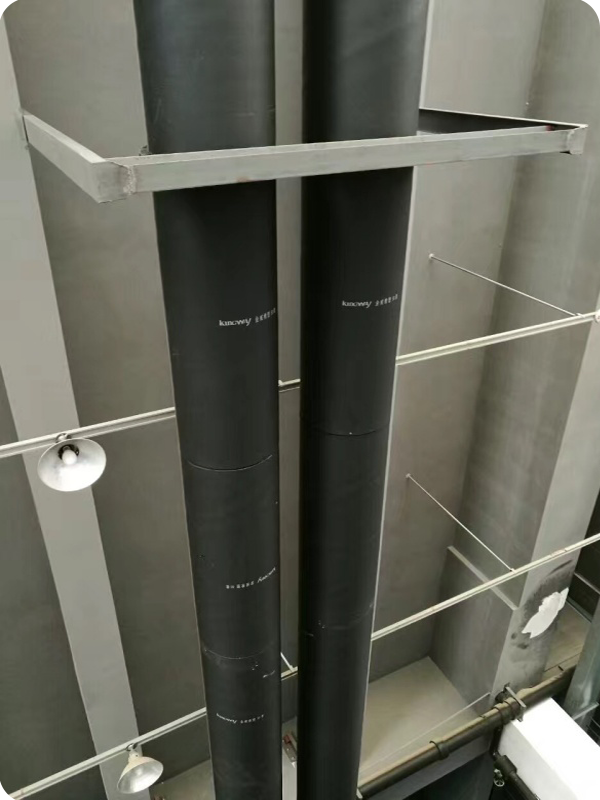
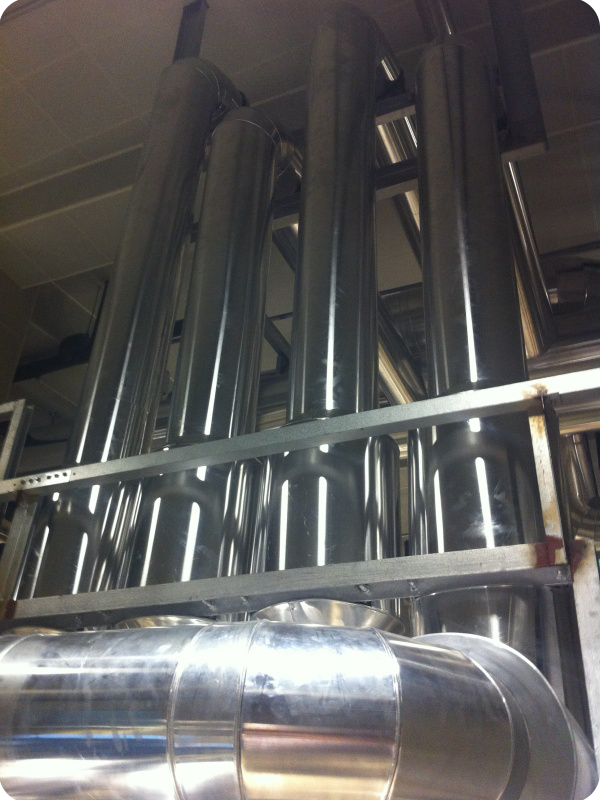
Our HVAC products undergo regular laboratory verification to ensure compliance with global fire safety and mechanical codes.
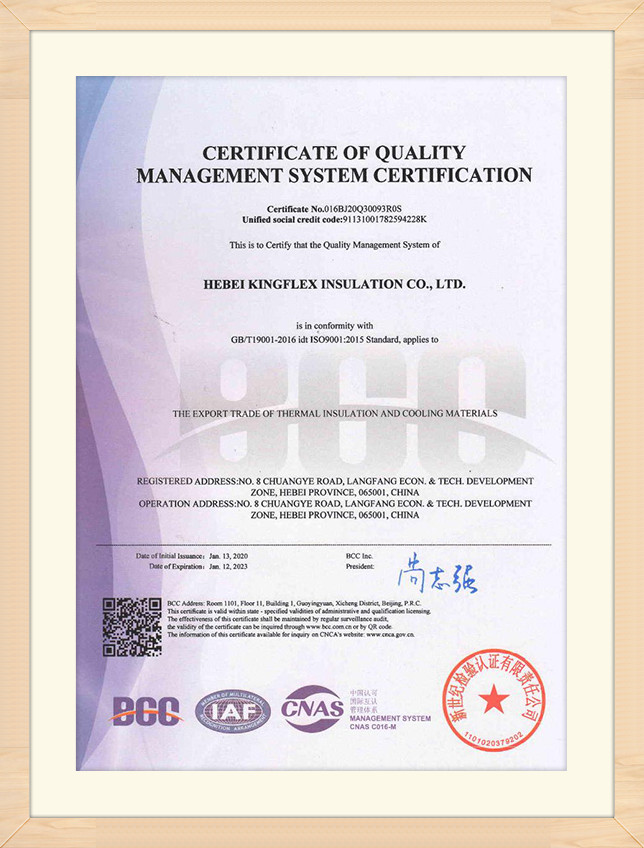
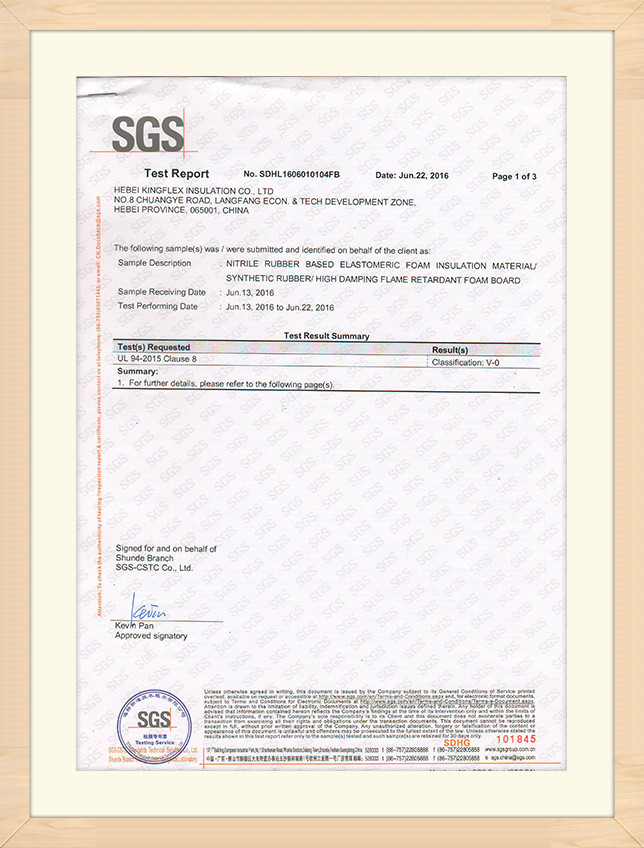
To meet international building regulations, Kingflex rubber foam insulation maintains multiple compliance certifications. These certificates cover fire-spread mitigation, environmental chemical limits, and physical stability over time.
Key international standards met by our products include:


Practical guidance for mechanical consultants, HVAC contractors, and material wholesalers.
Verify that your supplier offers both Metric and Imperial configurations. For pipe insulation, match internal diameter dimensions (ranging from 6mm to 114mm) with the nominal diameters of your project's piping system.
Confirm the product's moisture resistance factor (μ value). For high-humidity locations, select closed-cell materials to avoid moisture infiltration and degradation, which eliminates the need for separate vapor barriers.
Flexible rubber foam has a low structural density, making vacuum-compressed roll packaging ideal for export. This method reduces shipping volume and container freight costs while maintaining material performance upon decompression.


Verified performance cases and direct documentation from global project managers.
To ensure project compliance, Kingflex provides documented evidence of product quality. Through partnerships with international commercial projects and global technical inspections, we deliver complete traceability from raw polymer mixing to finished material shipping.
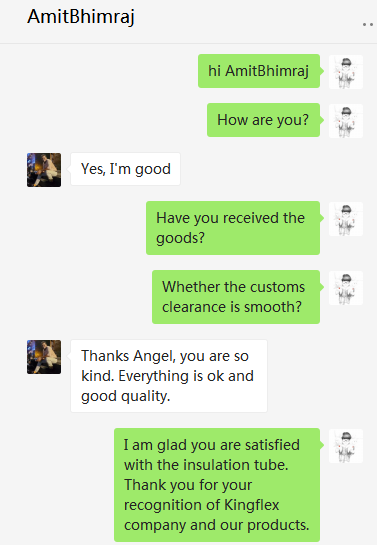
Below are direct records and communications highlighting our commitment to quality, including on-time delivery metrics, custom thickness matching, and project compliance verification.
"The consistency of the material's thickness and cell structure simplifies installation on complex AC duct bends. The built-in moisture barrier reduces steps, speeding up mechanical installations."
— Mechanical Contracting Manager, UAE Commercial Airport Project


Specifically configured for wrapping sheet metal air ducts, rectangular vents, and air handling units (AHUs). It limits thermal loss, dampens motor and airflow vibrations, and reduces transmission noise.
Designed for chemical processing facilities and steam distribution pipes. High-density structures provide stable thermal barriers, protecting pipes from moisture intrusion and corrosion under insulation (CUI).
Supports system temperatures up to 105°C, making it suitable for solar thermal loops, primary heat exchangers, and hot water service lines.
Engineered for very low-temperature conditions down to -200°C. Useful in LNG pipelines, ethylene plants, and commercial cold chain storage, preventing structural thermal shock.


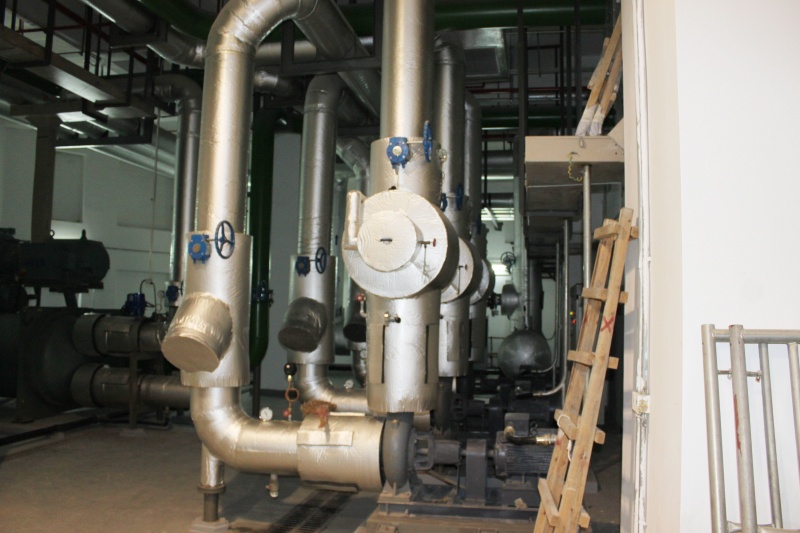
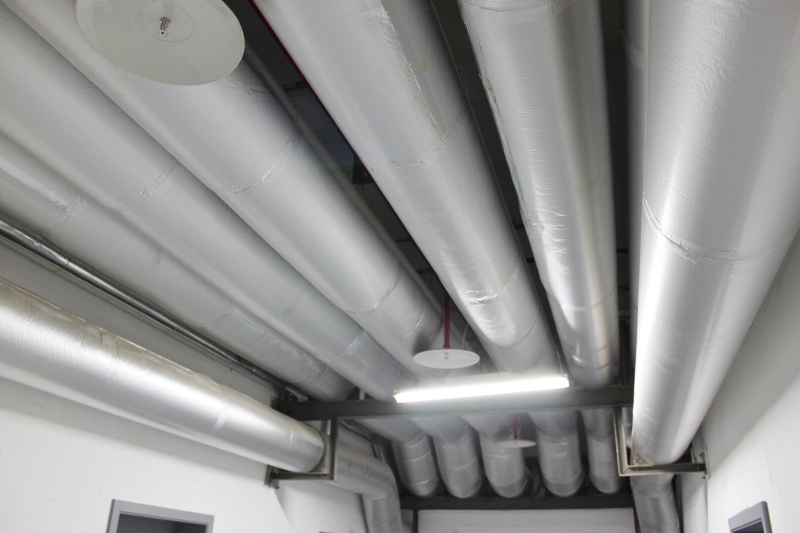

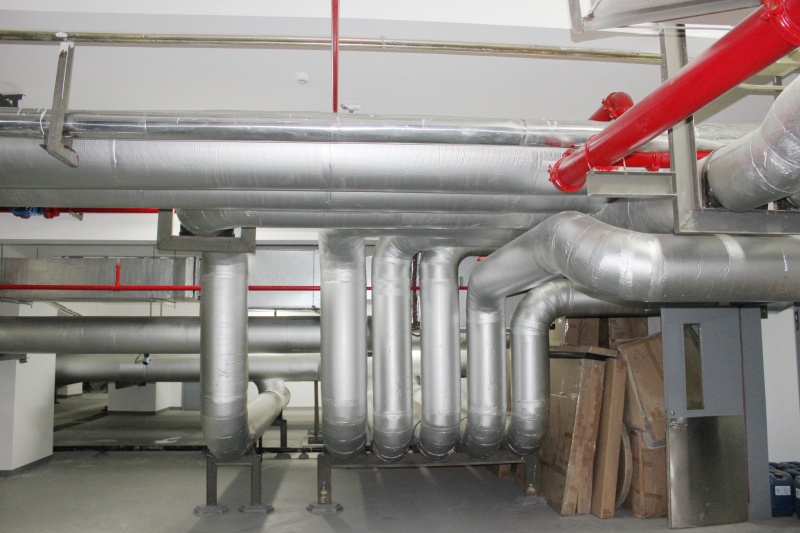
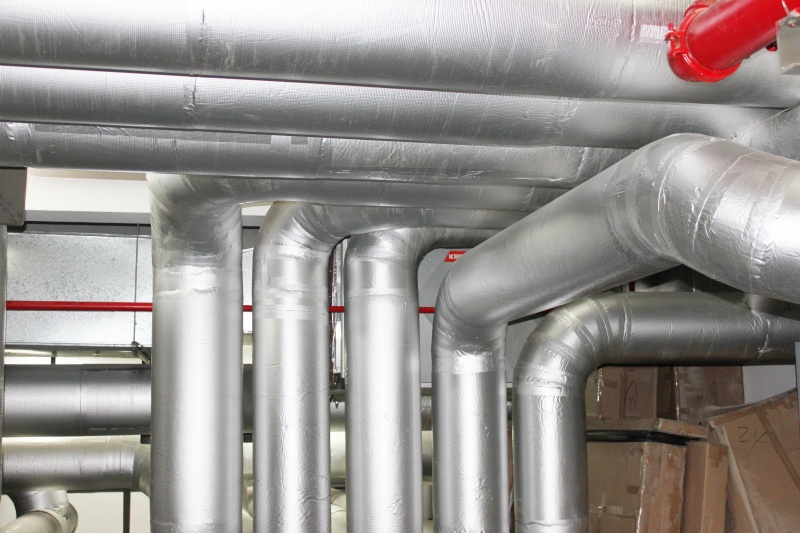
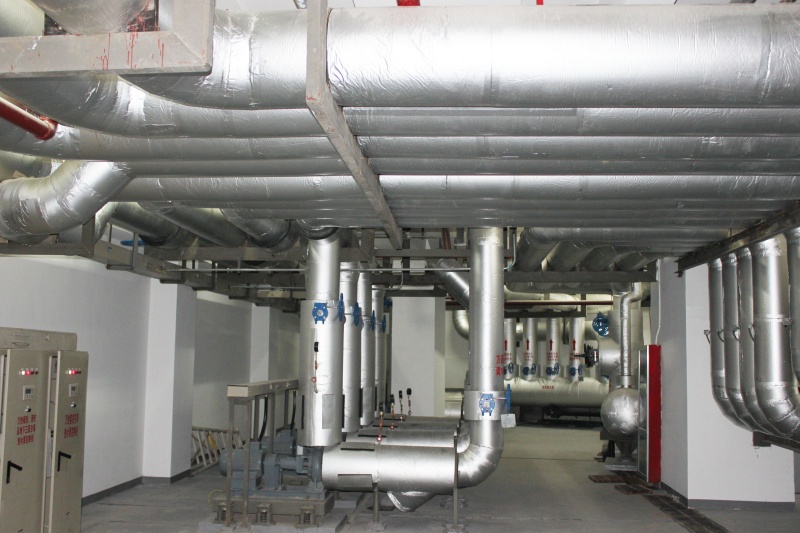
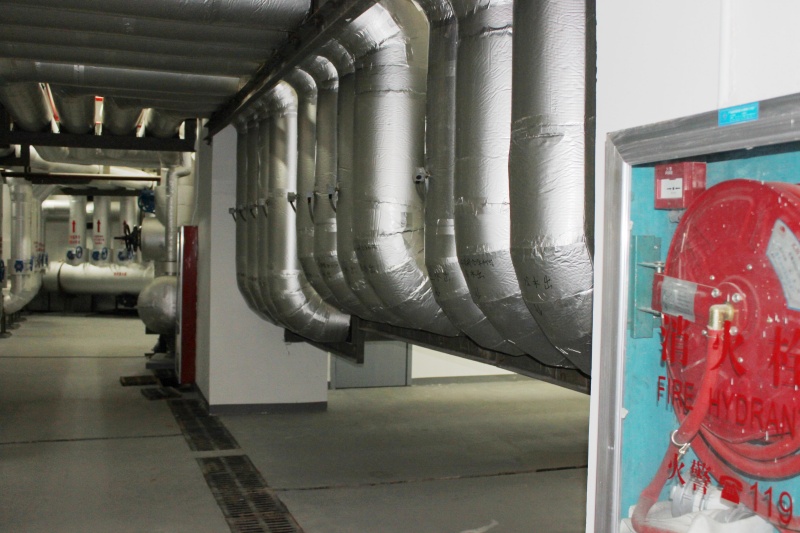
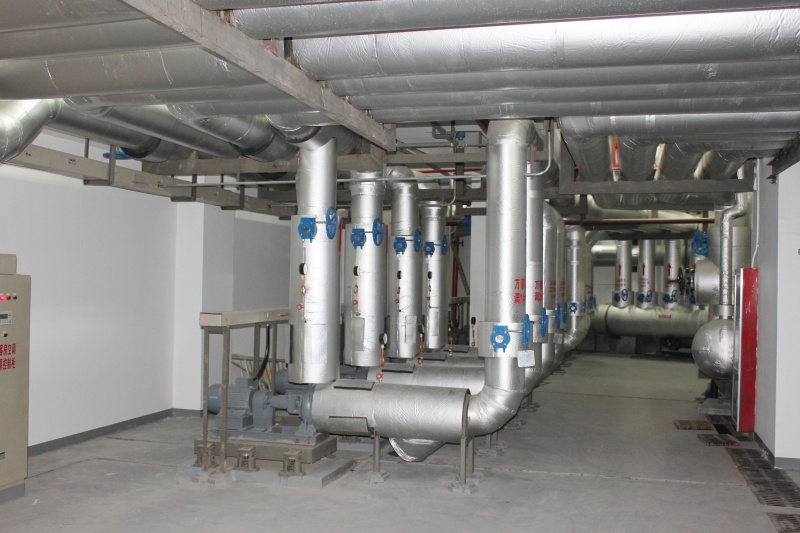

Key design developments influencing product selection in global mechanical projects.
Global green building certification standards, such as LEED v4 and BREEAM, require low-emission building products. Elastomeric foam production is moving away from halogenated blowing agents to limit VOC emissions and safeguard Indoor Air Quality (IAQ).
Increasing field labor costs have driven demand for self-adhesive insulation rolls and pre-split pipes. Pre-applied adhesive options help shorten duct and pipe installation times while maintaining uniform bonding strength across all metal surfaces.
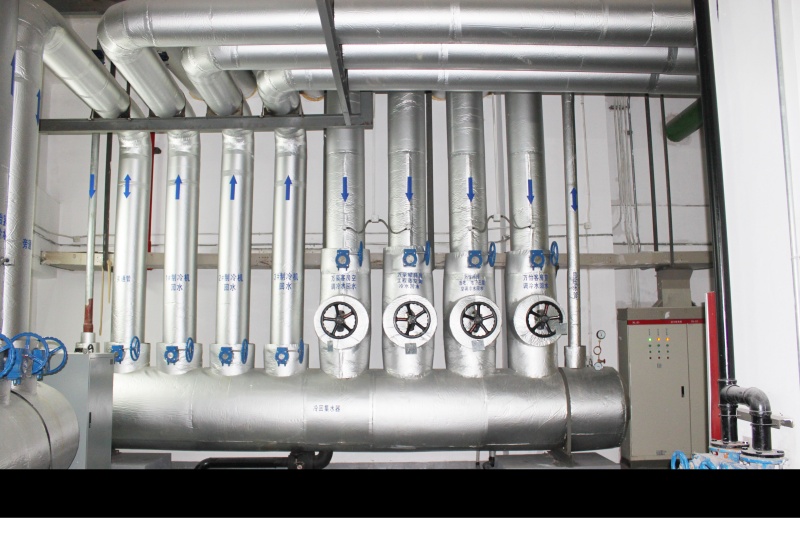
Exposed rooftop air conditioning lines require protection from environmental weathering. Lamination with multi-layer aluminum foil shields the underlying foam from mechanical impact, birds, UV radiation, and heavy rainfall.
Technical answers to frequent procurement and engineering questions.
Ancillary pipe wraps, adhesive foams, and high-temperature mineral rock wool profiles.
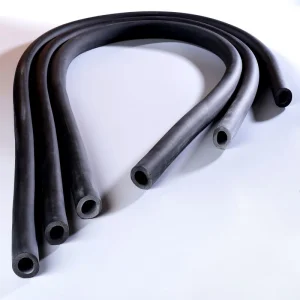
Flexible polymer pipe insulation designed for temperature control and condensation prevention.
Get Quote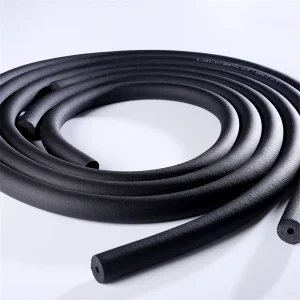
Extruded elastomeric piping designed for copper plumbing and HVAC systems.
Get Quote
Designed to meet international specifications for thermal conductivity and fire safety.
Get Quote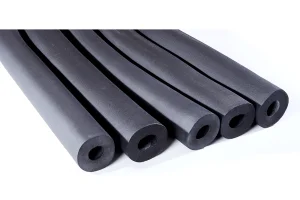
Optimized to prevent energy loss and sweating on air conditioning lines.
Get Quote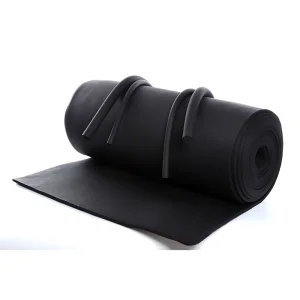
Features a self-adhesive layer for fast installation on flat ducts.
Get Quote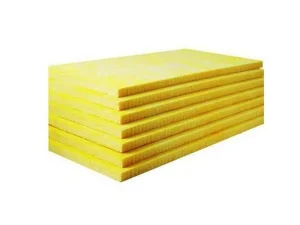
High-temperature glass fiber panels designed for HVAC air plenum cabinets.
Get Quote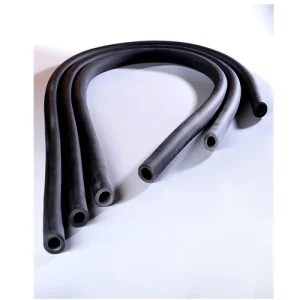
Standard closed-cell tubes designed for heating and cooling pipelines.
Get Quote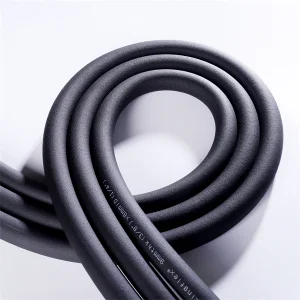
Provides consistent thermal insulation and sound damping for air ducts.
Get Quote Kingflex