China Aluminum Foil Insulation Tape Suppliers & Factories

Global Engineering Guide: Structural Vapor Barriers, High-Performance Elastomeric Foams, and Industrial Energy Conservation Solutions

Technical Whitepaper

Macro-Industrial Solutions & Vapor Barrier Science

Unifying Aluminum Foil Insulation Tape & Closed-Cell Rubber Elastomers for Ultimate Energy Efficiency and Structural Preservation.

1. The Physics of the Thermal Envelope: Why Vapor Barriers Matter

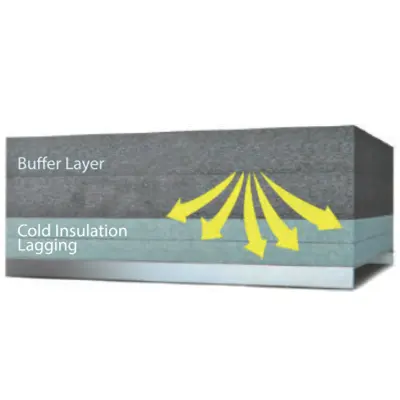
In modern industrial process engineering and HVAC infrastructure, the design of the thermal envelope determines the systemic energy footprint. Thermal insulation must resolve two primary energetic challenges: heat transfer via conduction/convection/radiation and moisture migration driven by vapor pressure differentials.

Aluminum Foil Insulation Tape serves as the critical, continuous vapor seal across these insulation matrices. By providing a metal barrier with a vapor transmission rate approaching zero, aluminum foil tapes prevent ambient atmospheric humidity from penetrating elastomeric rubber foam substrates. In cryogenic or chilled fluid pipelines, vapor penetration leads to condensation, ice formation, and an immediate rise in the thermal conductivity ($k$-value) of the insulation. An unprotected system degrades exponentially, incurring massive energy losses and risking structural Corrosion Under Insulation (CUI).

2. Material Synergy: NBR/PVC Foam and Reflected Radiant Thermal energy

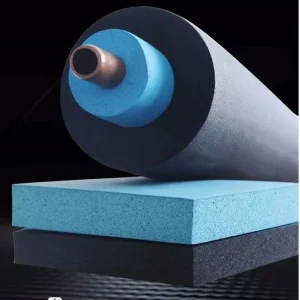
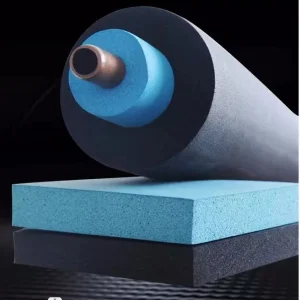
Combining high-purity aluminum foil facing with flexible closed-cell Nitrile Butadiene Rubber / Polyvinyl Chloride (NBR/PVC) elastomer represents the pinnacle of modern hybrid thermal protection. The aluminum foil serves a dual purpose:

  • Radiant Heat Reflection: Highly polished aluminum boasts a low thermal emissivity ($\epsilon \approx 0.03$ to $0.05$) and high reflectance ($>95\%$), blocking radiant heat transmission in high-temperature environments.
  • Mechanical Protection: It shields the underlying elastomeric foam from ambient UV radiation, mechanical abrasion, ozone exposure, and chemical splash, significantly extending the service lifetime of the assembly.

The underlying closed-cell structure of Kingflex elastomeric foam ($>98\%$ closed-cell rate) provides the primary resistive barrier against heat conduction. Together, the system offers an impermeable, fire-retardant, and highly flexible layer tailored for commercial HVAC, cryogenic, petrochemical, and defense installations.

>600,000 m³
Annual Production Capacity
40+ Years
Group Engineering Heritage
66+
Exporting Countries & Regions
5 Lines
Fully Automated Assemblies
Engineering Prowess

Kingflex Insulation Co., Ltd.

Kingflex Insulation Co., Ltd. is a professional manufacturing and trading combo for thermal insulation products. Our research development and production department is situated in the well-known capital of green building materials in Dacheng, China. As an energy-saving, environmentally friendly enterprise, we concentrate on the integration of research, development, high-capacity production, global sales, and post-sale technical advisory services.

In operation, Kingflex takes energy saving and consumption reduction as the core concept. We provide the solutions regarding insulation by means of consultation, research and development production, installation guidance, and post-sale service to lead the development of the global building materials industry.

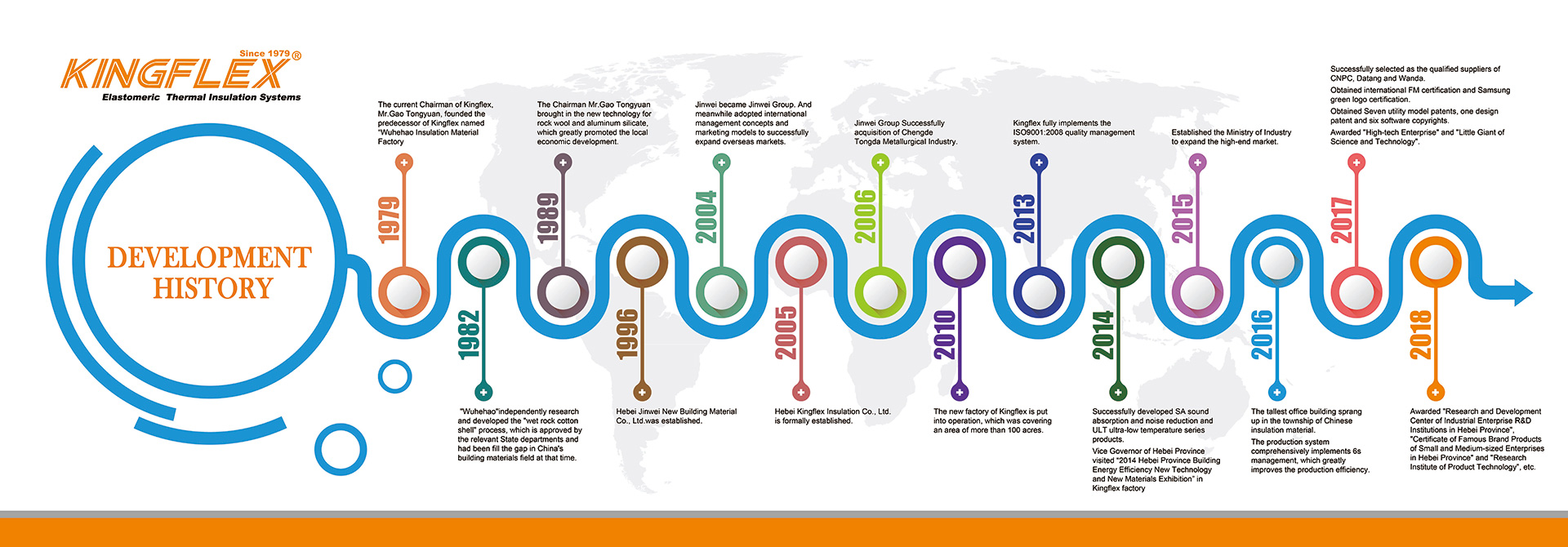
History Highlight: Kingflex is established by the Jinwei Group, which has more than 40 years of history. The group was established in 1979 and stands as the first manufacturer of thermal insulation materials north of the Yangtze River.
Kingflex Factory Manufacturing Center
Global R&D and Human Capital

Our Team & Engineering Operations

Our employees are amazing in their own right, but together they are what makes Kingflex such a fun and rewarding place to work. The Kingflex team is a tight-knit, talented group with a shared vision of giving consistently first-class service to our clients. Our dedicated R&D facility features eight professional polymer and mechanical engineers, supported by 6 international sales specialists and 230 highly skilled workers across our automated manufacturing lines.

Our global responsibility remains clear: supply customers all over the world with a full set of energy-saving insulation system solutions, serving as an integrated provider of thermal, cold, and acoustic insulation systems for modern smart buildings and heavy industrial complexes.
Kingflex R&D Team and Lab Facility
Material Matrices

Standard Product Parameters & Configurations

A detailed engineering breakdown of Kingflex Black Rubber Foam Insulation Sheet Rolls & Pipe systems.

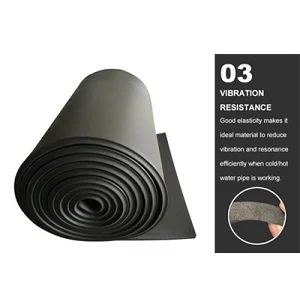
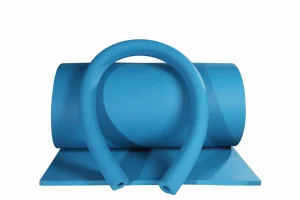
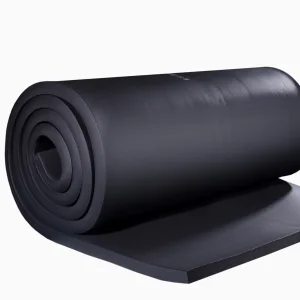
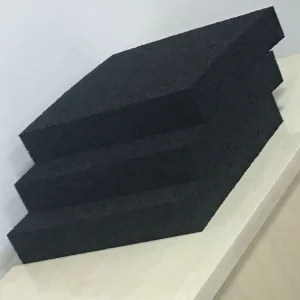
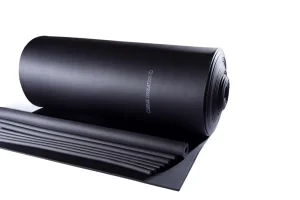
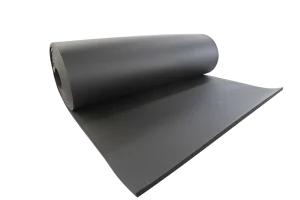
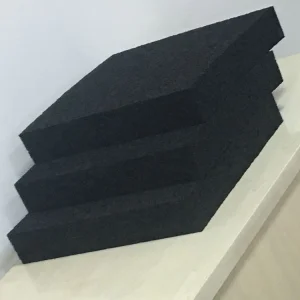
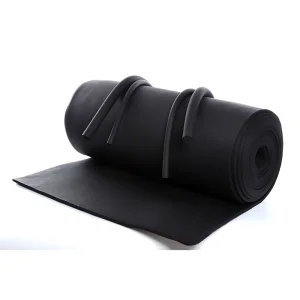
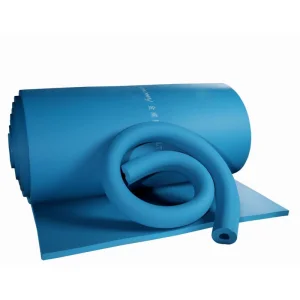
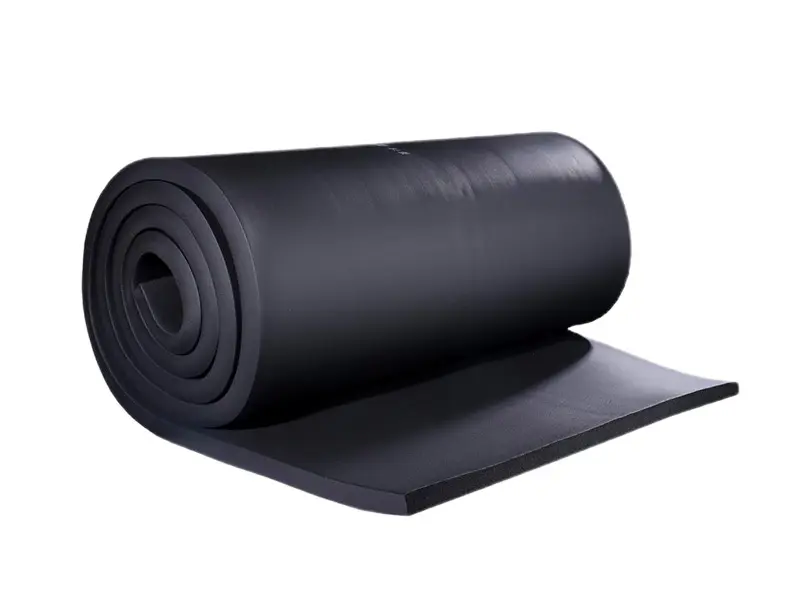
Black Rubber Foam Insulation Sheet Roll

Highly flexible sheets ideal for large ventilation ducts, tanks, vessel cladding, and expansive flat surfaces.

Parameter Specification Details
Material base Nitrile Butadiene Rubber / Polyvinyl Chloride (NBR/PVC)
Available Thicknesses 6mm - 50mm
Density Range 40 - 55 kg/m³
Temperature Range -40℃ to 105℃
Closed-Cell Rate >98% Uniform cellular structure

Key Material Advantages:

  • Foams evenly and fully, closed cell rate over 98%, excellent thermal insulation.
  • Fully closed-cell structure, low moisture absorption, stable long-term thermal conductivity.
  • Compression resilience over 80% under standard load conditions.
  • Flame retardant, self-extinguishing upon flame removal.
  • Low thermal conductivity, high moisture resistance factor.
Kingflex Sheet Roll Spec A Kingflex Sheet Roll Spec B

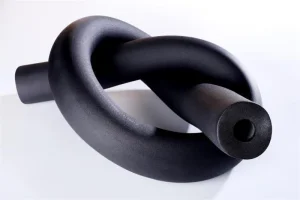
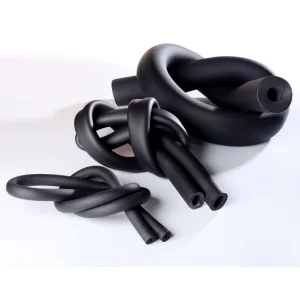
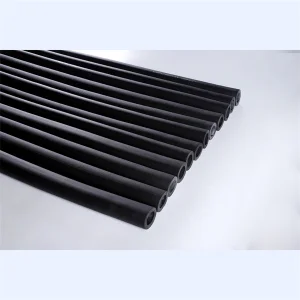
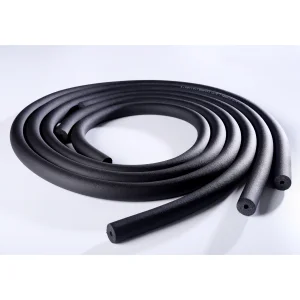
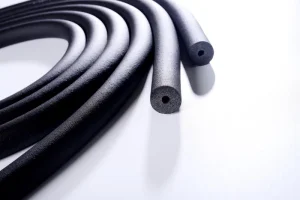
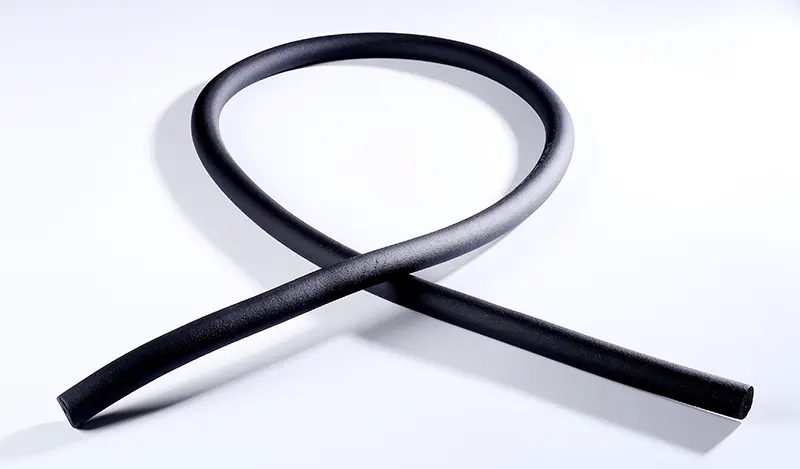
Black Rubber Foam Insulation Pipe

Engineered for seamless piping insulation, offering maximum anti-condensation and anti-freeze properties.

Parameter Specification Details
Material base Nitrile Butadiene Rubber / Polyvinyl Chloride (NBR/PVC)
Thickness Range 9mm - 40mm
Inner Diameter (ID) 6mm - 114mm
Density Range 40 - 55 kg/m³
Service Temperature -40℃ to 105℃

Key Material Advantages:

  • Foams evenly and fully, closed cell rate over 98%, excellent thermal insulation.
  • Professional pipe spraying equipment ensures even coating during curing phases.
  • Compression resilience over 80% to absorb micro-vibrations.
  • Flame retardant, self-extinguishing off fire to comply with Class 0 building codes.
  • Low thermal conductivity, high moisture resistance factor.
  • Greatly reduce pipe freezing and cracking risks in extreme sub-zero conditions.
Kingflex Pipe Spec A Kingflex Pipe Spec B
Advanced Manufacturing

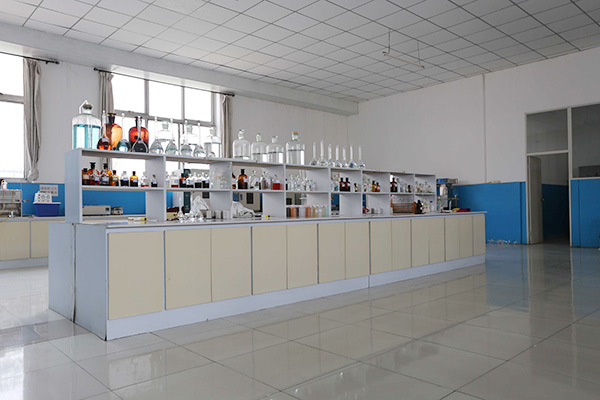
R&D Testing Lab & Production Integrity

Explore our internal testing laboratories, real-time chemical tracking systems, and compliance measures.

R&D Laboratory Analysis

Polymer Testing Lab

Equipped to verify cellular density, aging tests, and structural moisture absorption parameters.

Continuous Vulcanization Process

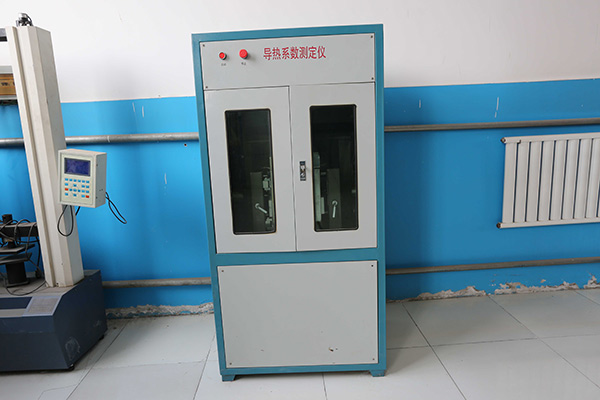
Thermal Conductivity ($k$-value) Profiler

Regular testing using ASTM C518 parameters ensures persistent performance metrics of less than $0.034 \text{ W/(m}\cdot\text{K)}$ at $0^{\circ}\text{C}$.

Raw Material Inspection

Quality Assurance Rig

Verifies tensile strength, elongation limits, and dimensional stability of composite aluminum facings.

Global Accreditation & Testing Approvals

Our commitment to performance values is verified through major international testing standards, ensuring unrestricted entry and compliance for global industrial networks.
BS 476 Certification Standard BS 476 Part 6 & 7 Class 0 Fire Rating Compliance
CE Conformity Standard CE Certified European Economic Area Compliance
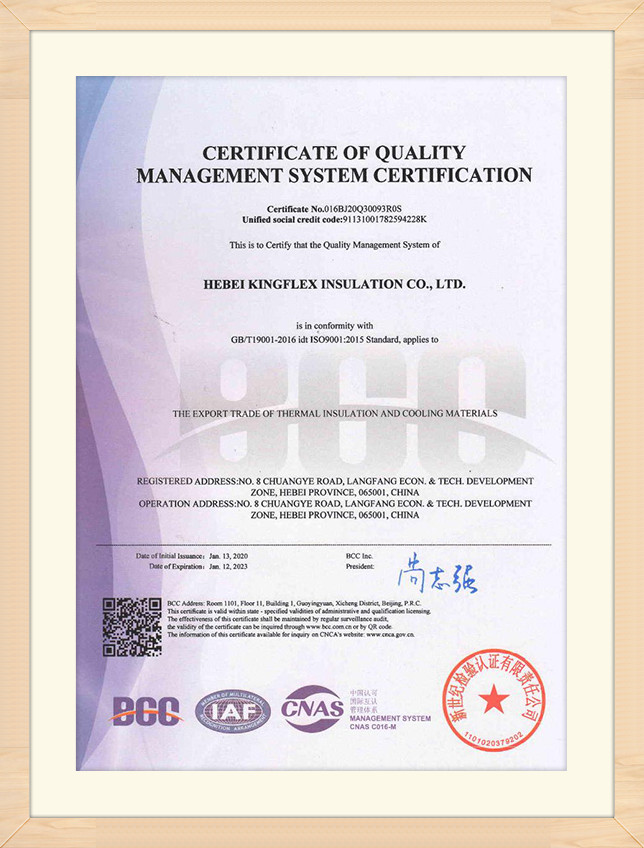
ISO Standard Compliance ISO 9001:2015 Systemic Quality Management
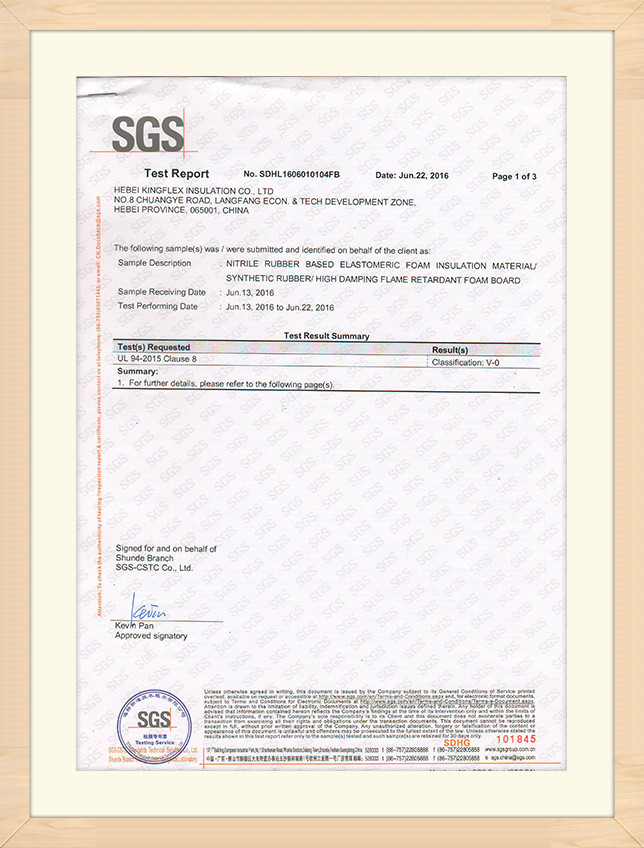
ASTM Fire and Smoke Testing Standard ASTM E84 Compliant Under 25 Flame / 50 Smoke Index
Case Studies

Engineering Implementation & Global Projects

From high-rise commercial structures to sensitive petrochemical facilities, see where Kingflex solutions are applied.
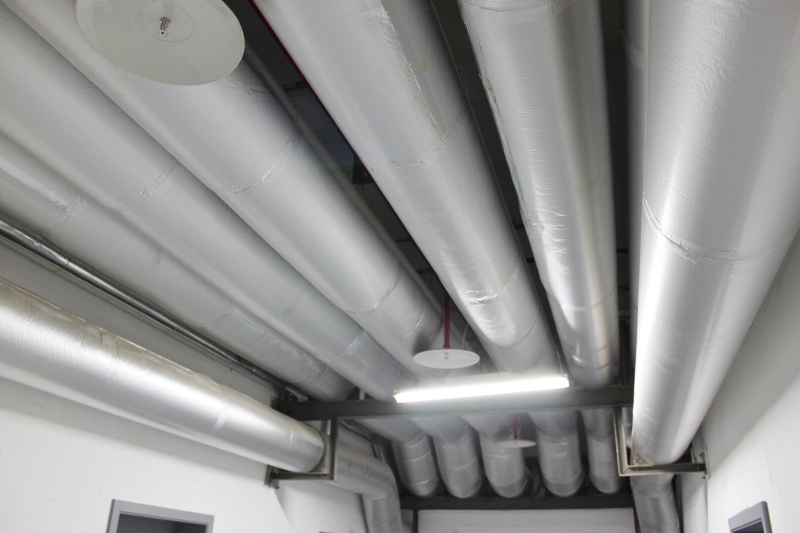
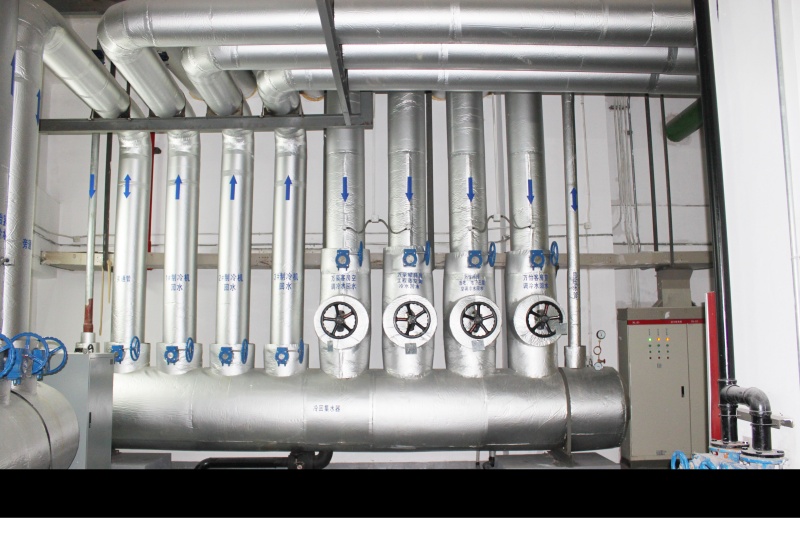
Commercial Tower Installation Site Pipeline Vapor Sealing Process

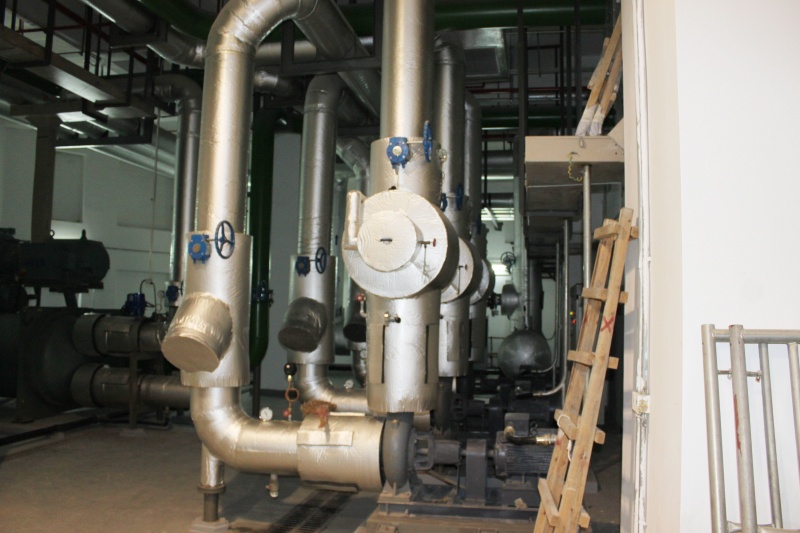
HVAC & Chilled Fluid Systems in Mixed-Use High Rises

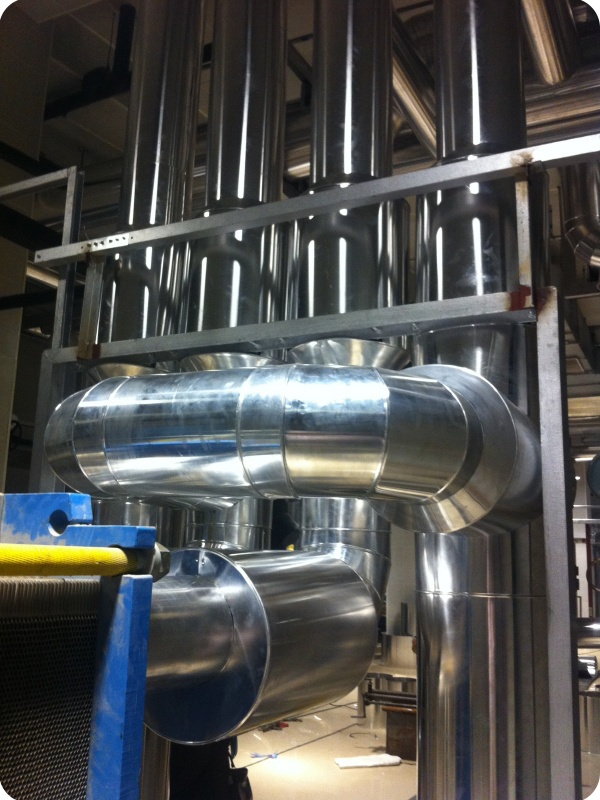
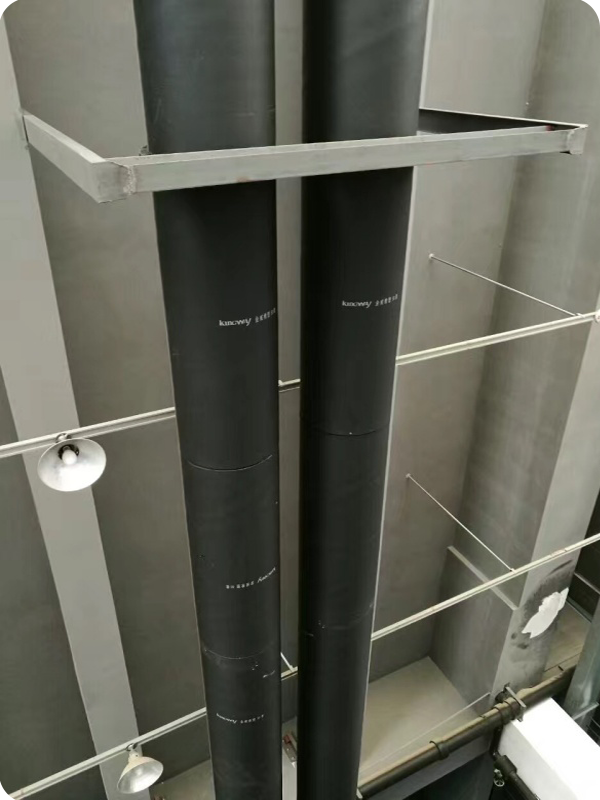
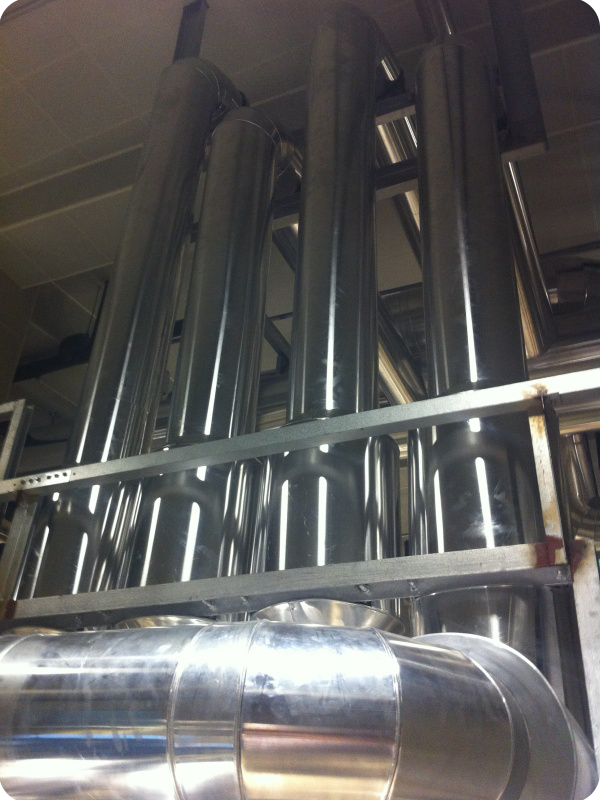
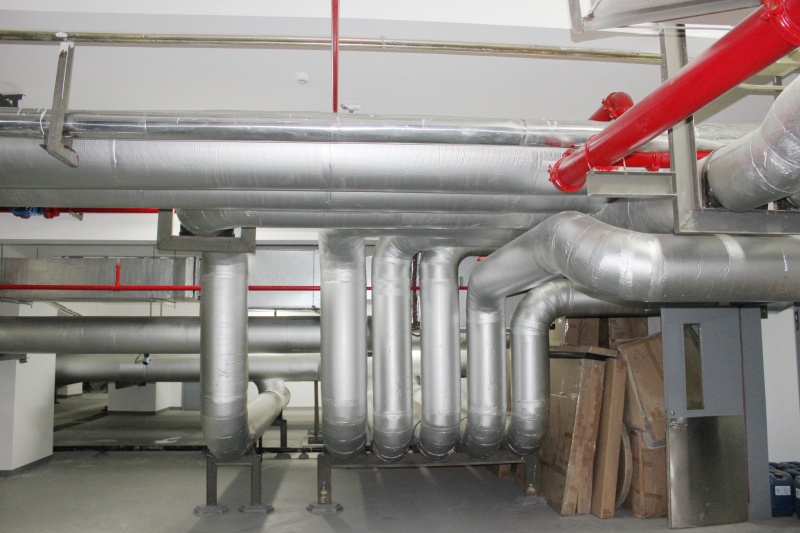
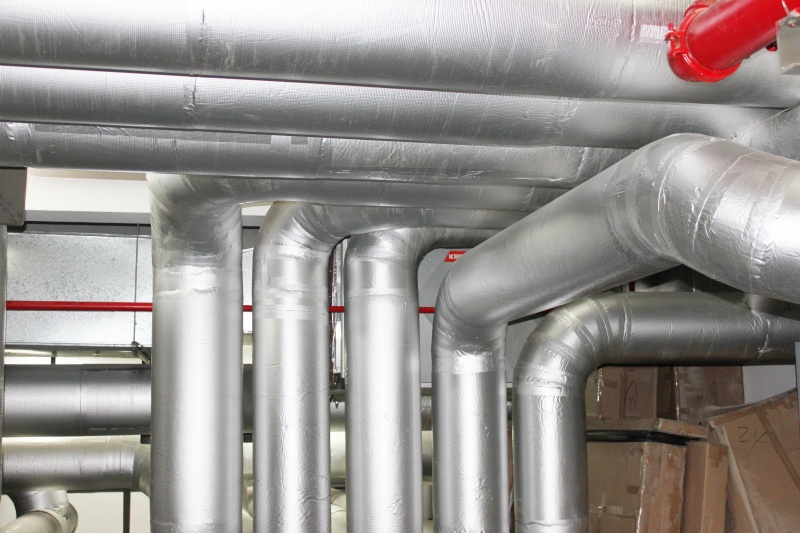
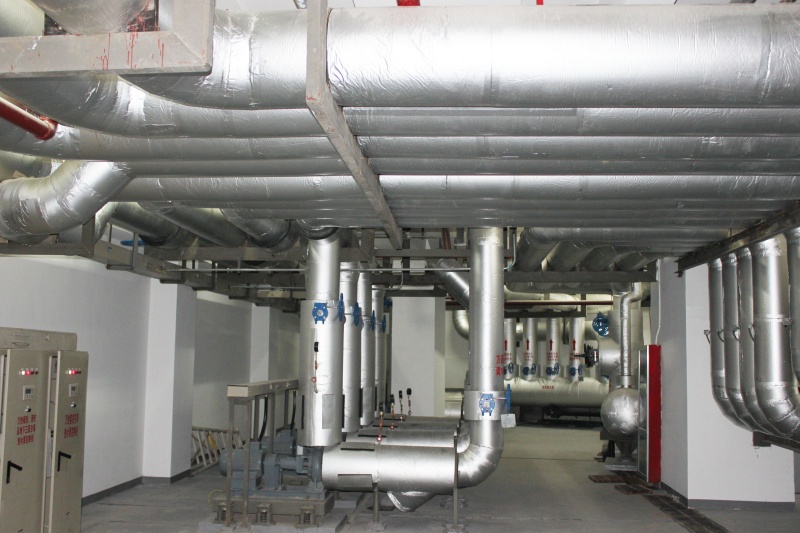
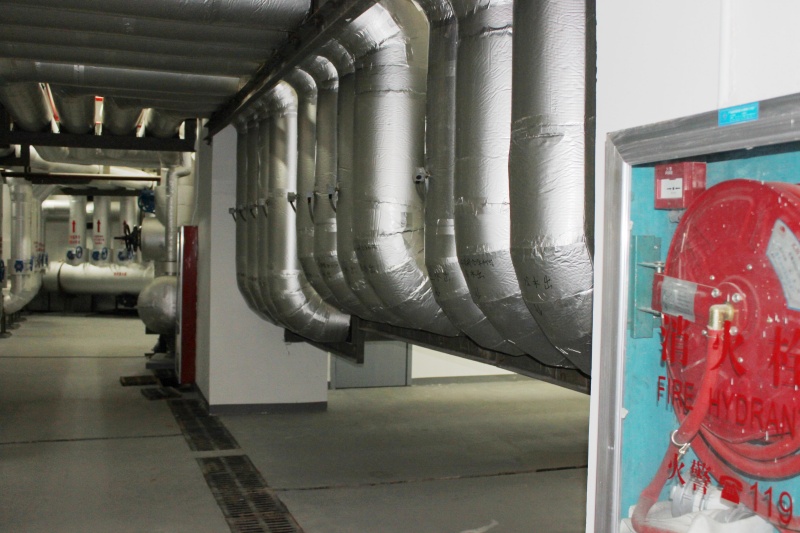
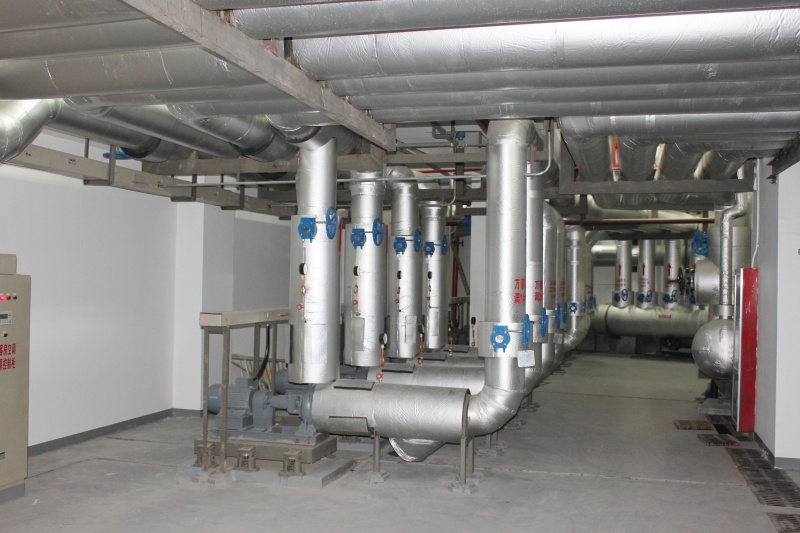
In luxury hotels, commercial plazas, and large-scale public hospitals, thermal efficiency must align with acoustic insulation. Kingflex elastomeric closed-cell piping insulated with integrated aluminum foil facing reduces mechanical noise transmission by over 32 dB, while eliminating condensation risks across water distribution networks.

Industrial Storage Tanks Isolation Petrochemical Pipeline Sheathing

Cryogenic & Chemical Process Pipelines

Petrochemical plants, LNG processing storage systems, and heavy production lines demand materials capable of surviving broad thermal swings. By utilizing ultra-low temperature rubber foam configurations protected by multi-layer aluminum vapor barriers, engineers prevent ice-build-up and safeguard against steel pipeline oxidation.

Project Image 1 Project Image 2 Project Image 3 Project Image 4
Project Image 5 Project Image 6 Project Image 7 Project Image 8
Future Engineering

Engineering Roadmap & Decarbonization Targets

How smart buildings and energy regulations are dictating the future composition of elastomeric thermal systems.

Net Zero Energy Infrastructure

Global environmental metrics demand structural insulation materials that exhibit exceptionally low thermal bridging. We are optimizing our hybrid foil laminates to achieve $k$-values of $<0.031 \text{ W/(m}\cdot\text{K)}$ under high-temperature gradients.

Advanced Adhesive Curing

Our research focuses on implementing heat-resistant pressure-sensitive adhesives (PSA) for our aluminum tapes. This prevents peeling under extreme localized thermal expansion cycles.

Low Smoke, Zero Halogen (LSZH)

Our upcoming NBR/PVC matrix upgrades aim to achieve full LSZH compliance globally. This will allow integration into highly sensitive nuclear containment zones, high-speed rail lines, and aviation ventilation ducts.

Technical FAQ

Engineering Questions & Detailed Technical Explanations

A comprehensive repository of solutions regarding physical properties, safety parameters, and installation specifications.

Q1: What is elastomeric rubber foam insulation used for?
It is mainly used for HVAC ducts, air conditioning pipes, building thermal insulation, industrial pipeline cold insulation, and sound insulation. Its closed-cell structure prevents moisture ingress, which is vital for preventing condensation on chilled water lines.
Q2: Is Kingflex rubber foam insulation fire resistant?
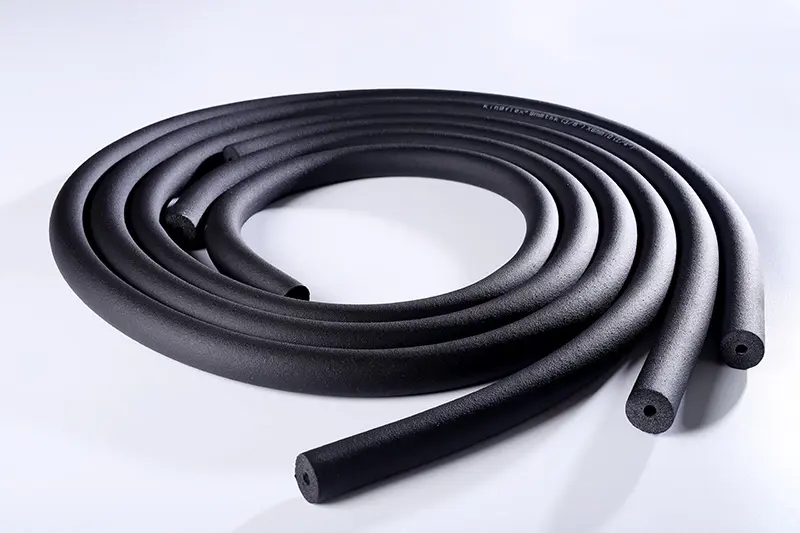
Yes, our rubber foam insulation products are fire retardant and meet the stringent safety standards of international building and industrial projects. They possess high flame resistance and produce minimal smoke development, aligning with BS 476 Part 6 & 7 (Class 0 and Class 1) specifications and ASTM E84 indices.
Q3: What is the difference between rubber foam and rock wool insulation?
Rubber foam is flexible, has a closed-cell structure, and is highly moisture-resistant, making it suitable for HVAC systems, refrigeration, and anti-condensation protection.
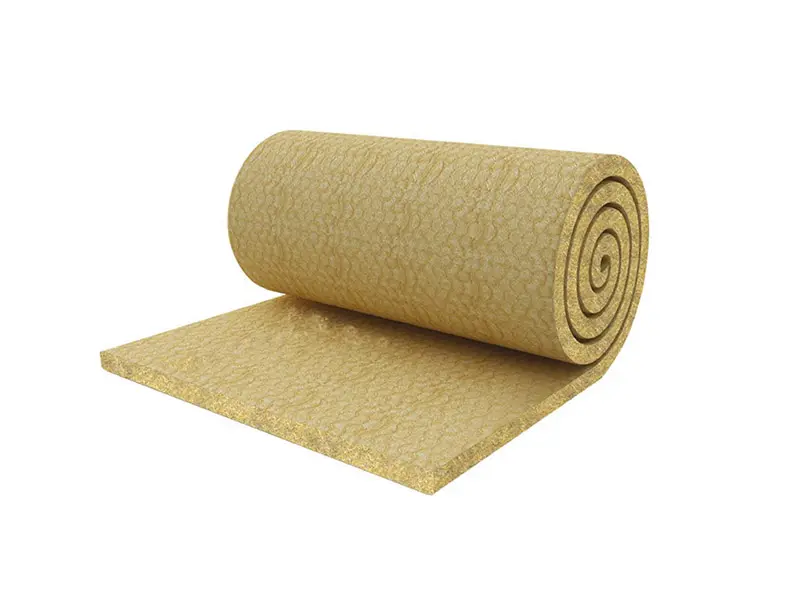
Rock wool is highly temperature-resistant and fireproof. It is ideal for high-temperature industrial steam lines, kilns, and structural firewalls, but lacks the moisture barrier properties of closed-cell elastomeric foam unless fitted with a separate vapor envelope.
Q4: Do you provide customized insulation products?
Yes, we provide full support for customized requests and OEM services. We can configure specialized thicknesses (6mm to 50mm), customized inner diameters (ID 6mm to 114mm), density profiling, and pre-laminated aluminum foil facings tailored to your structural engineering projects.
Q5: What certifications do your products have?
Our products have passed BS 476, CE, REACH, ROHS, UL94, ASTM, and other international certifications, ensuring product quality and compliance with global standards.
Q6: Does Kingflex products have traceability?
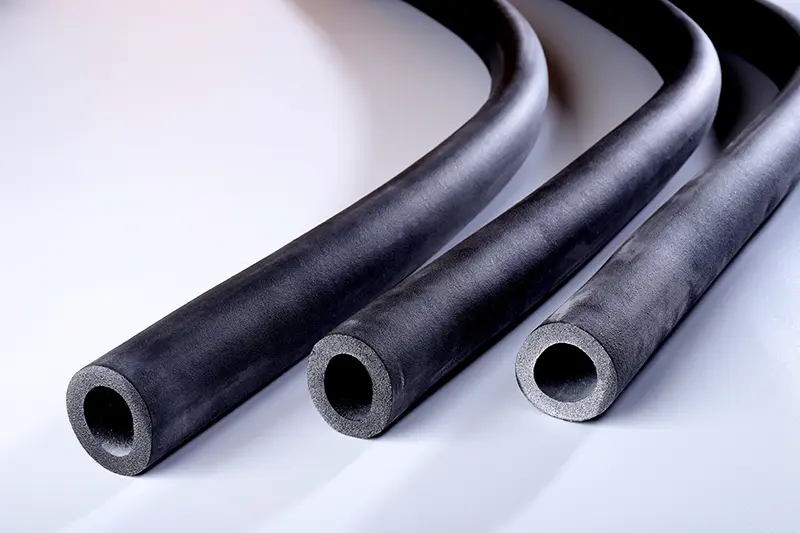
Yes, Kingflex products have traceability. Each batch is logged with material logs, curing times, and inspection records to ensure consistent quality control.
Q7: What thickness of Rubber foam insulation sheet roll can you produce?
We can produce thicknesses from 6mm up to 50mm, providing a comprehensive range of thermal insulation options.
Q8: What is the service life of rubber plastic pipe and board?
Under standard conditions with proper installation and vapor barrier sealing, the typical service life ranges from 10 to 15 years.
Q9: Why is aluminum foil insulation tape critical at joints and seams?
Any gap in the insulation jacket exposes the underlying cold pipe to ambient air. Ambient moisture instantly migrates toward the cold surface, condenses, and degrades the surrounding insulation. High-tensile aluminum tape bridges this gap, establishing a continuous vapor seal.
Q10: What role does the emissivity of aluminum foil play in saving energy?
Polished aluminum possesses a low emissivity value ($\epsilon \approx 0.05$). This means it reflects up to 95% of radiant heat rather than absorbing it. In ceiling spaces or outdoor pipe racks exposed to solar radiation, this reflective barrier reduces the overall heat load on the elastomeric core, improving performance.
Customer Service

Client Dialogues & Operational Progress

A transparent look at our project logs, client approvals, and order tracking across different borders.

Logistics Track A
Container Loading Verification
Logistics Track B
Packaging and Edge Protection Inspections
Logistics Track C
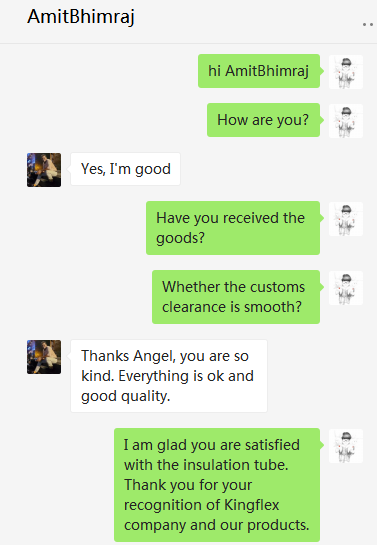
Customer Instant Message Response Logs
Logistics Track D
Warehouse Dispatch Manifest checks
Logistics Track E
Real-Time Order Support Dashboard

Kingflex Standard Portfolio Categories

Explore our main product groupings below to navigate our complete energy efficiency catalog.

Rubber Foam

Closed-cell elastomeric panels, rolls, and pre-slit tubes engineered to limit thermal conductivity and resist moisture.

View Category →

Glass Wool

High-density glass fiber insulation sheets, panels, and pre-formed wraps for commercial HVAC systems and hot utility structures.

View Category →

Rock Wool

Highly fireproof basalt mineral fiber batts and pipe covers designed for high-temperature processing facilities.

View Category →