Engineered for minimal heat loss, complete moisture resistance, and extreme temperature resilience
In modern industrial processes, cryogenic applications involve handling fluids at temperatures significantly below -150°C (-238°F), down to absolute absolute values where standard thermal rules cease to operate simply. Liquid Nitrogen (LN2 at -196°C), Liquid Oxygen (LOX at -183°C), and Liquefied Natural Gas (LNG at -162°C) constitute crucial vectors of the global green energy transition. Insulation systems designed for these extreme thermal regimes require exact calculations. A slight error in cryogenic insulation thickness will inevitably result in heavy surface condensation, structural ice formation, convective heat leakages, boil-off gas (BOG) losses, or catastrophic failure of piping components.
The calculation is governed globally by standards such as ASTM C680 (Standard Practice for Estimate of the Heat Gain or Loss and the Surface Temperatures of Insulated Pipe and Equipment Systems by Use of a Computer Program) and ISO 12241 (Thermal insulation for building equipment and industrial installations — Calculation rules). The primary thermal mathematical iteration addresses multi-layered systems, utilizing Fourier's Law of heat conduction combined with convective and radiative heat transfer coefficients on the outer cladding boundaries:
q = [2 * π * k * (T_ambient - T_line)] / [ln(D_outer / D_inner)]
Where q is the heat gain per unit length, k represents the temperature-dependent thermal conductivity, and the diameter ratios determine the dimensional resistance. Under ultra-low conditions, the thermal conductivity (k-value) of closed-cell NBR/PVC is not static—it drops dramatically, requiring dynamic calculation curves.
To perform accurate cryogenic thickness calculations, engineers must assess five localized boundary parameters:
The highest monthly relative humidity level controls the thickness. Tropical ports require thicker barriers to prevent condensation at 95% RH than dry desert storage sites at 40% RH.
Lower wind speeds decrease the convective surface heat transfer coefficient, forcing an increase in calculated insulation thickness to prevent surface temperature drops.
Cladding material choice influences radiative loss. Low-emissivity polished metals (aluminum, stainless steel) necessitate greater insulation thickness than high-emissivity non-metals.

As global LNG bunkering stations, ethylene production hubs, and liquid hydrogen test grounds expand, cryogenic systems form the backbones of modern processing. Crucial sectors include:
Environmental diversity demands customized math parameters. For example, offshore LNG tankers operates under marine conditions containing high salinity, moisture, and wind shear. These require specialized thickness curves to compensate for salt deposition which increases surface emissivity. Conversely, petrochemical plants located in arid regions face high ambient design temperatures (up to 45°C) combined with high sun exposure. For these, calculation templates must factor in solar radiation absorptivity.
Kingflex Insulation's engineers specialize in developing custom calculations for these differing scenarios. Applying localized climate statistics from historic meteorological databases, our team ensures the exact thickness is manufactured. This avoids over-specifying (which leads to unnecessary project material costs) and under-specifying (which compromises system operation).
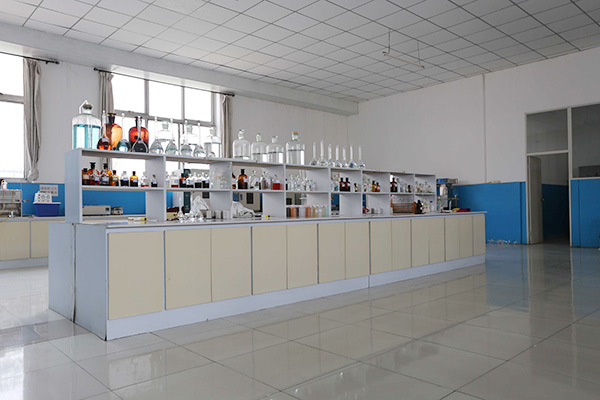

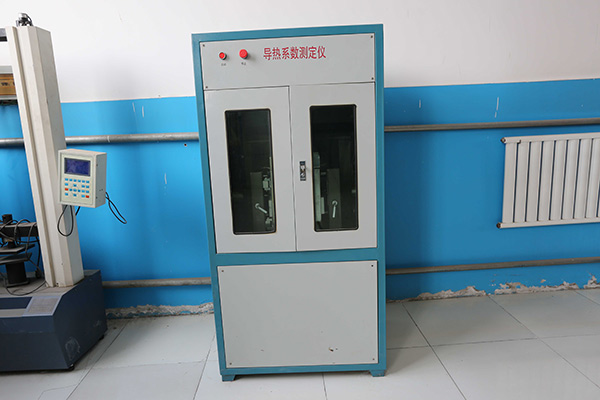
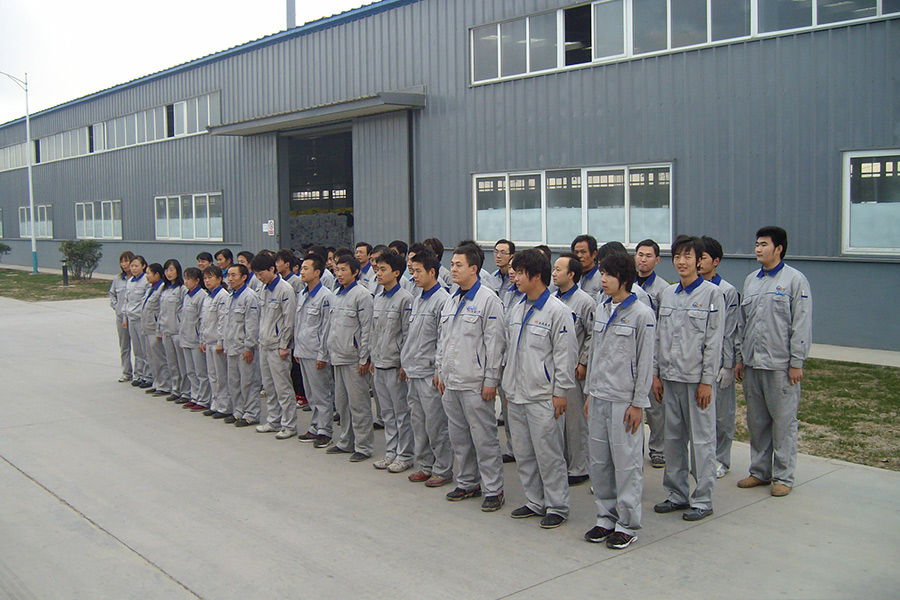
Kingflex Insulation Co., Ltd. is a professional manufacturing and trading combo for thermal insulation products. Kingflex's research, development, and production departments are located in Dacheng, China—a well-known capital of green-building materials. We are an energy-saving, environmentally friendly enterprise focusing on the research, development, production, and sales of high-performance closed-cell foam insulation.
In operation, Kingflex takes energy saving and consumption reduction as its core concept. We provide comprehensive insulation solutions through consultation, research and development, custom production, installation guidance, and post-sale service to lead the development of the global building and industrial materials industry.
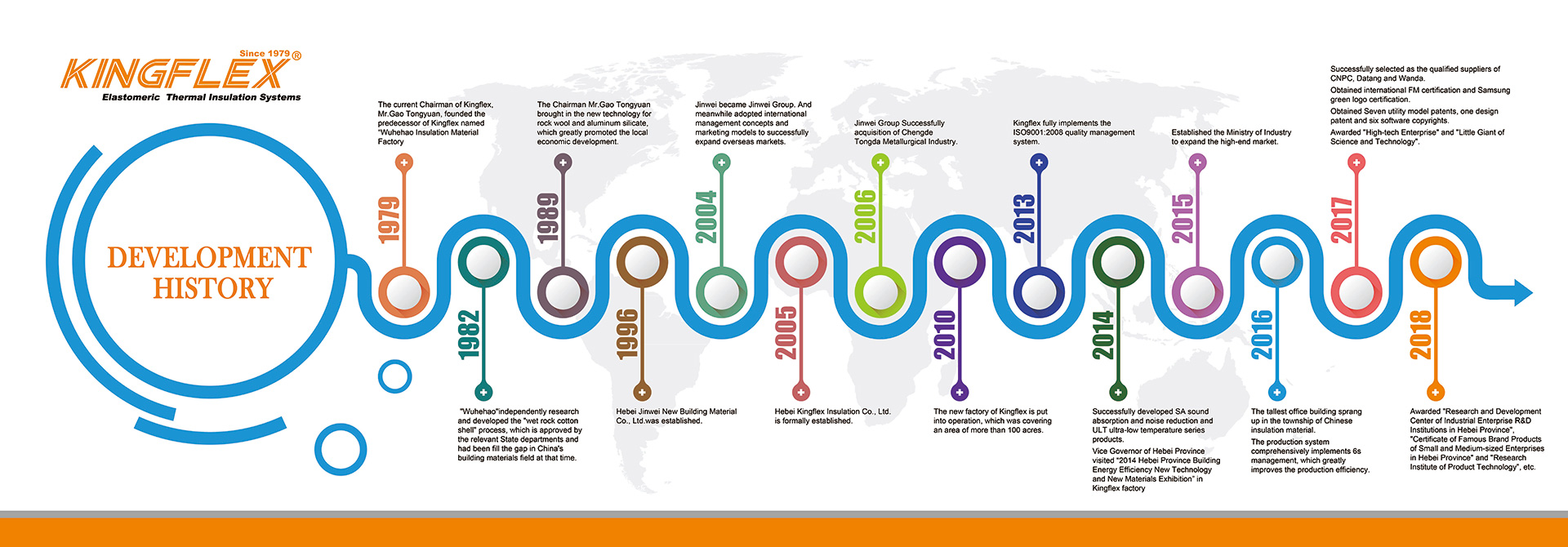
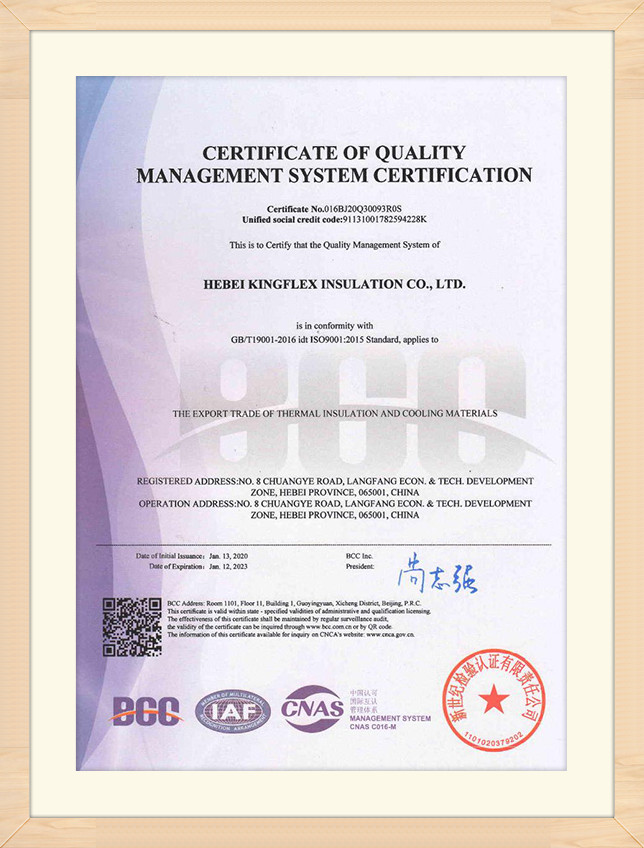
Kingflex is established by the Jinwei Group, which has more than 40 years of history. Kingway Group, established in 1979, was the first manufacturer of thermal insulation materials north of the Yangtze River. Today, the facility has expanded to feature 5 large automatic assembly lines, with an annual production capacity of more than 600,000 cubic meters. Kingflex has become a designated production enterprise certified by the Ministry of Energy, the Ministry of Electric Power, and the Ministry of Chemical Industry.


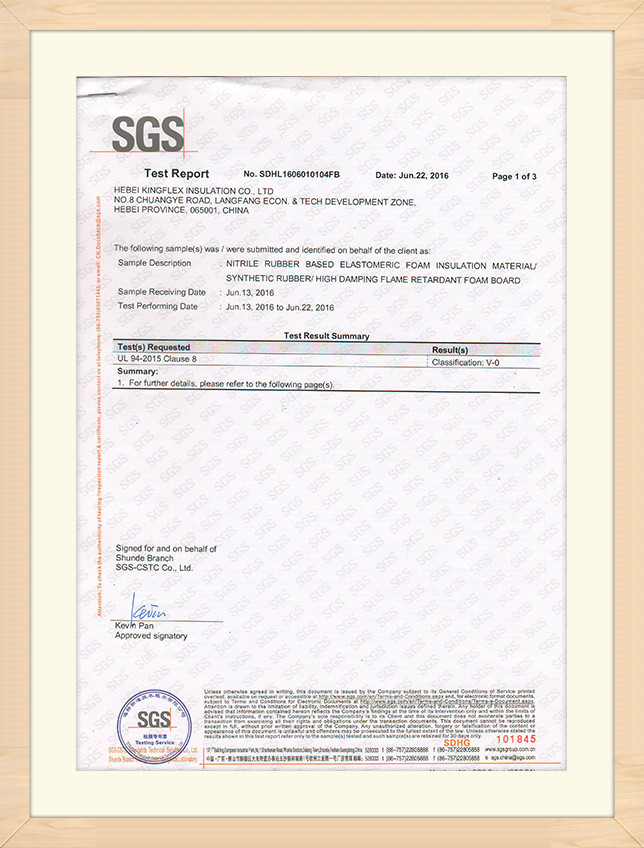
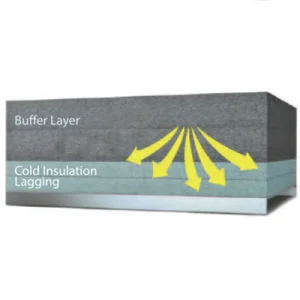
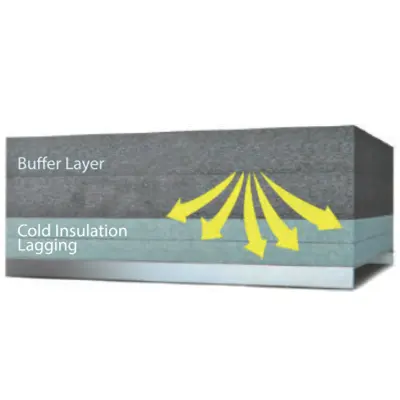
The future of cryo-insulation rests on the synergy of organic polymers and inorganic aerogel composites. Standard elastomeric foams perform effectively down to -40°C or up to 105°C; however, ultra-low cryogenic systems (-160°C to -196°C) necessitate a composite approach. Kingflex's engineering team is actively researching hybrid layouts combining our closed-cell NBR/PVC elastomeric matrix with high-density polyurethane (HDPU) sliding supports and aerogel composite wraps.
Our technical roadmap focuses on reducing thermal conductivity values under cryogenic extremes. By adjusting cells to sub-micron diameters during chemical foaming, we limit inner gas convection, optimizing overall system thickness.

Global supply chain volatility has made lead times, raw material cost stability, and bulk logistics key priorities for procurement managers. Located in Hebei's Dacheng industrial district, Kingflex leverages an optimized supply network. Local availability of primary elastomers, vulcanization agents, and foaming chemicals isolates production from global raw material fluctuations.
Our close proximity to Tianjin and Qingdao ports facilitates seamless transport routes, allowing our team to deliver bulk insulation orders quickly. Combined with our 600,000 m³ capacity, this guarantees consistent supply for major international projects.


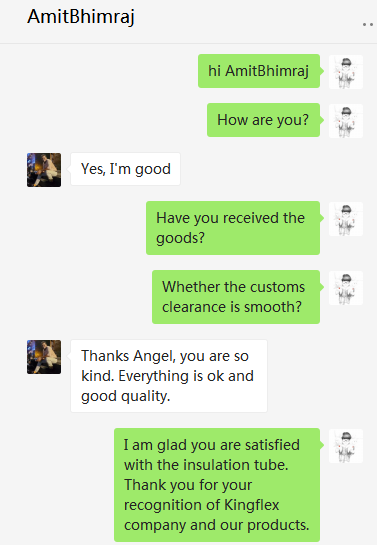

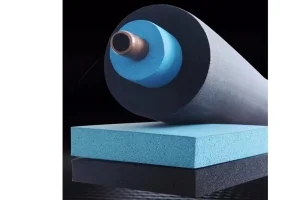
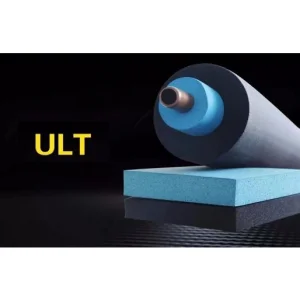
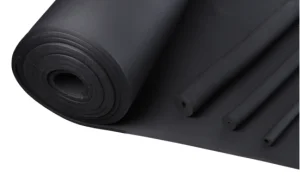
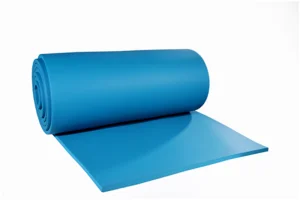
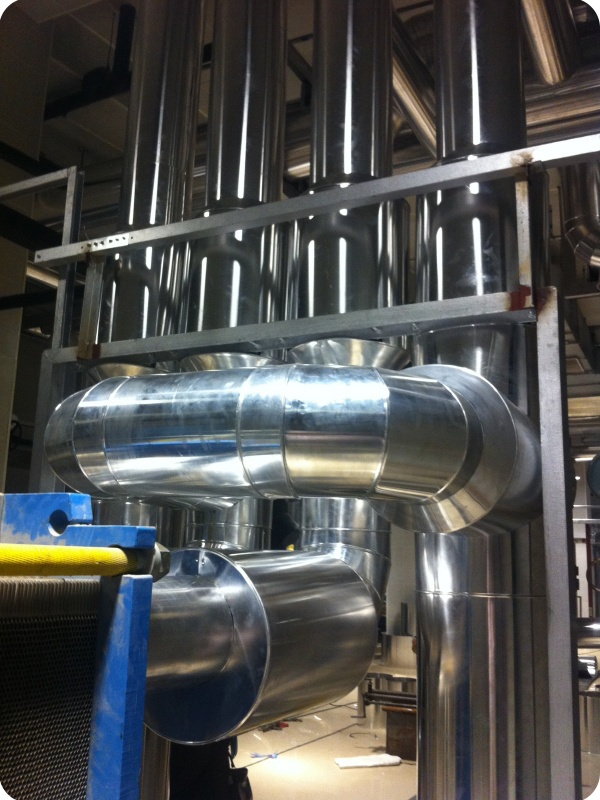
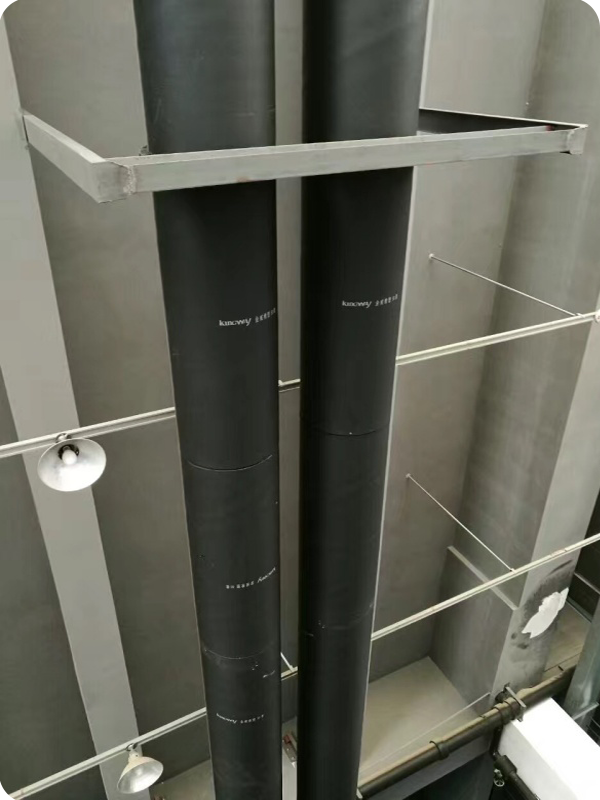
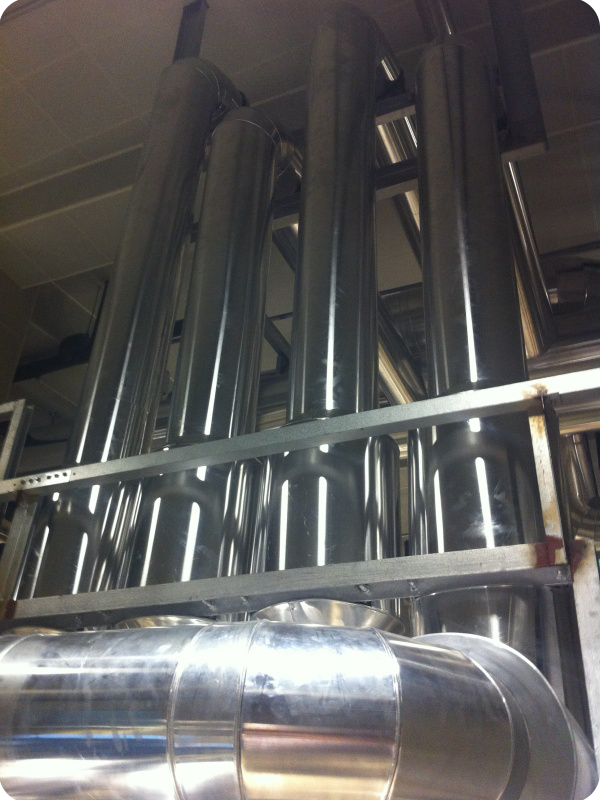
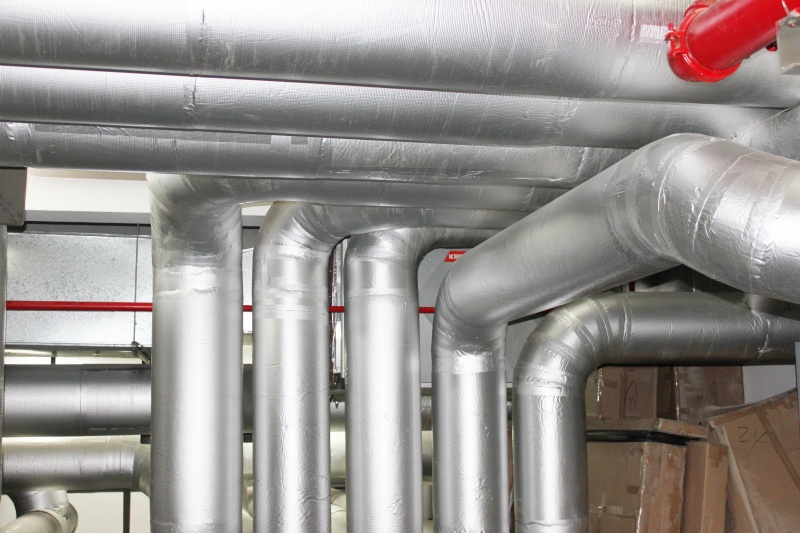
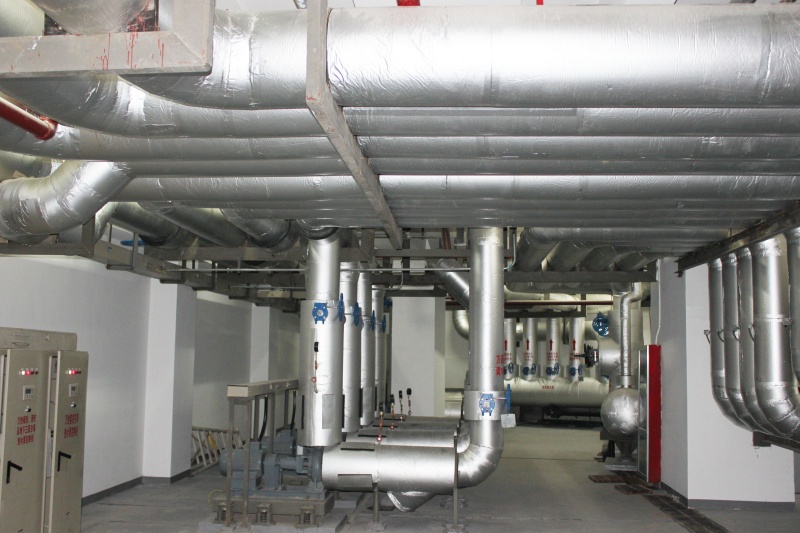
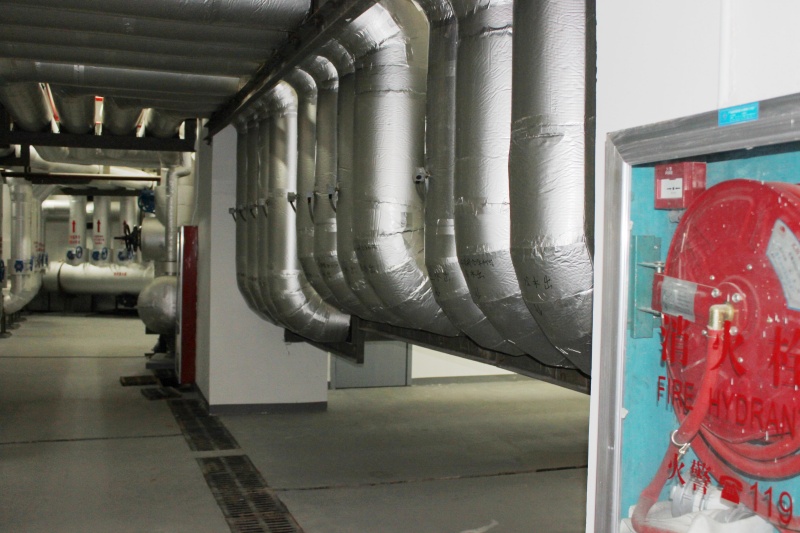
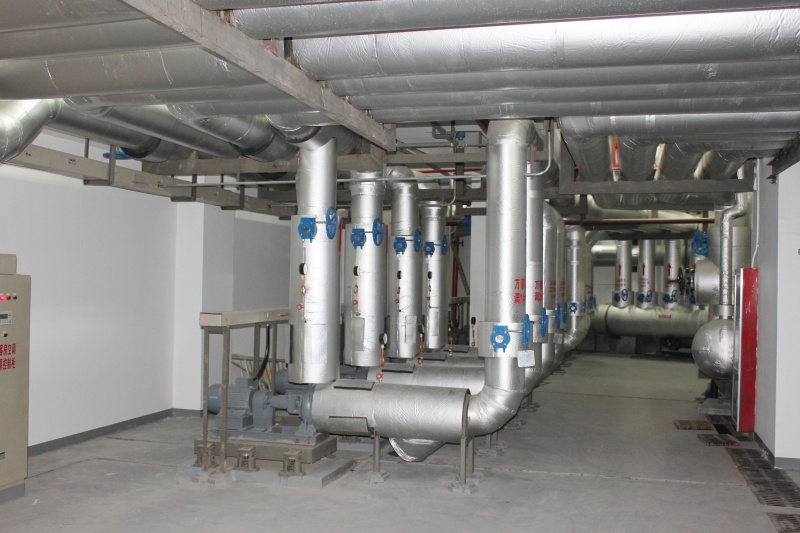
Kingflex's products have been specified for HVAC systems, cold storage facilities, and petrochemical transport pipelines worldwide. The following section displays on-site applications of our elastomeric sheets and pre-formed tubes across a range of conditions.

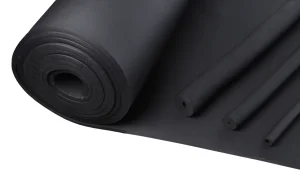
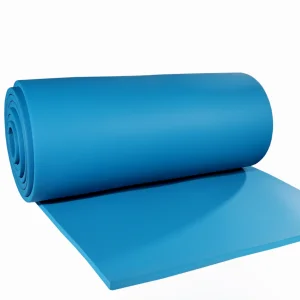
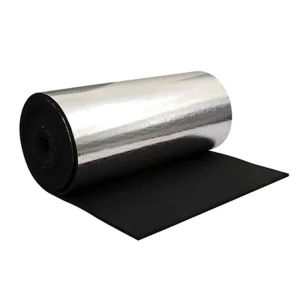
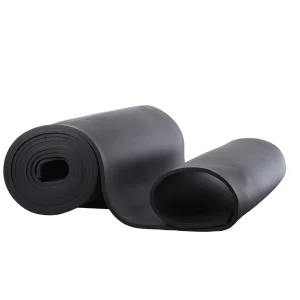
Standard Dimension: Material: NBR/PVC | Thickness: 6mm-50mm | Density: 40-55kg/m3 | Service Temperature Range: -40℃ to 105℃
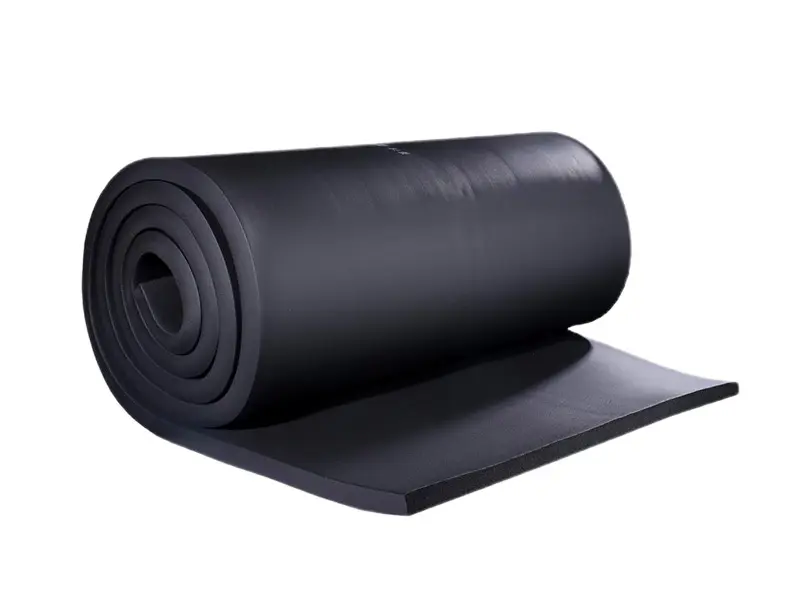
Key Advantages: Foams evenly and fully, closed-cell rate exceeds 98% for excellent thermal performance. Offers a low moisture absorption coefficient, compression resilience over 80%, and flame-retardant self-extinguishing properties.
Primary Applications: HVAC air ducts, building wall and roof insulation, anti-condensation and anti-freezing for water lines, industrial storage tanks, hotels, malls, rail transit, cold storage, and chemical piping systems.
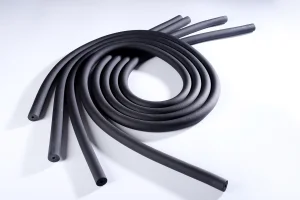
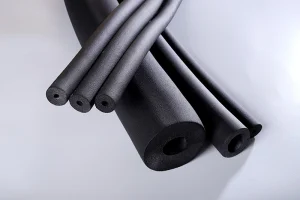
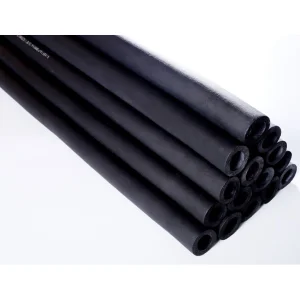
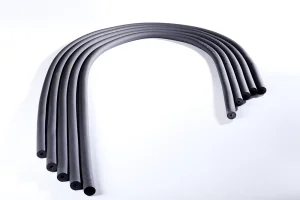
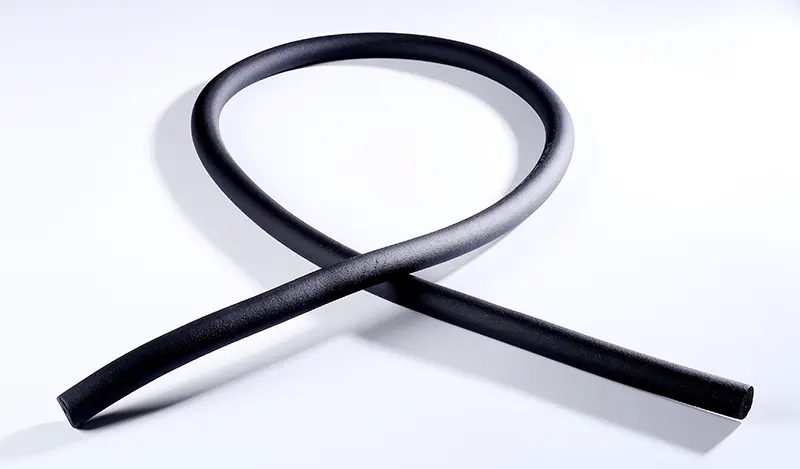
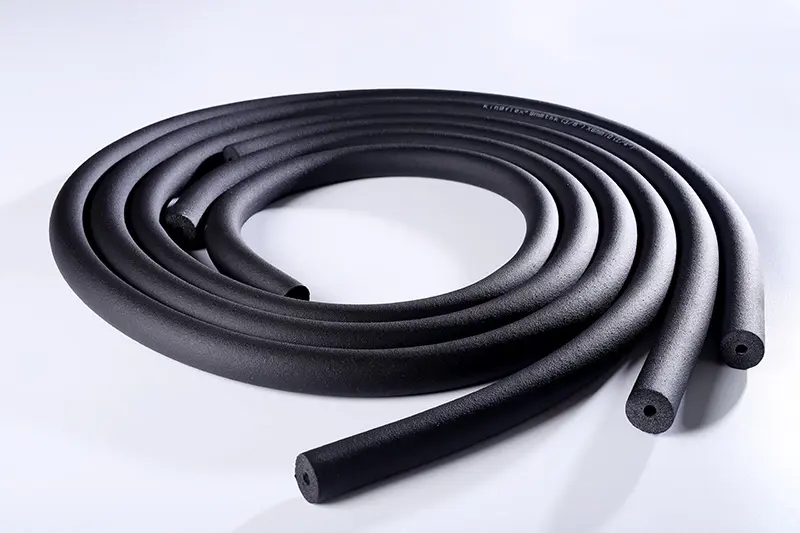
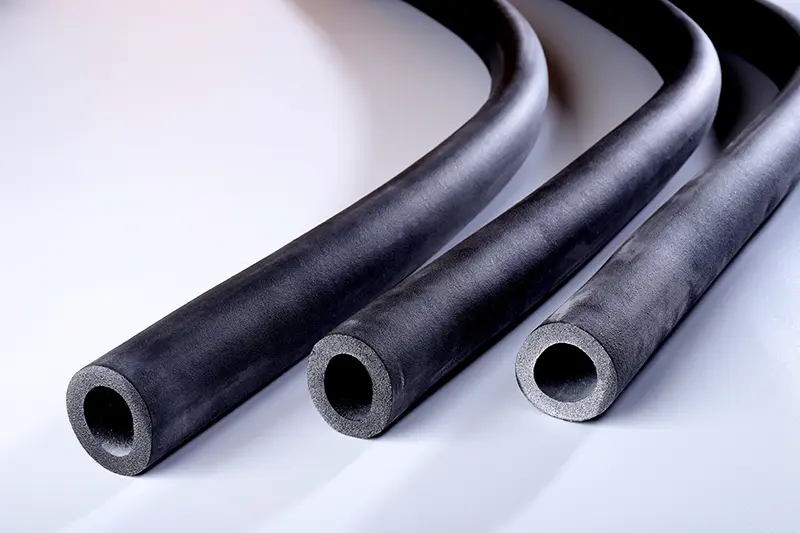
Standard Dimension: Material: NBR/PVC | Thickness: 9mm-40mm | ID: 6mm-114mm | Density: 40-55kg/m3 | Service Temperature Range: -40℃ to 105℃
Key Advantages: Highly uniform foaming structure, professional spraying process for even coating inside tubes, compression resilience over 80%, flame-retardant performance, low thermal conductivity, and high moisture resistance to prevent pipe freezing and cracking.
Primary Applications: HVAC chilled/hot water and condensate lines, water supply systems, commercial machine rooms, steam lines, chemical process lines, and solar thermal piping.
To keep pace with our 600,000 m³ annual production capacity, Kingflex runs automated warehouses and integrated raw material mixing systems. This continuous manufacturing cycle minimizes variance across batches.
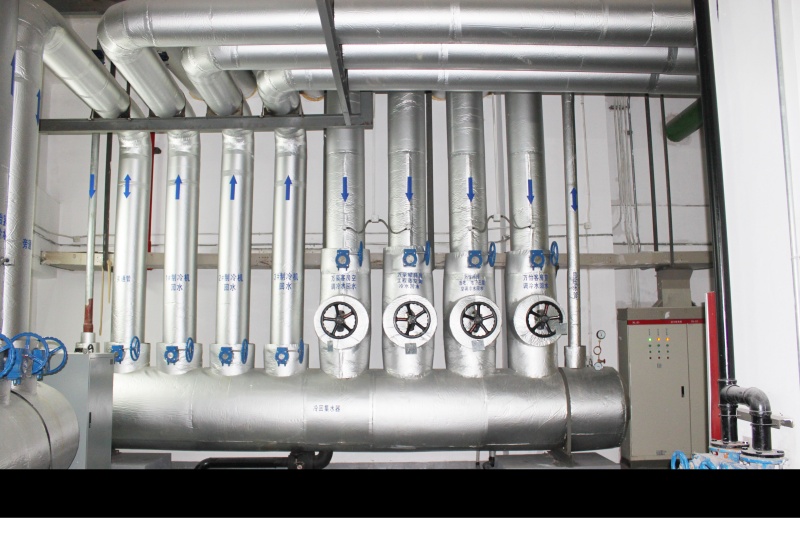


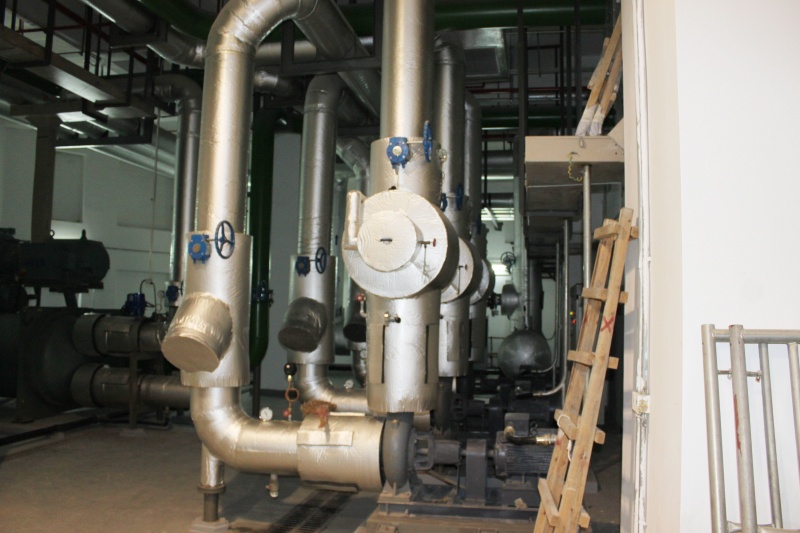
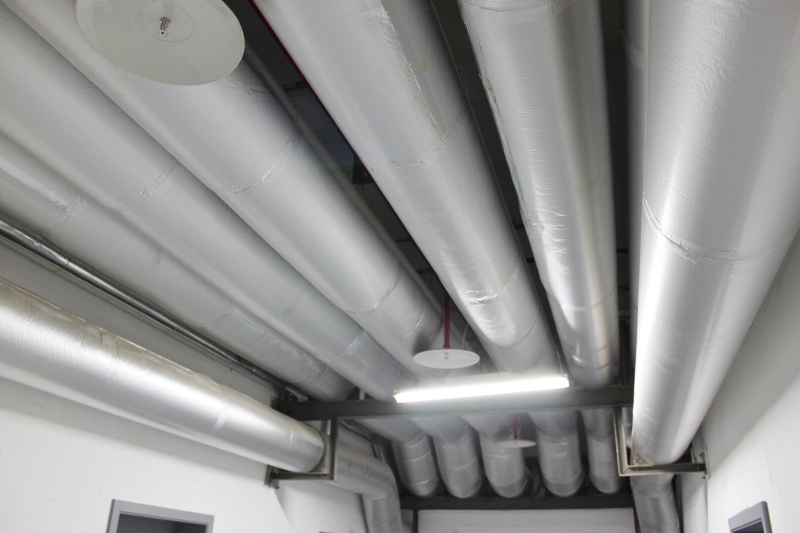

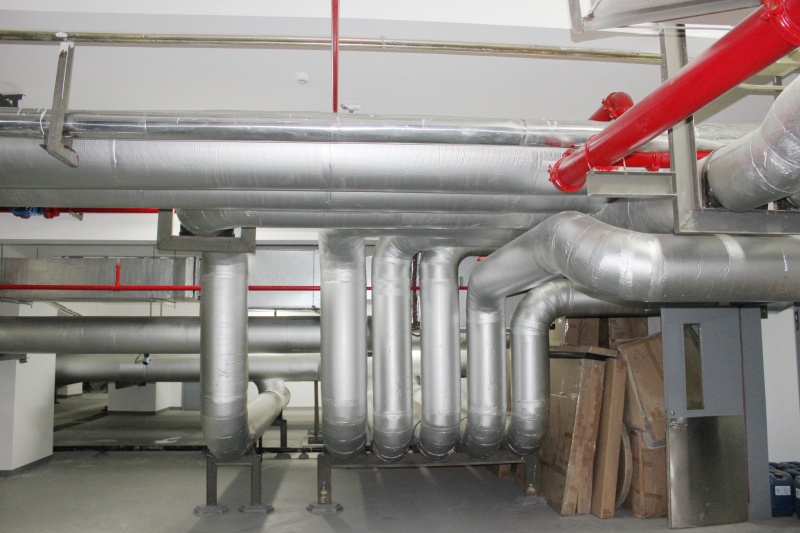

Explore our complete manufacturing catalog of high-density flexible tubing, sheets, and accessories
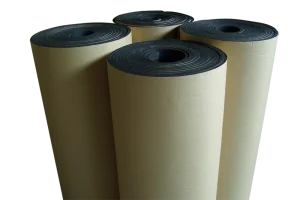
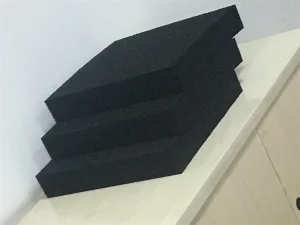
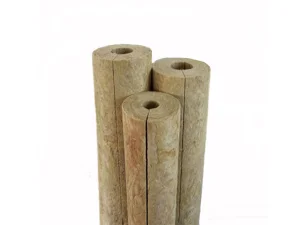
Pre-formed tubes, insulation boards, and sheet roll varieties ready for global distribution
 Kingflex