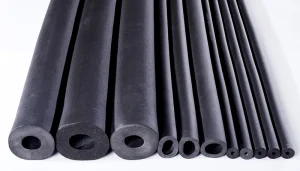
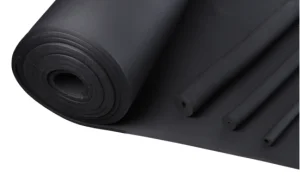
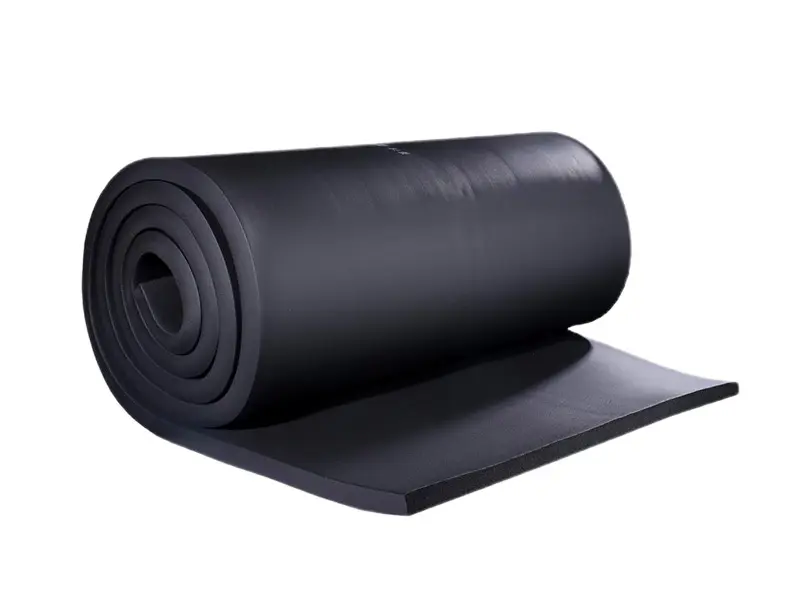
Explore our foundational range of certified elastomeric foams, insulation tapes, and ultra-low cryogenic systems engineered for heavy-duty HVAC, energy, and process piping operations.
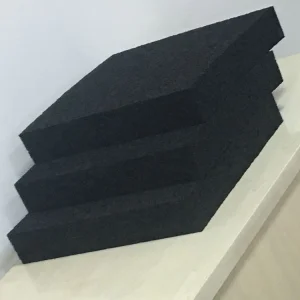
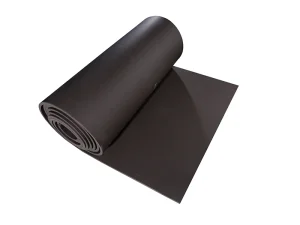
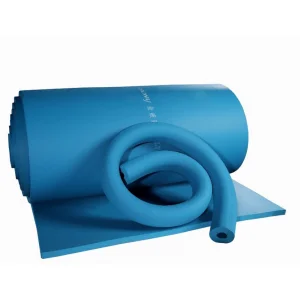
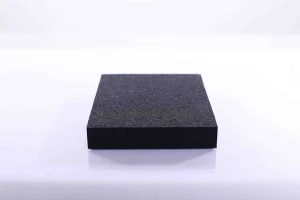
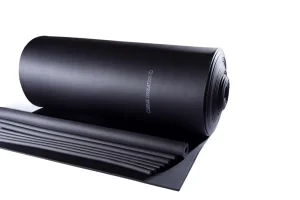
In the modern landscape of HVAC engineering, commercial construction, and petrochemical processing, energy conservation is no longer merely a financial consideration—it is a critical compliance metric. Standard building assemblies suffer significant energy leaks due to substandard insulation materials that absorb moisture, degrade physically, or permit convective heat transfer. The Eco Core manufacturing approach developed by Kingflex Insulation Co., Ltd. addresses these vulnerabilities directly by maximizing molecular cross-linking within an elastomeric NBR/PVC matrix.
Traditional insulation mediums like fiberglass or open-cell polyurethane are highly vulnerable to the moisture-absorption trap. As moisture permeates the air gaps, the thermal conductivity increases exponentially (since water conducts heat roughly 25 times more efficiently than air). Kingflex’s closed-cell structure boasts a closed cell rate exceeding 98%. This forms an impermeable barrier against vapor transition, entirely eliminating the need for separate external vapor barriers in typical indoor HVAC installations.
By combining high-grade Nitrile Butadiene Rubber (NBR) with Polyvinyl Chloride (PVC), Kingflex designs a thermal barrier that traps air in millions of microscopic, independent cells. The resulting material exhibits a remarkably low thermal conductivity ($\lambda \le 0.034$ W/m·K at 0°C) and a vapor diffusion resistance factor ($\mu$) exceeding 10,000. These physical values translate directly into reduced heat gain/loss, prevention of pipe condensation, and mitigation of Corrosion Under Insulation (CUI).
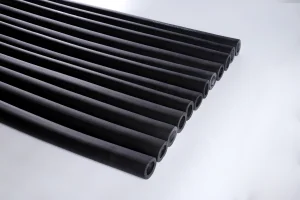
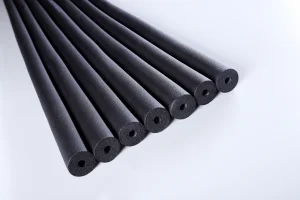
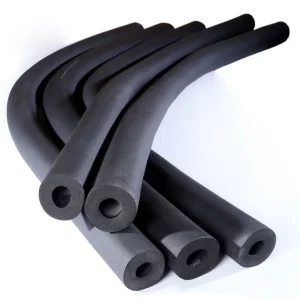
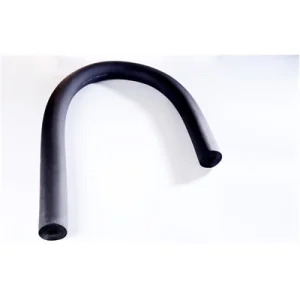
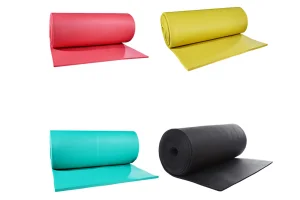
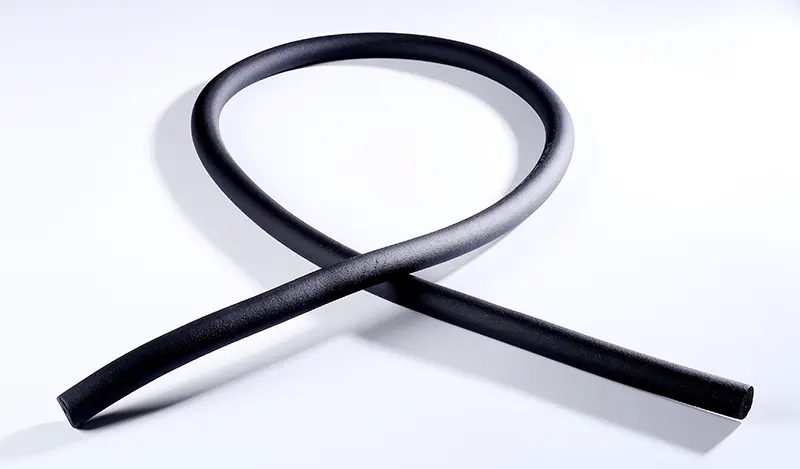
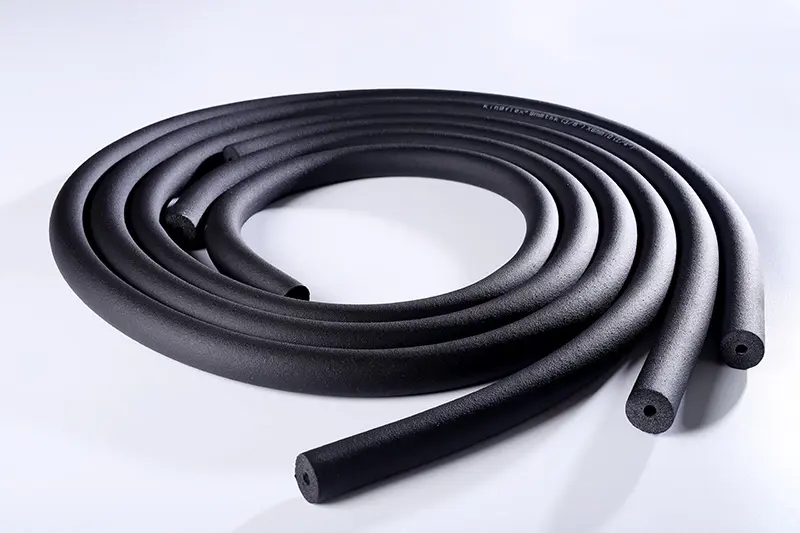
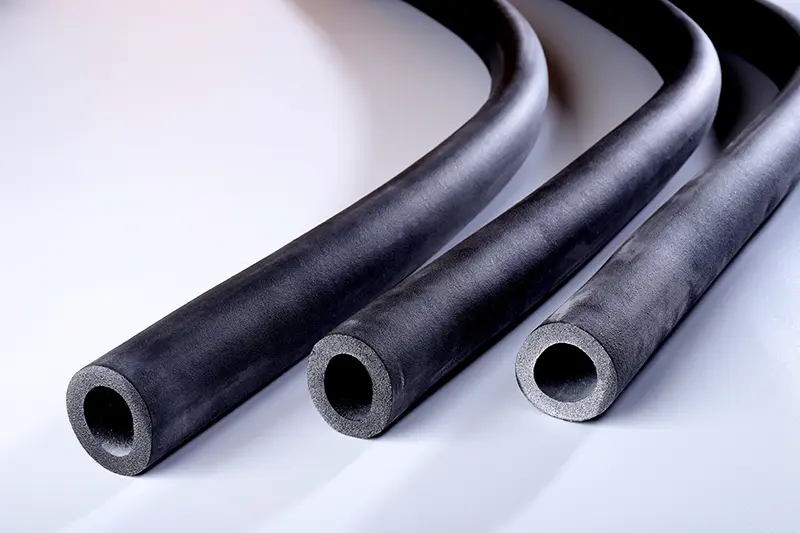
Our core product lines, including the Black Rubber Foam Insulation Sheet Roll and Black Rubber Foam Insulation Pipe, are manufactured to meet exact engineering metrics:
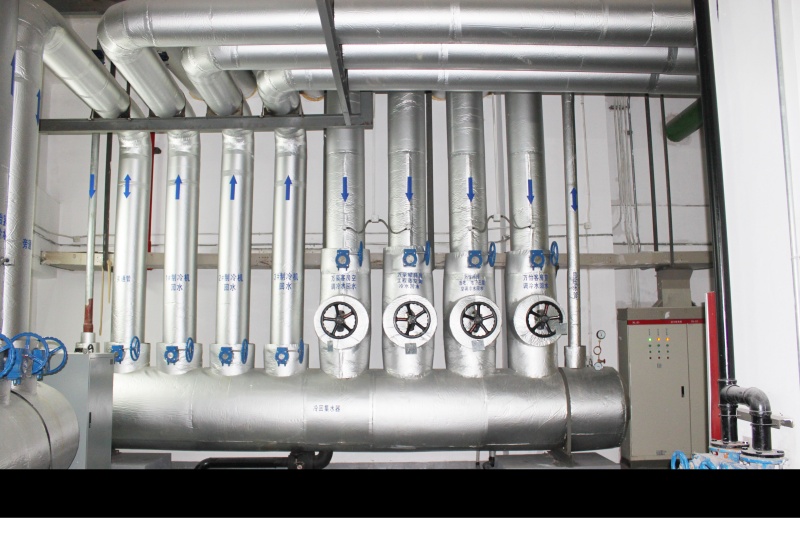
Understanding the real-world operational challenges of thermal insulation requires assessing distinct localized application zones:
A statistical summary highlighting our manufacturing capabilities, global market presence, and historical experience.
Operating out of Dacheng, China—the recognized capital of green building materials—our production base utilizes advanced vulcanization systems to guarantee dimensional stability and on-time international delivery.
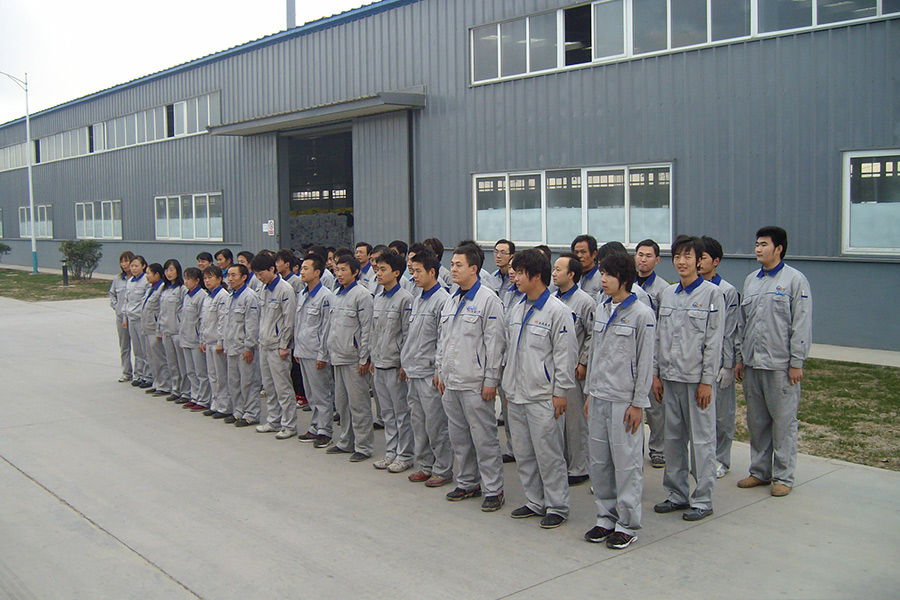
China’s supply chain resilience is anchored in cluster manufacturing. At Kingflex, we leverage this ecosystem by sourcing raw elastomers, polymer stabilizers, and processing oils locally. This reduces the carbon footprint associated with inbound transportation. Our factory runs 5 large-scale automated continuous vulcanization lines. These lines are fully integrated with real-time temperature control systems that maintain precise density distributions across the foam roll or tube profile.
Having been designated a primary supply enterprise by the Ministry of Energy, the Ministry of Electric Power, and the Ministry of Chemical Industry, Kingflex operates under rigorous national and international quality frameworks. Our production planning guarantees that even large volume orders (exceeding 10,000 cubic meters) are batched, manufactured, quality-tested, and prepared for export shipping in short timeframes.

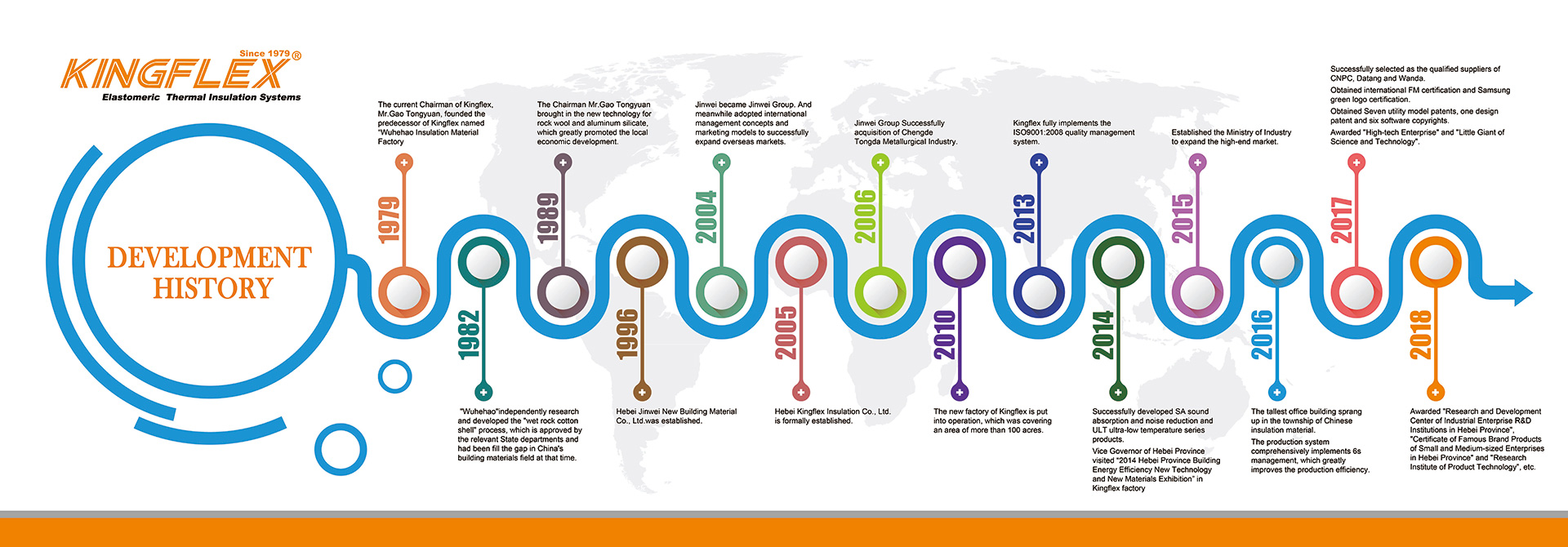


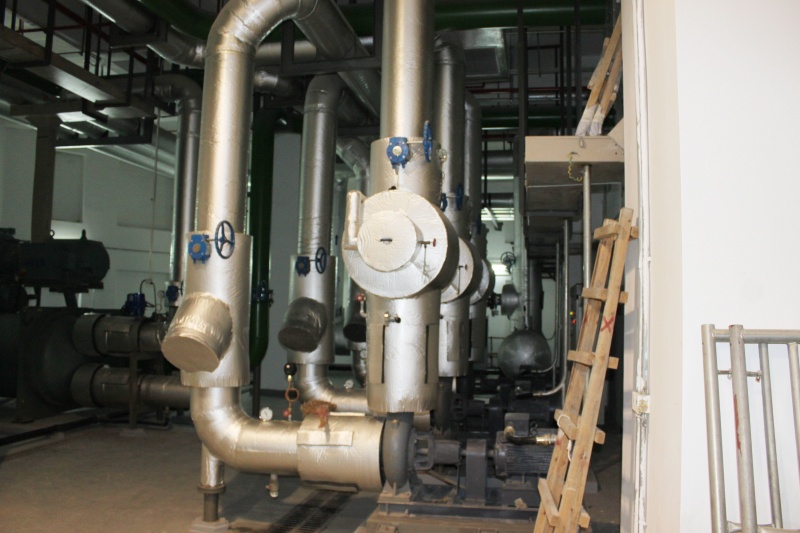
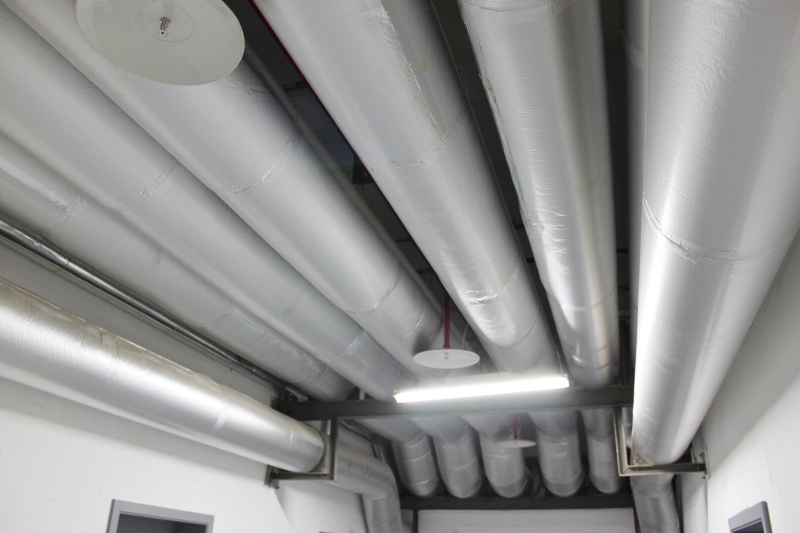

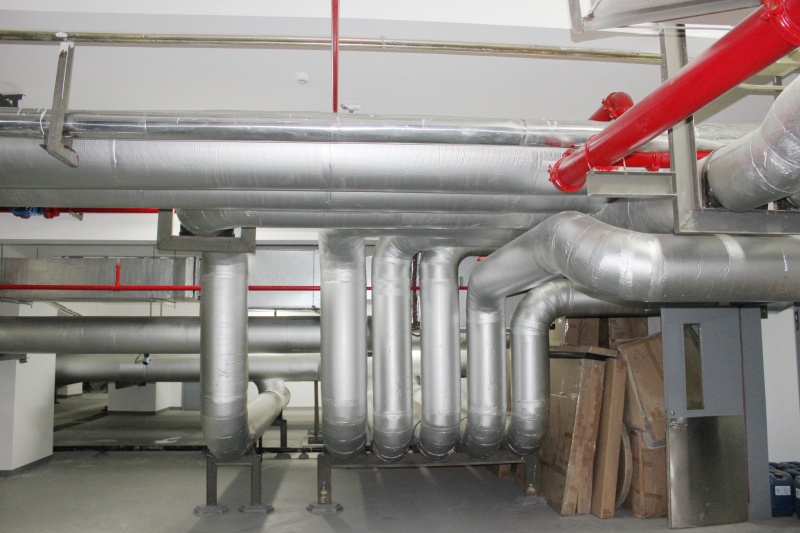
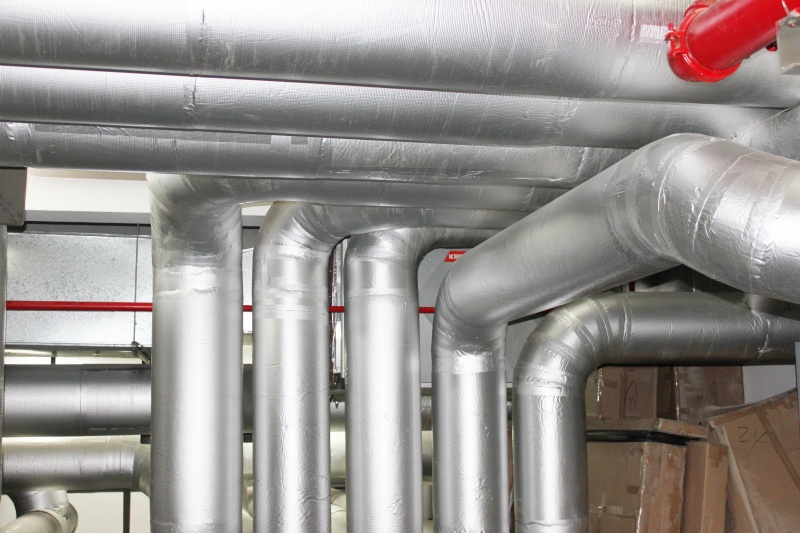
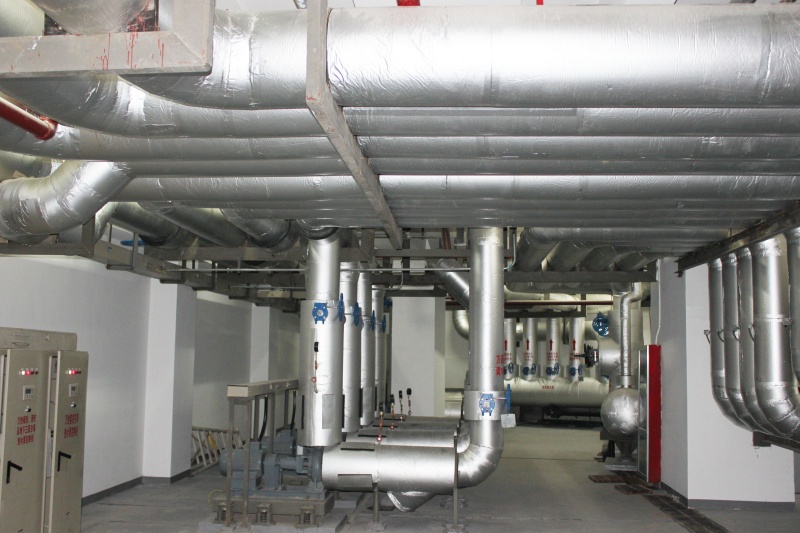
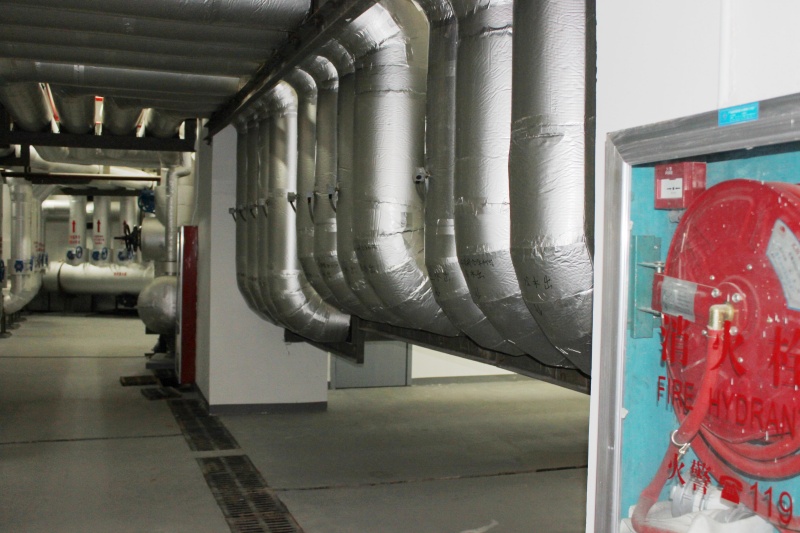
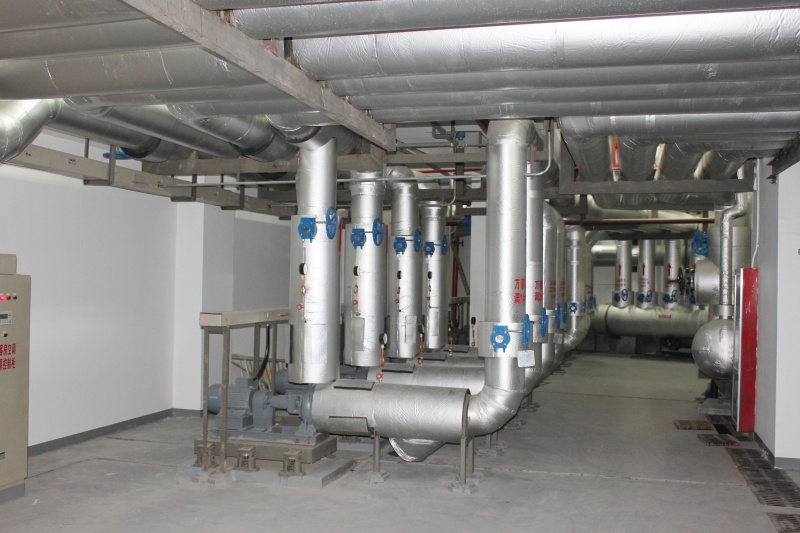

Building safety codes demand verifiable third-party certification. Our products undergo rigorous testing to comply with international fire, environmental, and chemical standards.
At Kingflex, we maintain a dedicated R&D facility staffed by 8 professional materials scientists and engineers. This laboratory focuses on polymer formulation testing, smoke toxicity reduction, and cryogenic performance testing. Our core products are certified under BS 476, CE, REACH, RoHS, UL 94, and ASTM. This ensures smooth customs clearance and strict compliance with local building regulations in over 66 countries.
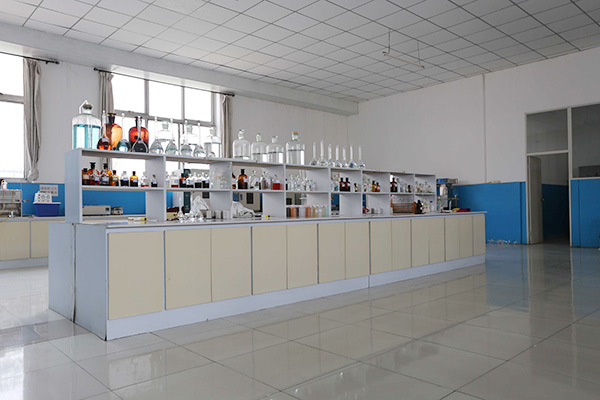

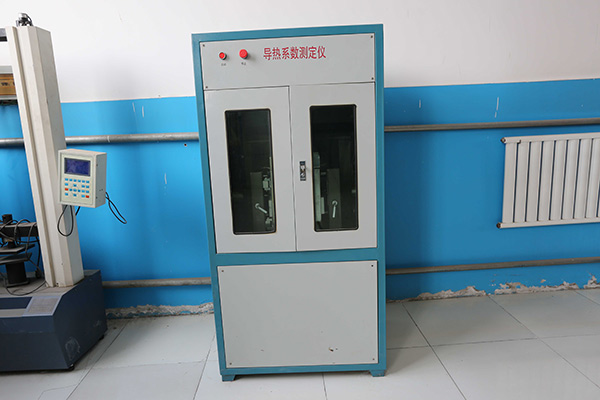
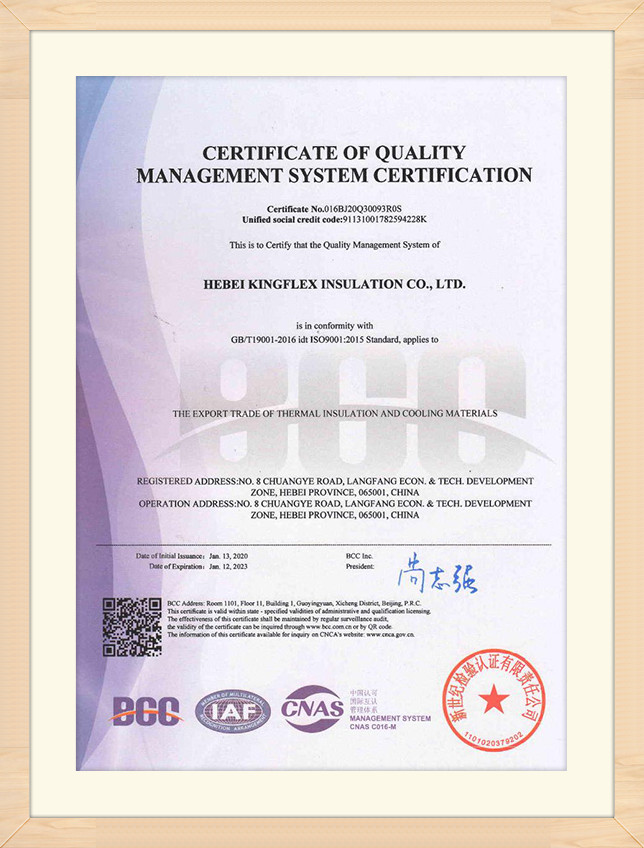


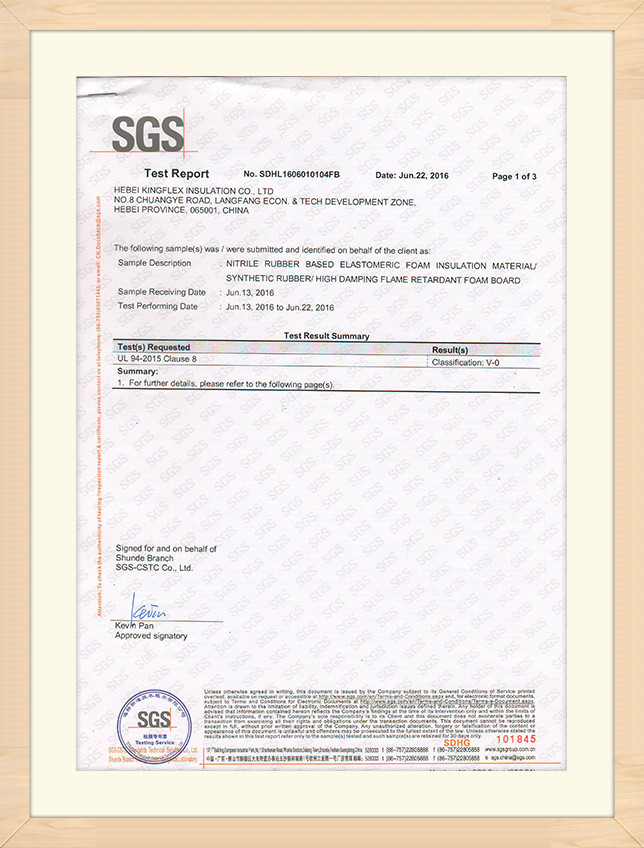

Our international team provides full documentation and real-time transaction support, ensuring transparency from factory floor to job site.




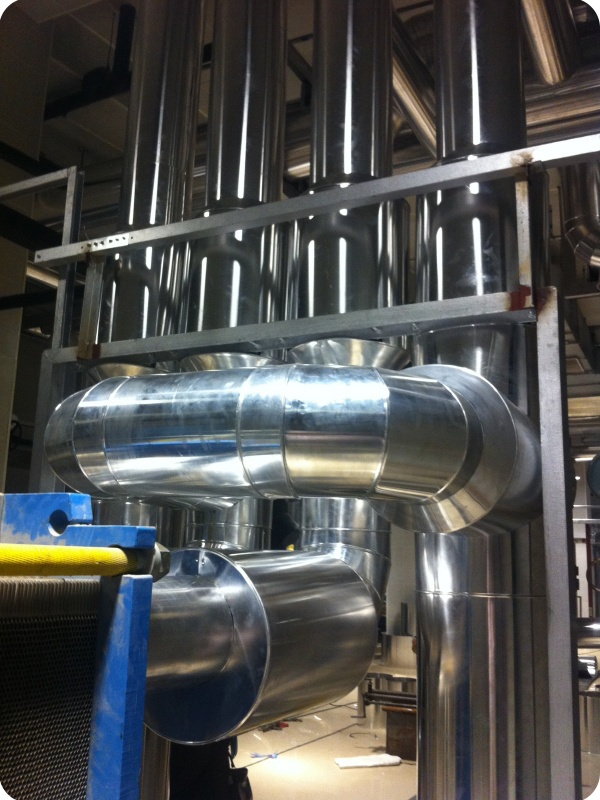
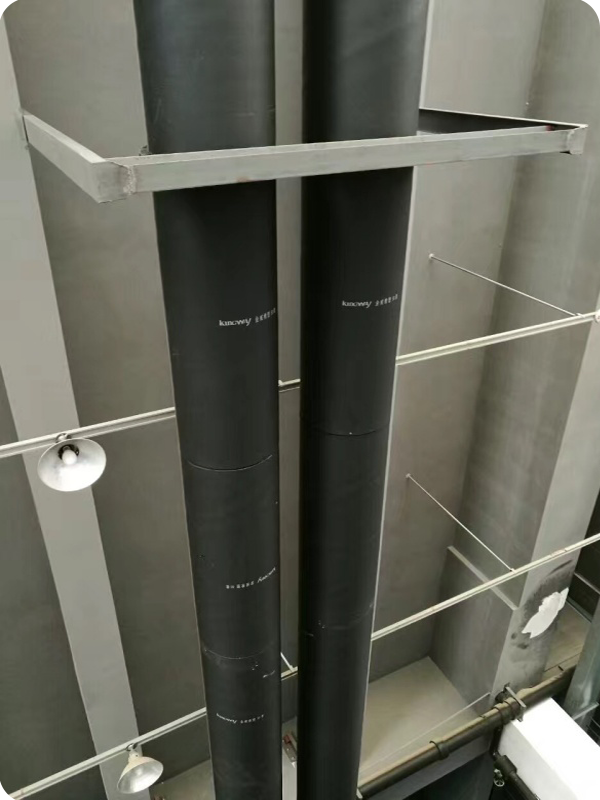
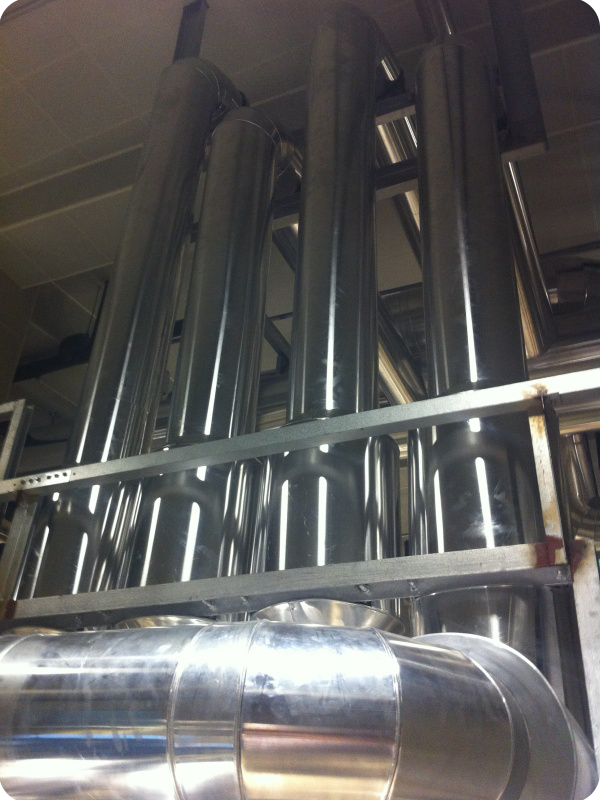
From cryogenic gas processing pipelines to commercial HVAC installations, Kingflex products provide reliable insulation performance worldwide.

The next generation of building materials must balance thermal efficiency with environmental health. Standard elastomeric foams contain trace chlorochemicals that act as flame retardants but can release corrosive gases during thermal decomposition. Kingflex is leading the transition with our Halogen-Free Thermal Insulation range. Engineered without chlorine or bromine, these products prevent the release of toxic acid gases during fires, providing an essential safety solution for schools, cleanrooms, and data centers.
Additionally, our R&D efforts are focused on bio-based plasticizers to replace petroleum-derived materials. This initiative aims to reduce the carbon footprint of our products while maintaining the physical properties of NBR/PVC foams.
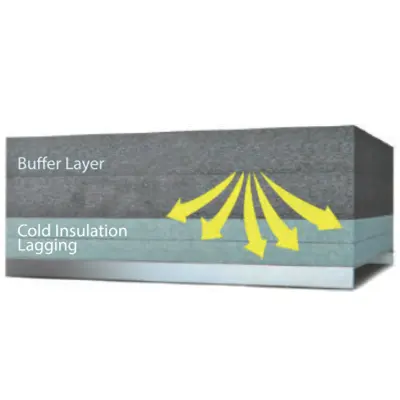
A comprehensive inventory of our specialized elastomeric rubber foam profiles, cryogenic solutions, and mineral wool insulation systems designed to meet distinct performance requirements.




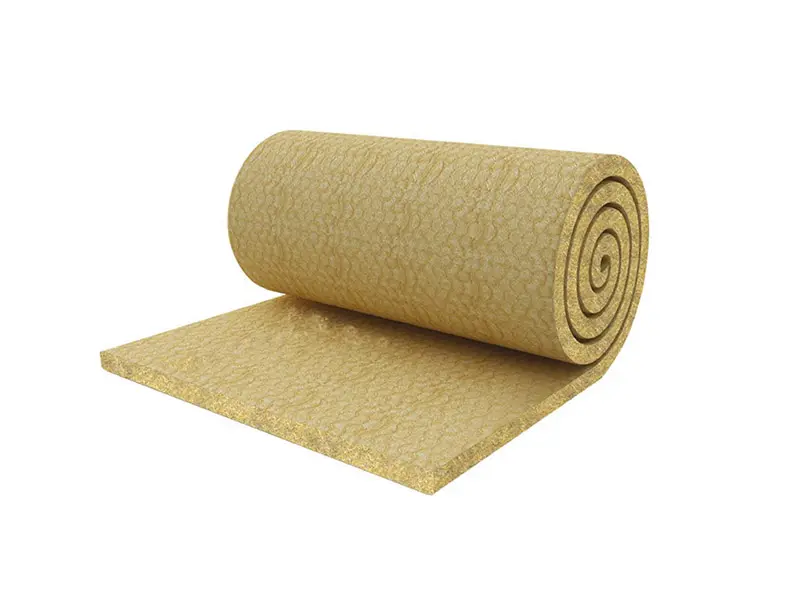
Detailed explanations regarding product application, material differences, compliance standards, and custom manufacturing capabilities.
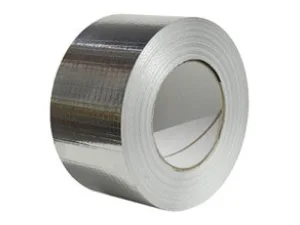
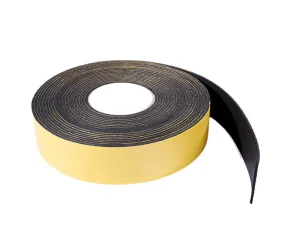
Complete your thermal insulation installation with our matching line of high-density tubes, aluminum foil tapes, and specialized adhesive backing options.
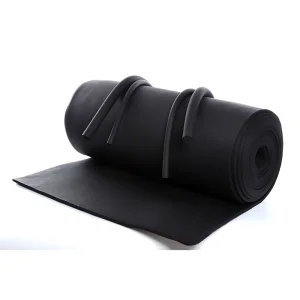
Explore our main product categories, including closed-cell rubber elastomeric foams, glass wool, and mineral rock wool systems designed for demanding projects.
 Kingflex