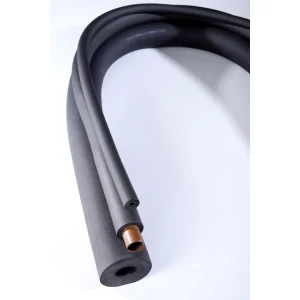
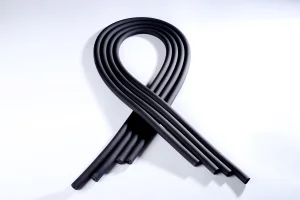
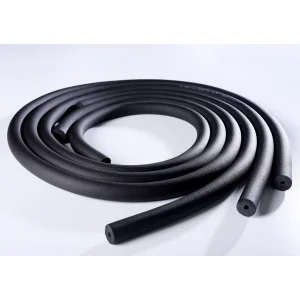
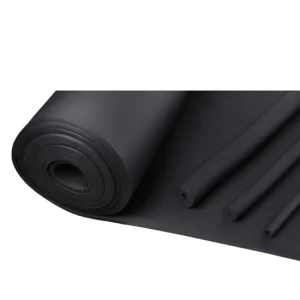
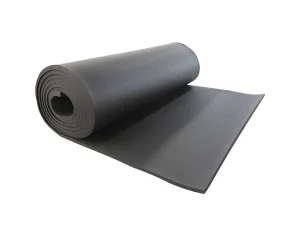
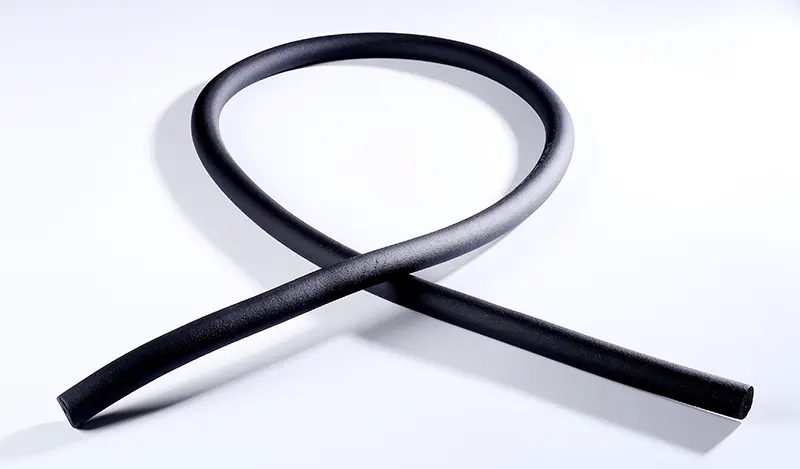
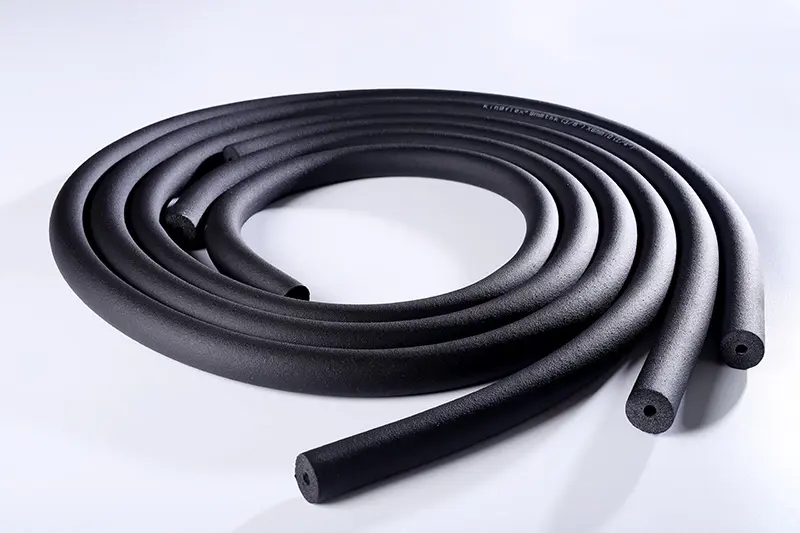
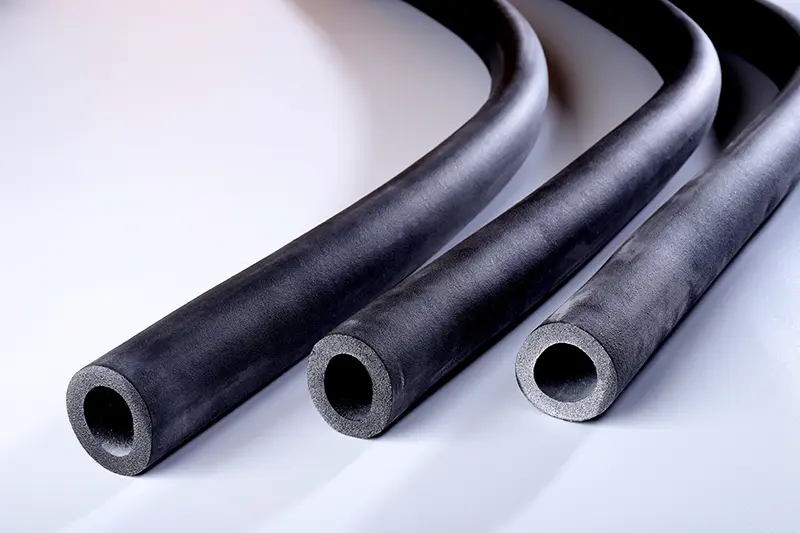
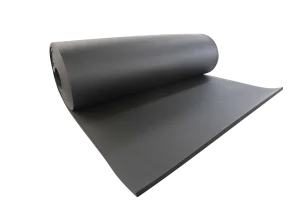
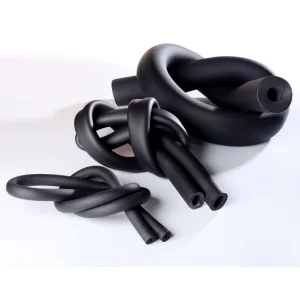
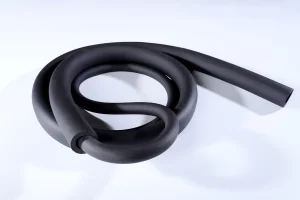
Explore our primary array of heavy-duty thermal insulation tubes, cryogenic barriers, and high-density elastomeric sheets engineered for harsh HVAC and mechanical pipe networks.
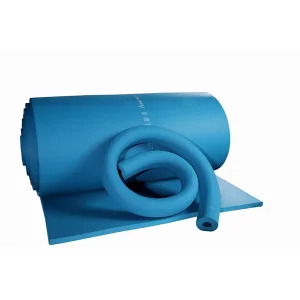
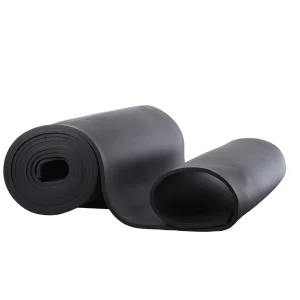
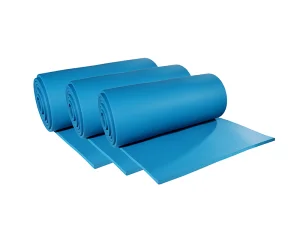
A Professional Manufacturing & Trading Combo for Premium Thermal Insulation Systems.
Located in the well-known capital of green building materials in Dacheng, China, Kingflex Insulation Co., Ltd. concentrates on the research, development, production, and distribution of energy-saving, environmentally friendly insulation materials. Kingflex operates with energy saving and consumption reduction as its core concept. We provide integrated solutions encompassing thermal insulation, cold insulation, and noise reduction through consultancies, manufacturing, installation guidance, and comprehensive post-sales service.
Our foundation is anchored by the Jinwei Group, which boasts a rich heritage spanning more than 40 years since its inception in 1979. Jinwei Group was the pioneer manufacturer of thermal insulation materials north of the Yangtze River, paving the way for advanced polymer development in China.

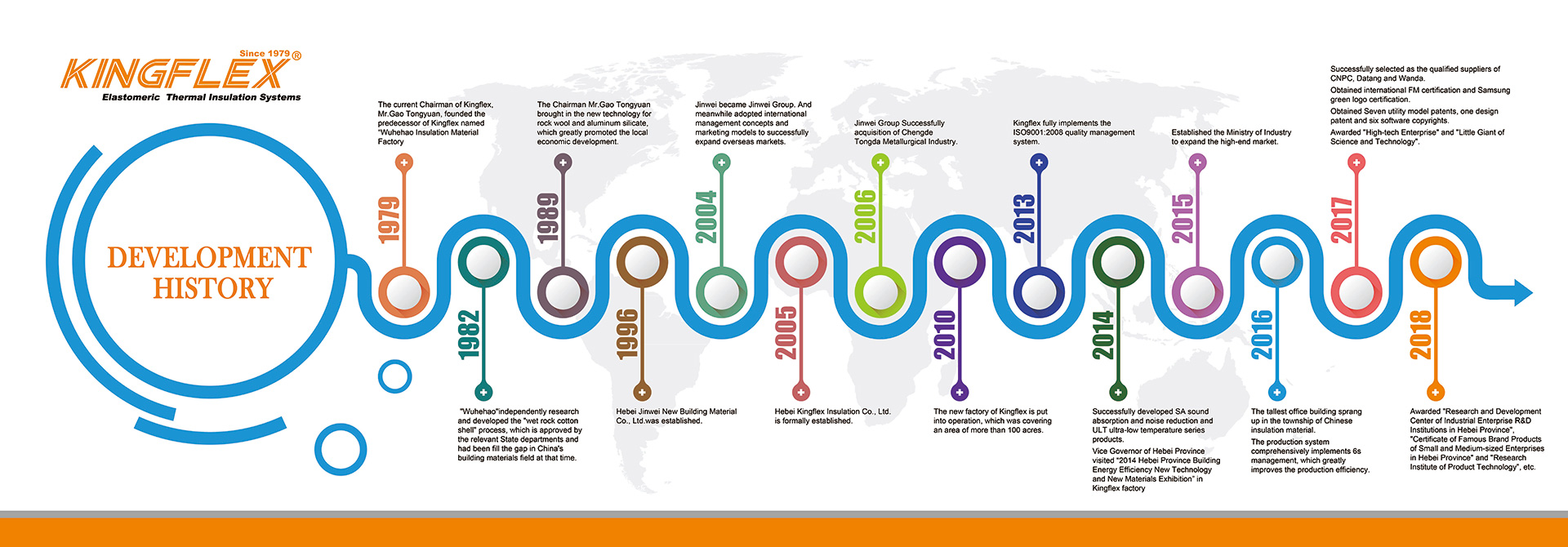
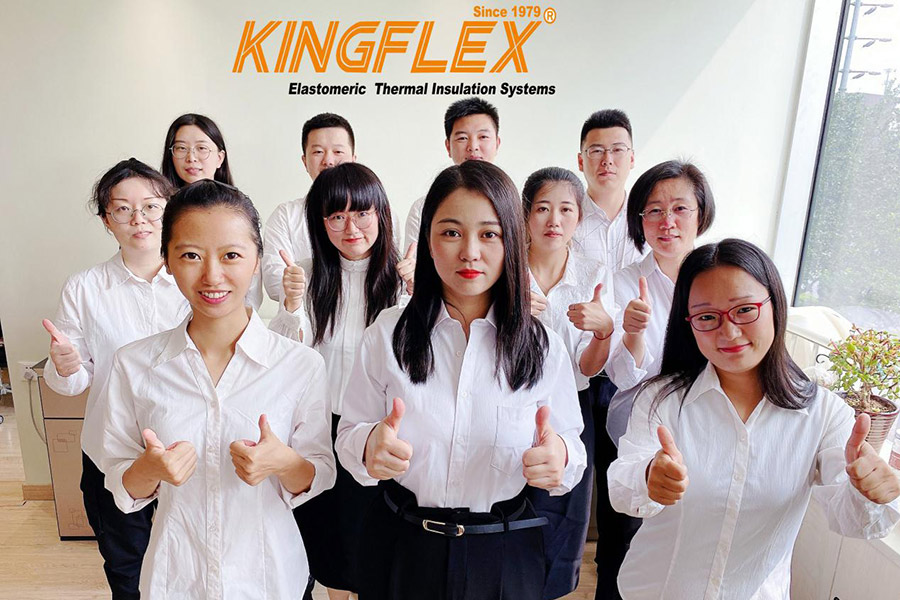
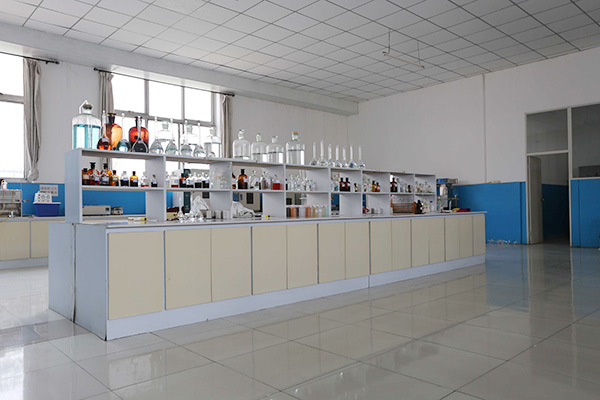

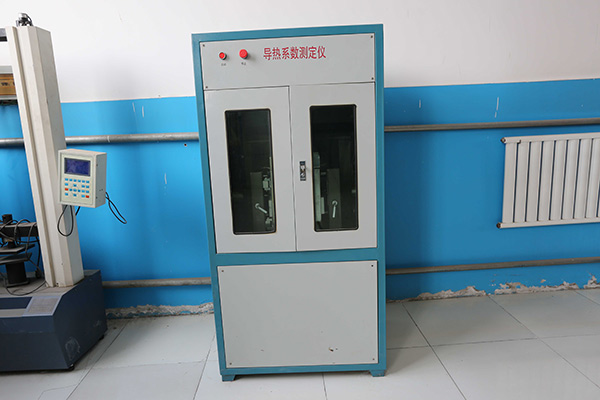
Certified by state ministries as a designated energy-saving enterprise, Kingflex operates five large automated assembly lines.
Our manufacturing plant utilizes advanced automated continuous foaming lines. This ensures a consistent, closed-cell rate of over 98% in our elastomeric NBR/PVC matrix. Kingflex's engineering footprint includes a dedicated R&D department consisting of 8 professional engineers, 6 professional international sales coordinators, and over 230 specialized production employees.
Because of our rigorous quality standards, Kingflex products are selected by the Ministry of Energy, the Ministry of Electric Power, and the Ministry of Chemical Industry for key infrastructure projects throughout Asia and Europe.
Building an accurate procurement pricelist requires evaluating primary variables. Factors include NBR raw monomer pricing, density specifications (40–55 kg/m³), wall thickness parameters (6mm to 50mm), and protective jacket options like Alupack or self-adhesive backings. Sourcing directly from Dacheng manufacturers optimizes the total cost of ownership by eliminating broker margins.
The insulation sector is shifting from basic thermal containment to smart green systems. Regulatory environments like the EU Green Deal and ASHRAE Standards require halogen-free formulations, low smoke toxicity, and increased resistance to moisture. Closed-cell rubber foam remains the material of choice due to its high resistance to vapor diffusion and low environmental impact.
In commercial building networks and process industries, proper insulation helps prevent condensation and heat loss. Closed-cell structures maintain a barrier that isolates cold water and refrigerant pipes from surrounding ambient air, preventing moisture accumulation, corrosion under insulation (CUI), and mold growth in public and industrial facilities.
Compare structural properties, density thresholds, thermal coefficients, and sizing limits across our product lines.
| Property Matrix | NBR/PVC Elastomeric Foam Sheet Roll | NBR/PVC Elastomeric Foam Pipe / Tube | Cryogenic Diolefin System |
|---|---|---|---|
| Standard Thickness | 6mm - 50mm | 9mm - 40mm | Custom Layered (Up to 50mm) |
| Inner Diameter (ID) Range | N/A | 6mm - 114mm (1/4" ID and up) | Custom Engineered |
| Bulk Density | 40 - 55 kg/m³ | 40 - 55 kg/m³ | 50 - 65 kg/m³ |
| Service Temperature Limit | -40℃ to 105℃ | -40℃ to 105℃ | Down to -200℃ (Low Temperature) |
| Closed-Cell Rate | > 98% | > 98% | > 99% |
| Thermal Conductivity (λ) | ≤ 0.034 W/m·K at 0℃ | ≤ 0.034 W/m·K at 0℃ | ≤ 0.031 W/m·K at -165℃ |
| Moisture Resistance (μ) | ≥ 10,000 | ≥ 10,000 | ≥ 15,000 |
| Fire Compliance Standards | BS 476 Part 7 Class 1, UL94 V-0 | BS 476 Part 7 Class 1, CE, ROHS | ASTM E84, DIN 4102-B1 |
Exported to sixty-six countries over the past 16 years, Kingflex systems meet demanding regulatory criteria worldwide.
Our products are tested to comply with international thermal safety and environmental guidelines. Our product portfolio holds certifications including BS 476, CE, REACH, RoHS, UL94, and ASTM.
Every production run has full batch traceability. This allows engineering clients to trace raw material inputs and quality control metrics from our factory floor to installation site.
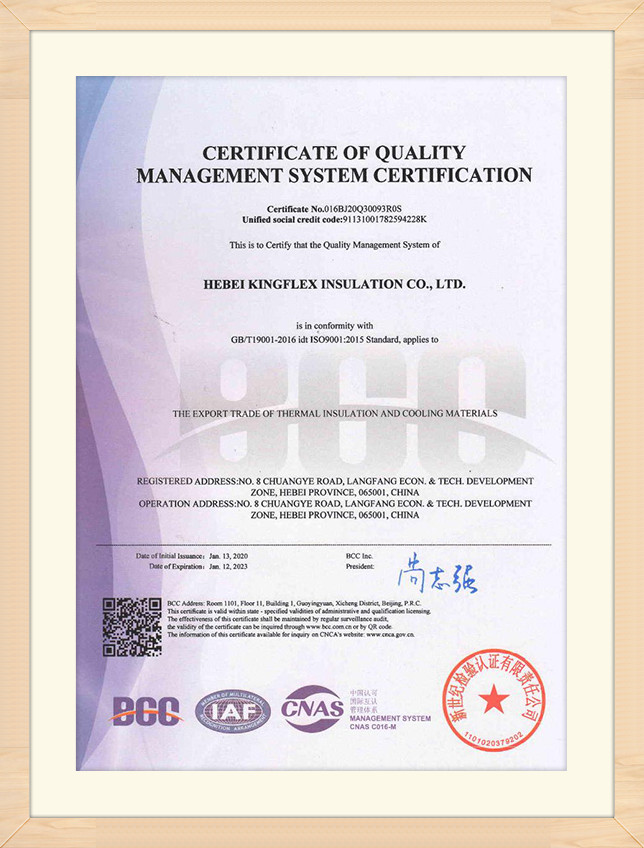


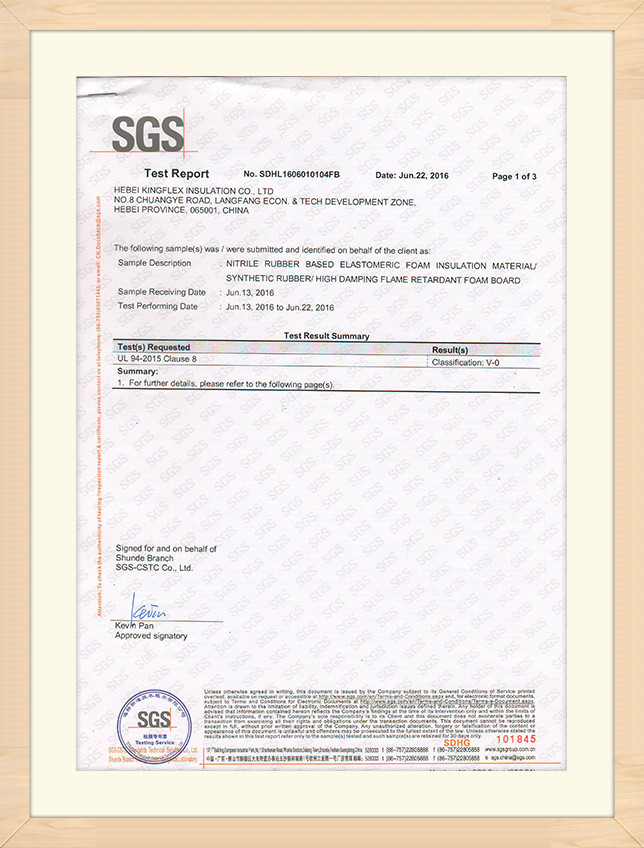
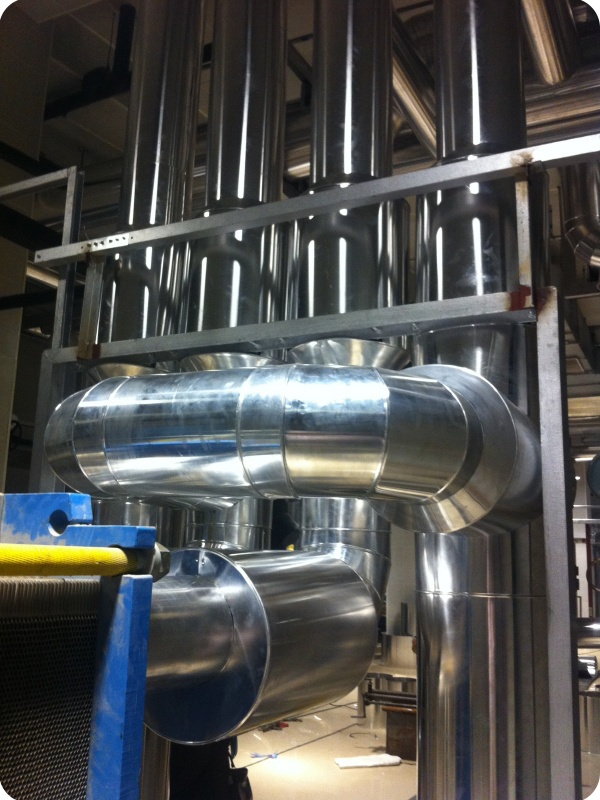
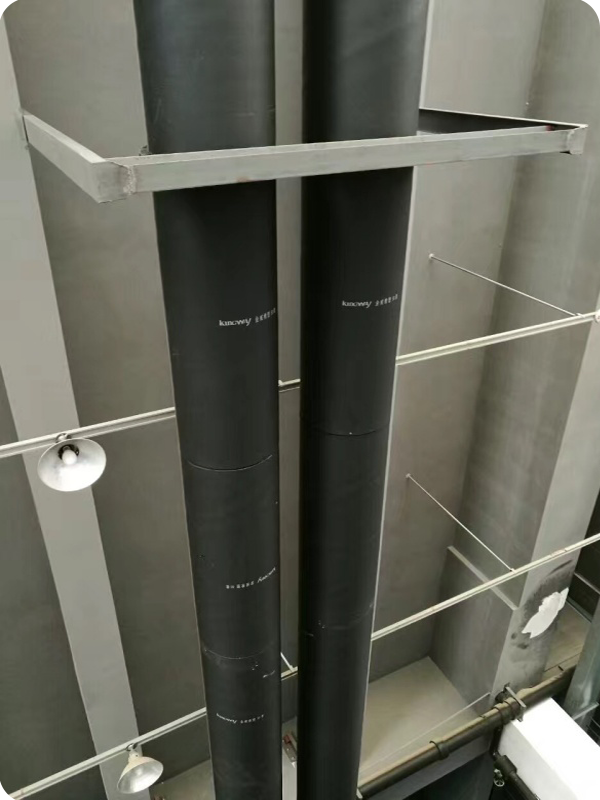
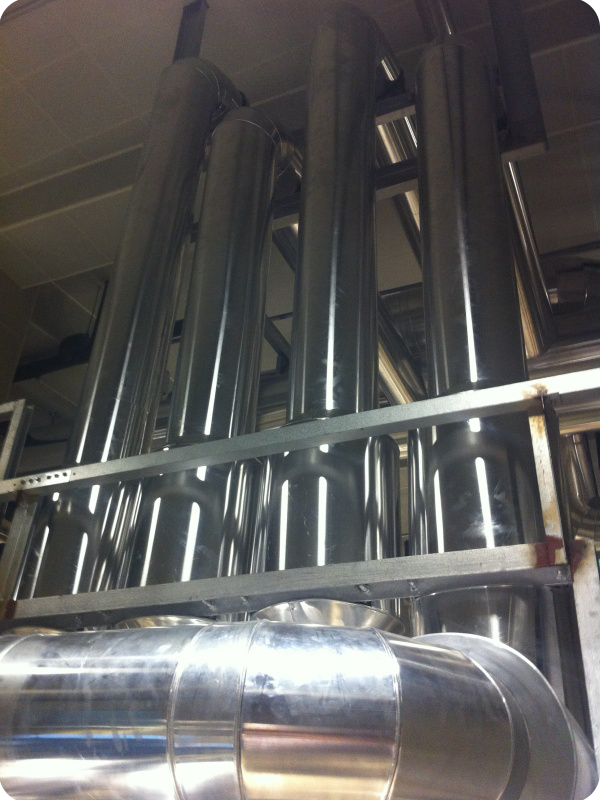
Our insulation materials are used across the globe, protecting infrastructure in harsh operating climates.

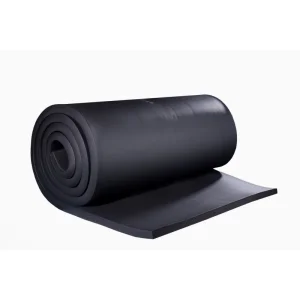
Material: NBR/PVC copolymer blend.
Thickness range: 6mm - 50mm.
Density limits: 40-55 kg/m³.
Operating temperatures: -40℃ to 105℃.
Closed-cell matrix: High vapor resistance, low thermal degradation.
Wall thickness: 9mm - 40mm.
Inner Diameter (ID): 6mm - 114mm.
Protection: Pre-sprayed inner core prevents adherence during pipe thermal shifts.
Performance: Reduces risks of pipe freezing and exterior condensation.
Examine our advanced production lines, logistics centers, and direct customer feedback logs.
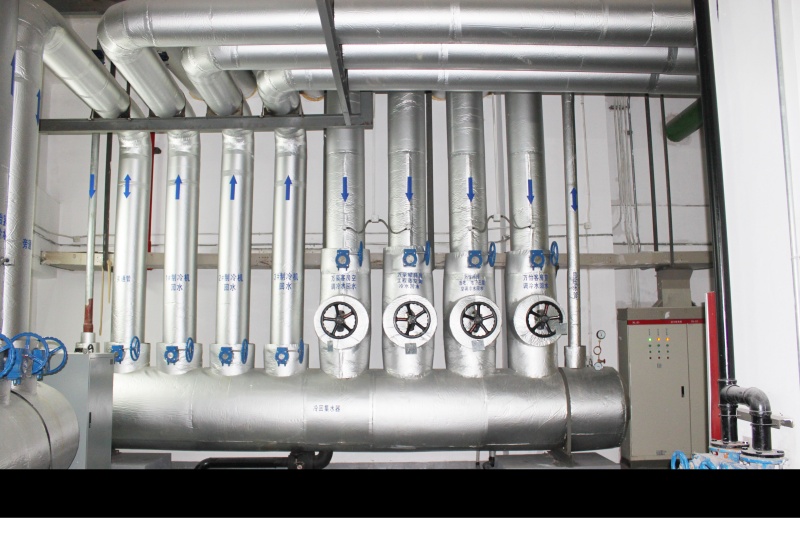


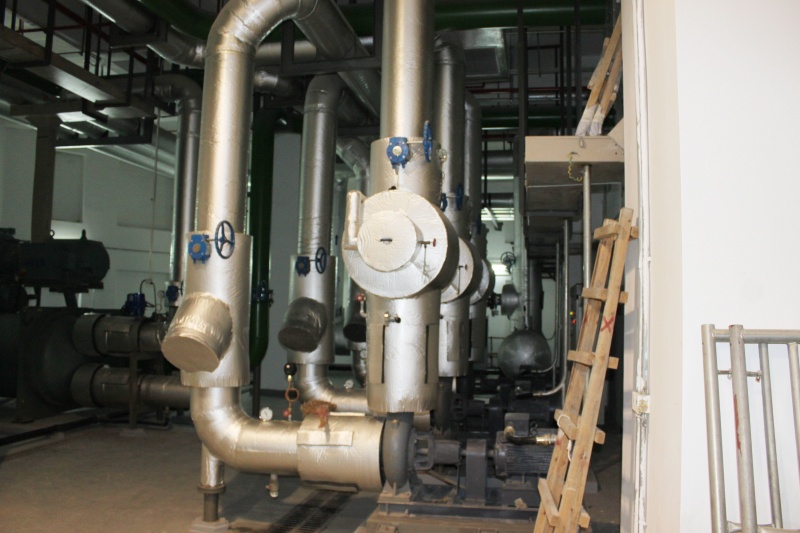
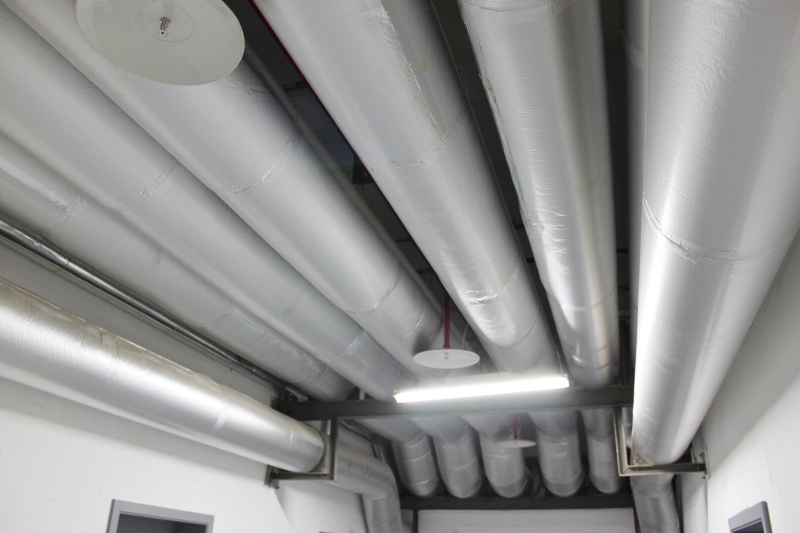

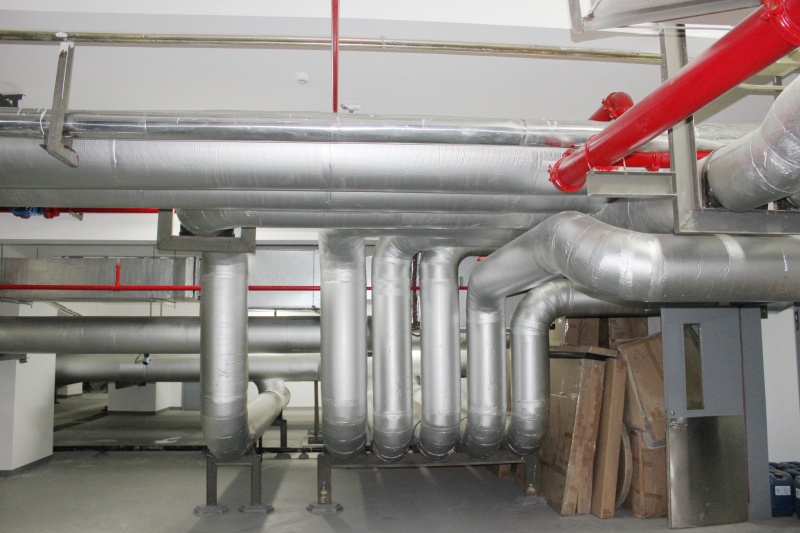
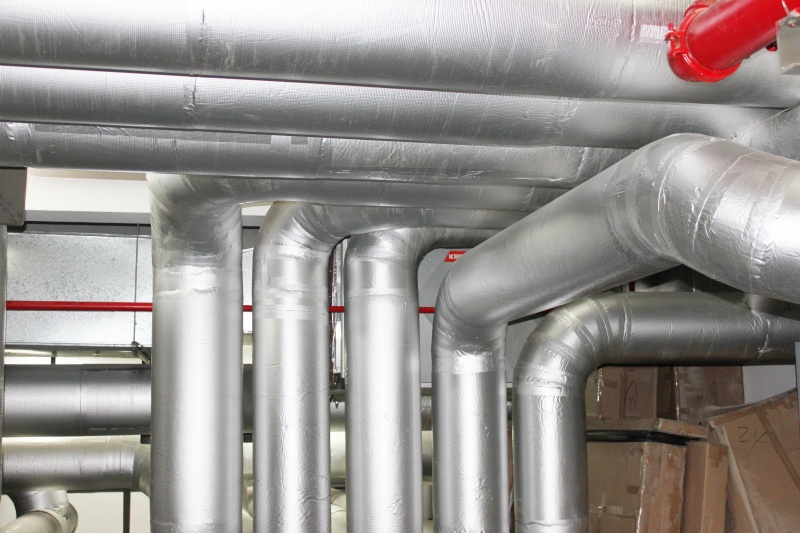


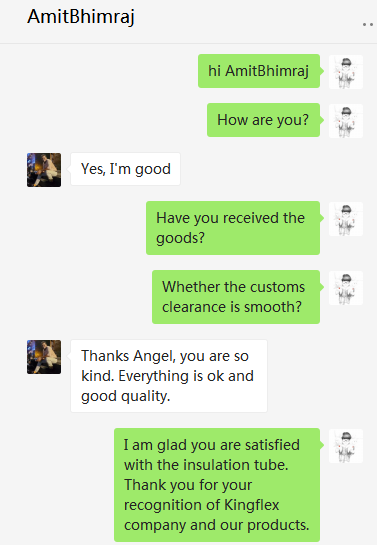

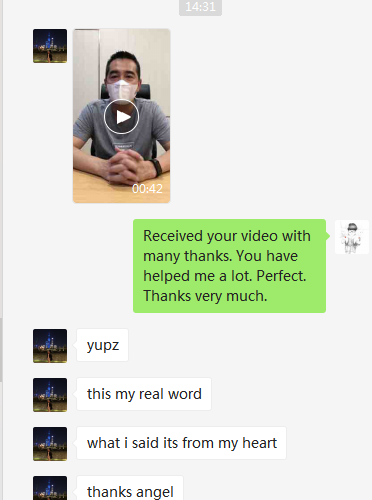
Select from standard configurations and specialty grades below, or consult our engineering team for custom requests.
Selecting the appropriate material configuration based on temperature limits, moisture risks, and structural factors.
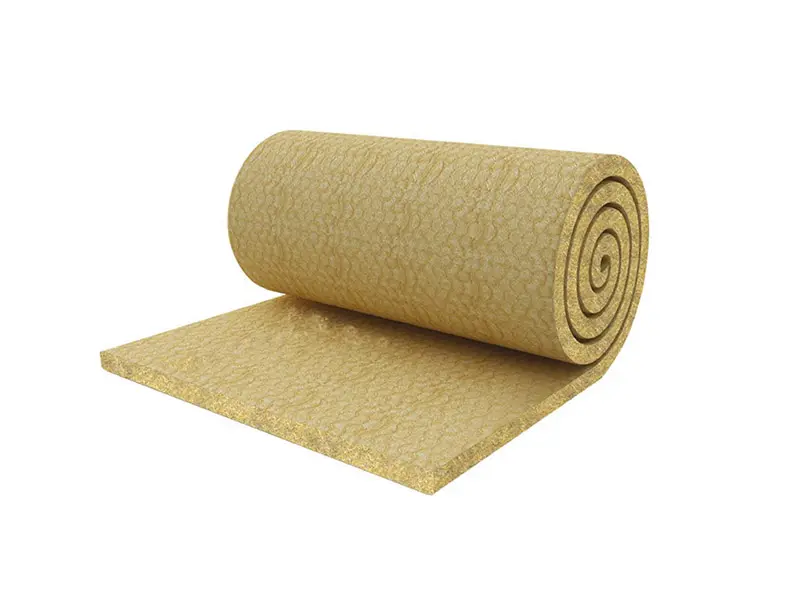
While closed-cell NBR/PVC elastomeric rubber foam is suitable for HVAC systems and cold process piping, high-temperature industrial steam pipes require rock wool materials.
To support complete projects, Kingflex supplies specialized industrial rock wool panels and high-temperature mineral fiber insulation wraps. This gives procurement managers a single source for both hot and cold insulation requirements.

How NBR/PVC foam is configured across infrastructure fields to improve system reliability.
For central ventilation ducts, NBR/PVC foam prevents cold thermal bridging and condensation on duct walls. The material's elasticity acts as an acoustic barrier, absorbing mechanical vibration and fan noise within the air duct.
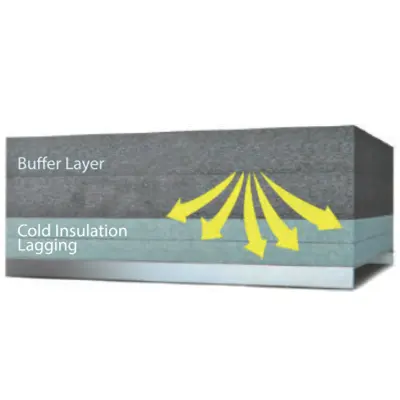
Temperatures down to -200°C require specialized cryogenic diolefin rubber structures. These formulations are designed to remain flexible at cold temperatures, reducing micro-cracking caused by structural contraction.
Processing piping carrying volatile products requires protection against moisture-driven degradation. Our closed-cell rubber tubing prevents moisture ingress, shielding metal pipes from corrosion under insulation (CUI).
Clear, expert-level technical answers covering material composition, fire ratings, chemical performance, and project specifications.
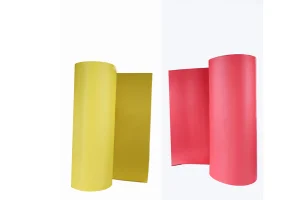
Review our secondary catalog of specialty sheets, self-adhesive rolls, and colored thermal tubes designed to simplify pipe identification.
 Kingflex