High-specification elastomeric cellular materials engineered for thermal stability, flame retardancy, and acoustic dampening.
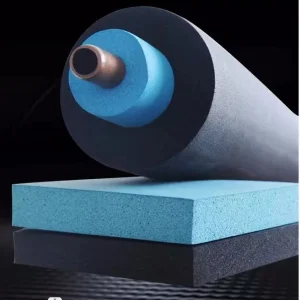
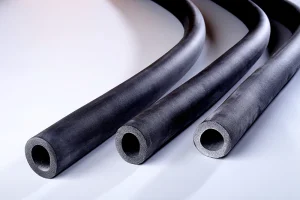
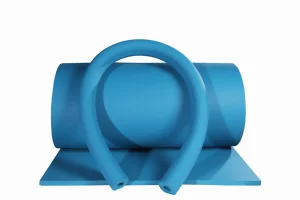
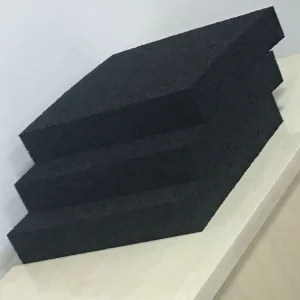
Modern building services and heavy industrial facilities require high performance from thermal barrier materials. An insulated pipe duct acts as more than just a barrier to limit heat gain or loss. It is a critical component in ensuring process stability, managing energy usage, and preventing structural decay due to moisture intrusion.
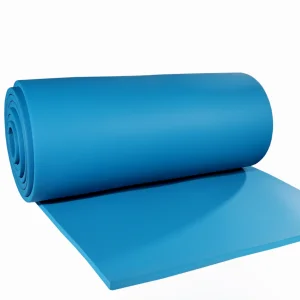
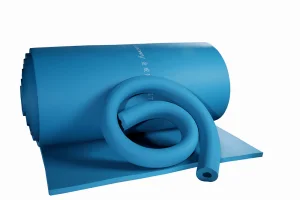
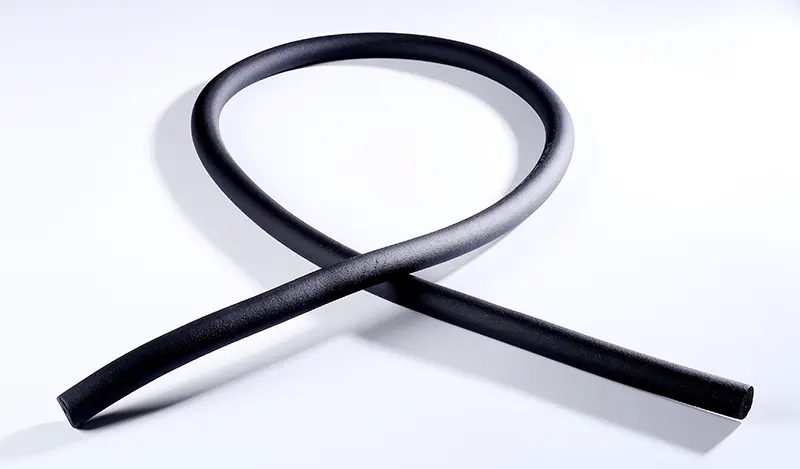
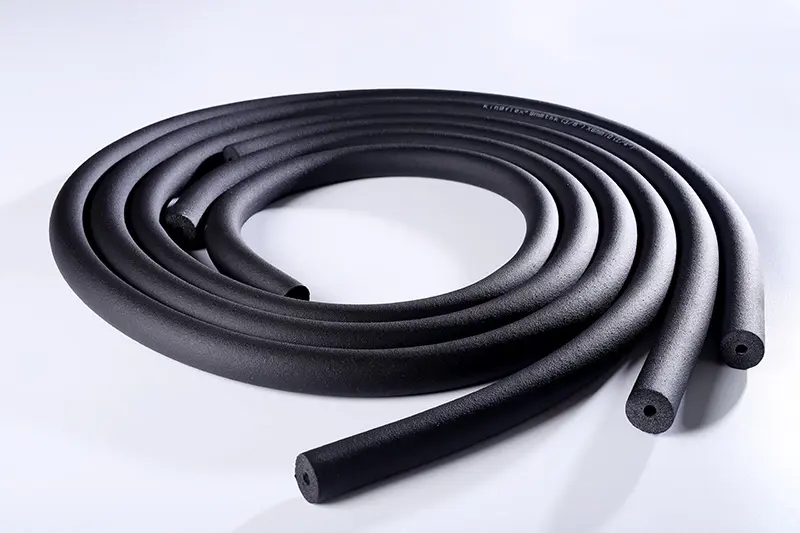
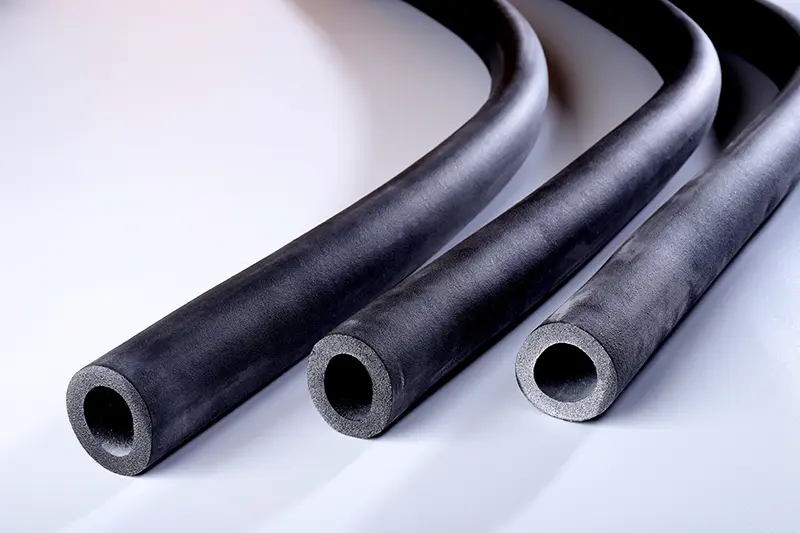
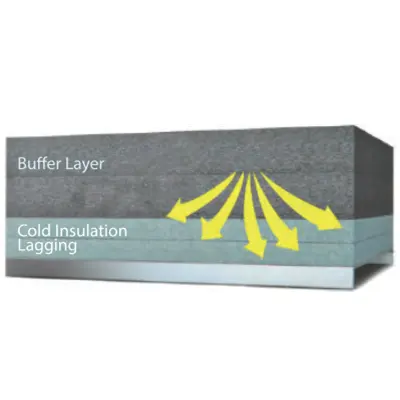
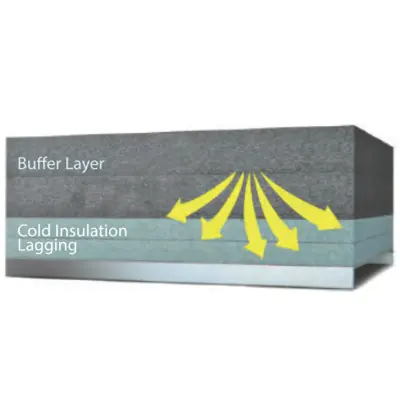
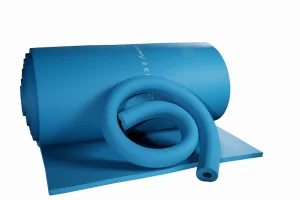
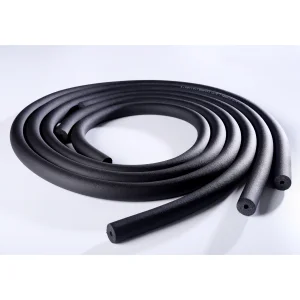
In low-temperature and refrigeration systems, preventing condensation is a key engineering priority. When water vapor contacts uninsulated surfaces, it liquefies, causing rust, structural degradation, and mold growth. Closed-cell rubber foam insulation, made from high-grade Nitrile Butadiene Rubber (NBR) and Polyvinyl Chloride (PVC) blends, provides an effective barrier. With a closed-cell ratio exceeding 98%, this material resists moisture absorption, maintaining consistent thermal performance over time.
Understanding physical properties helps engineering departments choose the right materials for their specifications. Below are the design guidelines for our standard NBR/PVC elastomeric foams.
| Technical Characteristic | Specification Range (Sheet Roll) | Specification Range (Insulation Pipe) |
|---|---|---|
| Base Material Structure | Elastomeric NBR/PVC Blend | Elastomeric NBR/PVC Blend |
| Thickness Profile | 6mm to 50mm | 9mm to 40mm |
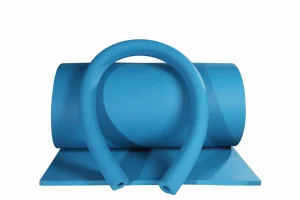
| Inner Diameter (ID) Range | N/A | 6mm to 114mm |
| Material Density | 40 kg/m³ to 55 kg/m³ | 40 kg/m³ to 55 kg/m³ |
| Operating Temperature Limits | -40℃ to +105℃ | -40℃ to +105℃ |
| Compression Resilience | > 80% recovery rate | > 80% recovery rate |
| Thermal Conductivity (λ) | ≤ 0.035 W/(m·k) at 0℃ | ≤ 0.035 W/(m·k) at 0℃ |
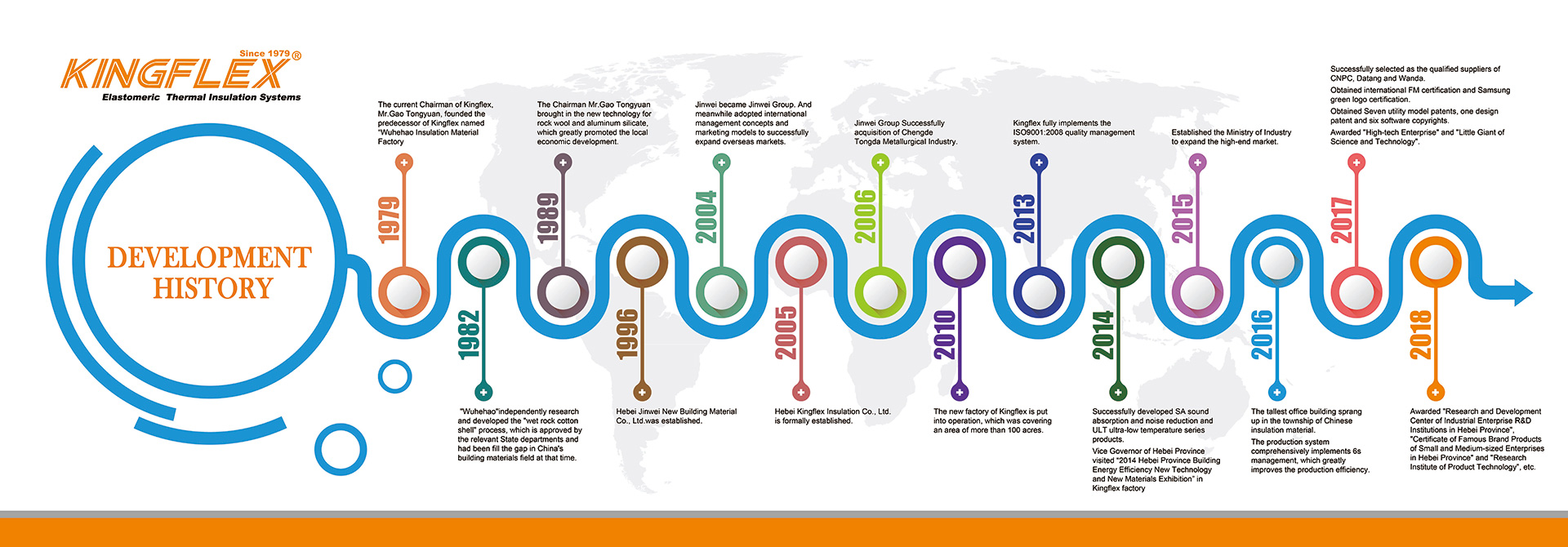
As a global hub for green-building materials, China's industrial manufacturing infrastructure offers key efficiency advantages for thermal insulation procurement. Kingflex Insulation Co., Ltd., established in 1979 by the Jinwei Group (which has over 40 years of history in thermal materials), represents a strong manufacturing footprint in Dacheng, China.
Operating five automated high-speed extrusion lines allows us to produce over 600,000 cubic meters of high-density elastomeric materials annually. These large-scale production runs maintain product consistency across batches and shorten lead times for major projects. This output has led to designations by key regulatory bodies, including the Ministry of Energy, the Ministry of Electric Power, and the Ministry of Chemical Industry.
Our automated compounding and extrusion systems ensure uniform expansion of NBR/PVC polymers. Variable-speed temperature controllers monitor the curing process to prevent weak spots or uneven densities that can compromise insulating performance.
Each production run undergoes strict quality control audits, measuring dimensional tolerances, density consistency, and fire performance before packaging. This systematic approach ensures that every cubic meter shipped meets the requirements of demanding industrial installations.

How high-density elastomeric insulation solves complex design challenges in construction and industrial facilities.
For high-traffic buildings, offices, and cleanrooms, our rubber sheet wraps and pre-slit tubes prevent condensation on HVAC ductwork. This prevents moisture from dripping on drywall, suspended ceilings, and electrical panels, protecting the building's structural integrity.
Low-temperature process pipelines, liquefied gas lines, and cold-chain distribution terminals operate under high vapor pressure differentials. Our specialized cryogenic elastomeric formulations maintain flexibility and structural integrity down to cryogenic levels, preventing thermal bridging and surface icing.
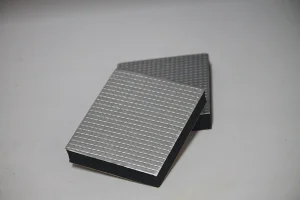
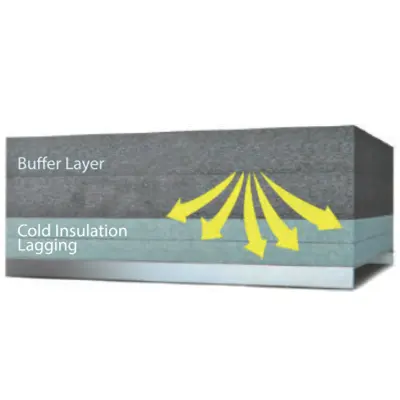
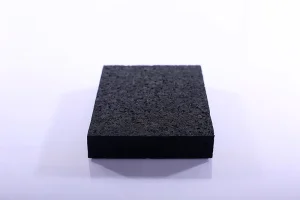
Fast-moving air in metal HVAC ducts creates low-frequency noise. Our high-density acoustic panel inserts and composite foam sheets absorb internal sound reflections and dampen vibrations, helping engineers meet acoustic design targets for hospitals and libraries.
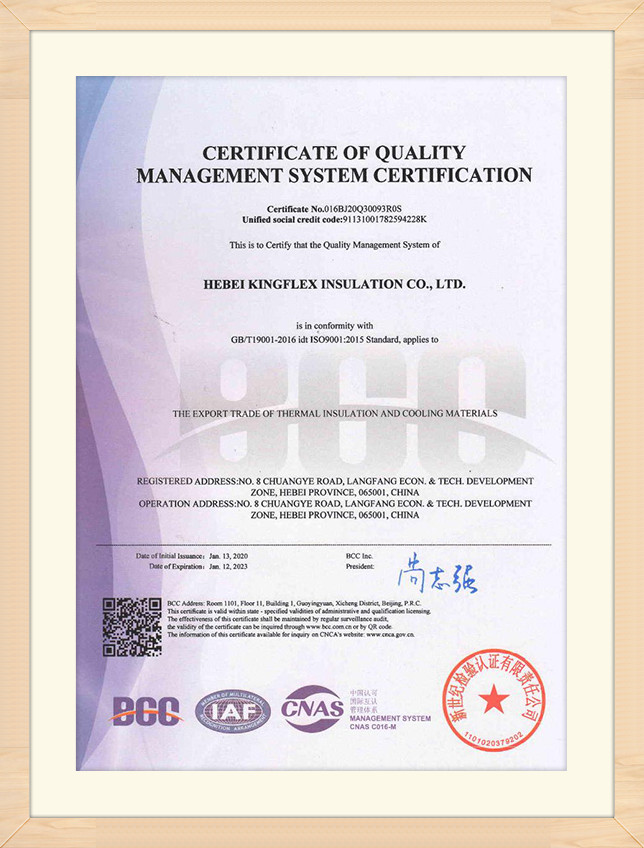
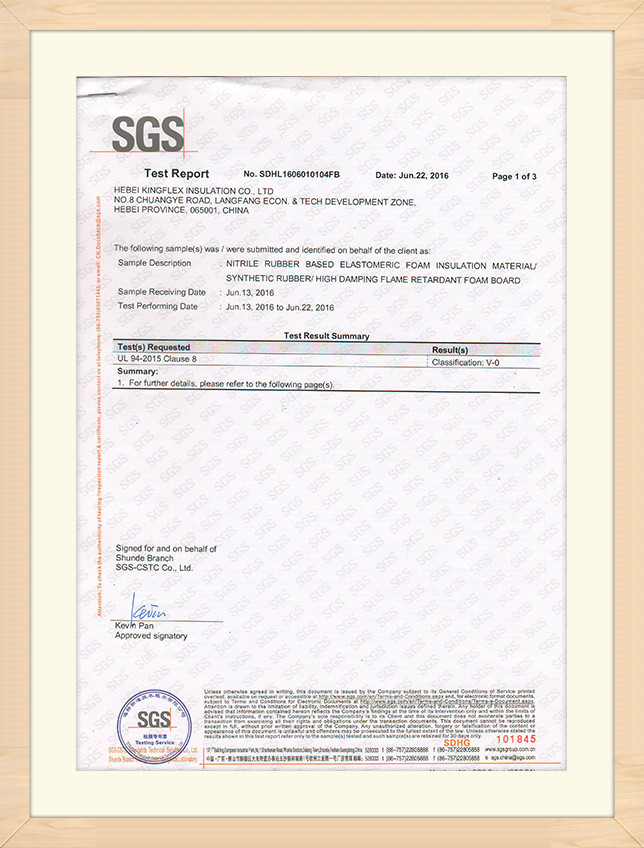
In international commercial construction, adhering to fire codes and chemical regulations is essential. Building materials must meet local performance standards. Kingflex products undergo independent laboratory evaluations to confirm compliance with global standards, ensuring safety and performance.
Every production batch is assigned a unique tracking number, linking it to the raw material inputs and quality control metrics recorded during manufacturing.


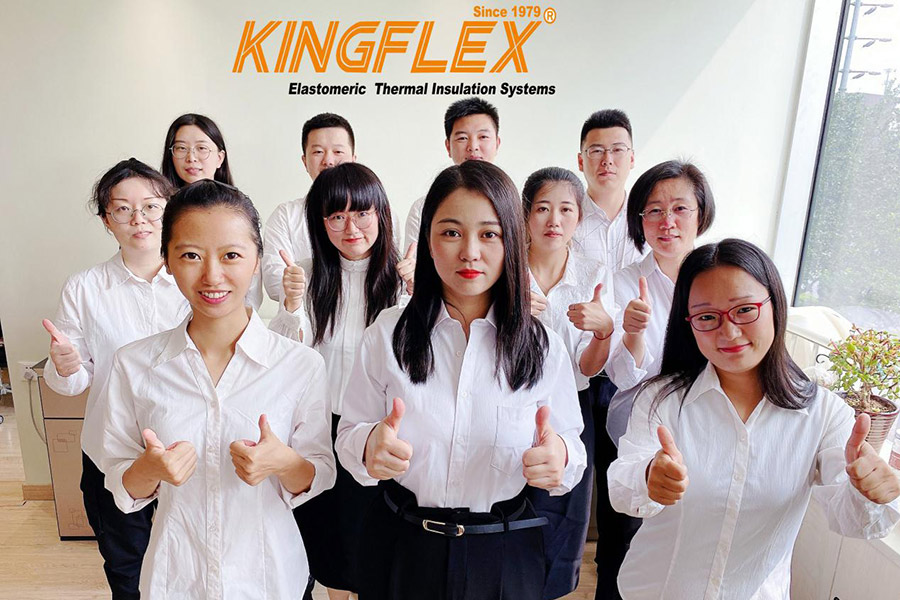
A reliable supply chain requires both production capacity and technical support. Our engineering department handles customization, performance optimization, and project-specific design challenges.
Our organization is structured to support commercial projects worldwide:
This combined capability allows us to support custom requests (OEM/ODM) including special densities, tailored dimensions, and customized backing laminates like reflective aluminum foil or high-bond self-adhesives.
Our materials are utilized across petrochemical, commercial HVAC, rail transit, and cryogenic industries globally.

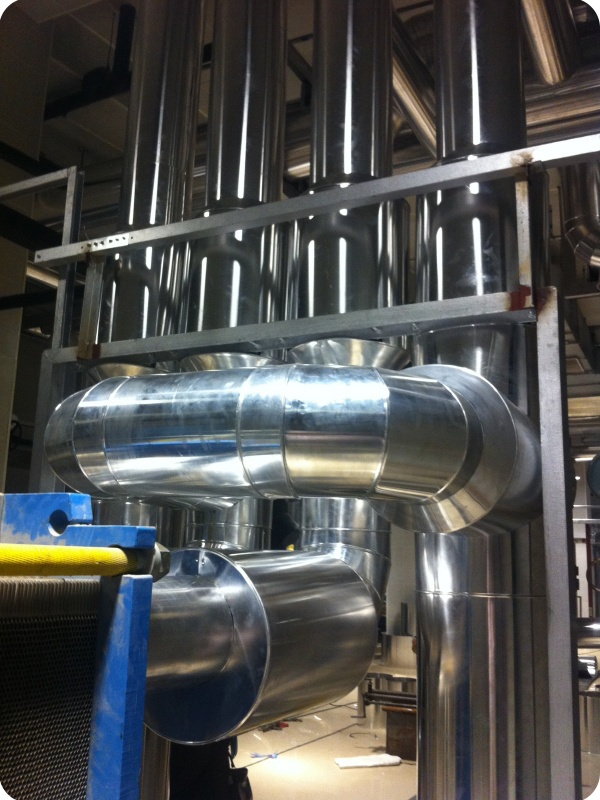
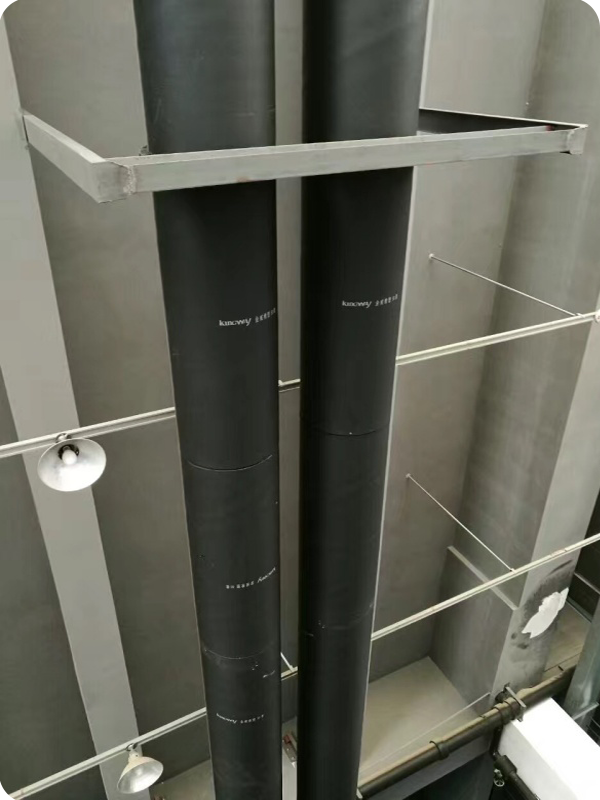
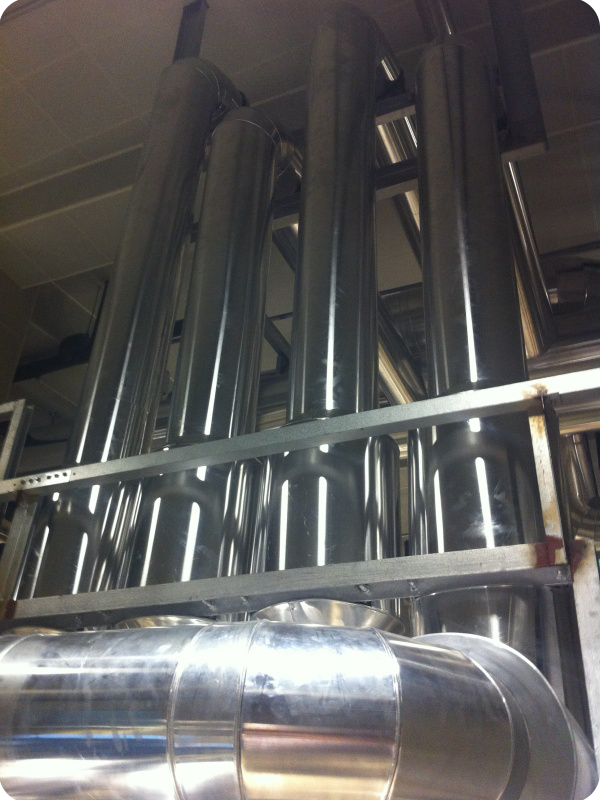
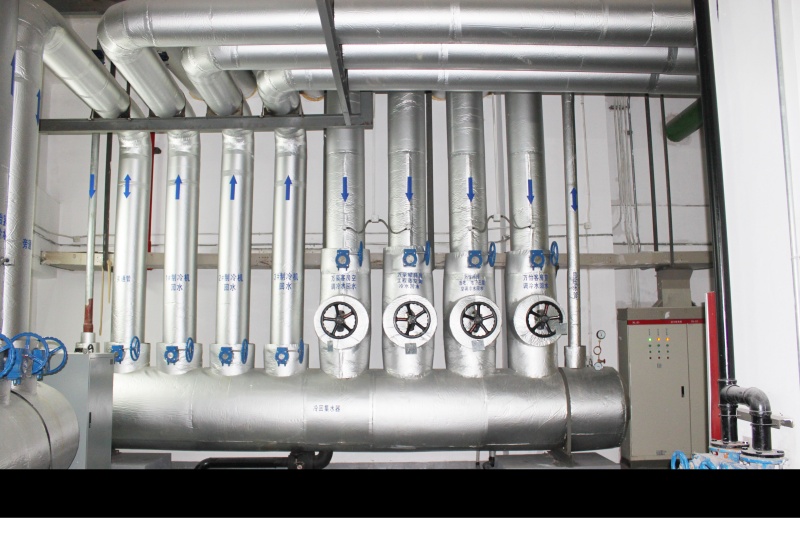


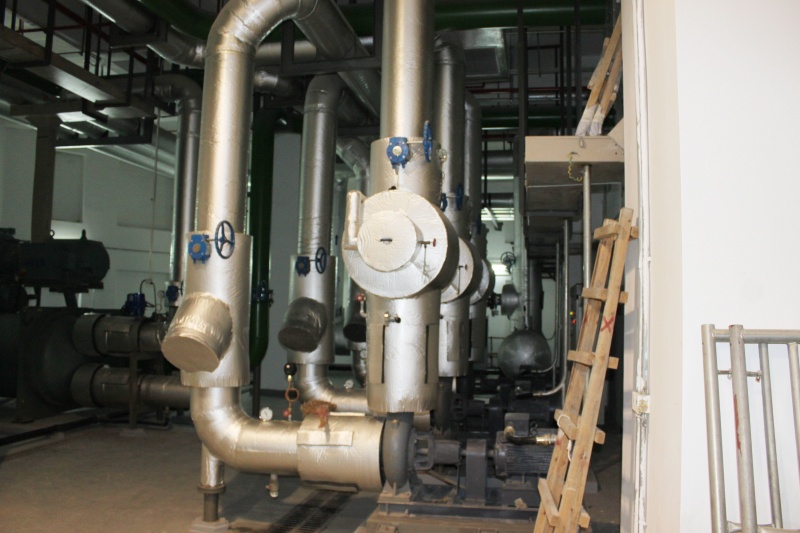
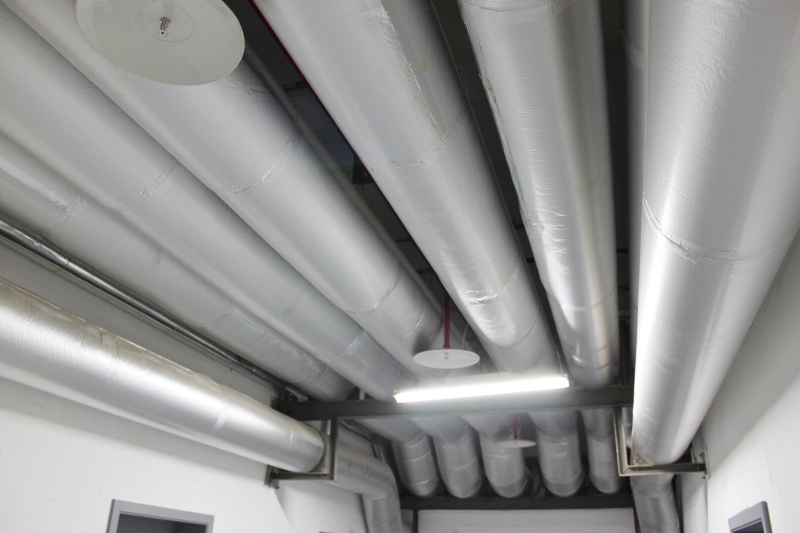

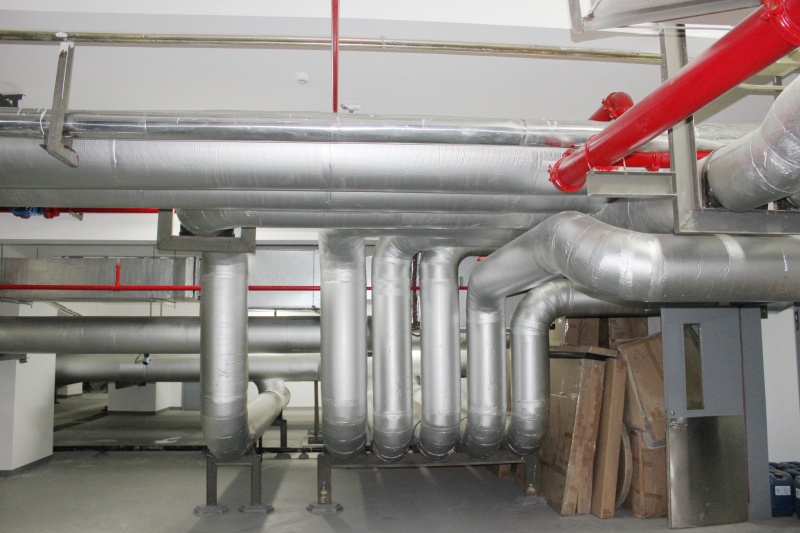
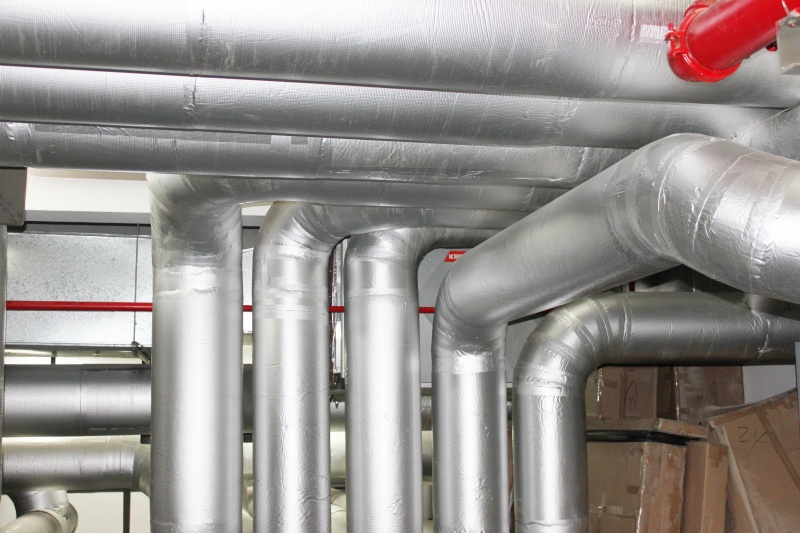
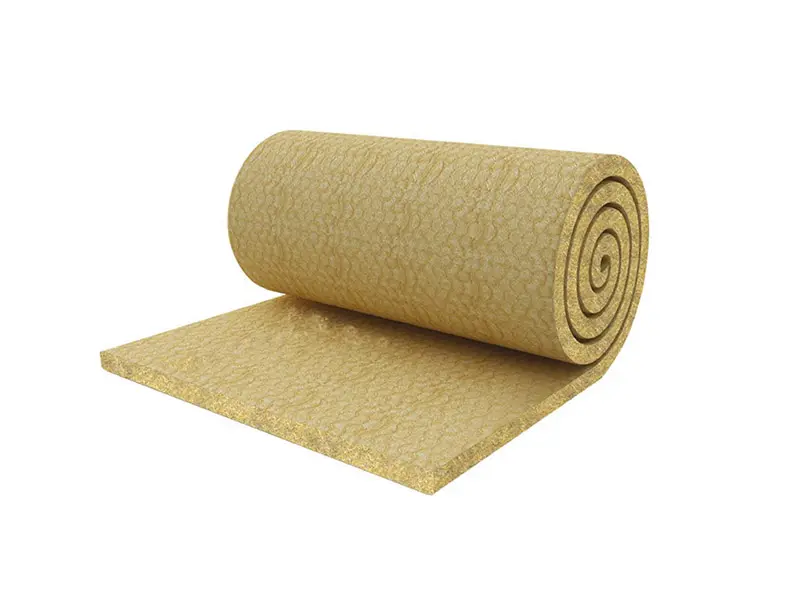
Explore our full line of elastomeric materials, engineered systems, and mineral wool components.





Direct feedback and order tracking showing communication with international engineering teams.





Addressing technical, structural, and procurement questions from design engineers and project buyers.
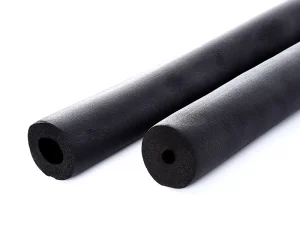
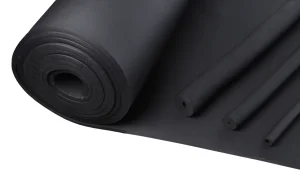
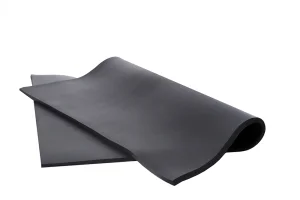
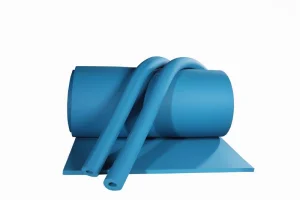
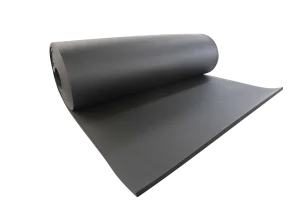
Explore our technical-grade foam rolls, pre-slit tubes, and specialized noise control panels.
 Kingflex