Browse our core engineered closed-cell insulation materials manufactured in our state-of-the-art facilities.
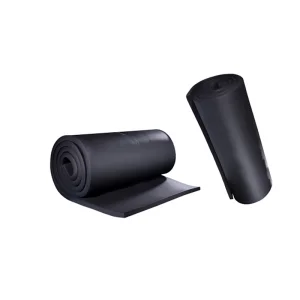
Highly flexible NBR/PVC sheets engineered for flat duct surfaces and large-diameter ventilation systems.
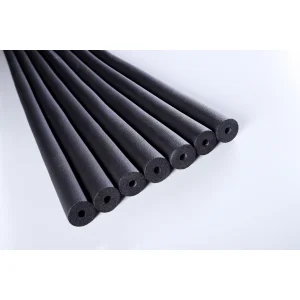
Premium pre-formed elastomeric pipe sections designed to prevent condensation and optimize energy saving.
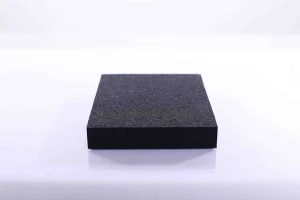
Specially designed open-cell structure for superior acoustic absorption within ventilation shafts.
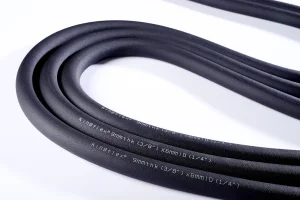
Extruded and calendered heat preservation systems designed to meet high industrial standard thermal parameters.
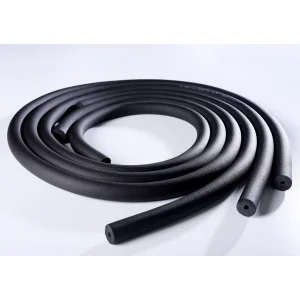
Industrial grade closed-cell structures providing continuous protection against moisture intrusion and energy loss.
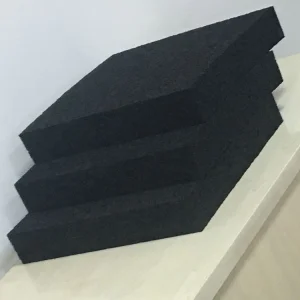
Decouples air duct vibrations and dampens low-frequency hums within localized ventilation shafts.
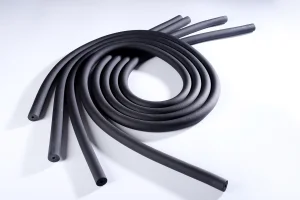
Durable insulation tubes providing excellent dimensional stability and resistance to tearing during installation.
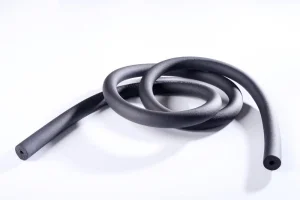
High performance elastomeric tube insulation for distribution pipelines and cold-chain ventilation systems.
An in-depth engineering perspective on thermal optimization, moisture control, and modern decarbonization goals in ventilation design.
In modern industrial and commercial construction, the HVAC system constitutes up to 40% of a building's overall energy footprint. Standard metallic air ducts (tuyaux de ventilation) act as highly conductive conduits, allowing rapid heat transmission. Without precise thermal containment, hot ambient air compromises cooled air within the ducts, forcing chillers to run continuously. Conversely, warm supply air in northern climates experiences massive heat drop before reaching the target zone. Implementing high-performance isolant pour tuyau de ventilation (ventilation pipe insulation) is the standard method to prevent this energy dissipation.
Furthermore, air duct condensation presents a major challenge for building engineers. When cold air circulates through uninsulated sheet metal ducts, the outer surface temperature drops below the ambient dew point. This leads to immediate moisture condensation, causing water droplets that damage ceiling tiles, cause electrical hazards, and promote toxic mold growth within walls. A high-density elastomeric insulation barrier stops this thermodynamic cycle by raising the external surface temperature above the dew point, securing dry and structurally sound mechanical pathways.
Reduces heat gains and losses along extensive duct routes. Our NBR/PVC closed-cell structures limit convective and radiative heat transfer, directly reducing HVAC energy use and helping projects achieve green building credentials like LEED, BREEAM, and HQE.
With a water vapor permeability factor (μ) ≥ 10,000, our elastomeric compounds feature a built-in vapor barrier. This eliminates the need for separate jacket installations, preventing air humidity from penetrating the insulation and causing corrosion under insulation (CUI).
Mechanical fans, dampers, and high-velocity air movement generate substantial noise. Kingflex elastomeric materials absorb structural vibrations and acoustic noise, improving indoor environmental quality (IEQ) in commercial and hospital settings.
Pioneering the thermal insulation sector since 1979 under the Jinwei Group legacy.
Kingflex Insulation Co., Ltd. is a leading manufacturing and trading combo specializing in thermal insulation products. Our R&D and production departments are located in Dacheng, China—the well-known capital of green building materials. Kingflex operates as an energy-saving, environmentally friendly enterprise concentrating on research, development, production, and sales. By prioritizing energy efficiency, we support the global building materials industry through expert technical consulting, tailored manufacturing, installation guidance, and dedicated post-sale services.
Our parent company, the Jinwei Group, has more than 40 years of manufacturing history. Established in 1979, Jinwei Group was the first manufacturer of thermal insulation materials north of the Yangtze River. Today, our close-knit, highly skilled team maintains this legacy. The Kingflex division features a specialized workforce, including 8 professional R&D engineers, 6 international sales managers, and 230 skilled factory workers.

Group Established
Annual Production Capacity
Automated Production Lines
Countries Exported
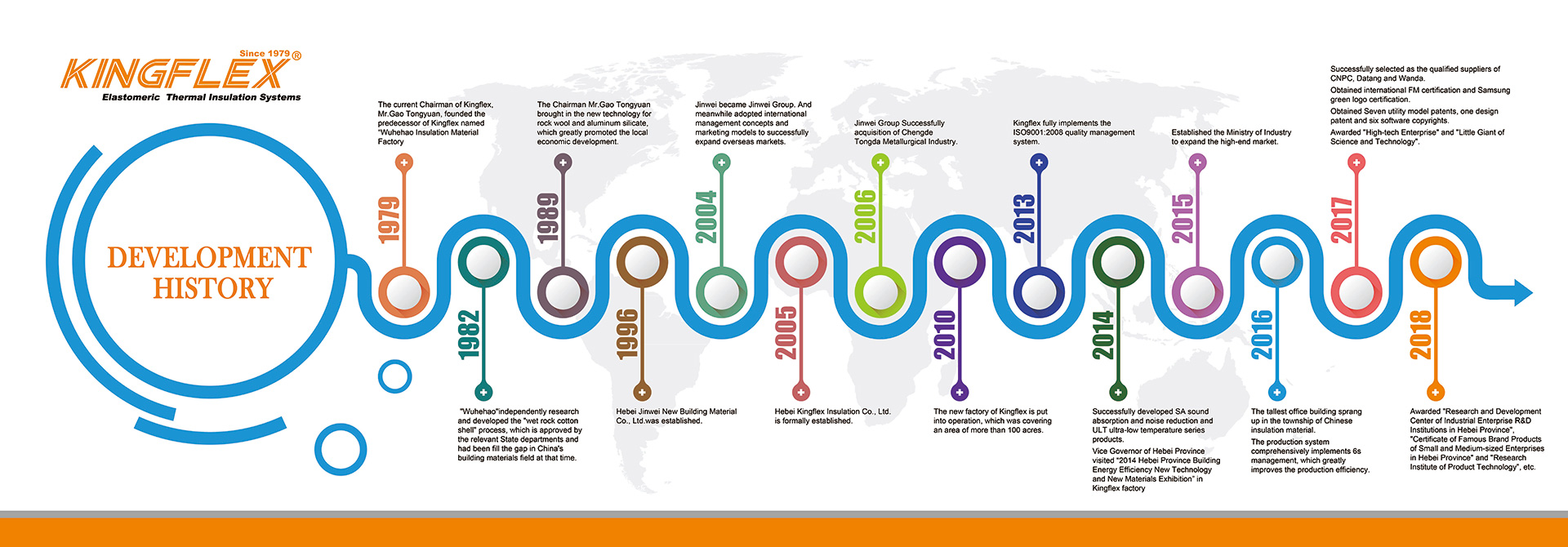
With 5 advanced automatic assembly lines, our annual production capacity exceeds 600,000 cubic meters. Our product quality and scale have made Kingflex a designated manufacturing partner for key ministries, including the Ministry of Energy, the Ministry of Electric Power, and the Ministry of Chemical Industry.
Over the past 16 years, we have exported our elastomeric insulation products to over 66 countries. These materials are widely utilized in commercial construction, petroleum refining, chemical processing, national defense, and aerospace engineering.
Standard values, tolerances, and configurations for Kingflex elastomeric foam sheets and pipe sections.
Material: Premium NBR/PVC Blend
Thickness: 6mm to 50mm
Density: 40-55 kg/m³
Service Temperature: -40°C to 105°C
Material: Premium NBR/PVC Blend
Thickness: 9mm to 40mm
Inner Diameter (ID): 6mm to 114mm
Service Temperature: -40°C to 105°C
Material: Polyurethane or Modified NBR
Thickness: 15mm to 50mm
Density: 30-45 kg/m³
Specialization: Ventilation Noise Attenuation
| Parameter | Elastomeric Foam Specification (Kingflex Standard) | Testing Protocol Reference |
|---|---|---|
| Thermal Conductivity (λ) | ≤ 0.034 W/m·K at 0°C | ≤ 0.038 W/m·K at 40°C | ASTM C518 / ISO 8301 |
| Water Vapor Diffusion Resistance (μ) | ≥ 10,000 | EN 12086 / ISO 12572 |
| Fire Classification | Class 0 & Class 1 (BS 476 Part 6 & 7) | Class V-0 (UL94) | BS 476 / UL94 |
| Closed Cell Ratio | ≥ 98% | ASTM D2856 |
| Smoke Toxicity & Density | Compliant (Passes Class 0 requirements) | EN 13501-1 (s1, d0) |
| Chemical Resistance | Excellent against acids, alkalis, oils, and environmental pollutants | ASTM C591 |
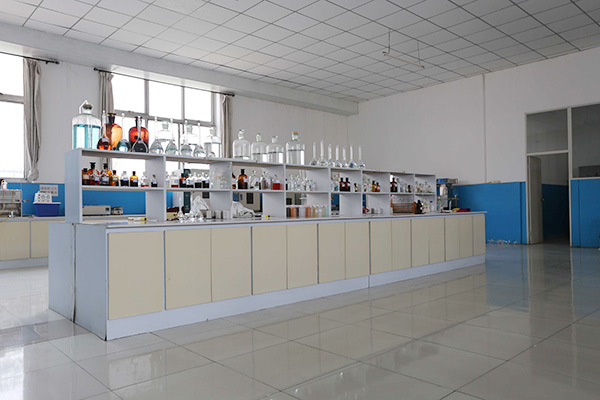

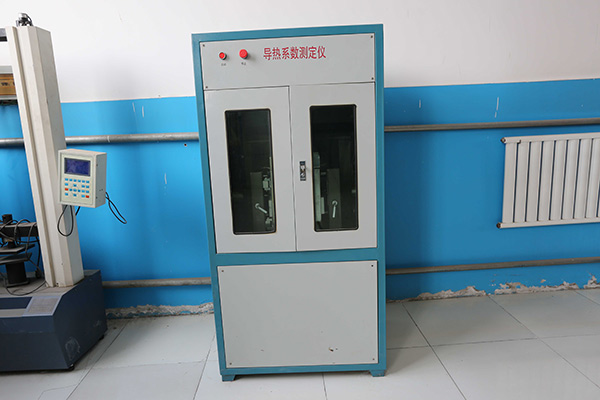
Documented applications of Kingflex insulation materials across commercial, public, and heavy industrial settings.
Our global experience demonstrates that a single insulation material cannot suit all environmental conditions. In humid coastal regions (e.g., Southeast Asia, Western Europe), external insulation must resist continuous high relative humidity (RH > 85%) to prevent condensation on air conditioning lines. In these environments, our closed-cell elastomeric material performs exceptionally well, preventing moisture penetration without requiring external vapor jackets.
In dry, high-temperature industrial environments (such as the Middle East or inland mining facilities), ventilation systems must withstand elevated ambient air temperatures. For these scenarios, Kingflex manufactures NBR/PVC blends capable of continuous operation at 105°C without hardening or cracking, maintaining consistent thermal performance over their service life.

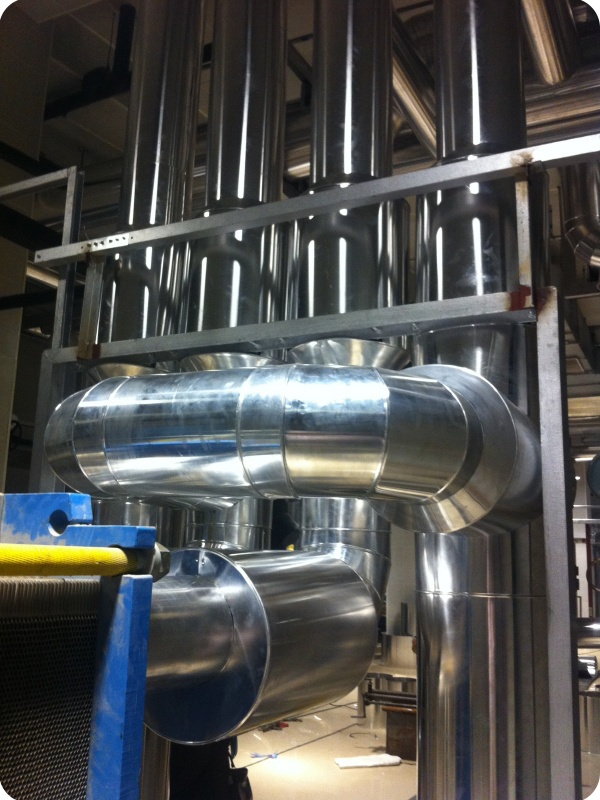
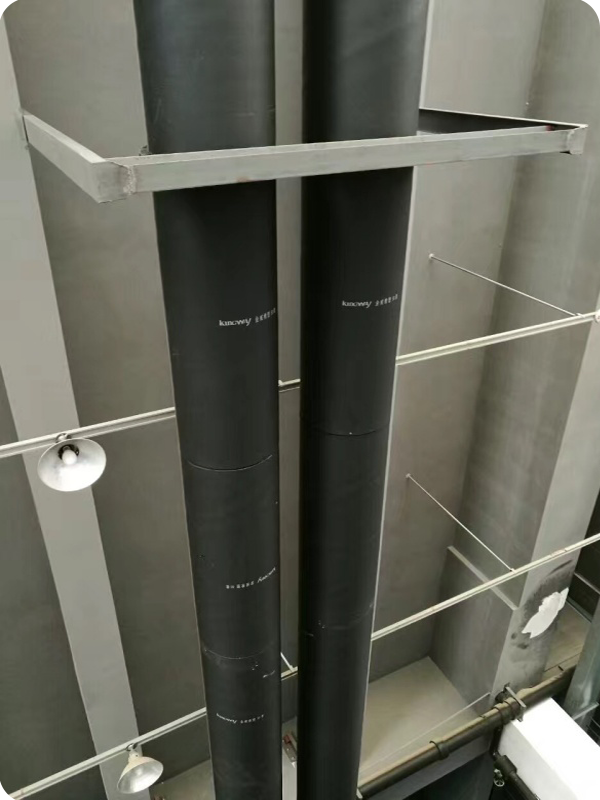
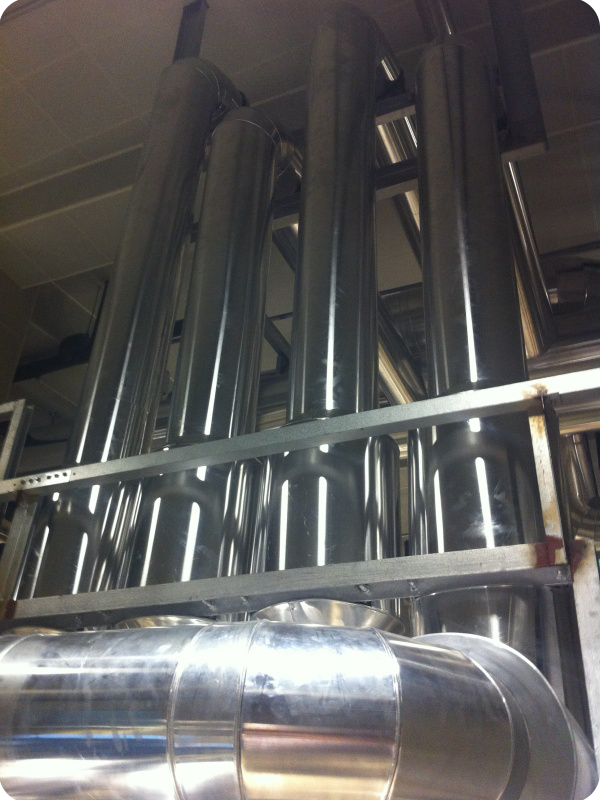
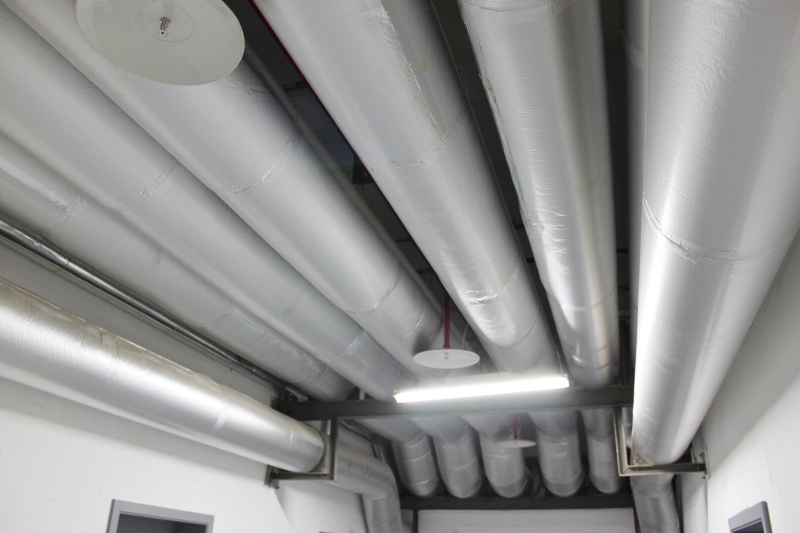
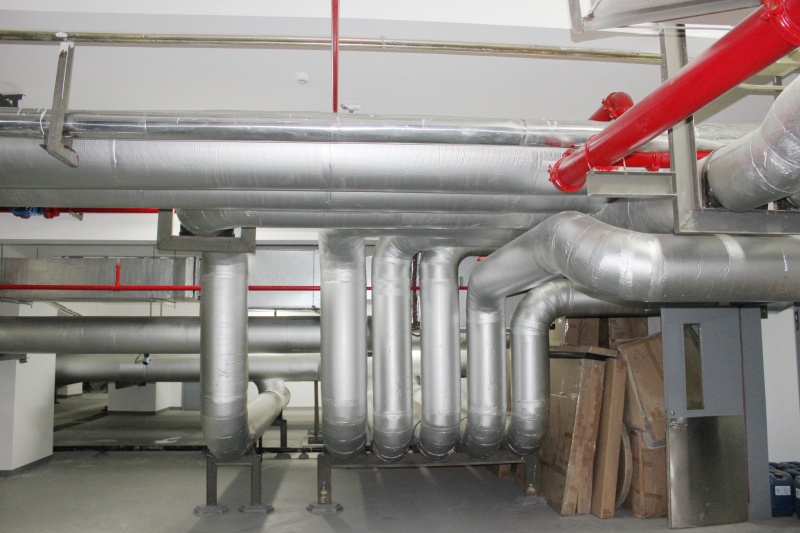
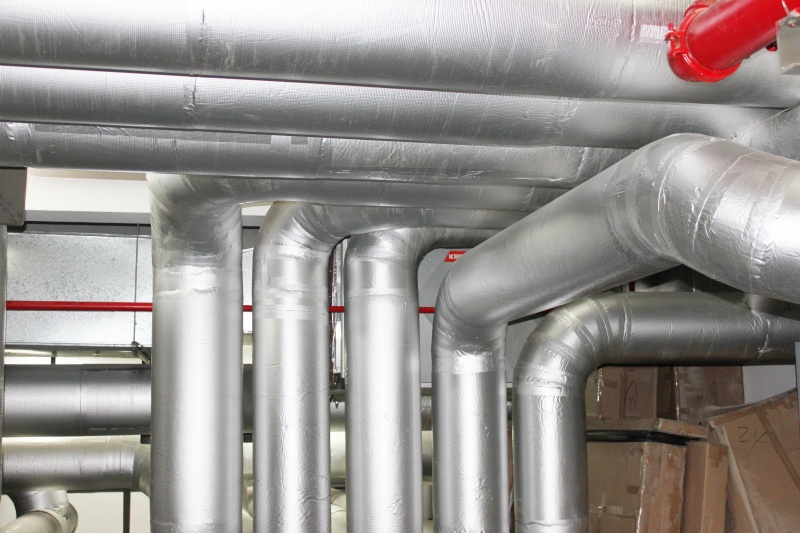
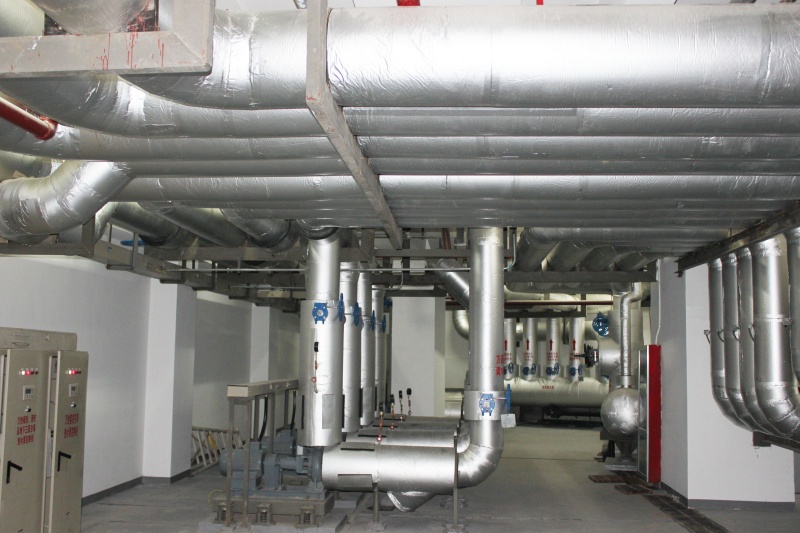
Ventilation duct routes in shopping malls are extensive, requiring lightweight and durable insulation. Kingflex sheet insulation prevents thermal loss across long horizontal duct runs, maintaining energy efficiency and preventing ceiling dripping.
Hospitals require strict indoor air quality (IAQ) and acoustic control. Kingflex elastomeric materials do not release fibers or support bacterial growth, making them suitable for sterile air systems in operating rooms and diagnostic laboratories.
For low-temperature process lines and cryogenic systems, our specialized ultra-low temperature elastomeric foam remains flexible down to -200°C, preventing thermal shock, stress cracking, and atmospheric moisture penetration.
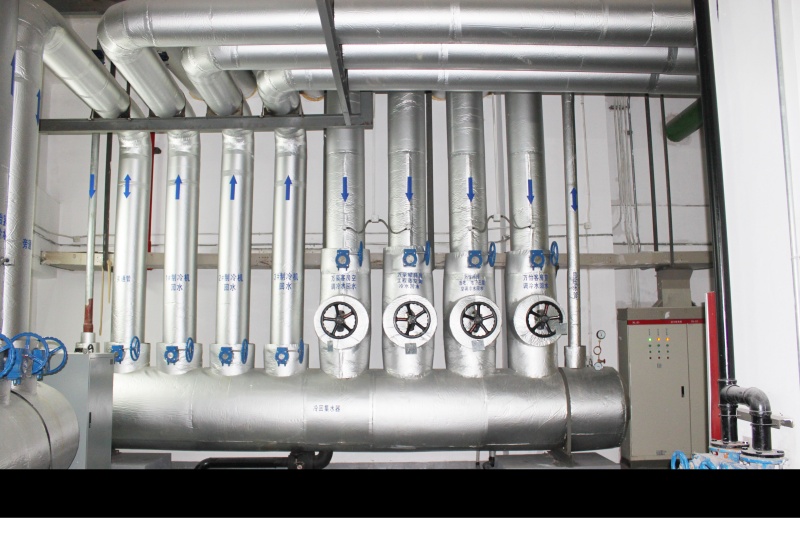


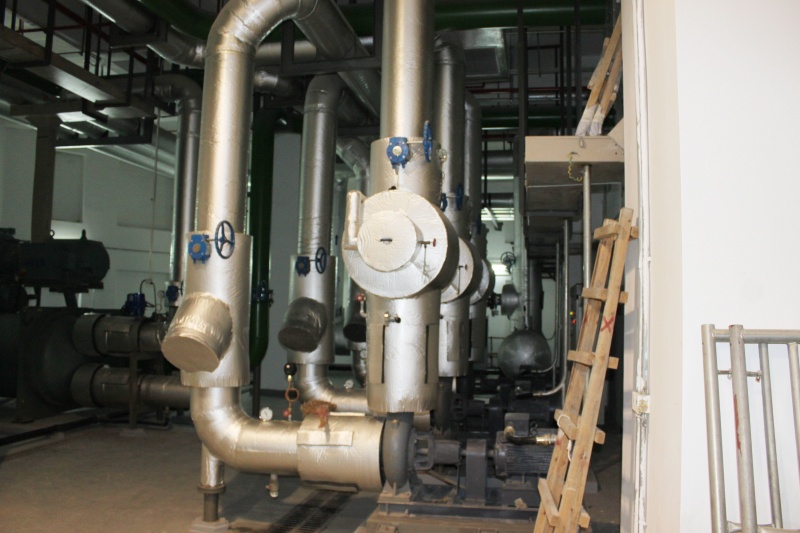

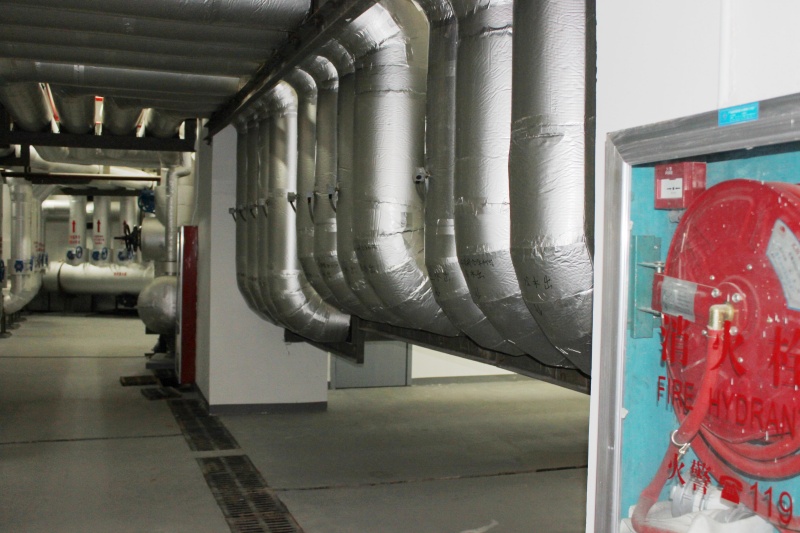
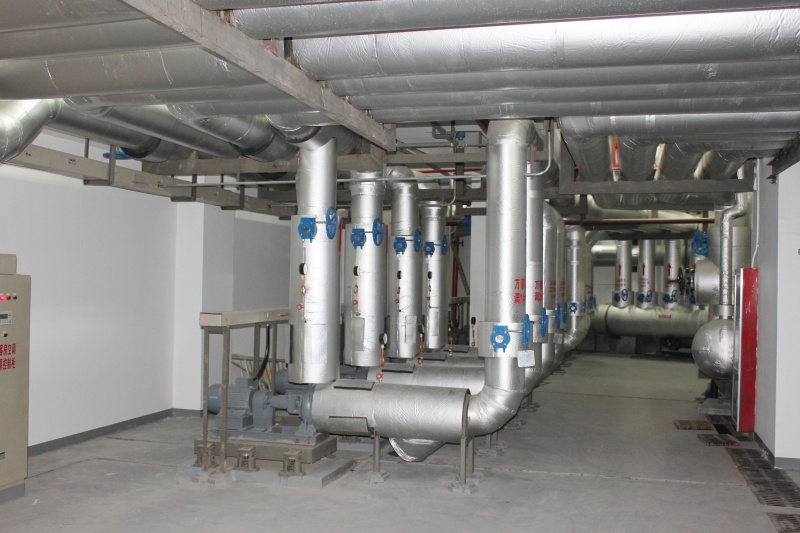

Our commitment to rigorous testing and documentation provides global engineering compliance.
In the global construction market, compliance with international standards is essential for project approvals. Kingflex elastomeric materials undergo extensive testing for safety and performance. Our products comply with multiple fire safety, environmental health, and structural standards, including:
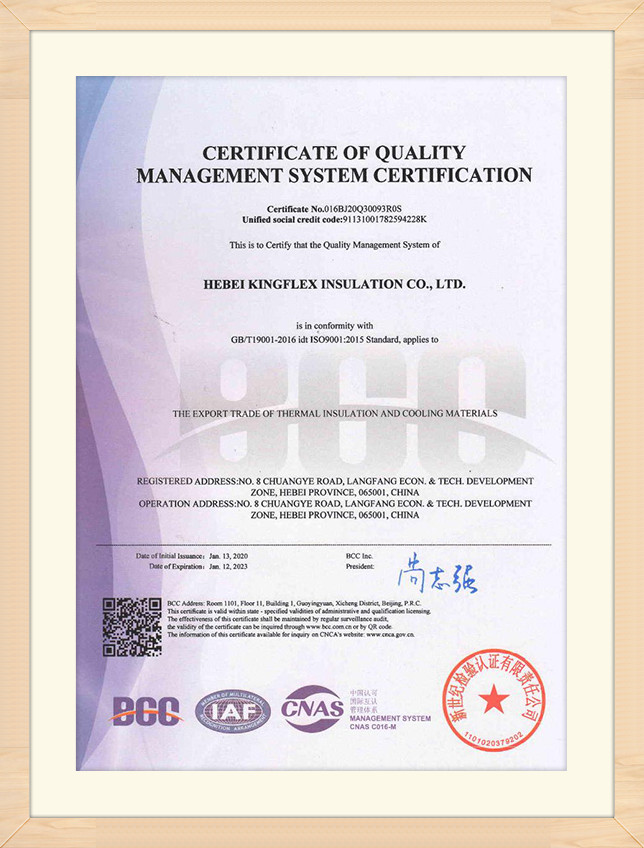


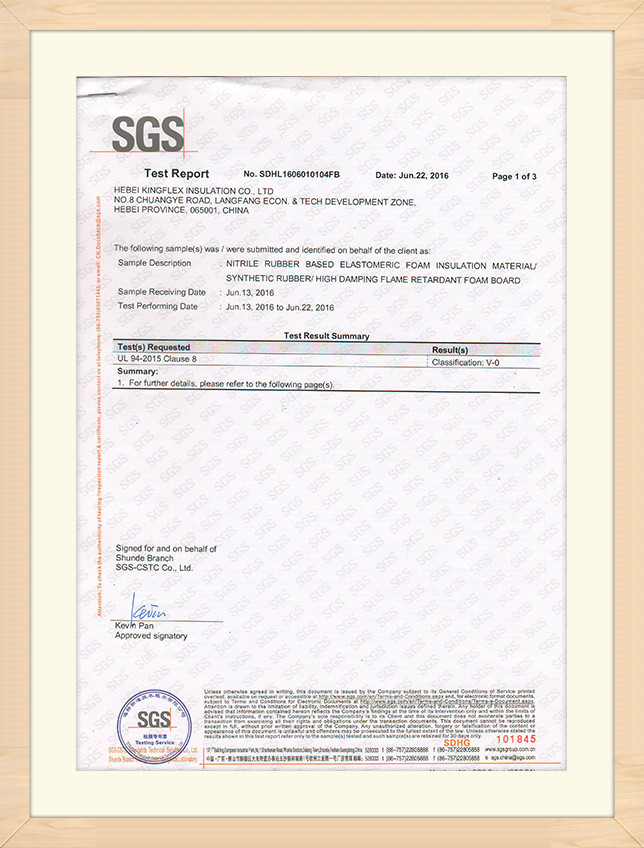




Kingflex provides product traceability from raw material batch mixing to dispatch. Our logistics and customer service portals supply real-time shipping tracking, documentation, and quality reports. Each production batch features a traceable manufacturing ID, helping international distributors and HVAC contractors verify quality parameters prior to project installation.
We maintain dedicated communication channels for technical consultations. Our team is available to assist design engineers and quantity surveyors with material selection, calculations, and specification submittals.
Developing next-generation thermal insulation solutions for high-performance buildings.
Kingflex is transitioning our extrusion lines to next-generation blowing agents with zero Global Warming Potential (GWP) and zero Ozone Depletion Potential (ODP), helping clients meet strict environmental building standards.
We are researching elastomeric insulation with integrated moisture-sensing arrays. These systems monitor for moisture intrusion under the insulation, sending automated alerts to building management before condensation causes corrosion.
Our R&D team is developing NBR alternatives utilizing plant-based polymers. These bio-based formulations aim to maintain standard fire and thermal ratings while reducing carbon footprint by 30%.
Frequently asked questions regarding our elastomeric rubber foam insulation products.
Specialized elastomeric and high-temperature thermal barriers from our factories.
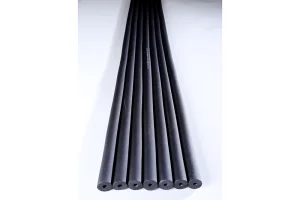
Comprehensive range of elastomeric sheets, tubes, and accessories direct from our production facility.
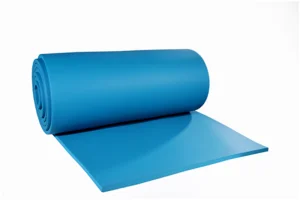
Color-coded elastomeric tubes designed to withstand higher operating temperatures and simplify line identification.
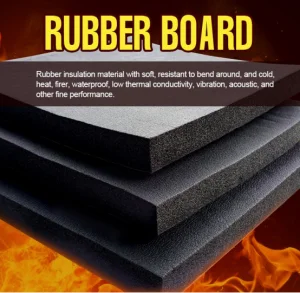
Thick elastomeric sheet insulation designed for high-condensation environments and large equipment enclosures.
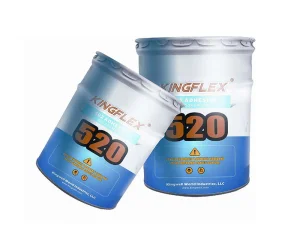
High-strength adhesive formulated for secure seams and joint bonding of elastomeric foam insulation.
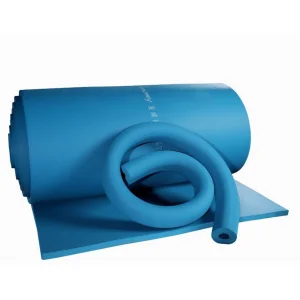
Specialized elastomeric foam designed to remain flexible and prevent thermal transfer in cryogenic systems.
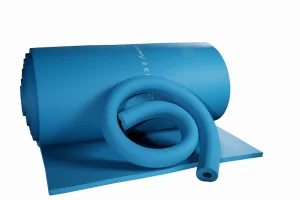
High-density closed-cell insulation designed to prevent frost formation and energy loss in low-temperature lines.
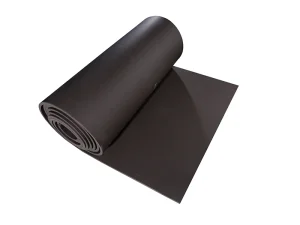
Eco-friendly, halogen-free sheet insulation designed for public transport, marine, and high-occupancy buildings.
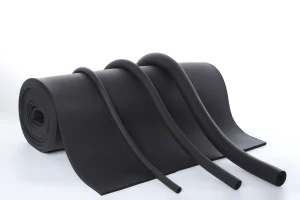
Industrial-grade co-polymer sheets providing durability, oil resistance, and low thermal conductivity.
 Kingflex