Engineered thermal systems built to optimize energy conservation, prevent condensation, and safeguard stainless steel pipelines against degradation.
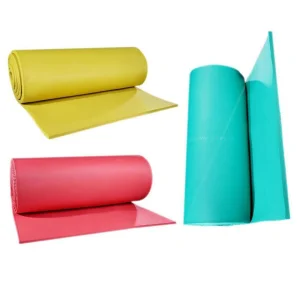
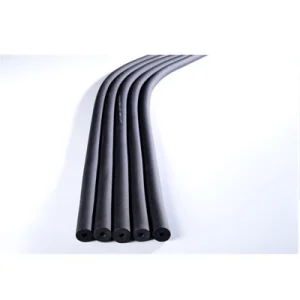
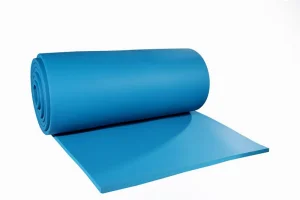
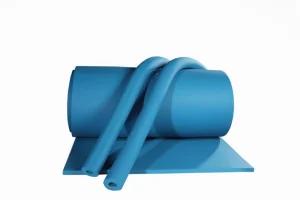
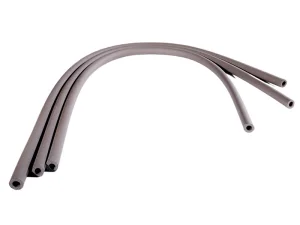
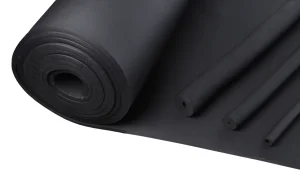
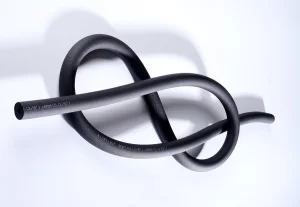
Stainless steel pipelines are widely regarded as the cornerstone of clean-room environments, chemical plants, HVAC systems, and sub-zero storage systems. However, they are uniquely susceptible to External Stress Corrosion Cracking (ESCC) and localized oxidation when subjected to improper insulation practices. Ambient moisture absorption, coupled with trace water-soluble chlorides, creates a corrosive aqueous environment on the pipe wall, triggering structural failures over time.
At Kingflex, we formulate high-density, closed-cell elastomeric rubber foams (NBR/PVC blends) engineered specifically to address the thermal and chemical challenges of stainless steel conduits. By preserving a low thermal conductivity ($\lambda \le 0.034 \text{ W/(m}\cdot\text{K)}$ at $0^\circ\text{C}$) and maintaining a vapor barrier resistance factor ($\mu \ge 10,000$), our systems effectively isolate the metal substrate from environmental humidity, industrial particulates, and chloride contamination.

Kingflex Insulation Co., Ltd. operates a comprehensive production, R&D, and quality control facility in Dacheng, China—the globally recognized hub of ecological building technologies. We integrate scientific testing protocols with scaled manufacturing to supply premium insulation that balances eco-friendliness with extreme environmental resilience.
Understanding how different insulation materials behave on stainless steel pipes under varying conditions.
| Insulation Material | Thermal Conductivity (W/m·K) | Moisture Vapor Resistance (µ-value) | Chloride Content (ppm) | Fire Classification | Ideal Application Environment |
|---|---|---|---|---|---|
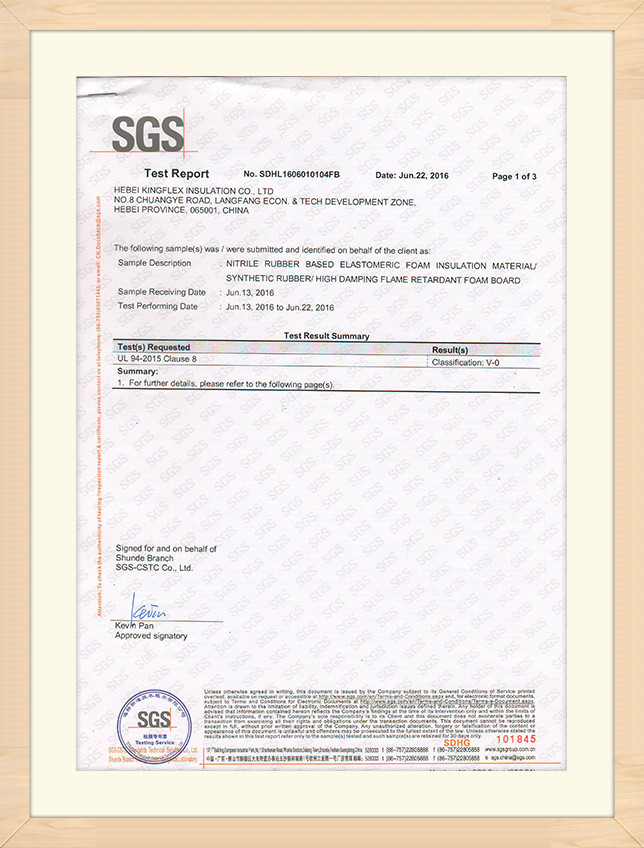
| Kingflex Rubber Foam (NBR/PVC) | 0.033 - 0.035 (at 0°C) | ≥ 10,000 (Closed Cell) | < 50 ppm (Low-Corrosive) | BS 476 Part 7 Class 1 / UL 94 V-0 | HVAC, Cold Storage, Condensation Control, Maritime |
| Glass Wool Blanket | 0.038 - 0.042 (at 25°C) | ≤ 1.2 (Highly Permeable) | Varies (Requires Vapor Barrier) | Non-combustible Class A | High Temp Pipes, Industrial Boiler Ventilation |
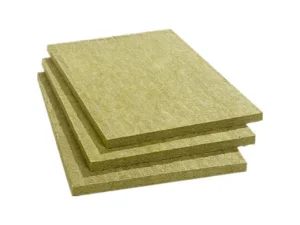
| Rock Wool Board | 0.040 - 0.046 (at 25°C) | ≤ 1.1 (Open Fibers) | Low (but absorbs liquid water) | Non-combustible Class A1 | District Heating, Heavy Steam Pipes, Firewalls |
Leveraging advanced manufacturing processes and logistical capabilities to secure project timelines and control costs.
Our factory houses 5 high-speed automated extrusion and foaming lines. This enables rapid lead times for volume shipments and eliminates the physical inconsistencies associated with manual production.
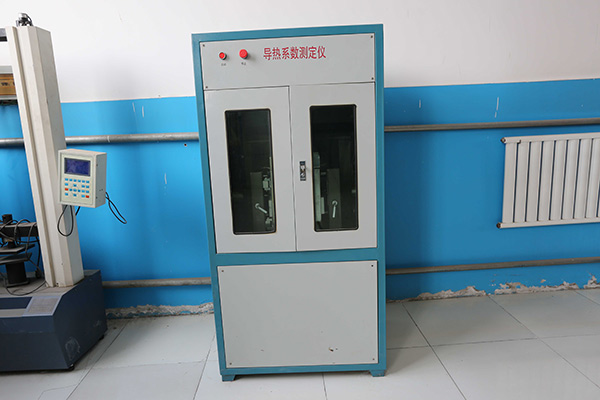
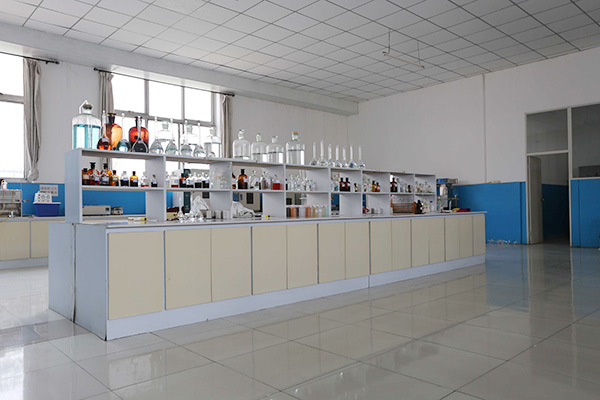
Backed by 8 specialized chemical and materials engineers, our in-house lab subjects every batch of NBR/PVC foam to aging tests, ASTM smoke density evaluation, and thermal performance validation.
Located near the major transport corridors in Dacheng, we access direct rail links and multiple deep-water sea terminals, guaranteeing prompt overseas container dispatch.
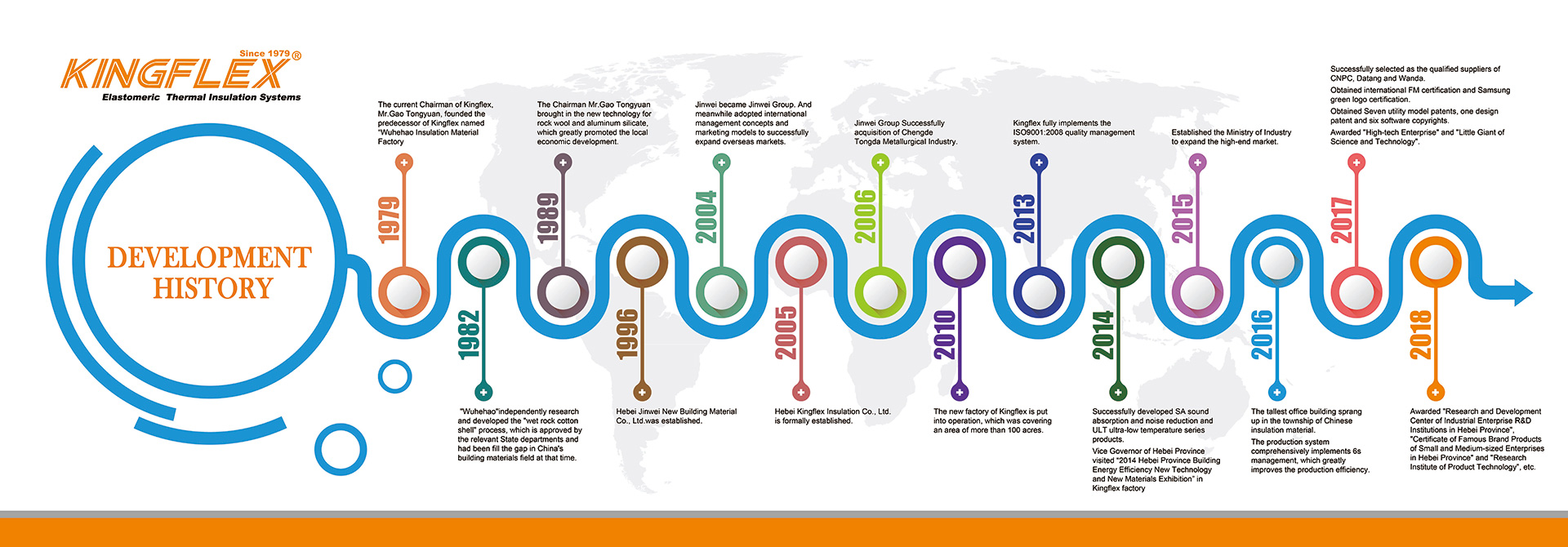
Since our founding in 1979 by the Jinwei Group, we have weathered shifting raw material markets, strict environmental updates, and global logistics updates. We own our formula compounding facilities, ensuring we control raw polymer sourcing, plasticizer optimization, and final curing times. This level of vertical integration ensures that every meter of insulation meets our design parameters, regardless of seasonal variations.
Physical metrics validated through independent international laboratory testing.

Our materials comply with rigorous testing regimes worldwide, facilitating trouble-free project approvals.
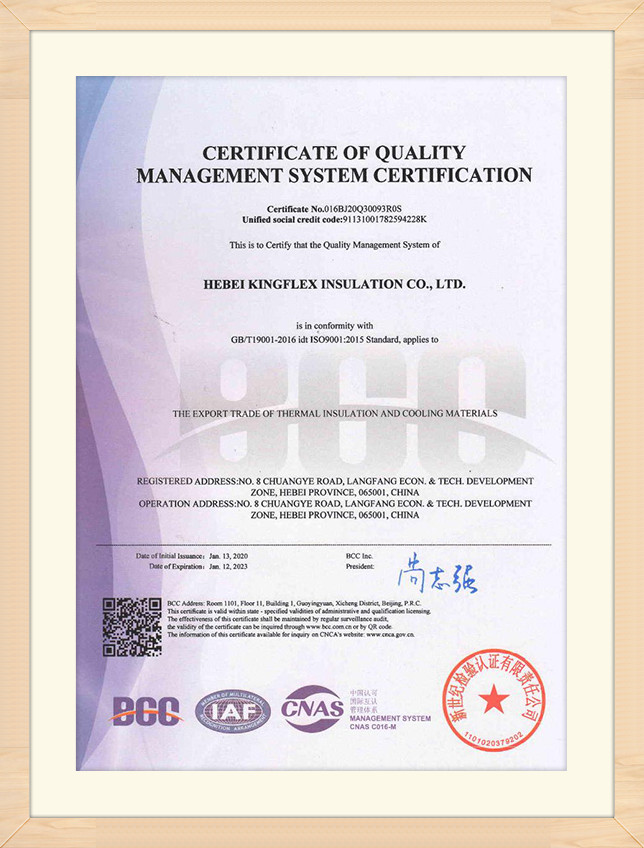
Quality Management System Certification

Fire Test for Materials and Structures

European Conformity for Safety and Performance
Eco-Friendly, Halogen-Safe & Non-Toxic
How Kingflex elastomeric systems meet performance criteria in diverse engineering settings.
In high-humidity commercial buildings, cold stainless steel pipes sweat rapidly, causing pooling water, drywall mold, and copper line galvanic reactions. Our closed-cell foam provides a seamless barrier, preventing warm air from contacting cold pipe surfaces, thereby eliminating condensation.
Hygiene is critical in clean rooms. Our non-fibrous NBR/PVC insulation doesn't shed dust or harbor mold, bacterial colonies, or biological growth. Additionally, it withstands frequent chemical washdowns with sanitizers without surface degradation.
Extremely low temperatures (-40°C to -196°C) can cause standard plastics to turn brittle and crack. Our cryogenic line of elastomeric foam remains resilient, mitigating thermal shock and avoiding mechanical insulation fracturing caused by physical line vibrations.
Connecting with construction crews, procurement managers, and plant engineers in over 66 countries.
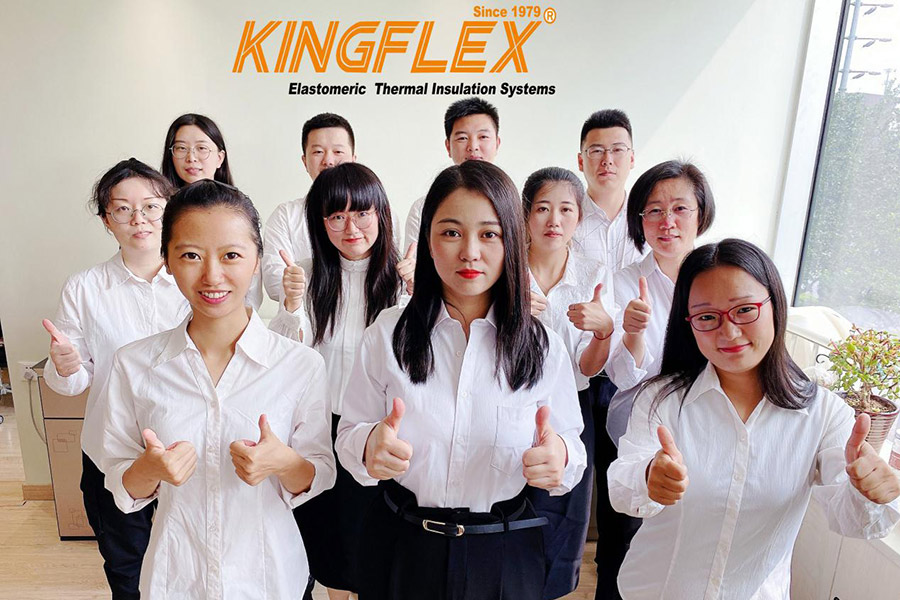
We work directly with contractors and EPCs to resolve delivery bottlenecks, configure custom wall thicknesses, and verify fire resistance credentials. By maintaining direct communication, we bypass middleman markups and reduce transit issues.



Answers to complex material design, chemical compliance, and site installation questions.
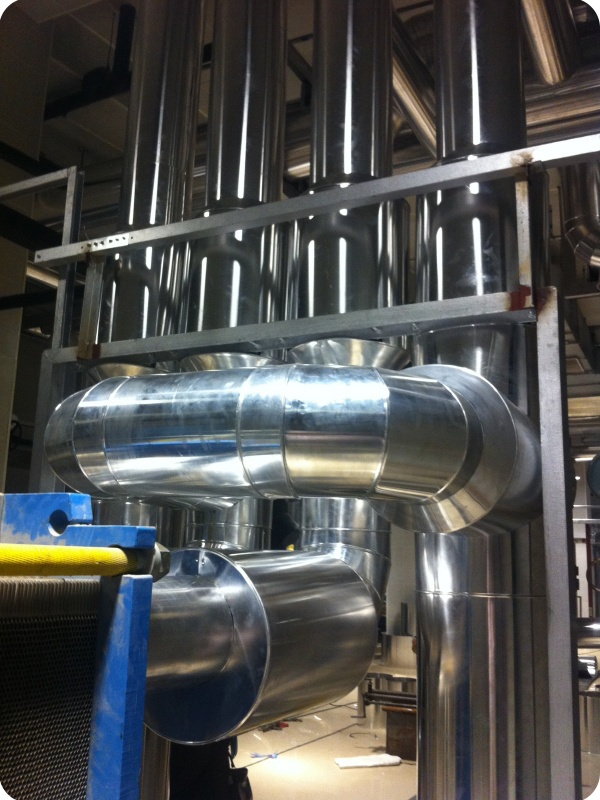
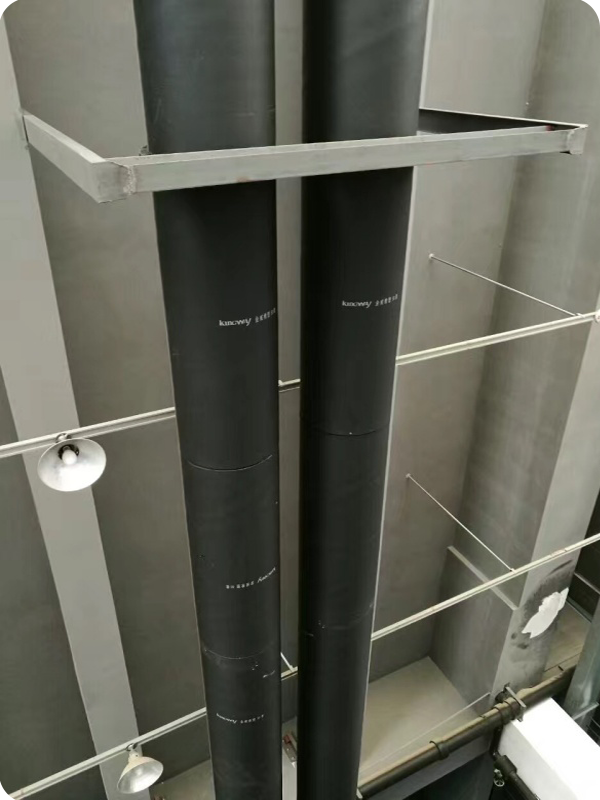
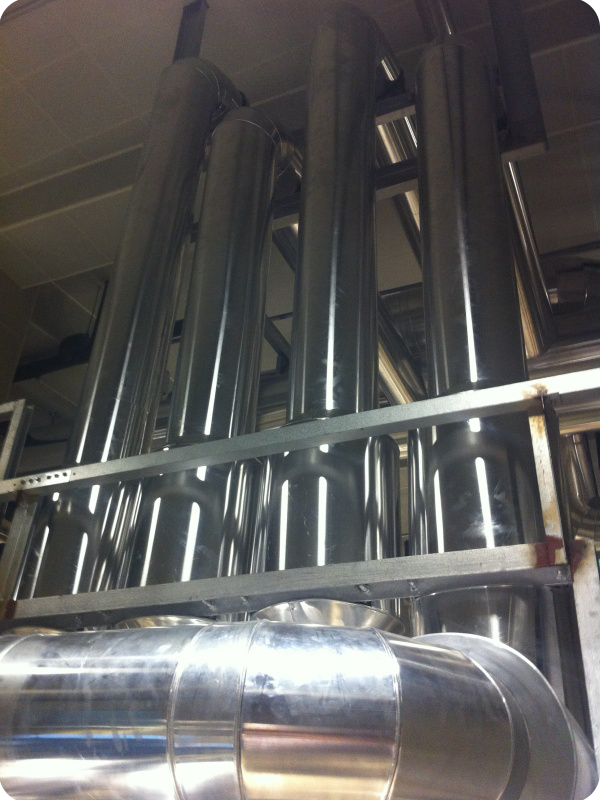
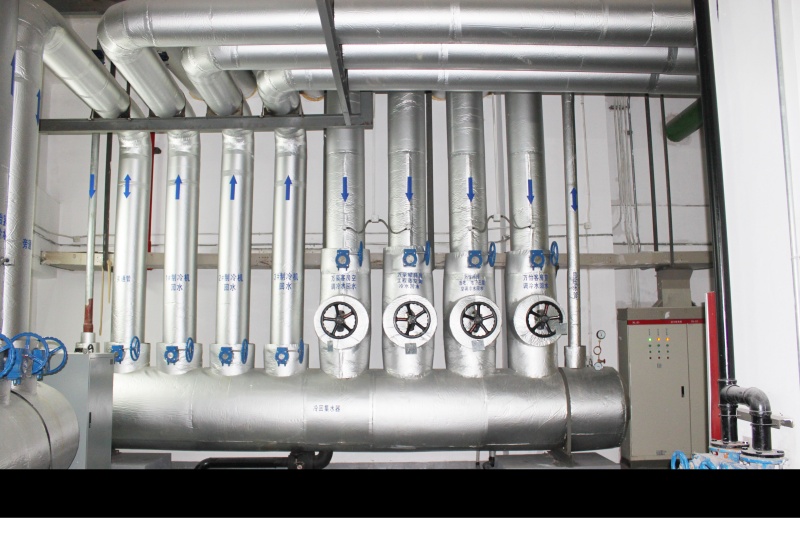
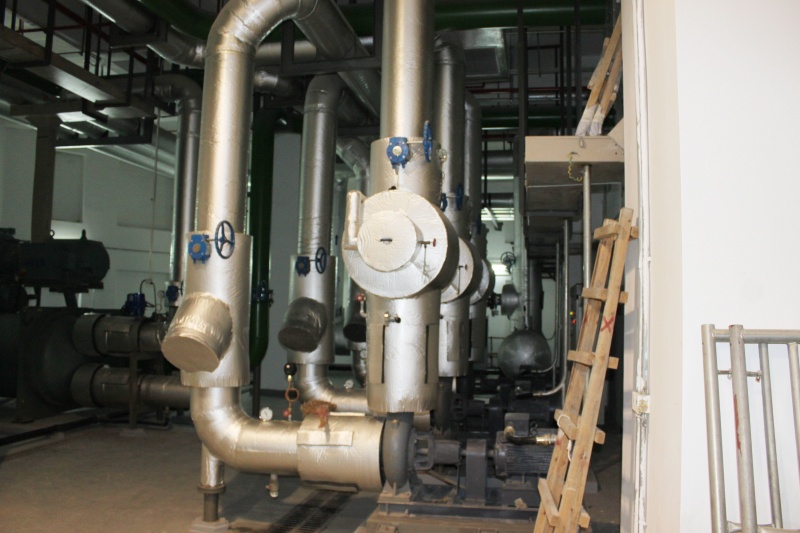
Kingflex insulation materials implemented in large-scale commercial structures and process piping networks.



Select standard dimensions or request a custom formulation tailored to your project requirements.
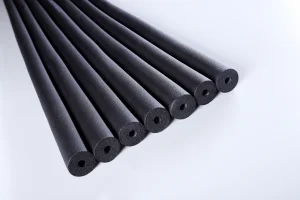
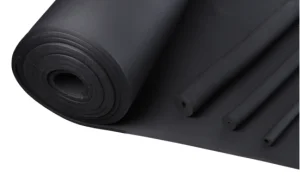
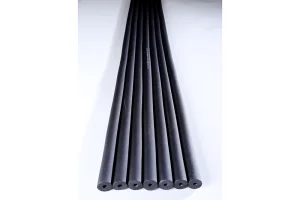
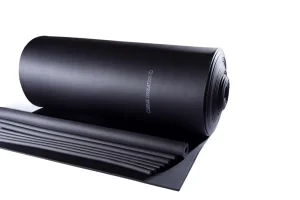
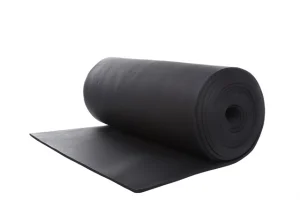
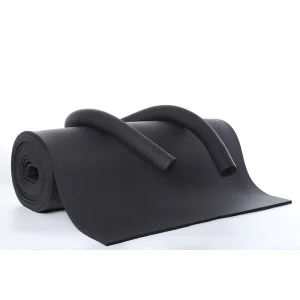
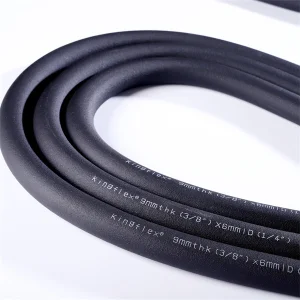
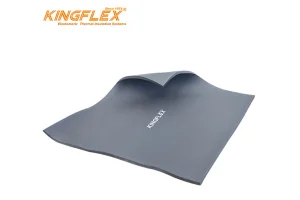
In modern industrial applications, chemical plants, and high-performance commercial construction, stainless steel pipes (such as grades 304, 304L, 316, and 316L) are standard due to their outstanding resistance to generalized corrosion. However, these systems are vulnerable to a failure mechanism known as Stress Corrosion Cracking (SCC), which typically occurs when the pipe operates between 50°C and 150°C in the presence of moisture and chlorides.
When moist air penetrates insulation material, it condenses against the pipe wall. If the insulation contains leachable chlorides or absorbs ambient salts, these ions concentrate as the water evaporates. This creates a corrosive environment that can initiate micro-cracks in the steel. The risk of CUI requires careful selection of insulation materials with specific physical properties: low chloride content, high resistance to moisture vapor diffusion, and hydrophobic behavior.
Kingflex elastomeric rubber foam insulation is formulated with a closed-cell structure. The cell walls block the migration of liquid water and vapor, minimizing the accumulation of moisture against the pipe wall. Unlike open-cell materials that absorb and retain liquid water, Kingflex rubber foam keeps the stainless steel surface dry, lowering the risk of CUI.
Furthermore, our elastomeric compounds are formulated to limit leachable halides (chlorides and fluorides). By maintaining leachable chloride levels well below the thresholds specified in ASTM C692, Kingflex insulation helps prevent stress corrosion cracking on high-performance stainless steel lines.
In cold service installations—such as chilled water piping, HVAC cooling loops, and cryogenic gas lines—controlling condensation is a primary goal. Ambient humidity contact with uninsulated cold lines can lead to liquid dripping, structural damage, and mold growth. Standard open-cell insulation systems require a separate vapor barrier jacket to prevent moisture ingress. If this jacket is punctured or improperly sealed, the system's thermal efficiency degrades as the insulation absorbs moisture.
Kingflex closed-cell insulation acts as its own vapor barrier, maintaining stable thermal conductivity throughout its service life. The high water vapor diffusion resistance ($\mu \ge 10,000$) ensures that even in hot, humid climates, moisture cannot easily migrate to the pipe surface, maintaining reliable system performance.
Modern building codes require materials to meet strict environmental and indoor air quality standards. Kingflex insulation is formulated without CFCs, HFCs, or HCFCs, ensuring zero ozone depletion potential (ODP) and low global warming potential (GWP). It is also free of formaldehyde and low in VOC emissions, making it suitable for sensitive environments like healthcare facilities, schools, and food processing plants.
 Kingflex