Engineered NBR/PVC closed-cell technologies specialized for extreme moisture resistance and severe tropical thermal conditions.
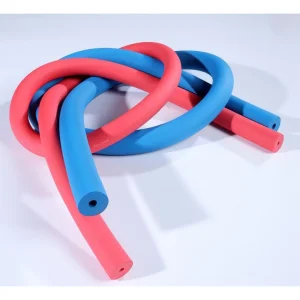
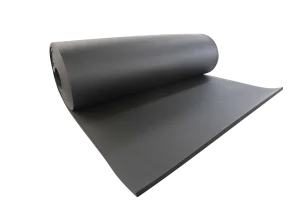
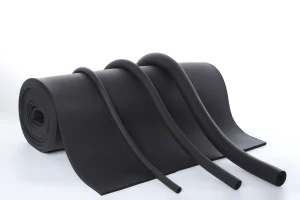
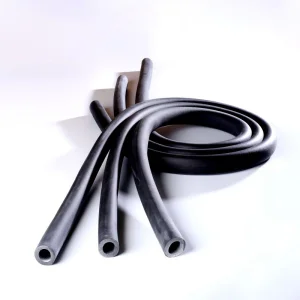
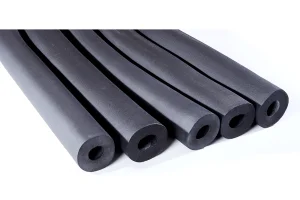
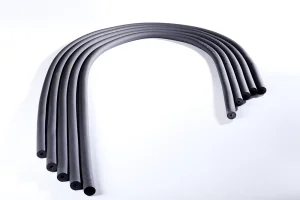
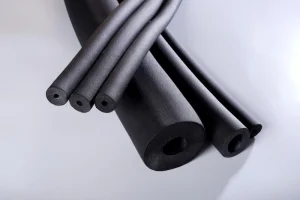
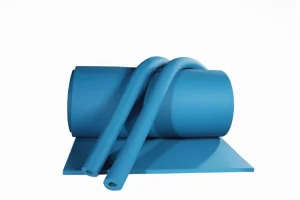
As a global logistics epicenter housing the Panama Canal and the massive Colon Free Zone, Panama City acts as the primary gatekeeper for industrial, commercial, and marine supply chains across Central and South America. The local B2B purchasing demands for thermal and structural insulation systems are heavily governed by the region's intense tropical monsoon climate (Köppen classification: Am). Characterized by high average temperatures exceeding 32°C (90°F) and relative humidity levels that routinely touch 85% to 95%, managing moisture migration is the single greatest structural engineering challenge in the region.
Without high-performance thermal insulation barrier coatings and materials, HVAC chiller loops, chilled water pipes, and process water lines undergo rapid sweating. This continuous sweating leads to structural water damage, mold growth in commercial offices, and a catastrophic acceleration of Corrosion Under Insulation (CUI). As a consequence, procurement directors, MEP engineers, and contractors in Panama City are shifting focus from conventional glass wool towards advanced elastomeric closed-cell rubber foam solutions engineered by high-capacity manufacturers in China.
In highly humid atmospheres like Panama City’s marine waterfront, the partial pressure of water vapor in the ambient air is extremely high. When chilled water flows through a conduit at 4°C (39°F), it establishes a powerful vapor pressure gradient that continuously drives moisture from the outside air toward the cold pipe surface. If the thermal insulation system is permeable—such as open-cell structures or poorly sealed fibrous wraps—vapor breaches the insulation barrier, condenses upon hitting the cold pipe, and fully saturates the insulation material.
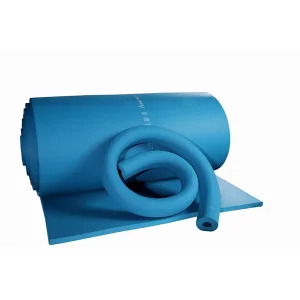
Kingflex Elastomeric NBR/PVC Rubber Foam solves this vulnerability fundamentally. Featuring a fully integrated closed-cell structure with a high water vapor diffusion resistance factor (often denoted as μ ≥ 10,000), our insulation tubes and sheets incorporate an integrated vapor barrier. The material does not rely on an external foil jacket to prevent moisture penetration, guaranteeing long-term thermal conductivity stability (λ ≤ 0.034 W/m·K at 0°C).
CUI is an insidious, multi-billion-dollar industrial failure mechanism. When water vapor condenses on carbon steel or copper pipes underneath porous insulation, electrochemical corrosion occurs unseen. Kingflex closed-cell rubber foam prevents this by keeping the pipe surface completely dry, suppressing the moisture-laden environment required for corrosion cell formation. Our elastomeric matrix is also formulated without aggressive halides, preventing chloride-induced stress corrosion cracking in stainless steel pipelines.
| Performance Characteristic | Kingflex Elastomeric Rubber Foam | Standard Fiberglass/Rockwool | Panama Environmental Project Benefit |
|---|---|---|---|
| Closed-Cell Structure | > 98% Rated | Open-cell (Fibrous) | Impervious to moisture accumulation in tropical humidity. |
| Thermal Conductivity (λ at 0°C) | ≤ 0.034 W/(m·K) | ≥ 0.040 W/(m·K) | Low baseline thermal gain, reduces chiller energy overheads. |
| Vapor Barrier Requirement | Built-in (No jacket needed) | Requires external jacket/seal | Eliminates structural risk from jacket tears or punctures. |
| Corrosion Risk (CUI) | Near Zero (Halogen-controlled) | High (Retains trapped water) | Lengthens pipeline service life in marine salt air. |
| Service Temp Range | -40℃ to 105℃ (ULT: down to -200℃) | Up to 650℃ (Low temp limit: high risk) | Versatile applicability from deep HVAC to cold storage LNG. |
B2B sourcing departments in Central America face three prominent challenges when procuring building materials: supply chain reliability, compliance documentation, and scale pricing. Purchasing through middle-tier regional distributors in Panama often adds 40% to 60% markups. Conversely, sourcing directly from Kingflex Insulation Co., Ltd. in China allows developers, contractors, and national utilities to optimize capital expenditure significantly.
Our strategically located production hub in Dacheng, China—known globally as the capital of green building materials—operates 5 large automated assembly lines. This high-efficiency manufacturing model ensures stable quality control and allows us to offer direct-factory quotes. Shipping pipelines are highly streamlined: we coordinate direct maritime logistics from major Chinese ports (Tianjin/Qingdao/Shanghai) directly to the Port of Cristobal or Balboa in Panama. This direct route facilitates seamless customs clearance under Panama's international trade frameworks and Colon Free Zone logistics guidelines.
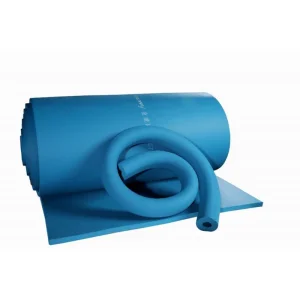
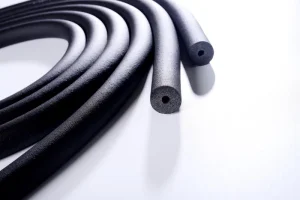
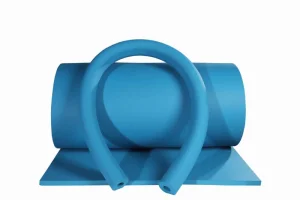
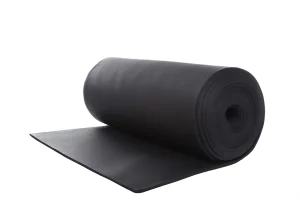
We supply elastomeric sheets in custom widths and thicknesses ranging from 6mm up to 50mm, with pre-cut pipe options tailored to specific copper, iron, or stainless steel nominal diameters. This reduces site labor costs in Panama City construction zones.
With an annual output exceeding 600,000 cubic meters, Kingflex maintains the capacity to supply large-scale commercial skyscrapers, airport expansion projects (such as Tocumen International), and shipping facility upgrades without line delays.
Every batch of Kingflex rubber foam insulation is fully traceable. From raw elastomer polymer input in our mixers to final curing and packaging, we provide certificates of compliance with international fire and structural safety parameters.
The performance of flexible elastomeric insulation depends primarily on the quality of its base polymer matrix and cell structure uniformity. Kingflex utilizes a high-grade Nitrile-Butadiene Rubber (NBR) and Polyvinyl Chloride (PVC) compound blend. During the thermal curing and expansion process, organic blowing agents create a uniform matrix of microscopic gas-filled cells.
A high density of closed cells (over 98%) restricts thermal energy transfer through conduction. Our technical roadmap focuses on balancing structural flexibility with high compression resilience. Key metrics of our formulation include:
Kingflex Insulation Co., Ltd. is a professional manufacturing and trading combo for thermal insulation products. Our research, development, and production departments are located in Dacheng, China—a well-known capital of green building materials. Kingflex operates as an energy-saving, environmentally friendly enterprise that concentrates on R&D, manufacturing, and international sales. We provide insulation solutions by means of consultation, research, production, installation guidance, and post-sale service.
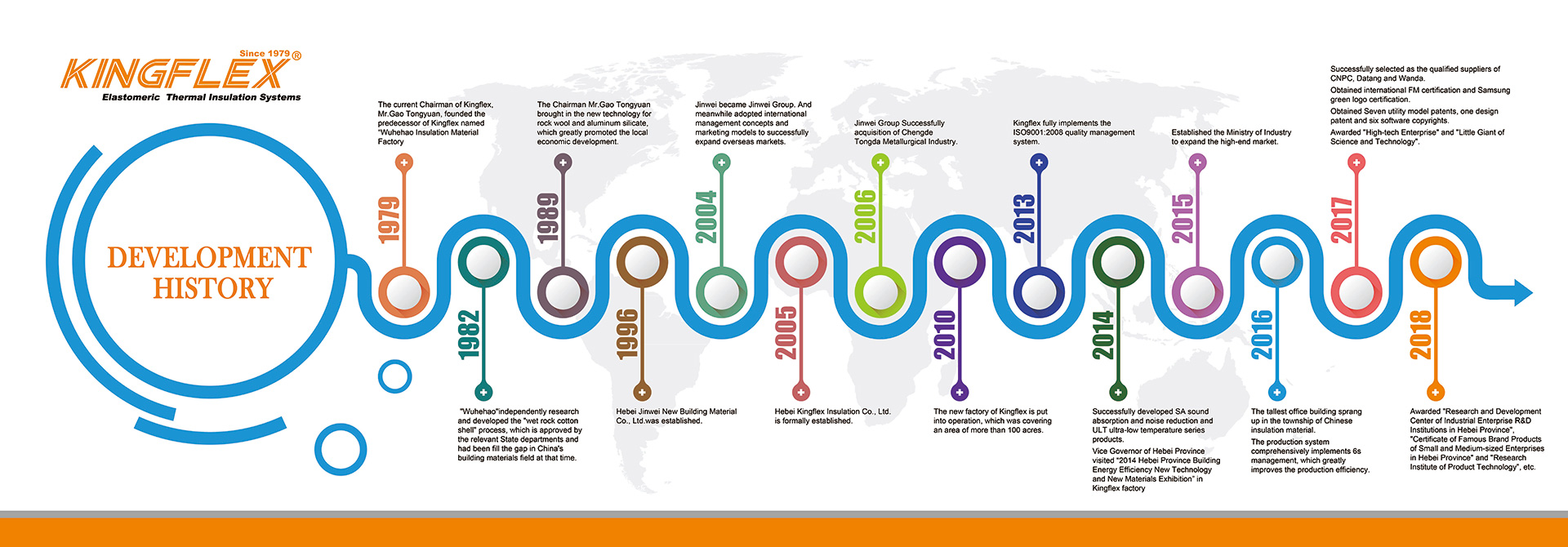
Kingflex was established by the Jinwei Group, which has a manufacturing history of more than 40 years. Founded in 1979, the Jinwei Group was the first manufacturer of thermal insulation materials north of the Yangtze River. This heritage provides our engineers with access to decades of thermodynamic performance data, allowing us to continuously refine our production processes.
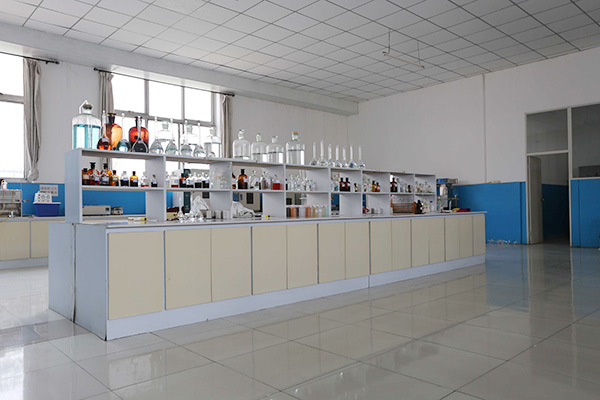
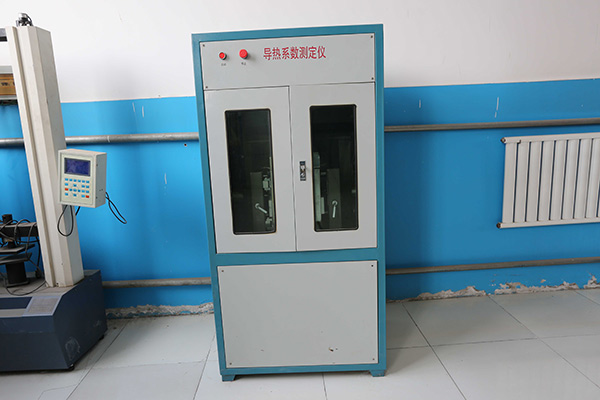
Our technical R&D department features 8 professional engineers who focus on polymeric performance optimization, fire retardancy mechanics, and cryogenic system insulation. We run physical testing labs that inspect thermal conductivity, tensile strength, cell structures, and water vapor absorption rates for every batch of rubber foam sheet and pipe that leaves our factory floor.

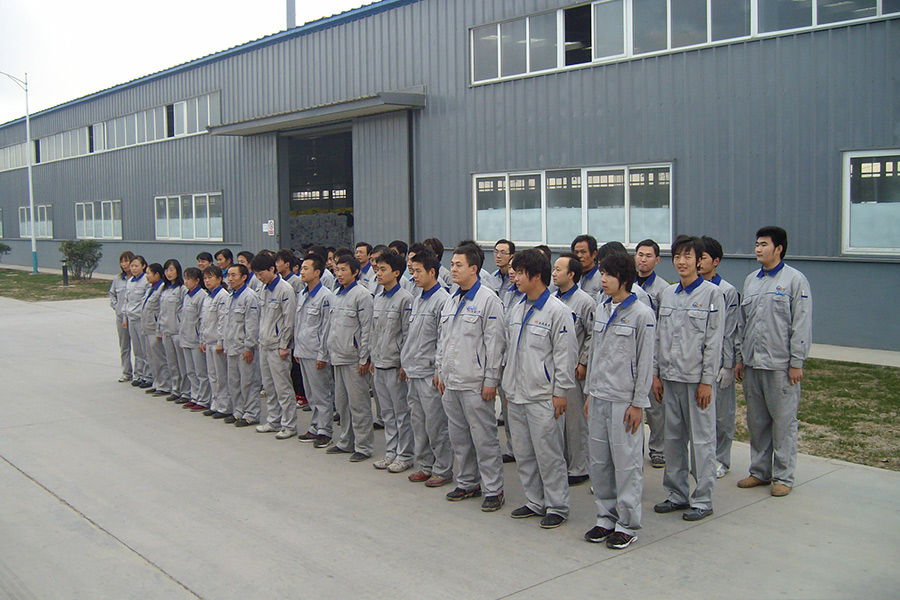
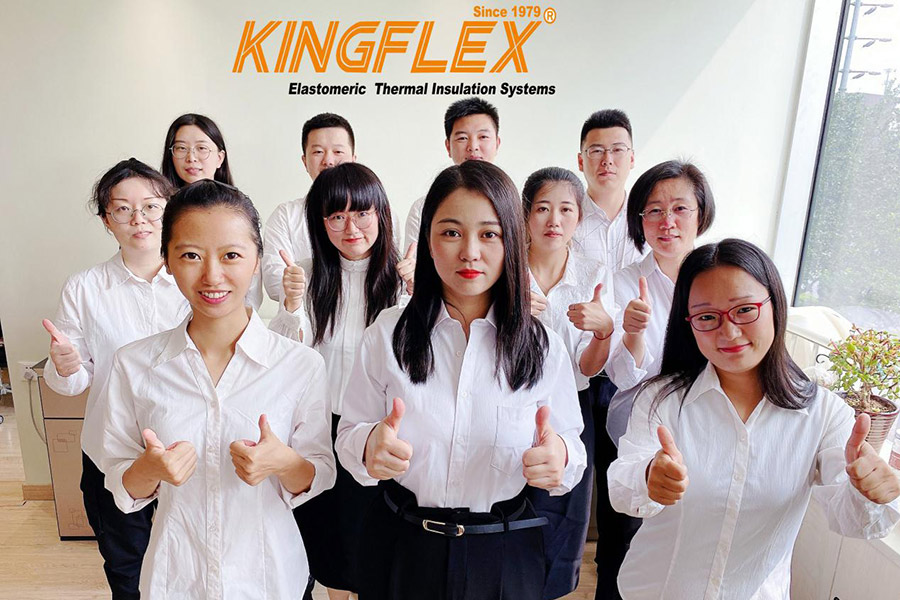
Our employees are what makes Kingflex a highly collaborative environment. The Kingflex team is a tight-knit group with a shared vision of providing first-class service to our clients. Our international division is staffed by 6 professional sales engineers who manage global trade, shipping coordination, and compliance protocols, alongside 230 workers in the production department.


To help HVAC designers, engineers, and procurement managers select the correct materials, we maintain a comprehensive inventory of standard dimensions, performance thresholds, and application targets:
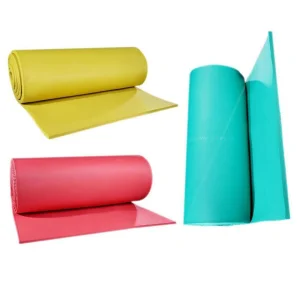
Ideal for large-diameter ductwork, equipment housings, tanks, and structural thermal partitions where uniform coverage is required.
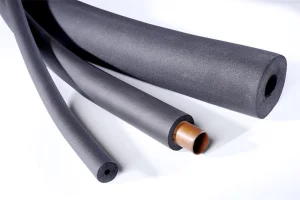
Designed for direct application on commercial copper pipelines, HVAC refrigerant conduits, chilled water lines, and chemical piping loops.
Prevents condensation on commercial chilled water pipe mains, supply/return air ducts, and residential split-system copper lines in tropical climates.
Provides thermal protection for ultra-low temperature (ULT) facilities, gas terminals, cold storage units, and pharmaceutical laboratories.
Reduces heat transfer in steam pipelines, boiler supply piping, and industrial processing tanks while helping to mitigate plant acoustics.
B2B procurement processes for large public works and corporate real estate developments require third-party certifications. Building codes in Central America require construction materials to meet international safety and environmental standards.
Kingflex insulation products are certified to comply with various international standards, enabling entry into regulated markets worldwide. Our certifications include:
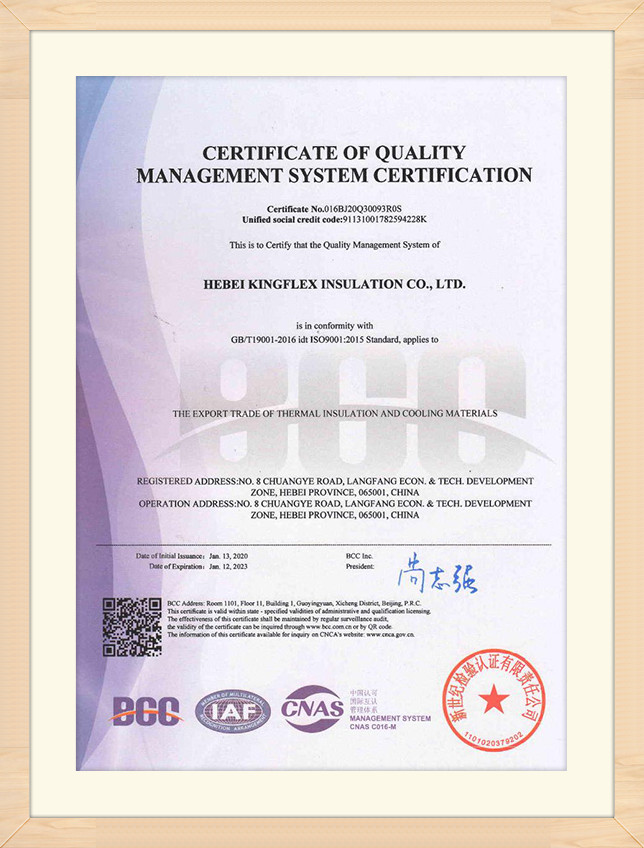


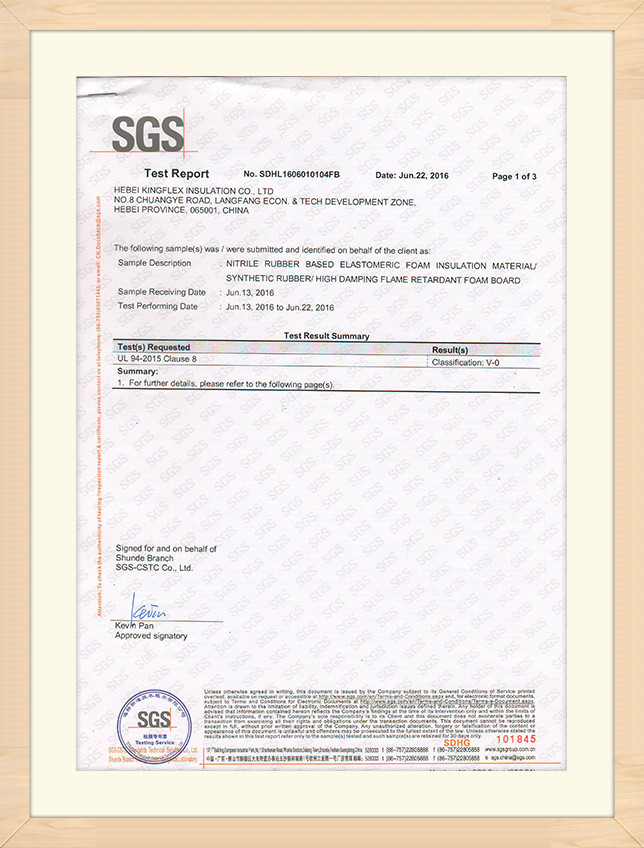
Kingflex rubber foam is formulated to meet Class 0 and Class 1 flame-spread requirements. In the event of a fire, it will not support combustion propagation or produce high-density, toxic smoke, helping to maintain safe building evacuation routes.
Our materials undergo testing according to UL 94 vertical burn protocols and ASTM C534 specifications for preformed flexible elastomeric cellular thermal insulation. This facilitates compliance for projects specifying US mechanical engineering standards.
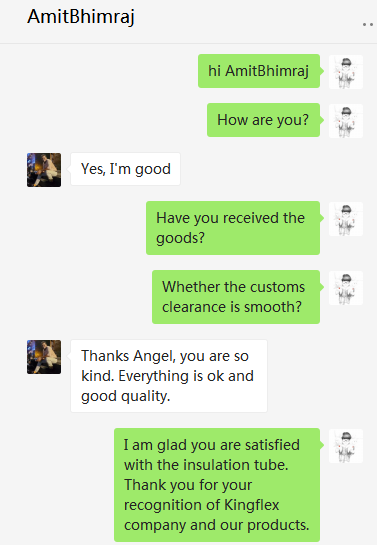
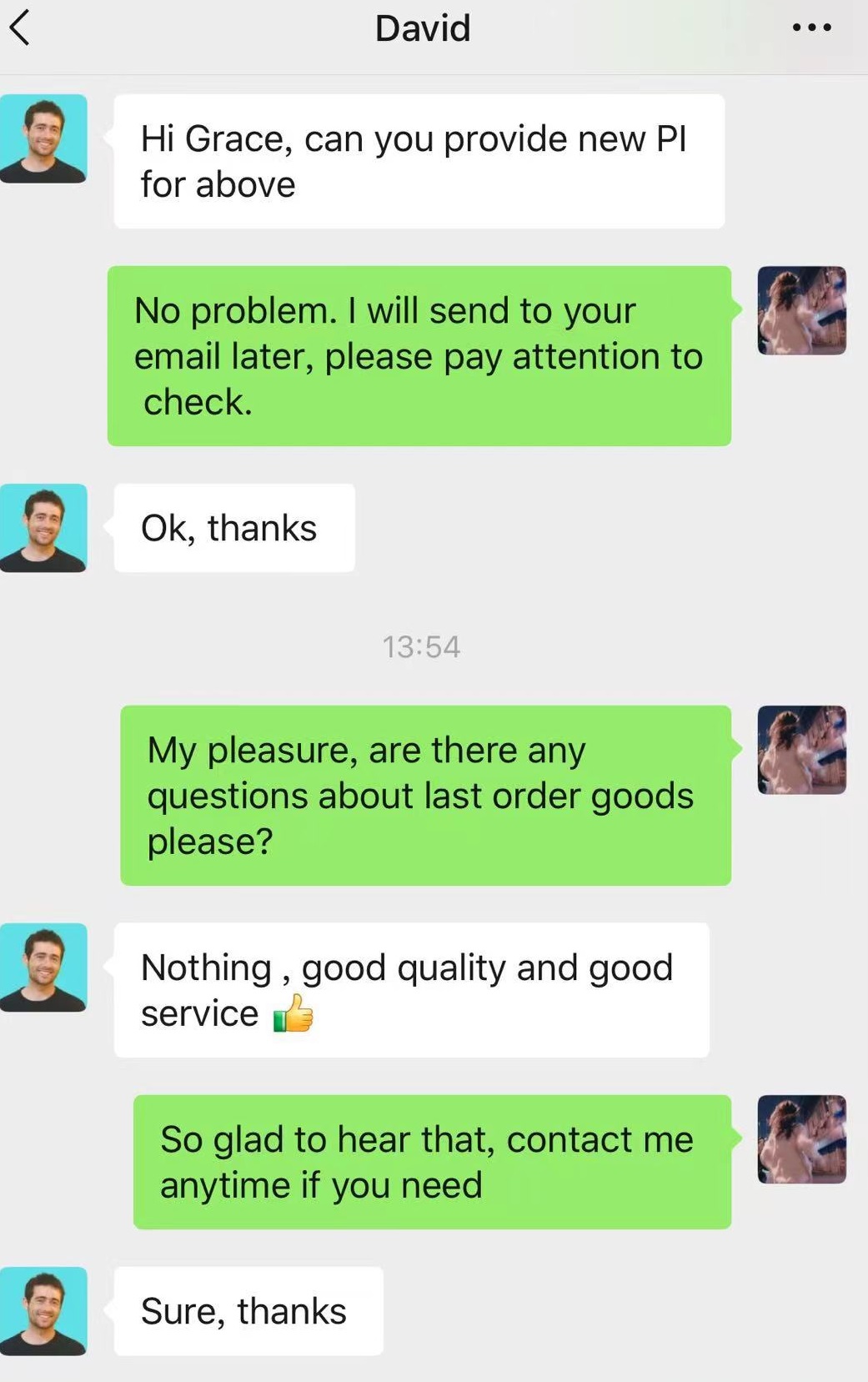
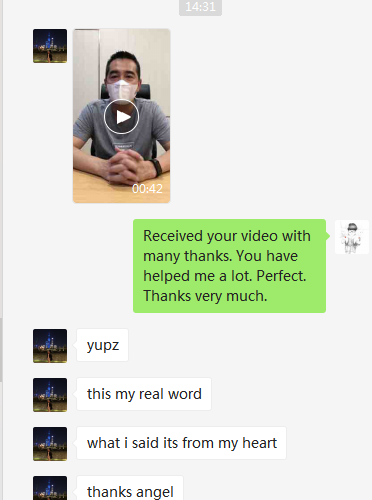
We work directly with contractors and purchasing managers, providing transparent technical data and maintaining clear communication. The following client interactions illustrate our commitment to detail, specification alignment, and delivery coordination:


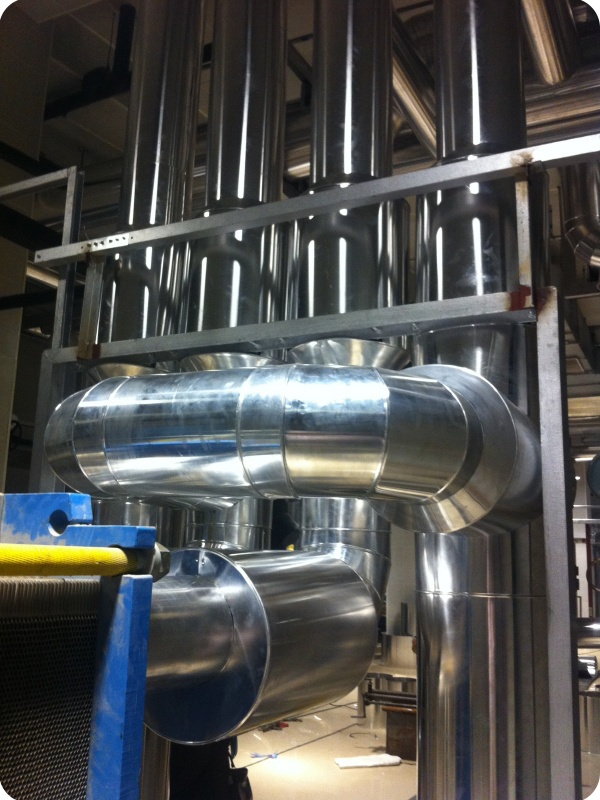
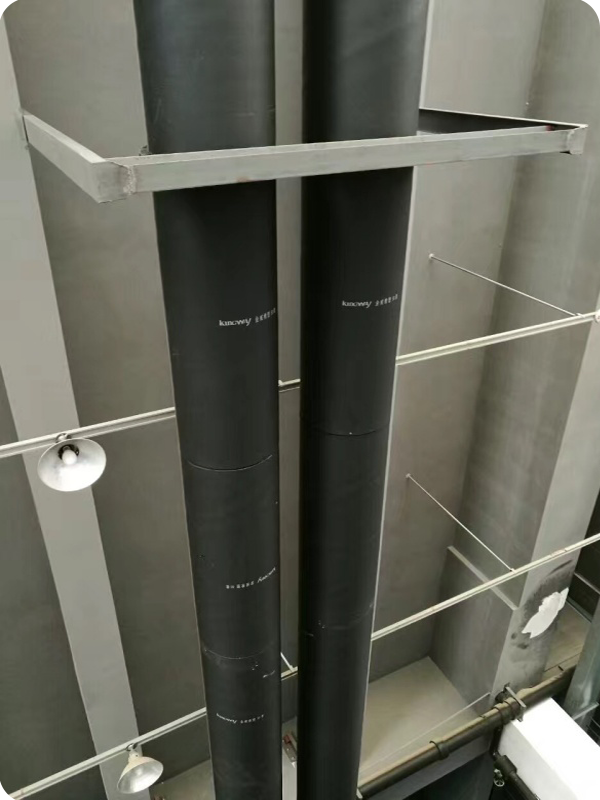
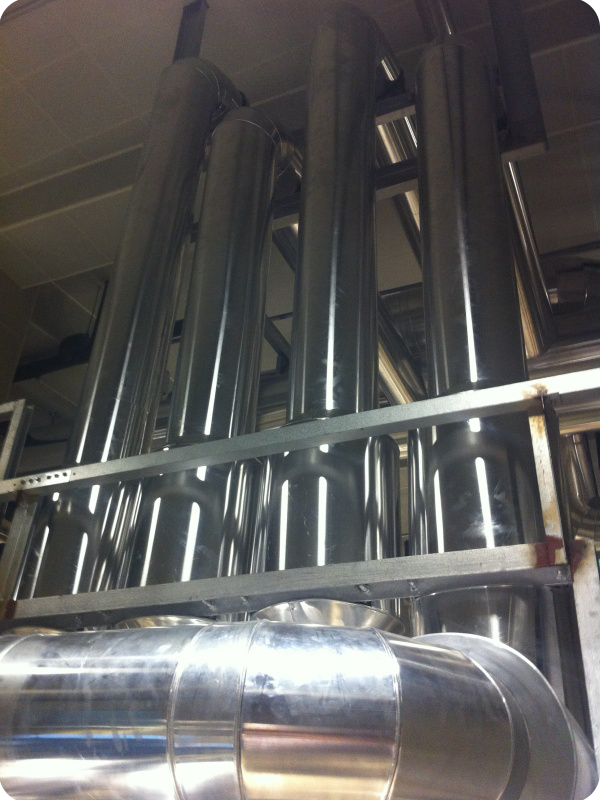
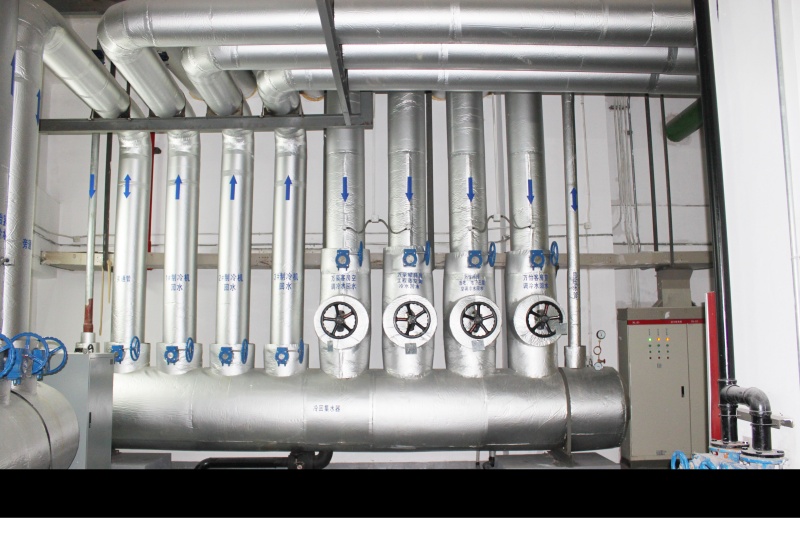
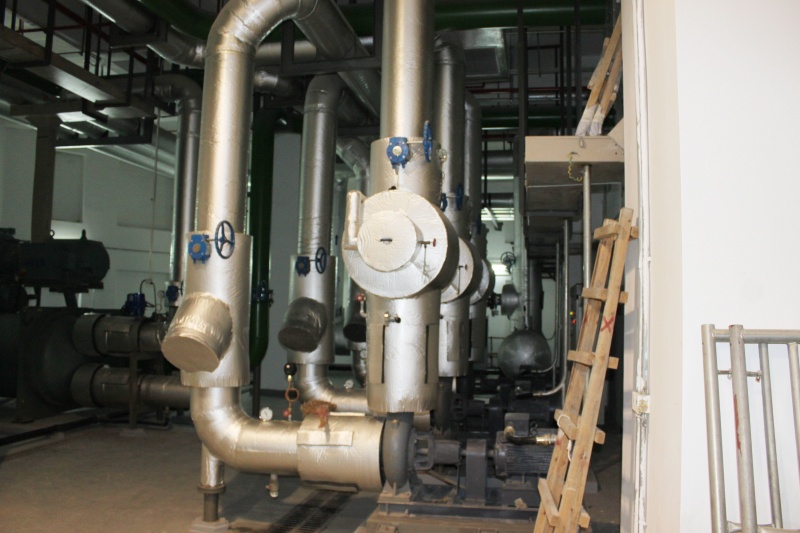
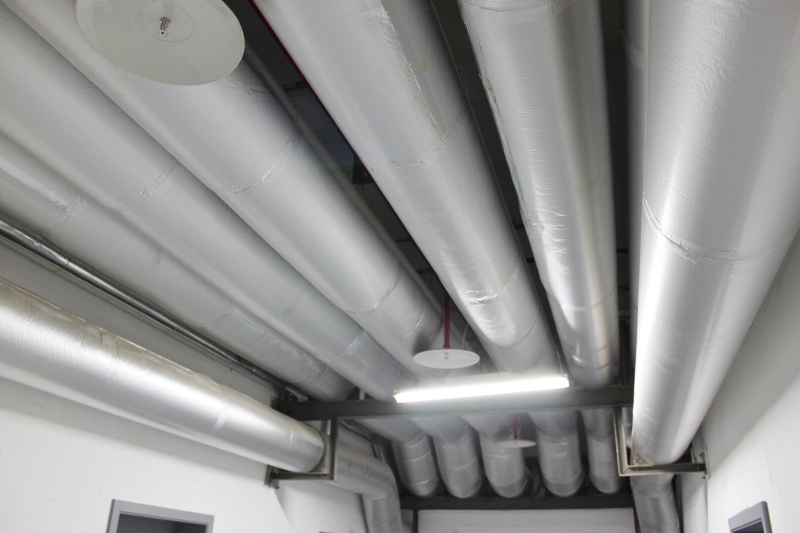
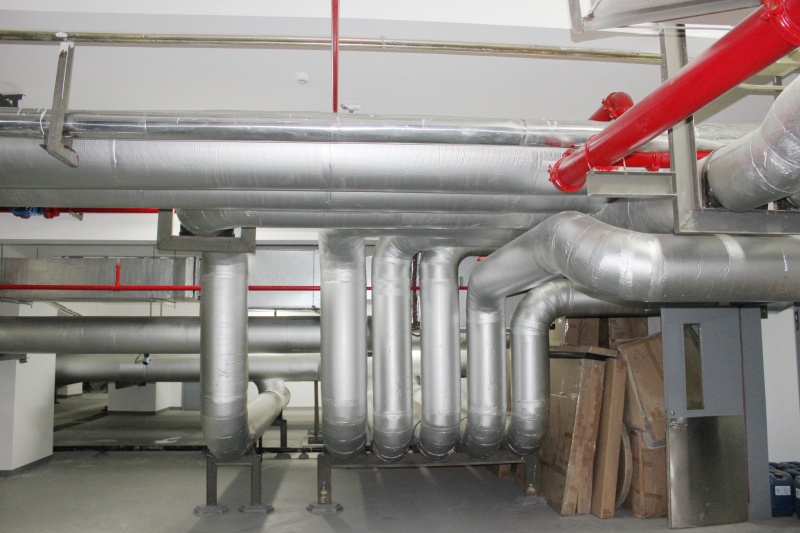
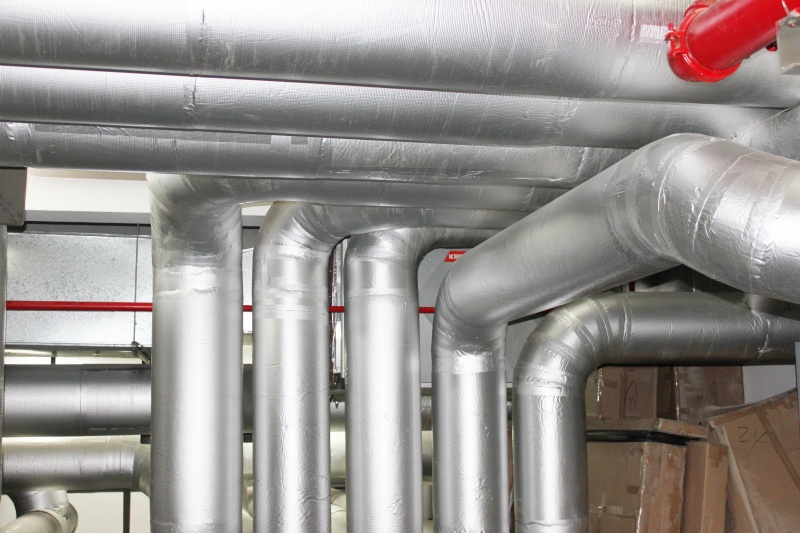
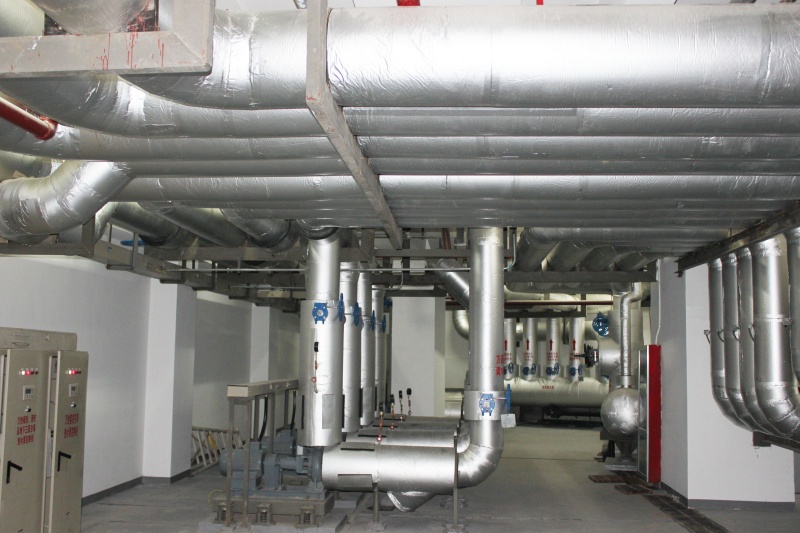
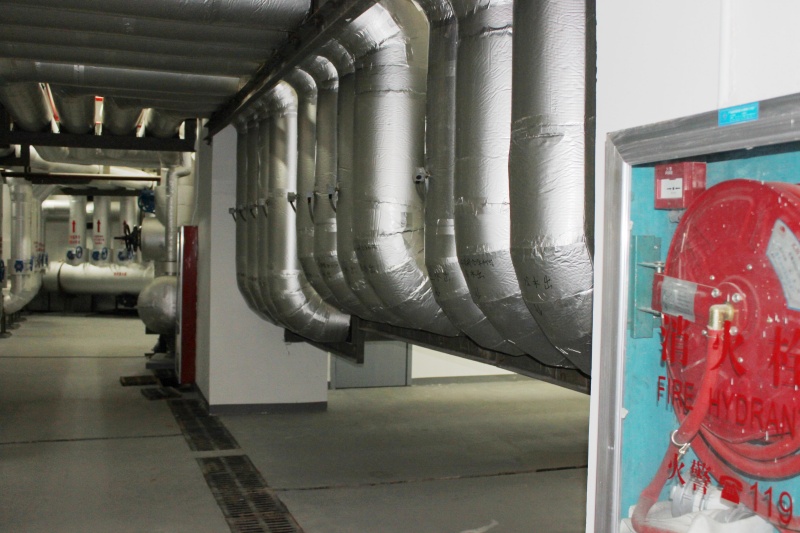
Our insulation systems are used in commercial office buildings, industrial manufacturing plants, cold storage centers, and marine transport pipelines globally. Below is an overview of select project sites utilizing Kingflex material:




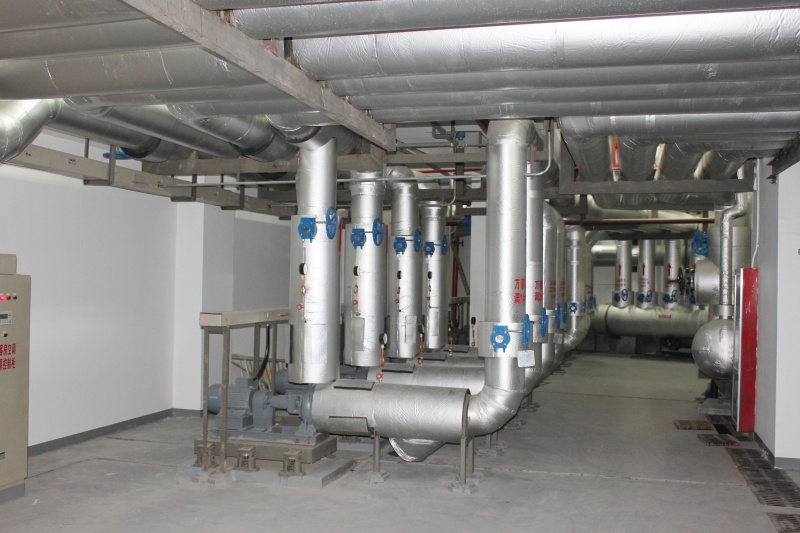

When requesting quotes and technical submittals from Chinese insulation manufacturers, evaluating the following engineering and supply chain parameters can help ensure project alignment:
Confirm the material's water vapor transmission rate under localized relative humidity conditions (≥ 85%). Ensure the closed-cell structure is rated to meet your target thermal requirements over time.
Verify that the insulation meets fire-safety codes, such as BS 476 Class 0, ASTM E84, or UL 94 classification, to comply with municipal building regulations.
Ensure the manufacturer provides standardized packaging options (such as moisture-resistant stretch wraps and robust pallets) to protect materials during container shipping and port handling.
Get answers to common technical, logistics, and regulatory questions regarding Kingflex insulation solutions.
High-integrity solutions for ultra-low temperature cryogenic systems, industrial processing, and acoustic control installations.
 Kingflex