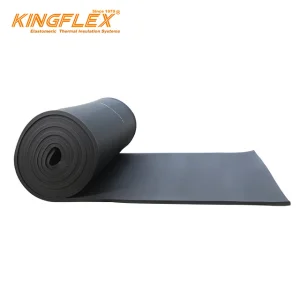
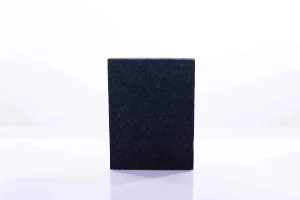
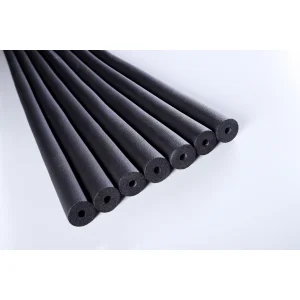
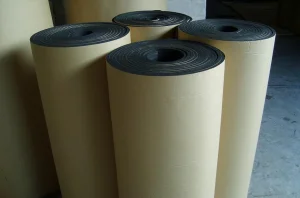
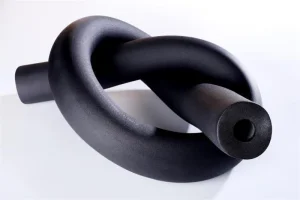
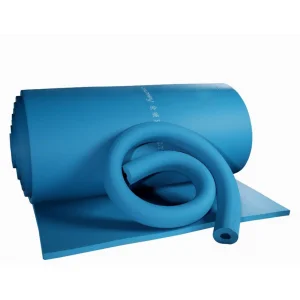
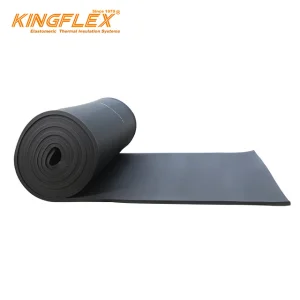
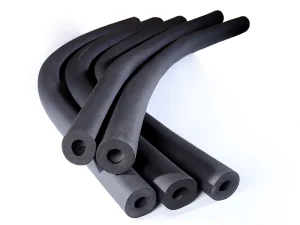
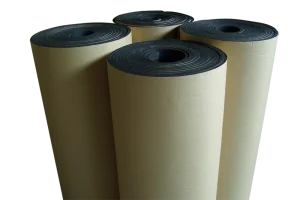
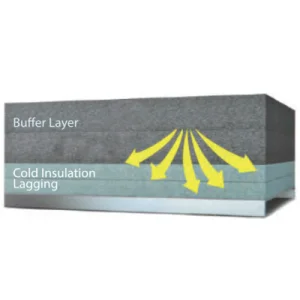
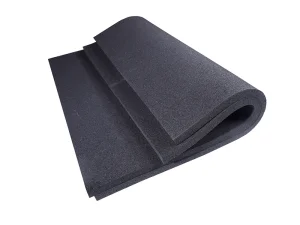
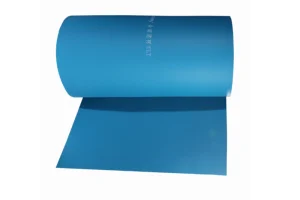
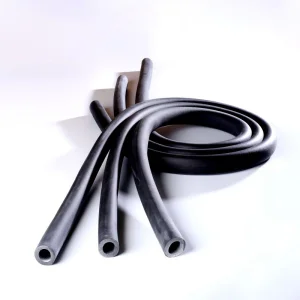
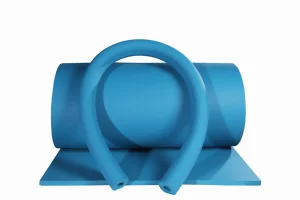
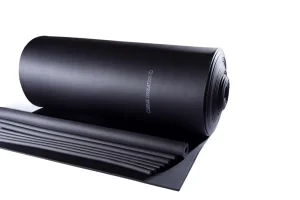
Explore our elite range of advanced closed-cell flexible rubber foam materials formulated specifically for intense thermal barrier protection.
Kingflex Insulation Co., Ltd. is a world-class manufacturing and trading powerhouse specializing in high-performance thermal and cryogenic insulation products. Strategically located in Dacheng, China—historically celebrated as the undisputed capital of green building materials—our enterprise is structurally aligned with the modern demands of energy conservation, carbon reduction, and safety compliance. We operate on a holistic service model, bridging the gap between scientific R&D, automated manufacturing, specialized thermal consulting, global installation supervision, and comprehensive technical follow-up.

Our operational expertise is backed by the legacy of the Jinwei Group, a pioneering enterprise established in 1979 with over 40 years of core industrial history. Jinwei Group was recognized as the first manufacturer of thermal insulation materials north of the Yangtze River. Combining this deep institutional knowledge with contemporary polymer science, Kingflex has successfully pioneered elastomeric compounds capable of maintaining structural elasticity and stable mechanical qualities in cryogenic environments down to -200 °C.
"By integrating advanced NBR/PVC matrix formulations with an automated closed-cell foaming process, we ensure a constant water vapor transmission resistance parameter (μ-value ≥ 10,000) and exceptionally low thermal conductivity (λ) even under severe sub-zero thermal gradients."
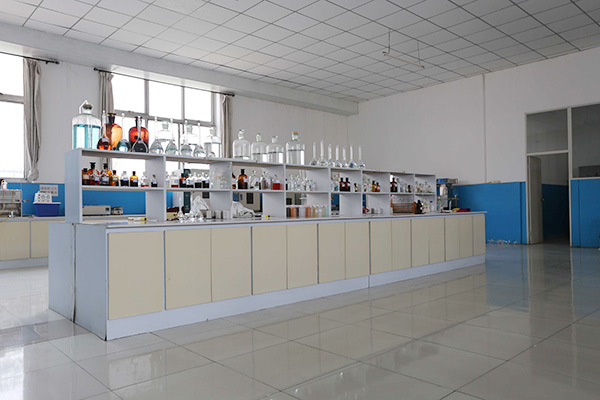
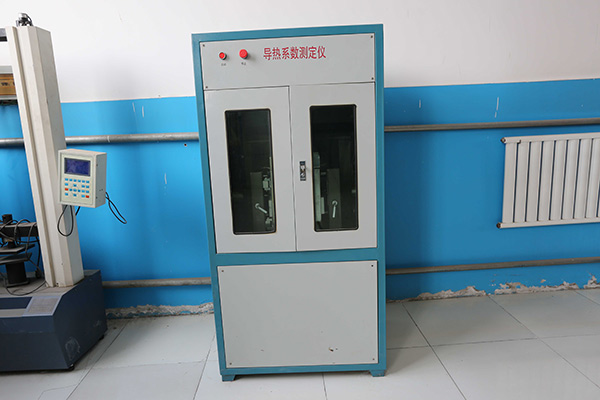
Innovation at Kingflex is driven by our specialized Research & Development department, staffed by 8 dedicated thermodynamic and chemical materials engineers. Working alongside global testing labs, our R&D group continuously refines structural elasticity, fire behavior kinetics, and thermal expansion properties at extreme temperatures. Our manufacturing floor utilizes advanced automatic processing lines, managing an annual production output exceeding 600,000 cubic meters to satisfy large-scale industrial projects worldwide.

The global demand for liquid nitrogen (LN2) systems and related cryogenic storage technologies is growing rapidly. Driven by the expansion of clean energy initiatives (including liquefied natural gas [LNG] regasification and liquid hydrogen processing), aerospace engineering, high-tech semiconductor fabs, and bio-pharmaceutical storage, industrial piping systems operate under intense temperature variations. Standard thermal insulation materials are insufficient at liquid nitrogen temperatures (-196 °C / -320 °F). Without specialized insulation, piping systems suffer from continuous boil-off losses, ambient moisture penetration, and stress fractures due to rapid thermal contraction.
Unlike open-cell mineral wools or rigid polyurethane materials which can crack under thermal shock or act as sponges for condensed moisture, Kingflex's engineered elastomeric nitrile rubber insulation relies on a micro-cellular structure. This design provides several distinct performance advantages:
Designing thermal insulation systems for liquid nitrogen requires strict control over physical parameters. The table below details the performance specifications of our standard NBR/PVC formulations designed for industrial low-temperature installations.
| Physical Property | Standard Dimension & Values (Sheets) | Standard Dimension & Values (Pipes) | Test Protocol Reference |
|---|---|---|---|
| Material Matrix | Nitrile Butadiene Rubber / PVC Composite | Nitrile Butadiene Rubber / PVC Composite | ASTM C534 / EN 14304 |
| Material Thickness | 6 mm to 50 mm | 9 mm to 40 mm | ISO 1923 |
| Inner Diameter (ID) | N/A (Roll / Sheet Form) | 6 mm to 114 mm | ISO 1923 |
| Apparent Density | 40 to 55 kg/m³ | 40 to 55 kg/m³ | ASTM D1622 |
| Operational Range | -200 °C to +105 °C | -200 °C to +105 °C | ASTM C411 / EN 14706 |
| Closed-Cell Rate | > 98.2% | > 98.2% | ASTM D2856 |
| Moisture Resistance (μ) | ≥ 10,000 | ≥ 10,000 | EN 12086 |
| Compression Resilience | > 80% recovery under load | > 80% recovery under load | ASTM D1667 |
Industrial cold preservation needs vary significantly depending on localized climate profiles, relative humidity levels, and nearby air currents. Kingflex provides customized insulation structures optimized for diverse industrial settings:
Marine environments present high humidity and salt spray risks, which accelerate structural corrosion. Kingflex's closed-cell rubber foam prevents moisture infiltration, stopping Corrosion Under Insulation (CUI) on cryogenic pipelines.
Used extensively for chilled water pipes, refrigeration lines, and ventilation ducts in hospitals, shopping malls, and cleanrooms. Reduces cooling losses, controls condensation, and aids acoustic dampening.
Liquid nitrogen is vital in semiconductor fabrication and biological storage. Our dust-free, non-fibrous elastomer sheets ensure zero outgassing, maintaining cleanroom air quality.
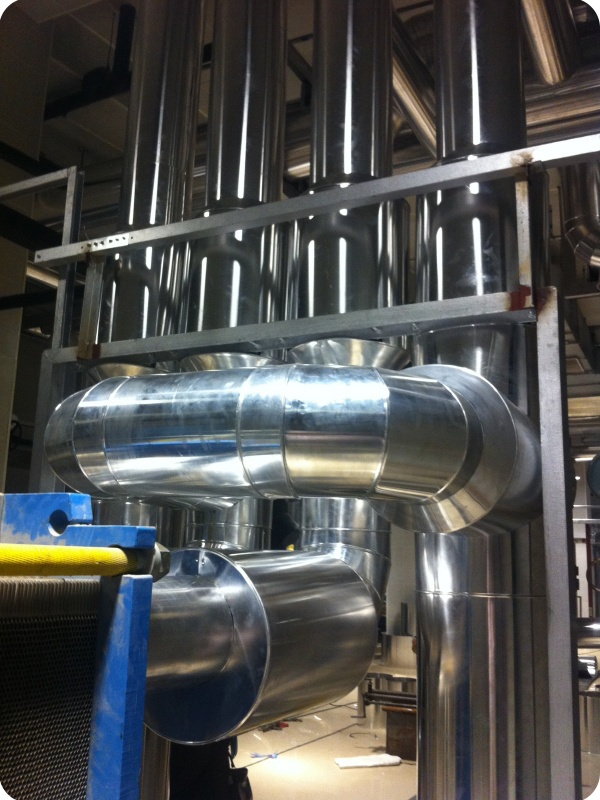
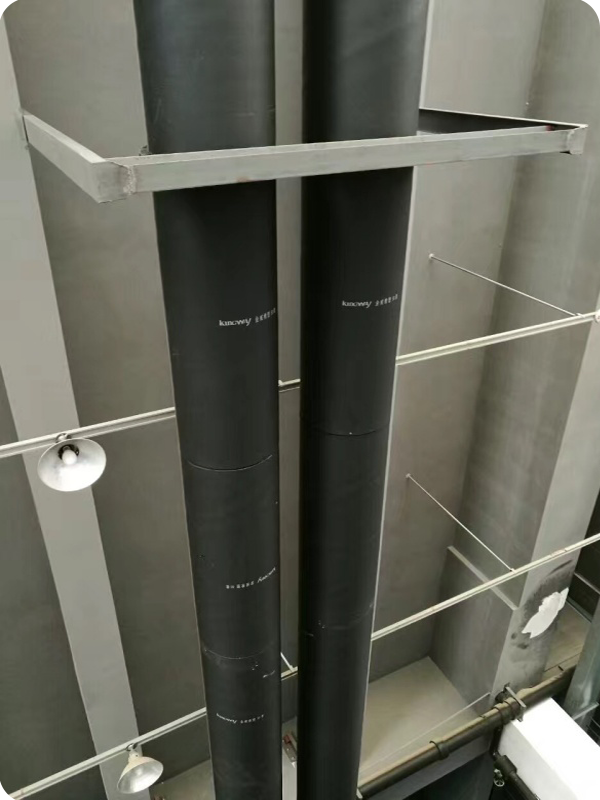
Our solutions have been successfully deployed in public infrastructure, industrial plants, cold chain shipping systems, and high-performance HVAC systems worldwide.

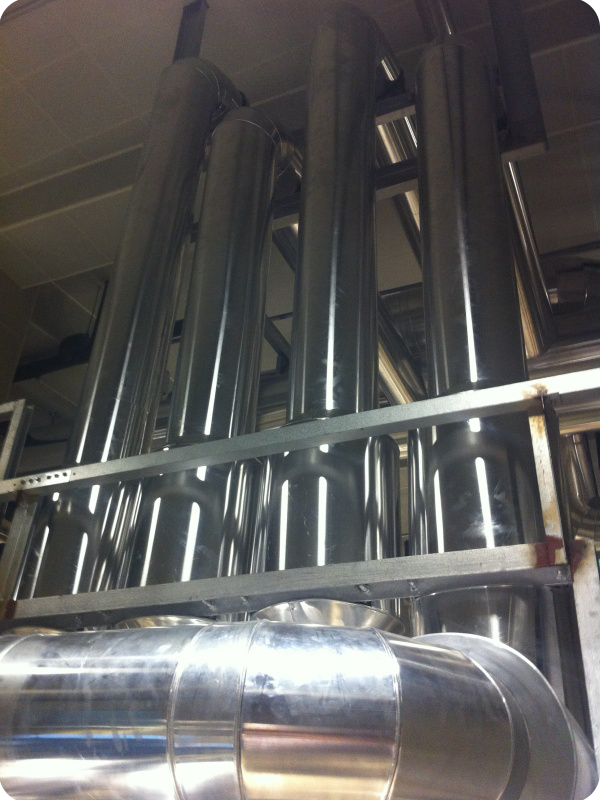
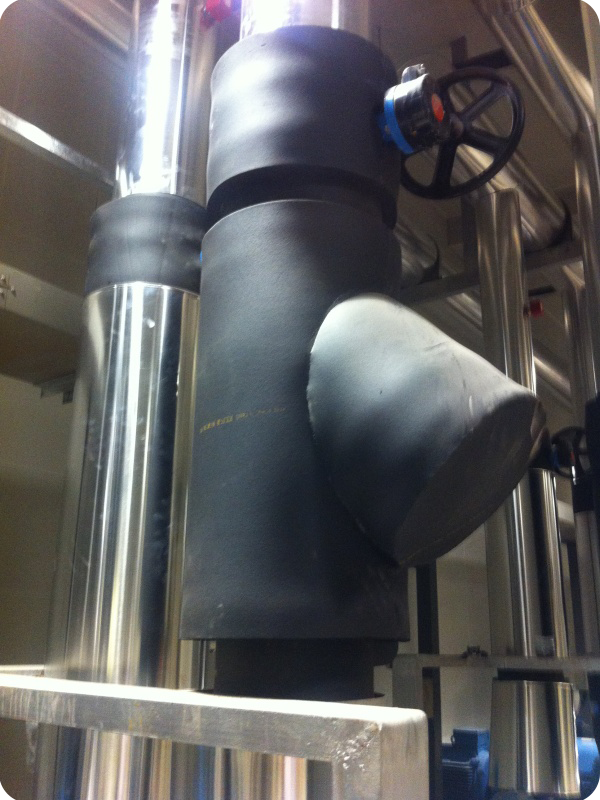
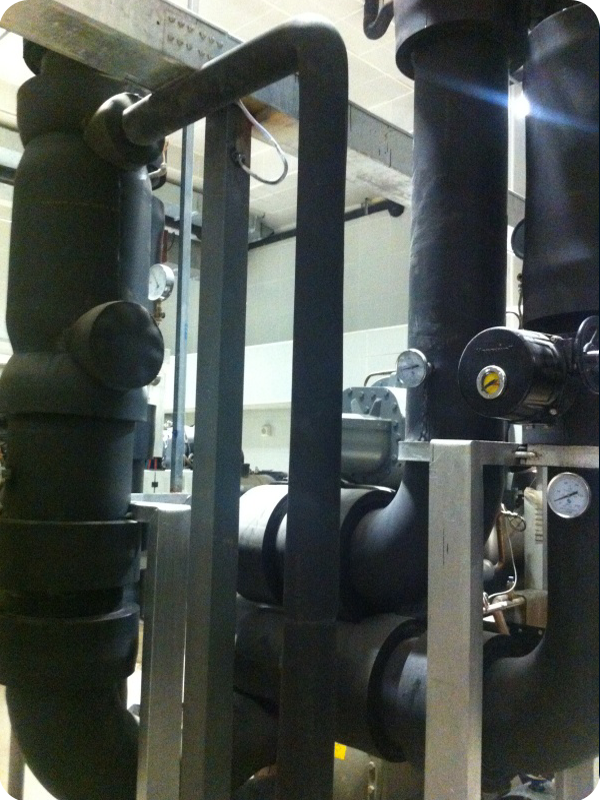
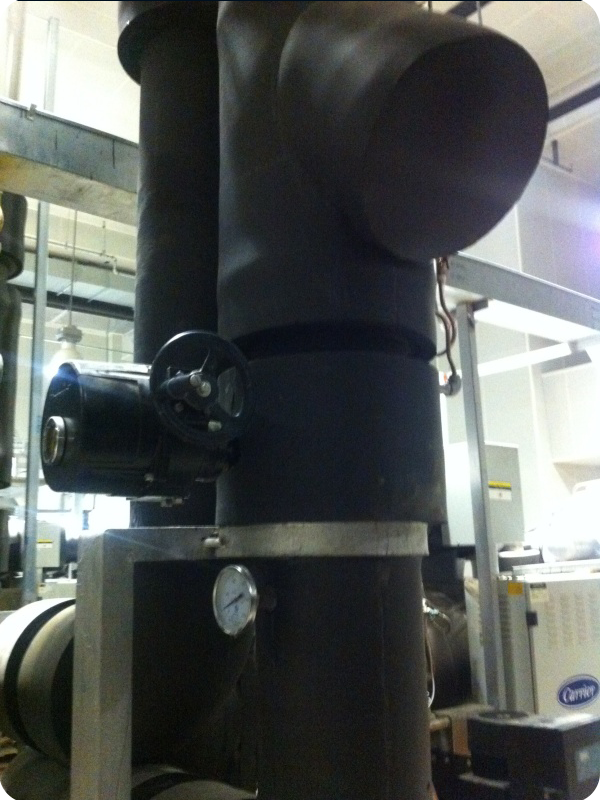
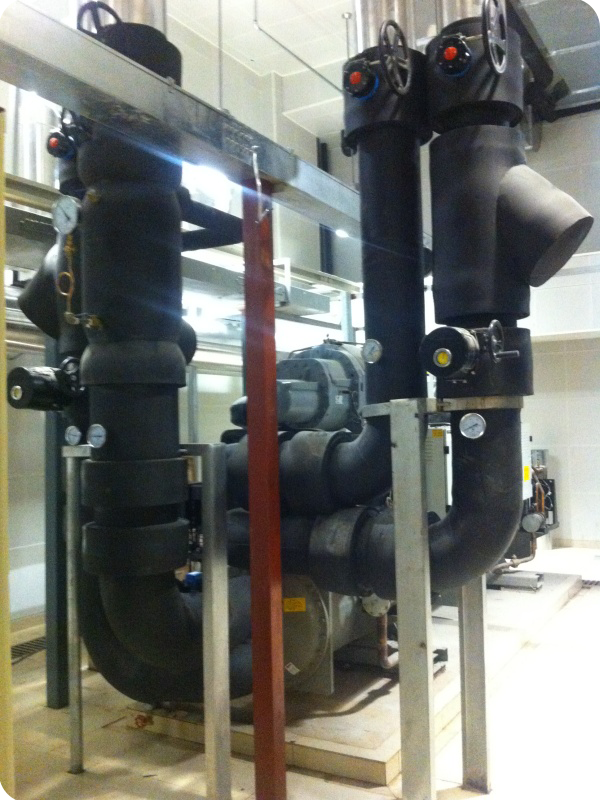
Purchasing cold insulation materials directly from Kingflex's automated manufacturing facilities in China provides distinct strategic advantages for project budgets and delivery timelines:
With an annual capacity of over 600,000 cubic meters, Kingflex maintains large raw material inventories to prevent project delays, making us a dependable partner for global infrastructure programs.
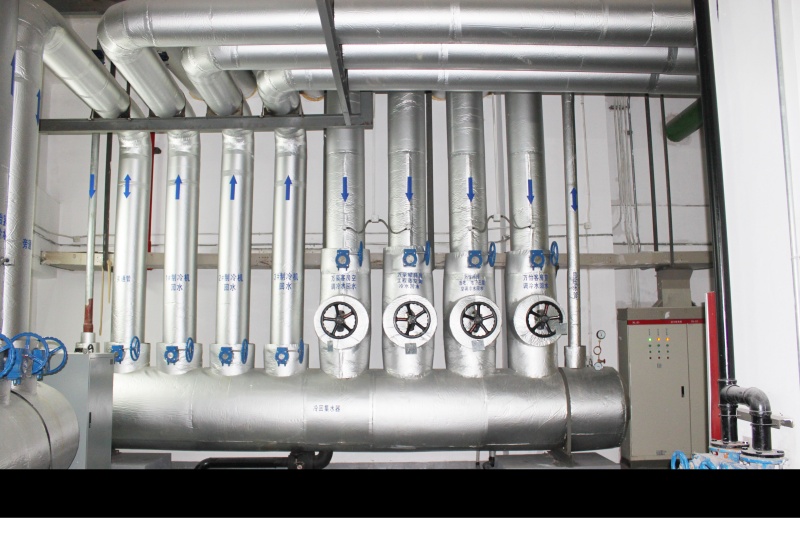


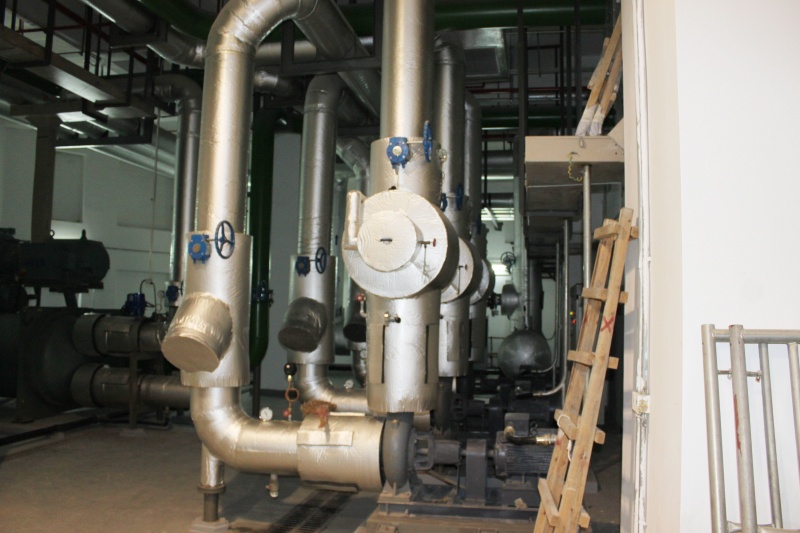
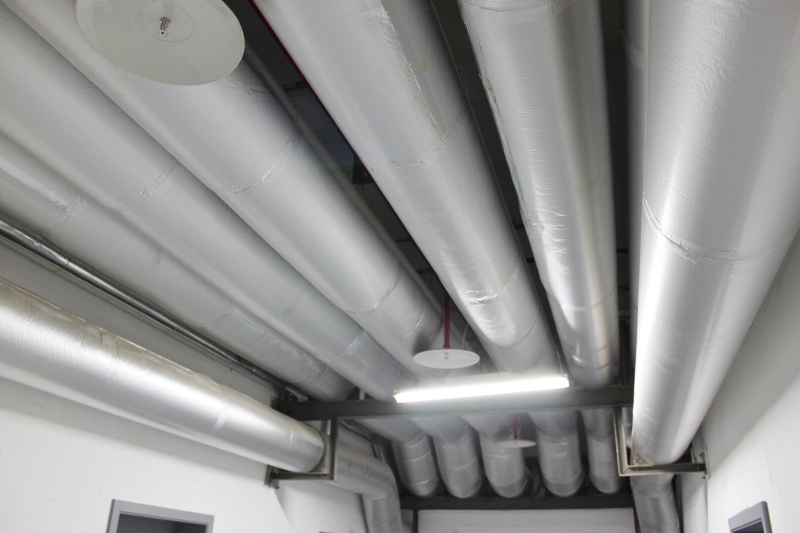

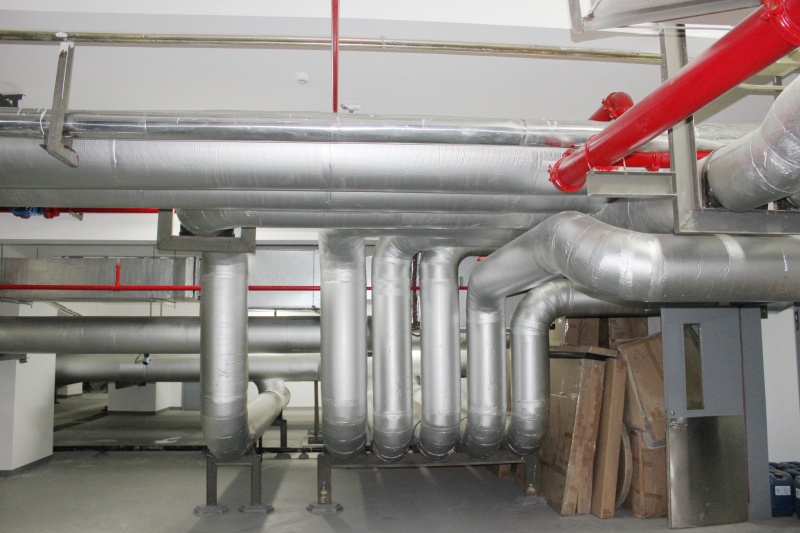
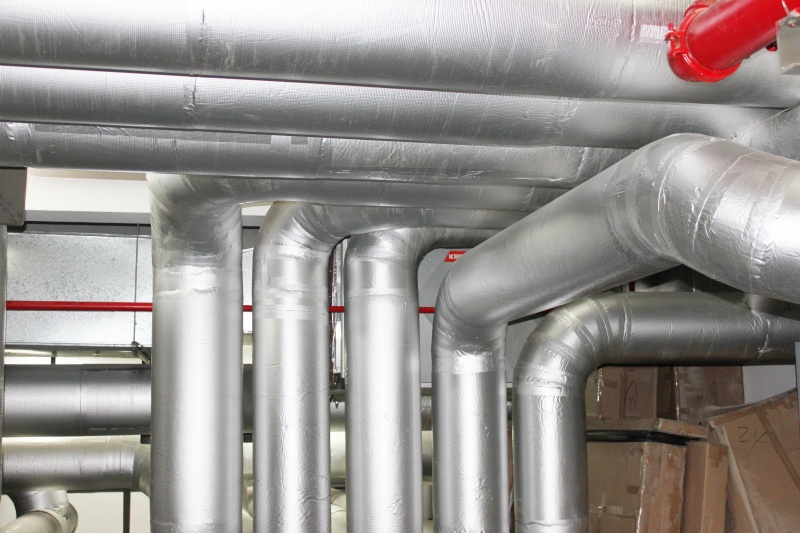
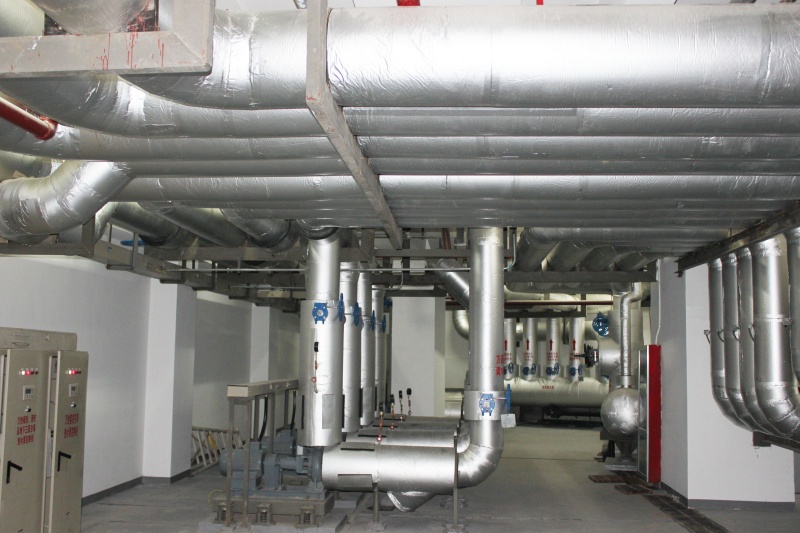
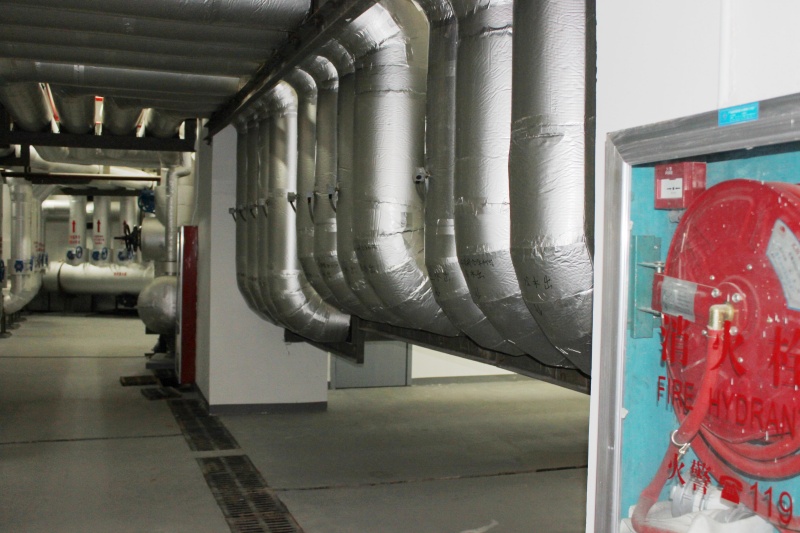
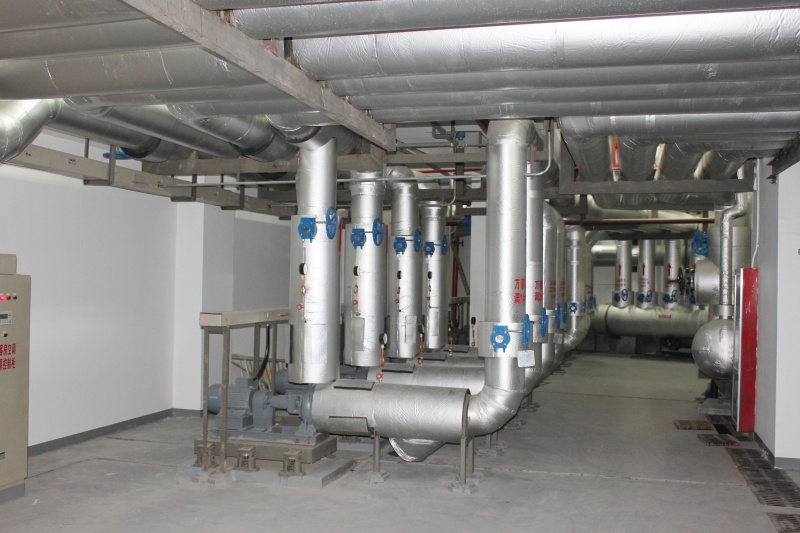

In cryogenic installations, a single material failure can lead to thermal runaway, pipe damage, or plant shutdowns. That is why Kingflex operates a rigorous quality assurance program. Every batch of material is traceable back to its production run, raw chemical lot, and processing parameters.
Our solutions comply with the following international testing standards:
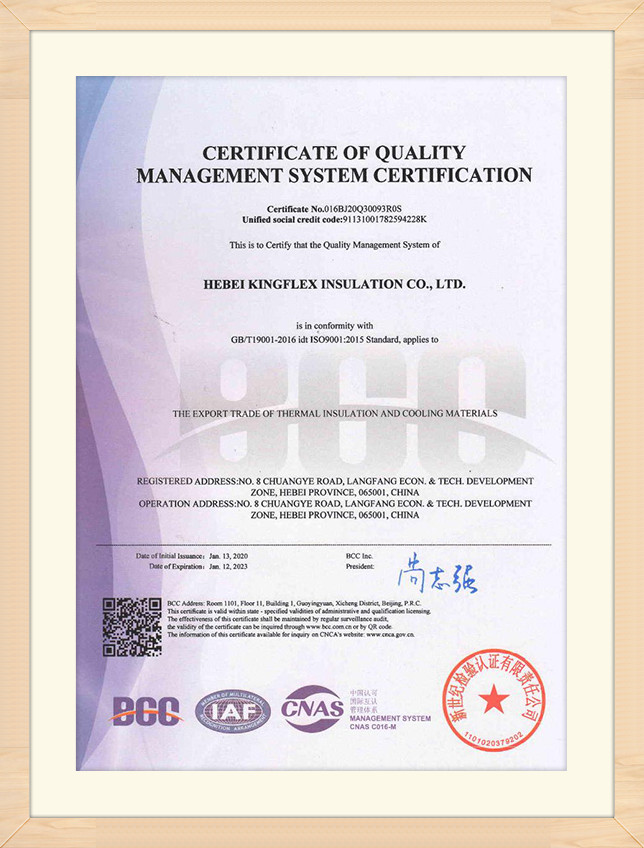


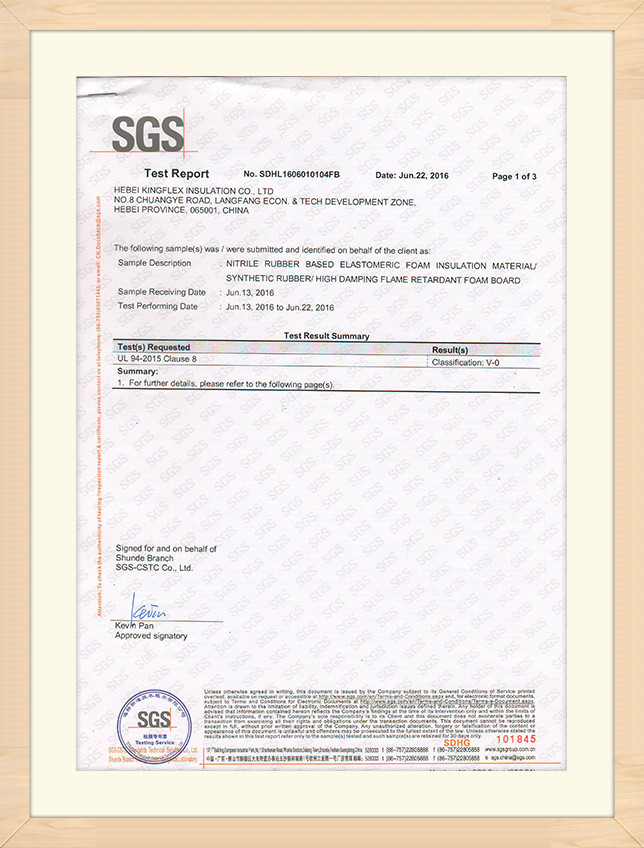
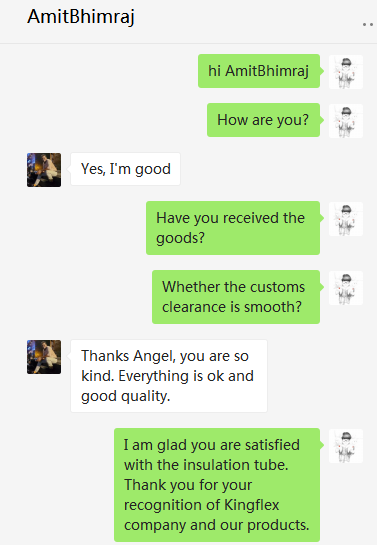
Our international support team handles design, logistics, and documentation, ensuring seamless project execution for engineering clients worldwide.



As cryogenic storage demands colder temperatures, standard elastomers face limitations near absolute zero. Kingflex is actively researching several material science innovations to support the next generation of cryogenic systems:
By vacuum-injecting silica aerogels into our open NBR matrix before curing, we have produced experimental hybrids with thermal conductivity down to 0.021 W/m·K at -160 °C. This allows system designers to reduce overall insulation thickness, making it ideal for tight spaces in offshore LNG vessels and compact aerospace systems.
In line with carbon neutrality targets, our R&D group is testing bio-derived monomers to partially replace petroleum-based nitrile rubbers. This project aims to lower the carbon footprint of our manufacturing process while maintaining fire resistance and structural performance at low temperatures.
Detailed answers to common engineering, procurement, and installation questions.
Browse our high-performance thermal insulation sheets, self-adhesive rolls, and specialized cryogenic tubes.
 Kingflex