Engineered thermal, cryogenic, and acoustic barriers complying with global BS 476, UL 94, and ASTM building standards.
In modern industrial and commercial construction, the choice of thermal insulation is no longer merely an energy-saving consideration; it is a critical safety and compliance mandate. Globally, procurement departments within HVAC manufacturing, petrochemical engineering, cryogenic processing, and maritime industries face intense pressure to specify insulation systems that achieve outstanding thermal efficiency while providing maximum fire safety. The transition towards high-performance non-flammable elastomeric rubber foam insulation is driven by stringent international codes such as British Standard (BS) 476, European standards (EN 13501), and American Society for Testing and Materials (ASTM) specifications.
As a leading China non-flammable insulation manufacturer and supplier, Kingflex Insulation addresses these complex criteria. Engineering firms require materials that minimize flame spread, yield minimal smoke density, and release zero toxic gases during fire events. Traditional materials often struggle to balance fire retardancy with moisture protection. By contrast, closed-cell NBR/PVC elastomeric rubber foam provides dual protection: a high resistance to moisture vapor transmission (preventing Corrosion Under Insulation, or CUI) and exceptional fire-extinguishing behaviors.
High-occupancy commercial structures, hospitals, and electronics cleanrooms demand insulation with Class 0 fire ratings (BS 476 Parts 6 & 7) to guarantee that any ignition source remains localized, preventing catastrophic smoke ingress into common ventilation shafts.
Liquefied Natural Gas (LNG) processing and marine terminals operating down to -200°C require complex multi-layered elastomeric rubber systems that maintain mechanical flexibility under extreme thermal shock while staying fully non-flammable.
Heavy machinery pipes require dual-action materials. Open-cell and closed-cell hybrids suppress low-to-mid frequency ambient noise and eliminate the microscopic moisture pockets that trigger structural metal oxidation.
Kingflex Insulation Co., Ltd. is a professional manufacturing and trading combo for thermal insulation products. Our research, development, and production departments are located in Dacheng, China—a well-known capital of green building materials. Kingflex operates as an energy-saving, environmentally friendly enterprise concentrating on research, development, production, and sales. In operation, Kingflex takes energy saving and consumption reduction as its core concept. We provide insulation solutions by means of professional consultation, continuous R&D production, detailed installation guidance, and dedicated post-sale service to lead the development of the global building materials industry.
Kingflex was established by the Jinwei Group, which possesses more than 40 years of industrial history. The group's parent organization, Kingway Group, was established in 1979 and was the first manufacturer of thermal insulation materials north of the Yangtze River, establishing a foundation of expertise that supports our modern manufacturing capabilities.

Figure 1: Kingflex state-of-the-art production facility in Dacheng, China.
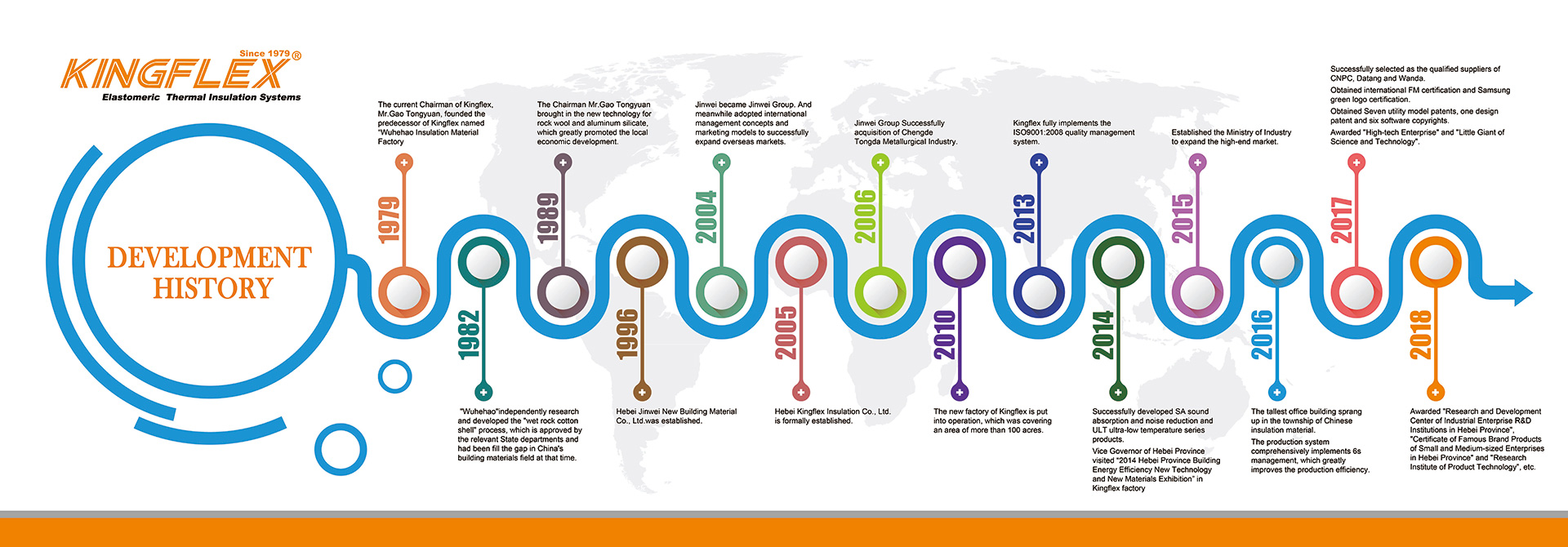
Figure 2: Historical manufacturing roots of the Kingway Group, established 1979.
Our employees are outstanding in their own right, but together they are what makes Kingflex a rewarding and collaborative place to work. The Kingflex team is a tight-knit, talented group sharing a unified vision of delivering consistently first-class service to our international clients. To maintain technical leadership in polymer formulation and fire safety engineering, Kingflex employs:
This structural layout allows us to offer custom OEM services, customized material densities, and tailor-made thicknesses to align with bespoke engineering blueprints worldwide.
At present, Kingflex operates 5 large automatic assembly lines, yielding an annual production capacity of more than 600,000 cubic meters. Through rigorous quality control and technical expertise, Kingflex has become a designated production enterprise recognized by the Ministry of Energy, the Ministry of Electric Power, and the Ministry of Chemical Industry of China.
Kingflex thermal insulation products are widely utilized in construction, petroleum refining, chemical processing, defense installations, aerospace infrastructure, and marine environments. Over the past 16 years, Kingflex products have been exported to more than sixty-six countries, reflecting a broad global footprint.
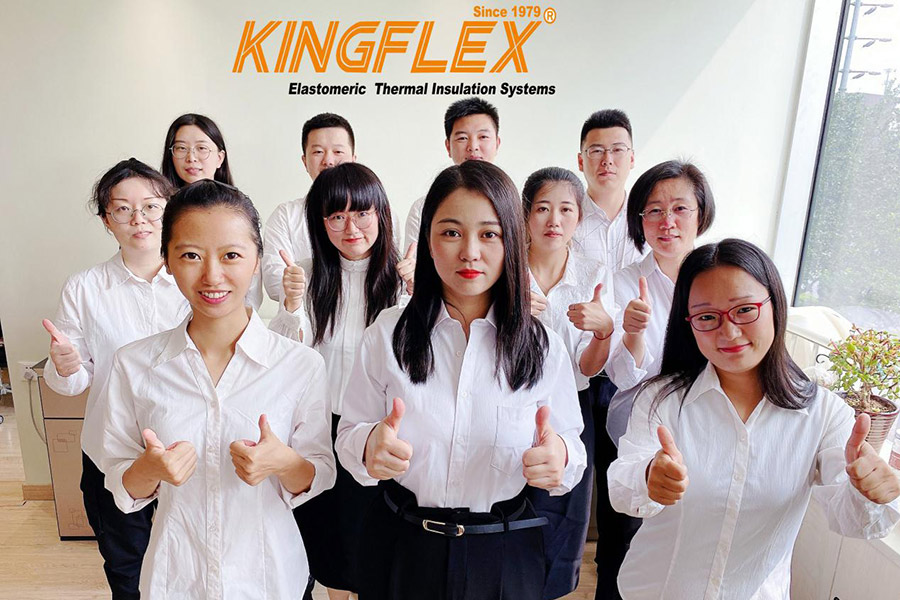
Figure 3: Our engineering team working in quality assurance and material performance research.
The insulation industry is undergoing transition, focusing on the environmental footprint of fire retardants. Traditional flexible elastomeric foams have historically relied on chlorinated or brominated additives to suppress combustion. While highly effective, these halogens generate dense smoke and toxic acid fumes when exposed to flame, posing risks to life safety in confined areas.
Kingflex's technical roadmap focuses on the development of Halogen-Free Flame Retardant (HFFR) elastomeric systems. By combining non-toxic inorganic metal hydrates, such as aluminum trihydrate (ATH) and magnesium hydroxide (MDH), with carbon-donating catalysts, we achieve a self-extinguishing carbonaceous char barrier. This technology maintains low thermal conductivity ($\lambda \le 0.034$ W/m·K at 0°C) while meeting the Class 1 / Class 0 requirements of BS 476 and reducing toxicity profiles to minimal levels.
Combining the high flexibility of elastomeric nitrile rubber with the low thermal conductivity of silica aerogels, targeting ultra-low thermal transfer rates for extreme applications.
Substituting petroleum-derived polyols with sustainable agricultural alternatives, reducing the embodied carbon footprint without compromising the structural integrity of the closed-cell matrix.
Integrating digital monitoring sensors directly into insulation jackets for real-time tracking of moisture ingress and pipe surface corrosion in critical chemical pipelines.
Kingflex operates in compliance with international testing frameworks. Our quality assurance is backed by certified testing, laboratory protocols, and third-party verification.
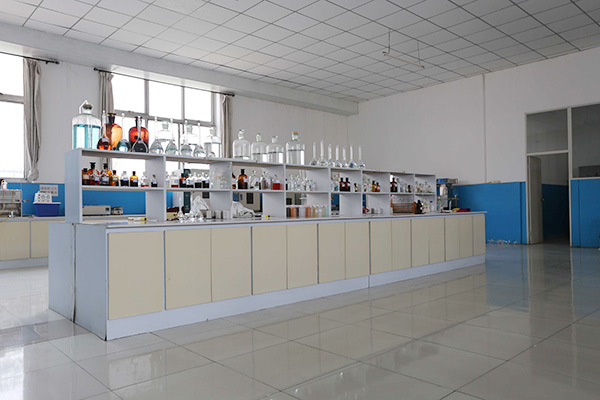
Figure 4: Precise thermal conductivity testing using heat flow meter technology.

Figure 5: Environmental chambers evaluating moisture aging and material longevity.
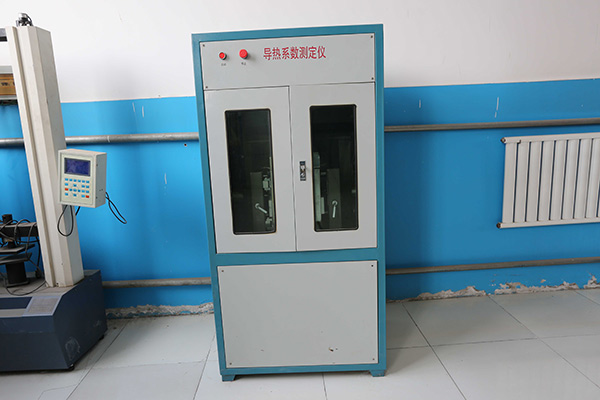
Figure 6: Vertical flammability chambers testing compliance with BS 476 and UL 94 standards.
Kingflex products have successfully cleared inspections from leading international certification bodies. These verified credentials assure compliance with global construction and industrial requirements.
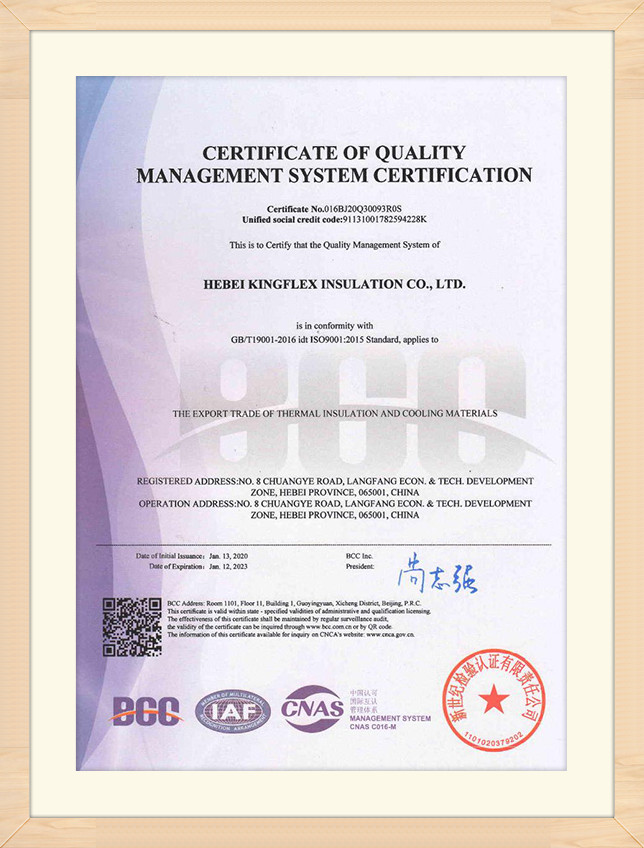
Figure 7: ISO 9001 Quality Management System Certificate.

Figure 8: CE Mark Certification for compliance across Europe.

Figure 9: REACH & RoHS Compliance Directives.
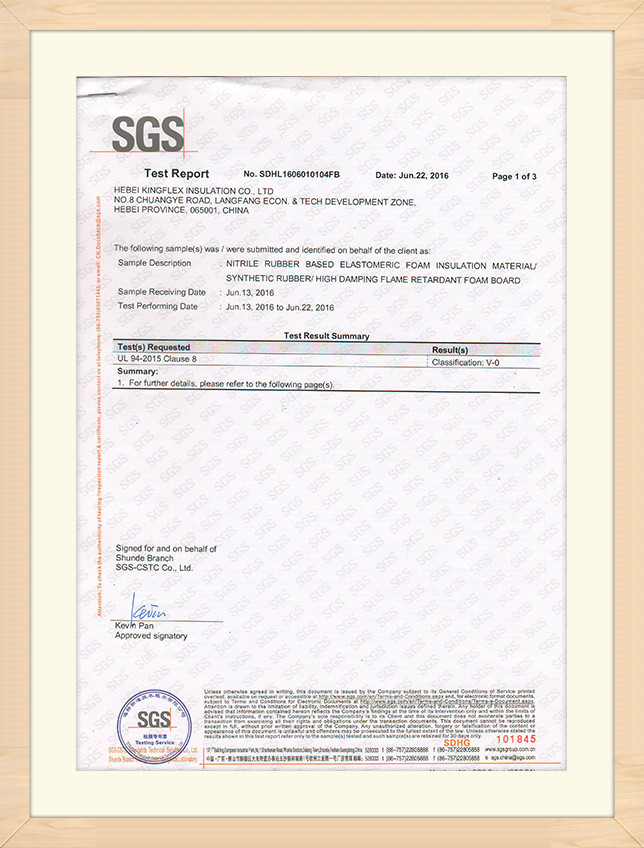
Figure 10: BS 476 Class 0 and UL 94 Fire Test Approvals.
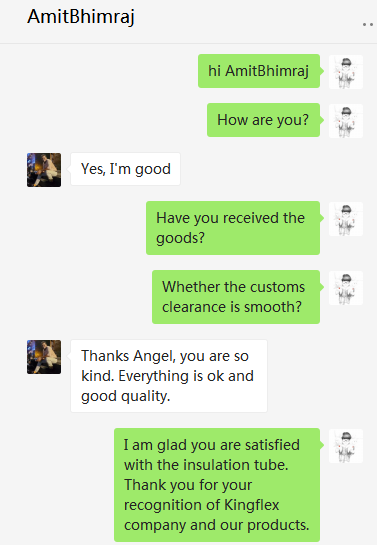
Kingflex maintains transparent lines of communication and positive relationships with global procurement teams. Below are records documenting international client verification of product performance and supply chain reliability.

Verification 1

Verification 2
Verification 3

Verification 4

Verification 5

HVAC Ductwork Project
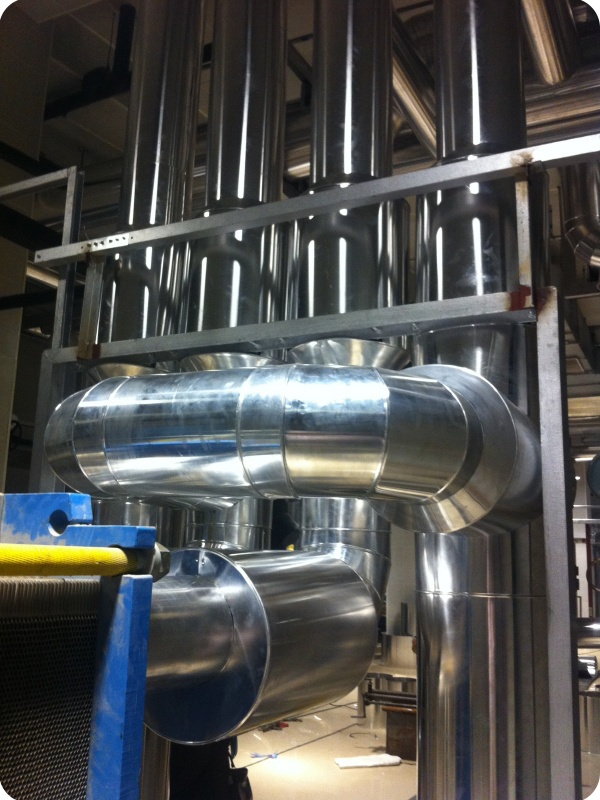
Industrial Pipe Cladding
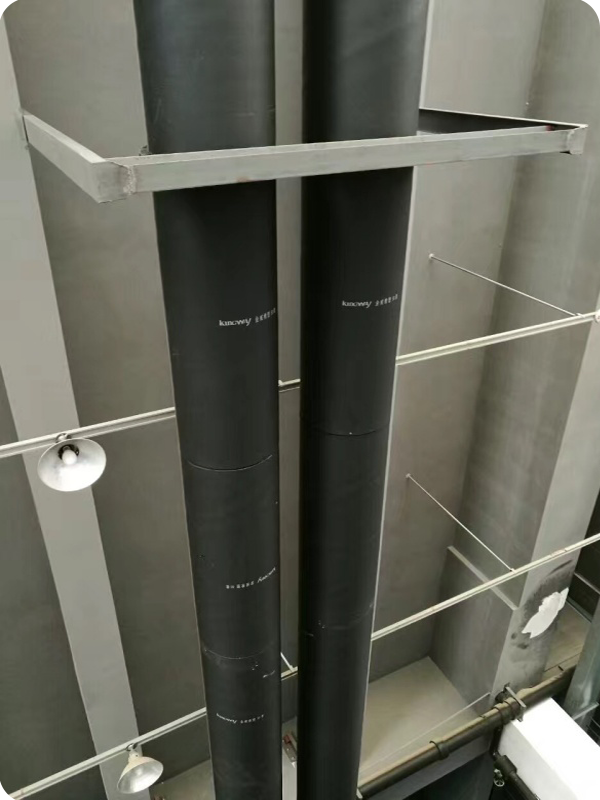
Cryogenic Pipe Insulation
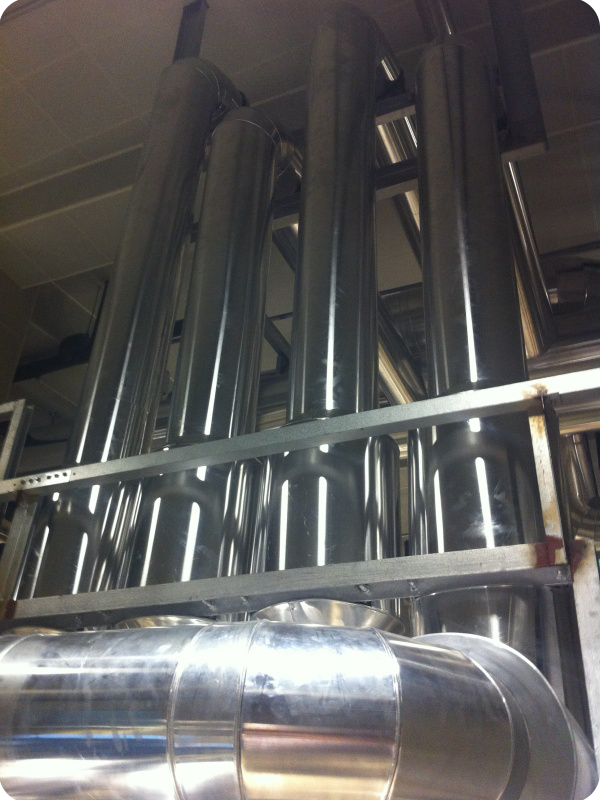
Cleanroom Ceiling Lining
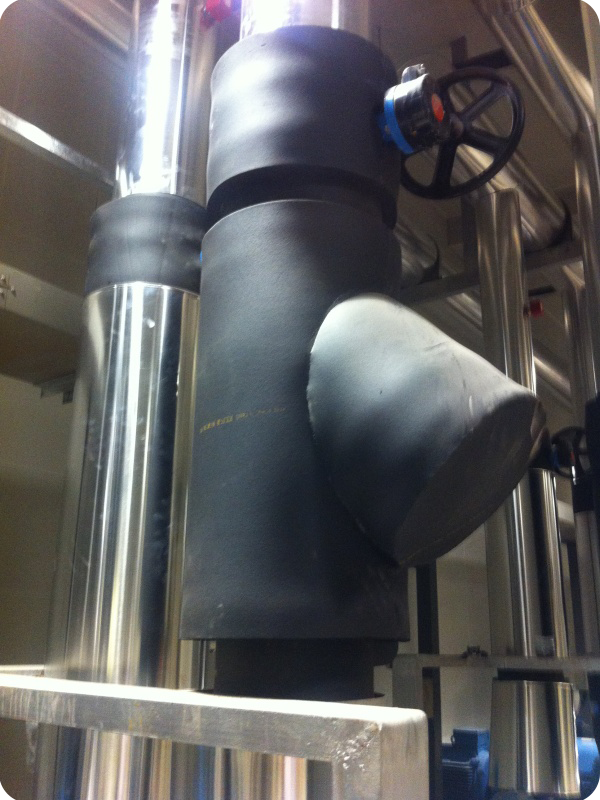
Chilled Water Piping
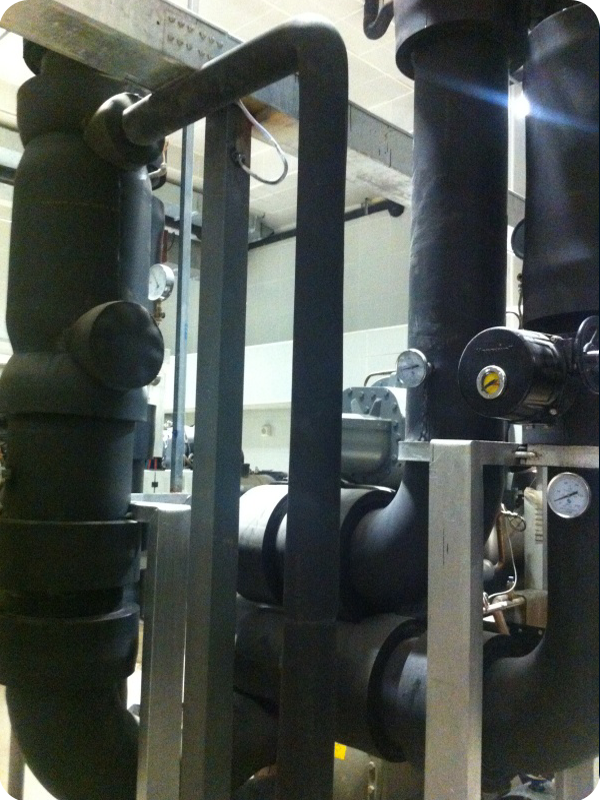
Acoustic Dampening Panels
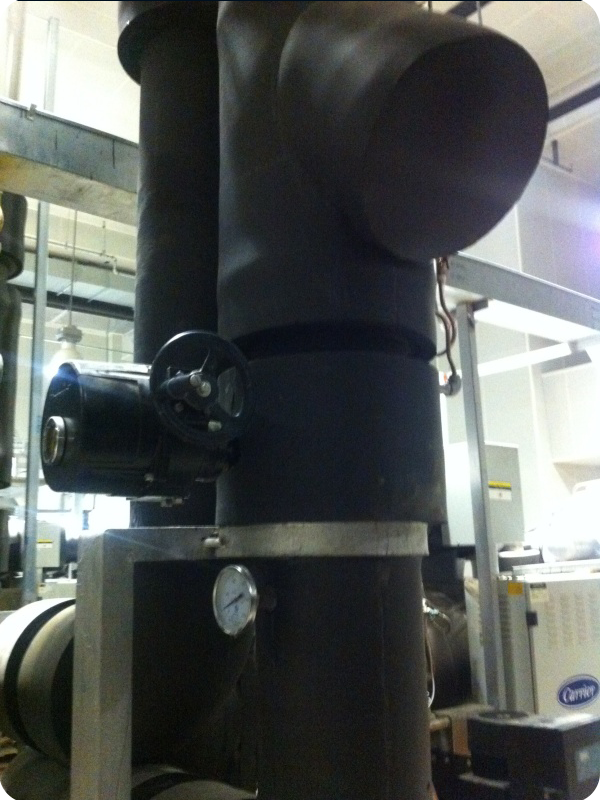
Equipment Valve Insulation
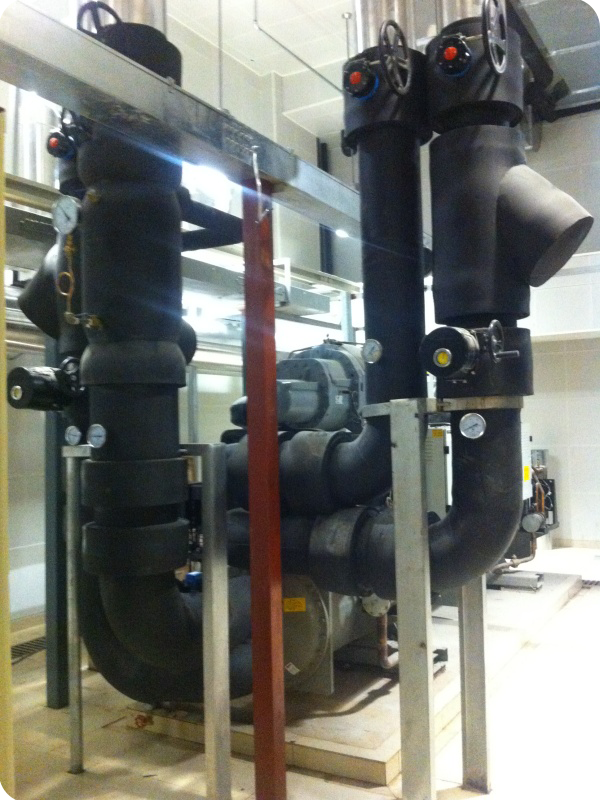
Commercial Complex HVAC
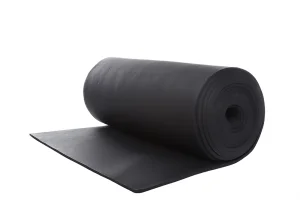
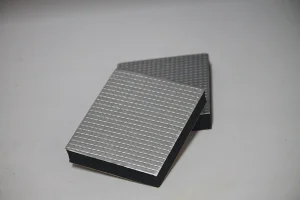
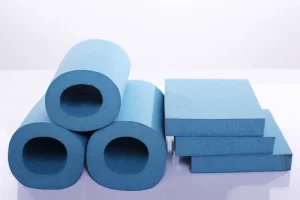
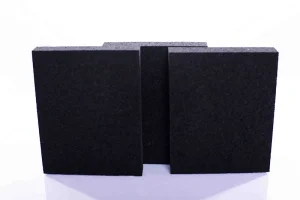
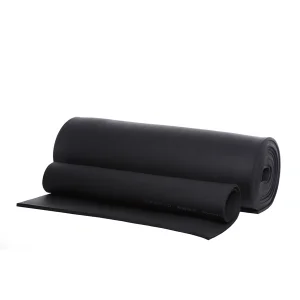
Our black closed-cell elastomeric rubber foam insulation sheets and tubes are engineered using a precise blend of Nitrile Butadiene Rubber (NBR) and Polyvinyl Chloride (PVC) polymers, mixed with non-halogenated foaming agents. This yields a dense, uniform cell wall structure:
Improperly sealed insulation joints can lead to moisture ingress, driving galvanic and chemical corrosion on underlying carbon steel pipelines. Kingflex recommends strict adherence to these installation guidelines:
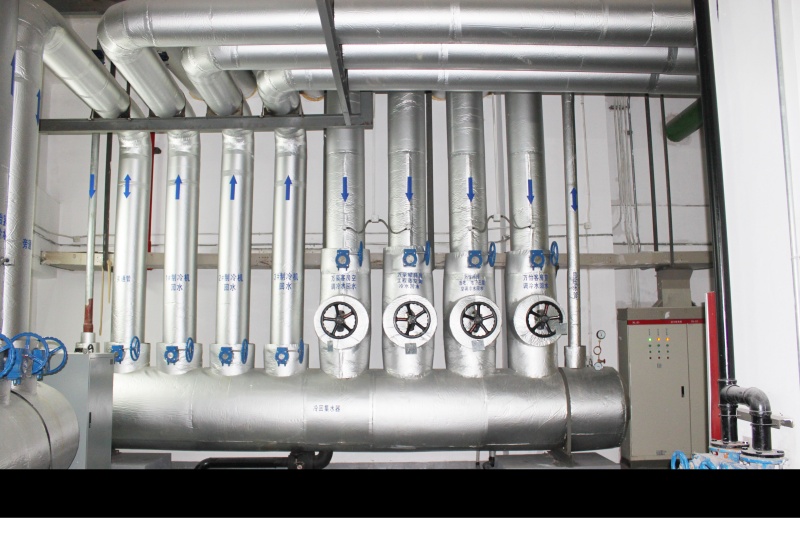


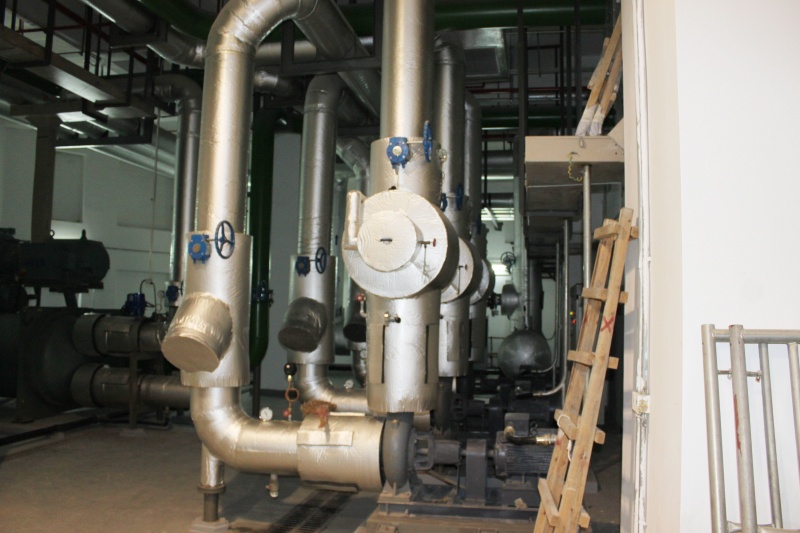


Get answers to critical design, testing, and application parameters for Kingflex elastomeric and fireproof insulation materials.





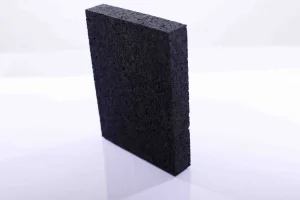
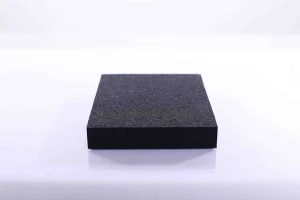
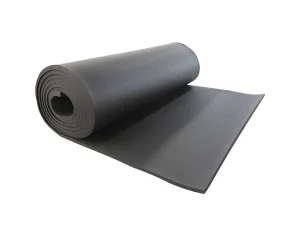
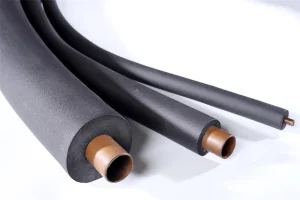
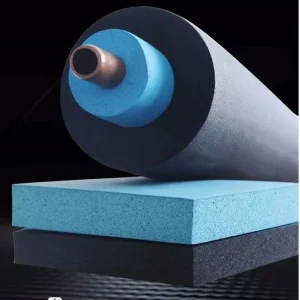
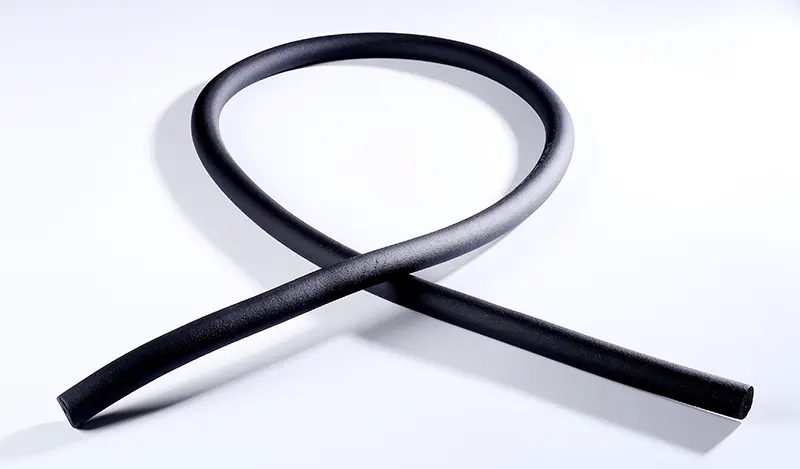
Flexible thermal insulation sleeve for domestic and industrial copper water piping.

Specifically treated inner-core wall to prevent water condensation and corrosion under insulation.

Highly stretchable NBR tube structure allowing installation around complex pipeline turns.
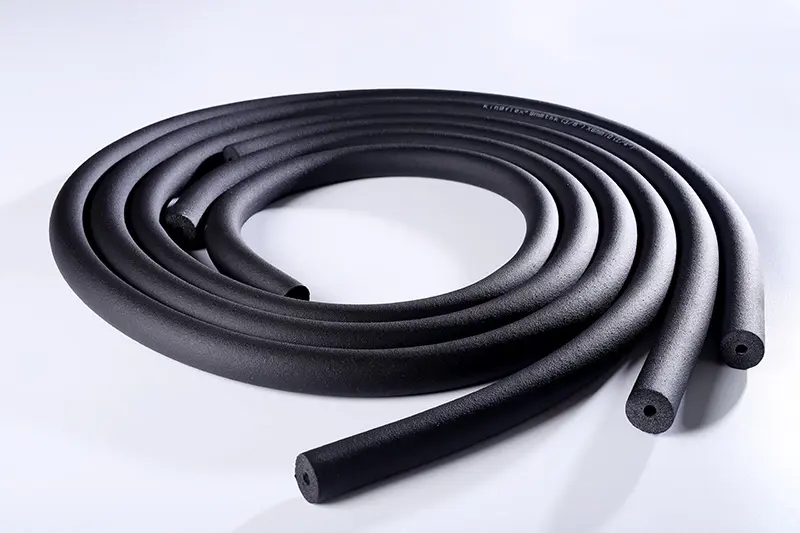
High performance industrial standards pipe insulation with optimal low conductivity.
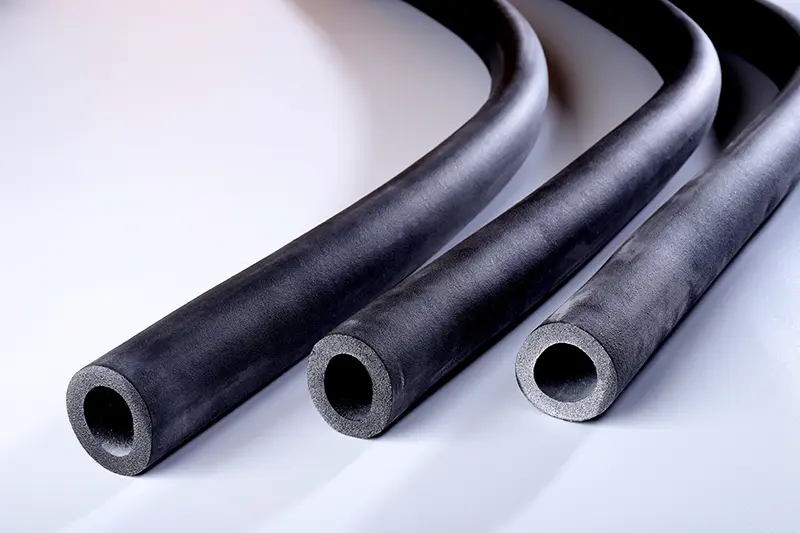
Medium density elastomeric foam piping designed for light industrial HVAC installations.

HVAC standard certified line insulation with verified flame spread and smoke development ratings.

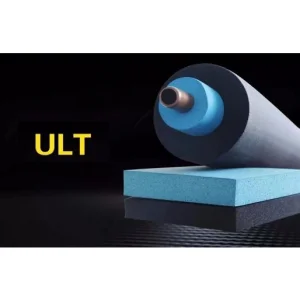
System level cryogenic elastomeric barrier suited for liquefied natural gas piping.
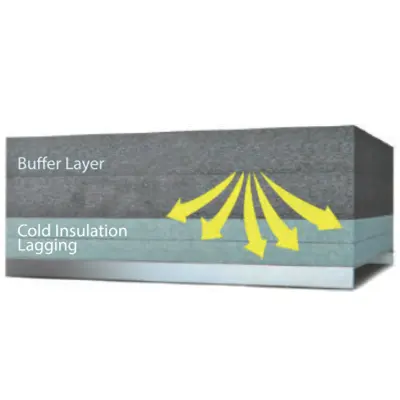
Highly durable low-temp barrier with anti-cracking flexibility down to cryogenic ranges.
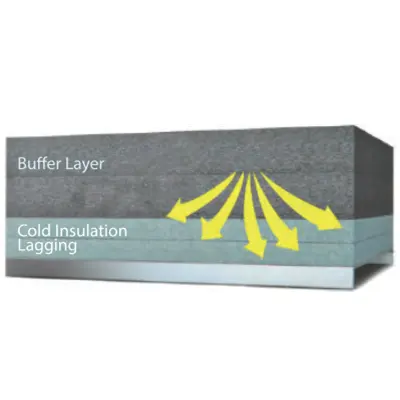
Extreme climate and dual-temp lines protection combining water repelling outer barrier.
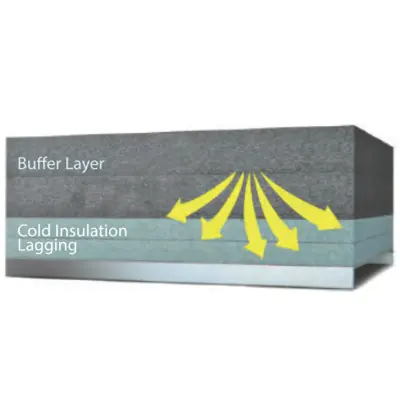
Multilayer closed cell cryogenic barrier designed for large-diameter petrochemical processes.

High-density non-flammable mineral fiber panels for furnace casing and wall partition insulation.
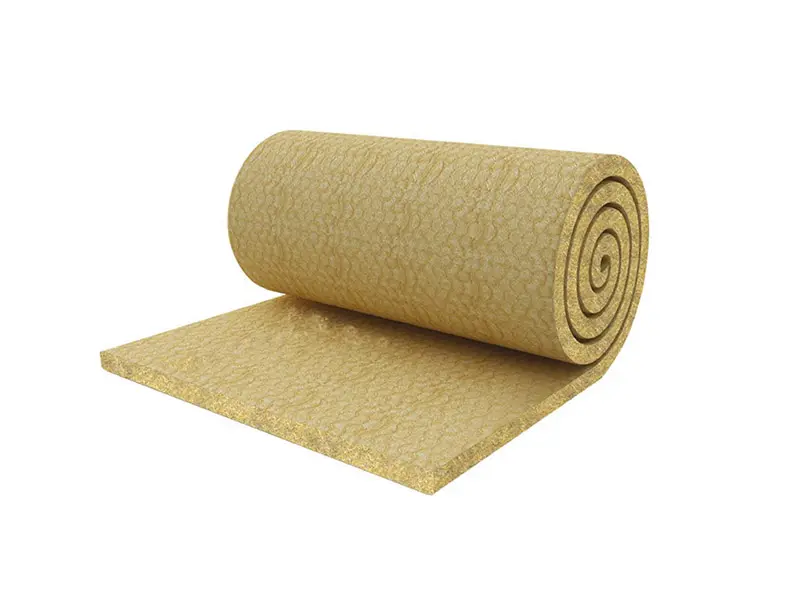
Flexible mineral wool mesh blanketing for high temperature storage tank insulating wraps.
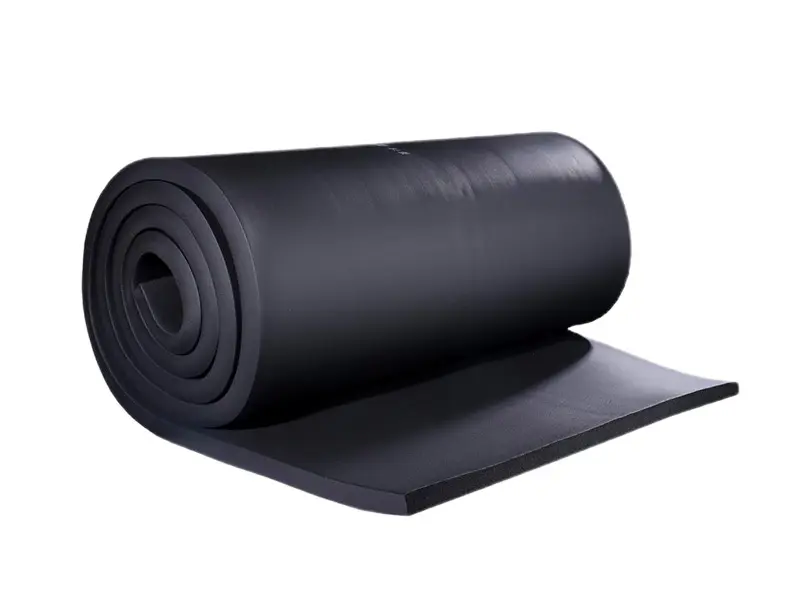
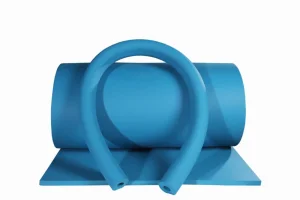
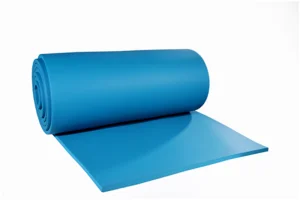
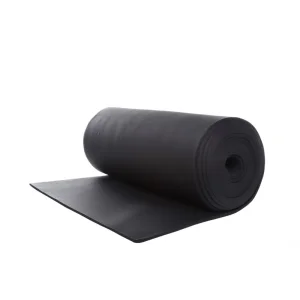
Large width structural sheet roll suited for duct lining, acoustic insulation, and equipment jacket wrapping.

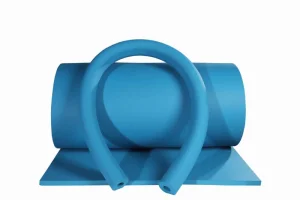
Highly durable NBR/PVC elastomeric thermal insulating tube for hot and cold air conditioning process lines.
 Kingflex