Explore our premium product series optimized for industrial HVAC, district cooling, cryogenic pipelines, and high-temp systems.
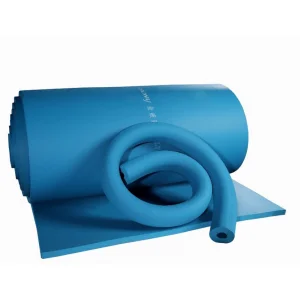
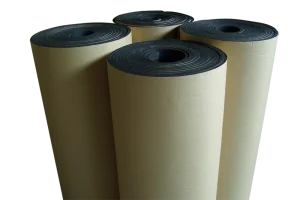
Engineering-led perspectives on thermal efficiency, structural longevity, and carbon footprint reduction.
Global infrastructure developments, especially in chemical, HVAC, and cryogenic domains, face high energy-loss rates. Installing a standardized piping insulation procedure ensures structural longevity, anti-corrosive security, and compliance with stringent environmental mandates.
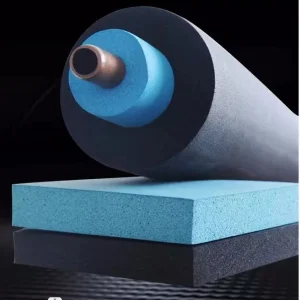
Poorly insulated pipelines generate condensation, initiating Corrosion Under Insulation (CUI). Utilizing a closed-cell elastomer with over 98% closed-cell rating stops vapor transport at the surface, maintaining thermal properties over decades.
Engineers and international procurement offices demand third-party verified materials (BS 476, ASTM, UL94, CE) to protect large-scale industrial projects, ensuring risk containment and operational compliance.
A step-by-step technical methodology for installing closed-cell elastomeric foam to optimize system lifecycle and minimize heat loss.
All pipe surfaces must be dry and free of dirt, rust, scale, grease, and moisture. Clean steel pipelines with a recommended solvent before adhesive application to prevent localized pockets of corrosive degradation under the elastomeric layer.
Select proper insulation thickness (ranging from 6mm to 50mm) depending on operating temperatures (-40℃ to 105℃) and relative humidity. Accurate sizing prevents structural stress and material stretching, keeping thermal performance intact.
Apply special contact adhesive to both joint faces. Once the adhesive is tack-free, align the edges and press firmly to create a permanent, hermetically sealed seam. The vapor barrier must remain unbroken across all longitudinal and circumferential joints.
Inspect all joints for air gaps or unsealed seams. For outdoor pipelines, apply weather-resistant coatings or protective jacketing to block UV radiation and mechanical impacts, extending the system's operational lifespan.
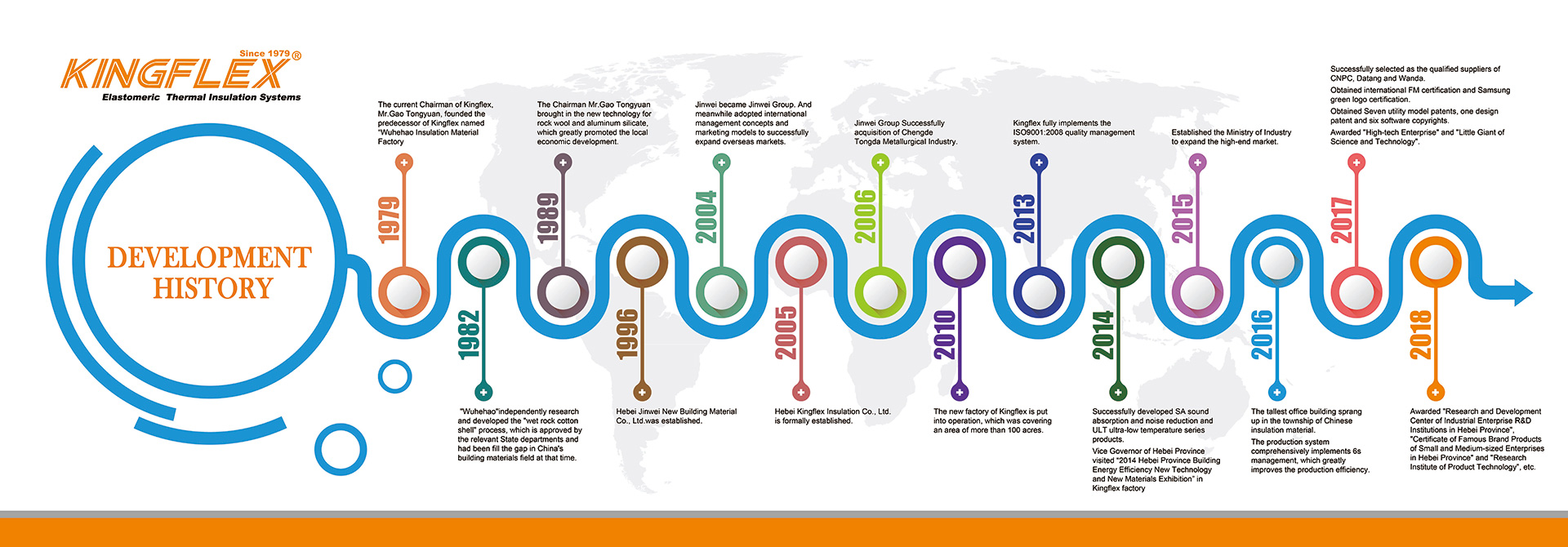
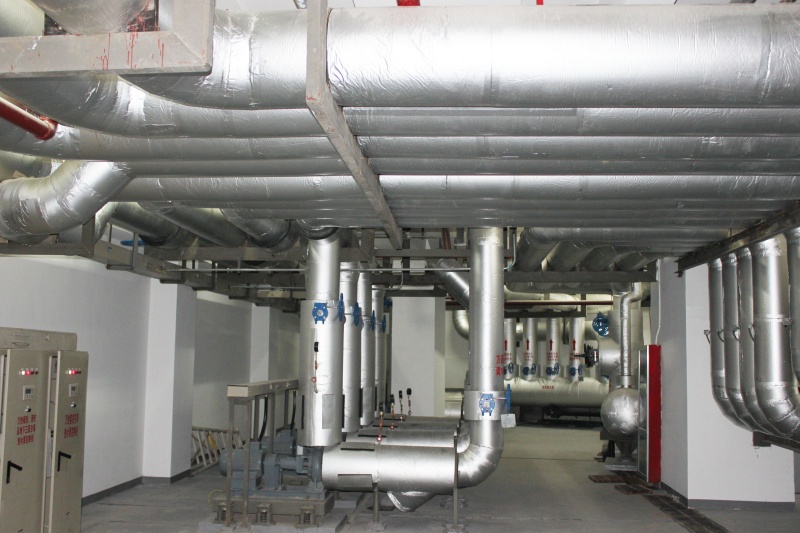
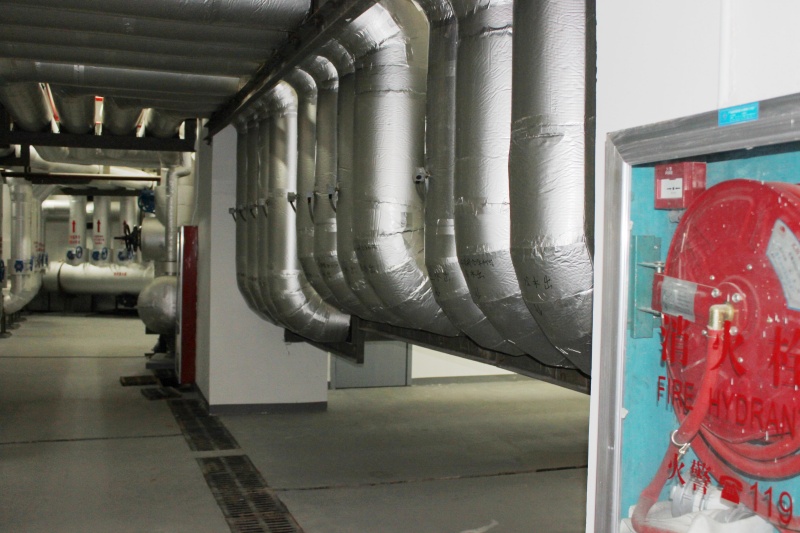
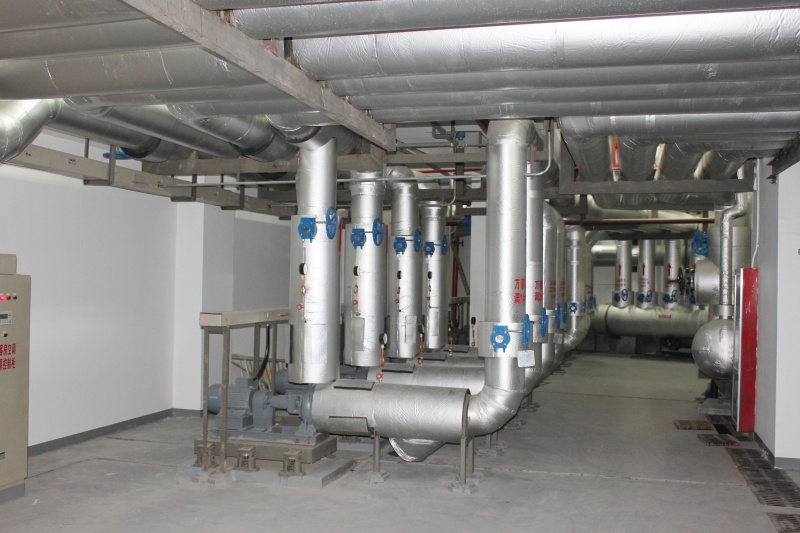
Kingflex standard installation process applied in high-capacity pipelines.
Kingflex Insulation Co., Ltd. is a professional manufacturing and trading combo for thermal insulation products. Our R&D and production facilities are based in Dacheng, China—a hub for green-building materials. As an energy-saving, environmentally focused enterprise, we handle research, development, production, and sales in-house.
By focusing on energy saving and consumption reduction, we deliver tailored insulation solutions—from consulting and development to installation guidance and post-sales support.

How automation and local integration secure stable production, consistent quality, and competitive B2B pricing.
Our production facilities utilize five automated lines, keeping output high and minimizing deviations to ensure each batch meets design standards.
Strategic positioning within China's industrial chemical hub ensures a stable supply of NBR/PVC polymer raw materials, shielding customers from global price volatility.
We provide tailormade densities, sizes, thicknesses, and specialized packaging to meet the specific requirements of various engineering designs.
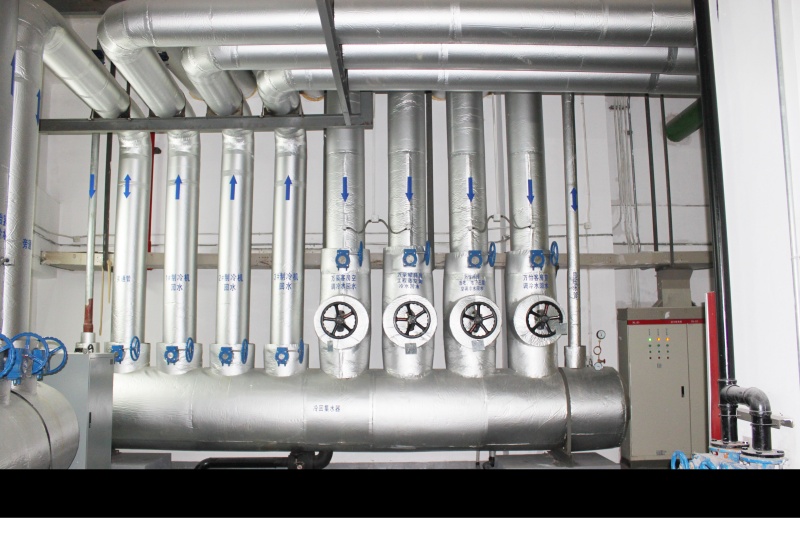




A look at the testing systems, certified standards, and decades of engineering experience behind Kingflex products.
Founded by the Jinwei Group, which brings over 40 years of industry experience, Kingflex traces its roots back to 1979. We were the first thermal insulation manufacturer established north of the Yangtze River, building a reputation for reliability and product performance.
Our team includes eight professional engineers in the R&D Department. We continuously refine raw NBR/PVC polymer formulations, conduct thermal conductivity tests, and run flame-chamber simulations to ensure compliance with the latest fire safety codes.
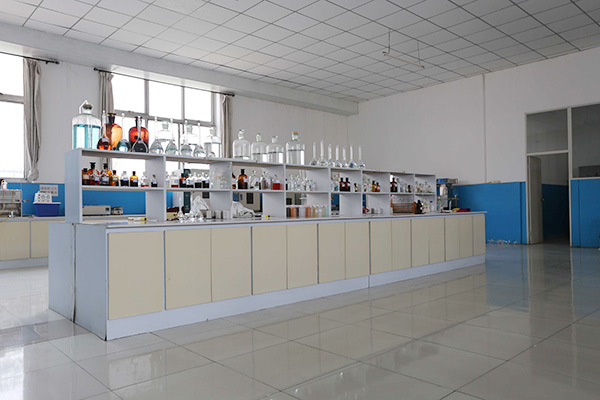

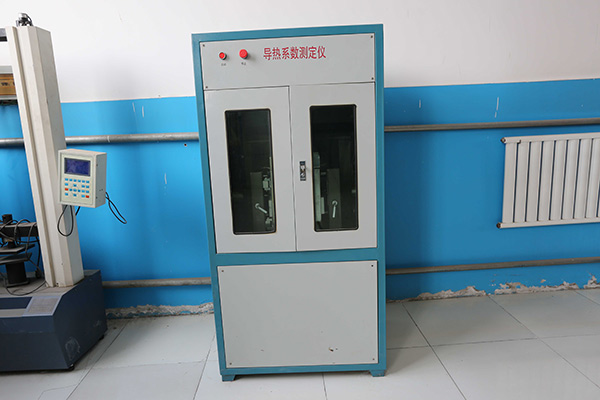
Our laboratories verify raw material consistency and thermal properties before production.
Kingflex products undergo third-party testing to comply with international safety, environmental, and thermal performance regulations.
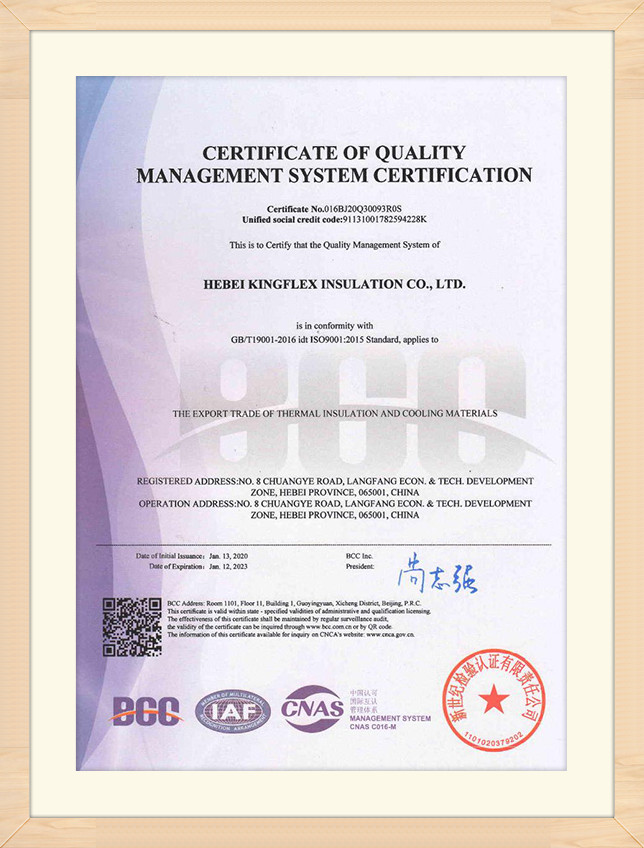
CE Compliance

REACH / RoHS

BS 476 Fire Class
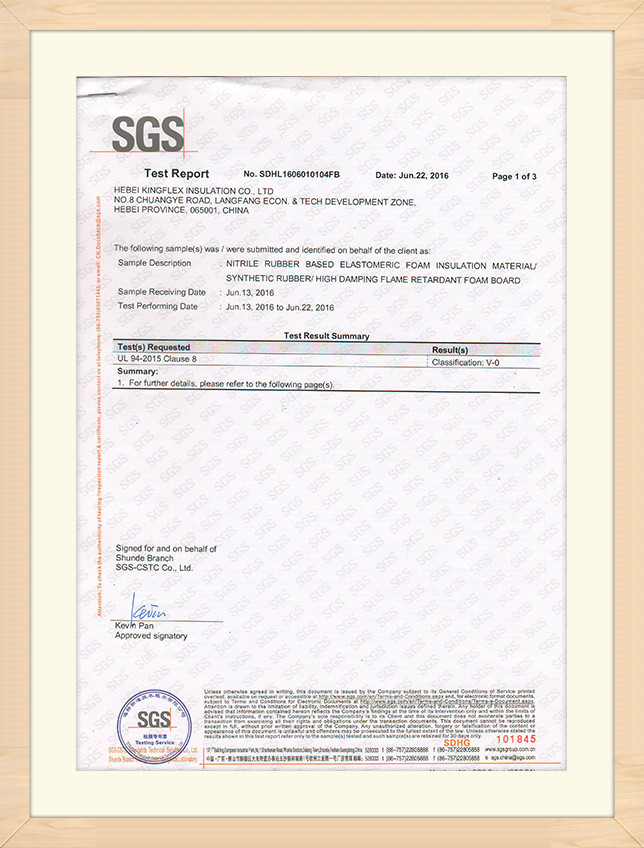
ISO 9001 System
Performance details of Kingflex elastomeric closed-cell insulation compared to standard rock wool systems.
| Performance Metrics | Kingflex Elastomeric NBR/PVC Foam | Rock Wool / Glass Mineral Wool | Impact on Piping Insulation Procedure |
|---|---|---|---|
| Thermal Conductivity (λ) | ≤ 0.034 W/(m·K) at 0°C | ≥ 0.040 W/(m·K) at 0°C | Lower thermal conductivity allows for thinner insulation profiles, reducing space requirements. |
| Moisture Resistance (μ) | Closed-cell rate ≥ 98% (Vapor Barrier Built-in) | Open-cell fibrous structure (Requires Jacketing) | Eliminates the need for separate vapor barrier jackets, helping simplify installation. |
| Operating Range | -40°C to 105°C | Up to 650°C | EPDM/NBR foam is suitable for HVAC, chilled water, and cryogenic applications. |
| Fire Classification | Class 0 / Class 1 (BS 476 Part 6 & 7), UL94 V-0 | Class A1 Non-combustible | Meets standard commercial construction safety and fire-retardancy requirements. |
| Flexibility & Installation | High compression resilience (≥ 80%) | Rigid or semi-rigid (Prone to dusting) | Highly flexible sheets and tubes allow for fast wrapping around complex joints, elbows, and valves. |
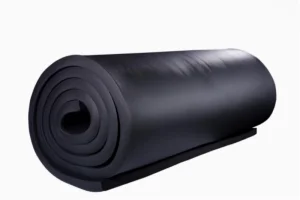
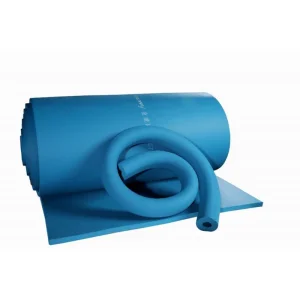
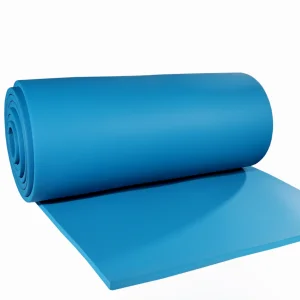
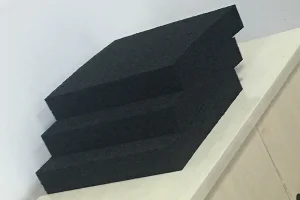
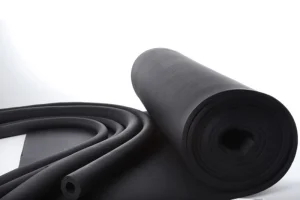
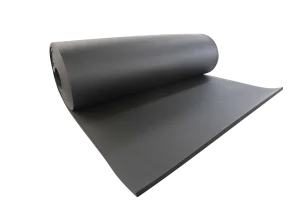
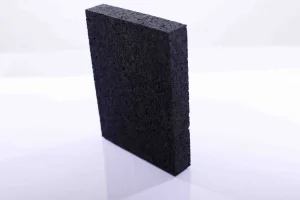
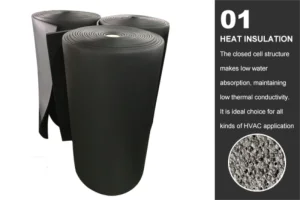
Material Structure: NBR/PVC blend, closed-cell matrix.
Thickness Options: 6mm, 9mm, 13mm, 19mm, 25mm, 32mm, 40mm, up to 50mm.
Material Density: 40 to 55 kg/m³.
Key Advantages:
1. Consistent foaming with a closed-cell rate of over 98% for stable thermal insulation.
2. Low moisture absorption for long-term thermal performance.
3. Compression resilience over 80%.
4. Flame-retardant and self-extinguishing.
5. Low thermal conductivity and high moisture resistance.
Applications: Central HVAC duct wrap, wall and basement insulation, steam pipes, transport carriages, chemical process lines, and cold storage facilities.
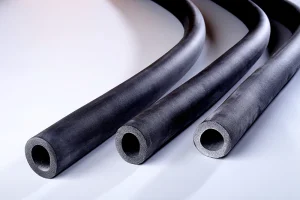
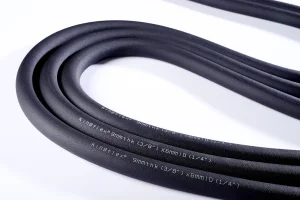
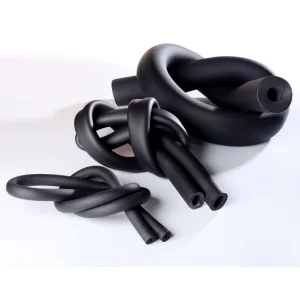
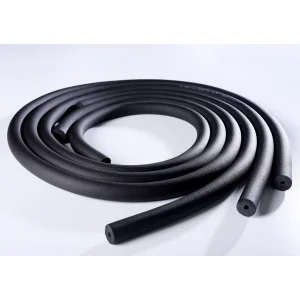
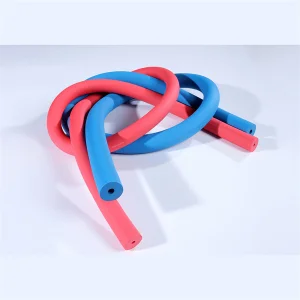
Material Structure: Pre-formed elastomeric hollow sleeves.
Dimensions: Thicknesses 9mm-40mm; Inner Diameter (ID) 6mm-114mm.
Thermal Properties: Suitable for systems operating from -40°C to 105°C.
Key Advantages:
1. Uniform wall thickness from automated extrusion lines.
2. Clean surface finishes for snug pipe contact.
3. Flexible structure for easy positioning around corners.
4. Self-extinguishing fire performance.
5. Helps prevent condensation and freeze-thawing damage in cold climates.
Applications: Chilled water pipes, split A/C lines, sanitary hot-water pipelines, chemical piping, solar collector systems, and cryogenic processing lines.
Real-world projects showing elastomeric foam performance under various thermal conditions.
In large commercial projects like commercial malls, high-rise office towers, and medical complexes, continuous cooling requires chilled water loops operating between 4°C and 7°C. Kingflex elastomeric piping insulation prevents condensation from forming on pipe surfaces, maintaining system efficiency.
For chemical and low-temperature process lines operating down to -40°C, regular insulation materials can absorb ambient moisture, freeze, and lose their effectiveness. Kingflex's high closed-cell density limits moisture penetration, protecting pipes from condensation and frost buildup.

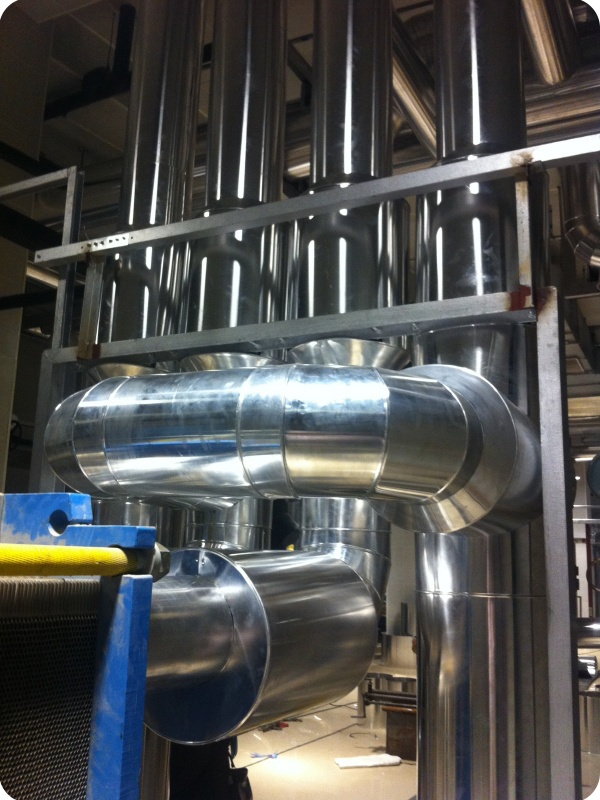
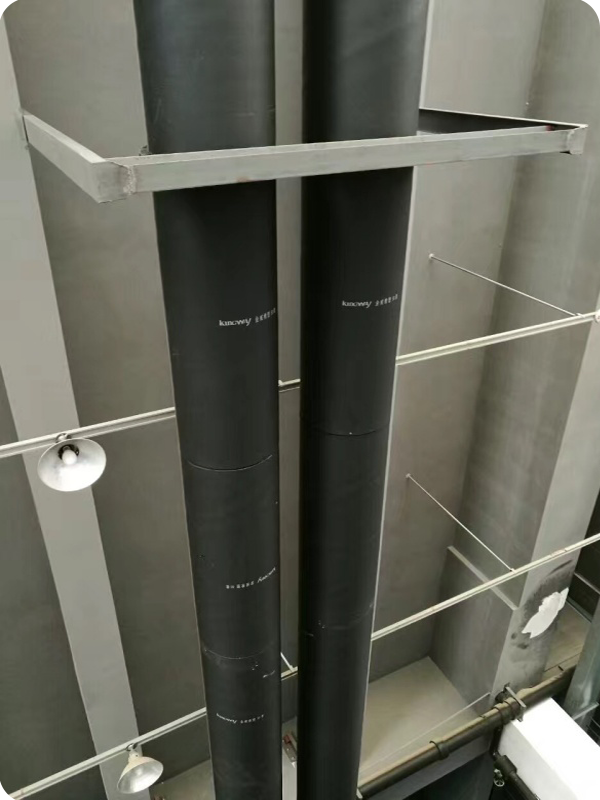
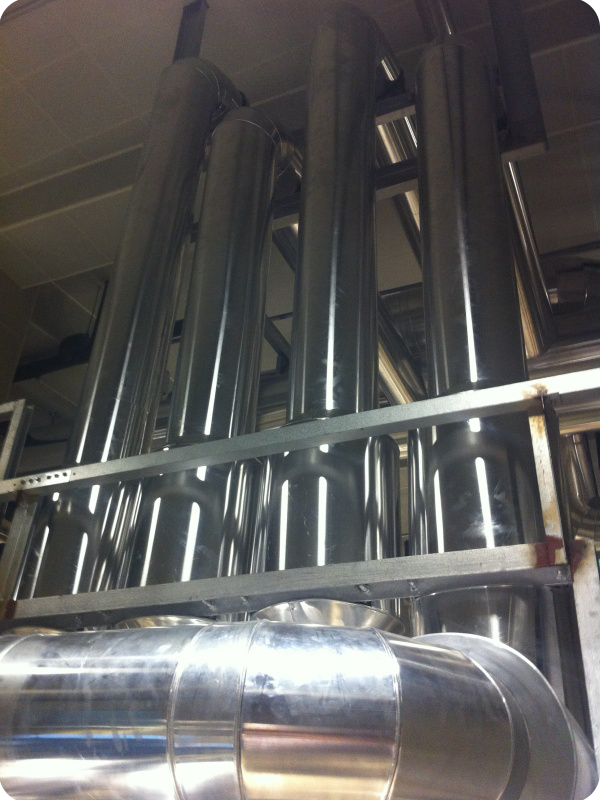
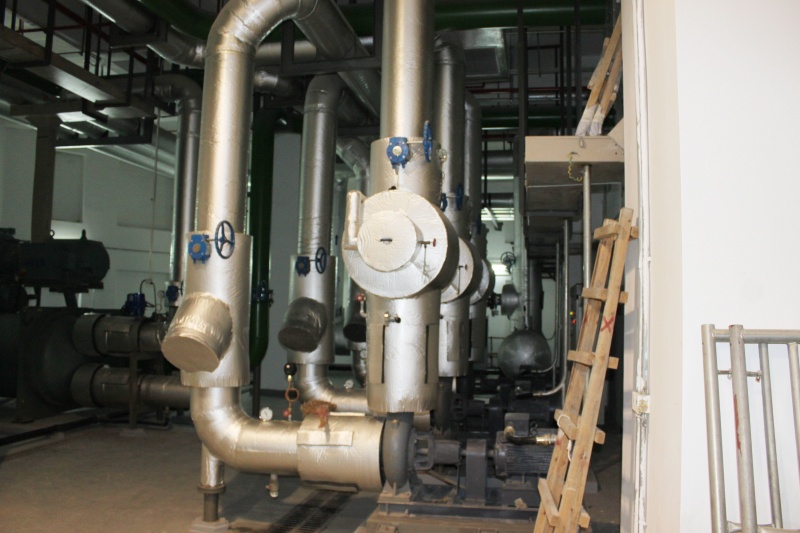
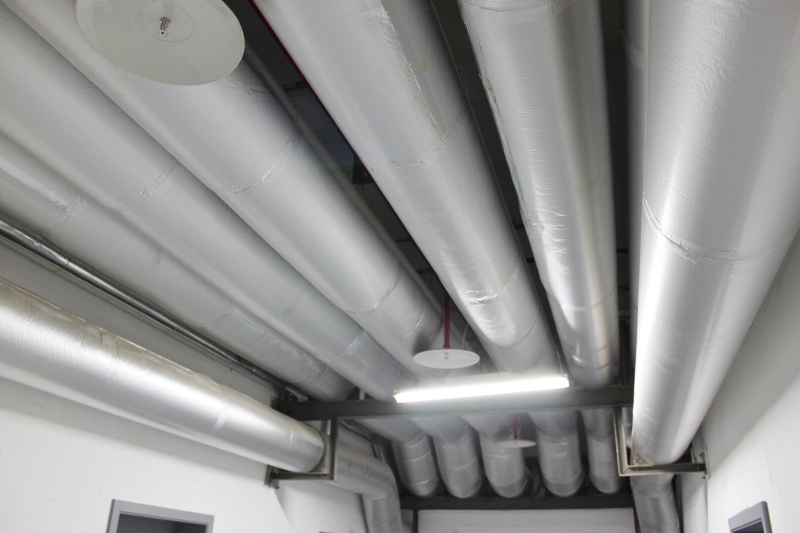
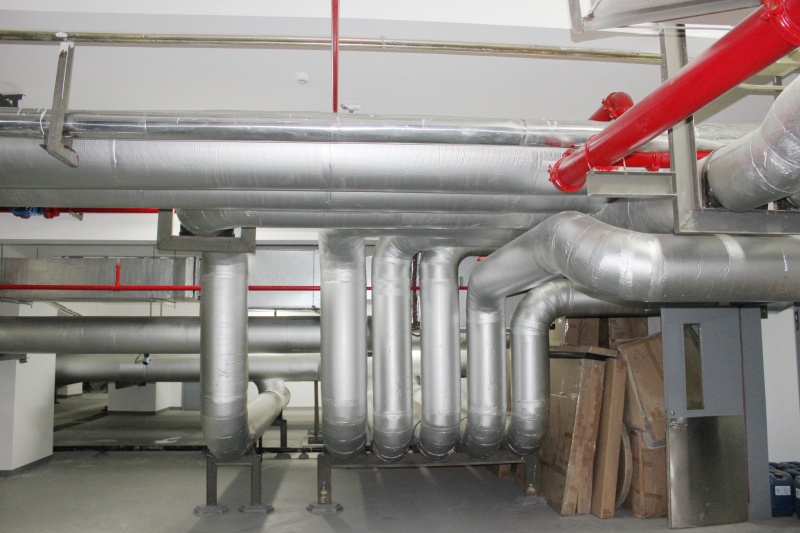
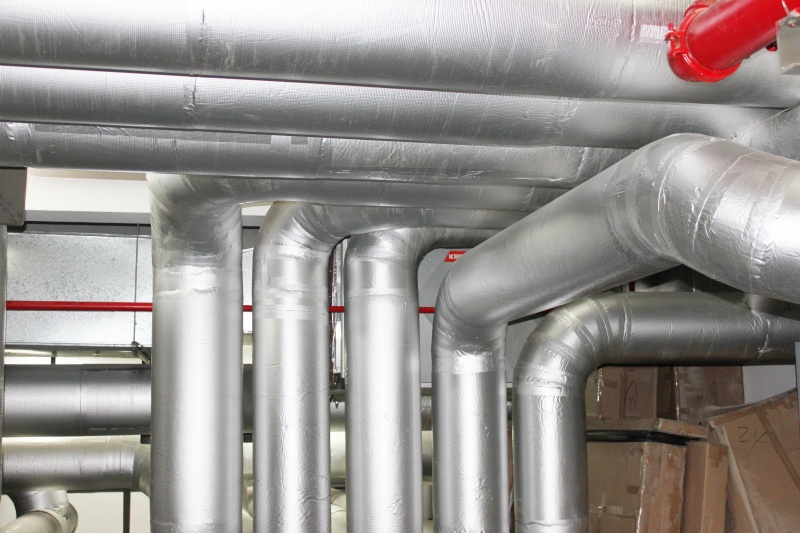
Finished installations in large commercial projects and processing plants.
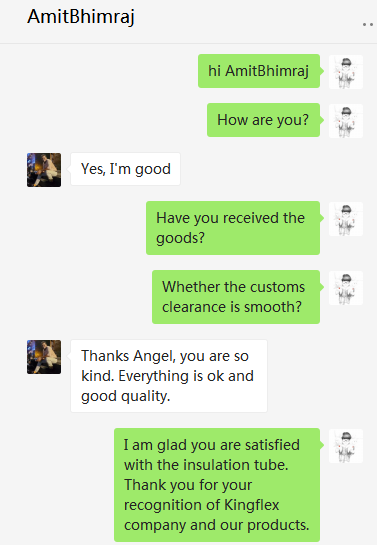
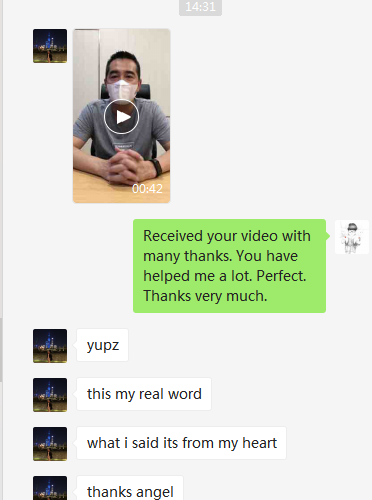
To ensure transparency for our global partners, we share screenshots of our regular customer feedback and project progress updates.
Common questions from engineering departments and global purchasing offices.
Select from our core inventory list below to request specifications, certificates, and wholesale FOB price sheets.
 Kingflex