Engineering-grade closed-cell elastomeric rubber foam and premium rock wool solutions manufactured to international standards.
Annual Capacity (m³)
Years of Industry Heritage
Export Countries Worldwide
Senior R&D Engineers
In modern industrial design, thermal efficiency, acoustic isolation, and long-term structural durability are critical metrics for infrastructure. Technical foam has evolved from simple thermal insulation to customized, high-density elastomeric materials designed for extreme environments. Procurement departments in global enterprises—spanning aerospace, cold chain logistics, commercial HVAC systems, and petrochemical refining—face the challenge of balancing strict regulatory compliance with cost-effective operations.
China has become a leader in technical foam production, moving from high-volume manufacturing to high-value R&D engineering. Advanced factories utilize automated, continuous vulcanization lines to produce closed-cell elastomeric rubber foams (NBR/PVC blends) that meet global environmental and safety standards. Selecting a Chinese manufacturer requires evaluating key performance metrics: thermal conductivity (λ), water vapor resistance factor (μ), smoke emission, and fire safety ratings (such as BS 476 Class 0 and UL 94 V-0).

When engineering insulation systems for cold water pipes, cryogenic installations, or high-temperature steam lines, standard materials often fail due to moisture ingress. Once moisture penetrates an insulation layer, its thermal conductivity rises significantly, leading to energy loss, surface condensation, and Corrosion Under Insulation (CUI). Kingflex high-density closed-cell technical foams offer a built-in vapor barrier, ensuring consistent performance over operating lifespans of 10 to 15 years.
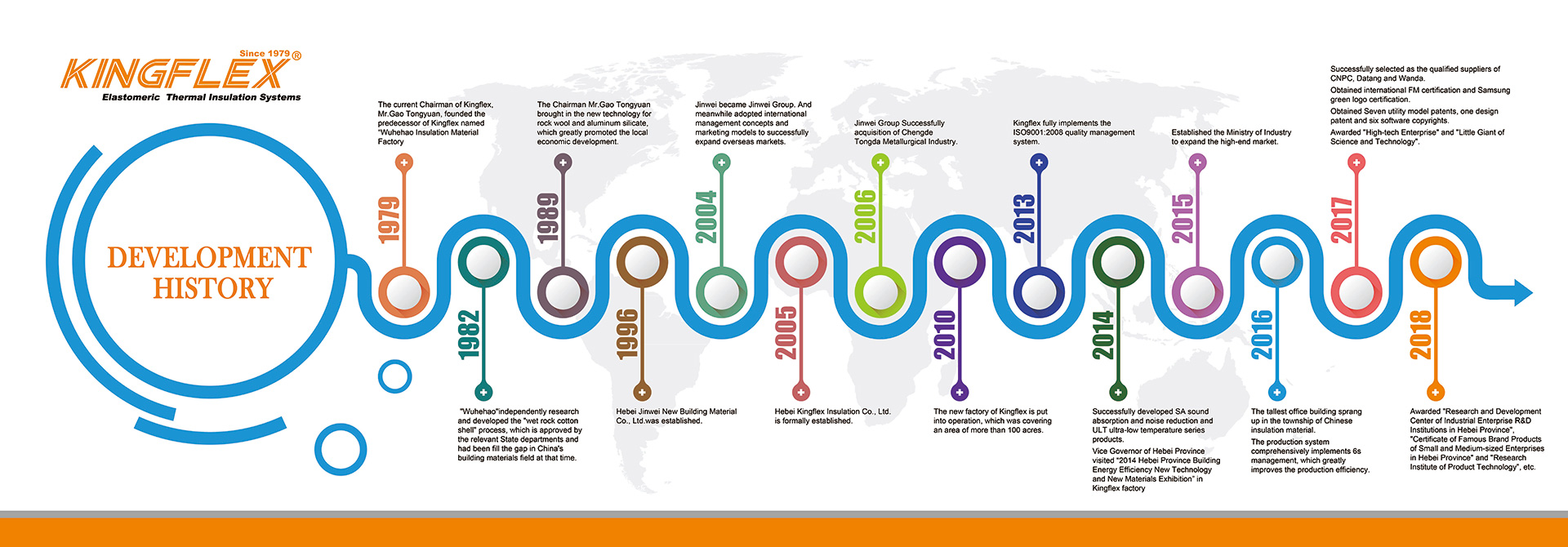
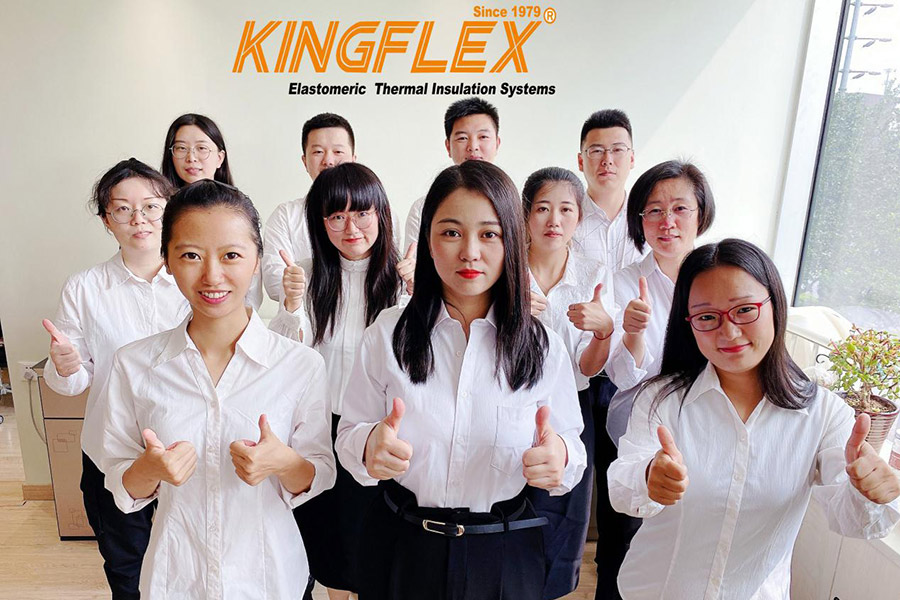
Kingflex Insulation Co., Ltd. operates as a manufacturing and trading combo for high-end thermal insulation products. Established by the Jinwei Group—which holds a rich history dating back to 1979 as the first manufacturer of thermal insulation materials north of the Yangtze River—Kingflex has built its reputation on reliable engineering and consistent product quality.
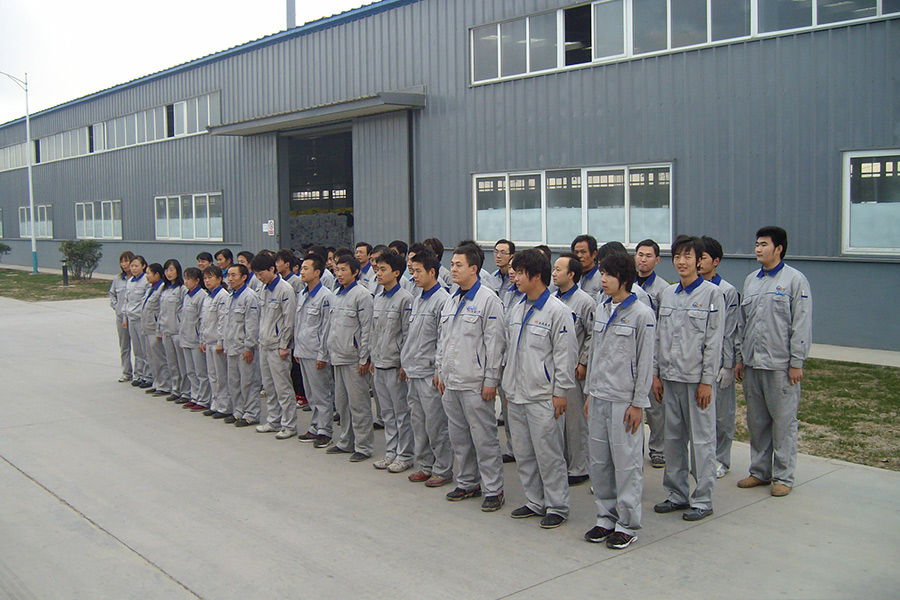
Our research, development, and production facility is located in Dacheng, China, a recognized hub for energy-efficient building materials. We focus on energy conservation and consumption reduction. Kingflex provides comprehensive insulation services, including technical consultation, customized R&D, continuous production, installation guidance, and post-sale technical support, helping lead the development of the energy-saving building materials sector.
Our facility runs 5 large-scale automatic assembly lines, delivering an annual capacity exceeding 600,000 cubic meters. Kingflex is a designated manufacturer for major Chinese ministries, including Energy, Electric Power, and the Chemical Industry.
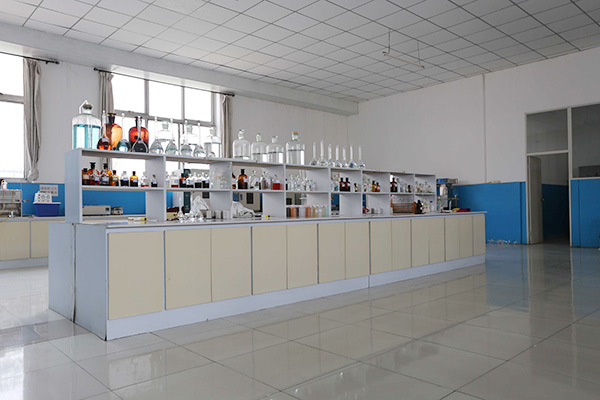
Our dedicated R&D division features 8 professional materials engineers focusing on polymer chemistry, flame retardant formulas, and low-temperature elastomeric resilience to optimize cold-chain performance.
Over the past 16 years, Kingflex has exported high-performance technical foams to over 66 countries, supported by a specialized international trade team that ensures compliance with local import customs and logistical regulations.

Modern commercial and industrial facilities require targeted insulation strategies. A one-size-fits-all approach can lead to energy loss, structural risks, or safety non-compliance. Below is an overview of how Kingflex technical foam is utilized across key industrial sectors:
In large-scale commercial complexes, hotels, and hospitals, HVAC ductwork is a major source of energy consumption. Kingflex elastomeric NBR/PVC sheets and pre-formed tubes prevent condensation on chilled water pipes and air ducts. The high closed-cell structure blocks ambient moisture, preventing mold growth and protecting indoor air quality.
Cryogenic applications, such as LNG pipelines, chemical processing plants, and liquid nitrogen lines, require insulation that can withstand extreme thermal gradients without cracking. Kingflex Cryogenic Thermal Systems are designed for temperatures as low as -200°C. These systems maintain elasticity and prevent moisture infiltration, protecting pipes from corrosion under insulation (CUI).
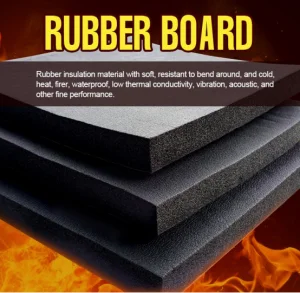
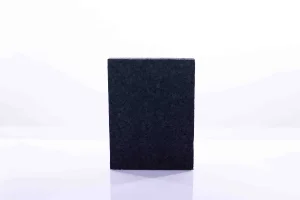
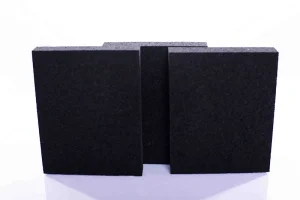
Industrial machinery, high-velocity air ducts, and plumbing lines generate structural noise. Kingflex High-Density Acoustic Rubber Foam Boards absorb sound across a wide frequency range. By combining a dampening elastomer with a complex cell structure, these sheets minimize noise transmission in mechanical rooms and HVAC systems.
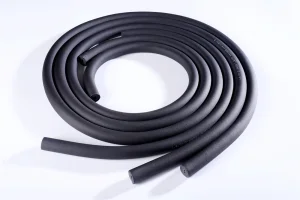
Refineries and chemical plants operate under demanding conditions, including high temperatures, exposure to UV radiation, and contact with corrosive substances. Kingflex Corrosion Resistant Rubber Foam Tubes are formulated to withstand weathering, mild chemicals, and ozone, protecting thermal infrastructure in outdoor environments.
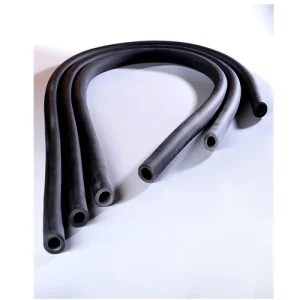
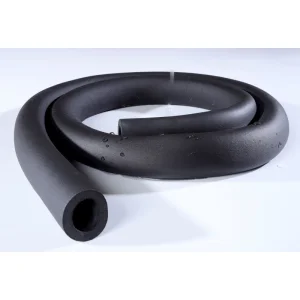
Performance metrics for standard Kingflex Black Rubber Foam products:
| Performance Metric | Nitrile Rubber (NBR/PVC) Specification | Rock Wool Specification | Test Standard Reference |
|---|---|---|---|
| Thermal Conductivity (λ) | ≤ 0.034 W/(m·k) at 0°C | ≤ 0.044 W/(m·k) at 70°C | ASTM C518 / EN 12667 |
| Moisture Resistance (μ) | ≥ 10,000 (Closed-cell structure) | Open-cell (requires external vapor barrier) | ASTM E96 / EN 12086 |
| Operating Temperature | -40°C to +105°C (up to -200°C for cryogenic line) | Up to +650°C | ASTM C411 |
| Fire Classification | Class 0 / Class 1 / V-0 Rated | Non-combustible (Class A1) | BS 476 Part 6/7, UL 94, EN 13501-1 |
| Compression Resilience | ≥ 80% recovery under standard compression | Low resilience (semi-rigid) | ASTM C501 |
Kingflex focuses on research and development to optimize the molecular structure of our elastomeric foam. NBR (Nitrile Butadiene Rubber) provides flexibility and oil resistance, while PVC (Polyvinyl Chloride) adds ozone resistance and flame-retardant properties. Through precise temperature profiling in our continuous vulcanization ovens, we achieve a closed-cell ratio exceeding 98%.
Our current engineering roadmap centers on three main innovations: halogen-free foam formulations to reduce toxic smoke emissions in fire events, high-performance cryogenic elastomers that remain flexible at -200°C, and bio-based raw materials to lower the carbon footprint of our products without sacrificing thermal performance.
Developing smaller, more uniform cell structures to lower thermal conductivity (λ) to 0.032 W/(m·k).

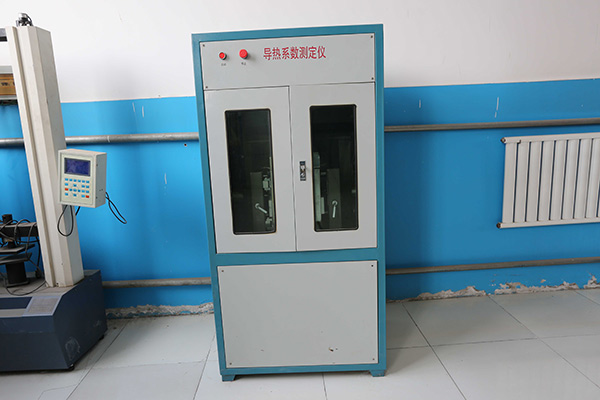
Testing thermal conductivity across varying pressures and temperatures to simulate real-world conditions.
Formulating insulation that limits toxic acid gas emissions during fire exposure for sensitive installations.
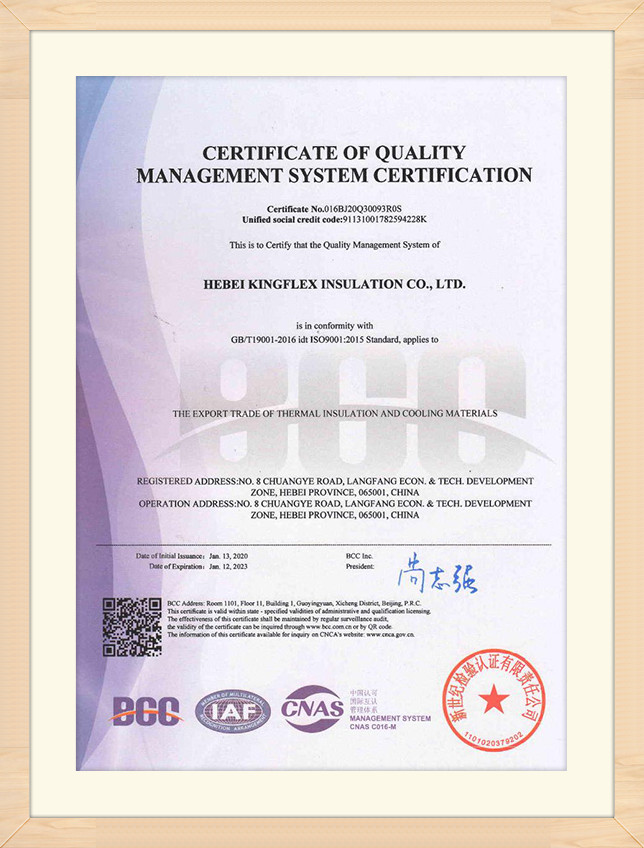
Industrial thermal insulation must comply with safety regulations. Kingflex products are manufactured under ISO 9001 and ISO 14001 management systems, ensuring consistent production quality and environmental responsibility. We verify performance through testing and certification by recognized third-party agencies.
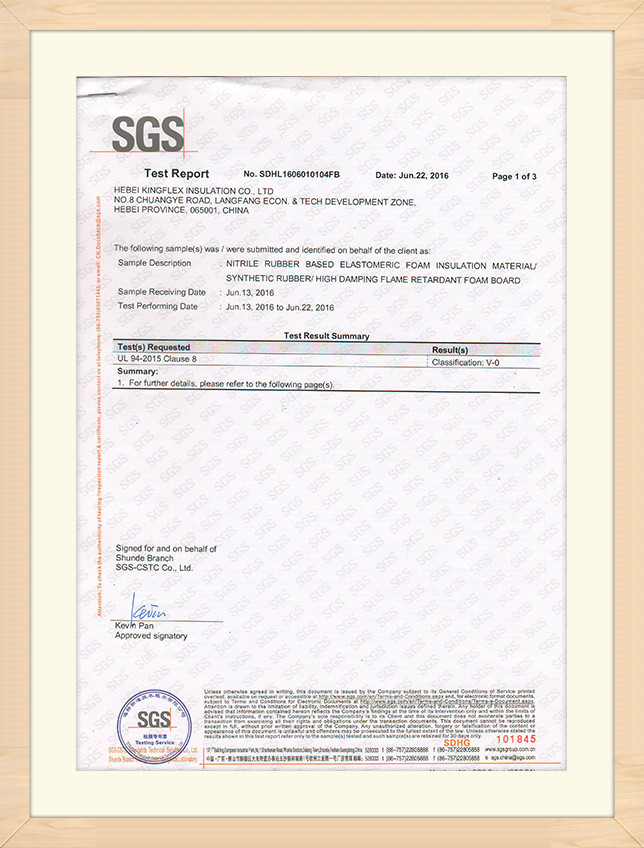
Our elastomeric insulation sheets, rolls, and pipes are tested to meet major global fire-retardant standards. This includes British Standard BS 476 (Parts 6 & 7) for Class 0 classification, Underwriters Laboratories UL 94 for V-0 flammability ratings, and European EN 13501-1 fire classifications. For international environmental compliance, our products are certified under REACH and RoHS regulations, confirming they are free from heavy metals, PBDEs, and harmful plasticizers.
BS 476 Certification

ISO 9001 Standard

UL 94 V-0 Rating
RoHS Compliance
Every production batch at Kingflex is assigned a tracking number linked to its raw material inputs, manufacturing line details, and quality control reports. This system provides transparency for large construction and industrial projects that require verified material origin and performance data.



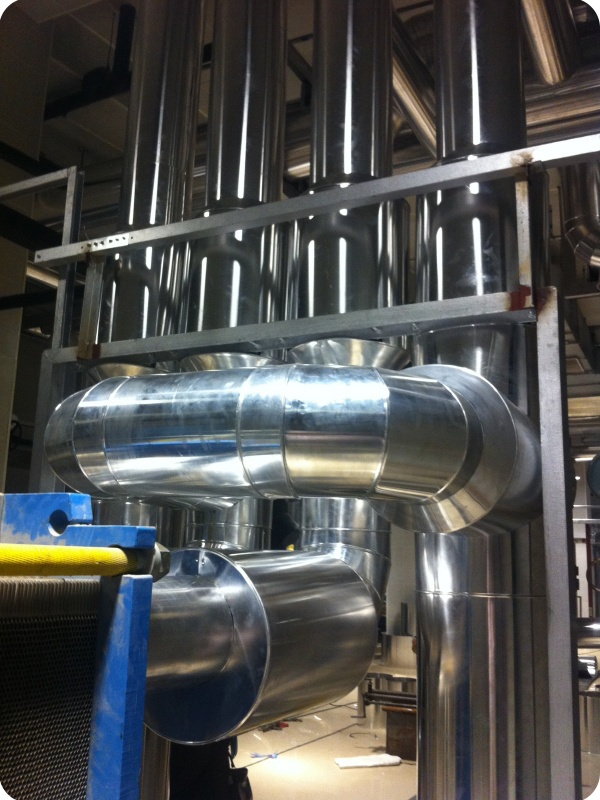
Kingflex insulation products are used in municipal, commercial, and industrial projects worldwide. Our materials are selected for demanding environments, including high-humidity tropical HVAC installations and dry, high-temperature industrial pipelines.

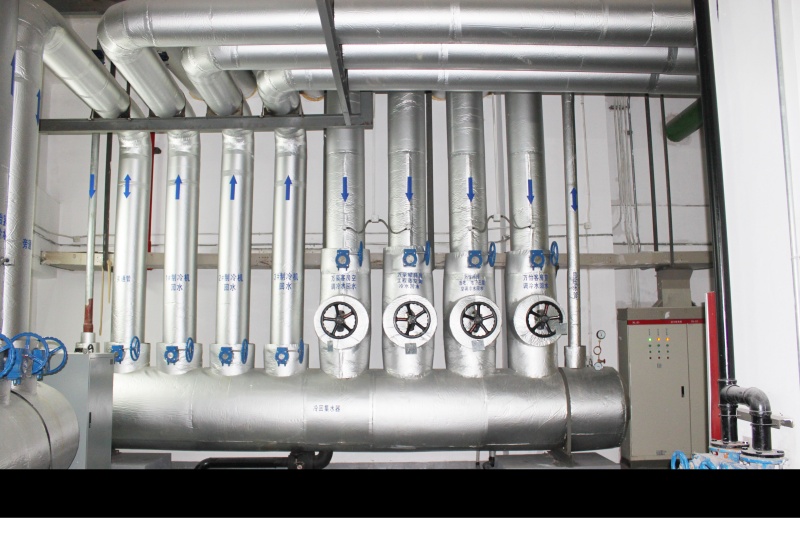
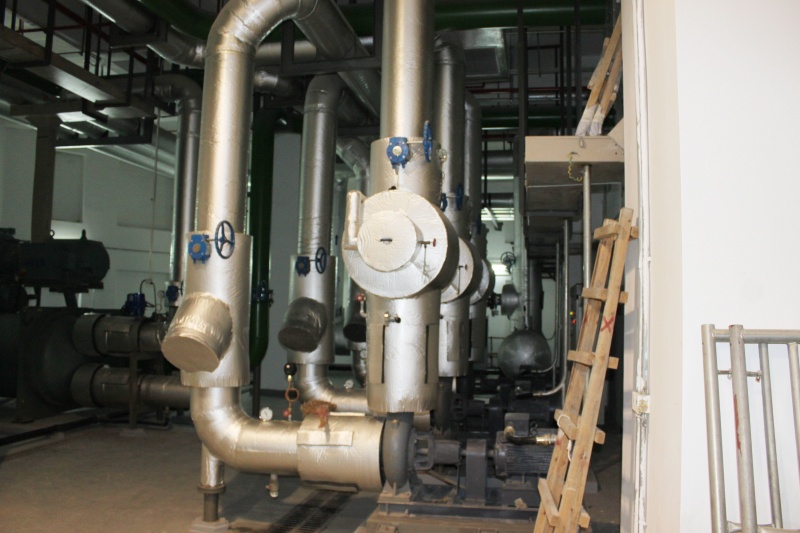
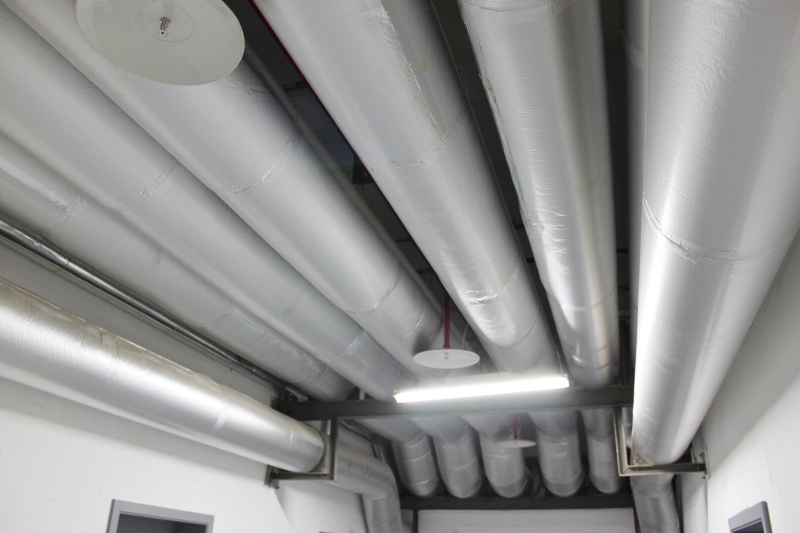
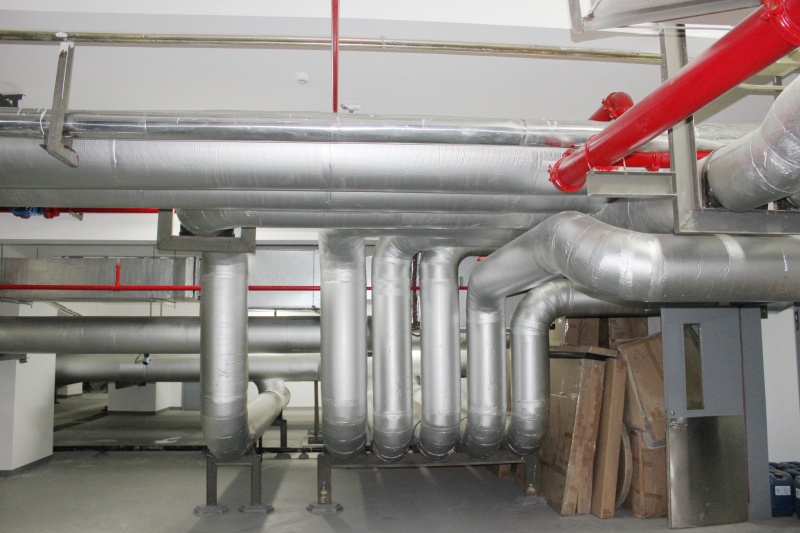
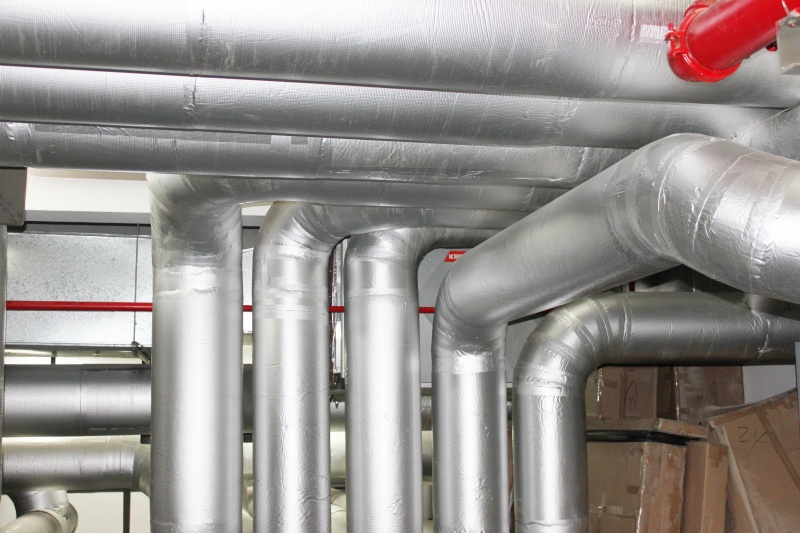
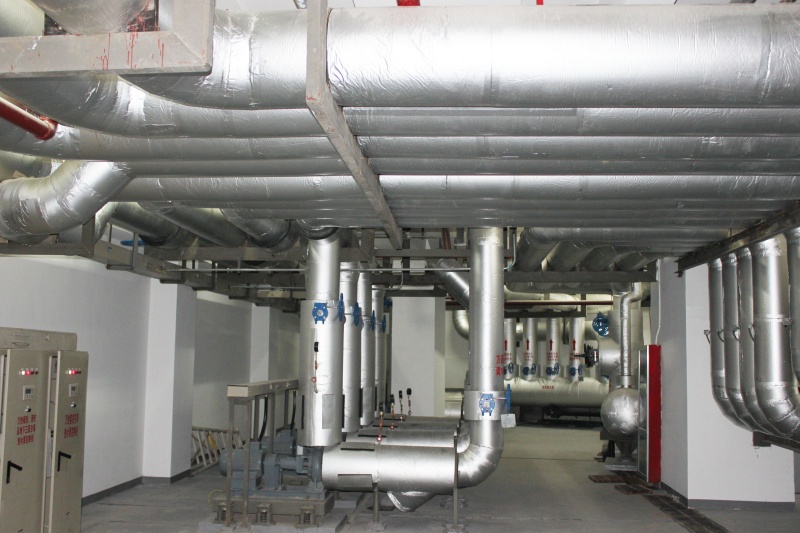
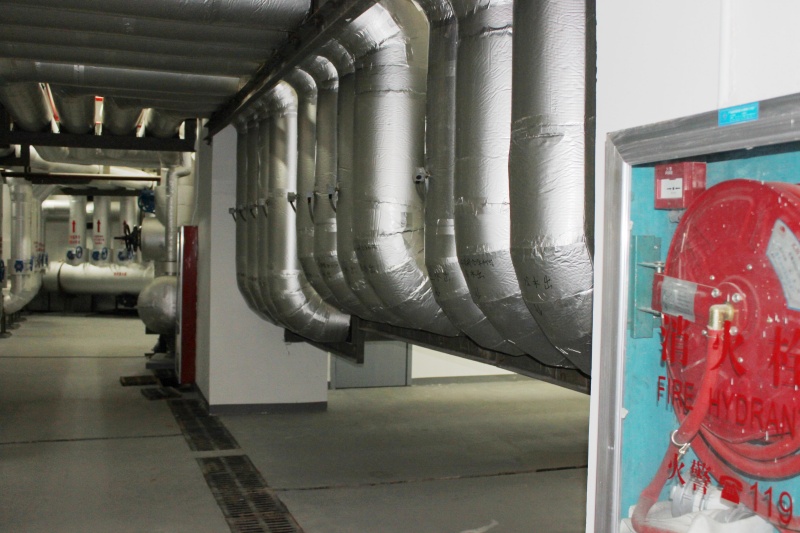
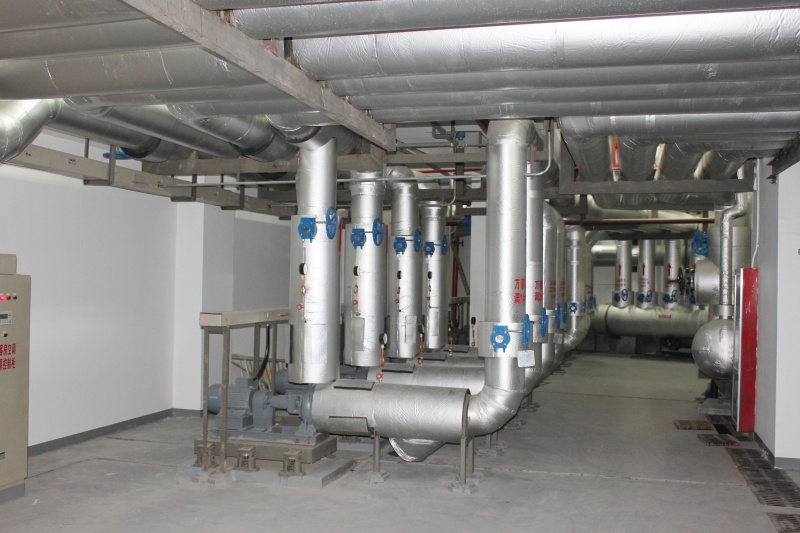
Completed insulation for the central air duct system of a major regional commercial complex.
Fitted high-density rubber foam sleeves on chemical processing pipes to prevent condensation and CUI.
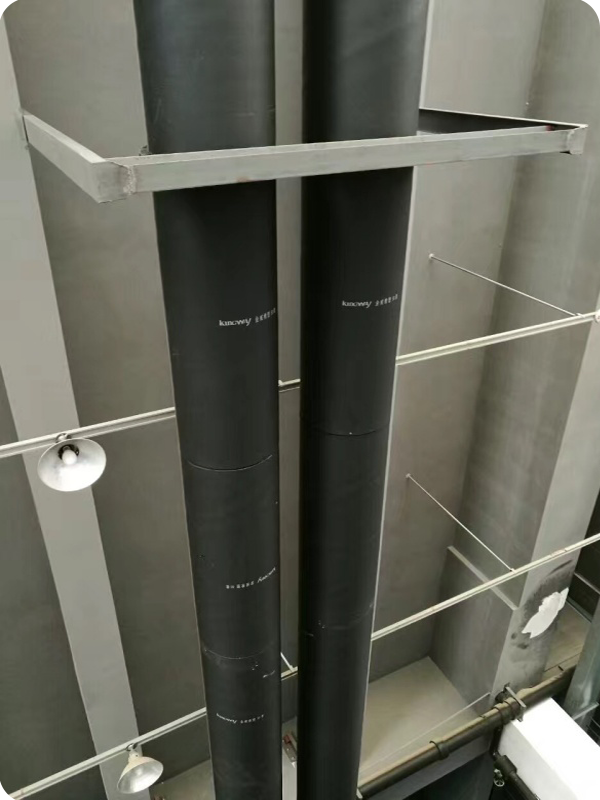
Applied elastomeric sleeves to cold water networks in a hospital to control temperature and prevent condensation.
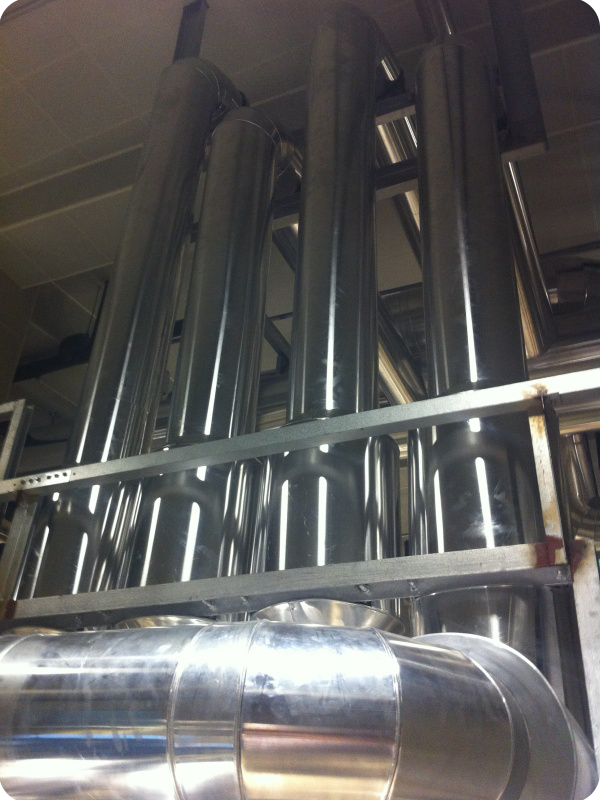
Insulated high-temperature hot water pipes with Rock Wool blankets and protective metal cladding.
Our factory processes bulk orders for international infrastructure projects, running continuous production shifts to meet demanding project schedules.




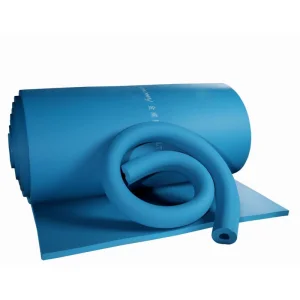
Our technical foam products are manufactured to precise dimensional standards to ensure compatibility with standard engineering specifications. Below are the design tables for Kingflex Standard Sheet Rolls and Pre-Formed Tubes:
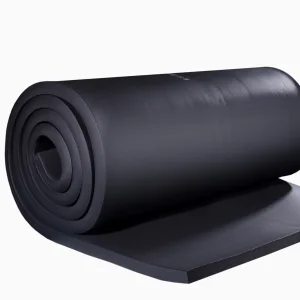
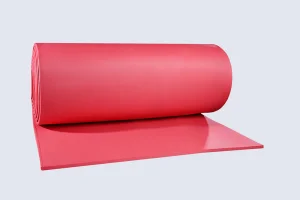
Material Structure: Nitrile Rubber / Polyvinyl Chloride (NBR/PVC) blend with an even, micro-cell structure.
| Thickness Range: | 6mm to 50mm |
| Standard Density: | 40 to 55 kg/m³ |
| Service Temp Range: | -40°C to +105°C |
| Thermal Conductivity: | ≤ 0.034 W/m·k at 0°C |
| Flame Spread: | Self-extinguishing, Class 0 Rated |
| Closed-Cell Rate: | > 98% |
| Compression Resilience: | > 80% |
Applications: Central HVAC ducts, acoustic wall dampening, mechanical room lining, and industrial storage tanks.
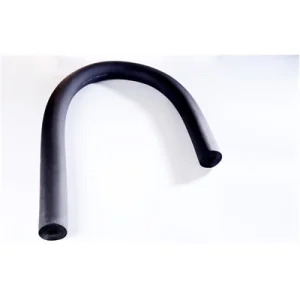
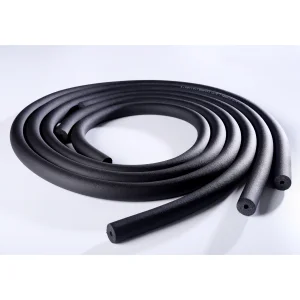
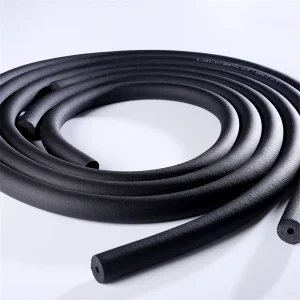
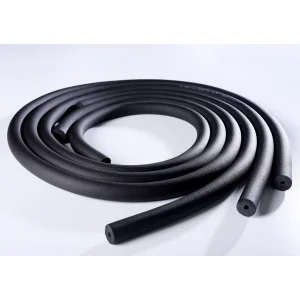
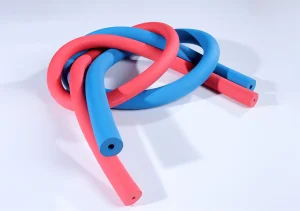
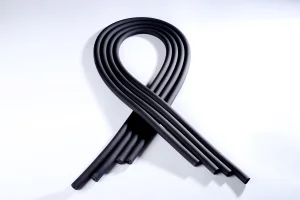
Material Structure: Extruded NBR/PVC elastomeric tube with a smooth skin for slip-on installation.
| Thickness Range: | 9mm to 40mm |
| Inner Diameter (ID): | 6mm to 114mm (1/4" to 4" IPS) |
| Standard Density: | 40 to 55 kg/m³ |
| Service Temp Range: | -40°C to +105°C |
| Thermal Conductivity: | ≤ 0.034 W/m·k at 0°C |
| Vapor Permeability: | μ ≥ 10,000 |
| Resilience: | Flexible, resists cracking on elbows |
Applications: Chilled water lines, VRF system piping, condensate drains, hot/cold domestic water plumbing.
Technical guidance and material answers for consulting engineers and procurement managers.
What is elastomeric rubber foam insulation used for?
Elastomeric rubber foam insulation is used to prevent heat transfer and condensation control. Its primary applications include commercial HVAC duct wrapping, refrigeration pipe insulation, chilled water line isolation, domestic hot/cold water plumbing, industrial process piping, and acoustic dampening panels inside machinery chambers.
Is Kingflex rubber foam insulation fire resistant?
Yes. Kingflex rubber foam is formulated with flame retardants and smoke suppressants. It achieves a Class 0 rating according to BS 476 Part 6 & 7 standards and meets the V-0 flammability criteria of UL 94. It is self-extinguishing and does not support burning droplets.
What is the difference between rubber foam and rock wool insulation?
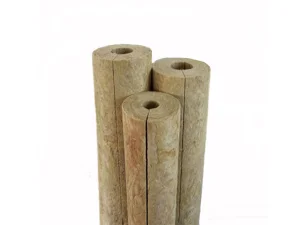
Rubber foam is a flexible, closed-cell elastomeric material with high moisture resistance (μ ≥ 10,000), making it suitable for cold systems, chilled water lines, and humid environments. Rock wool is a fibrous, open-cell mineral insulation designed for high-temperature applications (up to 650°C) and fire barriers, but it requires a separate vapor barrier to prevent moisture absorption in cold environments.
Do you provide customized insulation products?
Yes. We offer OEM/ODM services, including customizing wall thicknesses (from 6mm up to 50mm), inner diameters for non-standard pipe specifications, factory-applied self-adhesive backings, and exterior protective coatings (such as aluminum foil cladding) to protect against mechanical wear and UV exposure.
What certifications do your products have?
Our insulation products are certified under international standards, including BS 476 Class 0, CE, REACH, RoHS, UL 94 V-0, and ASTM testing protocols. These certifications confirm the safety, performance, and environmental compliance of our materials for use in global projects.
Does Kingflex products have traceability?
Yes. We maintain a quality control tracking system. Every production run is marked with a batch code that connects the finished product to its raw material inspection logs, manufacturing parameters, and laboratory test results, ensuring accountability for project engineers.
What thickness of Rubber foam insulation sheet roll can you produce?
We produce elastomeric sheet rolls in thicknesses ranging from 6mm to 50mm. Thinner sheets (6mm-13mm) are commonly used for small pipes and complex fitting shapes, while thicker options (25mm-50mm) are used for heavy industrial vessels and low-temperature systems.
What is the service life of rubber plastic pipe and board?
When installed according to manufacturer guidelines, Kingflex rubber foam insulation has an expected service life of 10 to 15 years. The closed-cell structure helps prevent degradation from moisture penetration and mold growth.
How does Kingflex manage large volume international orders?
With 5 automated assembly lines and an annual capacity of 600,000 cubic meters, we can fulfill high-volume orders. Our logistics team coordinates sea freight, customs paperwork, and container loading, and we provide technical support for international projects.
What is your research focus for future insulation products?
Our R&D focuses on developing halogen-free, low-smoke materials for passenger rail and marine applications, as well as aerogel-elastomer hybrids to reduce thermal conductivity and increase the operating temperature range.
Choose from our specialized technical foams for HVAC, high-temperature, and ultra-low temperature cryogenic systems.
 Kingflex