Engineered to meet international green building codes, industrial criteria, and energy conservation protocols.
In modern industrial process plants, large-scale commercial HVAC installations, and cryogenic facility management, thermal loss equates to direct financial wastage and elevated carbon footprints. As energy regulations tighten globally under European Net-Zero targets, US ASHRAE Standards, and China's Green Building Materials Initiative, the selection of insulation thickness is shifting from bare minimum condensation avoidance to optimum thermal resistance (R-value) profiles.
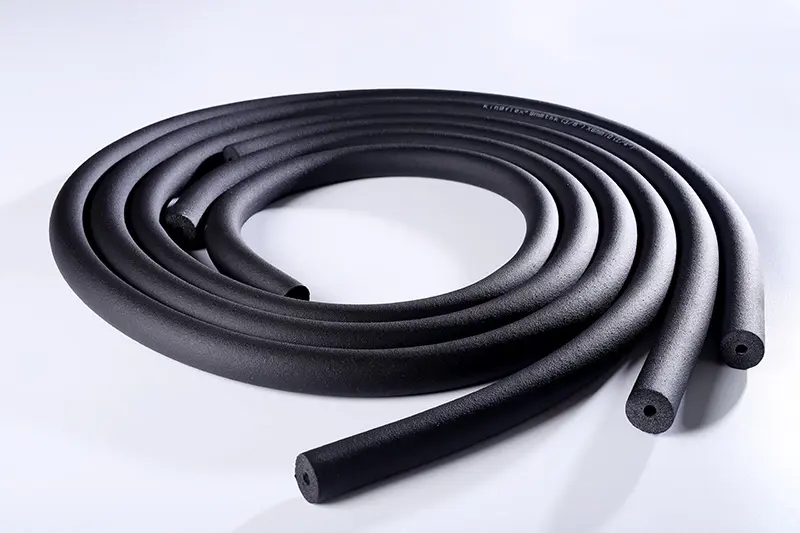
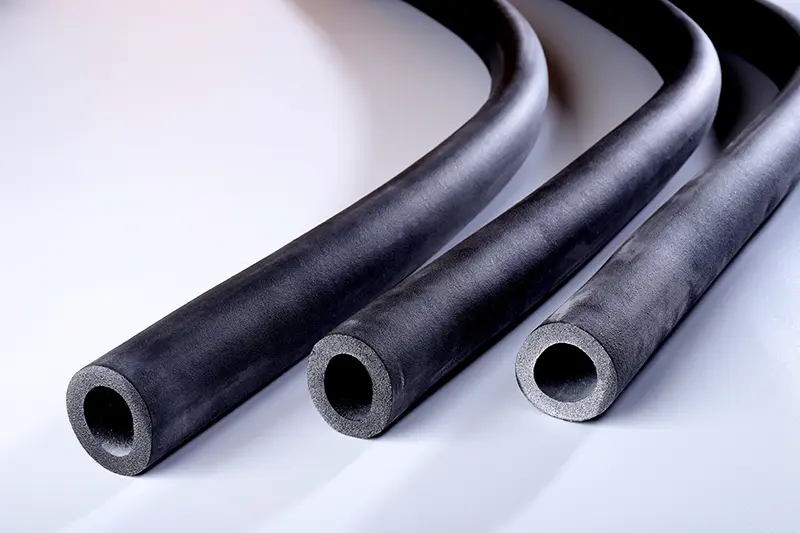
30mm pipe lagging represents a critical industrial threshold. At this thickness, closed-cell elastomeric rubber foam delivers an exceptional barrier against moisture intrusion, thermal bridging, and ambient noise. By utilizing a high-density NBR/PVC blend, manufacturers ensure that the micro-cell matrix retains structural integrity even when bent around complex pipe elbows or subjected to mechanical vibrations.
With a thermal conductivity (λ) value of ≤0.034 W/(m·K) at 0°C, 30mm elastomeric lagging significantly reduces energy transfer, protecting pipeline distribution systems from high heating losses and keeping chilled water cycles stable.

Proven metrics, verified by state labs and third-party global certifications, ensuring predictable long-term performance.
| Parameter | Elastomeric Foam Sheet Roll Value | Elastomeric Insulation Pipe Value |
|---|---|---|
| Material Base | Premium NBR/PVC Blend | Premium NBR/PVC Blend |
| Thickness Range | 6mm - 50mm (Includes 30mm) | 9mm - 40mm (Includes 30mm) |
| Inner Diameter (ID) | N/A (Sheet/Roll form) | 6mm - 114mm |
| Density | 40 - 55 kg/m³ | 40 - 55 kg/m³ |
| Service Temperature | -40℃ to 105℃ | -40℃ to 105℃ |
| Closed-Cell Rate | Over 98% uniformly foamed | Over 98% uniformly foamed |
| Compression Resilience | >80% rebound recovery | >80% rebound recovery |
| Fire Safety Rating | Class 0 & Class 1 (BS 476, UL94, ASTM) | Class 0 & Class 1 (BS 476, UL94, ASTM) |
Solving complex thermodynamic challenges across diverse industrial and civil environments.
In highly humid regions (such as Southeast Asia, coastal Latin America, and standard tropical climates), chilled water lines run high risks of surface condensation. Kingflex 30mm lagging prevents moisture condensation while maintaining excellent heat resistance in central air conditioning lines, keeping machine rooms dry and sanitary.
Process control in chemical factories demands strict temperature ranges. Whether preserving cold or heat, 30mm thick NBR/PVC elastomeric lagging provides long-term thermal stability, preventing piping corrosion under insulation (CUI) because of its non-porous structure.
Apart from thermal barrier properties, the physical elasticity of 30mm thick rubber foam serves as a noise reduction sleeve for high-velocity liquid pipe flows. Perfect for hotels, commercial malls, transit stations, and hospitals requiring quiet indoor environments.
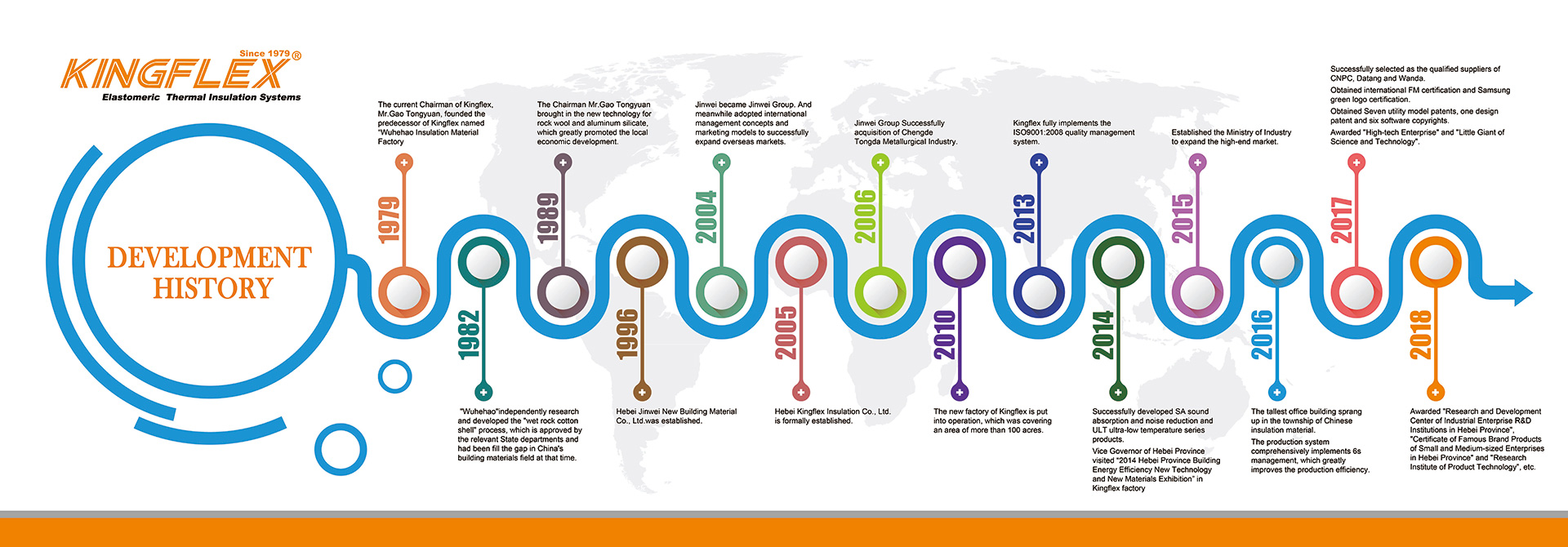
Established by the renowned Jinwei Group, which has roots stretching back to 1979, Kingflex is the pioneer in thermal insulation manufacturing in Northern China. By combining research, development, state-of-the-art extrusion lines, and international trading practices, we have transformed from a local manufacturer into a global power brand.
Our dedicated facility in Dacheng, China, features 5 large-scale automatic production assembly lines. These lines operate continuously with real-time thickness and density monitoring systems, guaranteeing that every section of 30mm pipe lagging meets exact density guidelines (40-55kg/m³) and exhibits an even cell structure.
Ensuring traceablity and consistent performance standards through every production cycle.
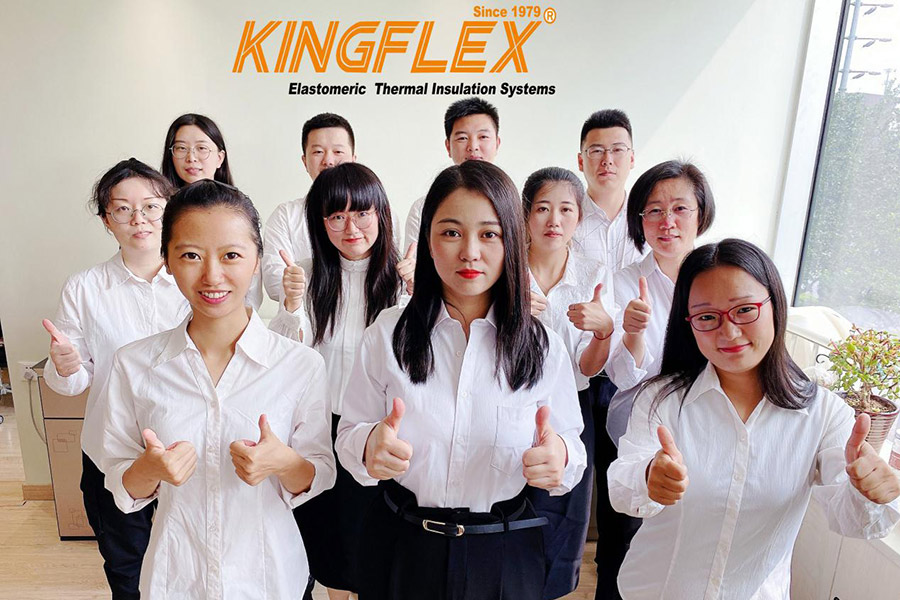
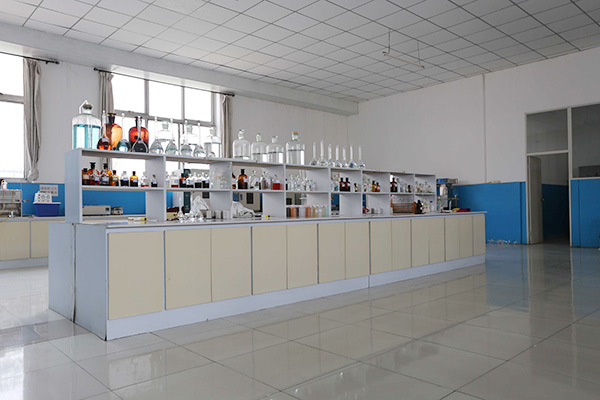

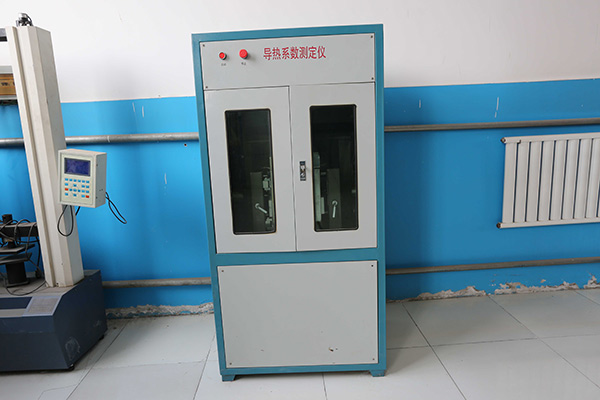
Kingflex employs 8 professional engineers in our R&D department, 6 professional international sales coordinators, and over 230 highly trained operations workers. Our products are fully traceable from raw chemical NBR compounding to the final packaged insulation box.
Compliant with international standards for energy efficiency, occupational health, and environmental safety.
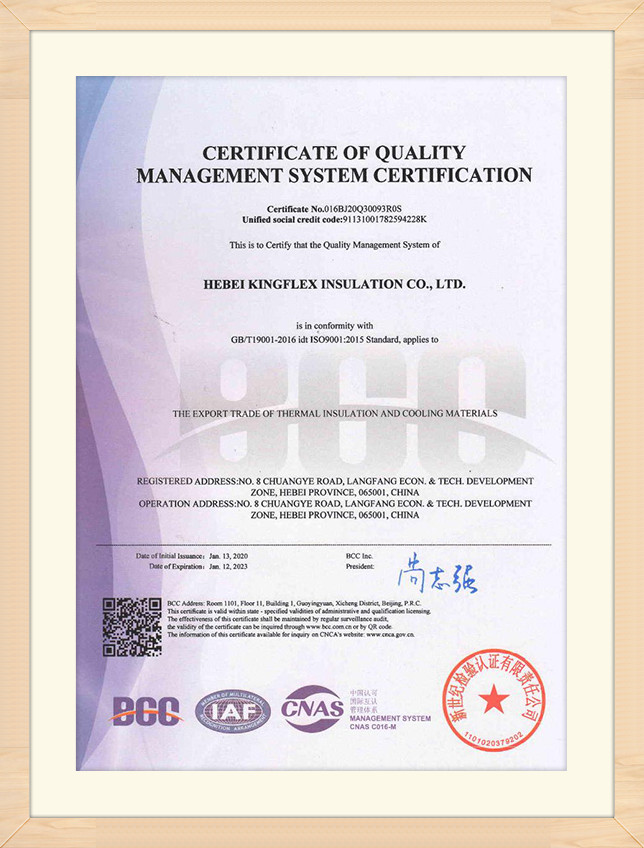


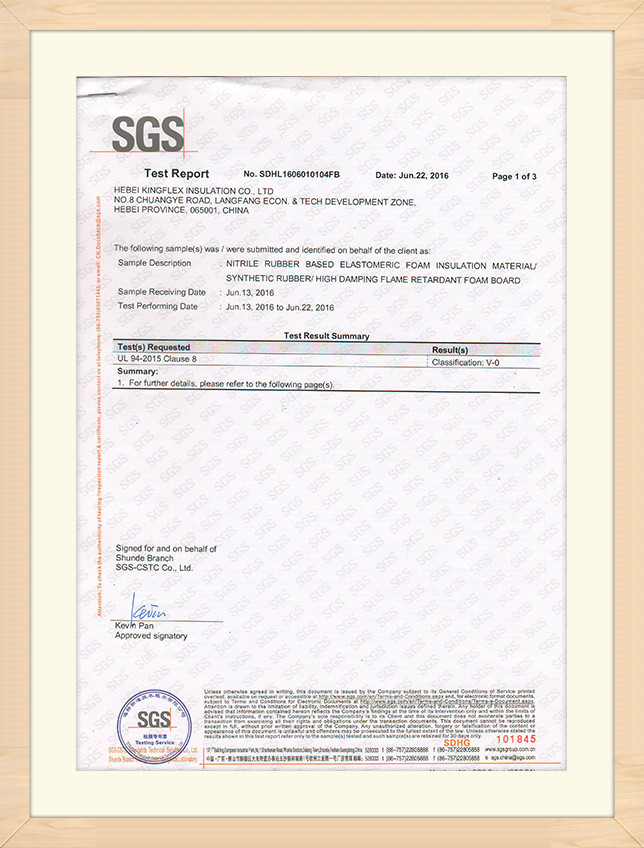
Kingflex insulation products have successfully passed rigorous fire safety and environmental tests, including BS 476 Parts 6 & 7 (Class 0 & Class 1), CE Certification, REACH compliance, RoHS directives, UL94 flammability ratings, and ASTM testing protocols.
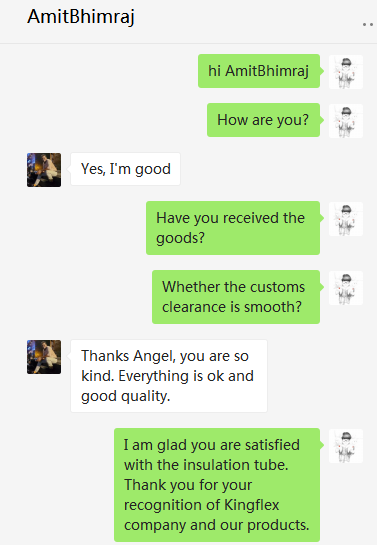
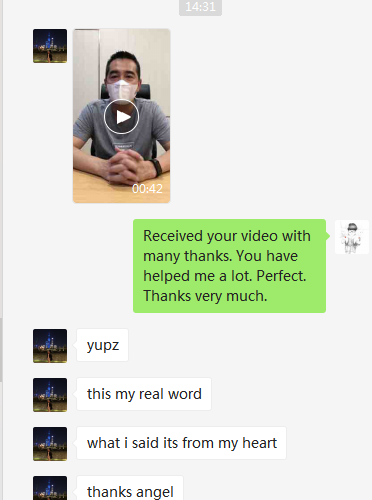
Real feedback from engineers and distributors globally verifying our service and system capabilities.



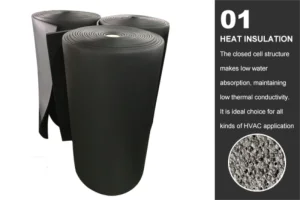
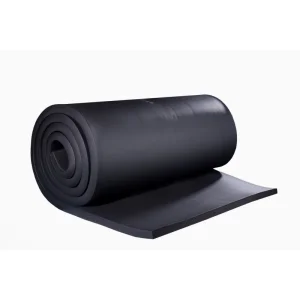
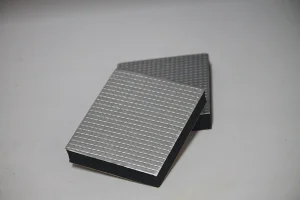
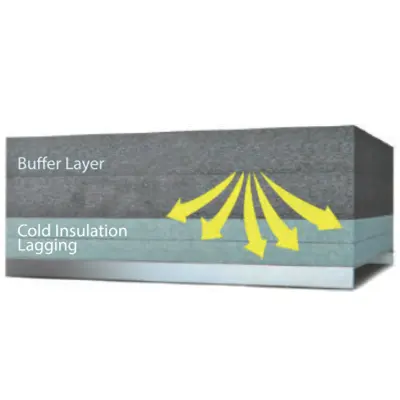
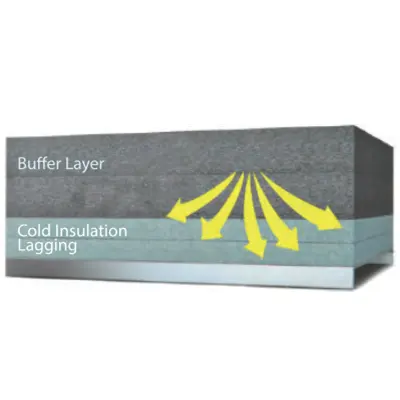
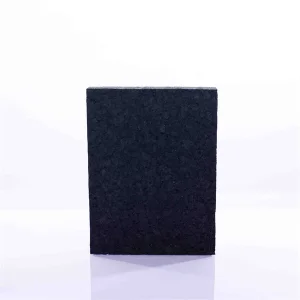
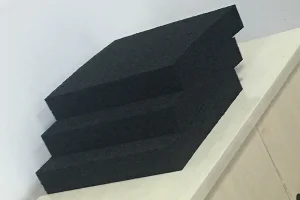
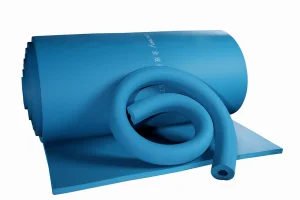
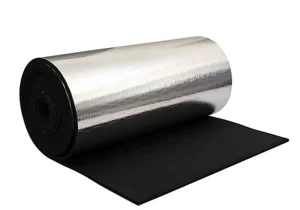
Foams evenly and fully, closed-cell rate exceeds 98%. Low water absorption coefficient prevents moisture buildup inside the sheet. Offers outstanding acoustic dampening. High flexibility makes it easy to install over tanks, large valves, and flat sheet metal ducts.
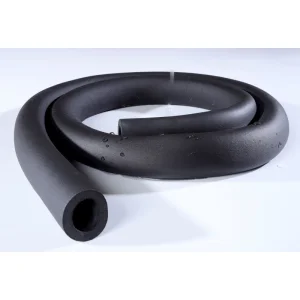
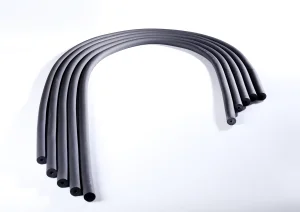
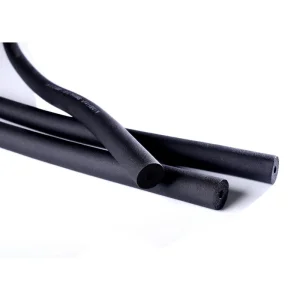
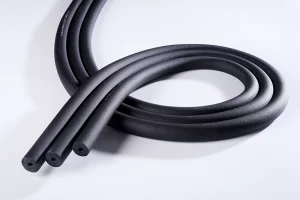
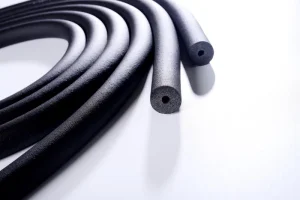
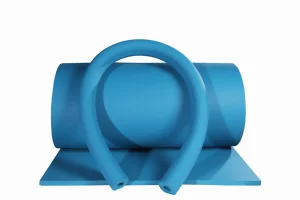
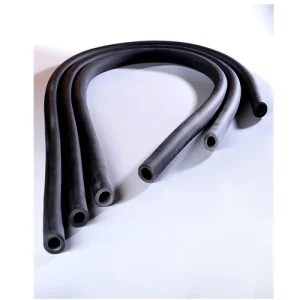
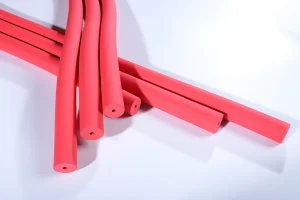
Advanced pipe extrusion equipment ensures uniform concentric thickness. Fits tight around piping profiles. Eliminates air gaps to prevent condensation. High compression resilience helps maintain wall thickness at pipe hangers and supports.
Our solutions cater to various installation needs:
Delivering high-quality insulation globally for engineering companies, municipal builds, and commercial projects.

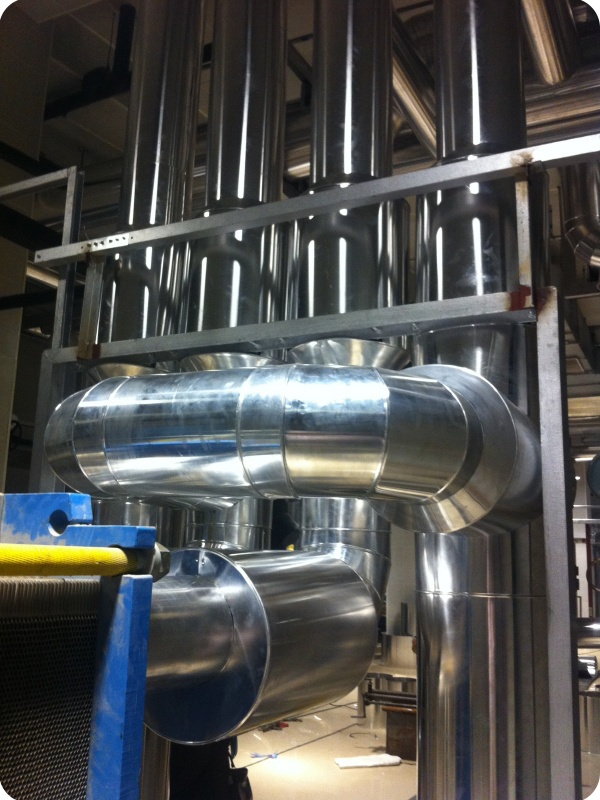
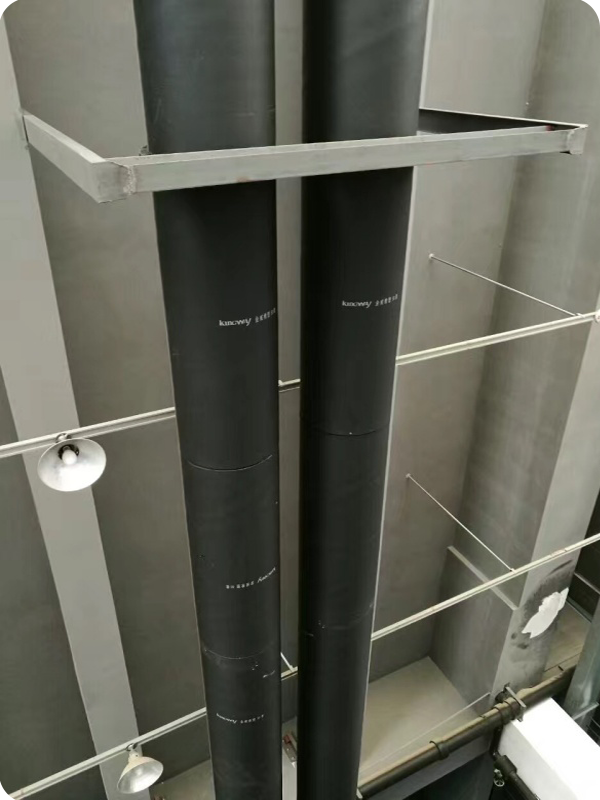
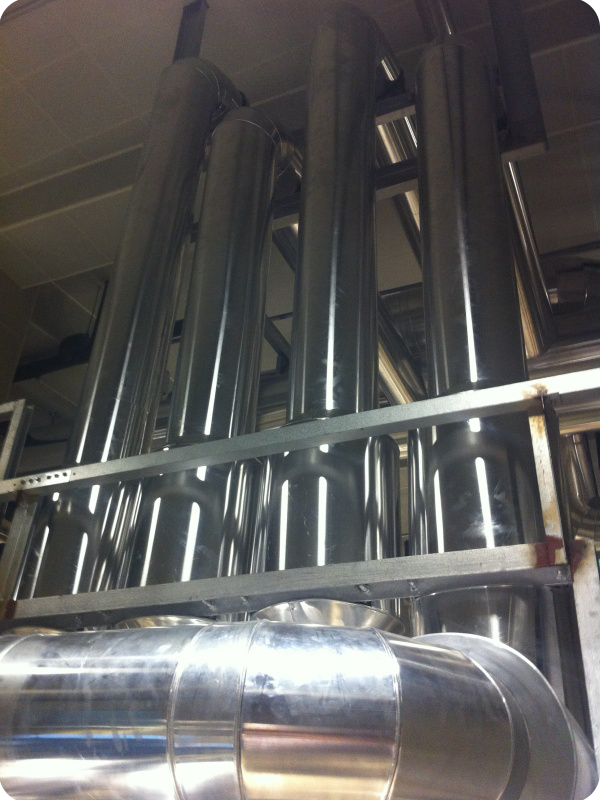
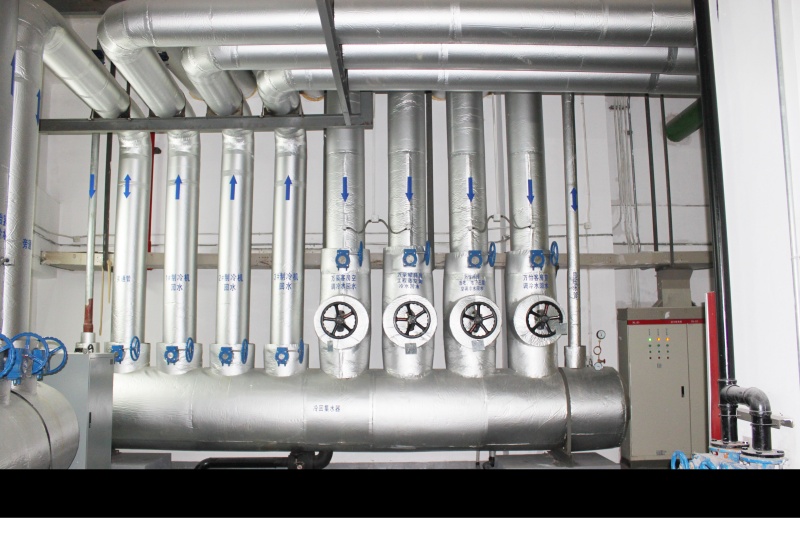


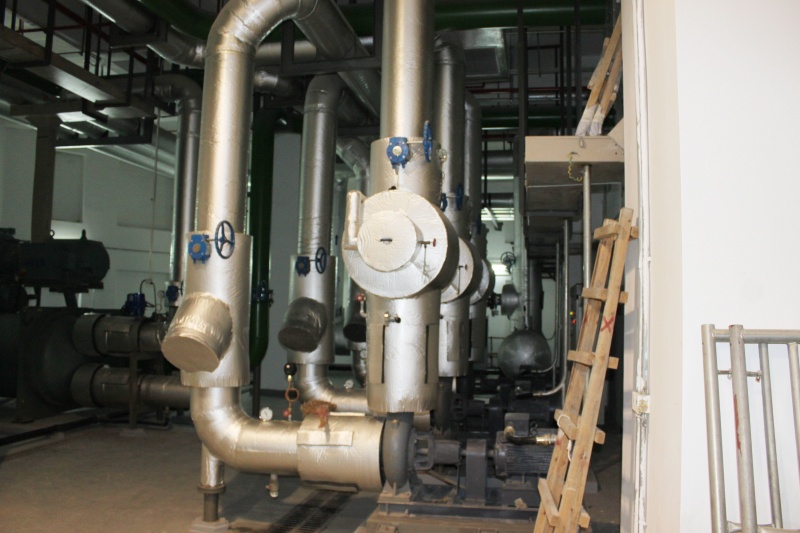
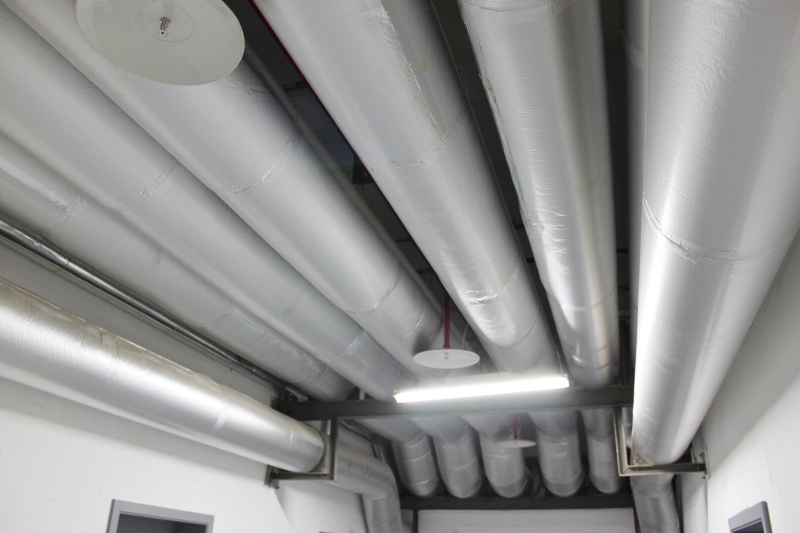

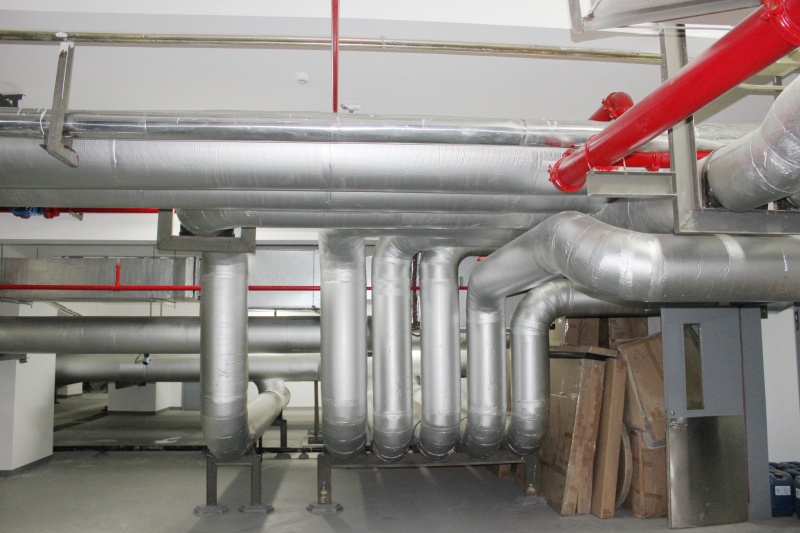
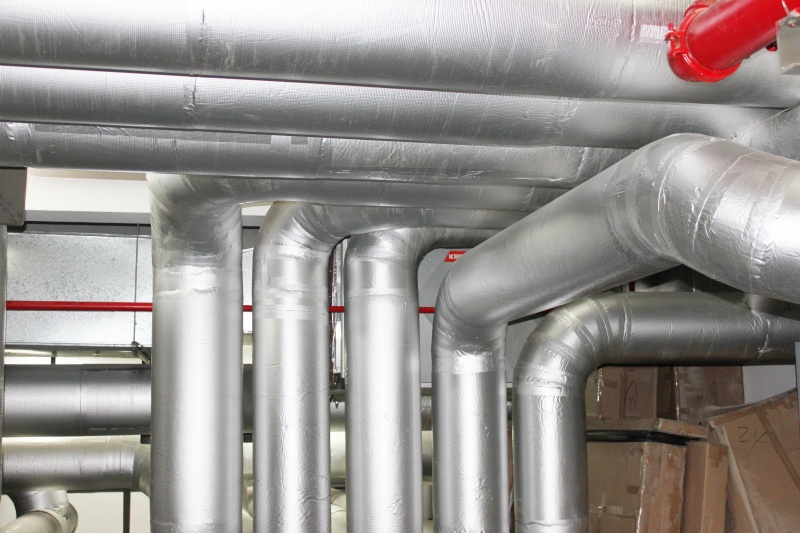
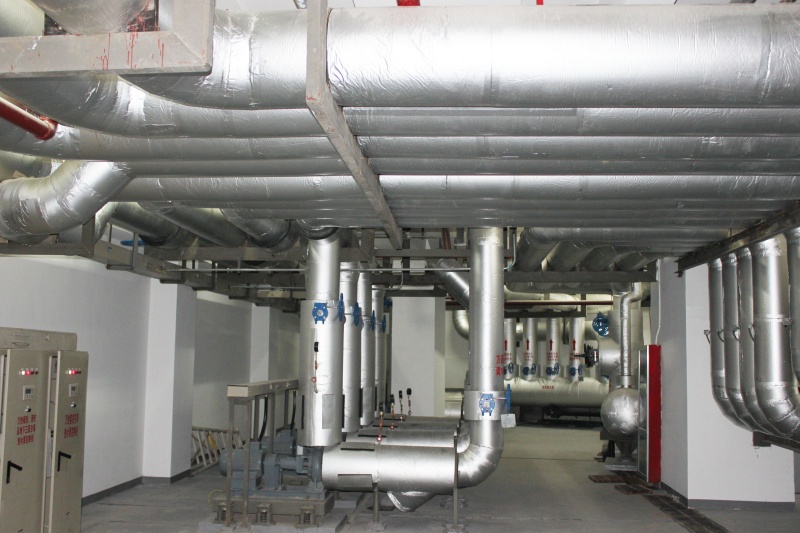
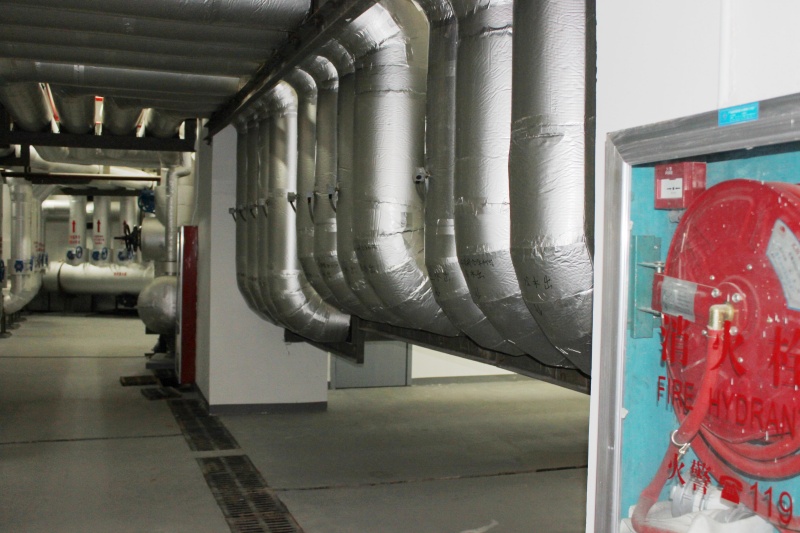
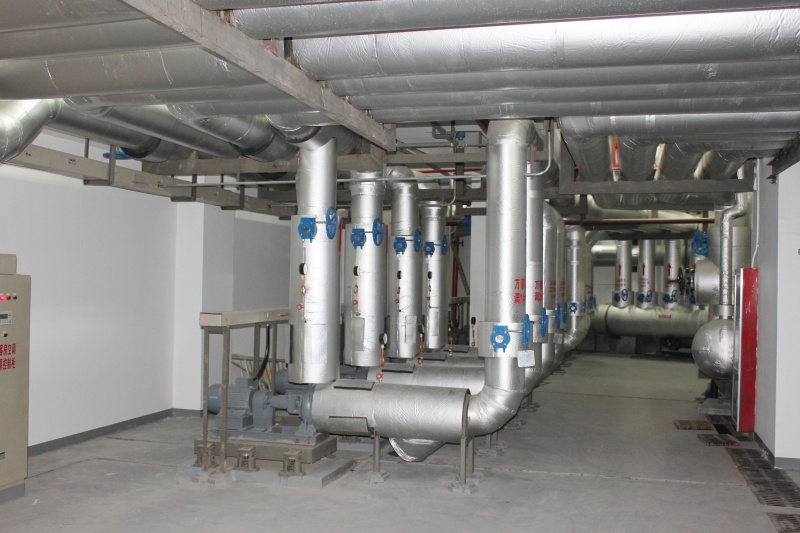

We supply rock wool, glass wool, and closed-cell rubber foam solutions tailored to your technical requirements.
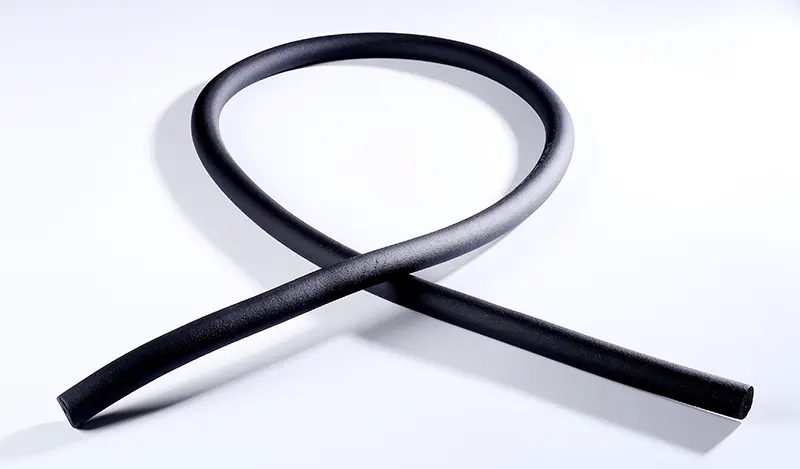





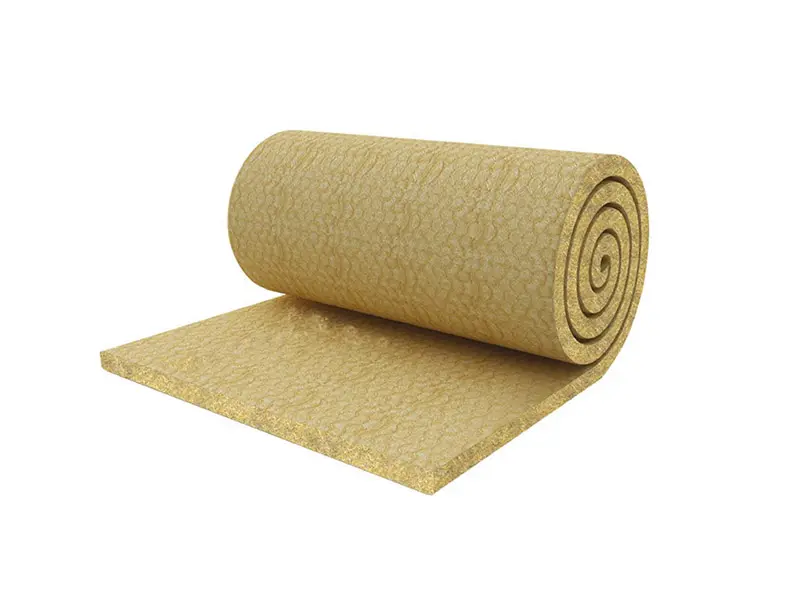
Verified manufacturing checks and storage processes ensure insulation is delivered clean and undamaged.







Where is the elastomeric industrial insulation market headed over the next decade?
Globally, fire codes and ecological design standards are limiting the use of brominated fire retardants. The next stage of NBR/PVC elastomeric foaming systems focuses on organic phosphorous or inorganic hydrated compounds to maintain high flame retardancy without emitting toxic acid smoke.
To reduce standard insulation thickness from 30mm down to 15mm without losing thermal barrier performance, Kingflex is researching aerogel-elastomer composite structures. This helps optimize insulation performance in confined spaces like ship hulls, train frames, and compact mechanical rooms.
With global supply chains prioritizing reduced carbon footprint metrics (LCA reports), substituting petroleum-based rubbers with bio-sourced polymer alternatives is a key priority for future insulation manufacturing.
Clear, direct answers regarding the applications, safety certifications, and installation of elastomeric insulation systems.
Engineered for high-performing acoustic absorption, low-temperature resistance, and specialized industrial applications.
Connect with our specific insulation series for regional projects or industrial installations.
 Kingflex