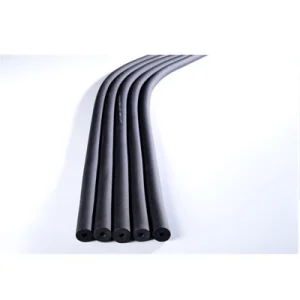
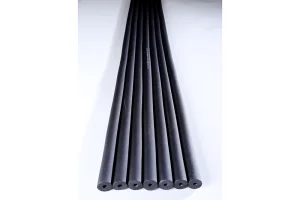
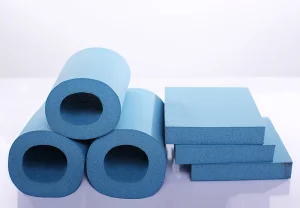
Explore our premium-grade acoustic and thermal elastomeric foam selections designed for optimal sound dampening and thermal efficiency.
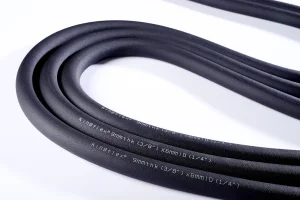
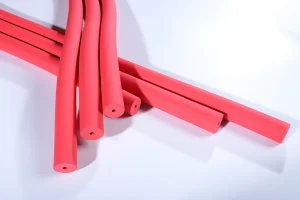
In contemporary industrial, commercial, and urban architecture, noise pollution is categorized as a prominent environmental hazard. This recognition has driven strict regulatory policies across major global economies. Legislative updates including Europe's EN standards, North America's ASTM standards, and building codes throughout Asia-Pacific have created a growing demand for high-performance acoustic barrier systems. These materials must deliver excellent noise containment along with thermal stability, moisture resistance, and strict fire safety compliance.
Acoustic barrier insulation products function as complex damping layers within structural and industrial systems. Unlike traditional thermal-only insulation, high-density acoustic materials like Nitrile Butadiene Rubber / Polyvinyl Chloride (NBR/PVC) elastomeric foam act as mass-spring-damping systems. When sound energy travels through the viscoelastic cell matrix of these foams, it undergoes molecular friction, converting acoustic wave energy into harmless heat energy. This makes them highly effective in reducing structural transmission loss and absorbing airborne sound.
Information Gain Principle: The efficacy of an acoustic barrier is determined by its Sound Transmission Class (STC) and Noise Reduction Coefficient (NRC). Our engineered elastomeric foams combine a dense closed-cell matrix with dedicated open-cell layers to tackle both low-frequency transmission and high-frequency absorption within a single thin-profile system.
Global construction sectors now prioritize materials that contribute to LEED, BREEAM, and WELL building certifications. NBR/PVC elastomeric foams are manufactured without CFCs, HFCs, or HCFCs. They have Zero Ozone Depletion Potential (ODP) and low Global Warming Potential (GWP), meeting strict VOC emission standards.
The market is moving toward hybrid insulation designs that combine dense barrier layers with flexible damping layers. Kingflex is leading this transition by integrating heavy sound barrier membranes with elastomeric foam. This provides high transmission loss while maintaining the thermal insulation benefits of a closed-cell structure.
Modern industrial plants require systems that can operate under extreme conditions. For example, cryogenic systems handling LNG and petrochemical lines need specialized elastomeric compounds. Our cryogenic product range remains flexible and dampens acoustic vibration down to -200°C without fracturing.
| Physical Property | Standard Value / Rating | Testing Standards |
|---|---|---|
| Material Matrix | Nitrile Butadiene Rubber & PVC (NBR/PVC) Blend | ASTM D1667 |
| Service Temperature | -40℃ to +105℃ (Up to -200℃ for Cryogenic Grades) | ASTM C411 / EN 14706 |
| Closed-Cell Rate | Over 98% uniformly foamed cell structure | ASTM D2856 |
| Density Range | 40 - 55 kg/m³ (Custom heavy options available) | ASTM D1622 |
| Thermal Conductivity | ≤ 0.034 W/m·K at 0℃ (Low k-value performance) | ASTM C518 / ISO 8301 |
| Fire Resistance | Class 0 / Class 1 Flame Retardant (Self-Extinguishing) | BS 476 Part 6 & 7 / UL 94 V-0 |
| Moisture Resistance | High moisture resistance factor (μ ≥ 10,000) | EN 12086 / ASTM E96 |
| Compression Resilience | Over 80% Recovery after deflection | ASTM D1056 |
Our acoustic barrier materials are engineered to combine excellent physical properties with straightforward on-site installation:
A detailed breakdown of our key product configurations, incorporating standard dimensions and application guidelines.
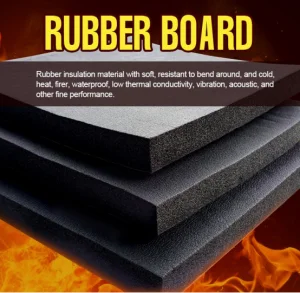
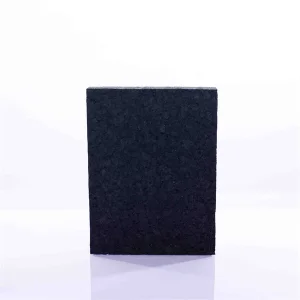
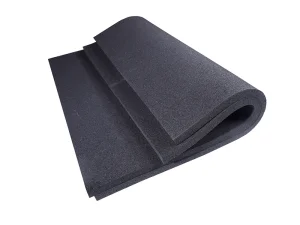
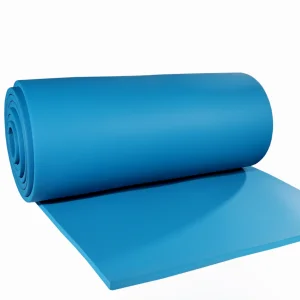
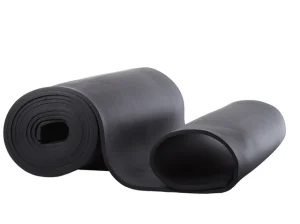
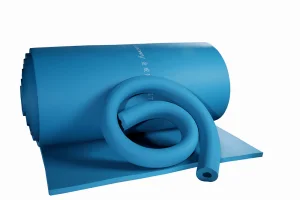
An engineered, flexible insulation sheet designed for large-surface systems, HVAC air ducts, building partitions, and large process vessels.
Used for thermal duct lining, sound containment inside machine rooms, structural damping on walls and roofs, and low-temperature cold rooms.
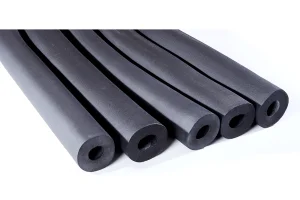
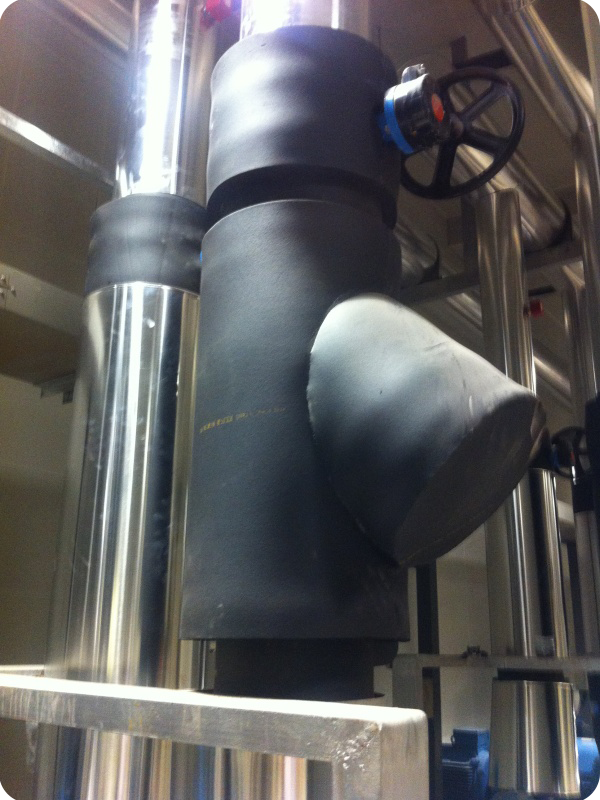
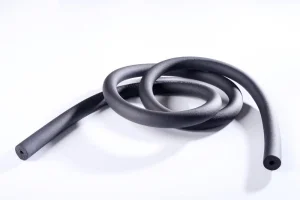
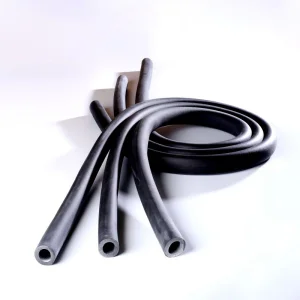
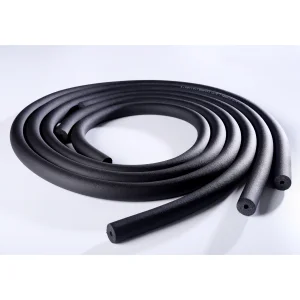
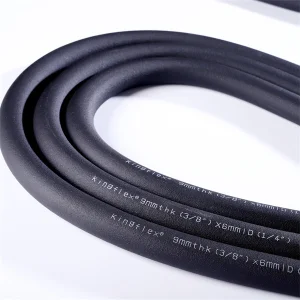
An extruded cylindrical foam sleeve designed for direct application to HVAC pipe networks, copper line sets, process piping, and liquid water networks.
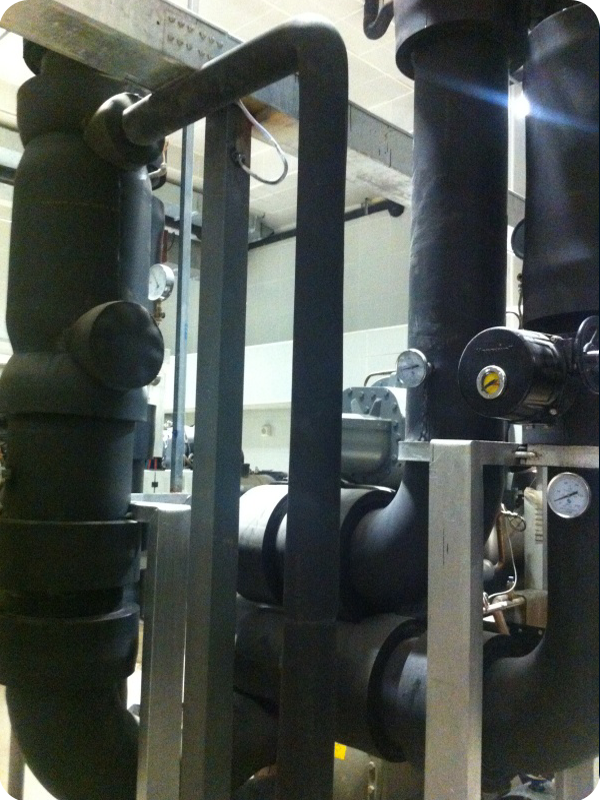
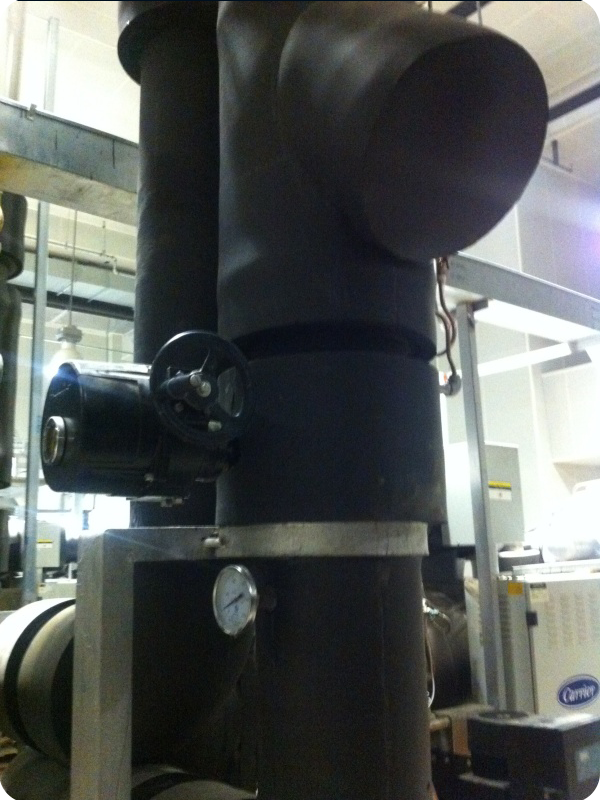
Commonly installed on central air conditioning chilled/hot lines, condensate pipelines, solar collectors, and process lines in chemical refineries.

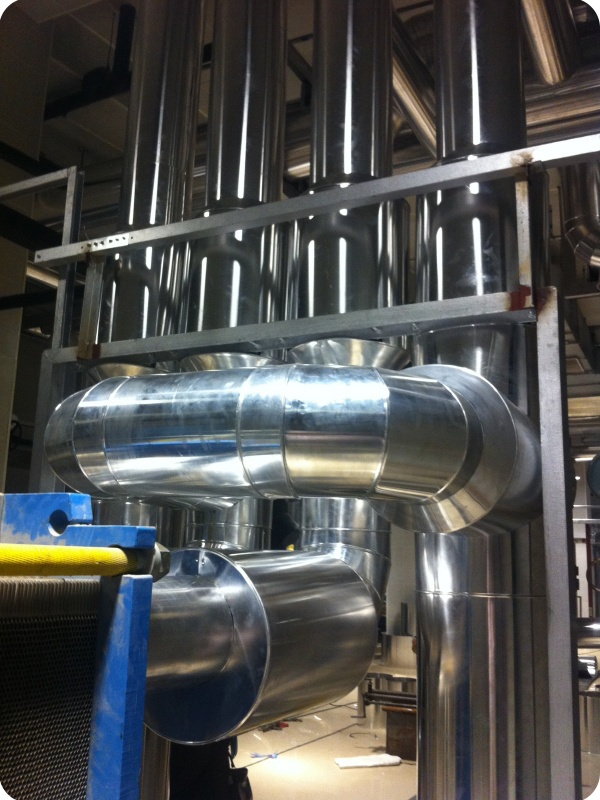
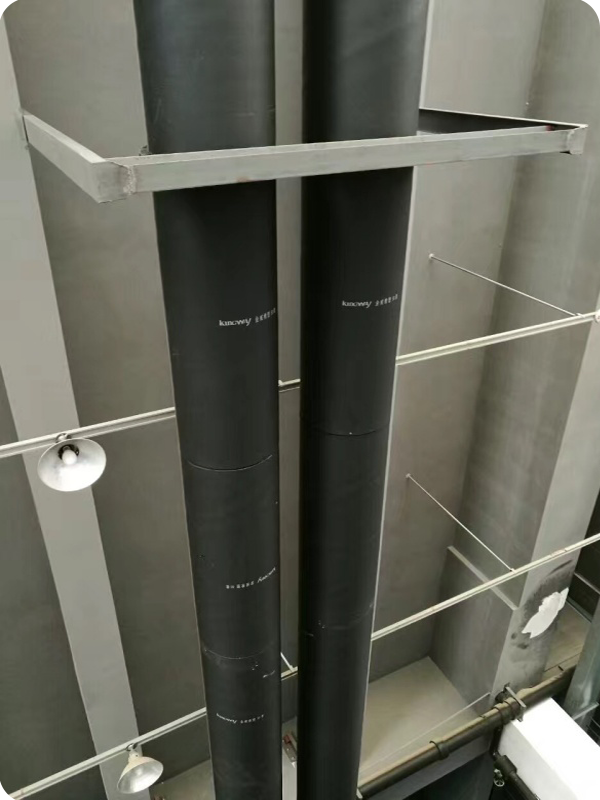
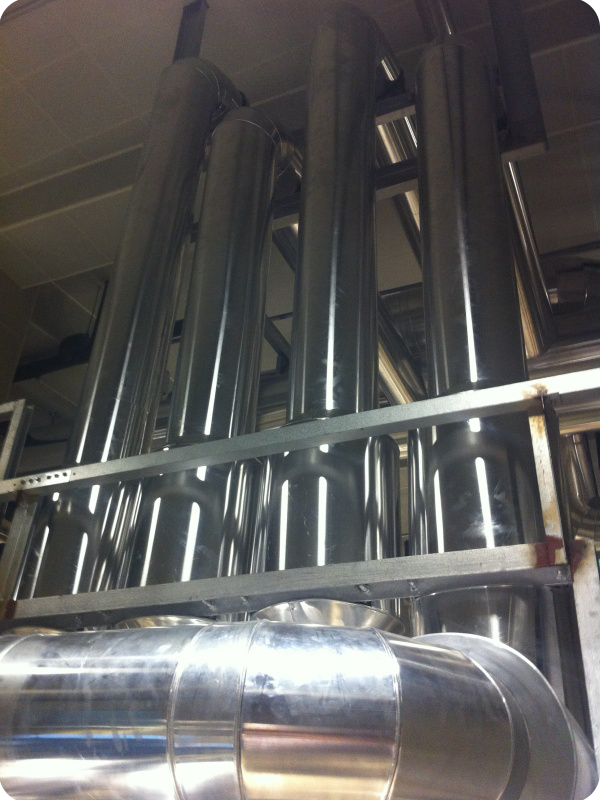
Kingflex Insulation Co., Ltd. is a specialized manufacturer and trading group focusing on high-performance thermal and acoustic insulation products. Our research, development, and primary manufacturing plant is located in Dacheng, China—a major hub for modern green building materials.
We approach our manufacturing operations with a focus on energy conservation. Our services cover the complete project lifecycle: from initial consultation, custom material formulation, and automated production, to installation support and post-sale technical service.
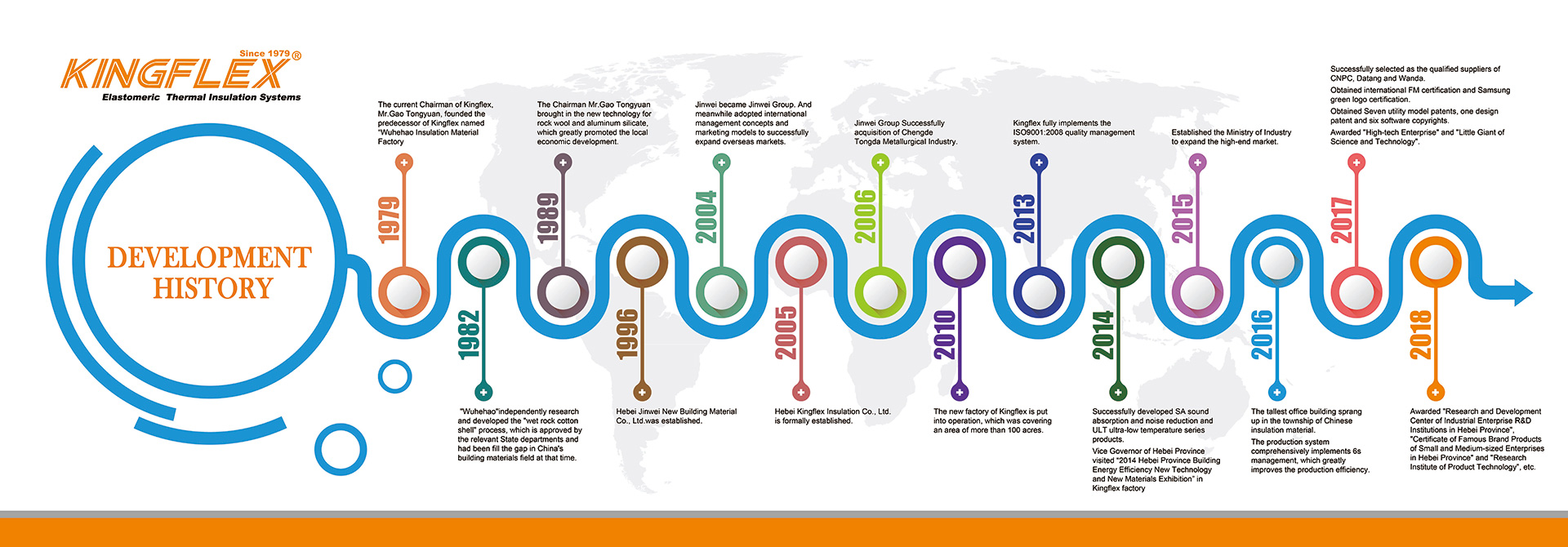
Kingflex was established by the Jinwei Group, which has over 40 years of industry history. Founded in 1979, the Jinwei Group was among the early manufacturers of thermal insulation materials in northern China. Building on this long manufacturing history, Kingflex has modernized its processes to serve demanding industrial markets globally.
Our facility runs five automated, high-output assembly lines with an annual capacity of over 600,000 cubic meters. This scale of operation has made us a designated manufacturing supplier for key energy, electrical infrastructure, and chemical engineering departments.

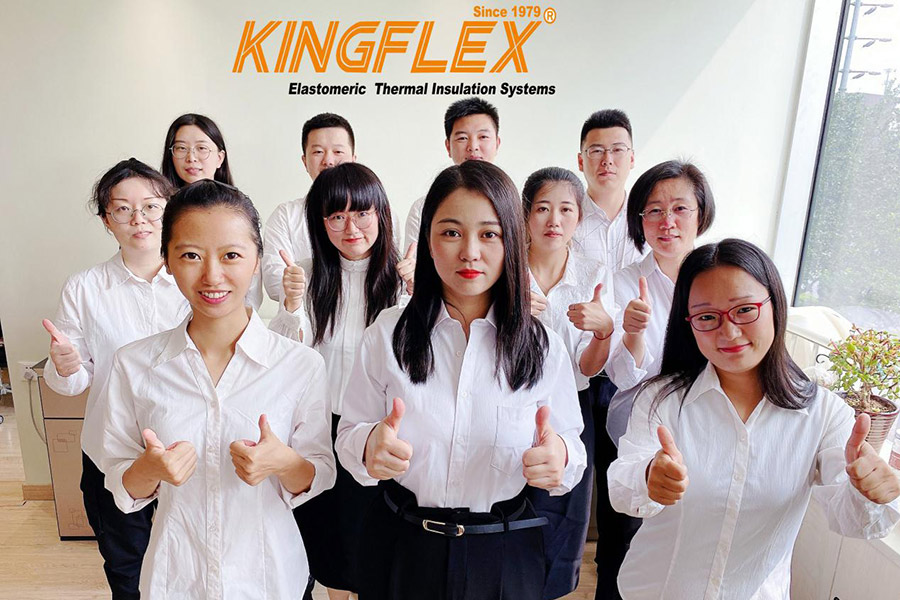
Our workforce is structured to handle custom specifications for large-scale international projects. Our team is focused on delivering reliable customer service and technical support to our clients:
Our elastomeric solutions are deployed across multiple industries, providing noise reduction and thermal management.
Applied to internal and external surfaces of ventilation air ducts to absorb fan noise and prevent low-frequency casing vibration.
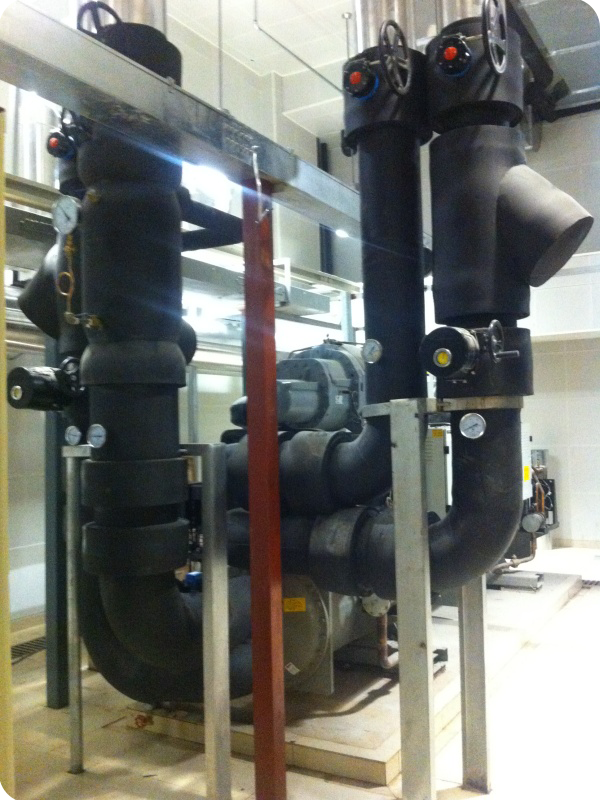
Provides insulation for steam networks, chemical pipelines, and high-pressure fluid loops, helping to prevent freezing and reduce noise.
Designed for walls, floors, and utility chaseways in hotels, healthcare facilities, and offices to reduce sound transmission between spaces.
Reduces structural noise in passenger carriages and protects temperature-sensitive cargo in cold logistics transportation.
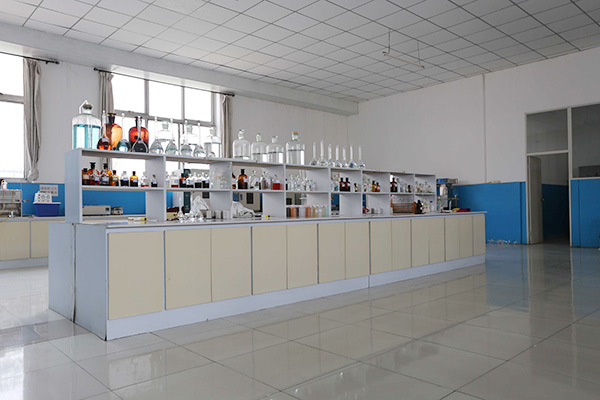
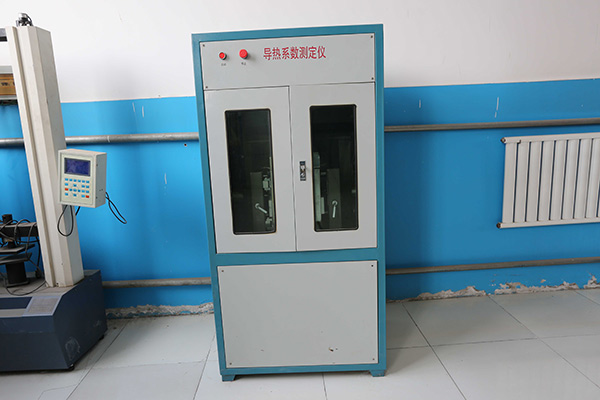
Our research and development processes focus on adapting our materials to meet changing international specifications. Our on-site testing facility is equipped to measure mechanical and thermal properties, ensuring consistent quality:

Our products undergo third-party testing and certification to verify performance and safety compliance across different regional markets:
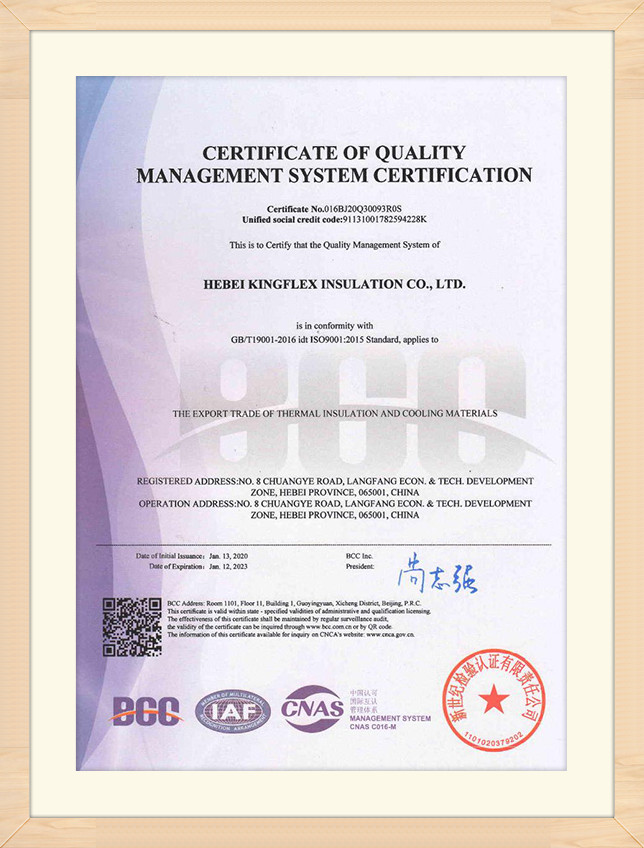


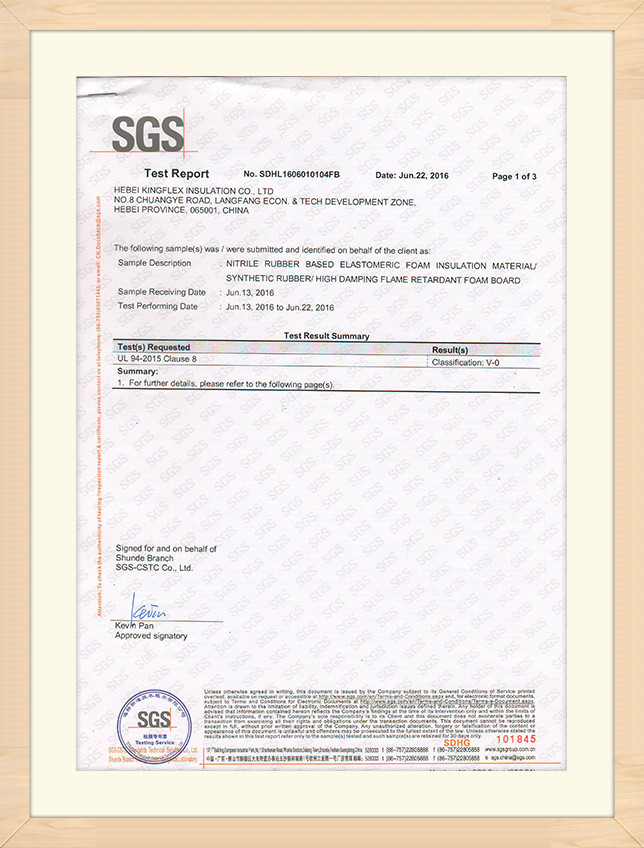
Our formulations comply with BS 476, CE, REACH, ROHS, UL94, and ASTM testing and performance standards.
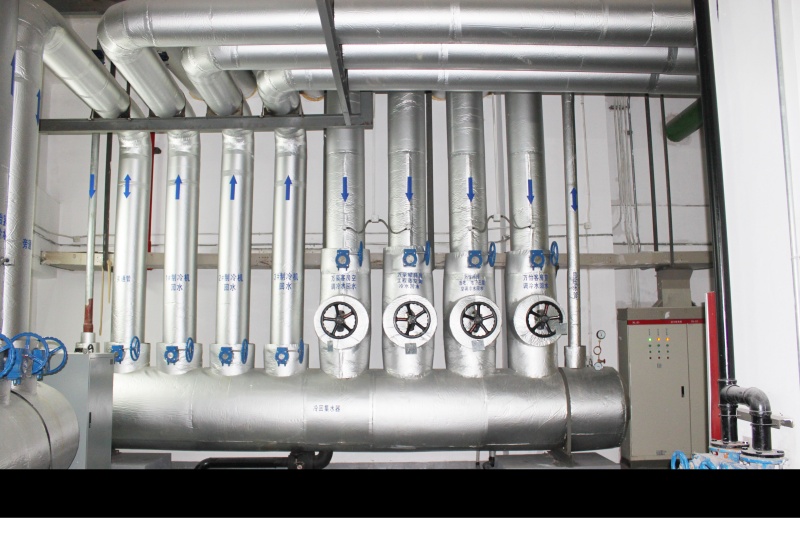
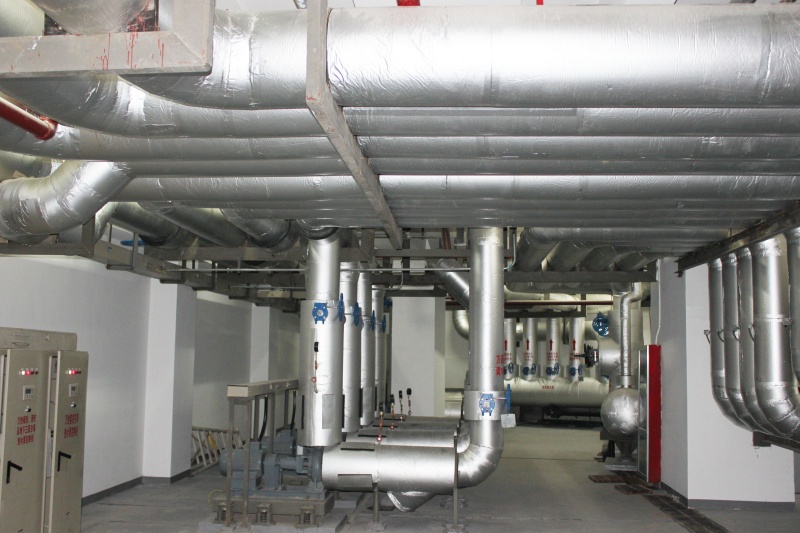
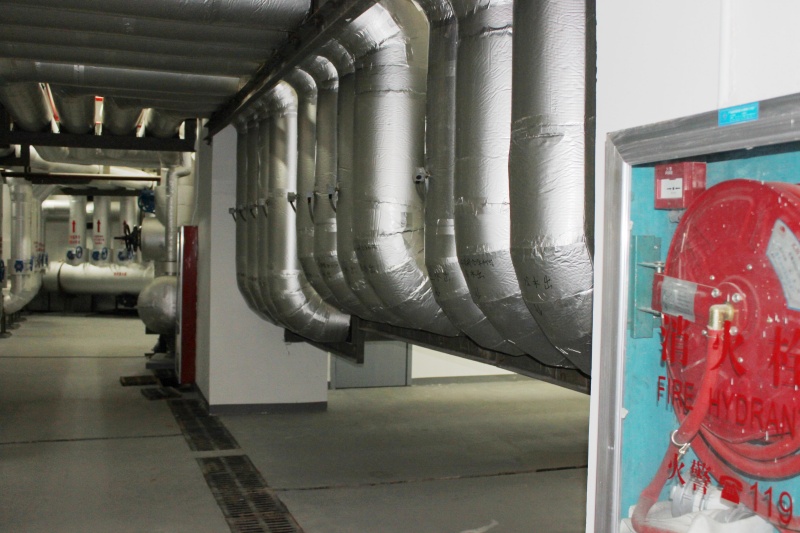
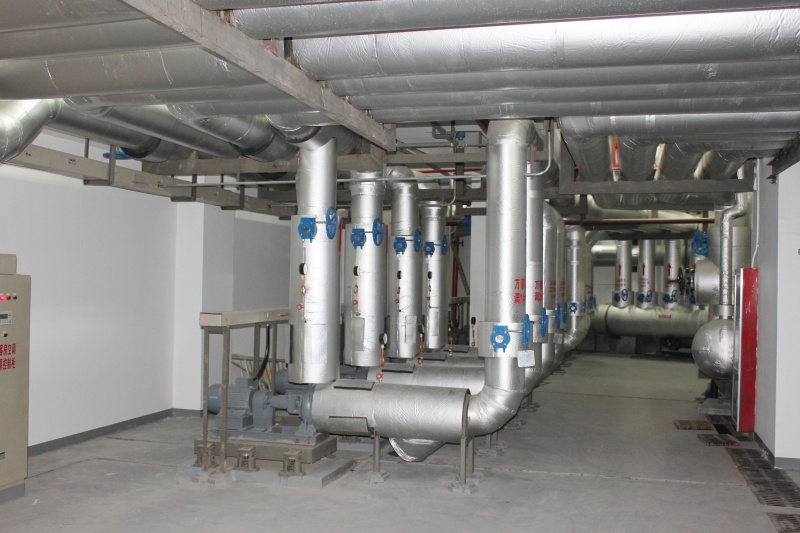
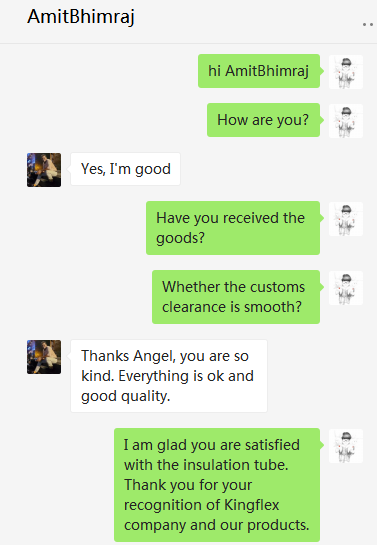
See our materials in use on commercial project sites and read feedback from our international distribution partners.


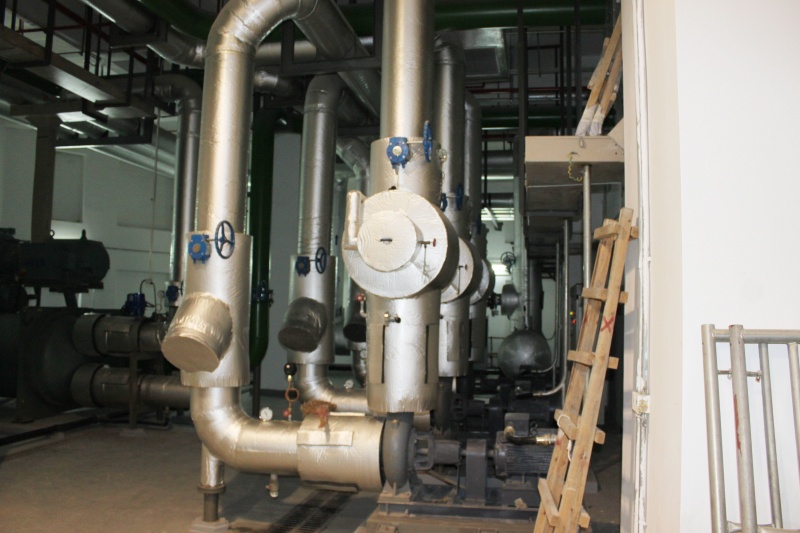
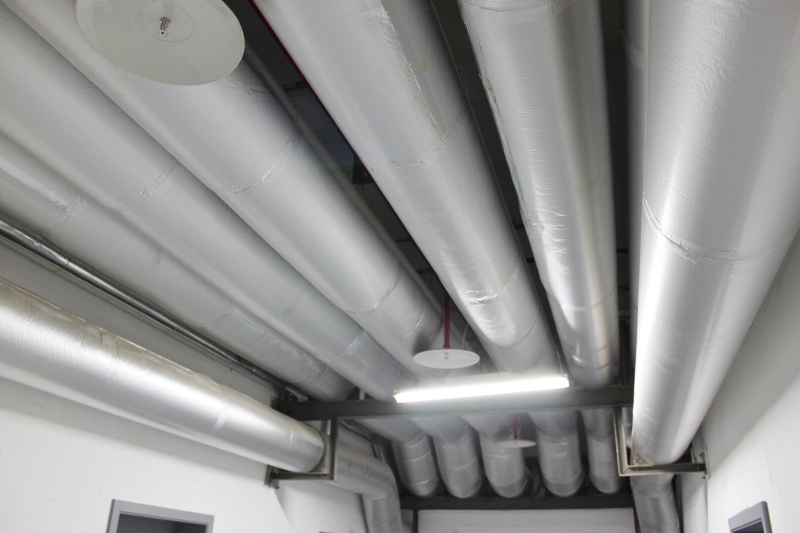

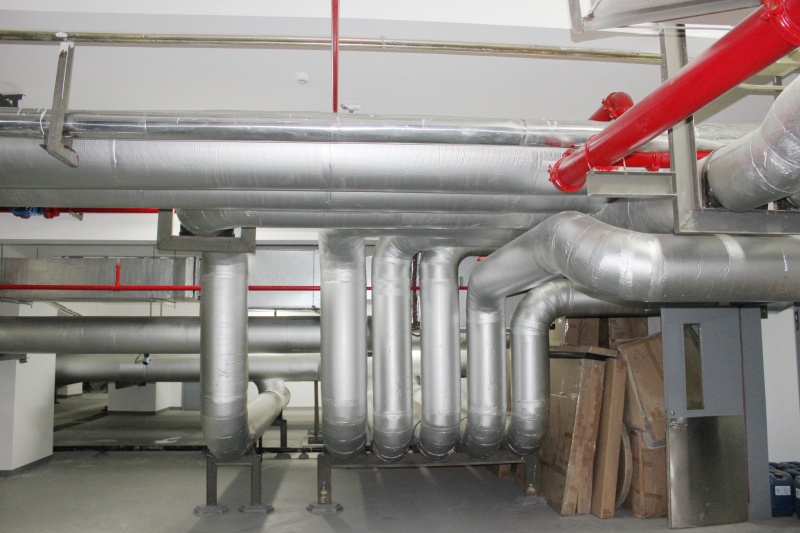
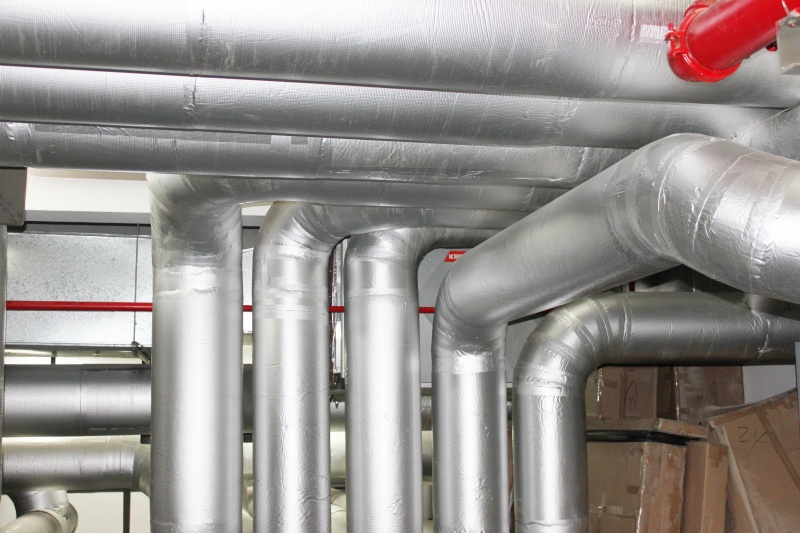






Designing effective acoustic barrier systems requires managing sound wave energy across different media. Sound travels as pressure waves through both air and solid structures. In mechanical rooms and industrial plants, vibration from machinery transfers to structural walls and pipes, radiating as airborne noise. This is called structure-borne sound transmission.
To reduce this transmission, materials must have specific physical properties. Nitrile-based closed-cell foam is formulated to provide these properties:
The NBR/PVC polymer blend is viscoelastic, meaning it has both viscous and elastic characteristics. When mechanical vibration passes through the foam, the molecular chains slide against each other. This internal resistance converts kinetic vibration energy into small amounts of thermal energy, dampening the vibration before it can radiate as noise.
While open-cell materials are typically used to absorb mid-frequency sound waves in open spaces, our high-density closed-cell foam acts as a barrier to block air paths. Sound waves hitting the cell walls are reflected and dispersed, reducing the transmission of noise through the material.
In many industrial systems, piping and ductwork transport chilled or heated fluids. The insulation system must therefore manage both temperature and noise. Our closed-cell structure keeps thermal conductivity low (λ ≤ 0.034 W/m·K) while also reducing noise, protecting against both heat transfer and high sound levels.
Answers to technical and commercial questions about elastomeric acoustic barrier insulation systems.
Browse our range of technical insulation solutions, including cryogenic, sheet roll, and standard pipe options.
 Kingflex