Premium grade closed-cell and acoustic rubber solutions manufactured under strict ASTM and BS standards.

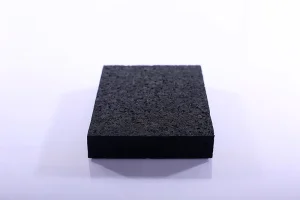
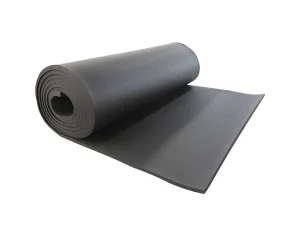
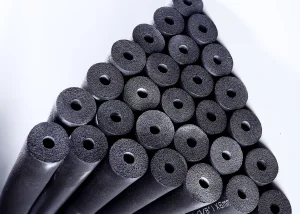
A technical white paper on elastomeric foam thermodynamics and molecular cell configuration.
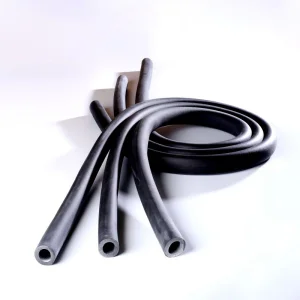
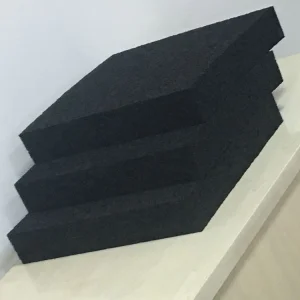
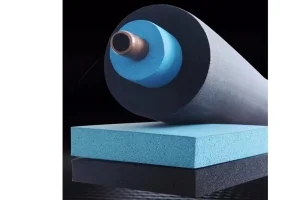
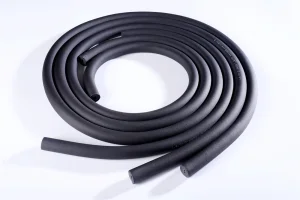
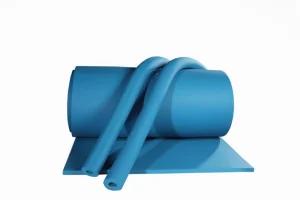
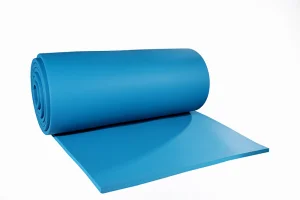
Closed Cell Nitrile Rubber (NBR) insulation represents a cornerstone of modern thermal engineering. By combining Nitrile-Butadiene Rubber with Polyvinyl Chloride (PVC), manufacturers create a highly flexible, elastomeric material containing millions of microscopic, independent gas-filled cells. This cell structure prevents the circulation of gases and drastically slows the transmission of thermal energy. Unlike fibrous open-cell insulations, closed-cell nitrile rubber operates as a dual-action barrier: it inhibits heat transfer while providing an integrated vapor barrier that eliminates the need for auxiliary protective jackets in most commercial indoor applications.
Maintains stable thermal performance with lambda values (λ) down to 0.033 W/(m·K) at 0°C, significantly reducing HVAC energy loss.
Closed-cell structure boasts a water vapor diffusion resistance factor (μ) ≥ 10,000, preventing interstitial condensation and mold development.
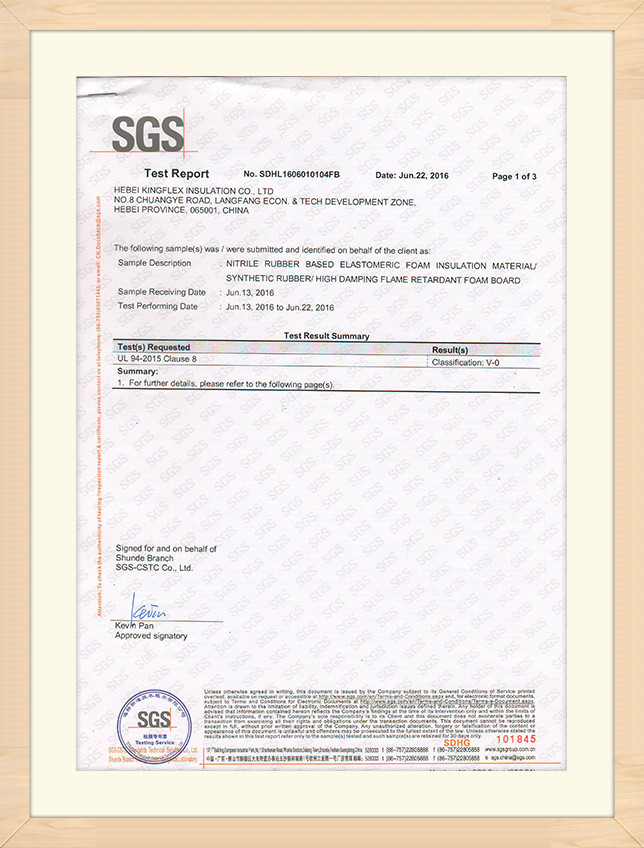
Engineered with flame-retardant additives that comply with BS 476 Part 7 Class 1 and self-extinguishing parameters to protect structural integrity.
The thermal efficiency of Kingflex NBR/PVC elastomeric foam stems from the gaseous contents sealed within its cells. Nitrogen gas generated during the chemical foaming process provides high resistance to thermal radiation and conduction. In structural systems, moisture ingress is the leading cause of insulation failure. When water penetrates insulation, the thermal conductivity increases exponentially because the thermal conductivity of water is approximately 24 times higher than that of still air. By ensuring a closed-cell rate exceeding 98%, our manufacturing process guarantees that moisture remains isolated, maintaining structural performance over decades of continuous operation.
Analyzing key market drivers and application-specific configurations across global supply chains.
The global demand for high-performance closed-cell elastomers is surging, driven by urbanization, commercial construction, and strict environmental directives targeting carbon neutrality. Industrial facility managers and consulting engineers are transitioning away from glass fiber and mineral wool toward elastomeric rubber because of its longevity and ease of installation. Today, modern factories must adapt to complex thermal systems that range from deep sub-zero cryogenics to high-pressure steam distribution.
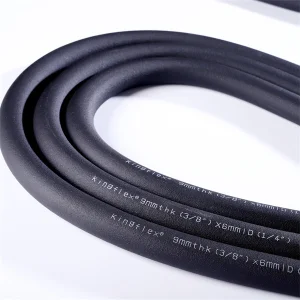
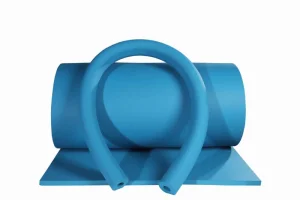
In high-density commercial real estate, cooling systems represent up to 40% of the total energy footprint. Chilled water lines operating between 4°C and 12°C are highly prone to sweating when exposed to warm ambient humidity. Kingflex elastomeric foam pipes prevent condensation and minimize energy gain. Additionally, their inherent flexibility makes them ideal for tight pipe runs typical of Variable Refrigerant Flow (VRF) lines in residential and office high-rises.
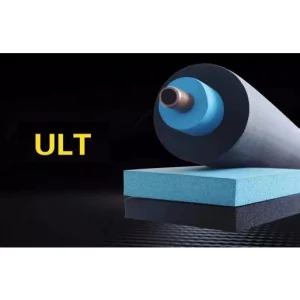
For liquefied natural gas (LNG) and cryogenic processing plants, extreme temperatures present major mechanical challenges. Standard elastomeric materials can become brittle and fracture under thermal shock. Kingflex has developed specialized multi-layer cryogenic insulation configurations featuring synthetic elastomeric rubber that retains flexibility at ultra-low temperatures, preventing stress cracking and keeping process pipelines isolated from thermal infiltration.
Certified properties demonstrating the performance thresholds of our NBR/PVC elastomeric insulation.
| Property | NBR/PVC Pipe Specifications | NBR/PVC Sheet/Roll Specifications | Test Methods & Certification |
|---|---|---|---|
| Density | 40 - 55 kg/m³ | 40 - 55 kg/m³ | ASTM D1622 / ISO 845 |
| Thermal Conductivity (λ) | ≤ 0.035 W/(m·K) at 20°C | ≤ 0.033 W/(m·K) at 0°C | ASTM C518 / ISO 8301 |
| Service Temperature | -40°C to +105°C (up to cryogenic ranges) | -40°C to +105°C | ASTM C411 |
| Water Vapor Permeability | μ ≥ 10,000 | μ ≥ 10,000 | ASTM E96 / BS EN 12086 |
| Fire & Flammability | Class 1 / Class 0 (Pass) | Class 1 / Class 0 (Pass) | BS 476 Part 7 / UL 94 / ASTM E84 |
| Compression Resilience | ≥ 80% recovery rate | ≥ 80% recovery rate | ASTM D1056 |
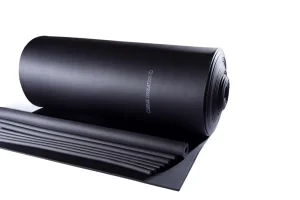
| Dimensions Available | ID: 6mm - 114mm | Thickness: 9mm - 40mm | Width: 1m - 1.5m | Thickness: 6mm - 50mm | Custom lengths and roll options |
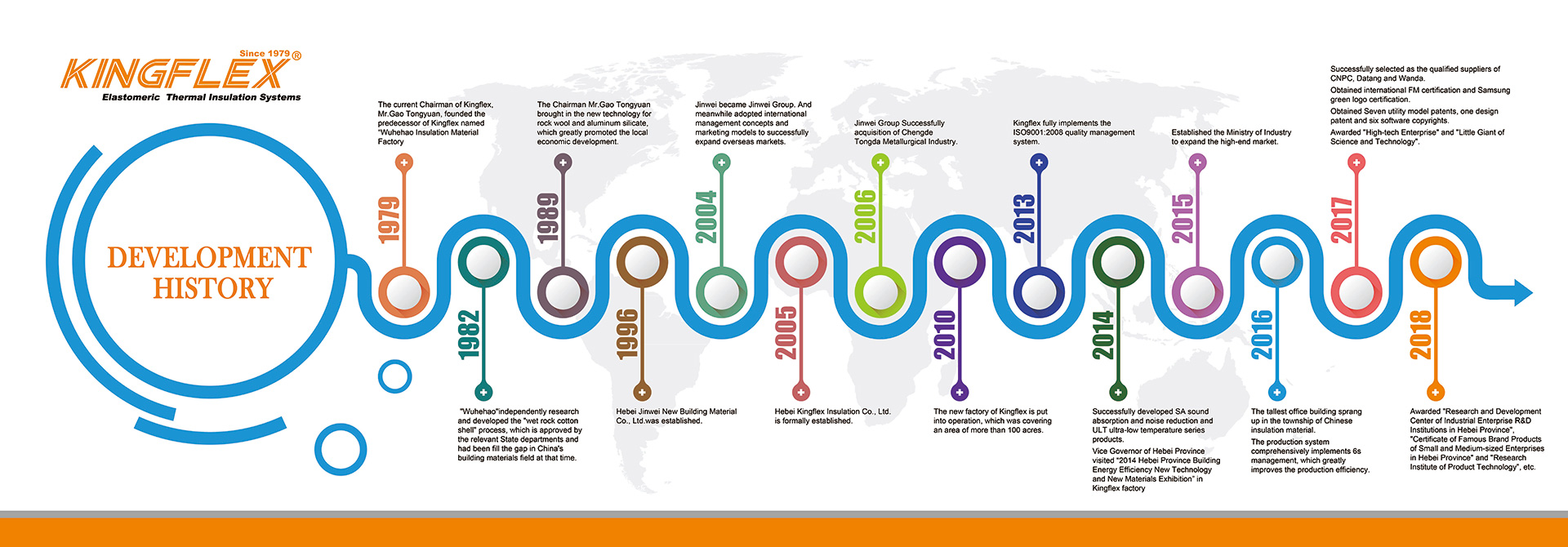
Established in 1979 under Jinwei Group: Leading the thermal insulation industry for over four decades.
Kingflex Insulation Co., Ltd. was established by the Jinwei Group, which holds a proud history of over 40 years in green-building materials manufacturing. Established in 1979, Jinwei Group was the first manufacturer of thermal insulation materials north of the Yangtze River. Today, the modern production facility is located in Dacheng, China, the recognized capital of green building materials.
Currently, the factory operates 5 large automatic assembly lines, generating an annual production capacity of over 600,000 cubic meters. Kingflex is designated as a specialized supplier by the Ministry of Energy, the Ministry of Electric Power, and the Ministry of Chemical Industry, reflecting the brand's reliability in public and industrial infrastructure.

Our commitment to rigorous testing, chemical analysis, and global compliance standards.
Our R&D division is staffed by 8 professional material scientists and engineers focused on polymer optimization. Key priorities include smoke density reduction, flame resistance improvements, and the development of halogen-free options for high-tech manufacturing cleanrooms.
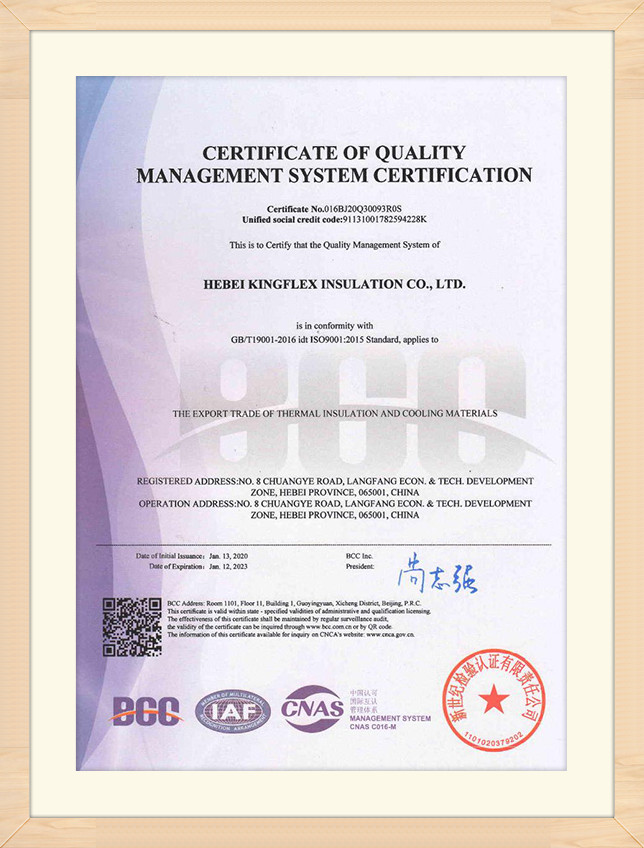
All batches undergo strict quality control testing, including thermal conductivity verification, density consistency tests, and compression resilience evaluations. This diligence ensures our products meet international standards, including BS 476, CE, REACH, RoHS, UL94, and ASTM.
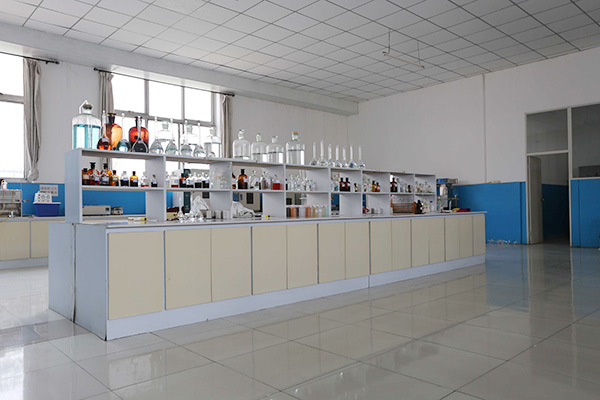

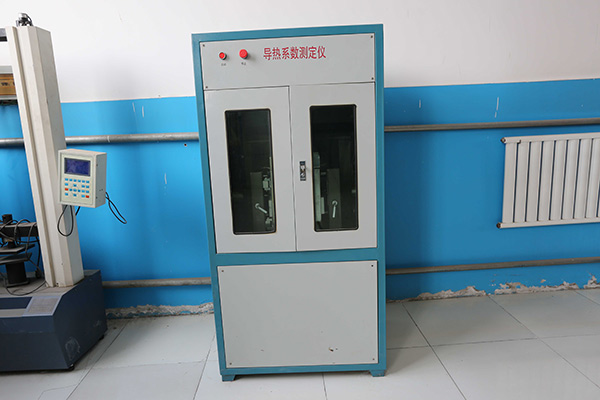
We supply verified documentation and traceability for large-scale municipal, institutional, and commercial projects. Our materials are tested by independent third parties to verify their physical properties under extreme thermal stress.


Our dedicated support team coordinates logistics, provides custom product sizing, and guides installation processes.
Our team includes 6 professional international sales coordinators, 8 R&D engineers, and 230 production workers. We provide full support through design consultations, structural advice, logistics management, and post-sale technical support.
We work directly with engineering, procurement, and construction (EPC) companies, offering tailored solutions, custom packaging, and field training resources for contractors. This hands-on approach helps reduce waste, speed up installation, and lower system operating costs.
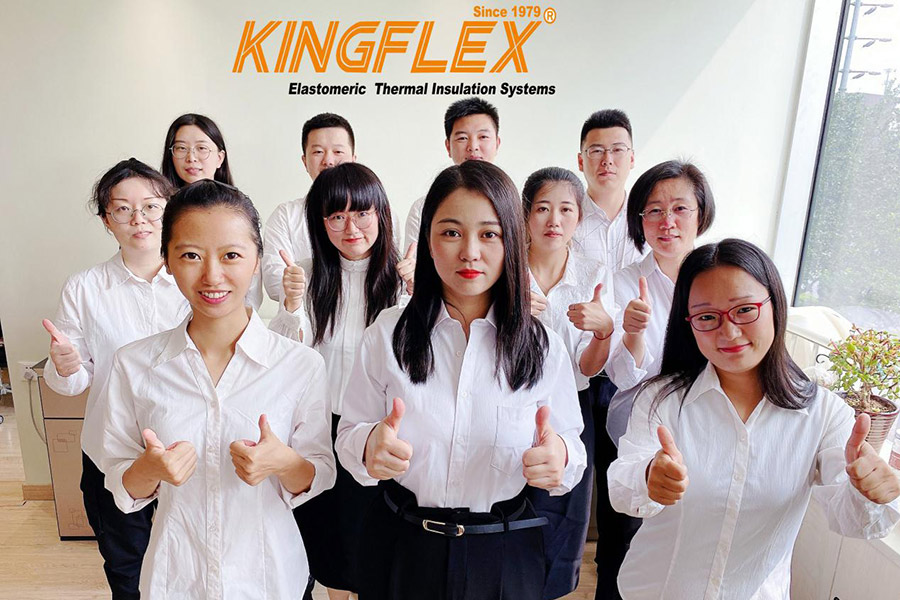
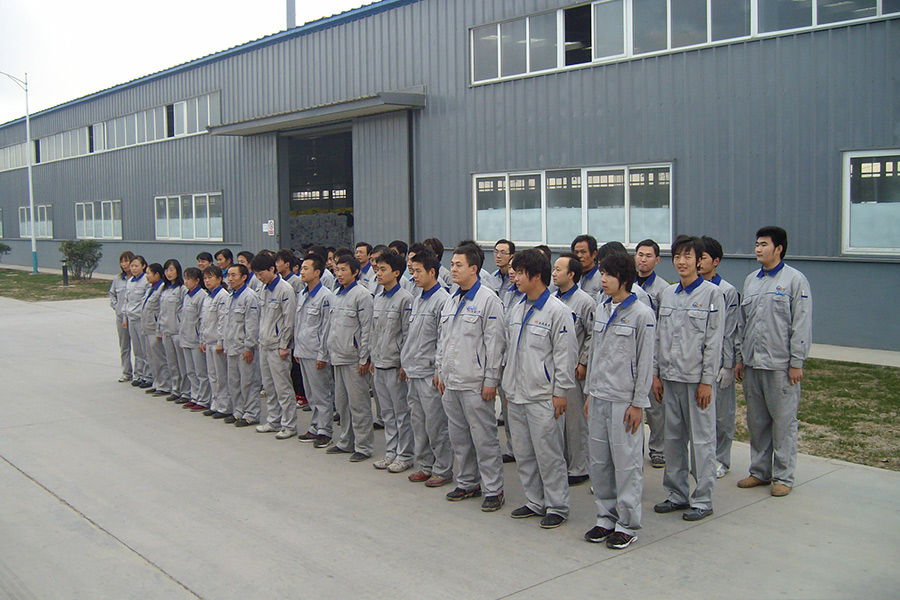

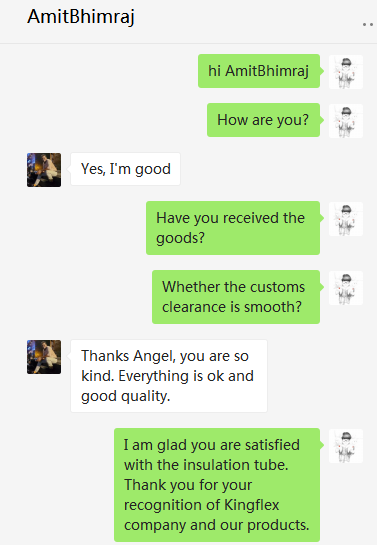
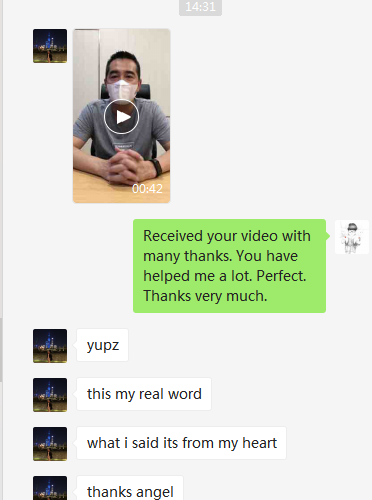
Each batch is traced from raw material mixing to the final shipment. Below are verified records showing our prompt communication and collaborative problem-solving for international infrastructure projects.



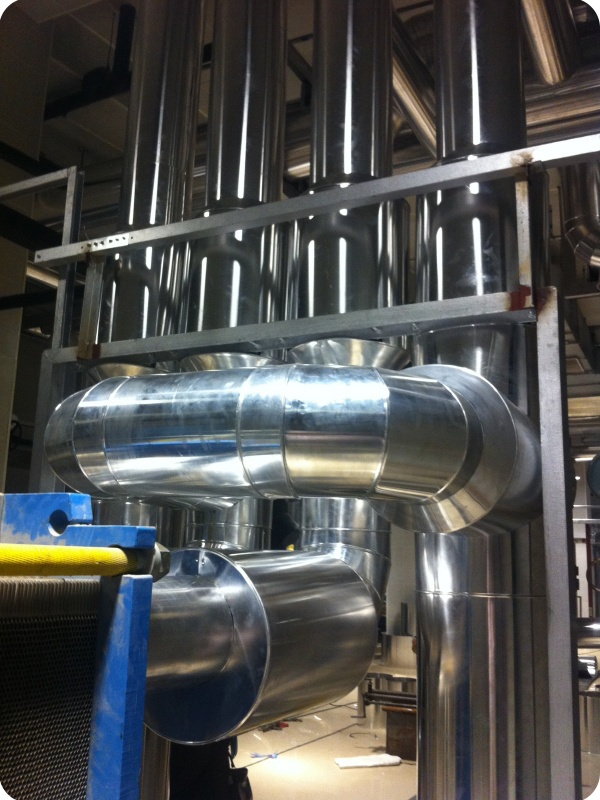
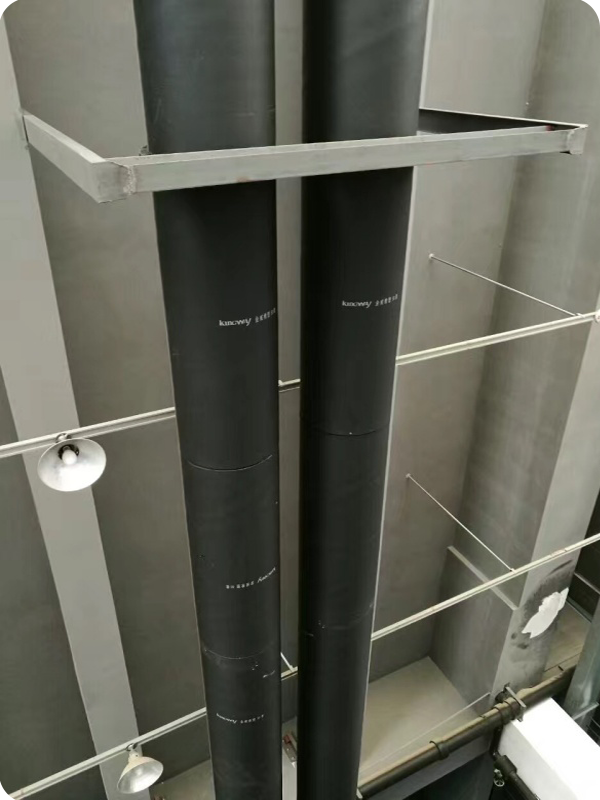
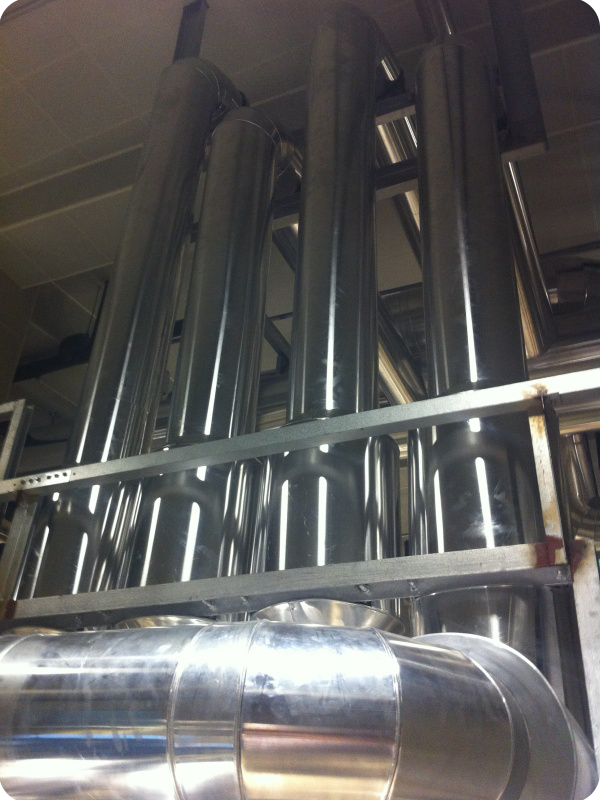
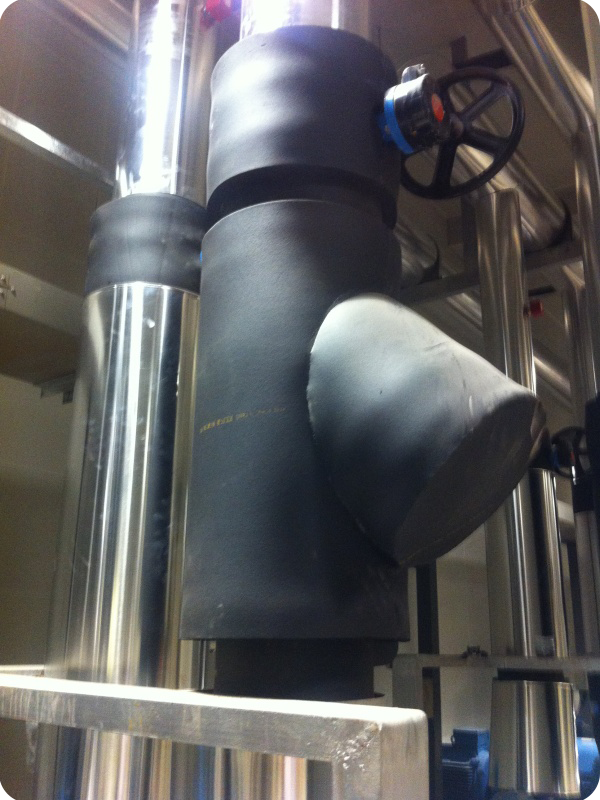
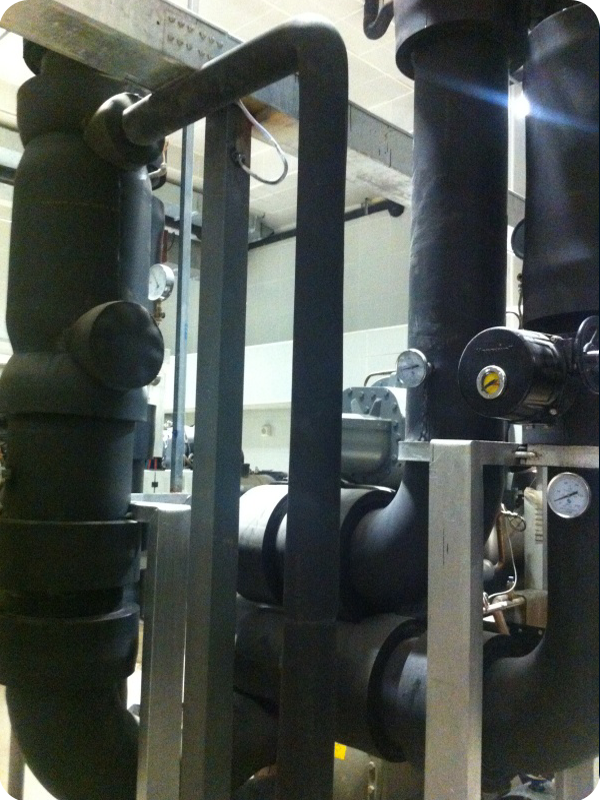
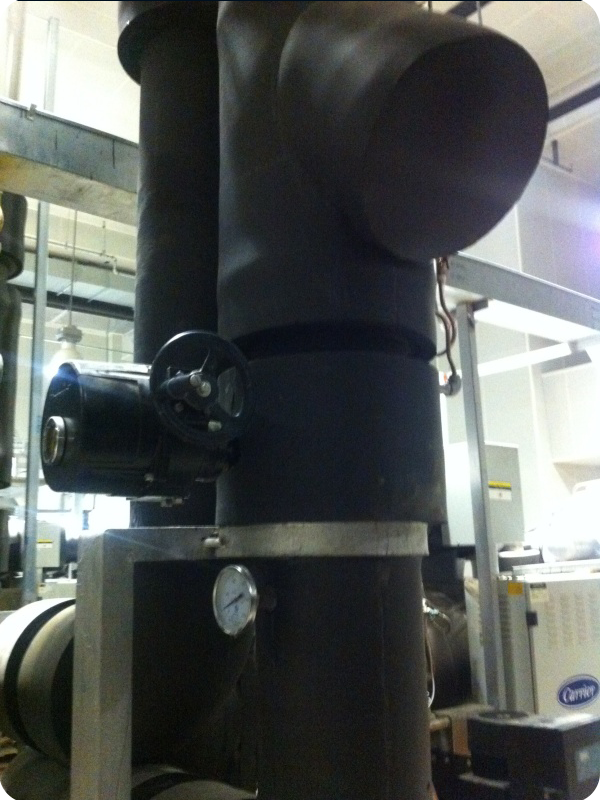
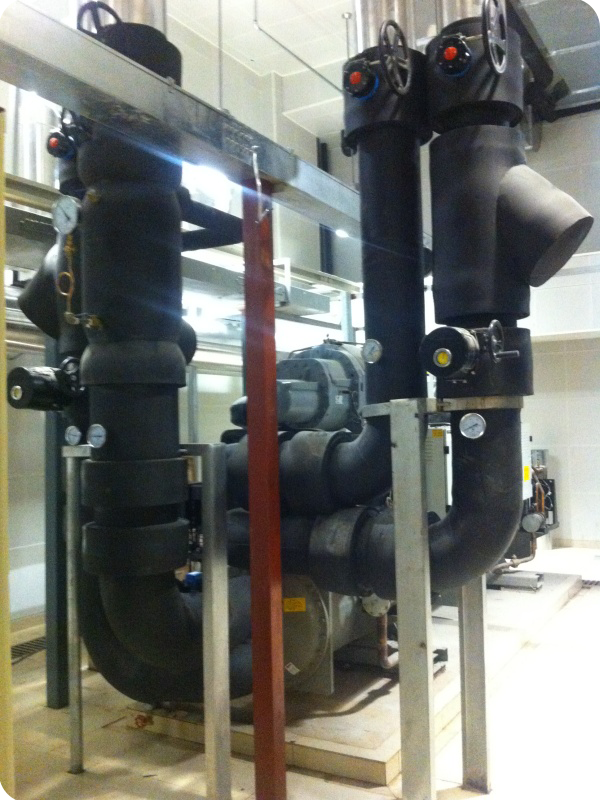
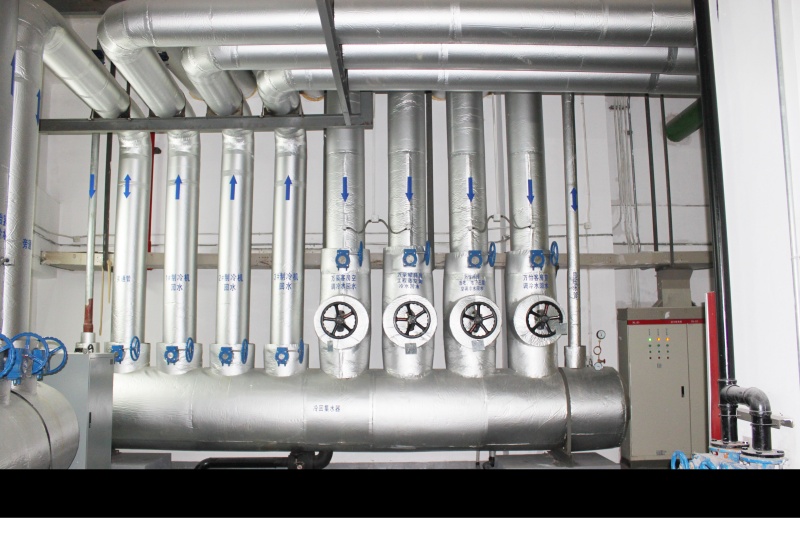
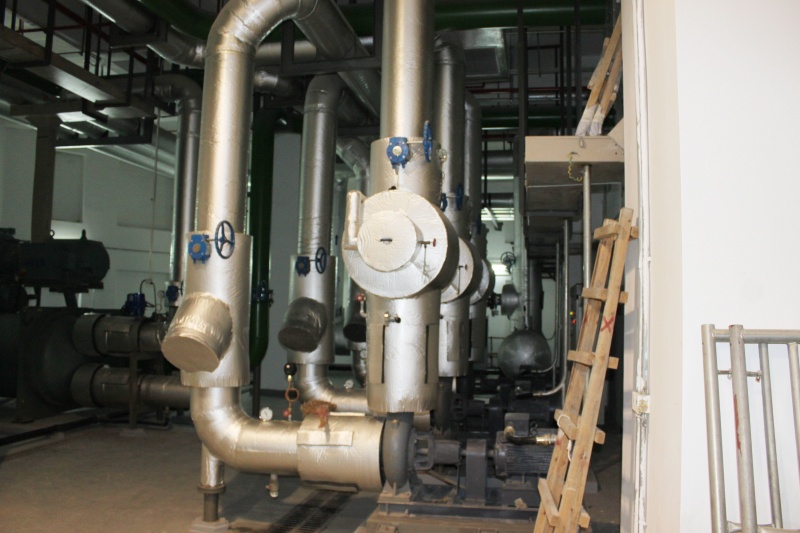
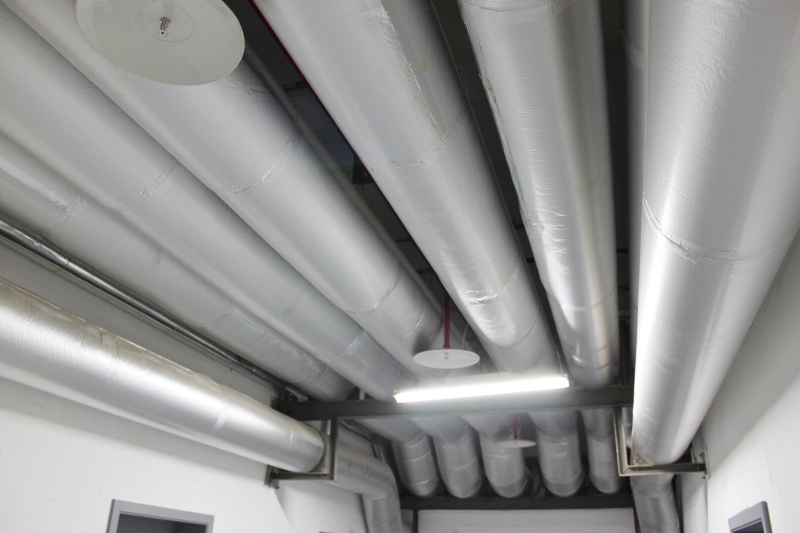
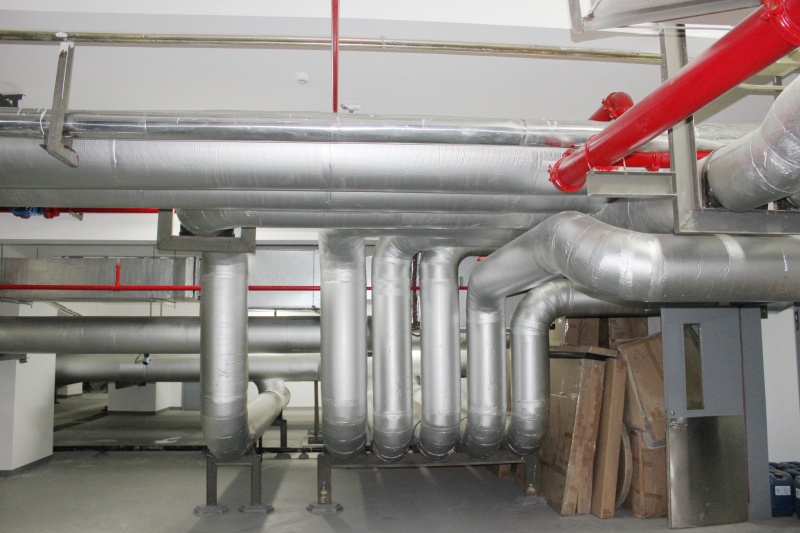
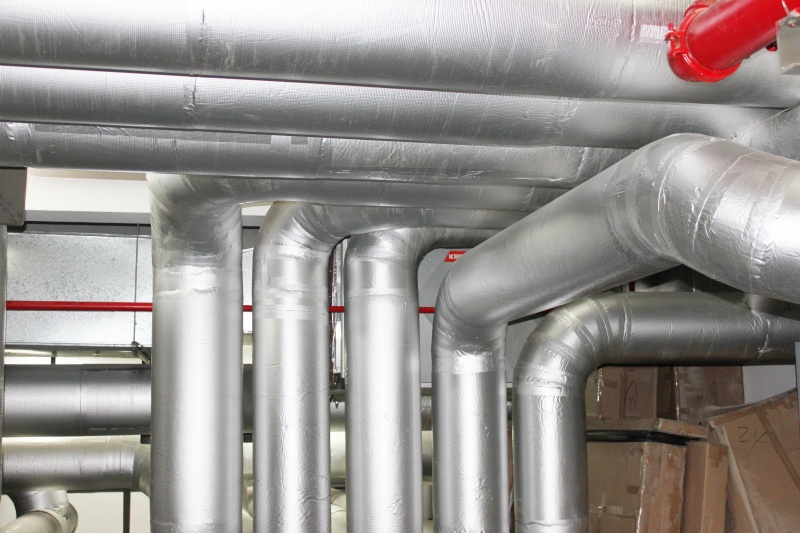
Our products are installed in major civil, industrial, and infrastructure developments around the world.




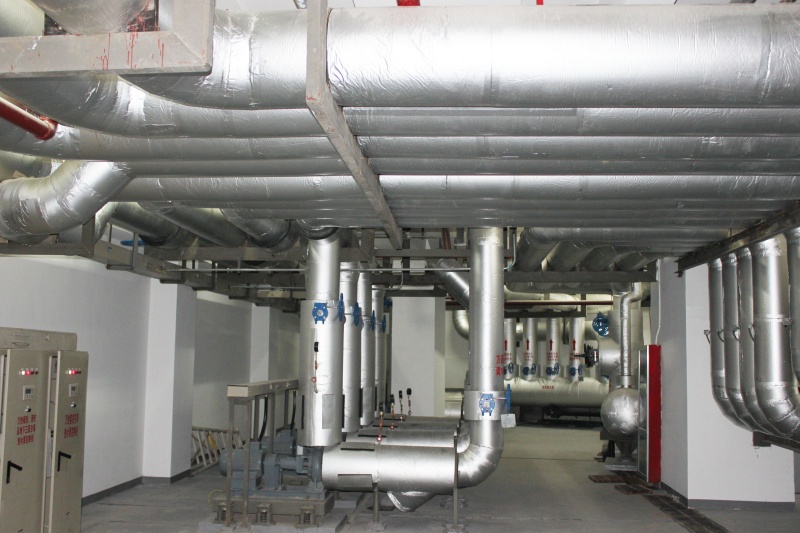
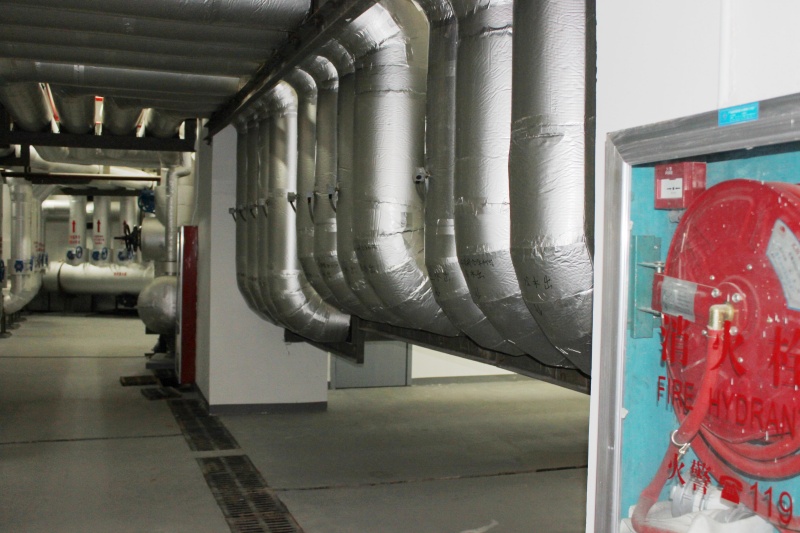
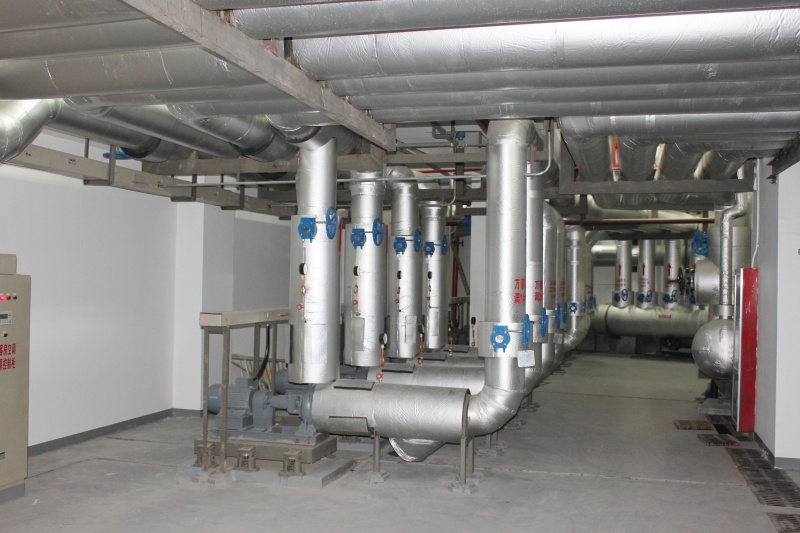

Innovation in material science, environmental compliance, and long-term product durability.
As the construction and HVAC industries transition toward low-GWP (Global Warming Potential) refrigerants and zero-energy building standards, insulation materials must evolve accordingly. Our technology roadmap focuses on structural optimizations to improve thermal performance without sacrificing fire safety.
Our commitment to sustainability extends through all production stages. Our factory recaptures exhaust heat during the foaming process and filters manufacturing runoffs to limit environmental impact, helping partners meet green building requirements like LEED and BREEAM.
Expert answers addressing the selection, engineering specifications, and installation of elastomeric NBR rubber insulation.
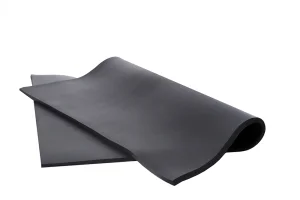
High-performance thermal sheets, cryogenic piping wraps, and density-certified rock wool insulation panels.
 Kingflex