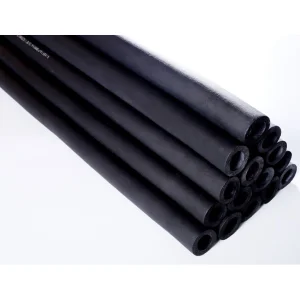
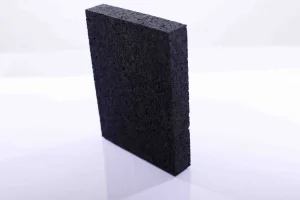
Explore our baseline systems engineered for HVAC ducts, low-temperature cold storage pipelines, and highly critical energy projects.
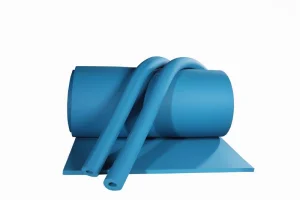
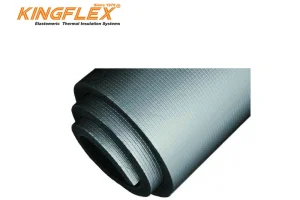
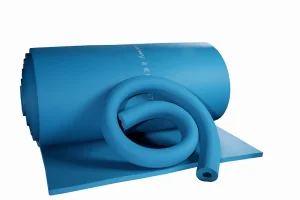
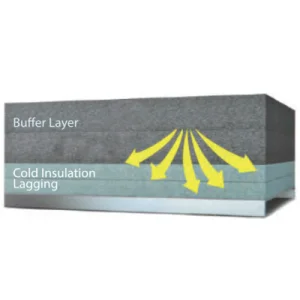
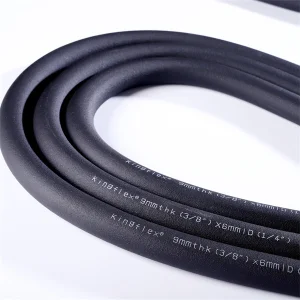
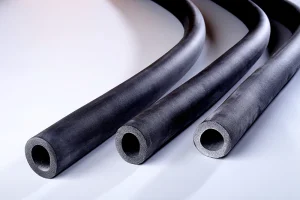
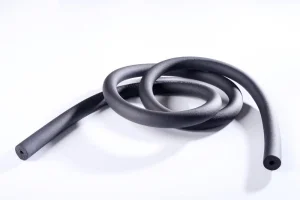
Modern industrial plants and commercial complexes demand extreme thermal control. Fiberglass shell pipe insulation and elastomeric rubber foam insulation represent the apex of thermal engineering, providing massive system protection across various challenging environments.
By preventing thermodynamic transition losses, these high-density shell casings block condensation formation in HVAC setups, preserve energy levels in high-pressure steam conduits, and support massive sub-zero stability in liquid natural gas (LNG) cryogenic processes.
A data-backed comparison of high-temperature fiberglass shell insulation vs. elastomeric rubber foam systems, showing performance ranges across different thermal environments.
| Performance Metrics | Fiberglass Shell Pipe Insulation | Elastomeric NBR/PVC Rubber Foam | Standard Rock Wool Solutions |
|---|---|---|---|
| Service Temperature Limit | -120°C to +450°C | -40°C to +105°C | Up to +650°C |
| Thermal Conductivity (λ) | 0.032 - 0.036 W/m·K at 20°C | ≤ 0.034 W/m·K at 0°C | 0.038 - 0.042 W/m·K at 20°C |
| Moisture Resistance (μ) | Low (Requires Vapor Jacket) | High (≥ 10,000 Closed-Cell structure) | Low (Vulnerable to water saturation) |
| Fire Classification | BS 476 Class 0, Non-combustible | BS 476 Class 1, Self-extinguishing | Class A1 Non-combustible |
| Acoustic Mitigation | High density absorption | Excellent for structural resonance vibration | Good high-frequency reduction |
Future energy footprints require next-generation structural materials. Kingflex’s R&D team is developing zero-emission manufacturing techniques for both fiberglass shell components and closed-cell rubber matrices. Traditional fiberglass structures rely on phenol-formaldehyde binders; our research moves toward bio-based binding chemistry. Concurrently, our elastomeric compounds now feature zero-halogen recipes, eliminating VOC emissions while maintaining fire safety compliance.
By refining cell structures to sub-micron diameters, we increase heat path resistance, ensuring maximum thermal efficiency even in harsh outdoor or marine environments.
Based in Dacheng, China—the green building material production hub—we provide reliable wholesale supply chains globally.

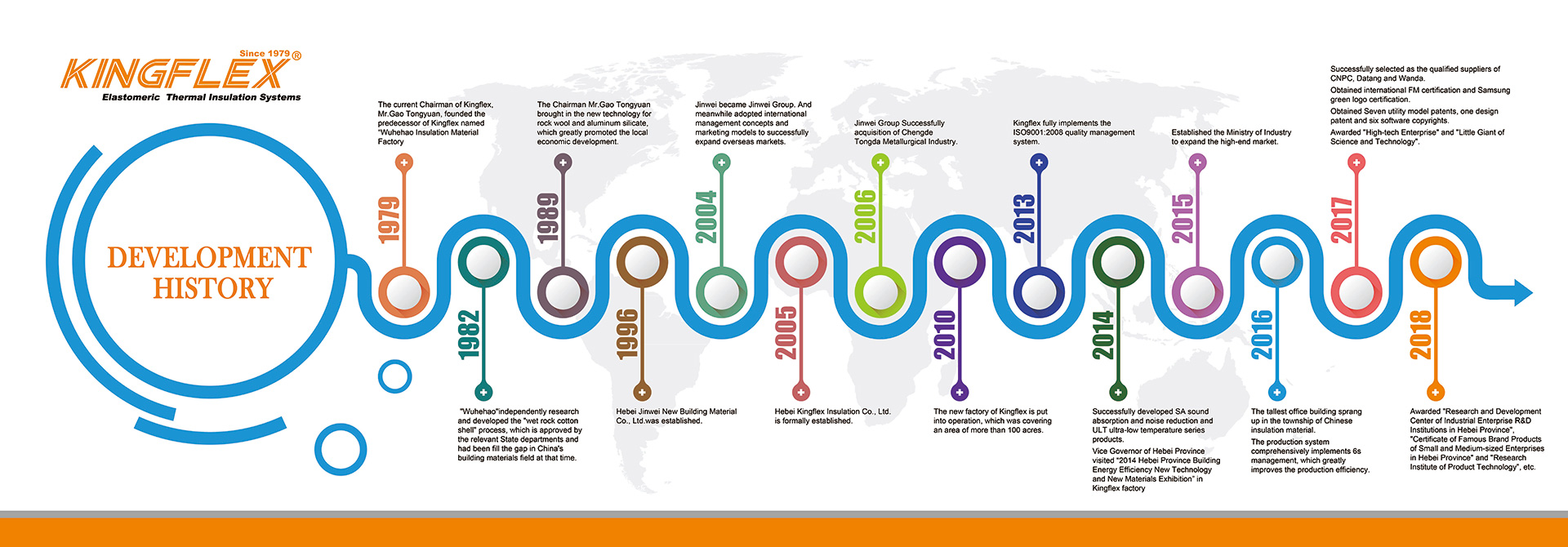
Established under the Jinwei Group (originating in 1979 as a leading northern Yangtze manufacturer), Kingflex has grown into a major energy-saving enterprise. Our operations cover the entire lifecycle: consultation, research & development, automated manufacturing, installation guidance, and dedicated post-sale customer support.
Equipped with 5 large automatic assembly lines, our annual output exceeds 600,000 cubic meters, supplying key infrastructure projects under energy and chemical ministries, with exports reaching over 66 countries.
How we help international buyers minimize procurement risk, verify physical dimensions, and guarantee local code compliance.
We maintain full certification for ASTM, UL94, CE, REACH, RoHS, and BS 476. Whether your project is in the EU, Americas, or the Middle East, our materials meet local environmental and structural codes, ensuring straightforward customs clearance and site acceptance.
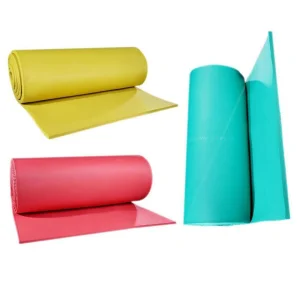
We supply rubber foam sheets from 6mm to 50mm and pipe wall thicknesses from 9mm to 40mm. Our manufacturing lines can customize interior diameters (ID) from 6mm up to 114mm. Facing options, such as reinforced aluminum foil, are available to match custom design specifications.
Every production batch features raw material batch tracking. Under our ISO 9001 structure, we log vulcanization temperatures, density metrics, and foaming ratios, allowing buyers to verify product specifications before dispatch.
Industrial insulation prices depend heavily on raw material cost indexes (NBR, PVC, fiberglass ores) and energy inputs. Sourcing directly from our Dacheng facility allows you to bypass agent markups. We provide dynamic pricing structures based on container volumes (FCL). Contact our sales office for a custom estimate tailored to your project schedule.
Our dedicated workforce and automated production lines ensure consistent quality and scale.

We test every product batch for thermal conductivity, smoke toxicity, and aging characteristics, keeping physical performance within design limits.
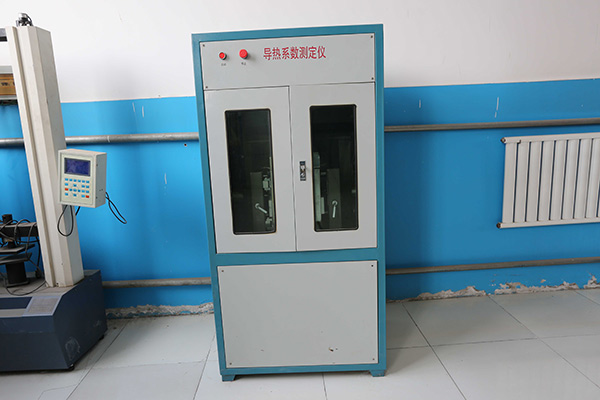
Closed computer-controlled dosing systems manage chemical mixtures to ensure uniform foaming cells and fire performance.
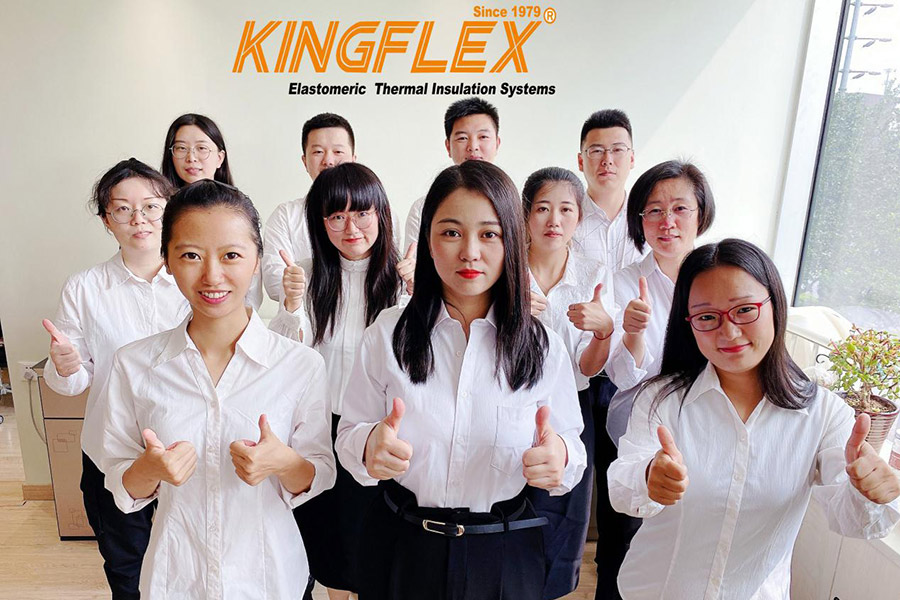
With 8 senior R&D engineers, 6 international trade representatives, and 230 technicians on the line, we deliver consistent, professional support.



Detailed technical answers addressing common inquiries from project engineers and procurement officers.
Explore our acoustic liners, cryogenic rolls, and heavy-duty industrial pipe jackets.
 Kingflex