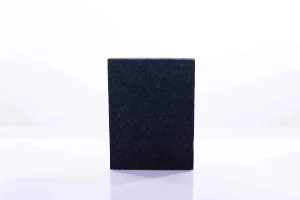
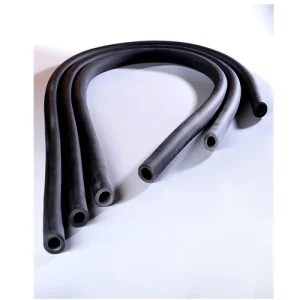
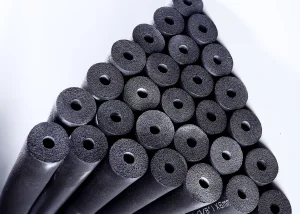
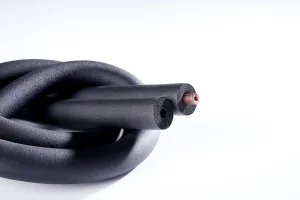
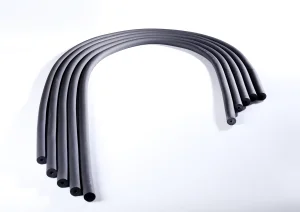
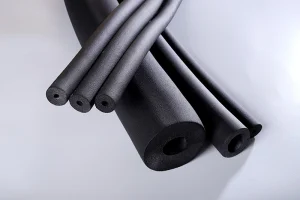
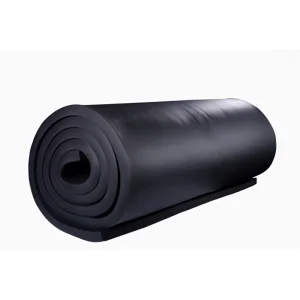
Explore our premium grade closed-cell elastomeric lines engineered for exceptional thermal insulation, acoustic sealing, and safety compliance.
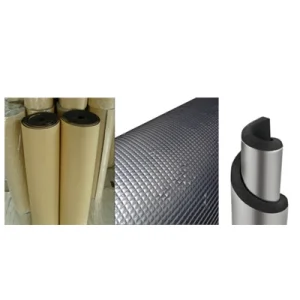
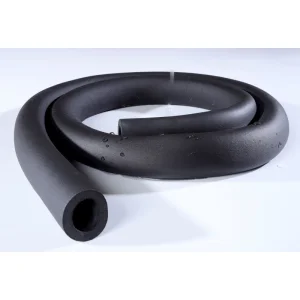
Kingflex Insulation Co., Ltd. is a leading professional manufacturer and exporter specializing in high-performance thermal and acoustic insulation materials. Situated strategically in Dacheng, China—historically celebrated as the green-building materials hub—we integrate comprehensive research and development, smart manufacturing, and dynamic customer-centric global trading operations.
Our enterprise is established under the umbrella of Jinwei Group, a pioneering conglomerate carrying over 40 years of profound industrial heritage. Established in 1979, Jinwei Group achieved monumental stature as the very first manufacturer of thermal insulation materials north of the Yangtze River.
By consolidating energy saving, environmental compliance, and low carbon consumption as our core manufacturing tenets, Kingflex offers bespoke engineering design consultancies, precision R&D prototyping, meticulous post-sale training, and on-site guidance. We continuously drive standardizations across global architectural insulation schemes.

Aligning global supply chains with high-level structural requirements and environmental compliance.
As LEED and BREEAM certifications become architectural standards, multi-national contracting entities require zero-ODP, zero-GWP, low-VOC elastomeric rubber foam to ensure sustainable building credits.
Global commercial projects demand absolute compliance with BS 476 Part 6 & 7 Class 0, ASTM E84 Class A flame spread, and UL 94 V-0 grading to safeguard dynamic human spaces against smoke toxicities.
Process piping in petrochemical and heavy industrial networks struggles with CUI (Corrosion Under Insulation). Utilizing continuous moisture-vapor barriers minimizes thermal degradation over 15+ years of active duty.
Combining state-of-the-art automatic processes with rigorous material testing labs.
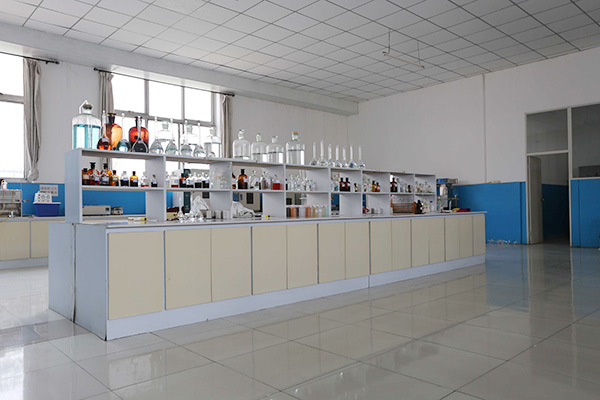

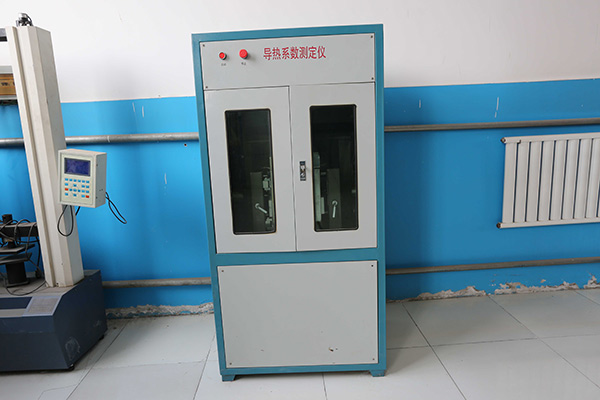
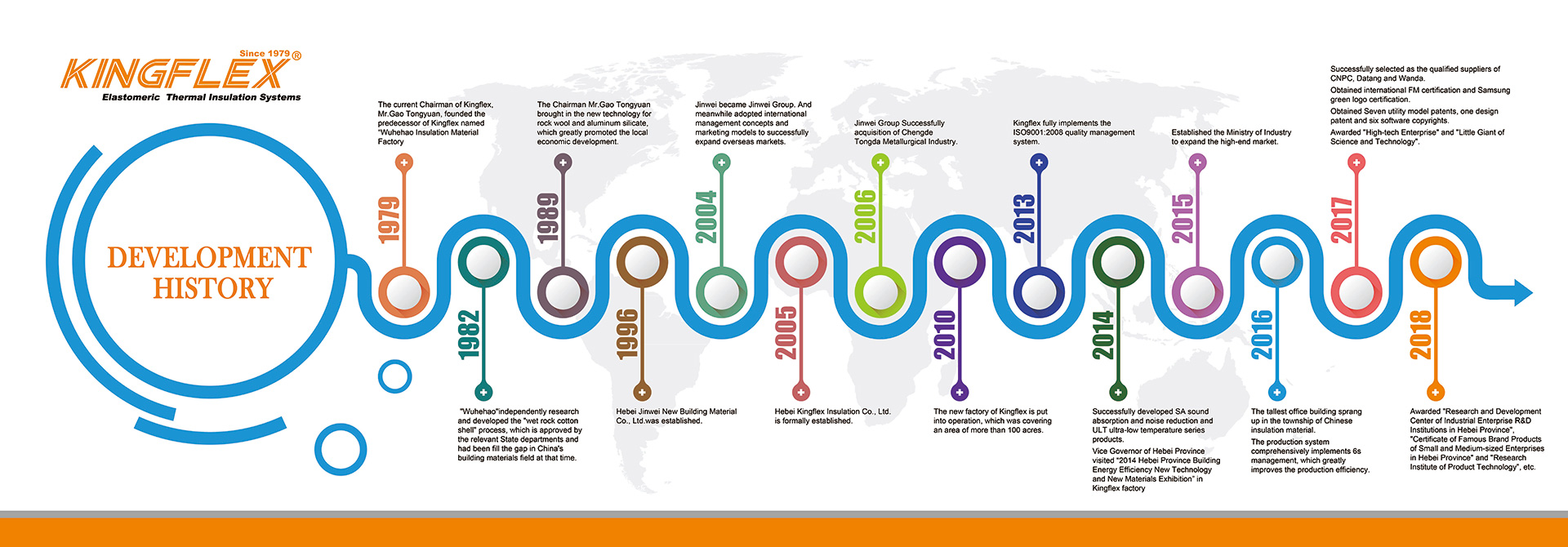
At present, Kingflex operates 5 large-scale automated continuous manufacturing lines. Our engineering layout is designated by the Chinese Ministry of Energy, Ministry of Electric Power, and Ministry of Chemical Industry, validating the superior baseline of our quality control. We empower structural projects globally to attain zero-energy efficiency loss.
Undergo strict examination against physical properties and environmental variables.
| Performance Parameters | Kingflex Standard Values | Test Methodology References |
|---|---|---|
| Base Compounds | NBR (Nitrile Butadiene Rubber) / PVC (Polyvinyl Chloride) Co-Polymer Blend | ASTM Standard Reference |
| Foaming Metrics | Closed-Cell Micro-balloon Structure (Closed-cell rate > 98%) | DIN EN ISO 4590 |
| Core Density Threshold | 40 - 55 kg/m³ | ASTM D1622 / EN 1602 |
| Operating Temperature Bounds | -40℃ to +105℃ (-40°F to 221°F) | EN 14706 / EN 14707 |
| Thermal Conductivity Range | ≤ 0.034 W/(m·k) at 0℃ (≤ 0.24 Btu·in/hr·ft²·°F at 32°F) | ASTM C177 / ASTM C518 |
| Water Vapor Permeability (μ) | High Moisture Resistance Factor (μ ≥ 10,000) | ASTM E96 / EN 12086 |
| Mechanical Recovery (Compression Set) | Resilience Return Rate > 80% | ASTM D1056 |
| Fire Classification Ratings | Class 0 (BS 476 Part 6 & 7) / Class A (ASTM E84) / V-0 (UL94) | UK, USA & Global Building Certifications |
Why does 98% closed-cell structure matter? In open-cell configurations, moisture ingress is inevitable. Water conducts heat 25 times more efficiently than static air pockets. Any moisture absorption instantly degrades the thermal insulation value.
By locking thermal pockets inside specialized, elastomer-thickened cell walls, Kingflex keeps the thermal performance constant. This resilient barrier blocks external moisture from accessing copper or steel core pipelines, solving the industry's CUI challenge.
Exhaustive quality evaluations backed by international regulatory bodies and active customer feedback.
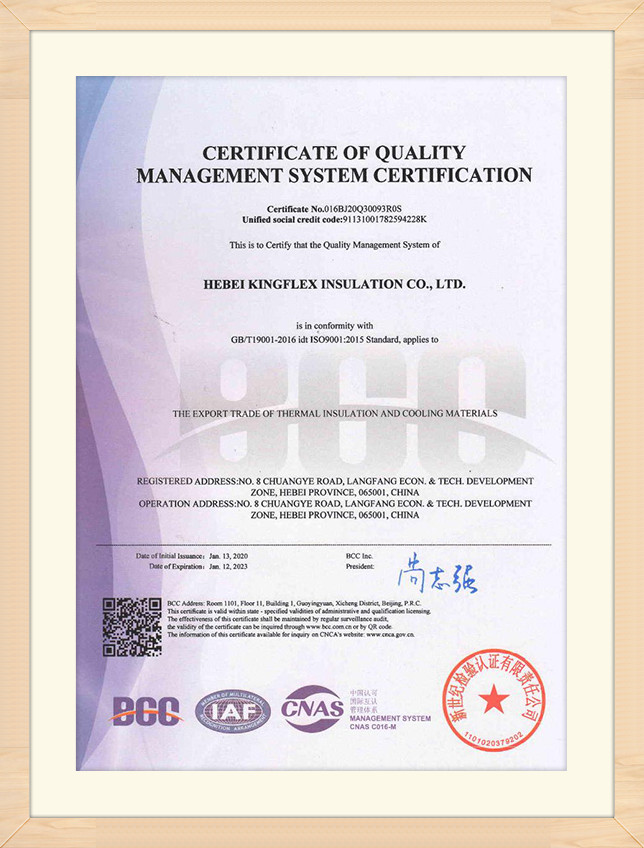


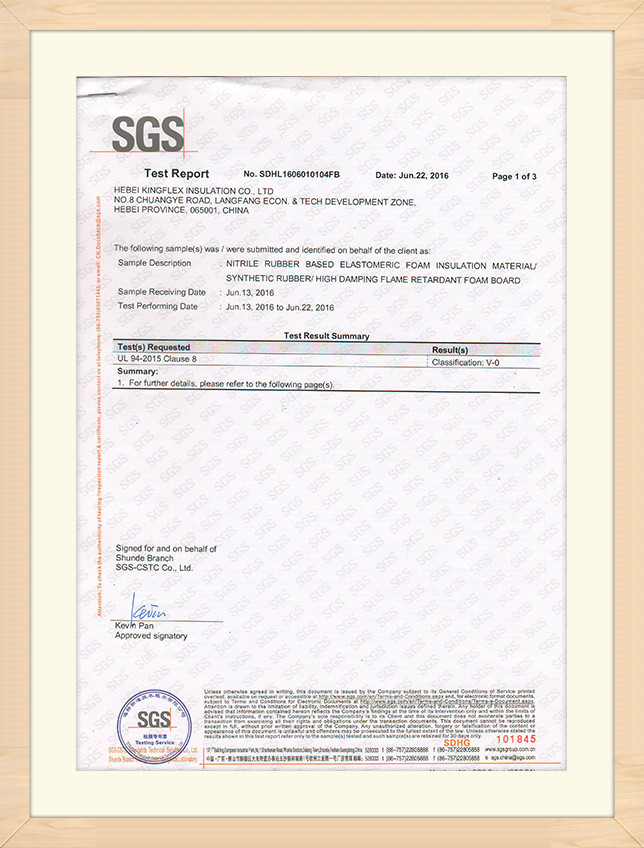
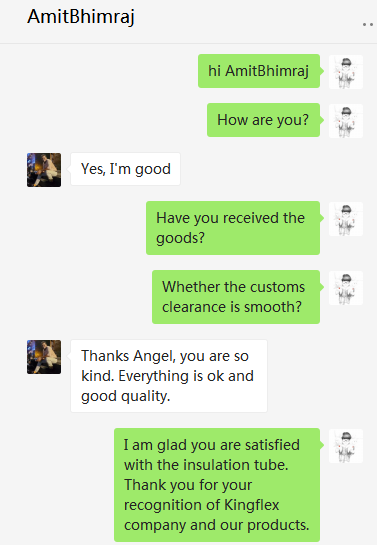
We maintain strict quality control through comprehensive product traceability. This transparency is key to building trust with procurement managers, engineering firms, and global distributors.
Our manufacturing processes follow major global standards, including ISO 9001, CE, RoHS, REACH, BS 476, and UL 94. These credentials ensure worry-free customs clearance and direct alignment with building code compliance in Europe, North America, the Middle East, and Southeast Asia.



Our solutions protect major global commercial and industrial facilities.

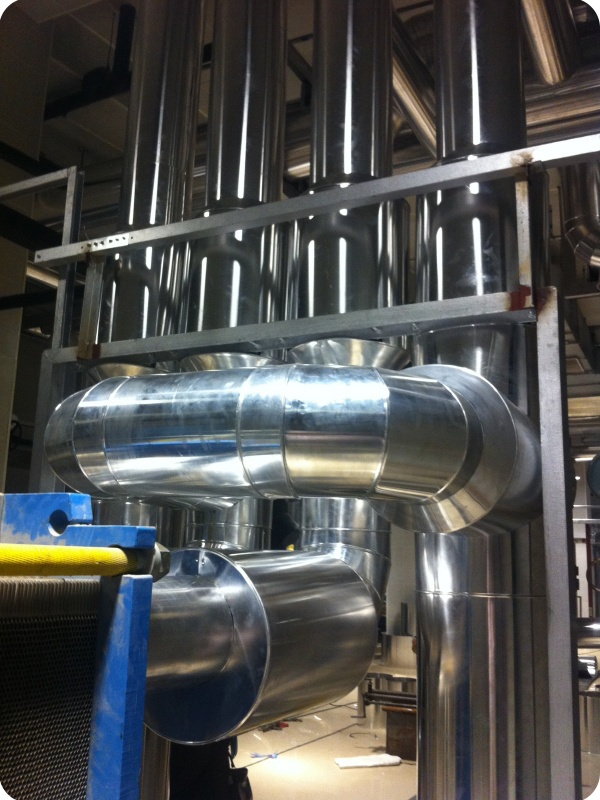
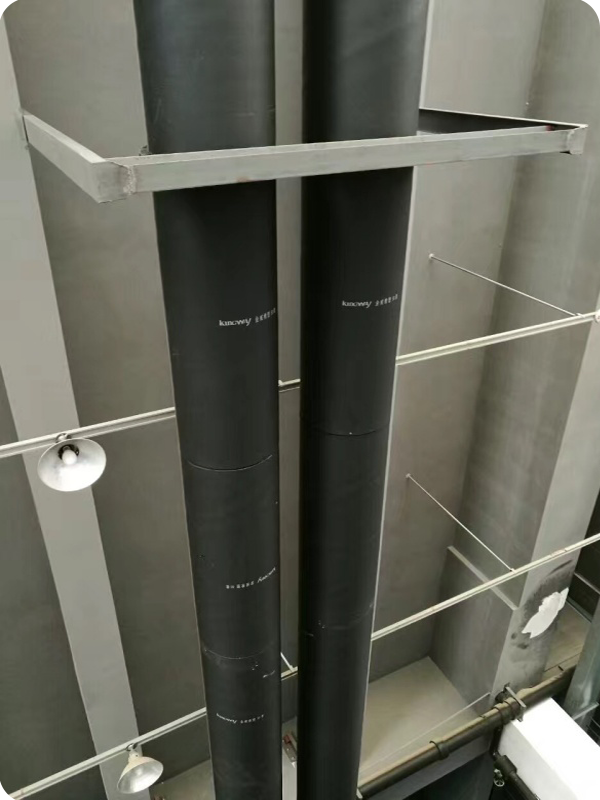
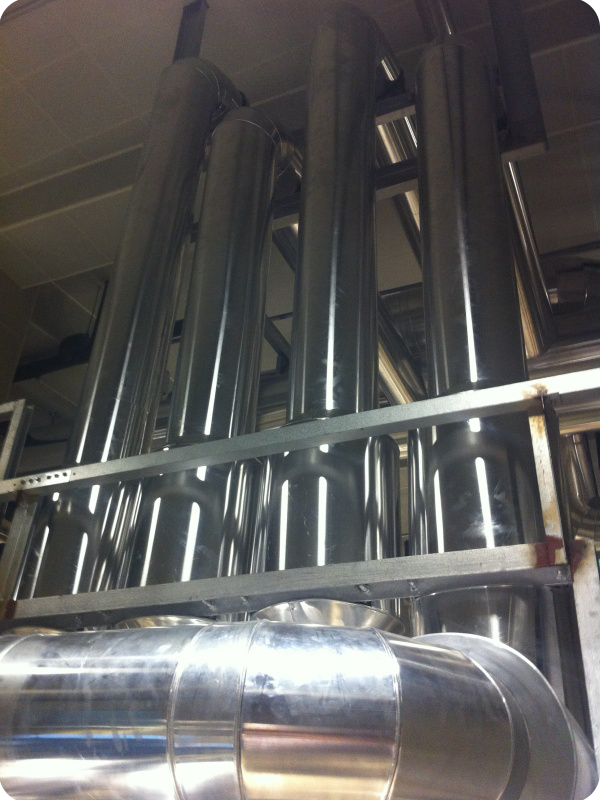
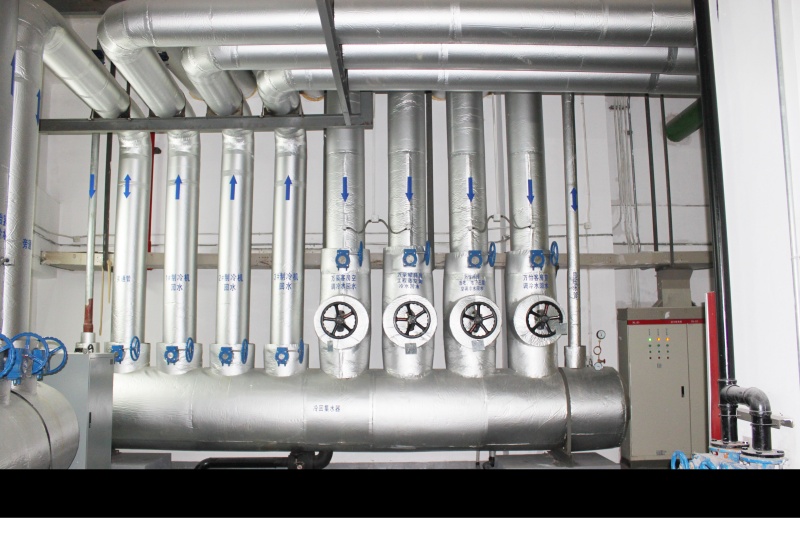


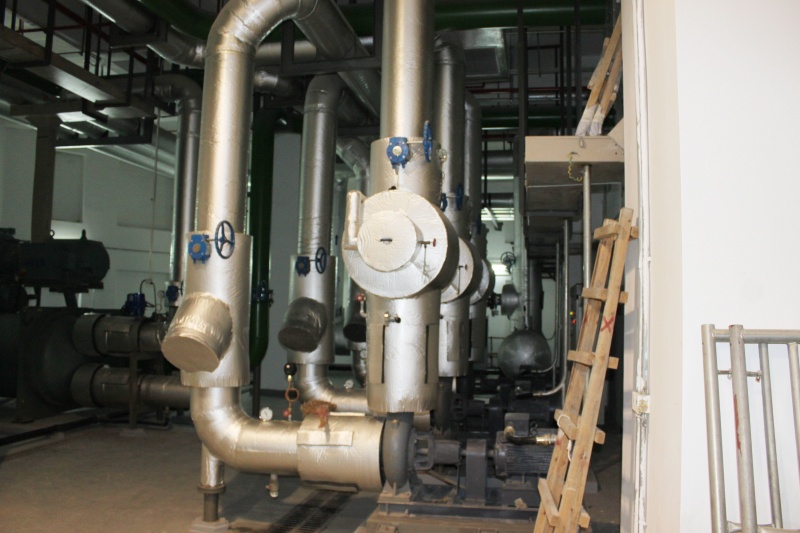
Get authoritative technical advice on using elastomeric rubber foam insulation.
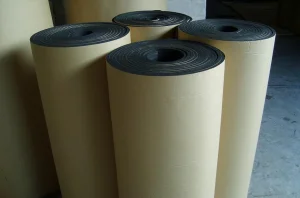
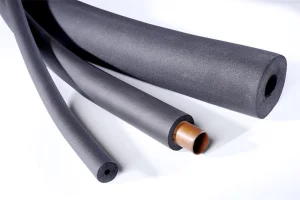
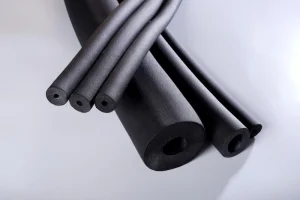
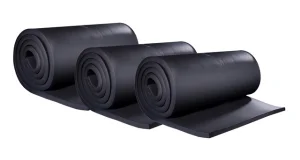
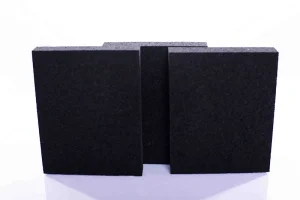
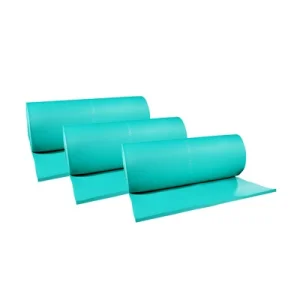
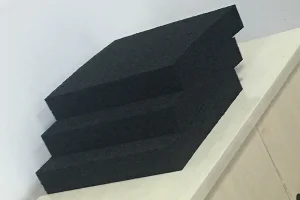
Complete your design with our high-density rubber sheets, pre-cut insulation tubes, and specialty piping sleeves.
 Kingflex