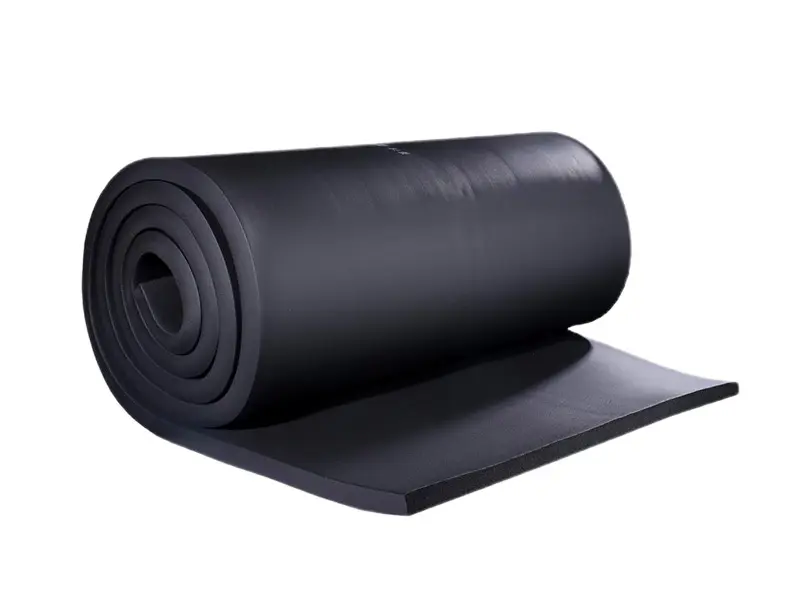
Select from our engineered industrial insulation materials, optimized for extreme temperature control, acoustic damping, and long-term durability.
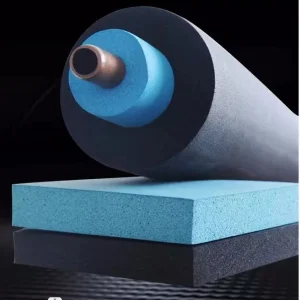
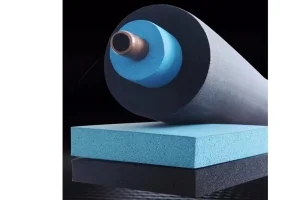
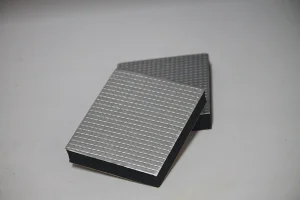
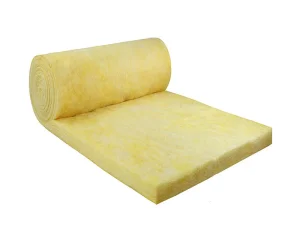
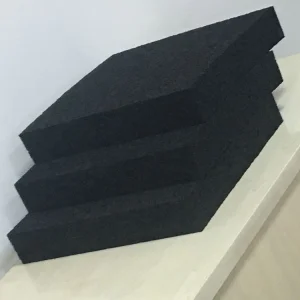
Modern industrial, architectural, and mechanical infrastructure demands superior thermal management technologies. High temperature foam systems, particularly elastomeric closed-cell structures, represent the forefront of this evolution. These materials function as defensive coatings and volumetric barriers designed to prevent thermal bridging, limit energy dissipation, and eliminate issues stemming from moisture infiltration.
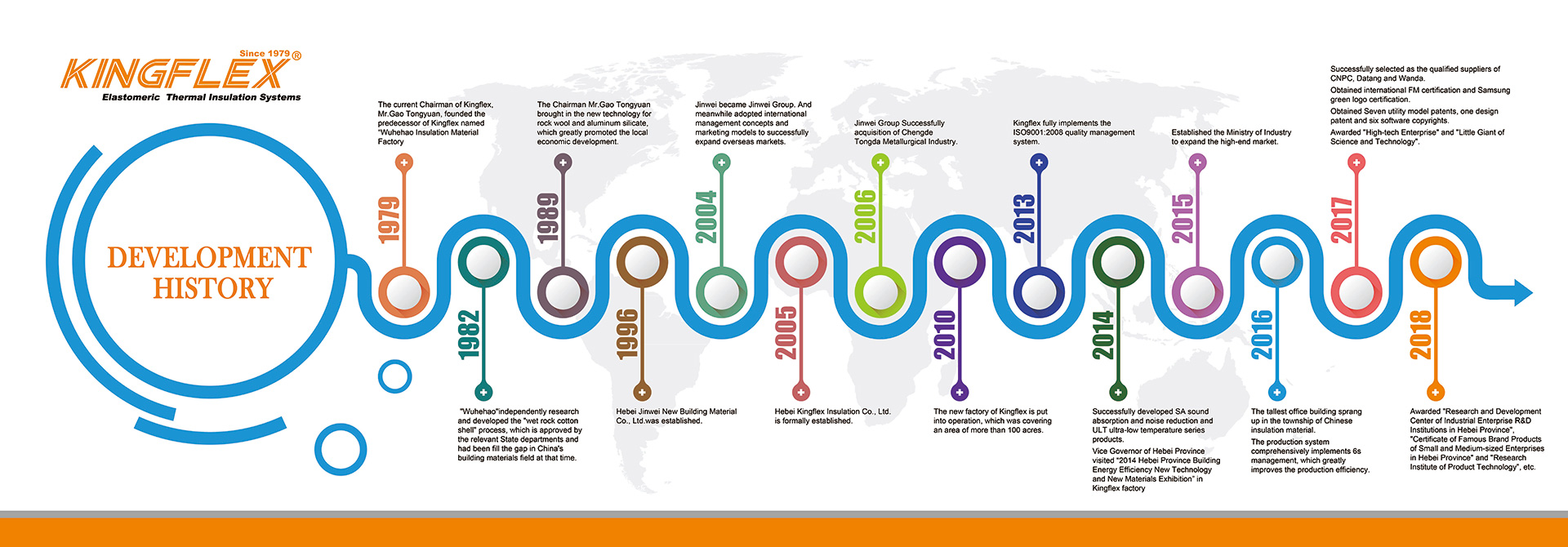
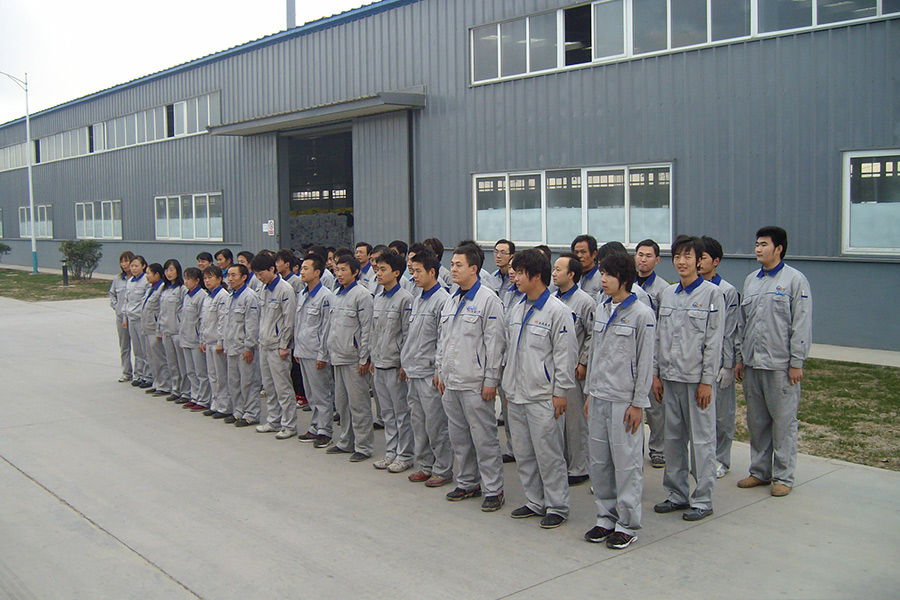
As a leading manufacturing and trading combo, Kingflex Insulation Co., Ltd. integrates production experience, scientific R&D, and custom specification models. Our manufacturing base, located in Dacheng—China's green building materials capital—applies advanced curing processes to produce thermal insulation and acoustic solutions suitable for global distribution.
Our operation prioritizes energy-saving performance and environmental safety. We optimize thermal conductivity (low Lambda values) while improving fire retardancy to exceed modern structural regulations. We provide professional consultation, R&D execution, installation support, and lifecycle monitoring to assist HVAC contractors, industrial managers, and cryogenic facility designers worldwide.

Analyzing macroeconomic changes, supply line dynamics, and structural modifications shaping thermal isolation specifications across continents.
Rapid urbanization and green building compliance standards demand lower vapor transmission rates. NBR/PVC elastomeric foam sheets are preferred for central cooling lines and large-scale ventilation duct networks because they maintain structural flexibility and prevent condensation.
Heavy manufacturing, natural gas transport, and chemical processing facilities require stable performance under thermal stress. Low-temperature and cryogenic pipelines use complex closed-cell polymer networks to prevent cracking, condensation, and chemical corrosion.
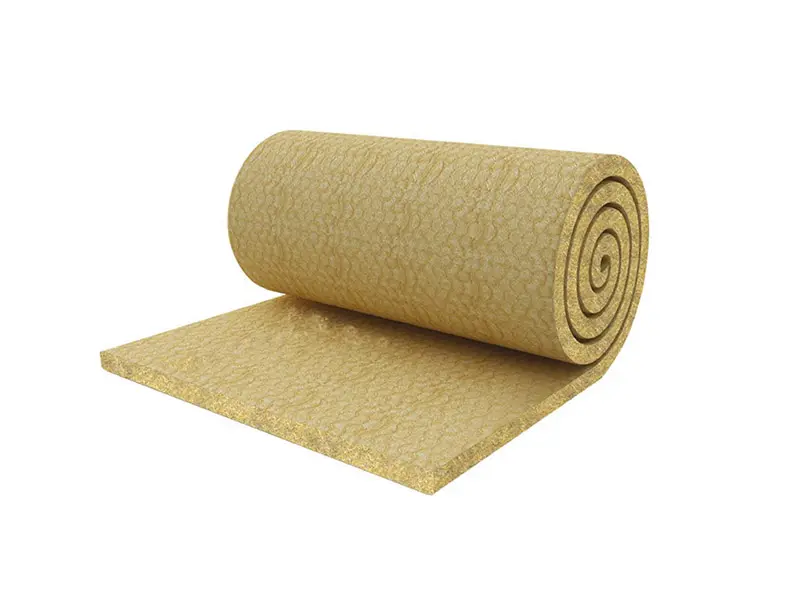
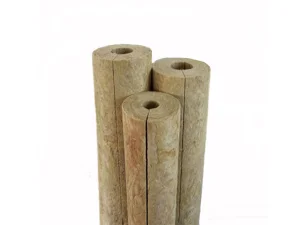
Advanced aerospace vehicles utilize high-temperature elastomeric composites and glass wool blankets for multi-layered thermal management. These materials must meet strict flame-retardant standards (such as BS 476 and UL94 testing) and remain lightweight.
Across Europe and North America, strict decarbonization policies and energy management laws require developers to optimize thermal transport networks. Energy-efficient foam insulation minimizes heat transfer loss in district heating and cooling pipelines. In high-humidity markets like Southeast Asia and Latin America, standard open-cell materials degrade quickly due to moisture saturation. This operational vulnerability has increased the adoption of NBR/PVC closed-cell foams, which have integrated water vapor barrier properties and resist micro-organic growth.
In response to these market changes, Kingflex operates five automated production lines producing over 600,000 cubic meters annually. This scale provides global supply reliability for large-scale infrastructure projects. Our facilities are authorized by national energy and chemical regulators to supply critical public works, highlighting our capability as an industrial manufacturing partner.

Standard performance specifications for Kingflex NBR/PVC elastomeric rubber foam sheets and insulation tubes.
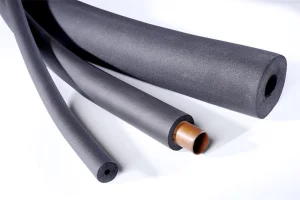
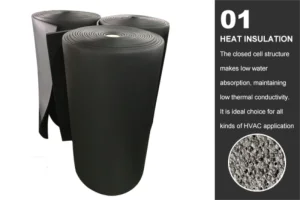
Our high-temperature and cryogenic elastomeric foams are produced using a precise blending process of Nitrile-Butadiene Rubber (NBR) and Polyvinyl Chloride (PVC). This composite is expanded with nitrogen gas under high pressure. The resulting cell matrix contains over 98% closed cells, trapping dry air inside micro-compartments.
This closed structure prevents water vapor migration, maintaining a high moisture resistance factor (mu-value). Unlike open-cell products, our foam does not require an external vapor barrier to resist moisture absorption, preventing corrosion under insulation (CUI).
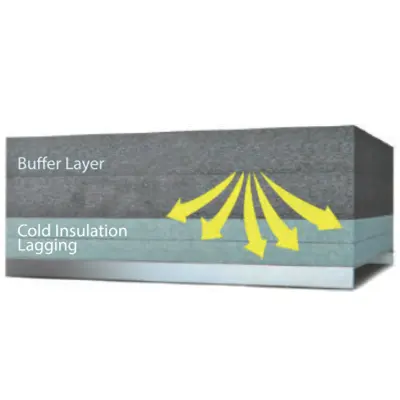
Additionally, the NBR/PVC matrix provides elastic mechanical properties. It absorbs structural vibrations, reduces sound transfer in metal duct systems, and resists cracking caused by pipeline movement.
| Performance Metric | Kingflex Standard Spec |
|---|---|
| Material Formulation | Premium NBR/PVC Elastomeric Rubber |
| Cell Structure | >98% Closed-Cell Matrix |
| Density Range | 40 - 55 kg/m³ |
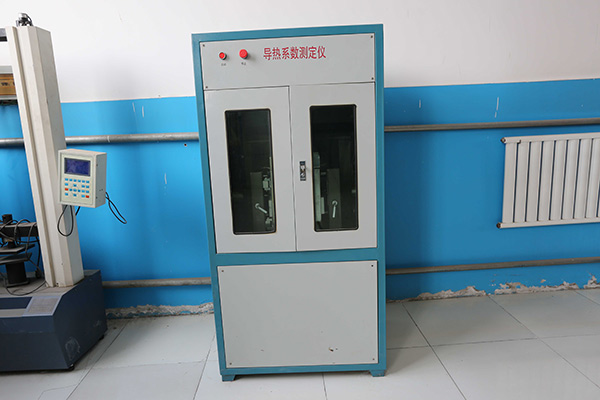
| Thermal Conductivity (λ) | ≤ 0.035 W/(m·k) at 0°C |
| Operational Temperature | -40℃ to +105℃ (Extended for Cryogenic) |
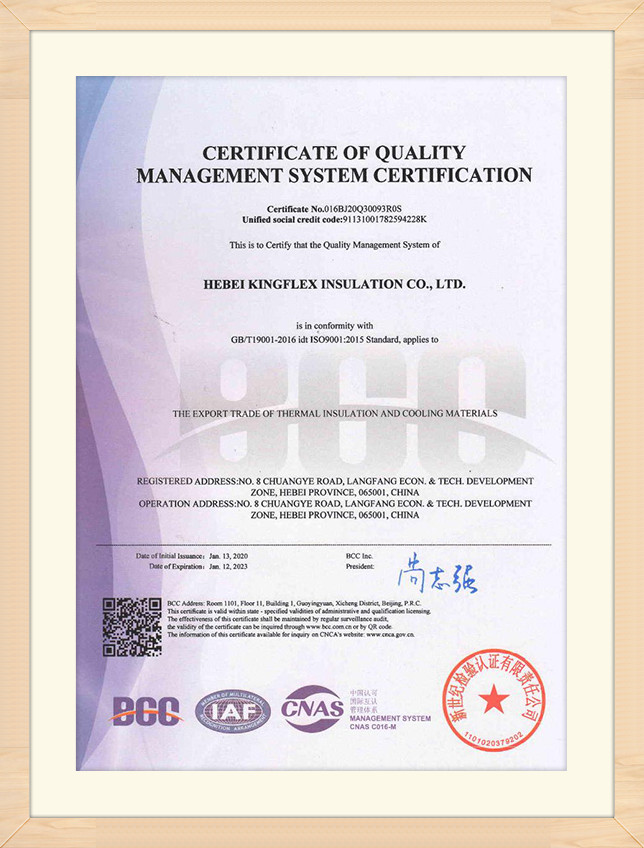
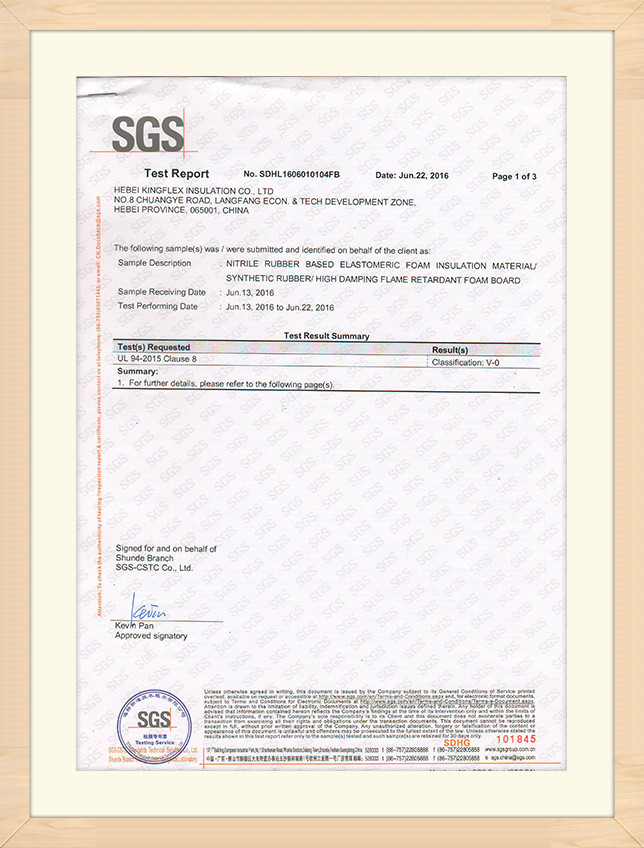
| Flame Spread / Smoke Index | Class 0 / Class 1 (BS 476 Parts 6 & 7), UL94 V-0 |
| Thickness Availability | 6mm to 50mm (Sheets) / 9mm to 40mm (Tubes) |

How high temperature foam systems perform across varied global climates and industrial sectors.
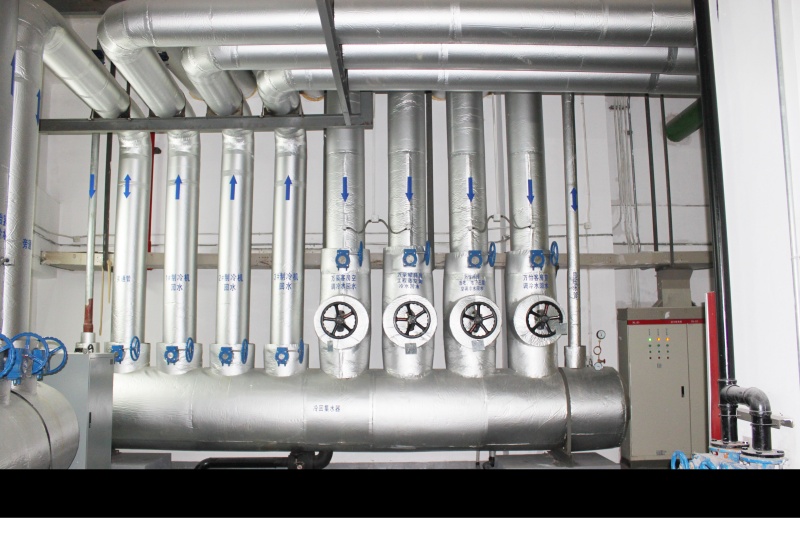
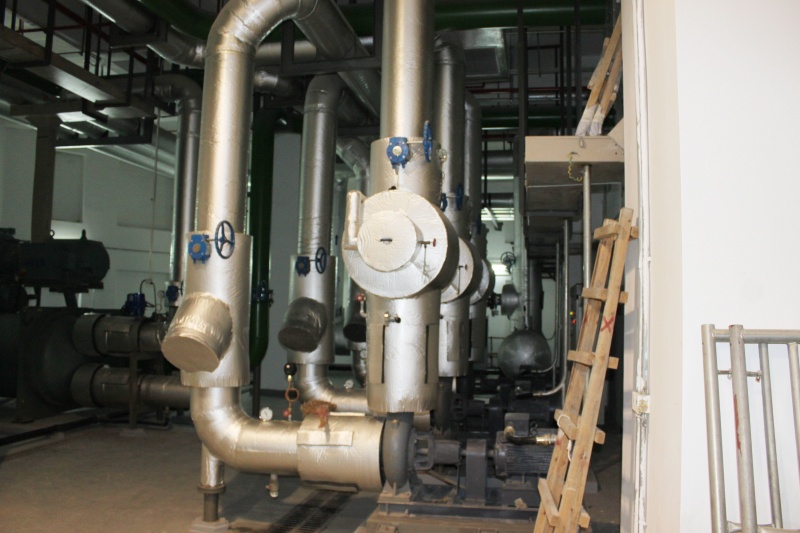
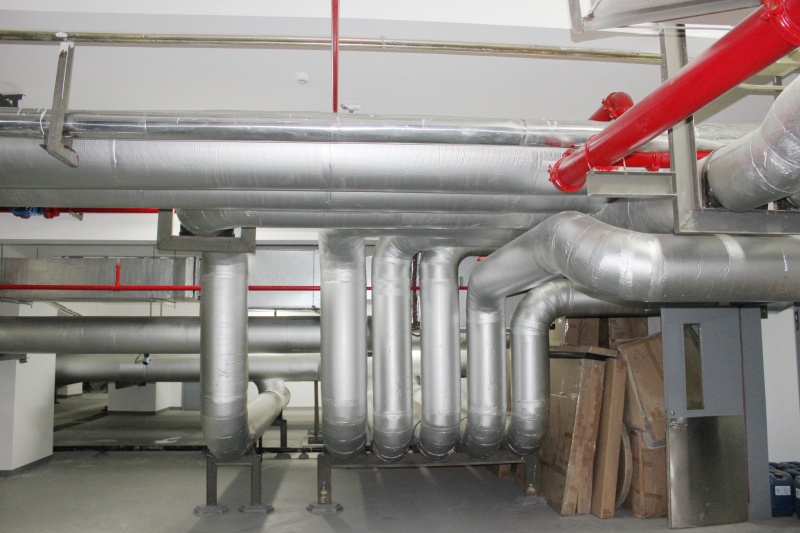
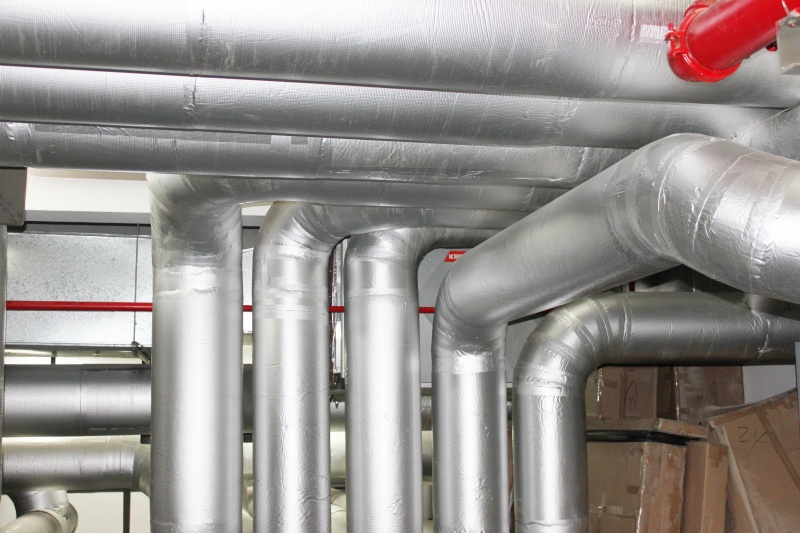
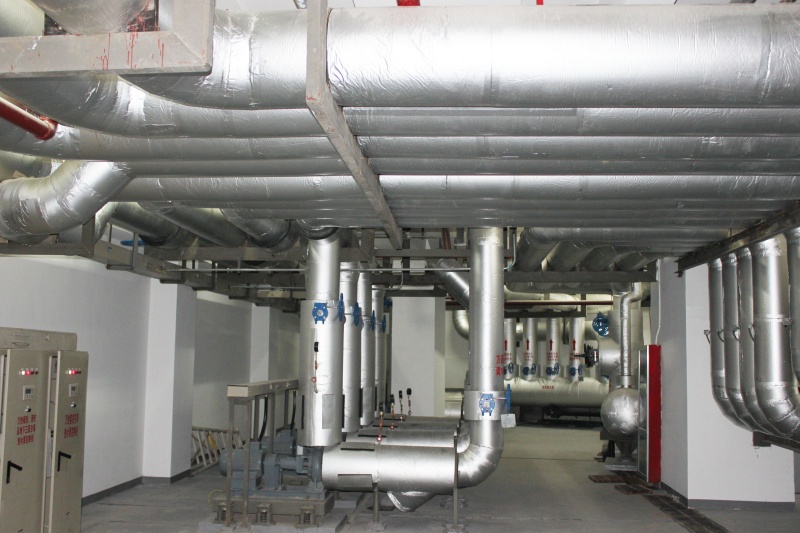
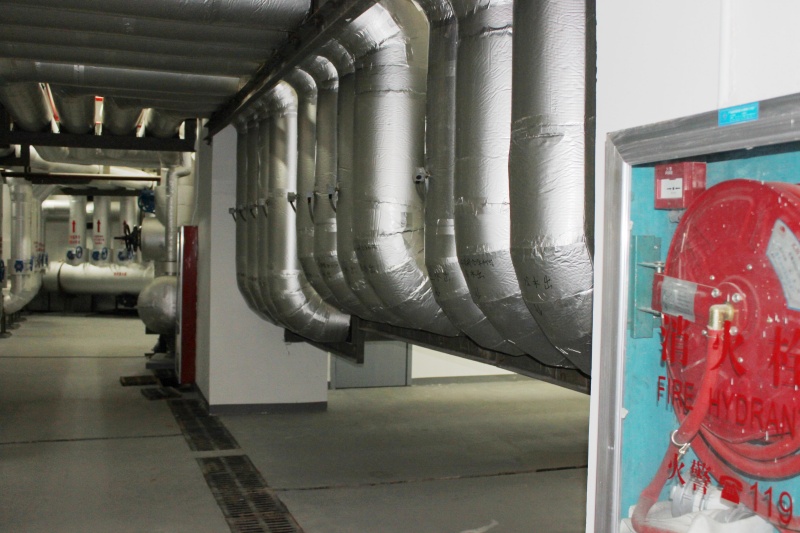
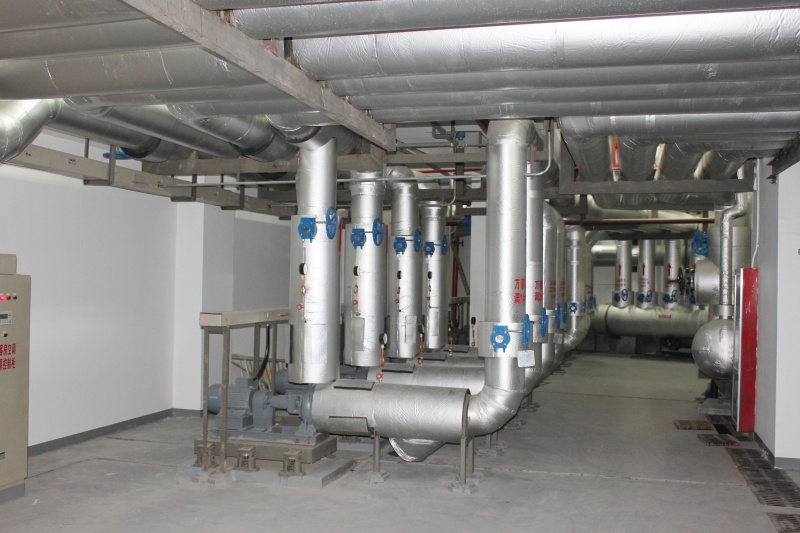
1. Central Air Conditioning Networks: Provides thermal insulation for chilled water lines and air distribution systems, preventing condensation in tropical environments.
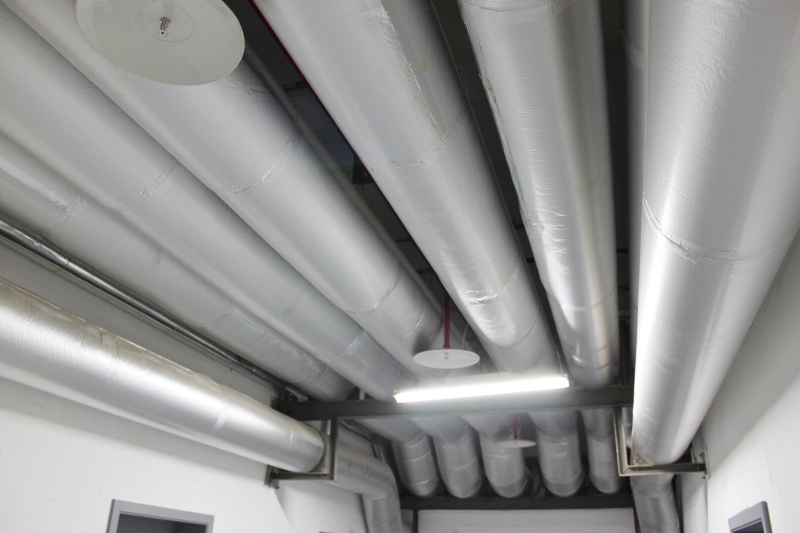
2. Structural Noise Dampening: Minimizes acoustic vibrations in institutional ventilation networks, such as schools, hospitals, and commercial buildings.
3. Heavy Steam & Chemical Pipelines: Insulates high-temperature fluid lines in processing plants, reducing energy losses and protecting personnel from thermal contact.
4. Specialized Cold Chain & Cryogenics: Prevents ice formation and thermal shock in liquid natural gas (LNG) terminals and refrigeration plants operating at sub-zero temperatures.
To address modern environmental and safety goals, Kingflex's engineering team is developing the following solutions:


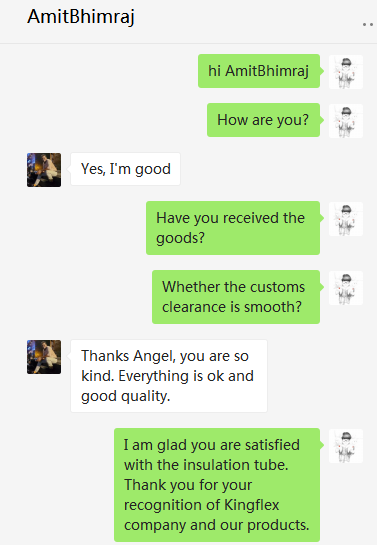
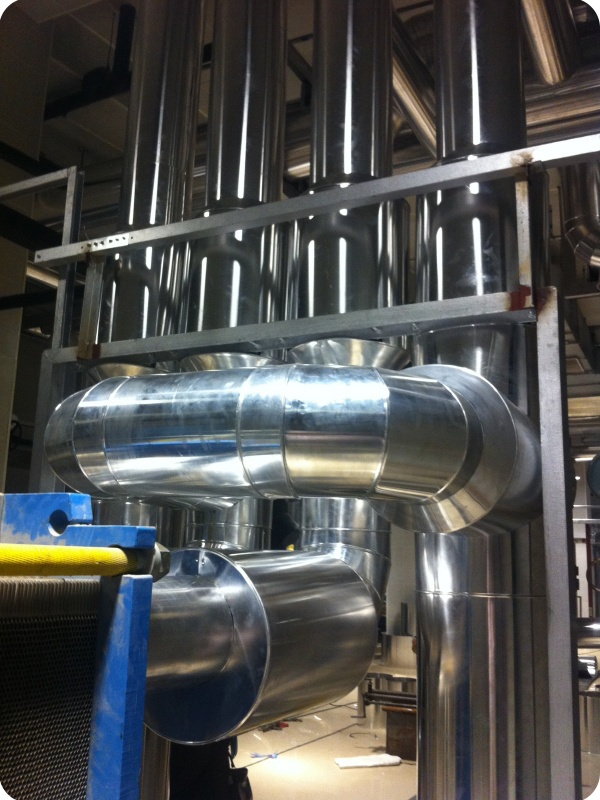
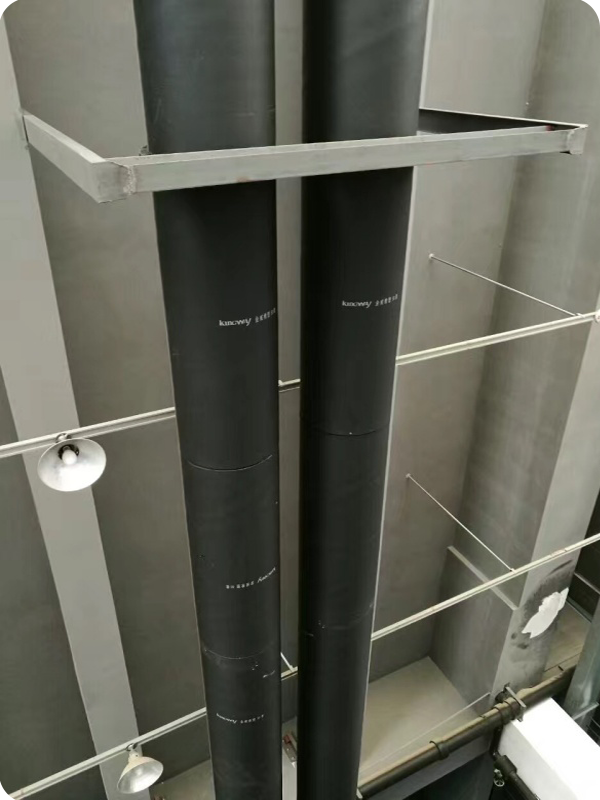
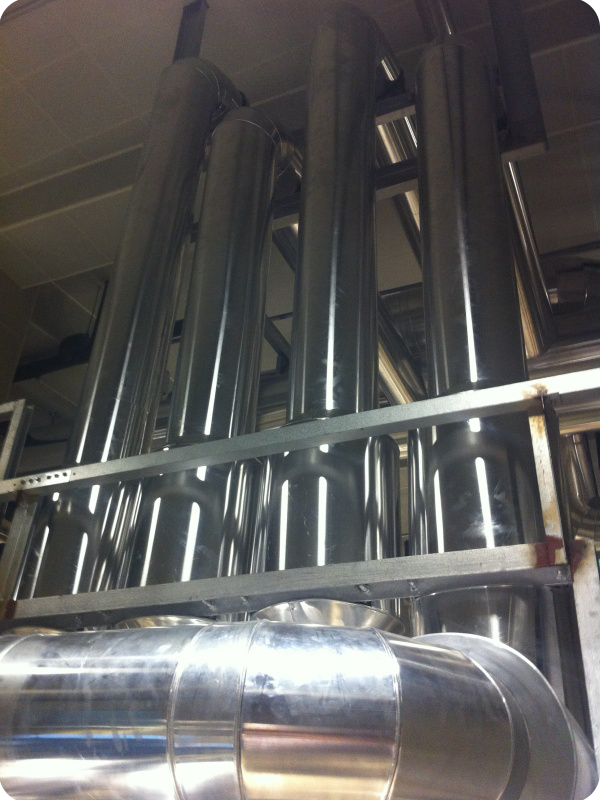
Our team works closely with mechanical and engineering contractors to supply customized solutions. We maintain open communication channels from specifications to shipment tracking to resolve field issues quickly. Below are chat logs and field feedback demonstrating our commitment to reliable customer support.





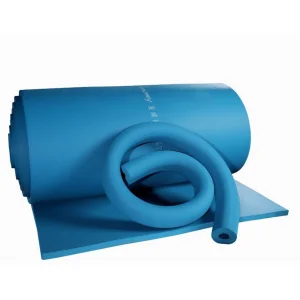
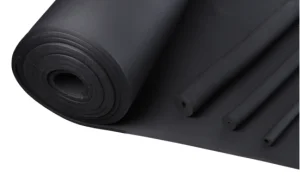
Technical details for NBR/PVC elastomeric rubber foam sheets, rolls, and pre-formed tubes.
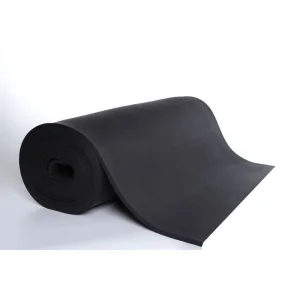
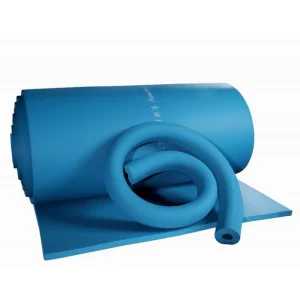
Our sheet and roll insulation features a uniform, cross-linked formulation, providing low thermal conductivity and reliable moisture resistance.
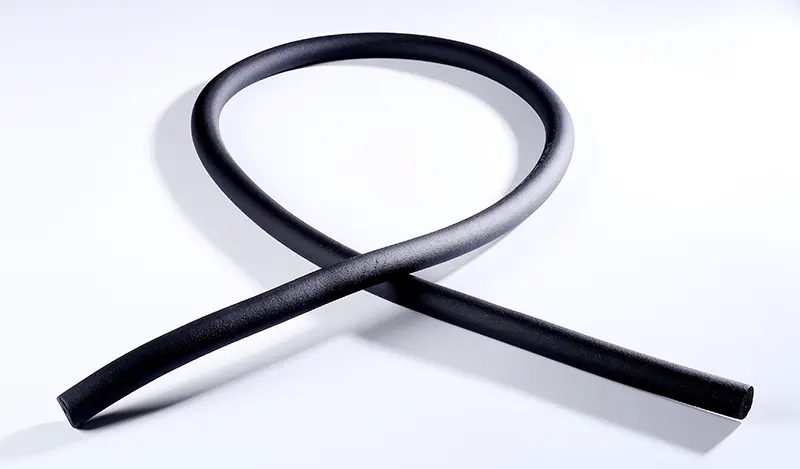
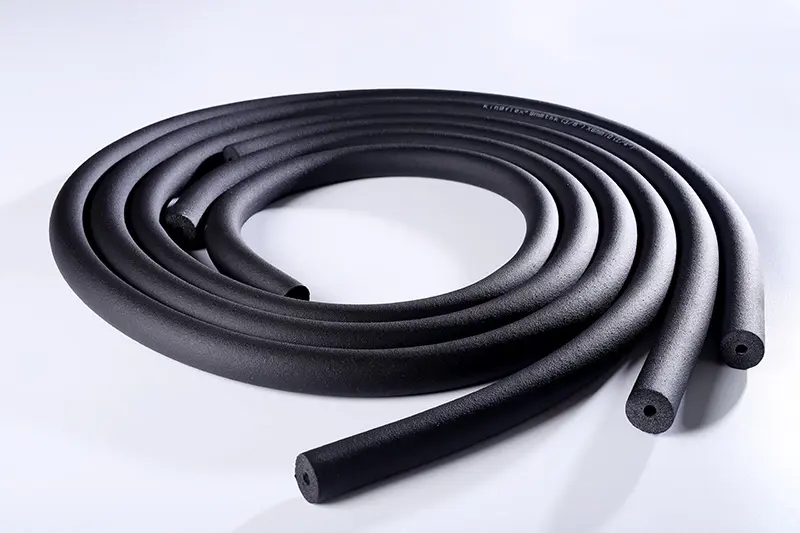
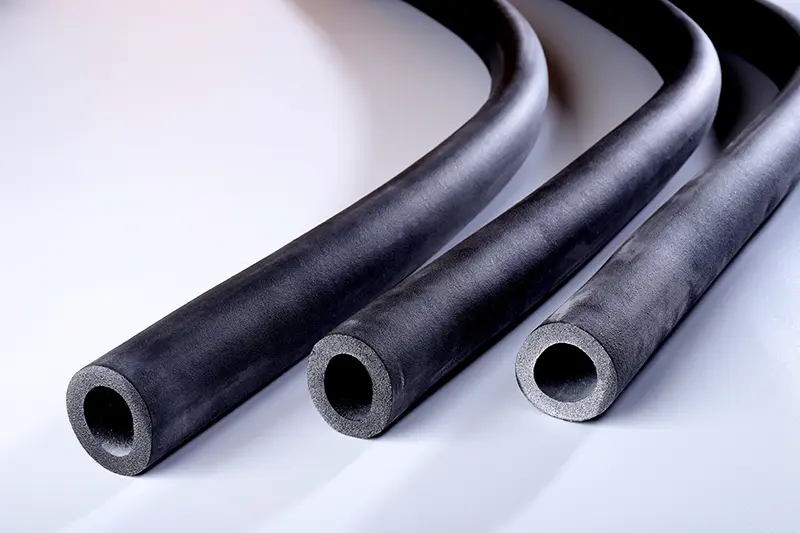
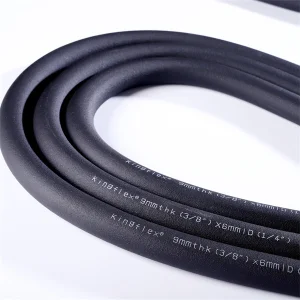
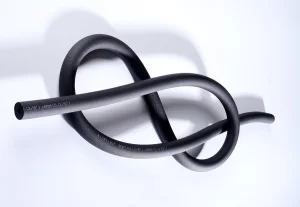
Extruded elastomeric insulation sleeves designed for quick installation on plumbing, solar, and mechanical lines.




Expert answers to common questions about selection, fire safety, and technical specs of NBR/PVC elastomeric rubber foam insulation.
Browse our complete product range, featuring specialized densities, sizes, and protective foil options.

 Kingflex