Wholesale Insulation For Hvac Pipes Manufacturer & Factories

Premium Elastomeric Closed-Cell Solutions Supporting Decarbonization and System Energy Efficiency Worldwide

Global Commercial & Industrial HVAC Insulation Landscape

Modern building engineering requires highly optimized thermal distribution networks. Thermal loss within commercial and industrial HVAC piping systems represents up to 40% of standard operational energy expenditures in uninsulated or poorly insulated pipelines. In massive regional infrastructures, district cooling networks, and heavy manufacturing complexes, high-performance elastomeric thermal barriers are no longer optional—they are the key parameter for passing LEED, BREEAM, and DGNB structural certifications.

Industrial Standard Insight: Under ASHRAE Standard 90.1, thermal performance values (R-values) are strictly mandated based on fluid operating temperatures. Selecting incorrect materials causes condensation, structural damage through corrosion under insulation (CUI), and compromises system safety.

Internationally, standard requirements are shifting toward halogen-free materials with minimal smoke emission factors (s1 class under European fire grading system EN 13501-1). Our factory works alongside global contractors to deliver elastomeric closed-cell structures that minimize systemic heat gain or loss, maintain dry conditions on pipeline outer surfaces, and mitigate condensation vectors.

Industrial HVAC Pipe Insulation Factory
>98%
Closed-Cell Density
-40 to 105℃
Temp Range

Advanced Thermal Physics of Elastomeric NBR/PVC Foam

The performance of elastomeric NBR/PVC closed-cell foam relies on its structural gas pockets. By containing millions of microscopic gas vacuoles per cubic millimeter, the material provides an exceptionally low thermal conductivity coefficient (lambda value ≤ 0.034 W/m·K at 0°C). This structural design prevents ambient thermal energy from crossing the barrier to cold pipelines, ensuring the surrounding air temperature remains above the dew point, which stops condensation.

λ

Thermal Resistance

Maintains high thermal resistance under challenging humidity levels. Lowers carbon footprint by preventing heat dissipation along supply pipes.

μ

Vapor Permeability

Built-in vapor barrier features a moisture resistance factor (μ value) exceeding 10,000, eliminating the need for outer protective foil jackets.

Fr

Fire Performance

Classified under BS 476 Part 7 (Class 1) and UL94 (V-0 rating), ensuring self-extinguishing safety properties in high-risk zones.

About Kingflex Insulation Co., Ltd.

Established in Dacheng, China—the globally recognized hub of green building materials production—Kingflex Insulation Co., Ltd. operates as an integrated manufacturer and international trading partner. We focus on energy conservation and consumption reduction in building and industrial environments.

Our organization delivers end-to-end solutions, combining initial system consultation and material selection with custom thickness engineering, installation support, and post-sale quality verification. Through these capabilities, we support global pipeline insulation projects across multiple continents.

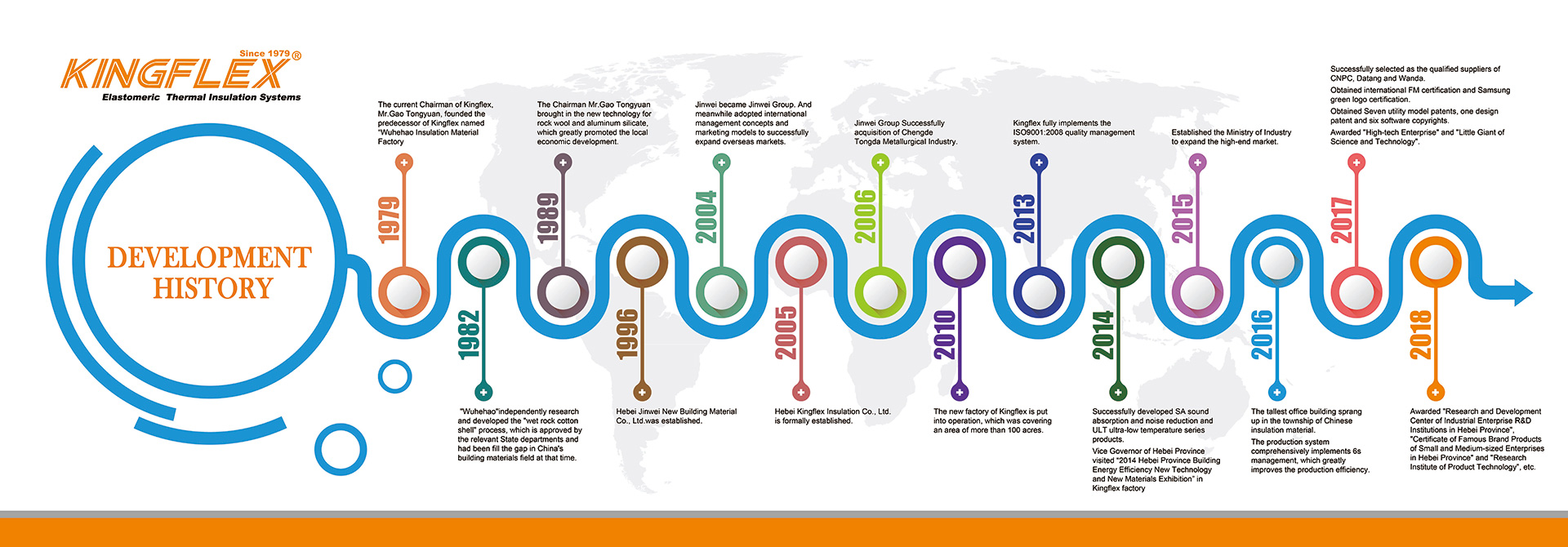
1979 - Jinwei Group Inception

Founded as the pioneering manufacturer of thermal insulation materials north of the Yangtze River, establishing a foundation of production experience in China.

40+ Years of Manufacturing Heritage

Developing from early thermal products into advanced closed-cell NBR/PVC elastomeric formulations, cryogenic systems, and acoustic open-cell products.

Active Global Distribution

Exporting to over 66 countries and regions worldwide, providing regional distribution partners and contractors with certified and reliable insulation supply.

Kingflex Manufacturing Facility
Kingflex Technical Factory Line

China Factory Efficiencies & Supply Chain Advantages

Manufacturing insulation systems in China provides significant efficiency, quality, and cost advantages. Kingflex operates five fully automated, high-output production lines in Dacheng. This facility delivers an annual capacity exceeding 600,000 cubic meters of rubber foam products, which secures our position as a designated supplier for the Ministry of Energy, the Ministry of Electric Power, and the Ministry of Chemical Industry.

QC

Integrated Supply Chain

Located in the Dacheng green materials cluster, we access raw materials (NBR, PVC, flame retardants, blowing agents) directly, minimizing transport times and production bottlenecks.

5X

Automated Production Lines

Automated extrusion and foaming technology ensures uniform cell structure and wall thickness distribution across all NBR/PVC tube sizes.

QC

Strict Traceability

Every production batch features complete processing parameters and chemical testing history, ensuring global tracking and consistent product quality.

600K+ m³
Annual Production Capacity
5 Lines
Automatic Extrusion Assembly
230+
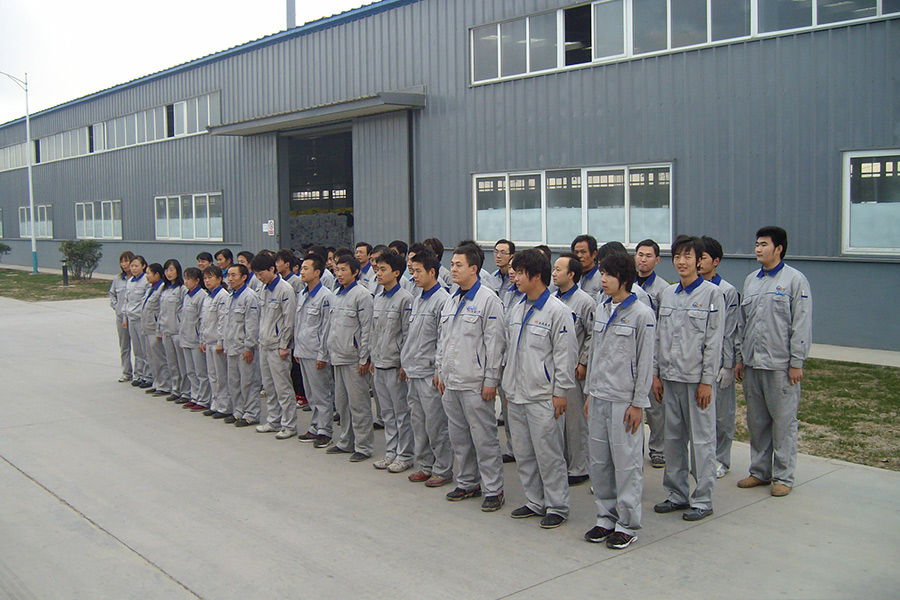
Skilled Technical Operators
66+
Countries Exported Globally

Localized Commercial & Industrial Applications

Industrial plants and commercial buildings present different operational demands. Our elastomeric solutions are designed to handle specific environmental challenges, from cryogenic gas transport to commercial air duct installations.

1. HVAC & Chilled Water Pipelines

Challenge: Preventing condensation in warm, humid climates while managing continuous thermal gain in cooling lines.

Solution: Kingflex NBR/PVC closed-cell tubes with high moisture vapor resistance (μ ≥ 10,000) keep cold water lines isolated from ambient moisture without additional external barriers.

2. Cryogenic & Ultra-Low Systems

Challenge: Managing extreme thermal expansion, ice formation, and structural cracking risks at temperatures down to -200°C.

Solution: Cryogenic rubber foam systems provide cold-flexible thermal protection for industrial gas terminals and liquefied process lines.

3. Industrial Steam & Process Lines

Challenge: Continuous heat loss, surface safety concerns, and thermal stress on copper, steel, and alloy pipes.

Solution: Kingflex thermal sleeves protect process lines up to 105°C, reducing fuel requirements for steam generation systems.

4. Architectural Acoustics & Ventilation

Challenge: Reducing mechanical sound transmission through ductwork and walls in hospitals, hotels, and offices.

Solution: Open-cell acoustic foam designs absorb low-to-medium frequency resonance, dampening fan motor and turbulent air noises.

Material Standard Dimensions & Physical Properties

Consistent performance requires precise product dimensions. Our closed-cell rubber foam sheets and pre-formed tubes are manufactured to strict technical tolerances to simplify onsite installation and minimize joint gaps.

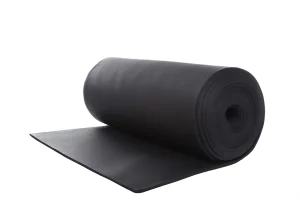
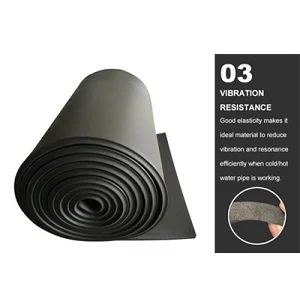
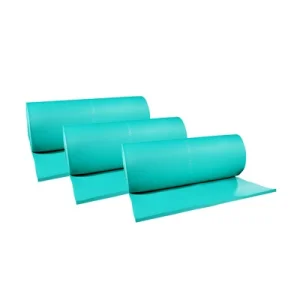
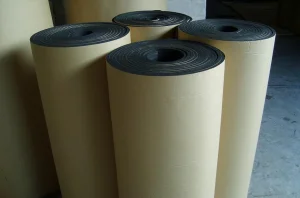
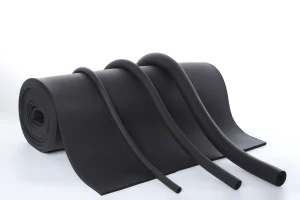
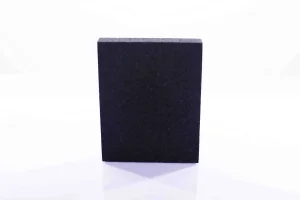
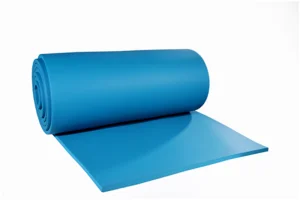
Black Rubber Foam Insulation Sheet Roll

  • Base Elastomer MaterialNBR / PVC blend
  • Available Thicknesses6mm, 9mm, 13mm, 19mm, 25mm, 32mm, 40mm, 50mm
  • Density Range40 - 55 kg/m³
  • Operating Temperature Range-40℃ to 105℃
  • Closed-Cell Rate> 98%
  • Thermal Conductivity (λ at 0℃)≤ 0.034 W/(m·K)
  • Fire Ratings & ComplianceBS 476 Part 7 Class 1, UL94 V-0

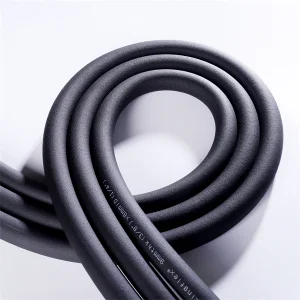
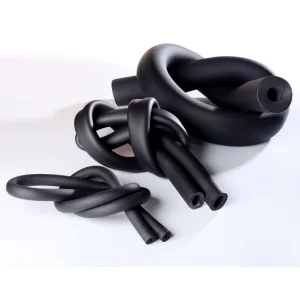
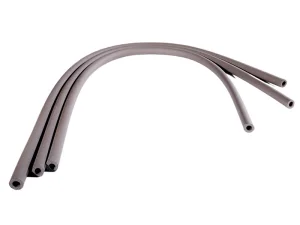
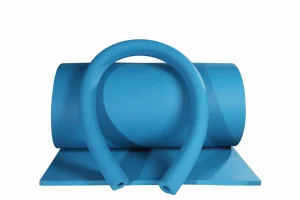
Black Rubber Foam Insulation Pipe

  • Base Elastomer MaterialNBR / PVC blend
  • Internal Diameter (ID) Range6mm to 114mm
  • Available Wall Thicknesses9mm, 13mm, 19mm, 25mm, 32mm, 40mm
  • Density Range40 - 55 kg/m³
  • Compression Resilience> 80% recovery
  • Vapor Barrier Factor (μ)≥ 10,000
  • Chemical ResistanceExcellent (oils, mild acids, ozone)

Advanced R&D Testing & Quality Auditing

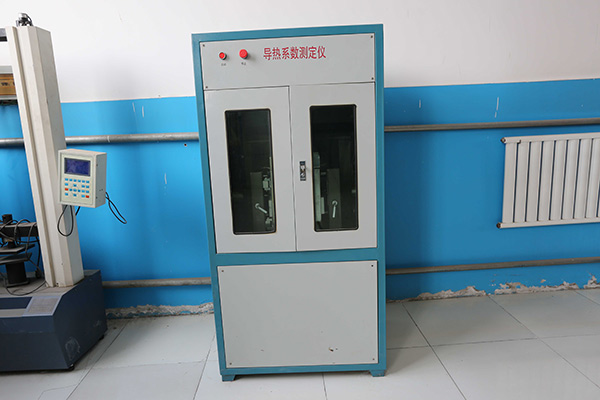
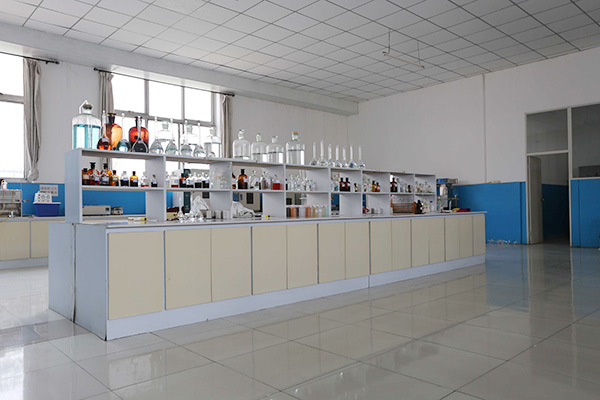
Kingflex maintains an active Research & Development department staffed by eight dedicated materials engineers. We continuously test our raw materials and final products to ensure compliance with global fire safety and insulation performance standards.
Global Certification Profile

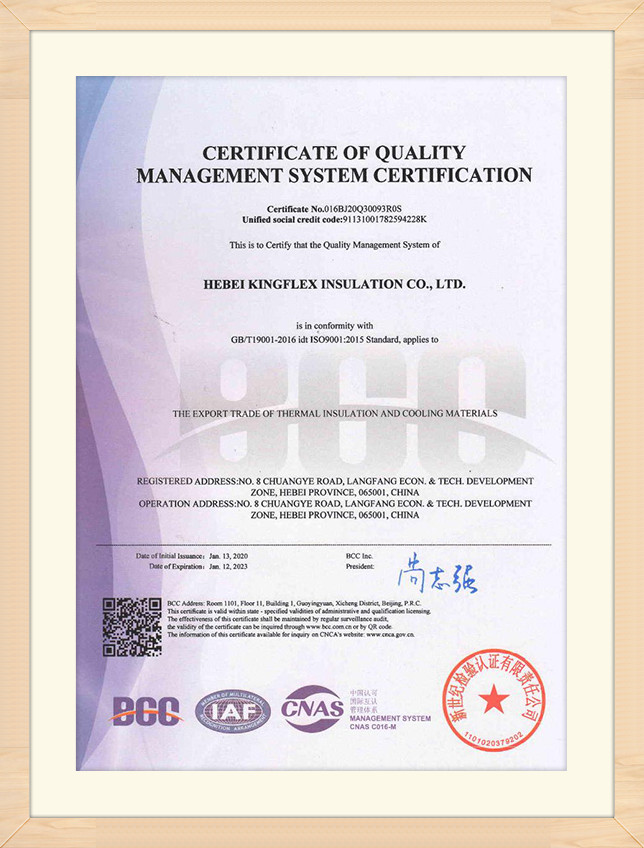
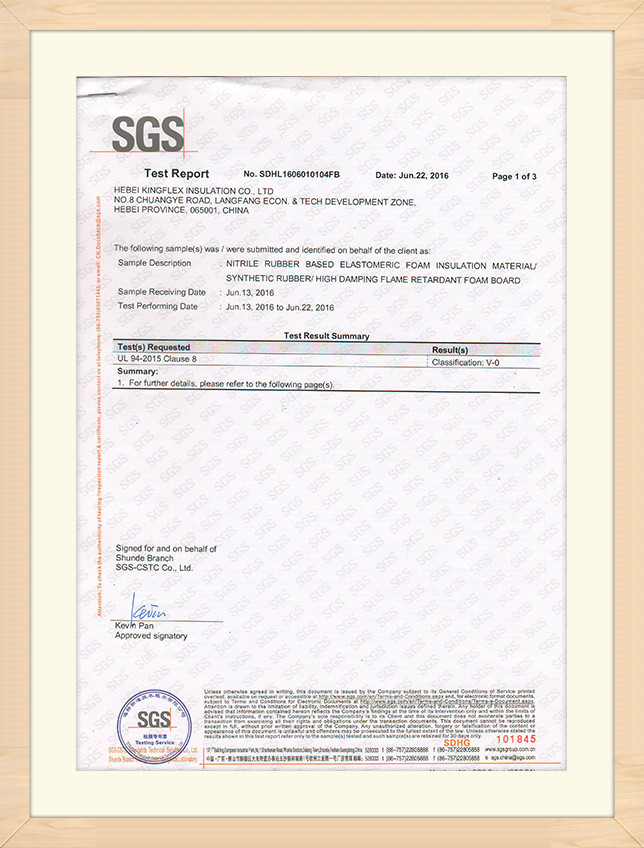
Our manufacturing processes and products are certified by independent testing organizations. Our insulation materials carry BS 476, CE, REACH, RoHS, UL94, and ASTM certifications. These standards verify safety and compliance for architectural projects in the UK, Europe, the Americas, and Southeast Asia.

ISO Certification
Environmental Standard Certification
Flame Test Certification
Factory Audit Certification

Verified Quality & Production Traceability

We provide raw material batch sheets, manufacturing records, and quality control stamps for every delivery. This systematic tracking helps engineering consultants and procurement officers verify material quality and performance.

Traceability Code: ISO 9001:2015 Compliant Production Line Protocols.

Verified Procurement Feedback & Collaboration

Building partnerships requires open, direct communication. Our sales and engineering teams work directly with international customers to coordinate customized sizing, packaging, and logistics.

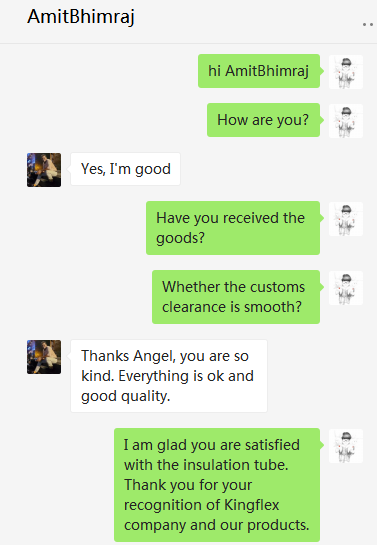
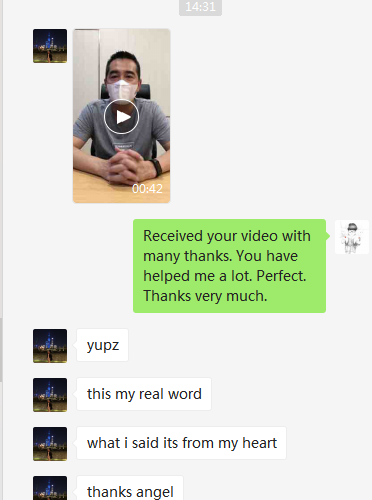
Customer Order Chat Verification 1
Customer Specification Confirmation 2
Logistics Coordination Screenshot 3
Technical Specifications Discussion 4
Inspection and Approval Proof 5

Direct Factory Communication

These real project logs show our direct support for international buyers, verifying density, sizes, and shipping plans prior to factory dispatch.

Industrial Project Applications

Our rubber foam insulation sheets and pre-formed tubes are used in international construction and infrastructure projects. We supply insulation systems for commercial skyscrapers, process piping, cold chain warehouses, and cruise ships.
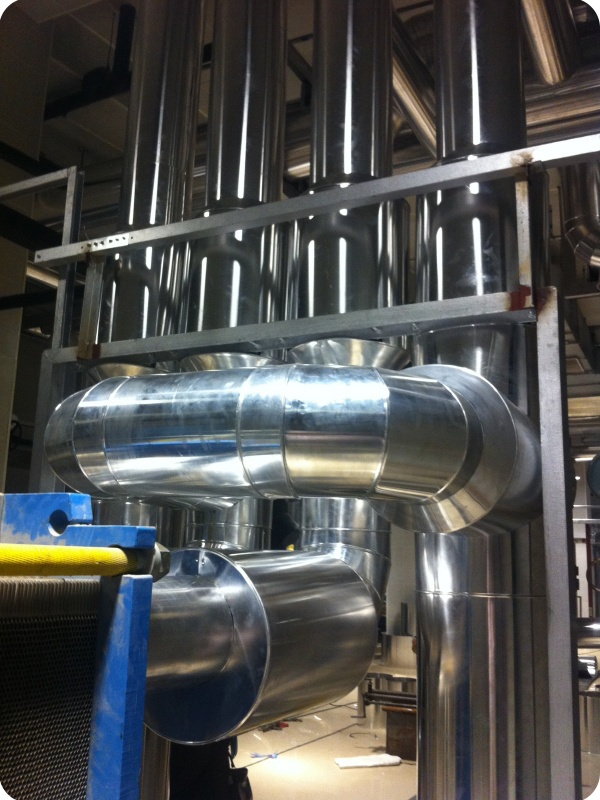
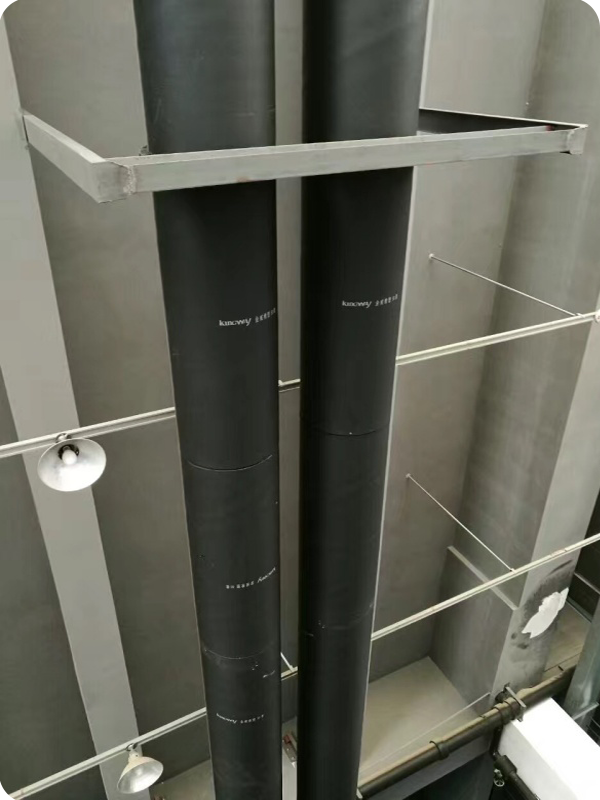
District HVAC Piping Installation

Commercial HVAC

Chilled water system insulation for high-rise commercial buildings, preventing condensation and thermal loss.

Industrial Steam Pipe Insulation

Process Plant Piping

Thermal insulation and surface protection for manufacturing and chemical transport pipelines.

Subzero Industrial Cooling Pipes

Cold Chain Storage

Vapor barrier protection for refrigeration units, preventing icing and frost formulation on pipeline surfaces.

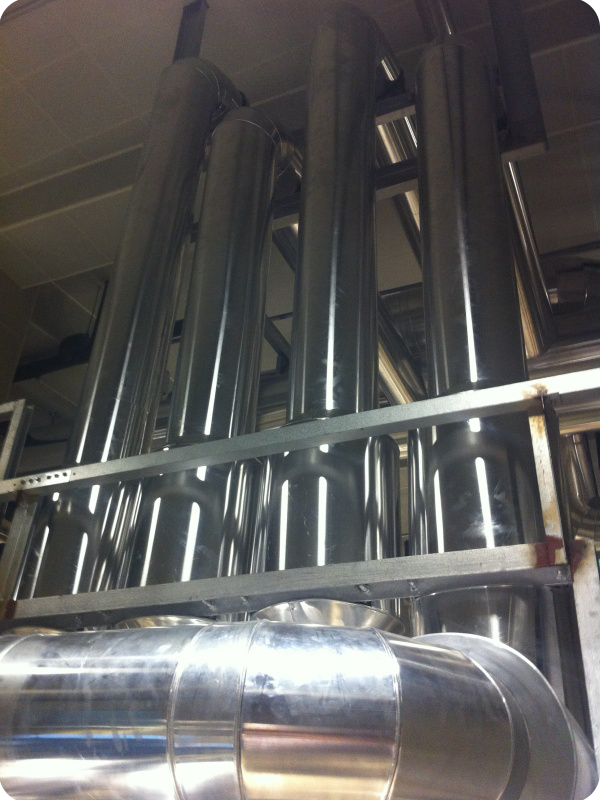
Acoustic insulation project

Cleanroom & Laboratory Air Ducts

Fiber-free insulation systems for pharmaceuticals, food processing, and semiconductor manufacturing, preventing airborne fiber contamination.

Factory Warehouse Loading

Global Distribution Shipments

Sea freight packaging designed to prevent compression damage during container transport, ensuring materials arrive ready for installation.

Technical FAQ & Knowledge Base

Q1: What is elastomeric rubber foam insulation used for?
It is primarily used for HVAC air ducting, chilled and hot water piping, building insulation, industrial process piping, refrigeration units, and acoustical dampening systems. Its closed-cell structure helps prevent condensation and reduces heat transfer.
Q2: Is Kingflex rubber foam insulation fire resistant?
Yes, our rubber foam products include flame-retardant additives. They comply with fire safety requirements, including BS 476 Part 7 Class 1 and UL94 V-0 flame ratings.
Q3: What is the difference between rubber foam and rock wool insulation?
Rubber foam is a flexible, closed-cell material with high moisture resistance, making it suitable for HVAC systems and cold pipelines without a separate vapor barrier. Rock wool is a fibrous material with high temperature resistance, typically used for high-temperature industrial piping and fire-rated wall assemblies.
Q4: Do you provide customized insulation products?
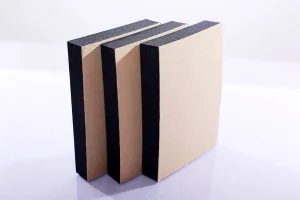
Yes, we provide OEM and ODM manufacturing. We can customize sheet thicknesses (6mm to 50mm), pipe inside diameters, colors, and adhesive backings based on project requirements.
Q5: What certifications do your products have?
Our products are tested and certified under international standards, including BS 476, CE, REACH, RoHS, UL94, and ASTM.
Q6: Does Kingflex products have traceability?
Yes. We track each production run from raw material batch to extruded finished product, allowing us to trace quality records for all global shipments.
Q7: What thickness of Rubber foam insulation sheet roll can you produce?
We manufacture elastomeric foam rolls in thicknesses ranging from 6mm up to 50mm to meet different thermal resistance requirements.
Q8: What is the typical service life of rubber plastic pipes and boards?
Under standard operating conditions and with proper installation, our rubber foam insulation has a service life of 10 to 15 years.
Q9: How does moisture absorption affect thermal conductivity?
Moisture absorption increases the thermal conductivity (λ) of insulation, as water conducts heat more rapidly than air. Our closed-cell structure (>98% closed cells) limits moisture ingress, helping to maintain stable thermal performance over time.