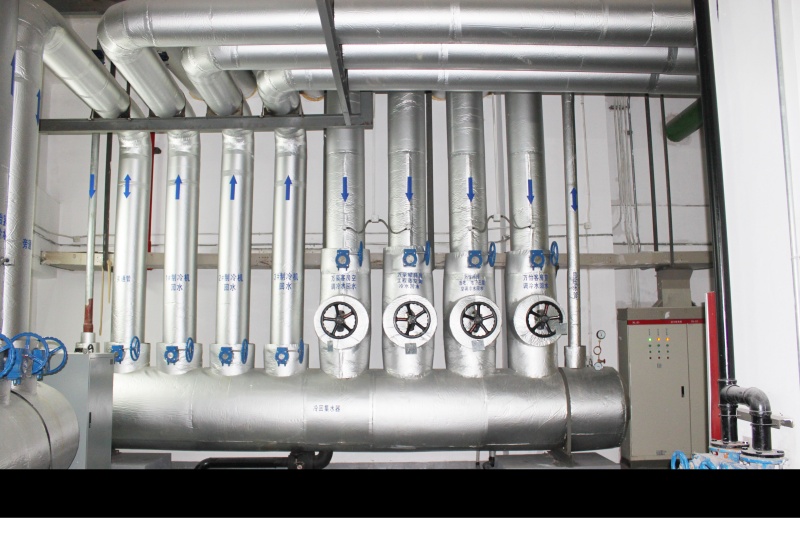
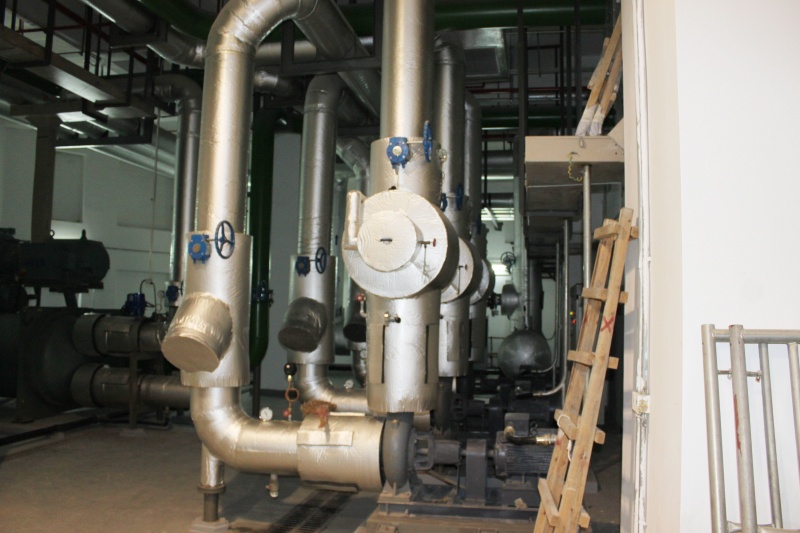
Engineered to mitigate thermal bridges, eliminate surface condensation, and suppress acoustic transmission in modern HVAC systems.
Building codes, climate targets, and health regulations are driving a fundamental shift in ventilation thermal systems.
Modern architectural engineering focuses on minimizing energy waste. In HVAC ductwork and air vents, heat loss or gain translates directly to higher operational costs and increased carbon output. Traditional insulation materials are no longer sufficient to meet modern energy ratings, such as LEED, BREEAM, and DGNB.
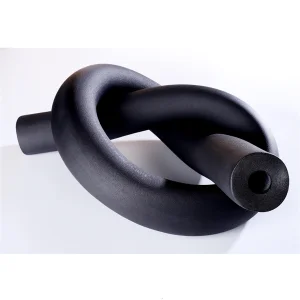
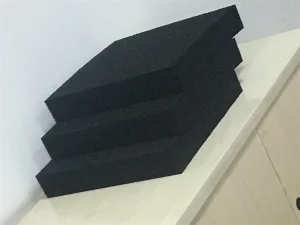
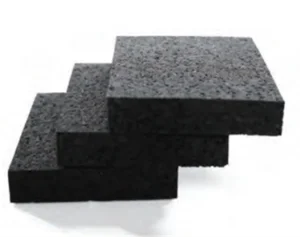
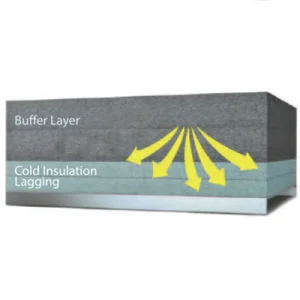
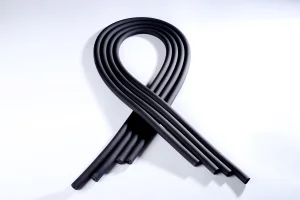
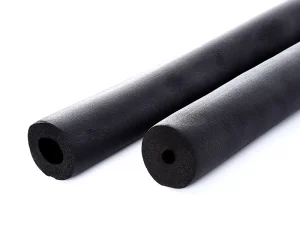
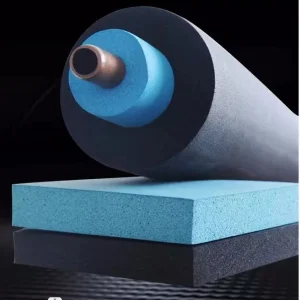
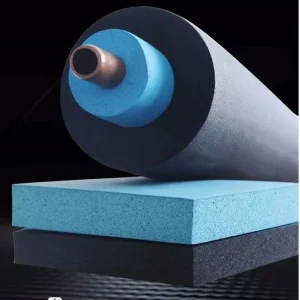
By implementing high-density, closed-cell NBR/PVC elastomeric rubber foam insulation, MEP (Mechanical, Electrical, Plumbing) engineering firms can achieve steady-state thermal conductivity. The closed-cell structure blocks air and moisture, keeping thermal conductivity stable for over 10-15 years.
This performance prevents thermal bridging in structural transitions, helping commercial developments meet strict regulatory standards for energy efficiency.

Microbial growth in air conditioning ductwork is a major concern for building operations. When warm air meets cold metal duct surfaces, condensation forms. This moisture, combined with dust, creates a breeding ground for mold and bacteria, which can then spread through the ventilation system.
Kingflex elastomeric foam insulation has a high resistance to moisture vapor (water vapor permeability factor μ ≥ 10,000). The material forms an integrated vapor barrier, preventing condensation without requiring a separate protective jacket.
Additionally, unlike mineral wool or fiberglass, Kingflex closed-cell rubber foam is fiber-free. This ensures that no particulate matter sheds into the airstream, protecting indoor air quality in hospitals, cleanrooms, and educational institutions.
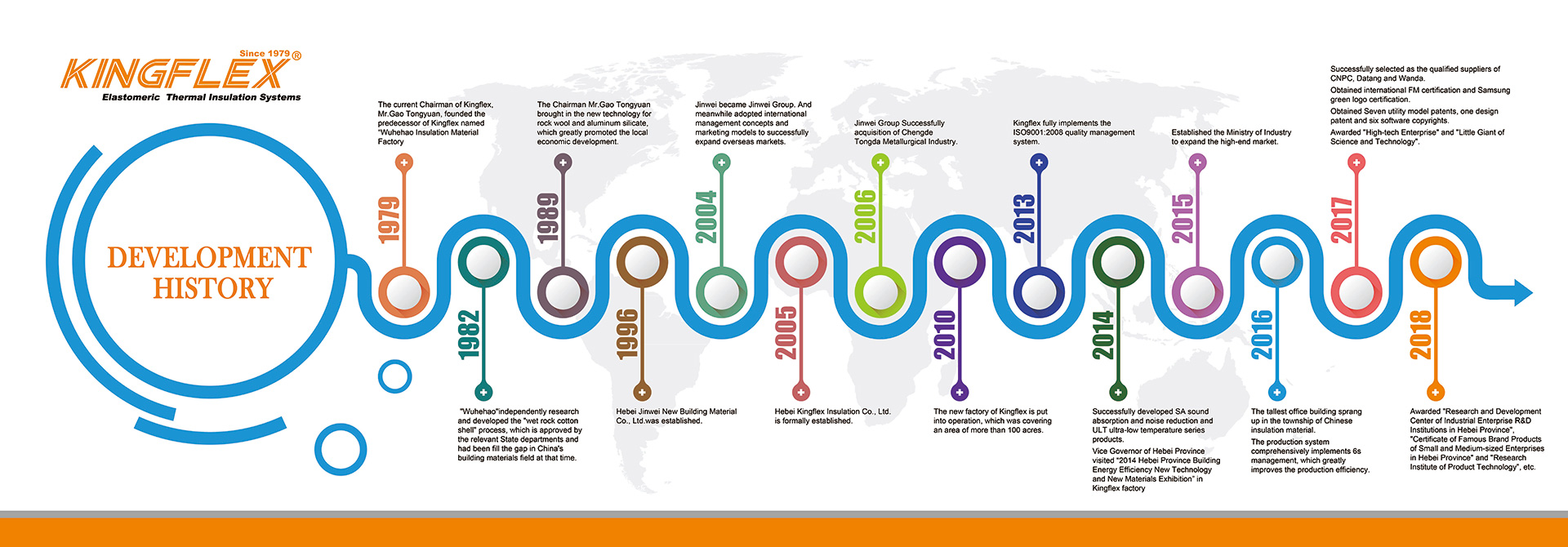
A professional manufacturing and trading combo for thermal insulation systems worldwide.
Established by the Jinwei Group, which dates back to 1979, Kingflex has built a reputation for reliable thermal insulation. We operate 5 large automatic assembly lines and produce over 600,000 cubic meters of high-grade elastomeric insulation annually.
Our dedicated R&D department includes 8 professional engineers focused on improving thermal properties, fire safety, and sound absorption. Our team of 230 production workers and 6 international sales specialists delivers first-class service to clients across the globe.
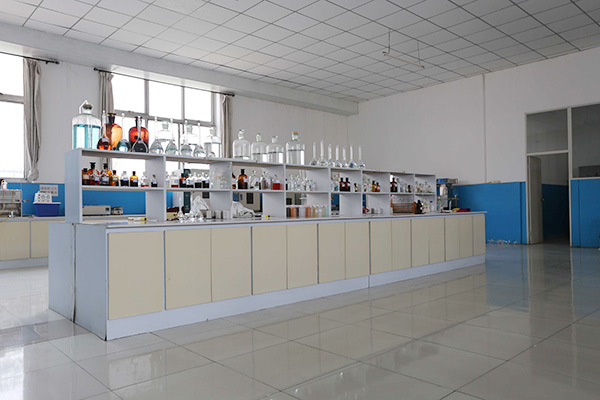

Understanding the properties of elastomeric rubber foam insulation for air ducts and pipelines.

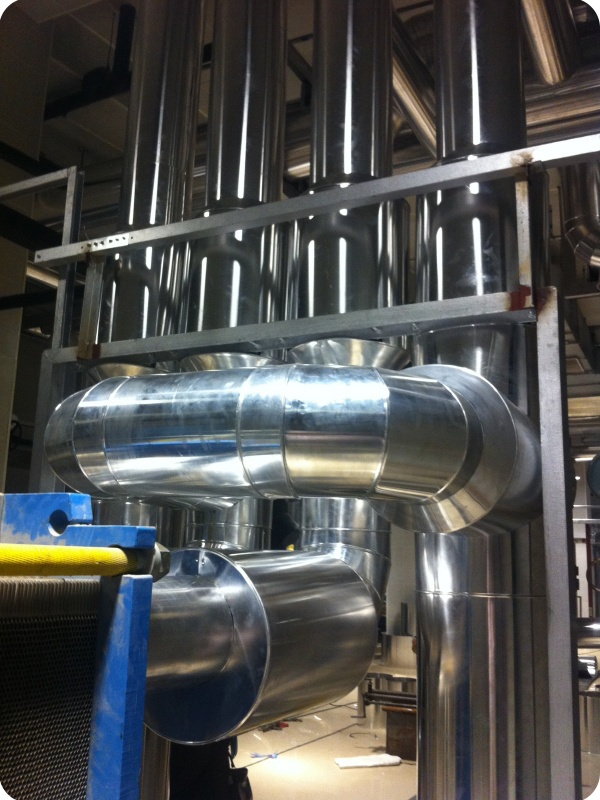
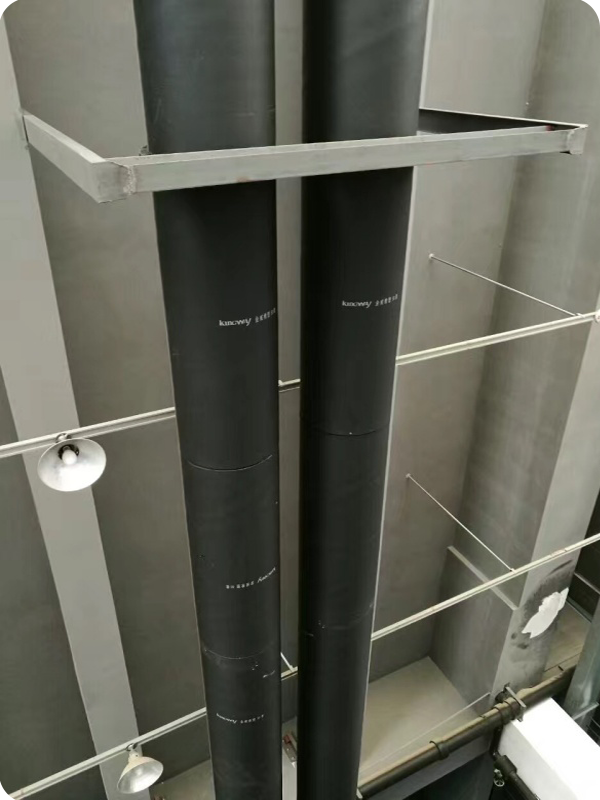
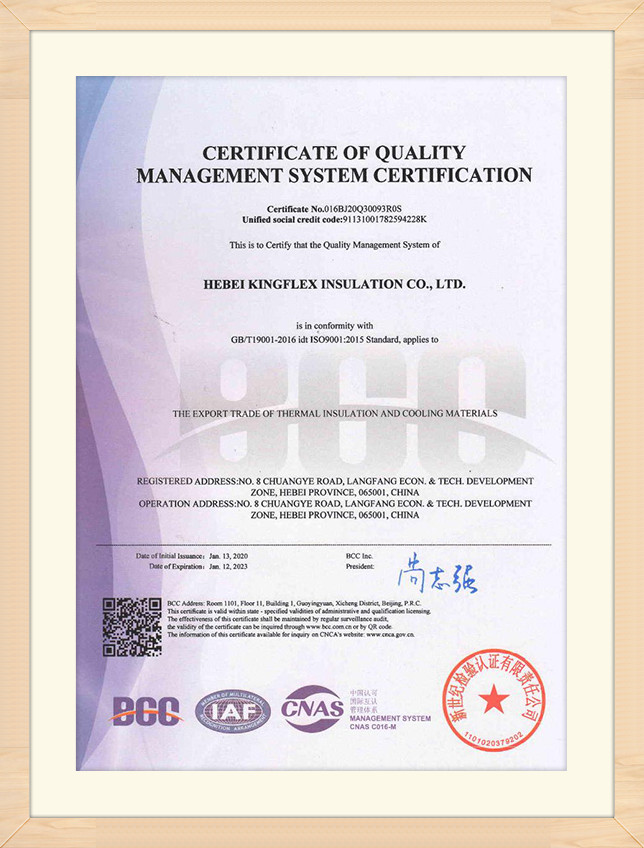


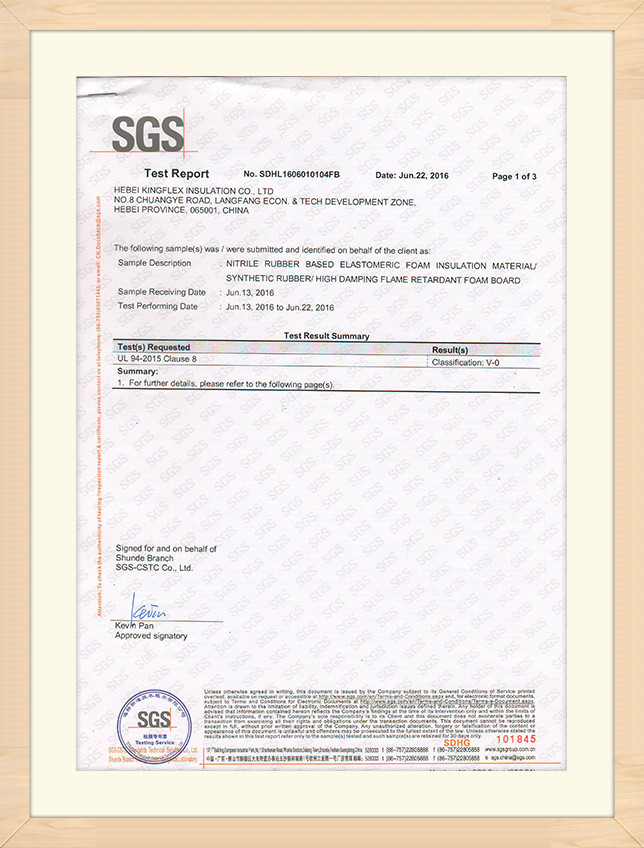
Kingflex insulation products comply with major global building codes. They have been certified under BS 476, CE, REACH, RoHS, UL94, and ASTM. These certifications ensure that our materials meet strict flame spread index (FSI) and smoke developed index (SDI) requirements for commercial construction.
Our manufacturing processes feature full quality traceability. Every batch of elastomeric foam is logged, from raw material formulation through the foaming line to final density and thermal conductivity validation.
For MEP engineers and contractors, this traceability provides peace of mind, ensuring that the insulation installed on-site matches the specified performance ratings.
See how our partners globally validate Kingflex insulation performance and reliability.


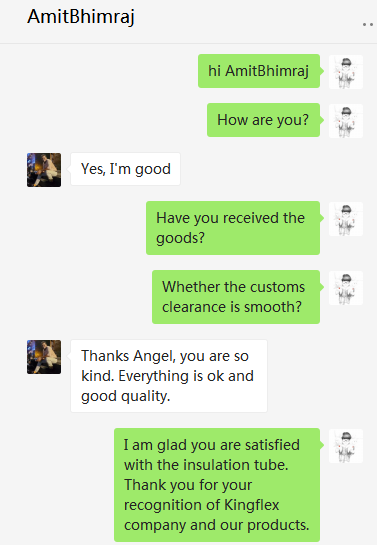


How Kingflex is steering the future of HVAC insulation through materials science and sustainable chemistry.
As environmental regulations become stricter, the HVAC industry is shifting away from halogenated flame retardants and petrochemical-heavy raw materials. Kingflex is currently researching bio-based plasticizers derived from agricultural byproducts.
This research aims to reduce the carbon footprint of NBR/PVC foams without compromising their thermal or flame-retardant properties.
To meet the requirements of energy-efficient projects, we are developing a hybrid silica-aerogel infused elastomeric foam. This hybrid structure is designed to lower the material's thermal conductivity (λ) down to 0.028 W/(m·k) at 0℃, allowing for thinner insulation profiles without losing thermal efficiency.


Technical answers to common engineering and procurement queries.
It is mainly used for HVAC ducts, air conditioning pipes, building thermal insulation, industrial pipeline cold insulation, and sound insulation. The material excels at preventing condensation and heat transfer.
Yes, our rubber foam insulation is fire retardant and meets safety standards like BS 476, UL94, and ASTM. It is self-extinguishing when exposed to open flame, making it suitable for high-spec construction projects.
Rubber foam is a flexible, closed-cell, moisture-proof material ideal for HVAC systems and sub-zero pipelines. Rock wool is a high-temperature resistant, fibrous mineral wool best suited for heavy industrial high-temperature pipes.
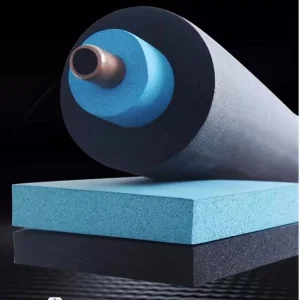
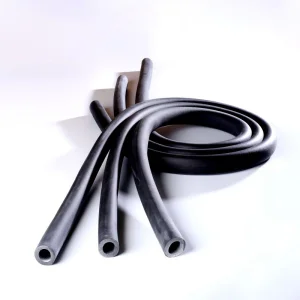
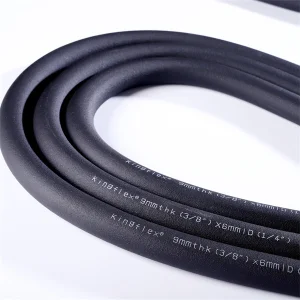
Yes. We offer OEM and ODM services, allowing customization of sheet thickness (6mm to 50mm), pipe inner diameters (6mm to 114mm), and surface backings (such as high-tensile aluminum foil).
Our products have passed BS 476, CE, REACH, RoHS, UL94, and ASTM certifications, ensuring compliance with building and industrial regulations in European, American, and Asian markets.
Yes. Every production batch of Kingflex rubber foam insulation is traceable from raw material preparation to final warehouse packaging, ensuring consistent performance.
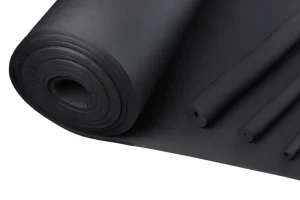
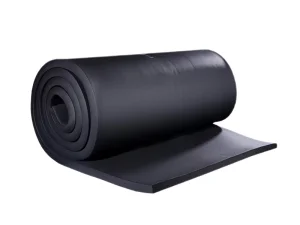
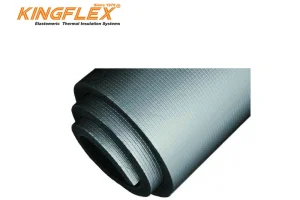
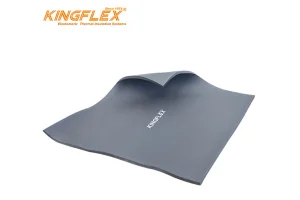
We can manufacture rubber foam sheet rolls in thicknesses ranging from 6mm up to 50mm, allowing you to select the appropriate thickness for your project's thermal design requirements.
When installed correctly and used within recommended operating conditions, Kingflex rubber foam insulation typically maintains its performance properties for 10 to 15 years.
Explore our full range of solutions, including isolation pipes, cryogenic insulation, and acoustic foam panels.
 Kingflex