Wholesale Low Thermal Conductivity Factories & Pricelist

Providing cutting-edge industrial insulation & cryogenic system solutions with unmatched thermal efficiency, resilience, and global export capability.

White Paper: Deep Thermal Efficiency in Industrial Systems

Thermal management is a critical vector for operational efficiency, safety, and decarbonization across global industries. Low thermal conductivity materials act as barriers to energy dispersion, ensuring temperature-sensitive operations run seamlessly. From sub-zero cryogenic liquid gas storage units operating at -200 °C to massive high-velocity HVAC ducts in modern green building complexes, using the right elastomeric rubber foam insulation is essential.

40+
Years History
600K m³
Annual Capacity
66+
Export Countries
98%+
Closed Cell Rate

1. Industry Evolution: The Science of Low Thermal Conductivity

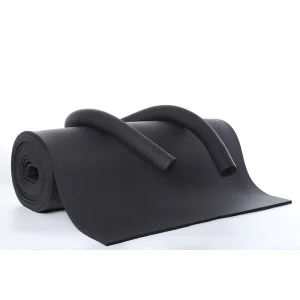
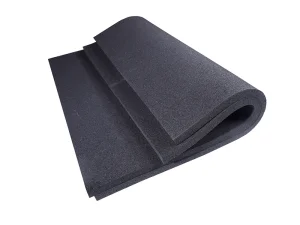
Historically, industrial plants relied on bulky, open-cell fibrous media to manage heat loss. Modern materials science, however, has driven a paradigm shift toward high-density, closed-cell elastomeric structures. The core advantage lies in trapping micro-pockets of air or specialized gas within an impermeable polymer matrix. With a closed-cell rate exceeding 98%, materials like NBR (Nitrile Butadiene Rubber) and PVC composites achieve thermal conductivity rates as low as λ ≤ 0.034 W/(m·K) at median temperatures. This ensures minimal energy exchange while serving as a moisture barrier to prevent corrosion under insulation (CUI).

2. Global Procurement Needs: Minimizing TCO (Total Cost of Ownership)

Global procurement offices do not just buy materials; they manage life-cycle costs and project risk. When specifying materials for commercial construction or petrochemical complexes, project engineers prioritize five key metrics:

  • Thermal Stability: Consistently low heat transmission across variable operating conditions.
  • Moisture Permeability: Minimizing moisture ingress to prevent biological growth, pipe corrosion, and thermal degradation.
  • Compliance & Fire Safety: Certifications under stringent international standards such as BS 476, CE, REACH, RoHS, UL94, and ASTM.
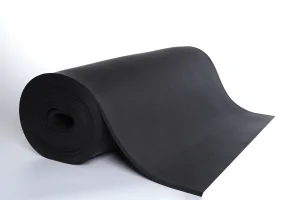
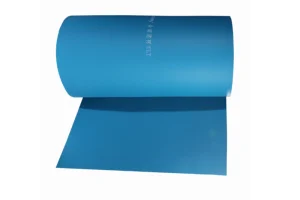
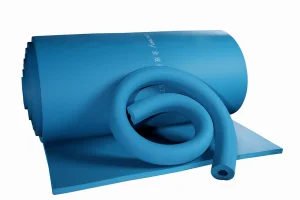
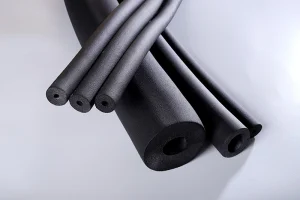
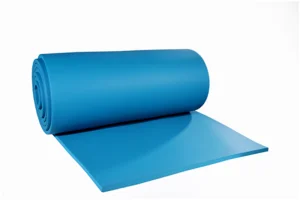
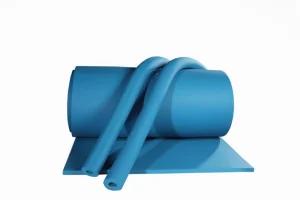
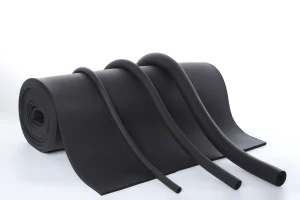
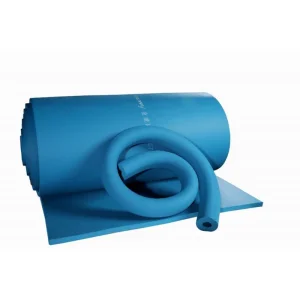
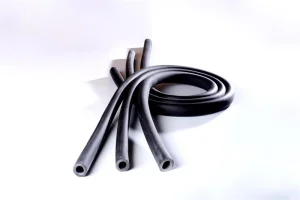
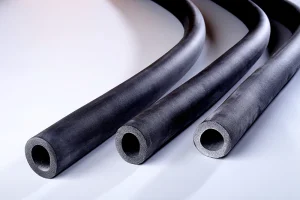
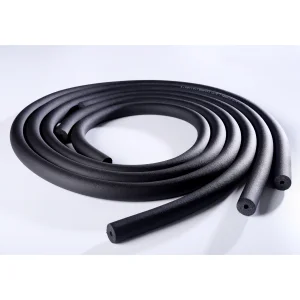
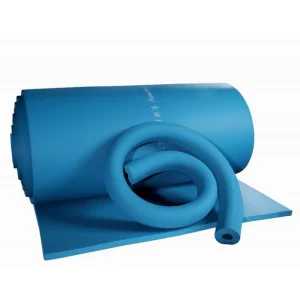
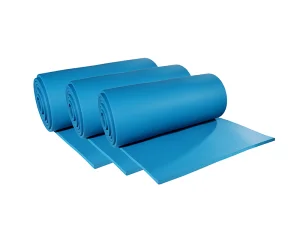
  • Ease of Application: Flexible elastomeric sheet rolls and pre-slit tubes speed up installation, reducing labor costs.
  • Traceability: End-to-end raw material and manufacturing verification to satisfy strict regulatory audits.

3. China Factory 4.0: Supply Chain Resilience & Efficiency

Kingflex Insulation Co., Ltd. operates in Dacheng, China—a major green-building materials manufacturing hub. With 5 advanced automatic assembly lines, our manufacturing facility delivers over 600,000 cubic meters of high-grade elastomeric insulation annually. By integrating raw material sourcing, automated polymer mixing, precise extrusion, and inline thermal curing, we ensure high quality and lower production costs. This robust supply chain ensures reliable lead times, even during global shipping disruptions.

Kingflex factory floor and manufacturing facilities

4. Technical Specs: Material Integrity & Operating Thresholds

Below is a summary of standard technical baselines for Kingflex elastomeric materials, highlighting their performance features:

Property Standard Dimension / Value Testing Norm / Reference
Material Composition Nitrile Butadiene Rubber (NBR) / Polyvinyl Chloride (PVC) ASTM D1667
Thickness Range 6mm to 50mm (Sheets) / 9mm to 40mm (Pipes) EN 822 / EN 823
Density 40 - 55 kg/m³ ASTM D1622
Service Temp. Range -40°C to +105°C (Low-temp line down to -200°C) DIN EN 14706 / 14707
Closed Cell Rate > 98% ASTM D2856
Compression Resilience > 80% ASTM D3575
Certificates BS 476, CE, REACH, RoHS, UL94, ASTM Global Standards Agency Approved

5. Localized Application Scenarios

⚙️

Cryogenics & Gas Pipelines

Specifically engineered for sub-zero LNG processing and liquid nitrogen storage down to -200 °C. The closed-cell structure prevents thermal shock and condensation in cold environments.

🏢

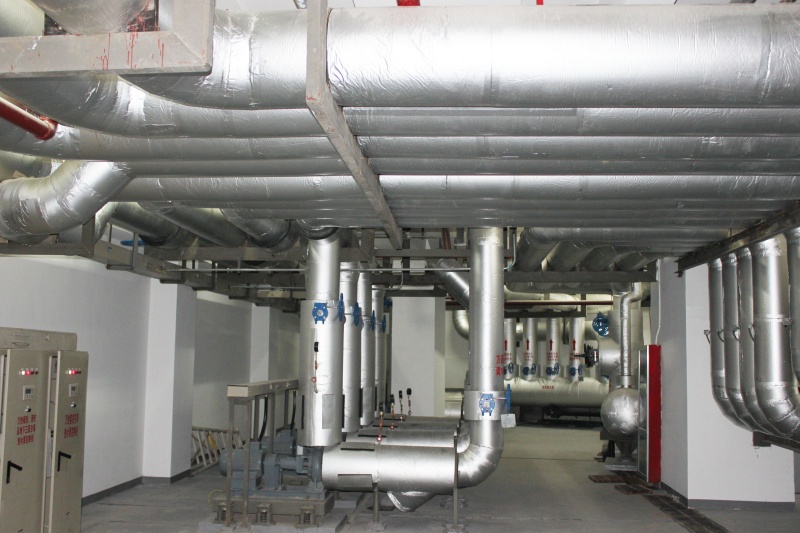
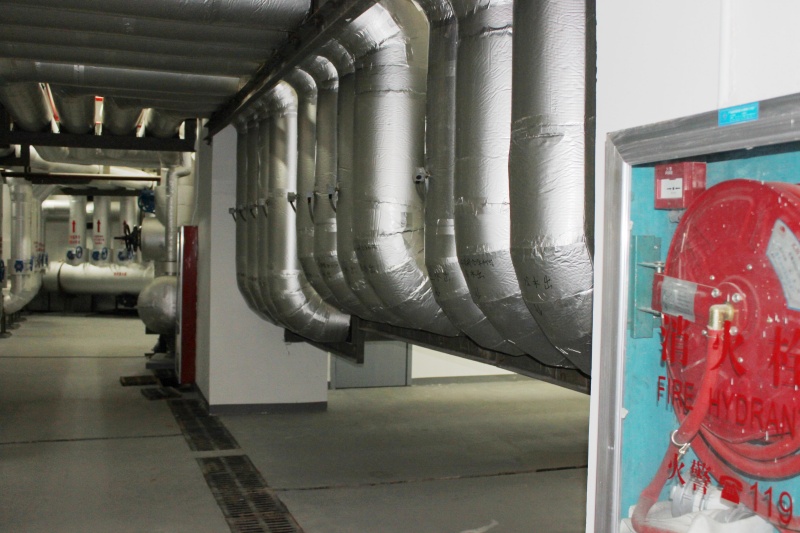
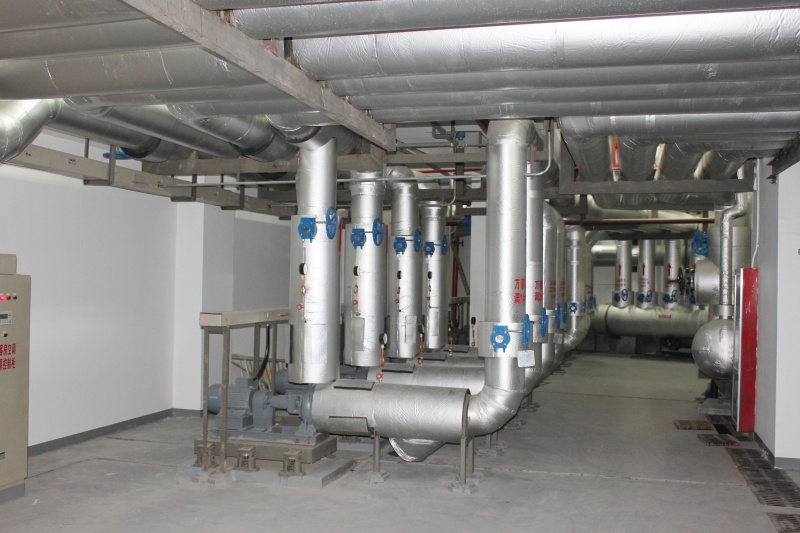
Commercial HVAC & Plumbing

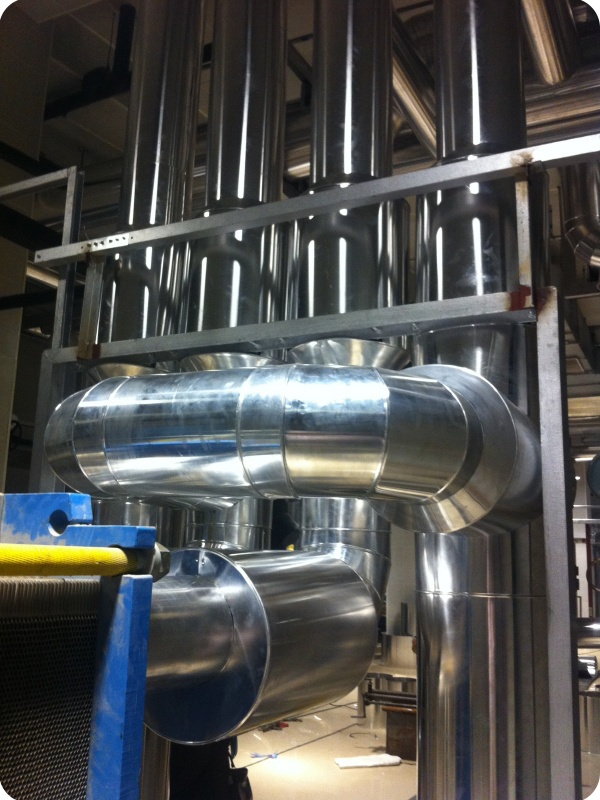
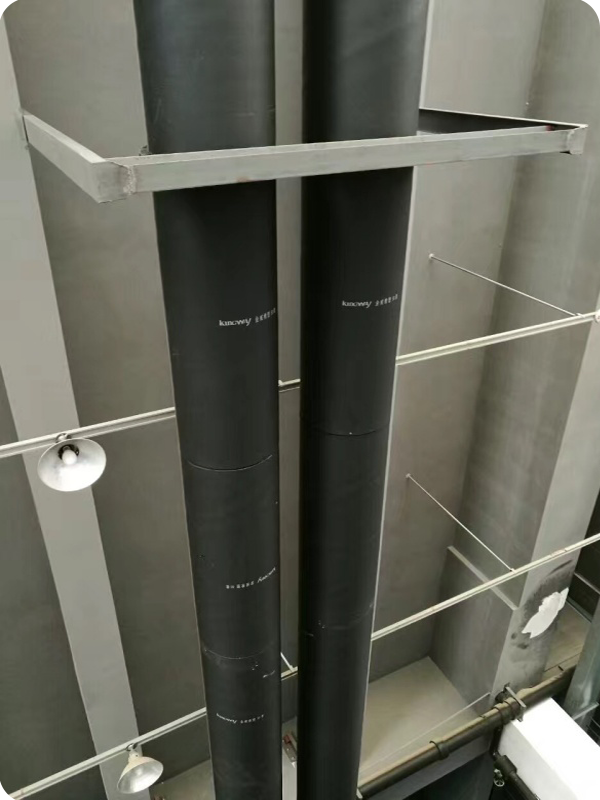
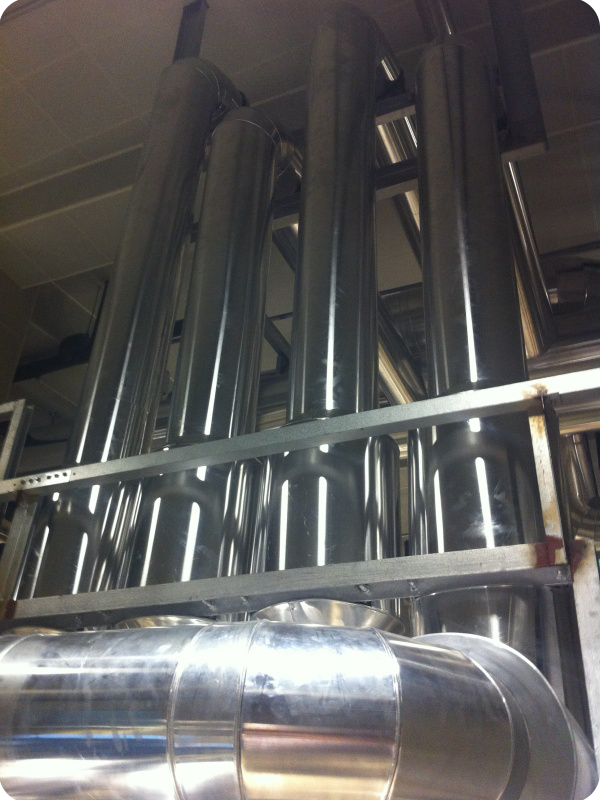
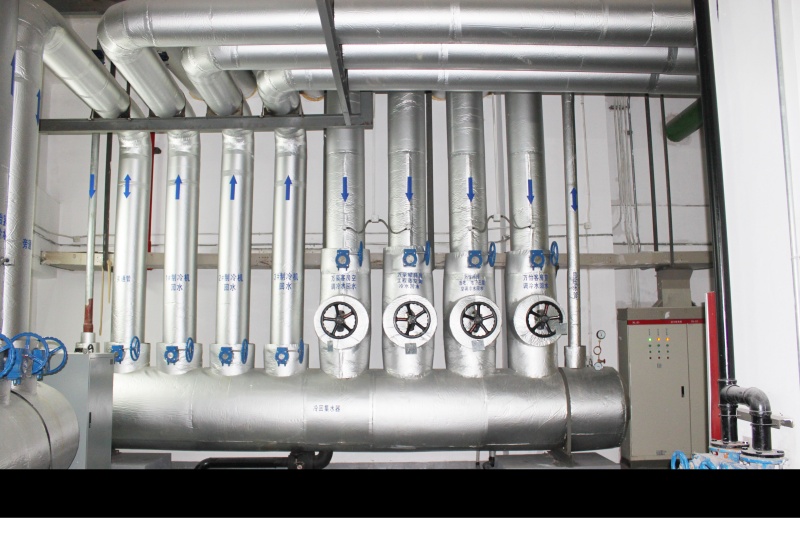
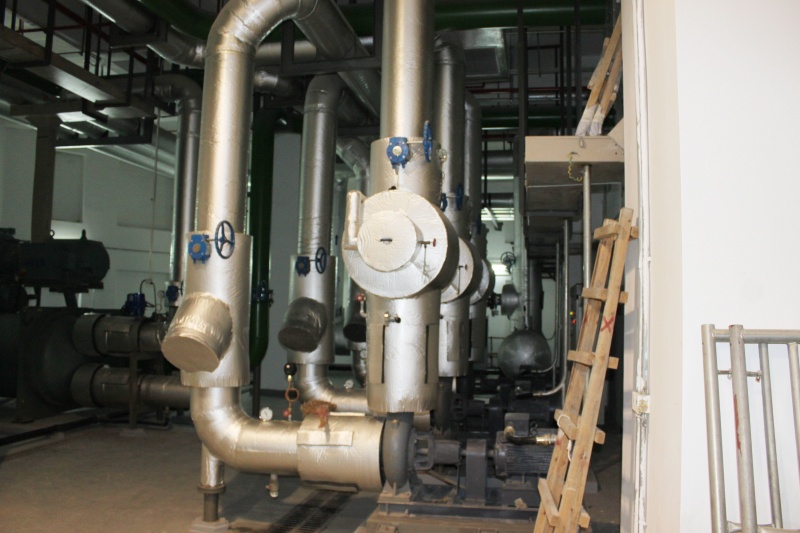
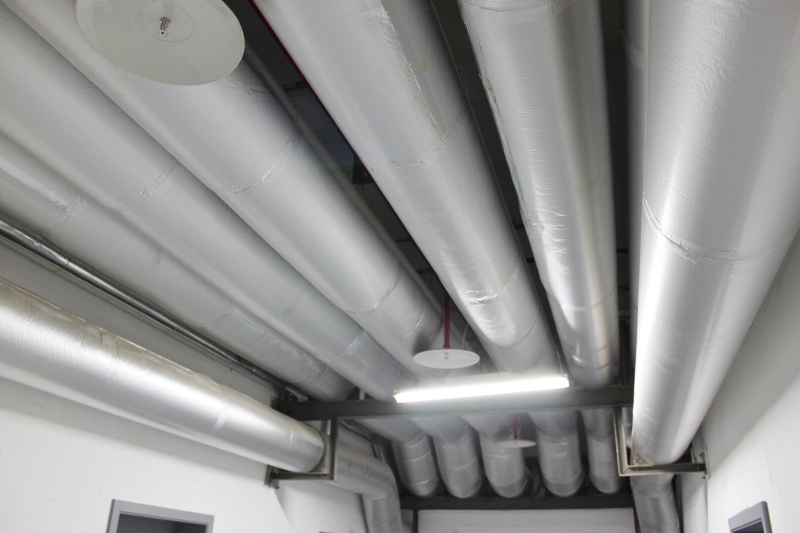
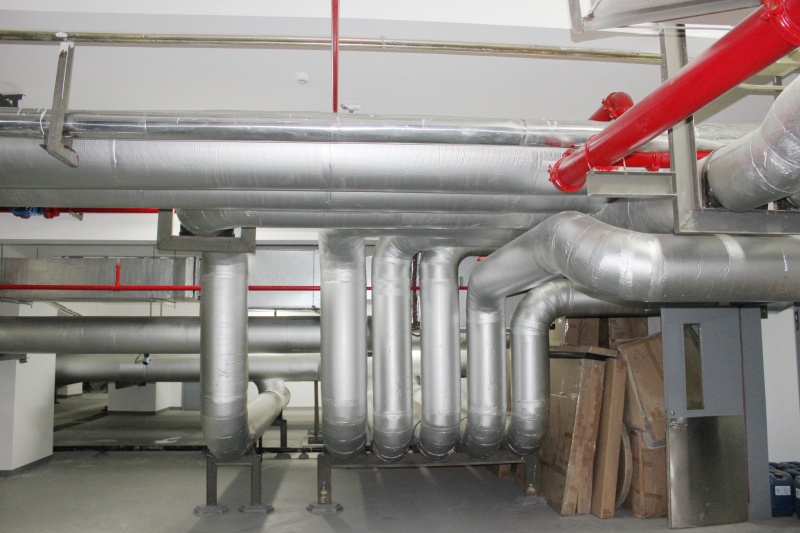
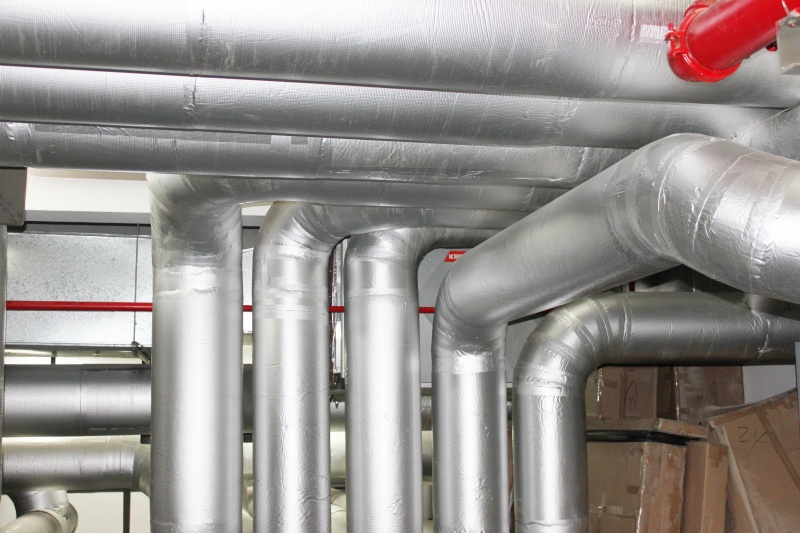
Widely installed in luxury hotels, shopping complexes, and cleanroom hospital environments. Provides reliable anti-condensation and anti-freezing properties for chilled water lines and ducts.

🏭

Heavy Industry & Petrochemical

Provides heat insulation, noise reduction, and chemical corrosion protection for high-temperature steam lines and storage tanks in refineries and power plants.
Kingflex R&D and team testing setup

6. Research & Development (R&D) Focus

Our dedicated R&D department employs 8 professional engineers focused on improving polymer chemistry, fire retardants, and raw material compounding. By testing materials under simulated extreme environments, we continuously refine our product line. This active development has made us a designated supplier for the Ministry of Energy, the Ministry of Electric Power, and the Ministry of Chemical Industry.

Core Categories
Company Profile

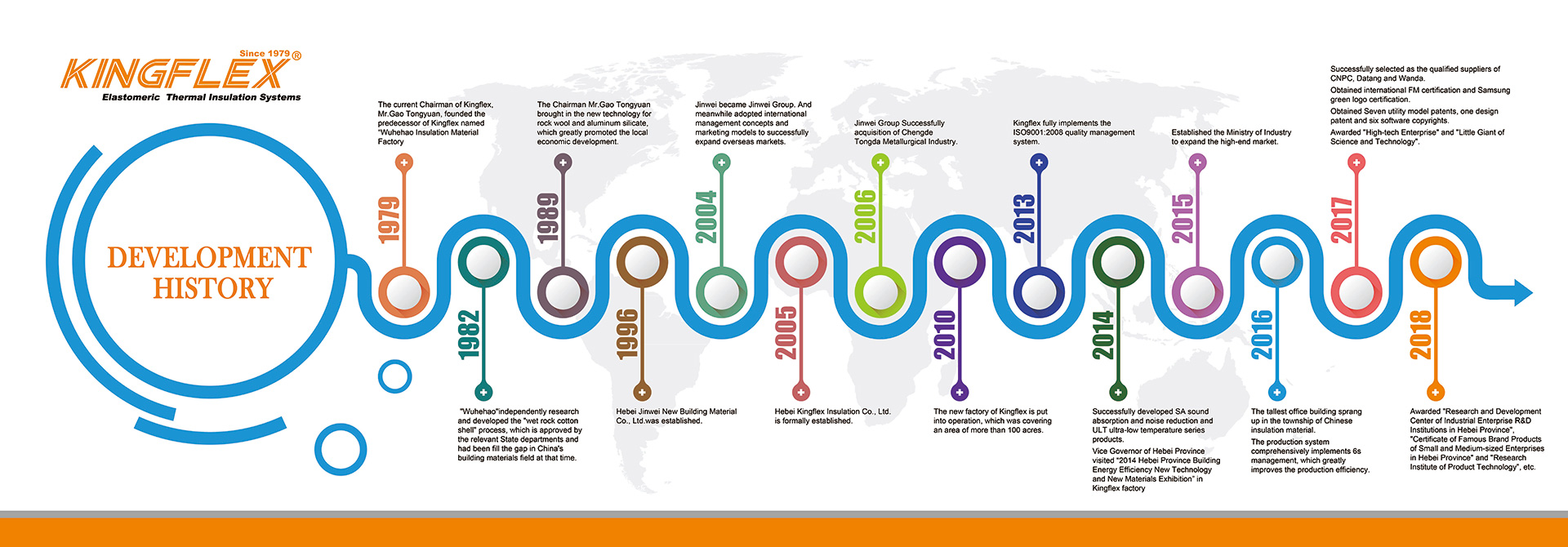
Kingflex is established by the Jinwei Group, which has more than 40 years of history. Founded in 1979, the group was the first thermal insulation manufacturer north of the Yangtze River.

Contact Our Experts
Team Competence

Our team includes 8 R&D engineers, 6 international sales managers, and 230 manufacturing workers dedicated to product quality and service.

Global Projects & Quality Approvals

Proven performance across diverse global construction and industrial infrastructure initiatives.

Project application 1
Project application 2
Project application 3
Project application 4
Certificate 1
Certificate 2
Certificate 3
Certificate 4
Testing 1
Testing 2
Testing 3
Testing 4
Audit 1
Audit 2
Audit 3
Audit 4

Frequently Asked Questions

Technical details and product specifications for our low thermal conductivity solutions.

Q1: What is elastomeric rubber foam insulation used for?
A1: It is primarily used for commercial HVAC ducts, chilled/hot air conditioning pipes, building thermal insulation wall panels, industrial pipeline cold insulation, and acoustic sound insulation in high-traffic commercial projects.
Q2: Is Kingflex rubber foam insulation fire resistant?
A2: Yes. Our products are formulated with flame retardants, ensuring self-extinguishing behavior off fire and meeting safety standards for commercial and industrial construction. They carry Class 0 and Class 1 ratings under BS 476 and comply with UL94 safety guidelines.
Q3: What is the difference between rubber foam and rock wool insulation?
A3: Rubber foam is a flexible, closed-cell elastomeric material with high moisture resistance, making it suitable for HVAC, condensation control, and cryogenic systems. Rock wool is a fibrous material with high-temperature resistance and fire protection properties, typically used for high-temperature industrial steam pipes.
Q4: Do you provide customized insulation products?
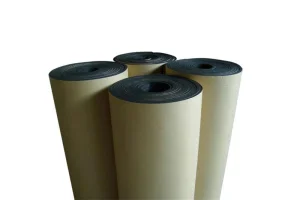
A4: Yes, we provide full OEM and ODM services. This includes custom wall thicknesses (6mm to 50mm), internal pipe diameters (6mm to 114mm), custom colors, and pre-applied adhesive backings to meet specific project guidelines.
Q5: What certifications do your products have?
A5: Our products are certified under BS 476, CE, REACH, RoHS, UL94, and ASTM. This ensures compliance with environmental, fire, and health safety rules across global markets.
Q6: Does Kingflex products have traceability?
A6: Yes. We apply batch-tracking codes from raw material ingestion through polymer curing, packaging, and container dispatch. This level of traceability helps our clients pass audits in chemical processing and government-sponsored infrastructure projects.
Q7: What thickness of Rubber foam insulation sheet roll can you produce?
A7: Our advanced extrusion lines manufacture flexible elastomeric foam sheet rolls in thicknesses ranging from 6mm to 50mm, providing targeted thermal barrier values for varying climates.
Q8: What is the service life of rubber plastic pipe and board?
A8: Under standard operational conditions and when installed according to manufacturer guidelines, Kingflex elastomeric insulation has an active service life of 10 to 15 years, maintaining its thermal resistance (R-value) over time.