Direct supply-chain endpoints for international engineering acquisitions. Explore wholesale price sheets and technical configurations.
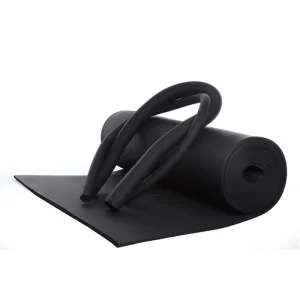
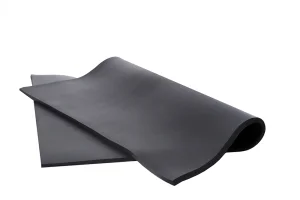
In the modern era of commercial architecture, structural envelope engineering is no longer just about basic weather protection. Rapidly changing global building standards, alongside ambitious ESG initiatives, have positioned high-efficiency thermal insulation as a key element of modern building design. Building envelopes account for approximately 30% of total commercial HVAC thermal loss, making advanced insulation systems essential for meeting strict energy codes.
Internationally, standard-setting groups like ASHRAE in the United States and the European Standard EN 13162 are establishing stricter thermal performance metrics. Modern industrial facility designs require insulative systems with low thermal conductivity, high moisture protection, and strong fire safety profiles. These developments have expanded the commercial market for Elastomeric Nitrile Butadiene Rubber (NBR) and Polyvinyl Chloride (PVC) closed-cell foam insulation, transforming it from a niche product into a key engineering solution for large-scale logistics hubs, airports, hypermarkets, and process industries.
For global sourcing managers and MEP consultants, choosing the right material involves looking at long-term energy savings and cost efficiency. Sourcing directly from manufacturers like Kingflex Insulation Co., Ltd. helps projects maintain strict safety and environmental standards while reducing overall material costs.
A deeper look at the chemical composition and thermal properties of flexible elastomeric foam insulation.

Figure 1: Highly automated continuous extrusion lines at the Dacheng plant.
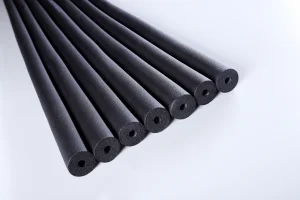
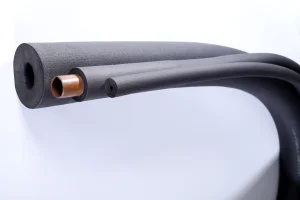
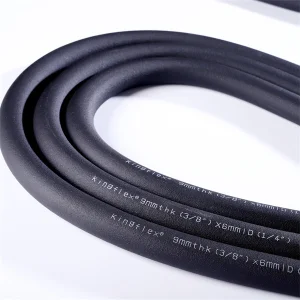
Kingflex elastomeric thermal insulation is made from a synthetic NBR/PVC blend. During production, the vulcanization process creates millions of uniform, closed gas cells. NBR provides excellent flexibility and oil resistance, while PVC enhances the material's structural strength and fire retardancy.
With a closed-cell rate exceeding 98%, this structural configuration prevents convective thermal movement and blocks moisture absorption. Water vapor transmission is one of the main causes of thermal degradation over time. When ambient moisture penetrates fibrous insulation, it can reduce thermal performance by up to 50% for every 1% of volume gained in moisture. Kingflex's closed-cell design eliminates the need for external vapor barriers in standard setups, maintaining a stable thermal conductivity ($\lambda \le 0.034 \text{ W/(m}\cdot\text{K)}$ at $0^\circ\text{C}$).
| Physical Property | Standard Reference | Typical Value |
|---|---|---|
| Density Range | ASTM D1622 / ISO 845 | 40 - 55 kg/m³ |
| Thermal Conductivity ($\lambda$) | ASTM C518 / EN 12667 | $\le 0.034 \text{ W/(m}\cdot\text{K)}$ at $0^\circ\text{C}$ |
| Moisture Resistance Factor ($\mu$) | BS EN 12086 / ISO 12572 | $\ge 10,000$ |
| Flame Spread & Smoke Index | UL94 / BS 476 Part 7 / ASTM E84 | Class V-0 / Class 1 / Class A |
| Operating Temperature Range | DIN 52613 | -40℃ to 105℃ |
| Compression Resilience | ASTM D1667 | $\ge 80\%$ recovery |
Understanding performance differences in commercial roofing and mechanical applications.
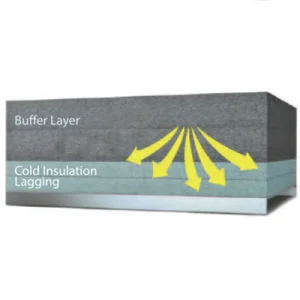
Unlike open-cell glass wool or rock wool, which can trap water in humid environments, elastomeric NBR foam has natural moisture resistance. In roofing applications subject to temperature swings, this built-in barrier prevents condensation issues that can lead to structural damage.
When fibrous insulation gets wet, it can trap moisture against metal pipes or structural supports, causing Corrosion Under Insulation (CUI). Kingflex's NBR/PVC blend stays dry, helping protect metallic sub-components and extending the system's operational life.
Fiberglass and rock wool can release airborne micro-fibers during installation, requiring PPE. Elastomeric foam is dust-free and fiber-free, making it safer for indoor installations, hospitals, and cleanrooms while lowering total installation labor times.
China is a global leader in advanced thermal insulation production. The Dacheng region in Hebei province serves as a central hub for green building materials, housing major manufacturing networks and engineering clusters.
Kingflex Insulation Co., Ltd. operates in this industrial ecosystem, using local supply chains to source raw materials efficiently. Having raw polymer suppliers, chemical processing facilities, and domestic shipping centers nearby helps lower operational overhead. These cost savings are passed on to global buyers through competitive wholesale pricing.
With five automated production lines, Kingflex achieves an annual capacity of over 600,000 cubic meters. This high production volume allows the factory to maintain rapid turnaround times for large international projects, including commercial roofing contracts and high-capacity HVAC builds.
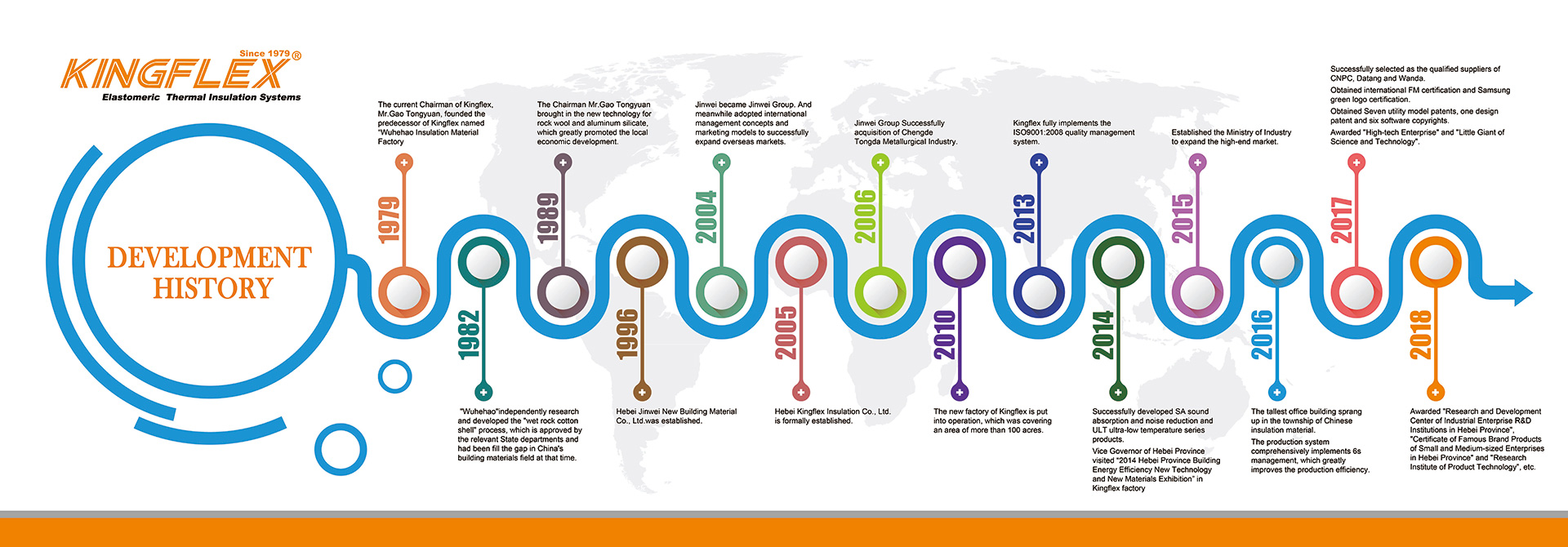
Figure 2: Historical development and expansion of automated vulcanizing lines since 1979.
How closed-cell insulation performs across different regional climates and applications.
High humidity and salt spray accelerate corrosion and water intrusion. In coastal areas and tropical regions, open fibrous systems quickly saturate. Kingflex NBR/PVC rolls prevent water vapor transmission, protecting building envelopes and piping systems from humidity-related damage.
Desert solar radiation can raise roof surfaces above 70°C, increasing cooling costs. Elastomeric insulation resists degradation at high surface temperatures up to 105°C, providing stable thermal resistance (R-value) to reduce heat transfer into buildings.
In low-temperature and LNG processes down to -40°C, ordinary insulation can become brittle or collect ice. Specialized low-temperature Kingflex elastomeric systems retain their flexibility, preventing thermal shock and ice buildup on critical process piping.
A history of manufacturing high-performance energy-saving systems.
Established by the Jinwei Group, which has more than 40 years of history, Kingflex began its journey within a pioneering framework. Kingway Group, founded in 1979, was the first manufacturer of thermal insulation materials north of the Yangtze River.
Today, Kingflex operates as a combined manufacturing and trading enterprise, focusing on research and development. In addition to production, the company provides technical consulting, installation guidance, and post-sale support for commercial insulation projects.
The R&D team consists of eight dedicated engineers who focus on testing new polymer blends, refining flame retardants, and maintaining strict quality standards across all production batches.
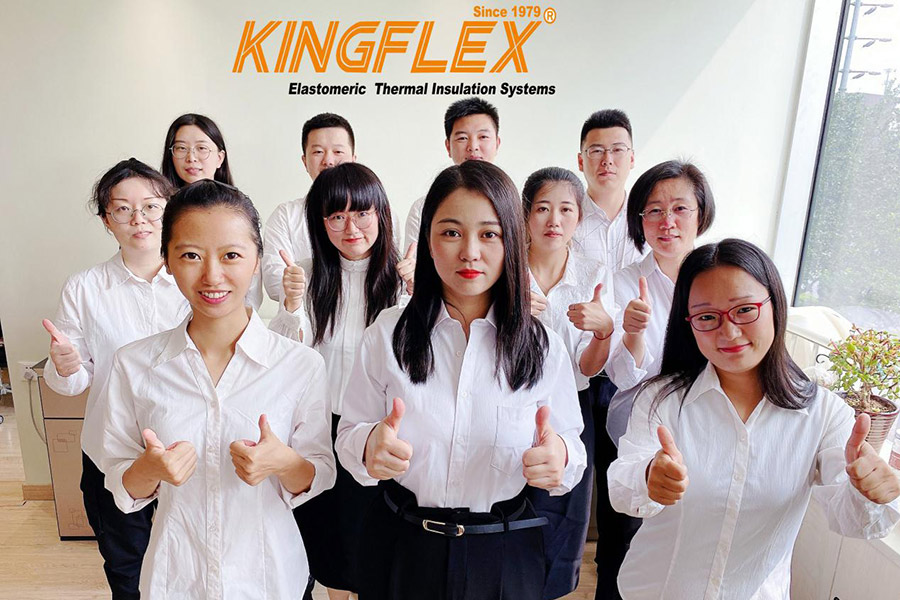
Figure 3: Kingflex international support team and technical coordinators.
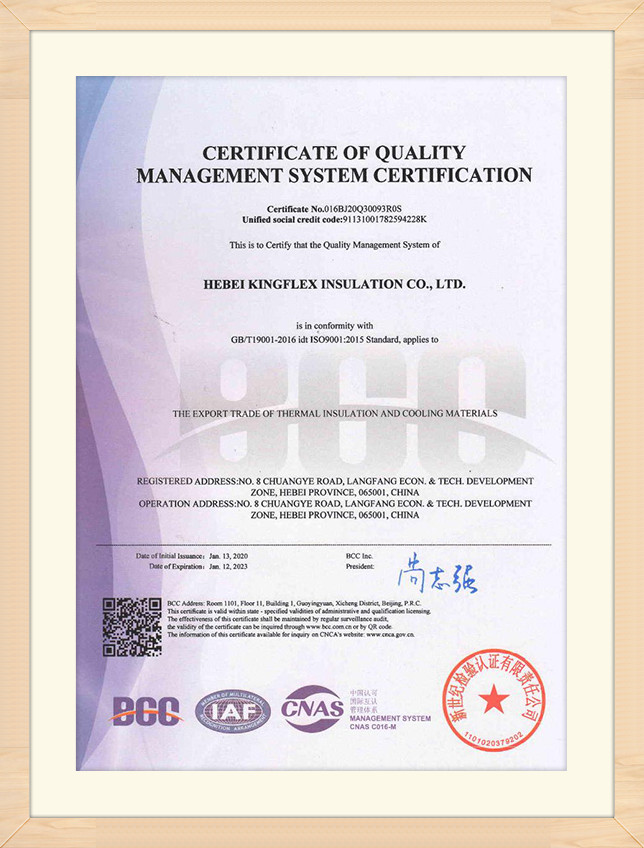
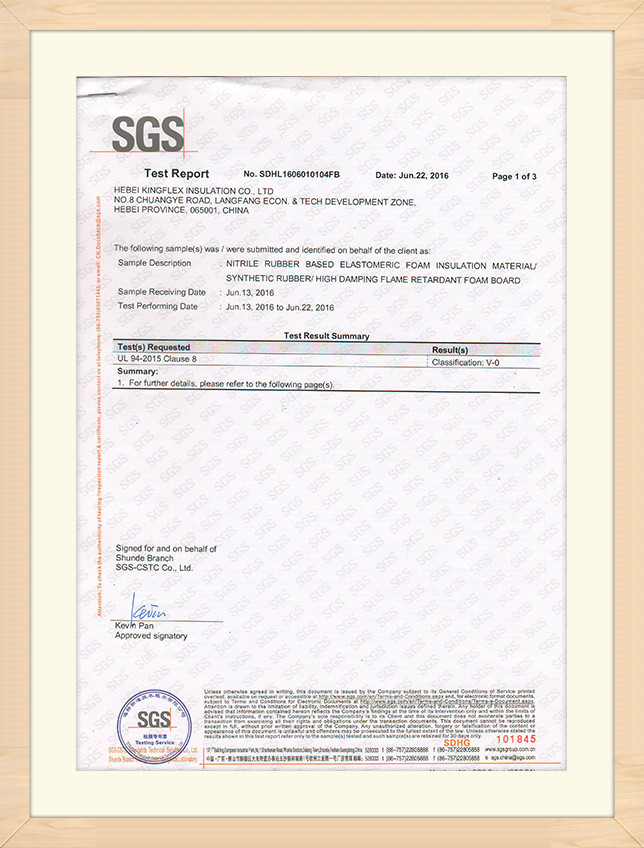
All materials undergo third-party testing to verify compliance with global building codes.
BS 476 Compliance

CE Mark (EN 14304)

UL 94 Flammability
ISO 9001:2015

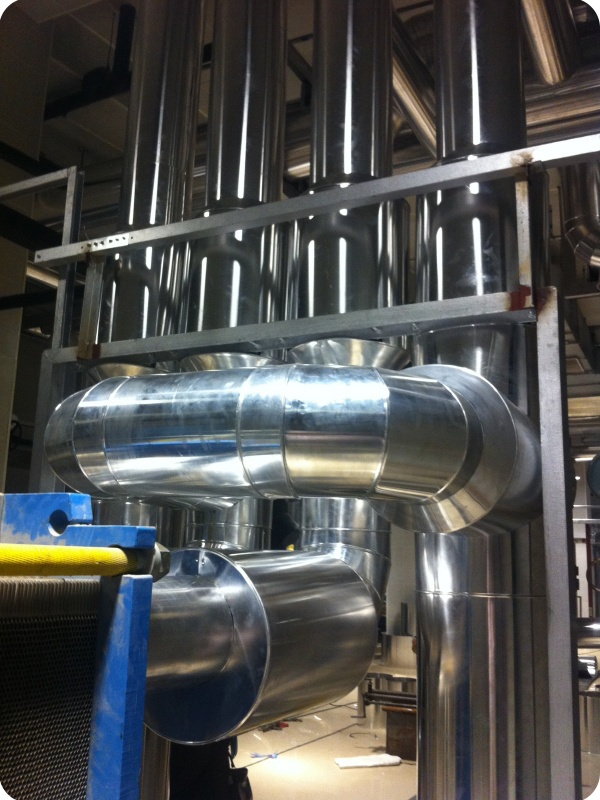
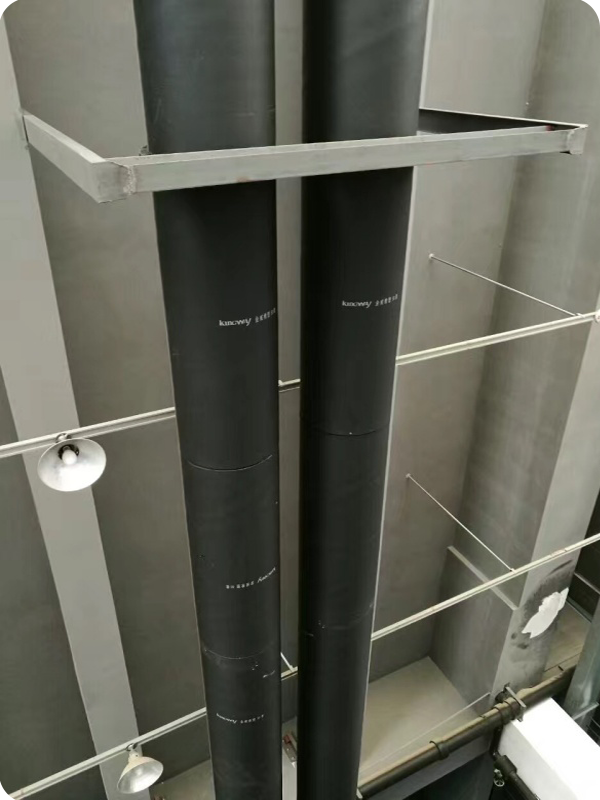
A look at some of the systems installed in commercial and industrial projects worldwide.
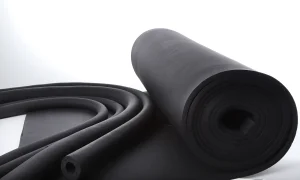
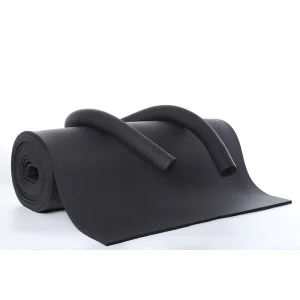
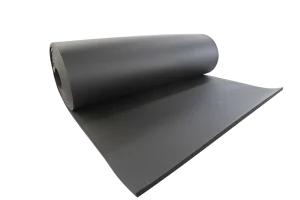
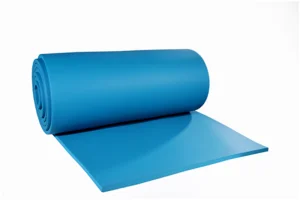
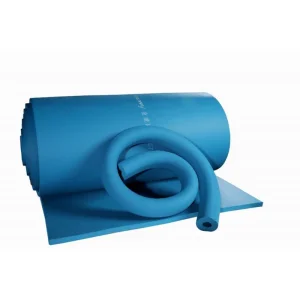
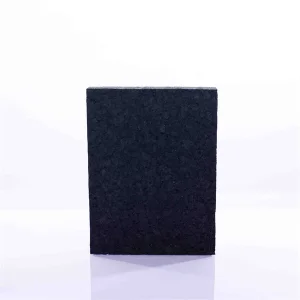
Designed for commercial metal roofing decks, large-scale ventilation ducts, and HVAC setups. These rolls provide high thermal protection and reduce structure-borne noise.
Thickness: 6mm - 50mm
Density: 40-55 kg/m³
Continuous rolls for minimal seams.
Closed-cell structure prevents vapor transfer.
Self-extinguishing in case of fire.
Highly flexible for easy cutting.
Primary Applications: Commercial roofing decks, large ventilation ducts, industrial steam line protection, and noise control in HVAC system rooms.
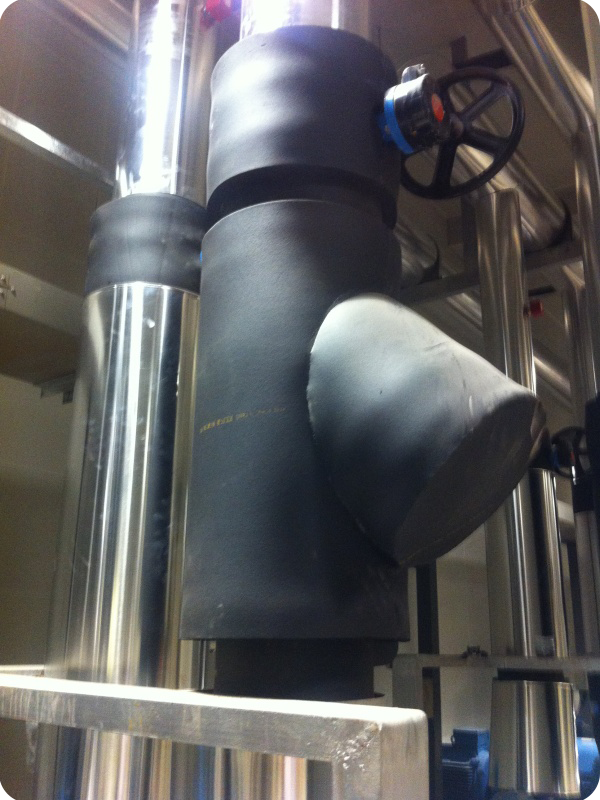
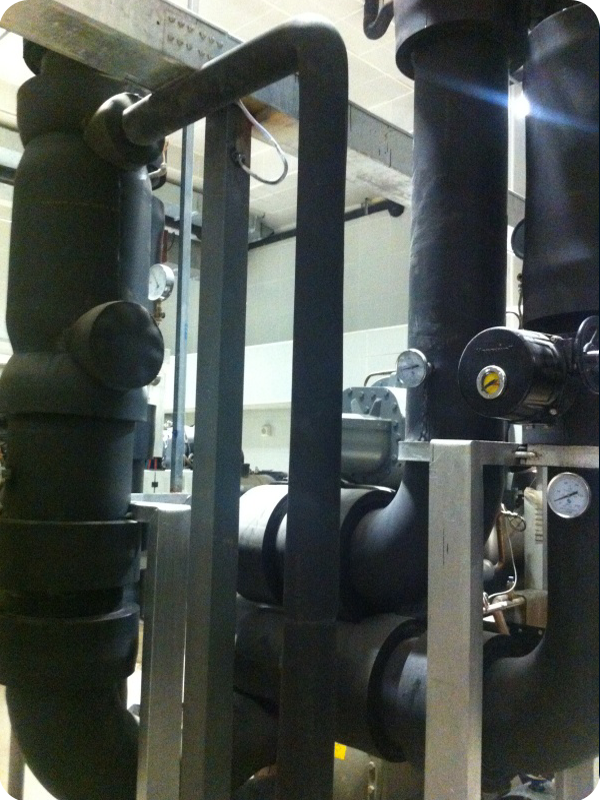
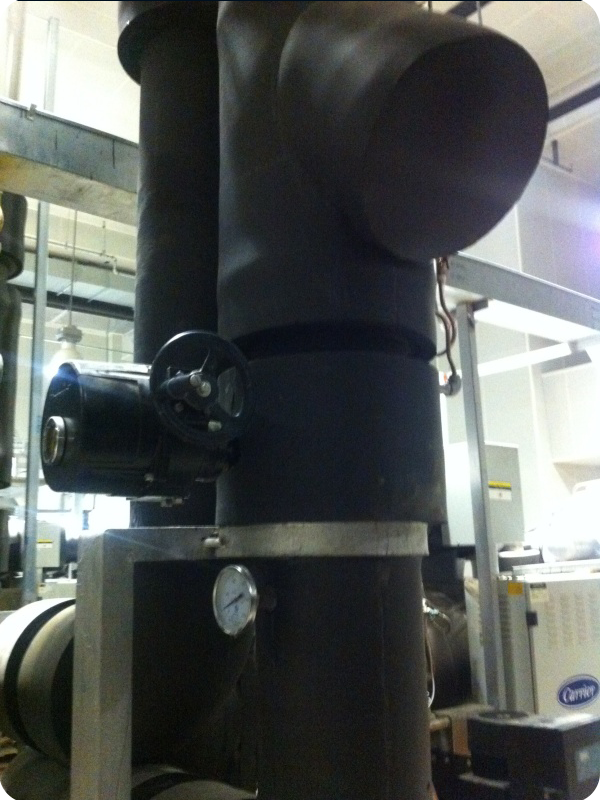
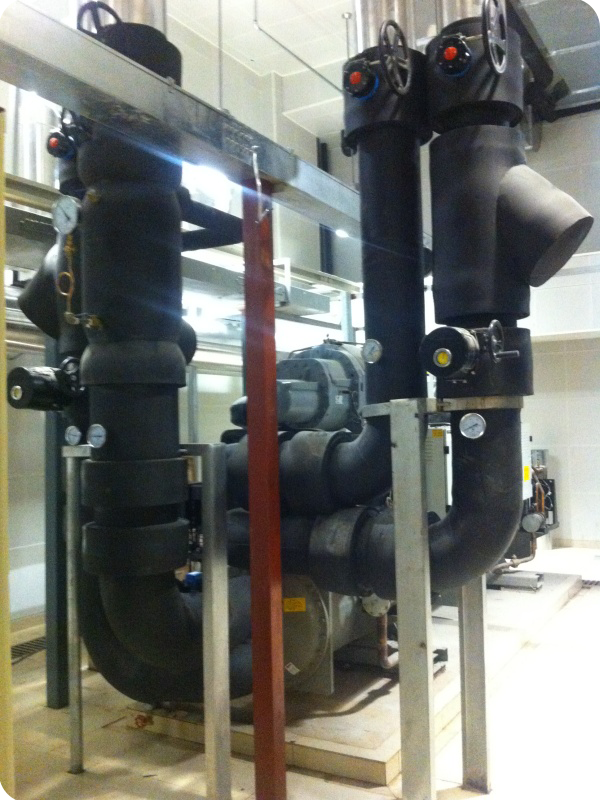
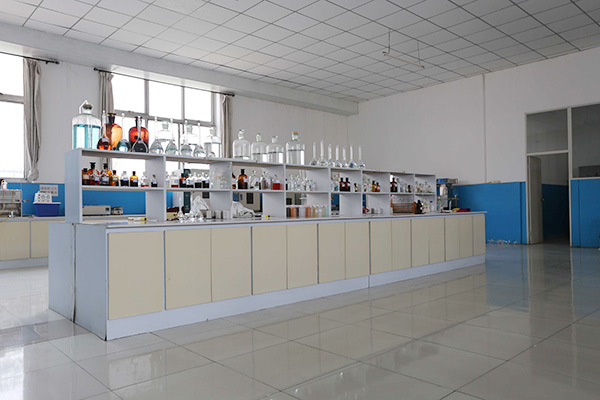
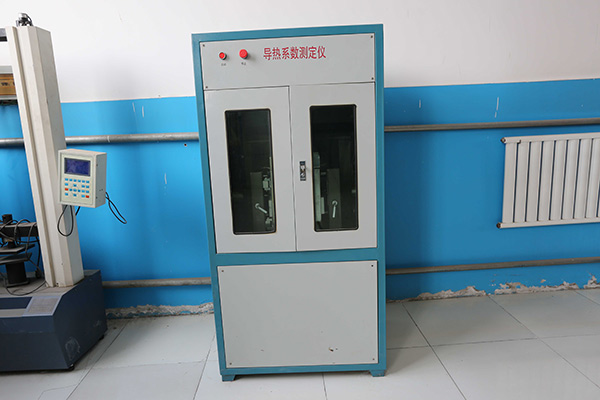
Ongoing quality checks help ensure performance reliability across production runs.
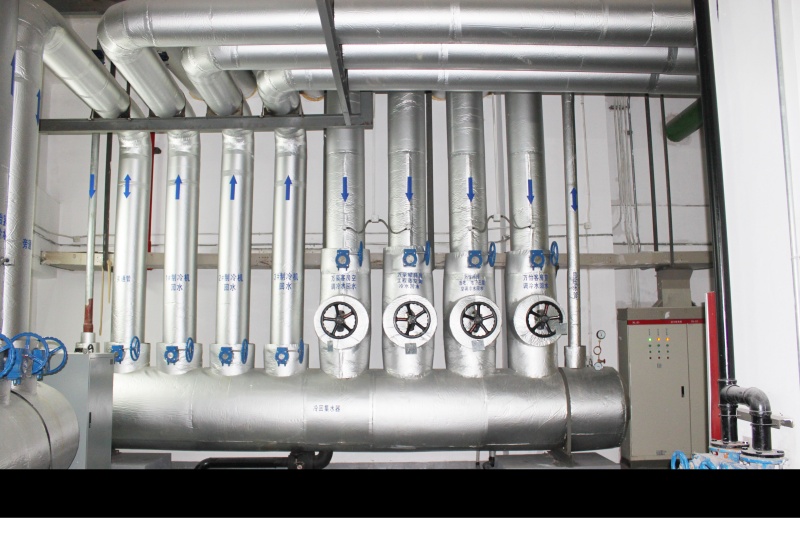


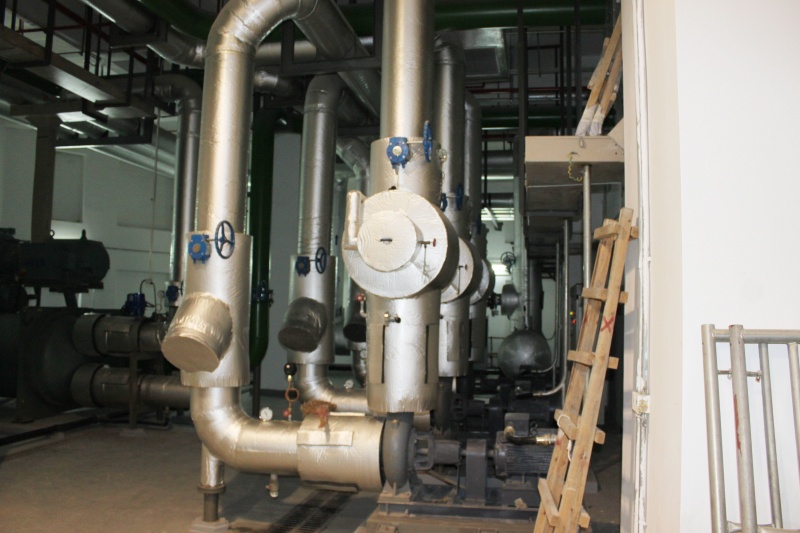
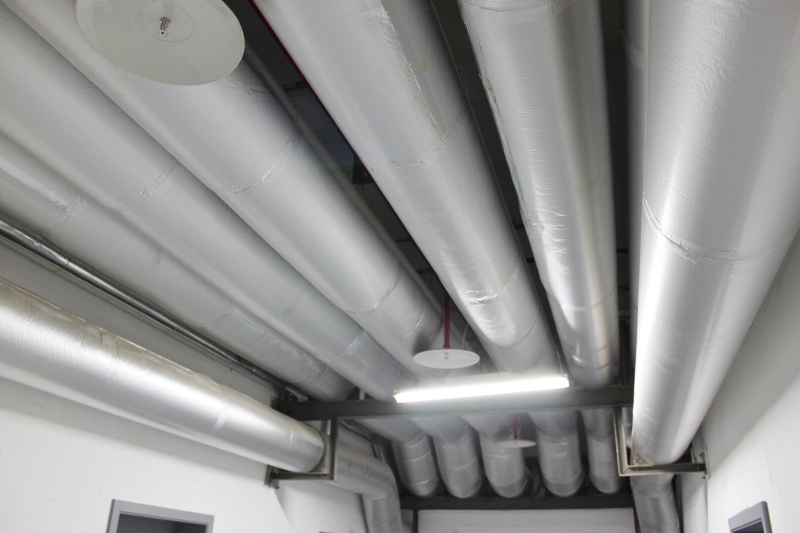

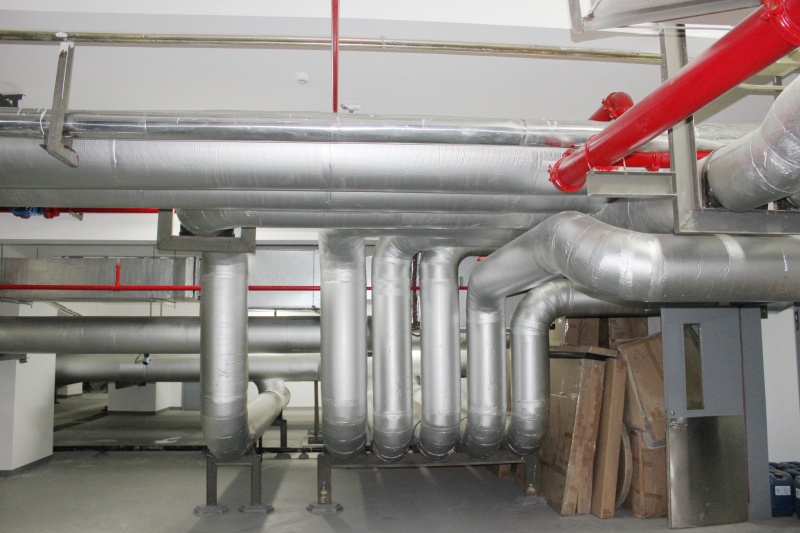
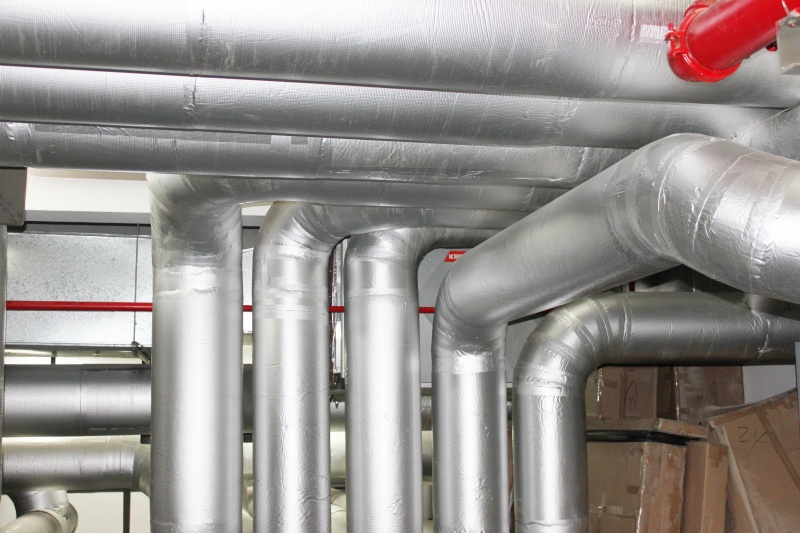
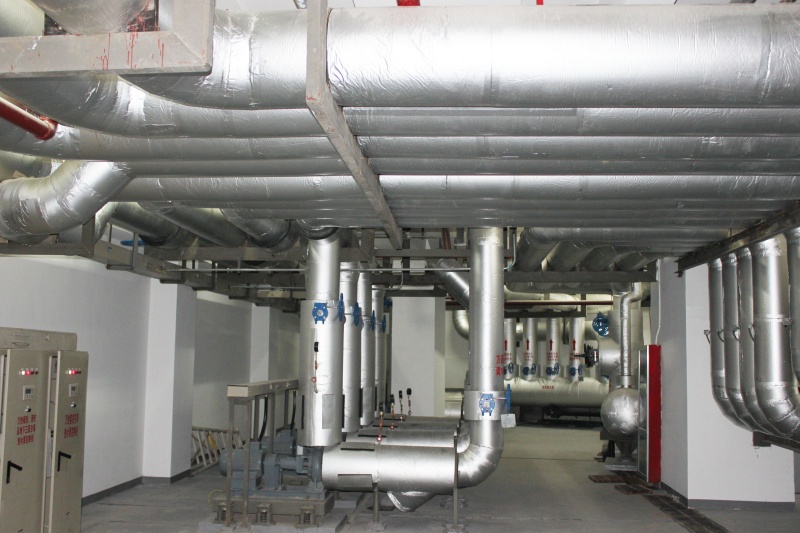
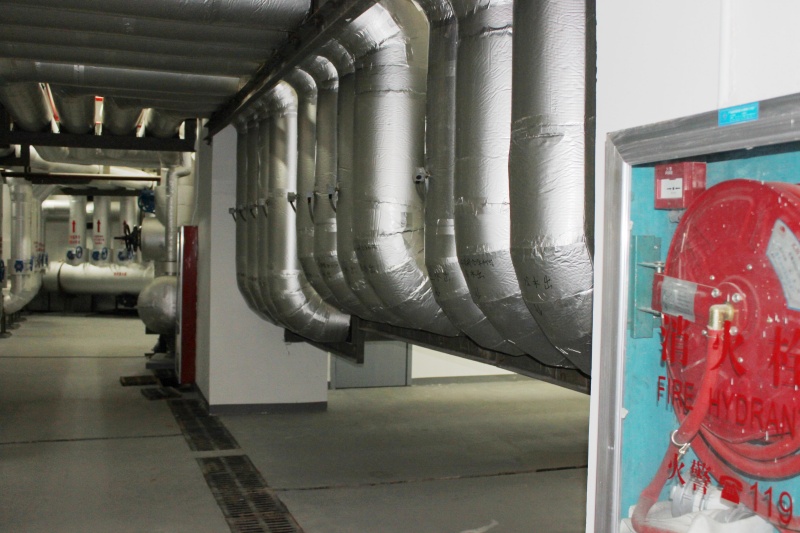
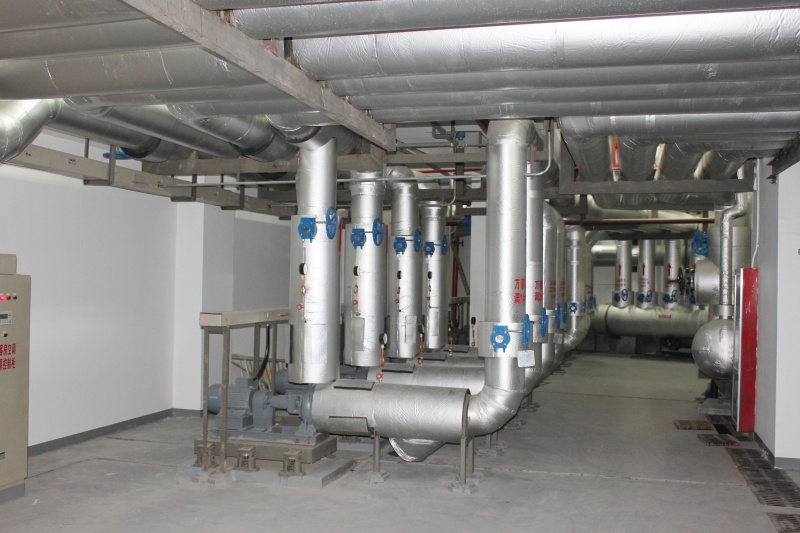

Direct communication channels ensure custom requirements are met accurately.




Technical answers to common questions about specifications, standards, and applications.
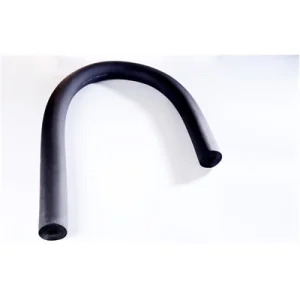
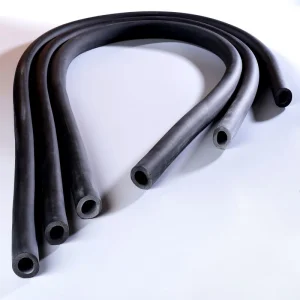
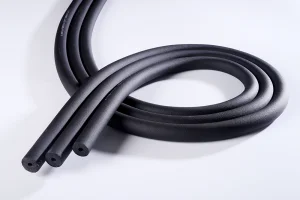
Elastomeric rubber foam insulation is primarily used for commercial HVAC ductwork, hot and cold water pipes, refrigeration lines, cold-chain storage systems, and soundproofing in mechanical rooms. Its flexible structure makes it easy to install around complex fittings and pipe runs.
Yes. Kingflex rubber foam insulation is formulated with specialized flame retardants. It meets key fire safety standards, including UL94 (Class V-0) and BS 476 Part 7 (Class 1), meaning it helps slow the spread of flame and self-extinguishes when the heat source is removed.
The main difference lies in cell structure and moisture control. Rubber foam has a closed-cell, moisture-proof structure, making it ideal for condensation control on chilled pipes and HVAC lines. Rock wool has an open, fibrous structure with high temperature resistance, making it suitable for industrial chimneys and high-temperature steam lines.
Yes, we offer complete OEM and custom sizing services. Sourcing direct from the factory allows us to manufacture custom wall thicknesses, inside diameters for tubes, sheet sizes, and custom packaging configurations to match specific project designs.
Our products have passed BS 476, CE, REACH, ROHS, UL94, and ASTM testing. These certifications ensure the material complies with international building and safety standards for public and commercial structures.
Yes. Every production run is tracked with batch numbers printed directly on the material or packaging. This allows us to trace raw materials, production line conditions, and QA inspection records for every order shipped.
We produce sheet rolls in thicknesses ranging from 6mm to 50mm, allowing engineering teams to specify exact thermal resistance profiles depending on the local climate and energy requirements.
When installed correctly, our rubber-plastic insulation products have an operational service life of approximately 10 to 15 years in standard commercial environments.
Explore the second phase of our product catalog for elastomeric sheets and specialized thermal systems.
 Kingflex