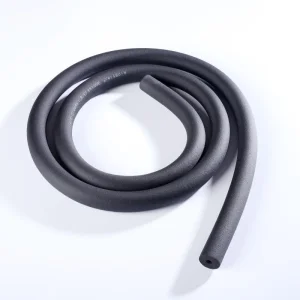
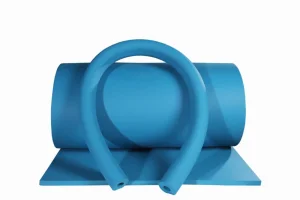
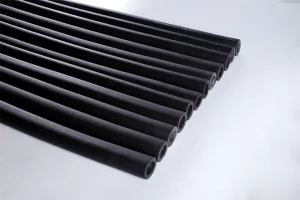
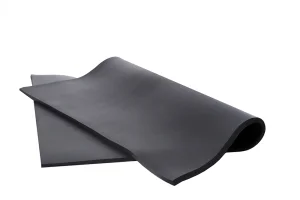
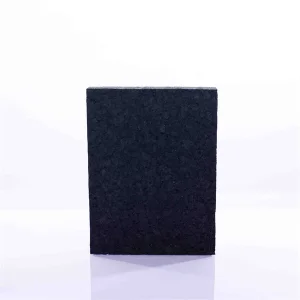
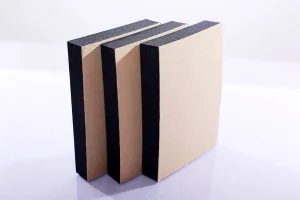
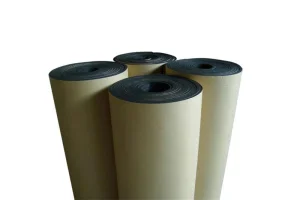
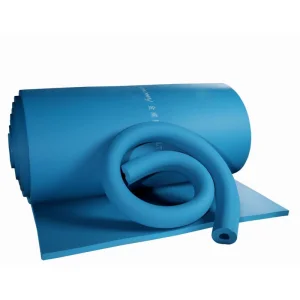
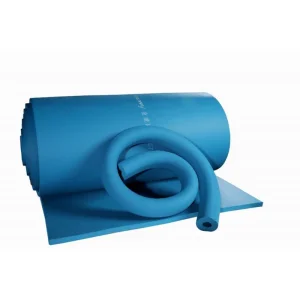
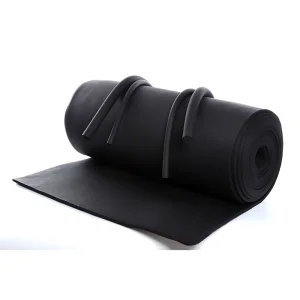
Select high-performance elastomeric and cryogenic thermal barriers manufactured to exact ASTM, BS, and CE standards.
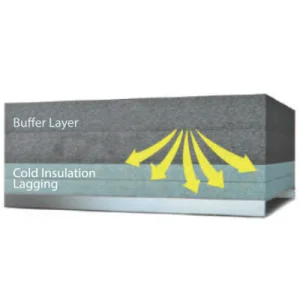
Modern building services, petrochemical complexes, and high-performance HVAC systems require insulation materials that provide more than just resistance to heat flow. They require systems that prevent moisture ingress, resist fire spread, attenuate mechanical noise, and maintain structural integrity over decades. The cornerstone of this standard is NBR/PVC closed-cell elastomeric rubber foam.
By blending Nitrile Butadiene Rubber (NBR) for flexibility and oil resistance with Polyvinyl Chloride (PVC) for durability and fire-retardant properties, engineers create a highly stable micro-cellular structure. This structure traps dry air within millions of independent, gas-filled chambers, presenting a formidable barrier against thermal conductivity ($\lambda \le 0.034 \text{ W/(m}\cdot\text{K)}$ at 0°C).
Unlike open-cell structures or fibrous materials (such as glass wool or rock wool), closed-cell elastomerics do not act as a wick for airborne moisture. Water absorption is the primary cause of insulation breakdown and the catastrophic development of Corrosion Under Insulation (CUI). By maintaining a water vapor diffusion resistance factor ($\mu$) exceeding 10,000, Kingflex rubber foam eliminates the need for separate vapor barriers, ensuring constant performance throughout its service life.

Decentralized logistics, premium raw materials, and massive industrial scaling from Dacheng, China.
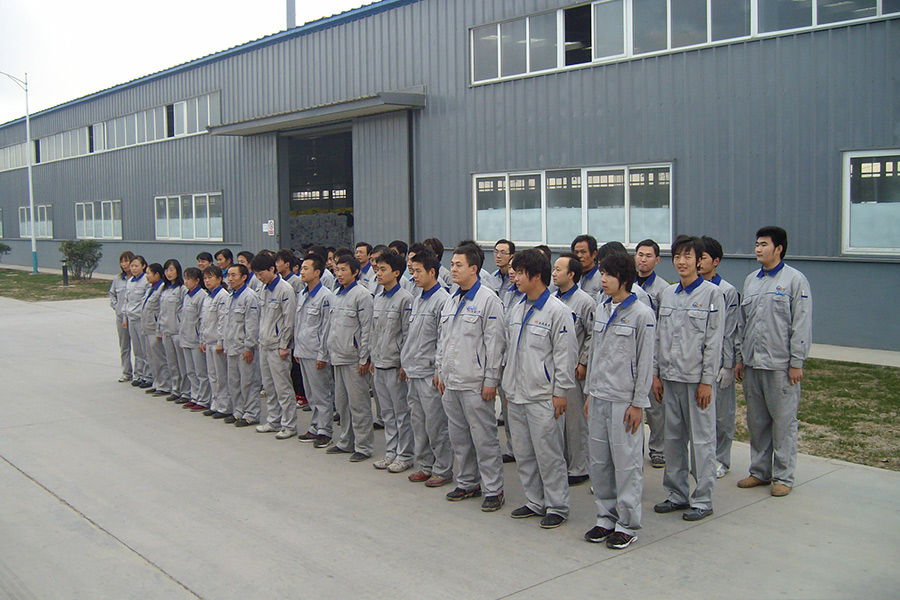
Located in the famous capital of green-building materials in Dacheng, China, Kingflex Insulation Co., Ltd. benefits from a highly integrated, specialized supplier ecosystem. This geographic concentration reduces logistical friction, optimizes bulk pricing of NBR polymers, and guarantees rapid supply chain adaptation for high-capacity runs.
Operating 5 continuous, automatic high-temperature vulcanizing extrusion assembly lines, we achieve highly uniform cellular density and structural uniformity. Automation ensures thickness variations are kept within ±0.5mm, which is critical for consistent thermal resistance values across major projects.
By tailoring material formulations to regional compliance standards (such as BS 476, ASTM E84, or UL 94), Chinese manufacturing provides global buyers with customized density, fire ratings, self-adhesive backing options, and reinforced protective claddings (including aluminum foil and fiberglass jackets).
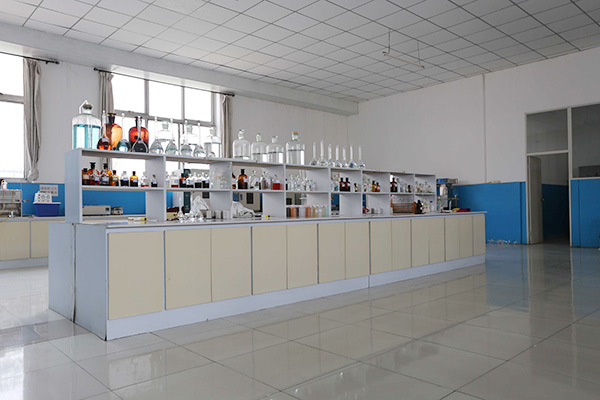

Verified laboratory parameters comparing Kingflex NBR/PVC foam to alternative insulating materials.
| Performance Indicator | NBR/PVC Elastomeric Rubber Foam | Traditional Rock Wool | Glass Wool Insulation |
|---|---|---|---|
| Thermal Conductivity (0°C) | $\le 0.034 \text{ W/(m}\cdot\text{K)}$ | $\approx 0.040 \text{ W/(m}\cdot\text{K)}$ | $\approx 0.038 \text{ W/(m}\cdot\text{K)}$ |
| Water Vapor Resistance Factor ($\mu$) | $\ge 10,000$ (Self-Vapor Barrier) | $1$ (Requires external barrier) | $1$ (Highly susceptible to moisture) |
| Service Temperature Limit | -40℃ to +105℃ (Cryogenic to -200℃) | Up to +650℃ | Up to +250℃ |
| Fire Safety Classification | Class 0 / Class 1 (BS 476), V-0 (UL94) | Class A1 Non-combustible | Class A1 / A2 Non-combustible |
| Structure & Density | Closed-Cell (40 - 55 kg/m³) | Fibrous (80 - 150 kg/m³) | Fibrous (24 - 64 kg/m³) |
| Acoustic Attenuation | Excellent structural damping | Excellent airborne absorption | Good airborne absorption |
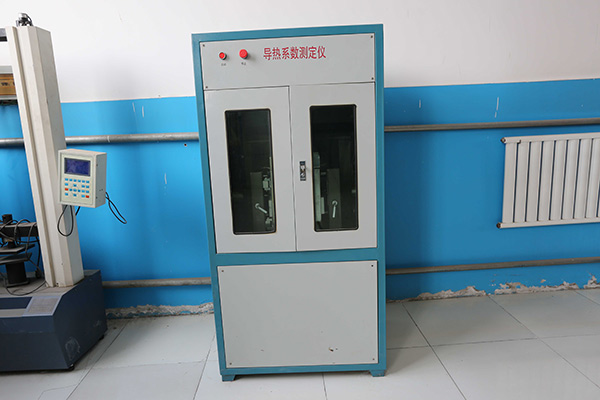
Global architectural and industrial specifications demand strict compliance with flame spread indices and smoke development density. Our NBR/PVC matrix incorporates high loadings of halogenated flame retardants and synergistic inorganic fillers, achieving BS 476 Part 6 & 7 certifications.
This formulation ensures that when exposed to direct flame, the polymer matrix swells and chars rather than dripping, preventing secondary fire ignition and minimizing toxic smoke yield. This makes Kingflex insulation products ideal for high-occupancy buildings, cleanrooms, and marine hulls.
How engineering departments integrate elastomeric systems across commercial building projects, cryogenic storage, and manufacturing plants.
On chilled water loops, refrigerant lines, and supply/return ductwork, condensation control is critical. Kingflex elastomeric sheets and pre-formed tubes prevent condensation on pipe surfaces, protecting ceiling tiles, equipment, and structural elements from water damage and mold growth.
In low-temperature liquefaction plants, liquefied natural gas (LNG) transport lines, and cold-chain storage facilities, operating temperatures drop to -200°C. Standard elastomers become brittle. Kingflex Ultra Low Temperature insulation series retains flexibility at cryogenic temperatures, absorbing mechanical shock and expansion/contraction stresses.
Open-cell variants and dense elastomeric barriers are utilized inside generator enclosures, mechanical plant rooms, and internal duct linings. By coupling acoustic mass with sound absorption, the systems damp structure-borne resonance and break path transmission in commercial high-rises.

For international mechanical contractors, thermal insulation suppliers, and distributors, trust is built on third-party verification. Kingflex ensures every batch of rubber foam rolls or pre-slit piping meets global testing criteria.
Our Quality Management Systems (QMS) are certified under ISO 9001, ISO 14001, and ISO 45001. This guarantees that environmental compliance and safety are integrated into every level of production. In addition, our materials are fully traceable from raw NBR polymer feeds to final packaging labels, ensuring accountability at every step.
We work closely with global inspection agencies such as SGS, TÜV, and Intertek. This collaboration enables us to provide certified compliance reports for ASTM C534, UL 94 (Class V-0), RoHS 3.0, REACH, and BS 476 Class 0, ensuring smooth import clearance at ports worldwide.
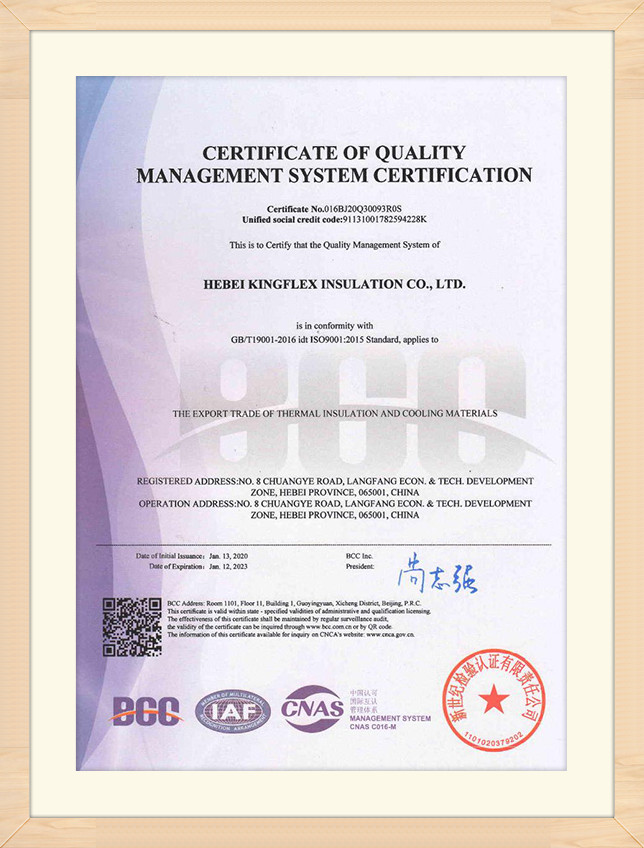


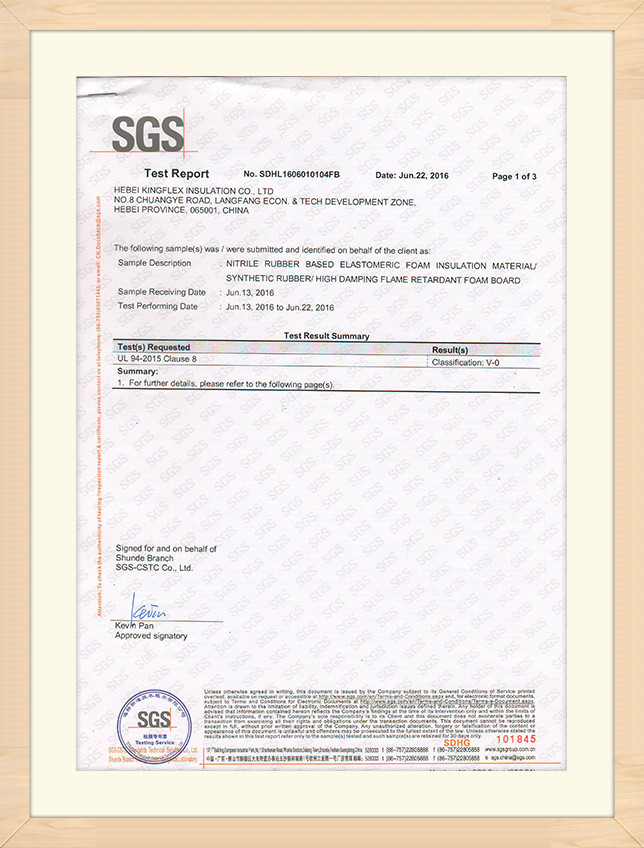
Transparent communications showing our capabilities, logistics, and responsiveness to global inquiries.


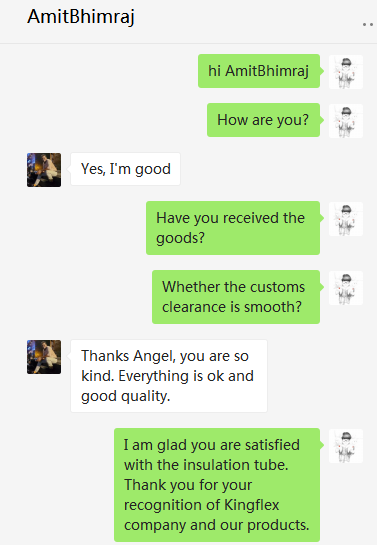


Whether you require standard NBR sheet rolls or specialized aluminum foil claddings, our sales engineers provide itemized quotes within 24 hours. The standard ordering process includes customized thicknesses (6mm to 50mm), pre-slit tubing IDs (6mm to 114mm), and protective ocean freight packaging to prevent crushing during transit.
For major project bids, we offer comprehensive submittal packages including technical data sheets, test certificates, and physical samples to assist with consultant approval processes.
Expert technical answers regarding elastomeric rubber foam insulation application, fire safety, and selection.
A1: It is primarily used for HVAC ducts, air conditioning lines, cold-water pipe systems, chilled water loops, and process piping. It provides thermal resistance to reduce energy loss, controls condensation, and aids in structural acoustic dampening.
A2: Yes. Our rubber foam insulation contains high-performance flame retardant additives, enabling it to meet international building codes such as BS 476 (Class 0 and Class 1), UL 94 (V-0 rating), and ASTM E84 (25/50 flame spread/smoke index).
A3: Rubber foam features a closed-cell, flexible elastomeric structure that naturally resists moisture absorption, making it ideal for refrigeration and low-temperature applications. Rock wool is a high-temperature resistant, fibrous mineral wool best suited for high-temperature industrial steam lines (above 150°C to 650°C) and applications requiring non-combustible materials.
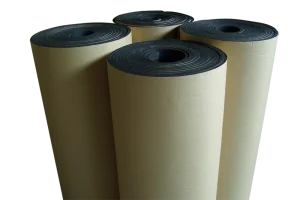
A4: Yes. We support full OEM and ODM services, including customized densities (40-55 kg/m³), specific inside diameters (IDs) for unique piping runs, various colors, self-adhesive backing options, and reinforced aluminum foil outer claddings.
A5: Kingflex products are tested and certified to comply with BS 476, CE, REACH, RoHS, UL94, and ASTM standards, ensuring compliance in major regulatory markets worldwide.
A6: Yes. Every batch of Kingflex elastomeric foam sheets, rolls, and tubes is tracked by our QA department. Production codes on packaging correspond to raw material records, curing parameters, and laboratory test results.
A7: We produce rubber foam sheet rolls in thicknesses ranging from 6mm up to 50mm, allowing for tailored thermal resistance (R-value) selection depending on target temperatures.
A8: Under standard indoor HVAC operating conditions, Kingflex rubber foam insulation typically lasts 10 to 15 years, maintaining consistent thermal performance when properly installed.
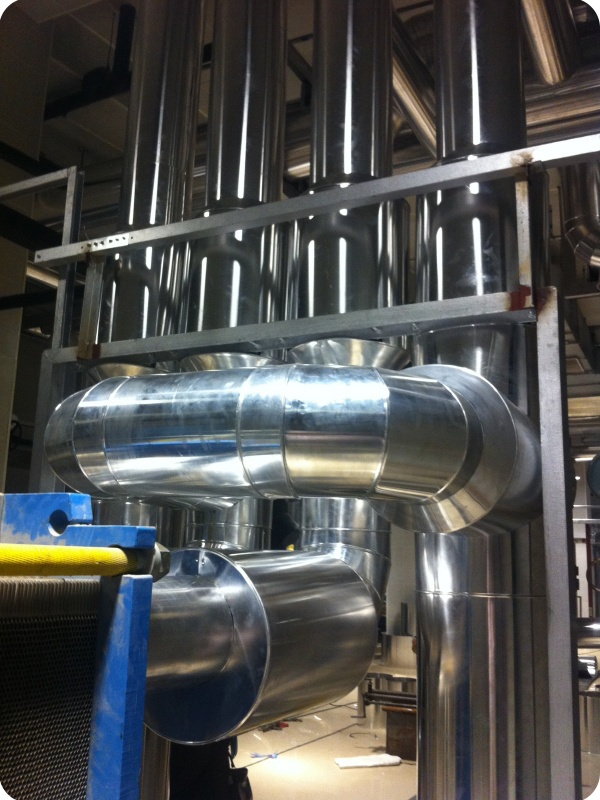
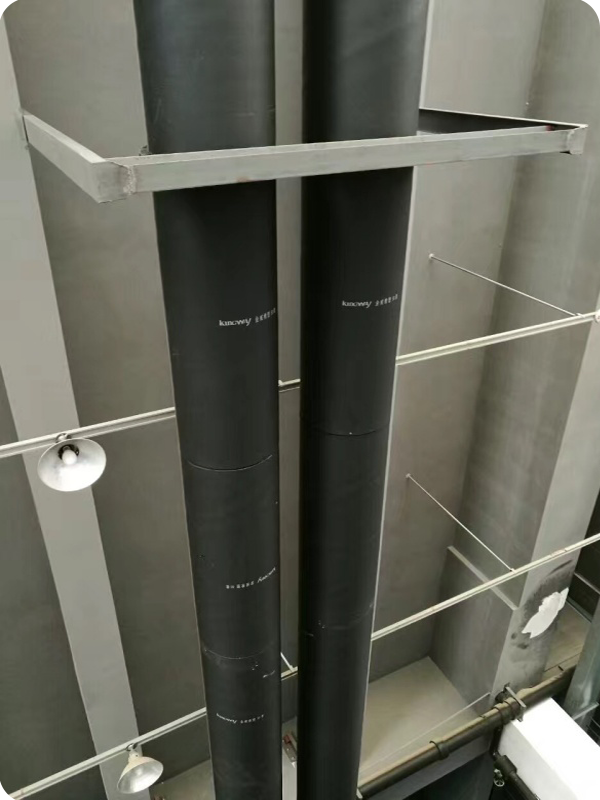
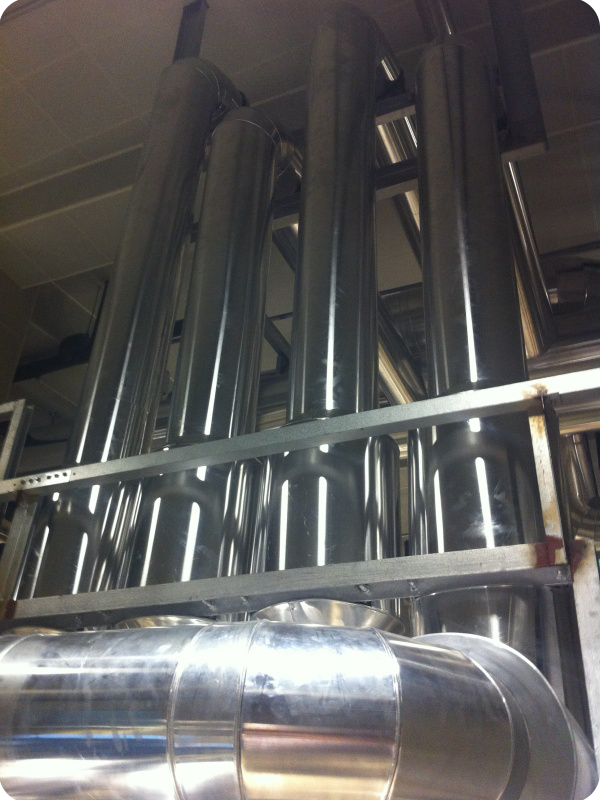
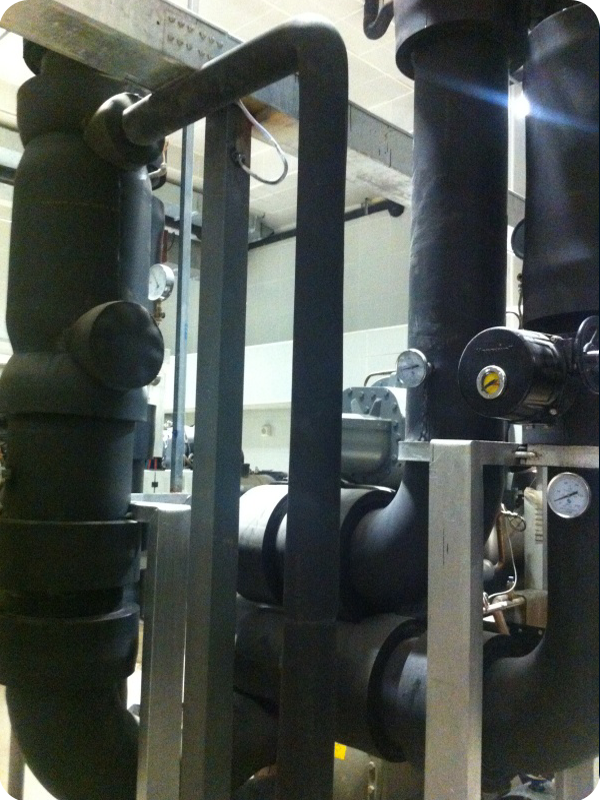
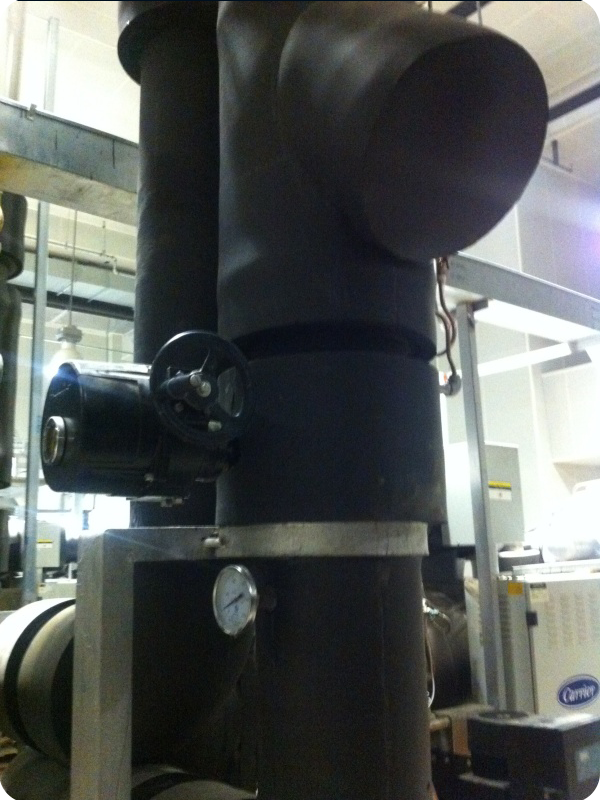
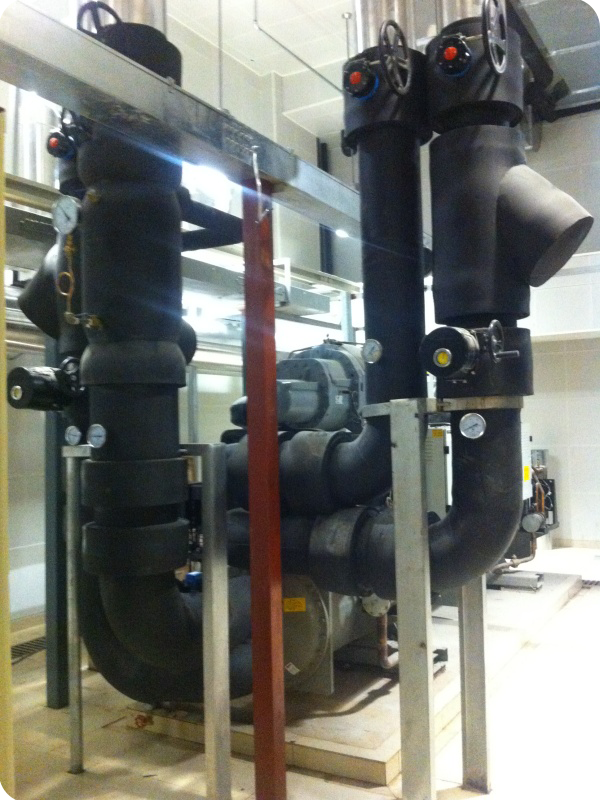
Selected structural installations of Kingflex elastomeric insulation systems in international construction and petrochemical zones.
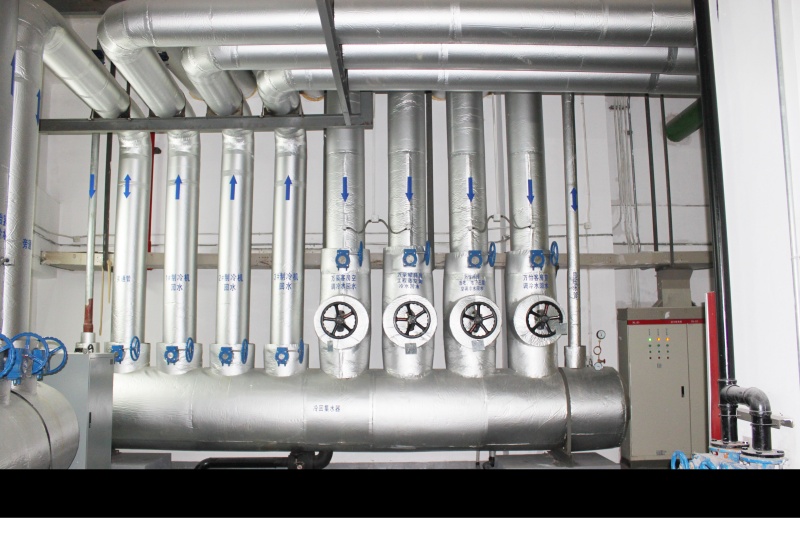


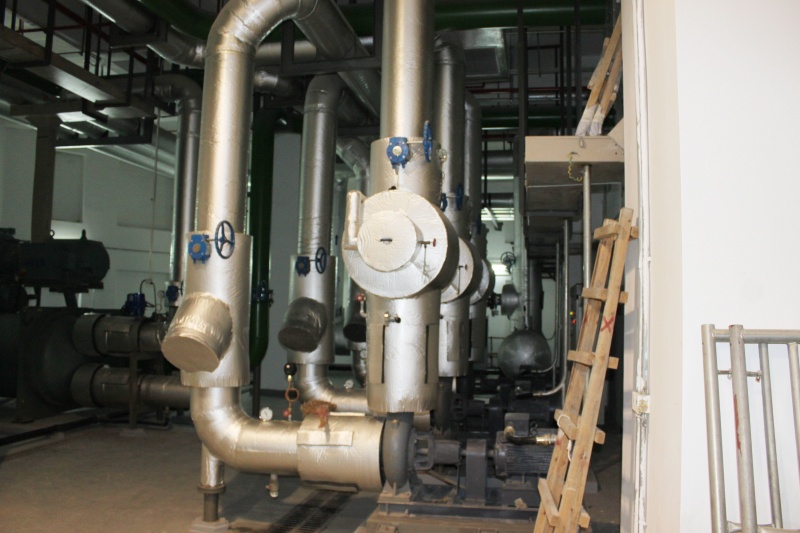
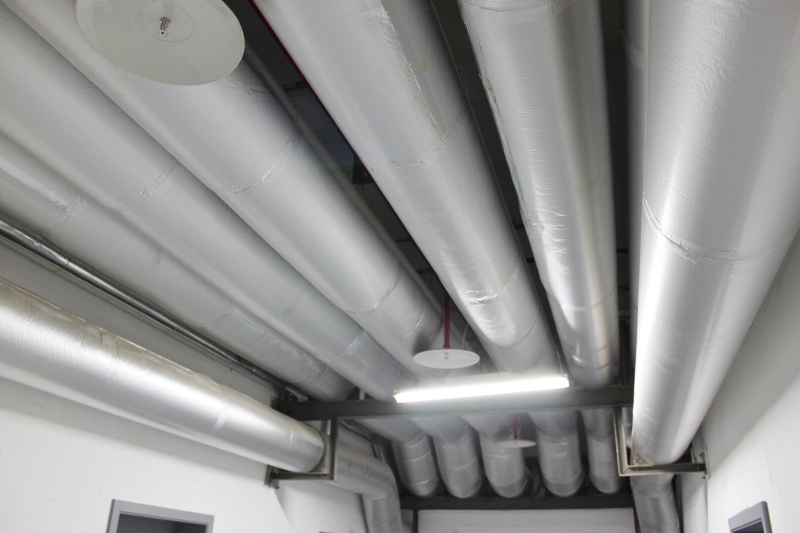

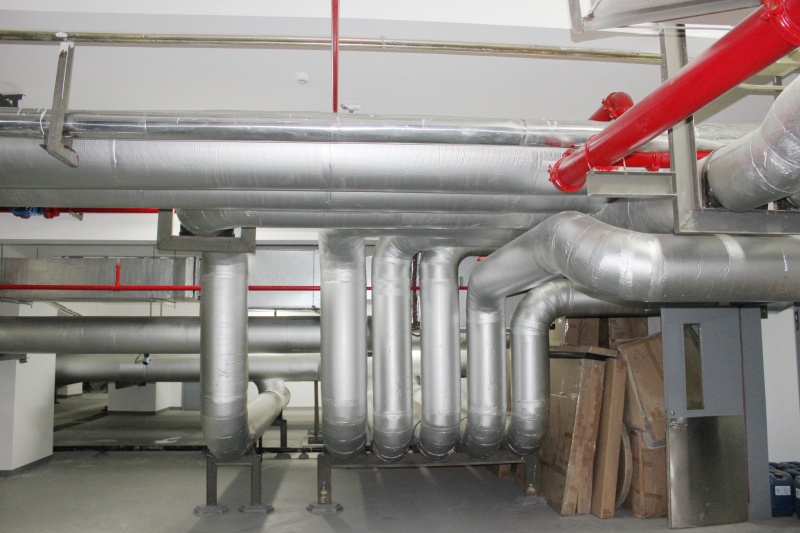
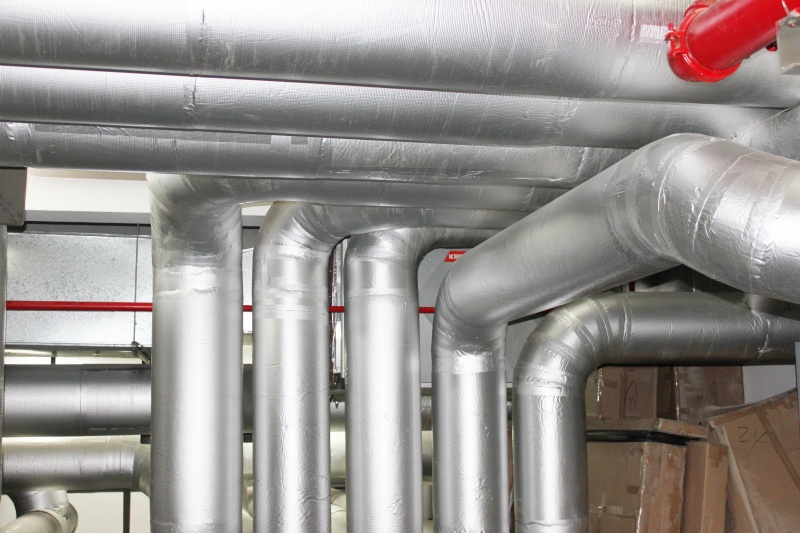
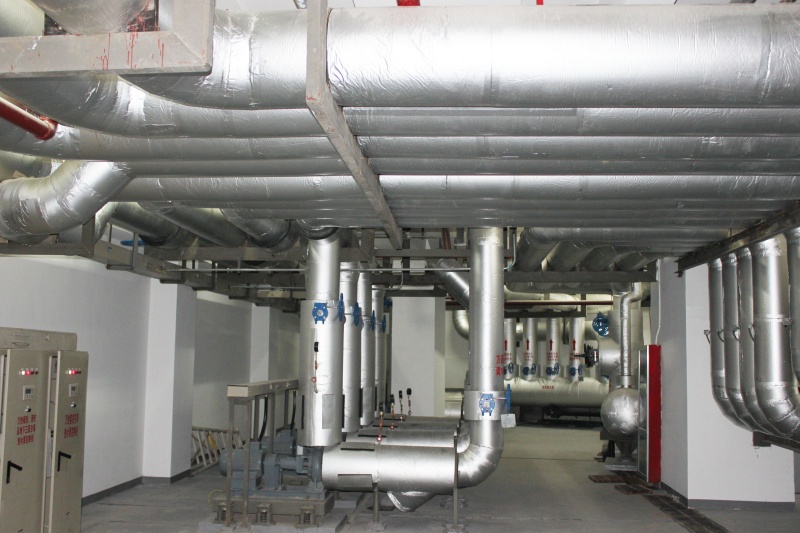
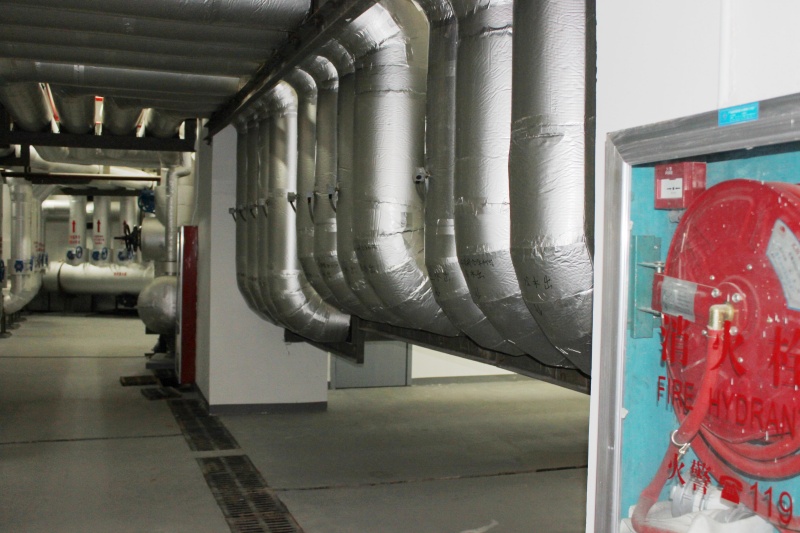
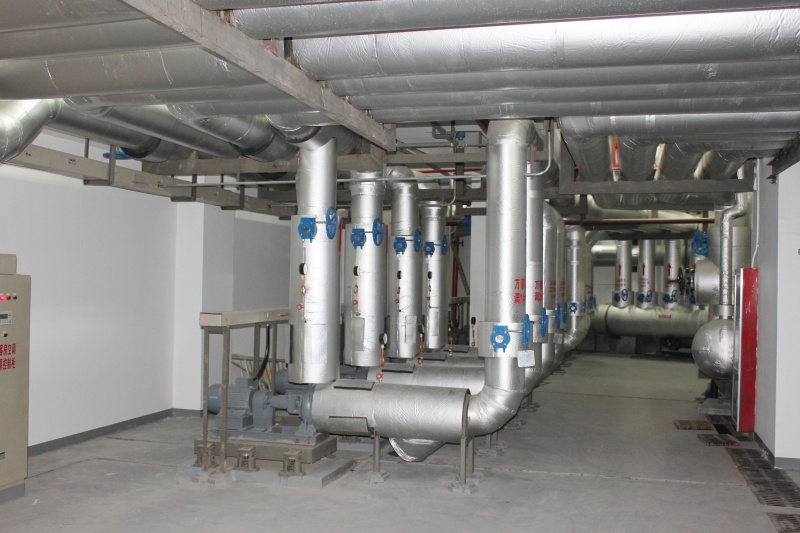

Physical dimensions and thickness options for elastomeric sheet rolls and pre-split pipes.
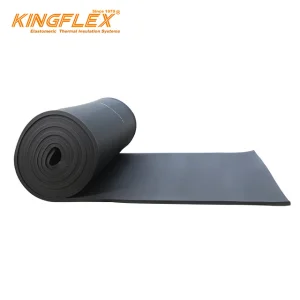
Material Structure: NBR/PVC Blend
Available Thicknesses: 6mm, 9mm, 13mm, 19mm, 25mm, 32mm, 40mm, 50mm
Density Range: 40-55 kg/m³
Service Temperature Limits: -40℃ to +105℃
Closed-Cell Rate: >98%
Material Structure: NBR/PVC Blend
Thickness Range: 9mm to 40mm
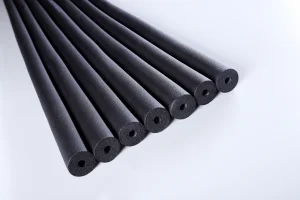
Inside Diameters (ID): 6mm to 114mm
Density Range: 40-55 kg/m³
Service Temperature Limits: -40℃ to +105℃
Anti-freezing Capability: Excellent for outdoor lines
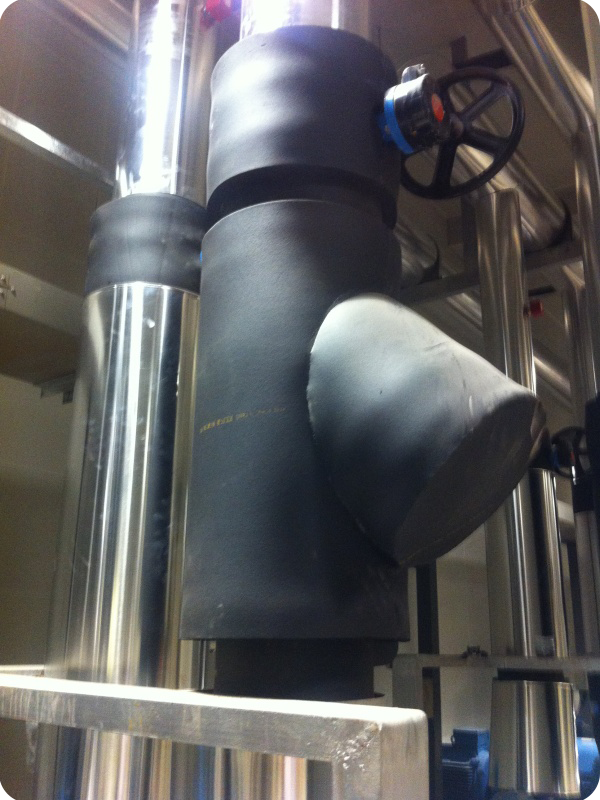
How environmental regulations and building standards are driving product developments at Kingflex.
In response to international environmental regulations, Kingflex has updated its formulation processes to use blowing agents with zero Ozone Depletion Potential (ODP) and low Global Warming Potential (GWP). These chemical modifications ensure that the carbon footprint of our manufacturing process is minimized, assisting builders in achieving credits under green building certification programs like LEED and BREEAM.
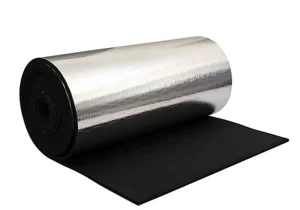
Outdoor industrial pipelines are exposed to mechanical damage, ultraviolet (UV) radiation, and weather conditions. Our multi-layer claddings combine elastomeric foam with high-tensile aluminum foil. This cladding enhances UV resistance, provides mechanical protection, and further reduces vapor permeability in high-humidity areas.
By upgrading our vulcanization lines with continuous laser-based diameter gauges, we monitor wall thickness in real time. This automated process control minimizes thermal bridging, which can occur when insulation thickness is uneven, ensuring reliable thermal resistance throughout the system.
Select from our complete range of elastomeric sheet rolls, pre-slit tubes, sound-absorbing profiles, and low-temperature systems.
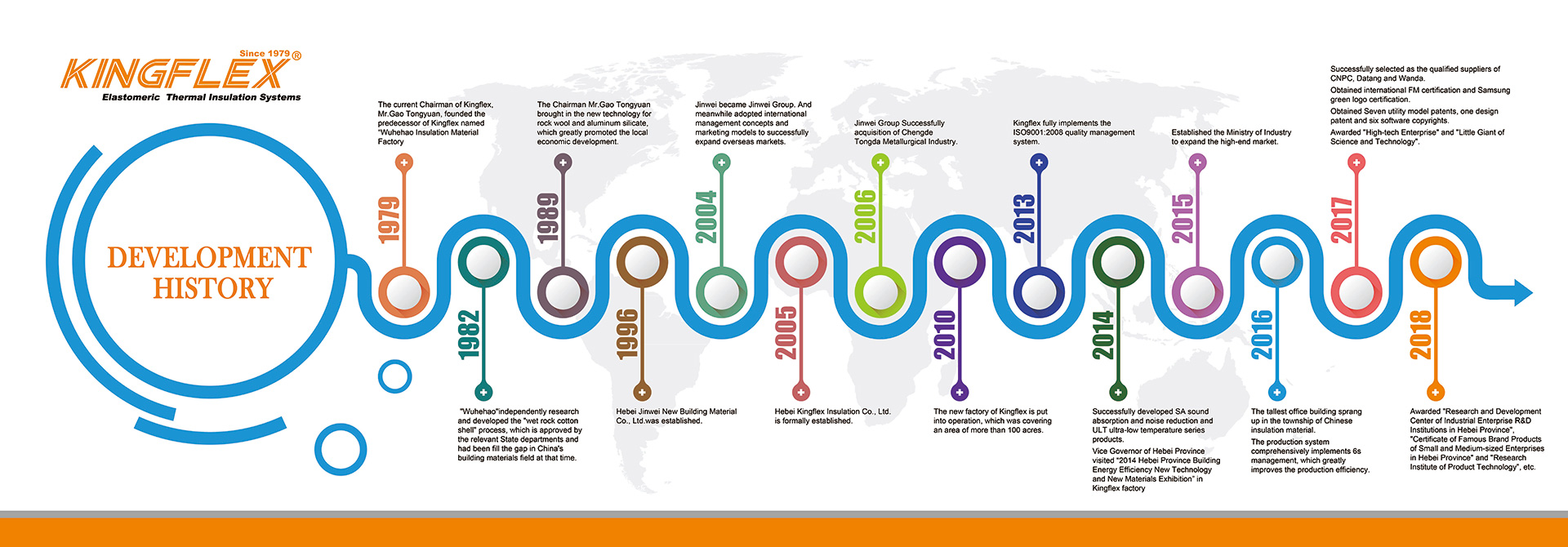
Dating back to the establishment of Jinwei Group in 1979 - Hebei's primary thermal insulation supplier.







 Kingflex