Engineered rubber foam structures providing supreme vapor resistance and thermal efficiency. Select from our elite wholesale stock available for nationwide Australian dispatch.
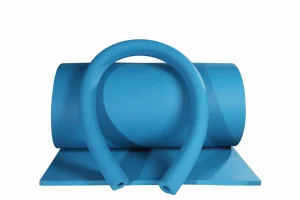
Within the challenging thermal environments of the Australian continent, transitioning across sub-tropical conditions in Queensland to alpine zones in parts of Victoria and New South Wales, the control of water vapour transmission is non-negotiable. Modern structures engineered under the modern National Construction Code (NCC 2022) must achieve stringent thermal envelope integrity, where the prevention of interstitial condensation forms the core metric of project durability and structural life expectancies.
Traditional open-cell insulation mediums rely strictly on independent, external vapour barrier sheets that are highly susceptible to mechanical punctures during installation, architectural joints leakage, and degradation over time. Should the outer vapor membrane compromise, humid ambient air bypasses into the cold structural layers, initiating condensation, thermal bridging, structural mold proliferation, and structural rot.
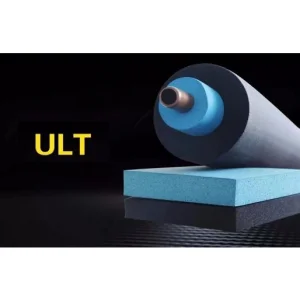
Kingflex Elastomeric Closed-Cell Rubber Foam offers a complete solution to this vulnerability. Acting natively as both the structural thermal insulation and the vapor barrier system simultaneously, it exhibits a multi-layered closed-cell topology. Every independent bubble is an airtight vault, offering continuous resistance to vapor infiltration across the entire thickness of the material. This ensures that even if external surface abrasions occur during site operations, the continuous integrity of the system remains unaffected.

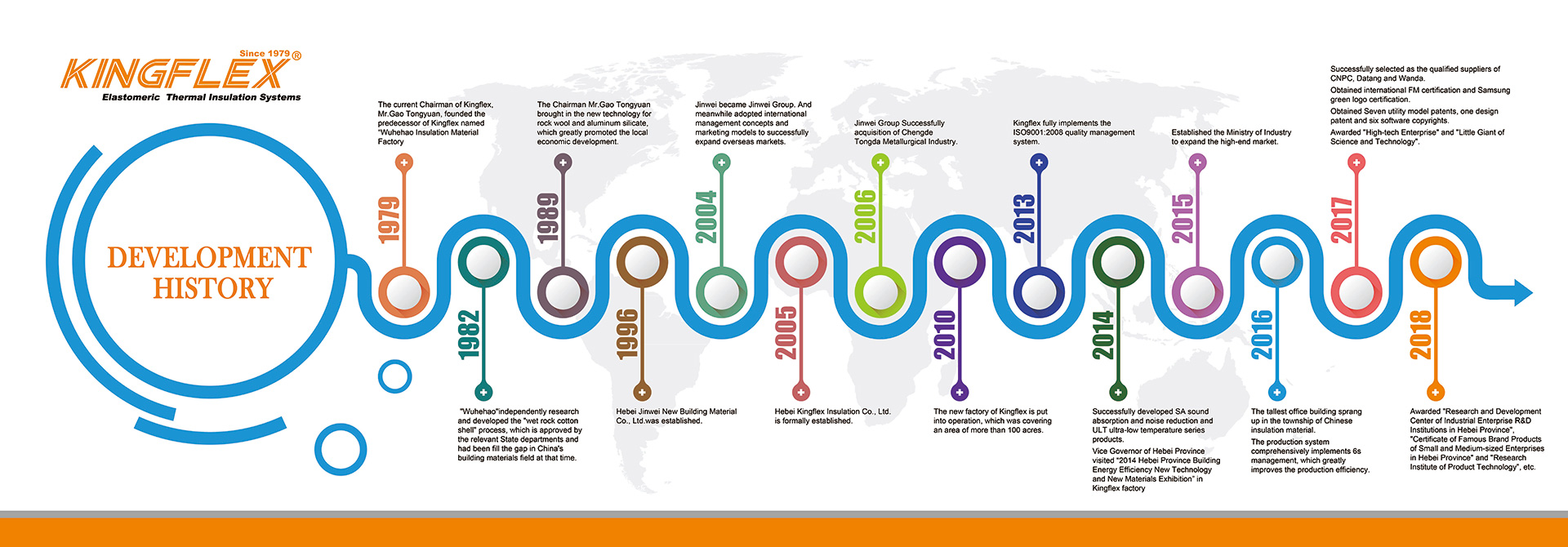
Kingflex Insulation Co., Ltd. stands as a premium global manufacturer and trading entity, offering complete integrated solutions for thermal insulation, acoustic reduction, and cryogenic pipeline vapor control. Centered in Dacheng, the recognized green-building materials manufacturing hub in China, Kingflex merges raw material engineering with automated production output.
Originating from the Jinwei Group, an enterprise with a rich lineage spanning over 40 years established in 1979, Kingflex has systematically driven the advancement of energy conservation technologies. By prioritizing energy loss mitigation, Kingflex provides end-to-end service support—ranging from initial design consulting, material R&D, certified high-capacity production, to global logistics optimization and on-site deployment guidance.
Our operation is designated by major ministries including the Ministry of Energy, Ministry of Electric Power, and the Ministry of Chemical Industry, reflecting our capability to deliver large-scale project consignments worldwide.
A closer look at the physical properties of our NBR/PVC thermal elastomeric matrix and the rigorous testing frameworks that govern our manufacturing.
An exceptionally uniform cell dispersion (98% closed cells) traps dry nitrogen gas, resulting in a thermal conductivity (λ) of ≤0.034 W/(m·K) at 0°C. This guarantees stable thermal performance across all HVAC, cold water, and process piping lines.
With an integrated vapor diffusion resistance coefficient (μ) exceeding 10,000, our elastomeric matrix prevents moisture penetration in high humidity zones. This eliminates the need for separate jacket coverings on internal pipe networks.
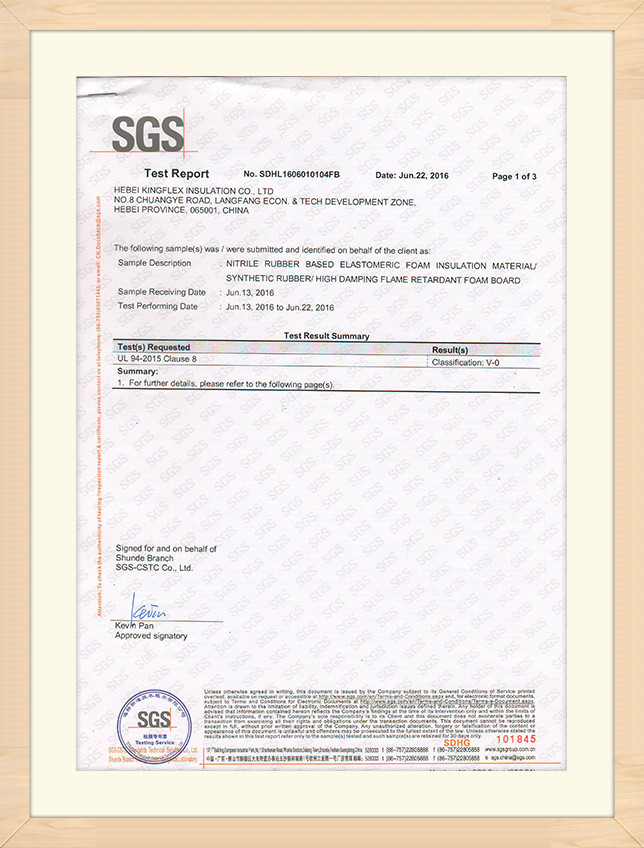
Engineered with flame-retardant chemistries, the material is self-extinguishing and will not propagate fire. It meets BS 476 (Class 0 and Class 1), UL94 (V-0), and is tested in accordance with AS/NZS fire safety standards for HVAC and commercial duct installations.
| Physical/Chemical Parameter | Reference Value (NBR/PVC Elastomeric Foam) | Standards & Testing Compliance |
|---|---|---|
| Density range | 40 - 55 kg/m³ | ASTM D1622 / ISO 845 |
| Thermal Conductivity (λ at 0°C) | ≤ 0.034 W/(m·K) | ASTM C518 / ISO 8301 |
| Moisture Vapor Permeability (sd value) | ≥ 10,000 (μ-factor) | BS EN 12086 / ASTM E96 |
| Working Temperature Spectrum | -40°C to +105°C (Up to -200°C for Cryogenic Systems) | DIN EN 14706 / ASTM C411 |
| Flame and Smoke spread characteristics | Class 0 (BS476 Part 6/7) | V-0 (UL94) | Compliant AS/NZS 1530.3 | BS 476, UL 94, AS/NZS 1530.3 |
| Dimensional Shrinkage (at 105°C, 7 days) | ≤ 2.5% | ASTM C534 |
| Environmental Contaminants & VOC limits | Zero Formaldehyde, Low VOC, Halogen & Fiber-Free | REACH, RoHS, LEED Compliance |
For procurement directors, commercial estimators, and project engineers managing Tier 1 construction projects in Australia (such as hospitals, data centers, airports, and multi-residential complexes), managing materials costs is essential. Sourcing vapour barriers involves balancing raw material costs, freight rates, compliance verification, and delivery timelines.
Purchasing locally from intermediate distributors often incurs premiums of 40% to 70% due to storage costs and markup chains. Conversely, sourcing directly from unreliable overseas manufacturers risks project delays, non-conforming building products (NCBP), and NCC compliance issues.
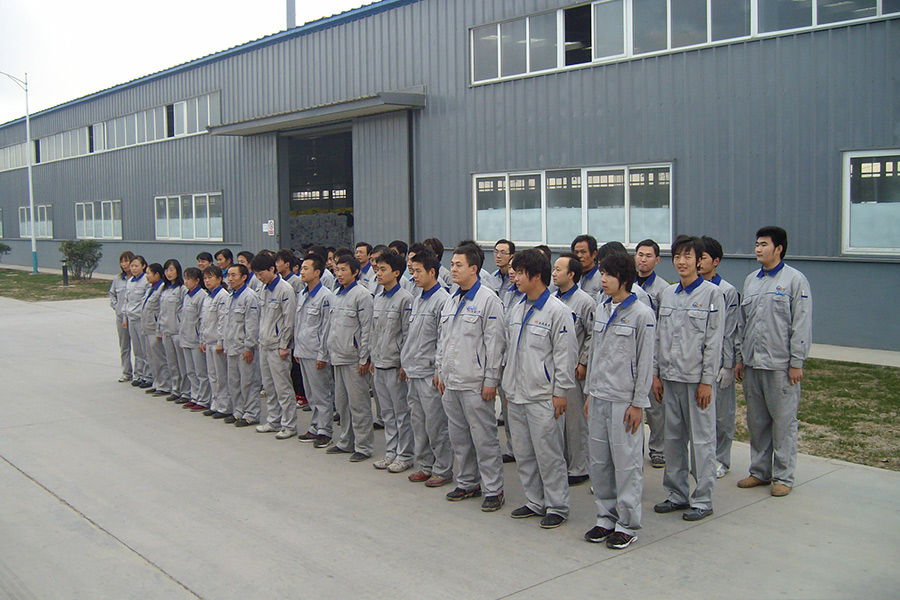
Kingflex resolves this supply chain challenge. Operating 5 automated, high-output production lines yielding 600,000+ m³ annually, we supply large-scale project requirements directly from our factory floor. Our dedicated international sales division handles the export logistics, customs compliance, and port scheduling, ensuring shipments arrive efficiently at major Australian ports like Sydney, Melbourne, Brisbane, and Fremantle.
Our direct container pricing structure delivers high-grade elastomeric insulation at a competitive cost per cubic meter. By optimizing formulations for NBR, PVC, and fire-retardant additives, we balance cost with performance, providing Class 0 and Class 1 thermal solutions that satisfy local compliance requirements.



How our technical rubber foam systems adapt to meet the physical requirements of commercial, civil, and industrial developments.

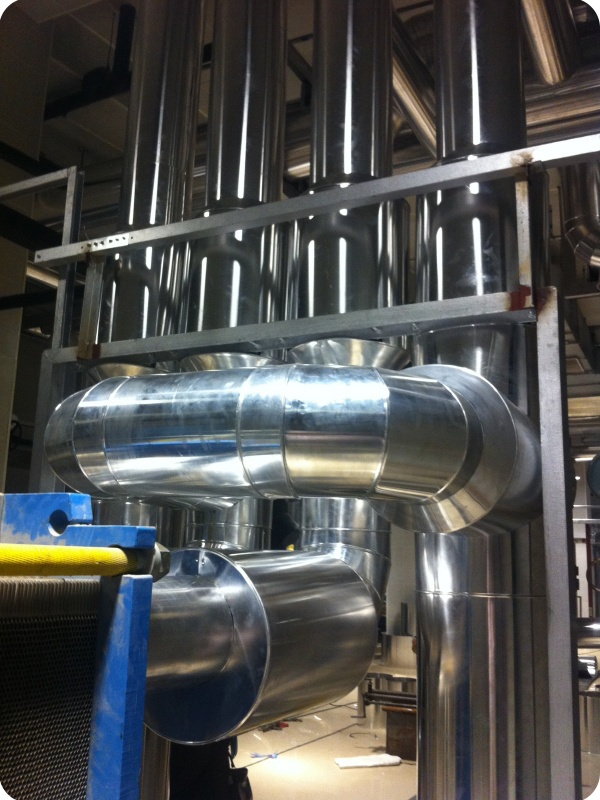
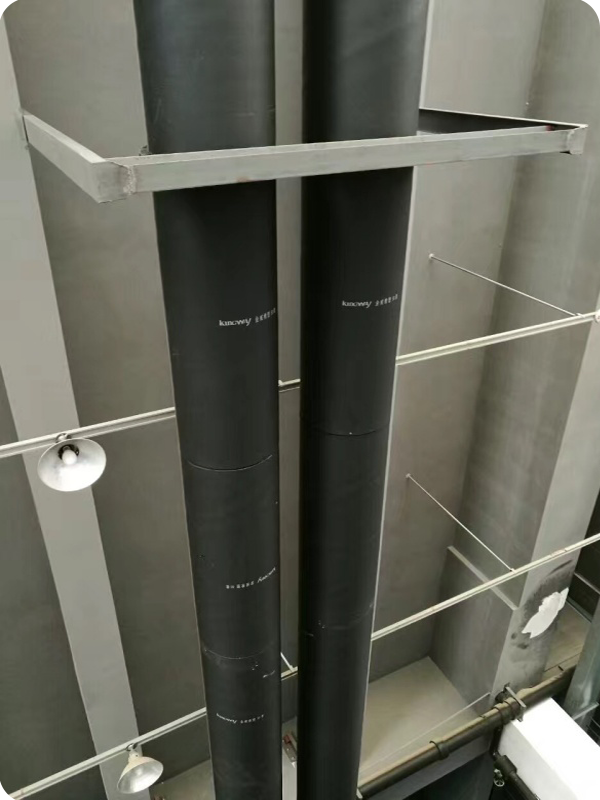
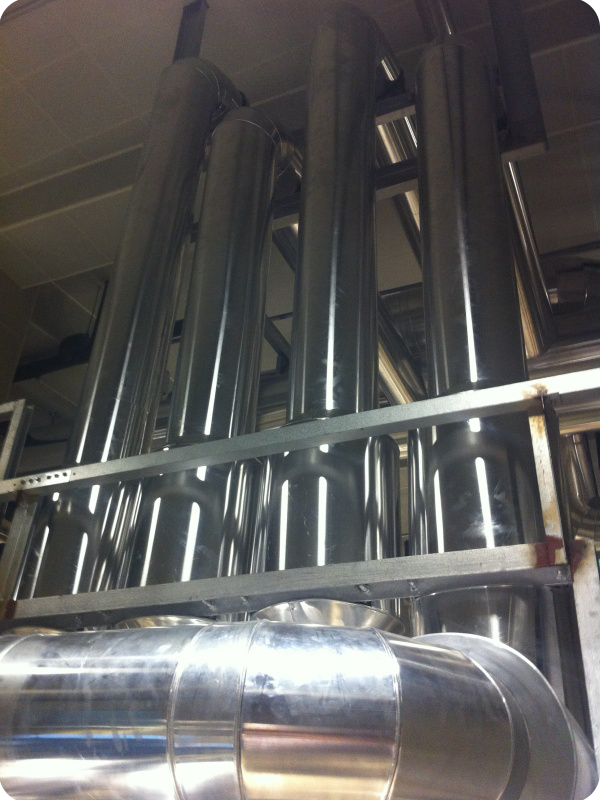
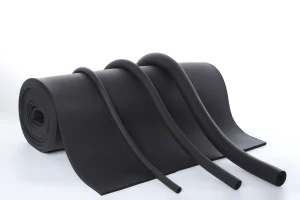
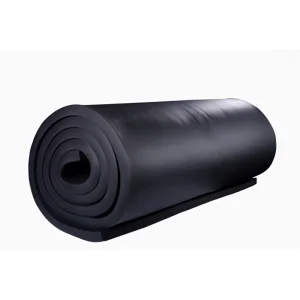
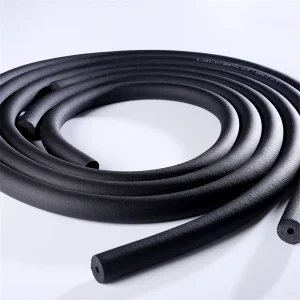
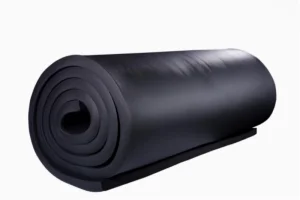
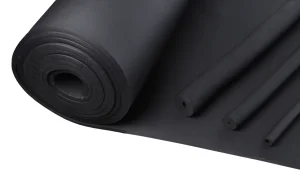
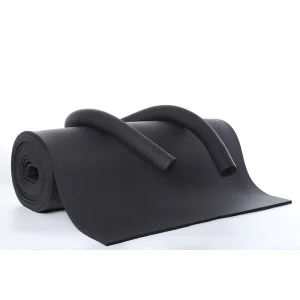
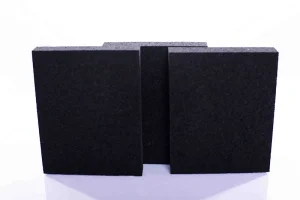
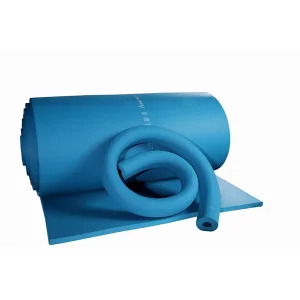
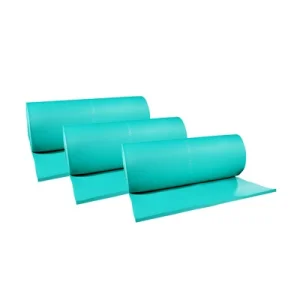
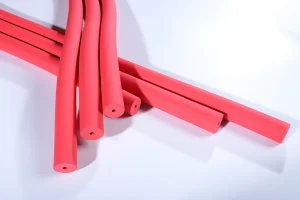
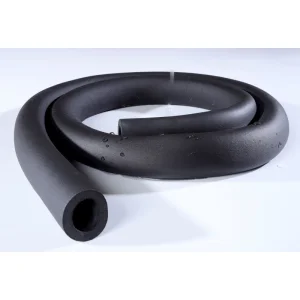
Our product line consists of two primary formats designed for specific applications on-site: Duct and Sheet Rolls, and Pre-formed Pipe Tubing.
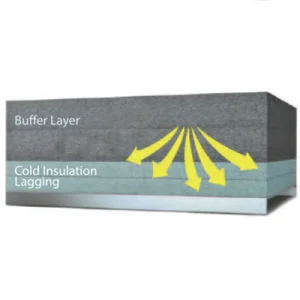
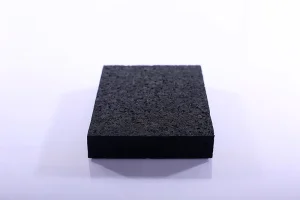
Specifically engineered for large-surface areas including mechanical ventilation ducts, air handling unit (AHU) casings, large-diameter water vessels, and structural wall cavity buffers. Standard dimensions: thickness from 6mm to 50mm, with an average density of 40-55 kg/m³. Operating temperature limits range from -40°C to 105°C.
Key Advantages: High elasticity speeds up installation on complex geometric transitions. Resilient recovery (≥80% compression resistance) ensures the thermal barrier retains its thickness over time, maintaining long-term R-values.
Specifically molded for domestic, commercial, and industrial plumbing systems, hot water loops, and split-system HVAC refrigerant lines. Wall thickness options range from 9mm to 40mm, with internal diameters (ID) matching standard copper and steel pipe sizes from 6mm to 114mm.
Key Advantages: Built-in resistance to pipe freezing, surface sweating, and galvanic corrosion. The tight fit limits air space between the metal pipe and the insulation shell, preventing moisture accumulation.
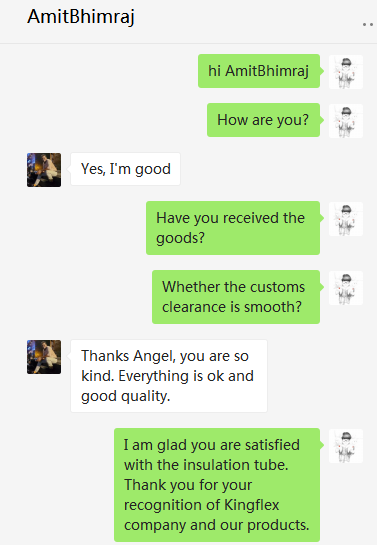
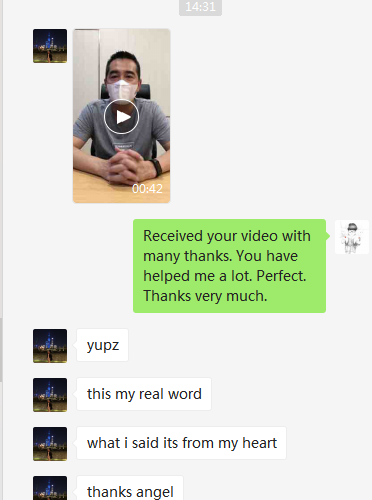
We believe transparent documentation is central to establishing credibility. Kingflex products are utilized globally, supported by real-time client consultations, on-site progress logs, and project case studies that demonstrate our quality standards.
Our sales team works directly with engineers to clarify technical parameters, coordinate customized order thicknesses, and optimize packaging sizes to reduce shipping costs. Through open communication and rigorous quality control, we build partnerships with commercial buyers in Europe, the Americas, Southeast Asia, and the Australian market.
Direct contact with our engineering team ensures that every batch of NBR/PVC foam is fully traceable back to its production run, complete with verified test data for thickness, density, and fire rating.



A timeline showing our growth from a regional manufacturer in 1979 to a global insulation supplier.
Established the first dedicated thermal insulation manufacturing facility north of the Yangtze River, pioneering regional production of industrial insulation materials.
Transitioned from manual processes to automated extrusions, significantly improving density uniformity and cell structure control.
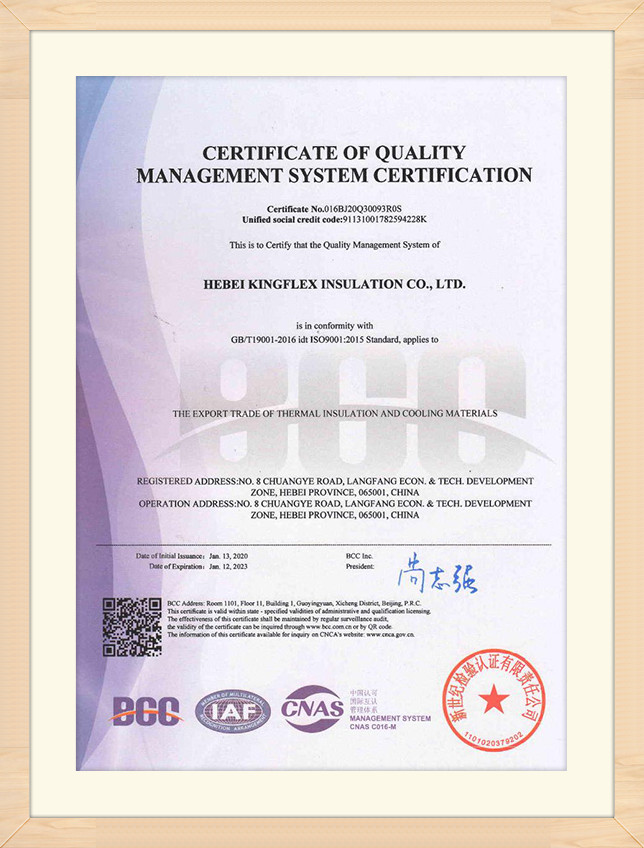
Obtained international fire and environmental certifications (BS 476, CE, UL94), opening export channels to Europe, South America, and Australia.
Operating 5 high-speed automatic assembly lines with a capacity of 600,000 cubic meters, supplying projects worldwide with energy-efficient insulation materials.

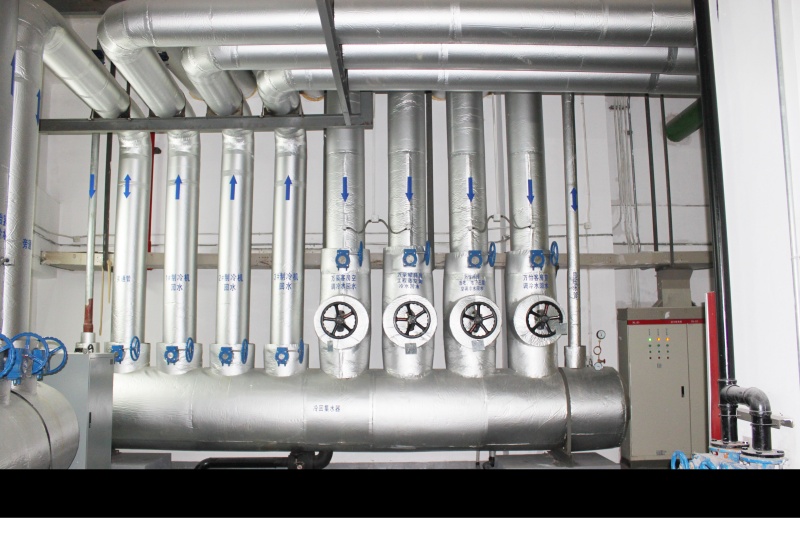


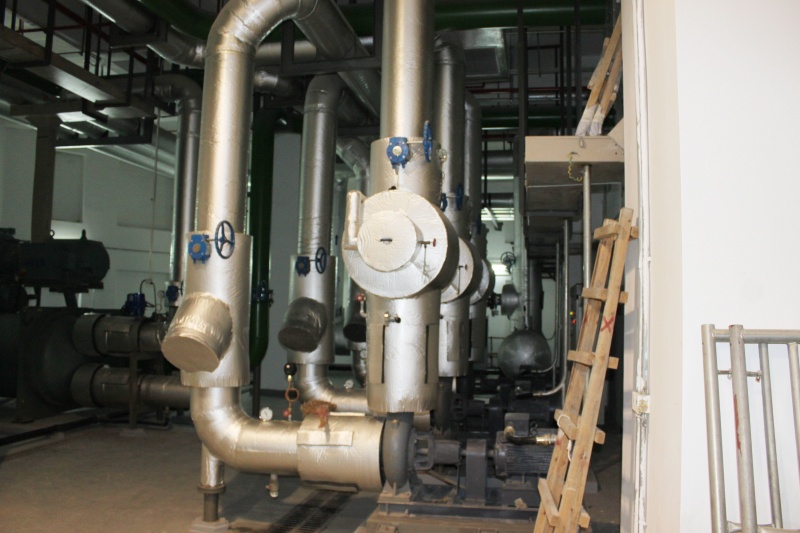
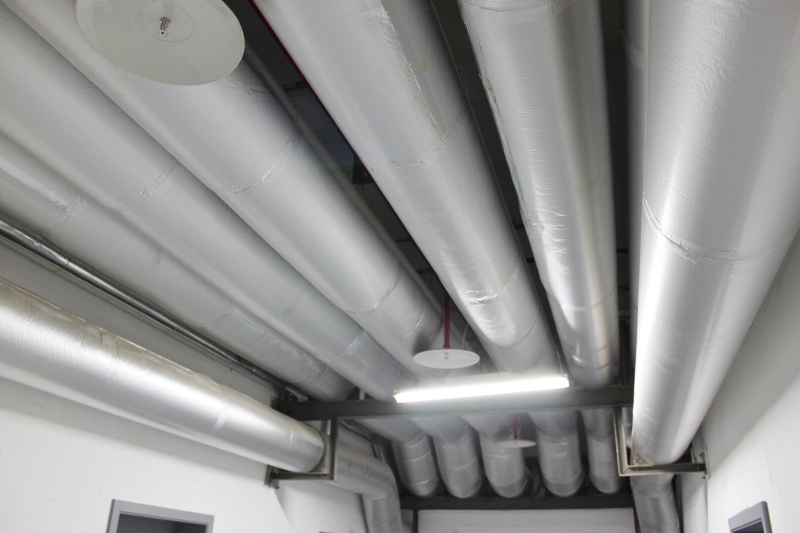

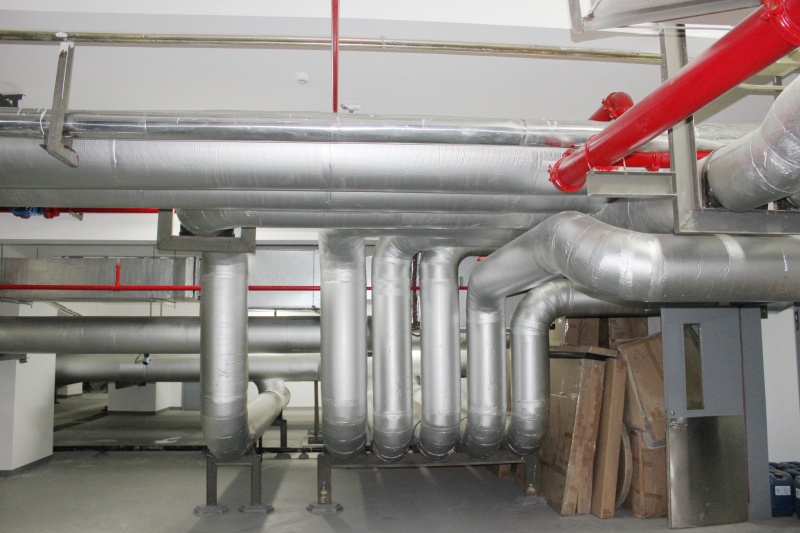
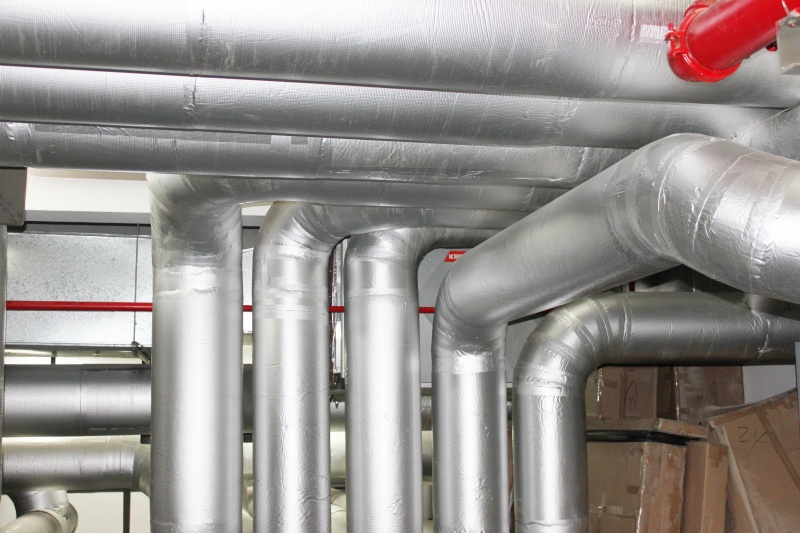
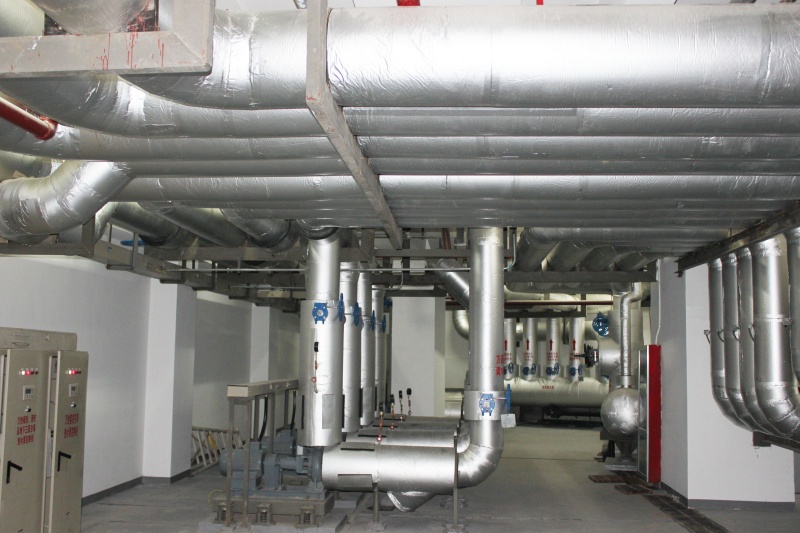
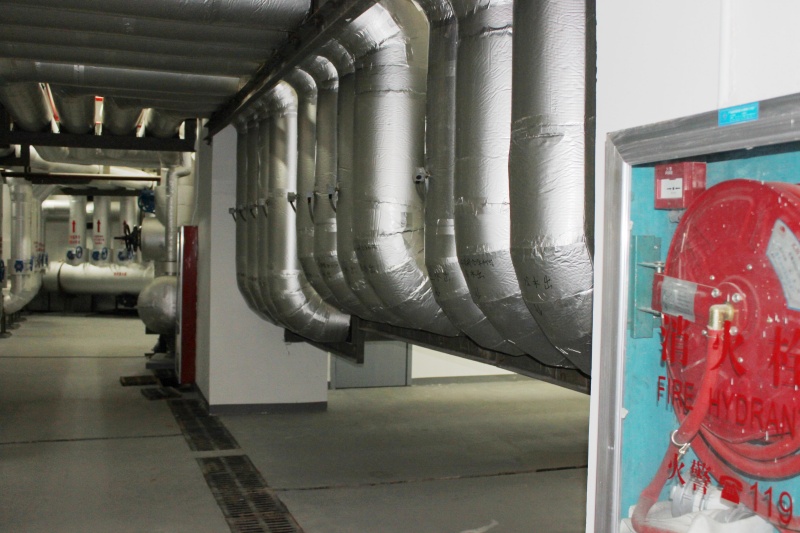
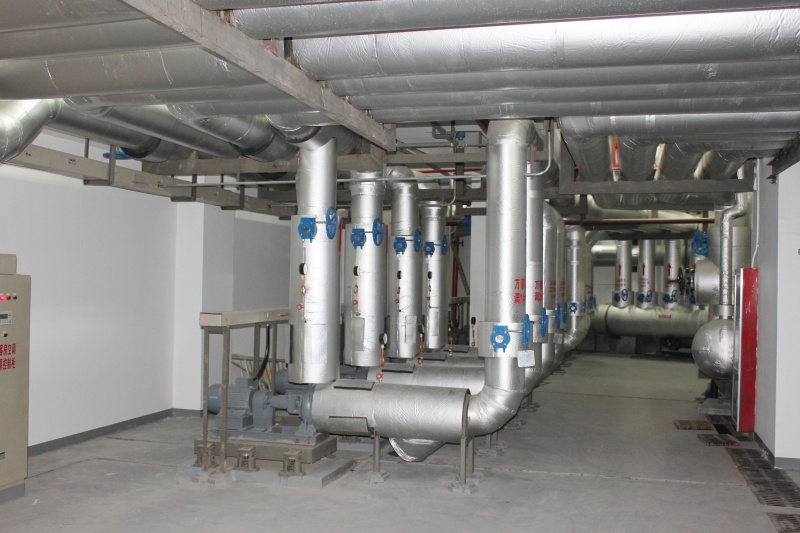

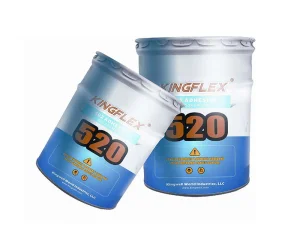
A secondary catalog featuring specialized systems, including Class 0 high-end thermal insulation, cryogenic insulation, and high-performance adhesives.
Aligning manufacturing capabilities with local market standards to provide a reliable supply of insulation materials.
Materials installed in commercial projects across Australia must comply with fire test guidelines outlined in AS/NZS 1530.3. This standard evaluates indices such as Ignitability, Flame Propagation, Heat Release, and Smoke Development.
Kingflex rubber foam insulation is formulated with halogen-free flame retardants to suppress fire and minimize smoke production. Our products carry Class 0 rating certificates under BS 476 Parts 6 and 7, ensuring compliance for installation in public structures and HVAC air handling plenums.
Additionally, our low VOC levels and fiber-free construction support healthy indoor air quality, which helps projects meet the requirements for Green Star ratings and LEED certifications in Australia.
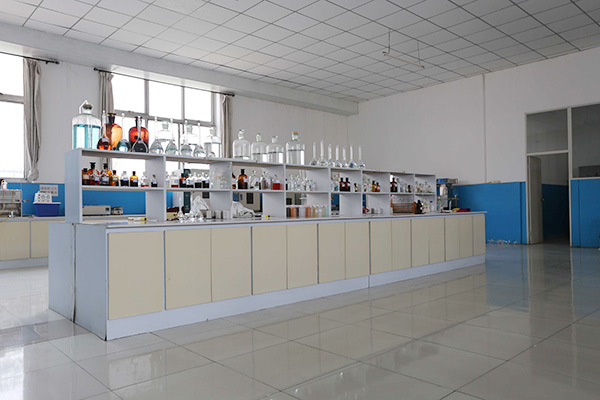
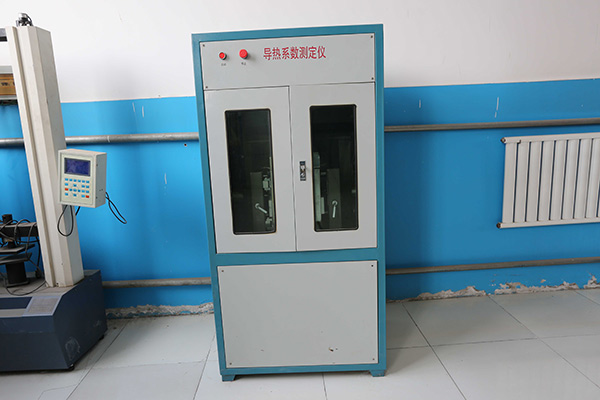
We utilize automated processing controls to ensure consistency in batch density and thickness. Regular testing tracks:
As green building standards evolve in Australia, thermal insulation materials must meet stricter environmental guidelines. Kingflex is committed to sustainability and has updated our production goals to include:
These goals help ensure our products support the construction of low-emission, energy-efficient buildings that meet global certification requirements.
Detailed technical answers addressing common design, selection, installation, and compliance questions from Australian engineers and procurement managers.
It is mainly used for HVAC ducts, air conditioning pipes, building thermal insulation, industrial pipeline cold insulation, and sound insulation. The closed-cell structure makes it particularly effective in preventing surface condensation on chilled water pipes and air ducts.
Yes, our rubber foam insulation is fire retardant, meeting the safety standards of building and industrial projects. It complies with Class 0 and Class 1 standards (BS 476 Parts 6 & 7) and satisfies the smoke/flame index requirements under AS/NZS 1530.3.
Rubber foam is flexible, closed-cell, and moisture-resistant, making it suitable for HVAC, chilled lines, and condensation control. Rock wool is open-cell and resistant to high temperatures, making it suitable for high-temperature steam lines and industrial fire protection.
Yes, we offer OEM services to meet specific project requirements. We can customize density, wall thickness, sheet widths, and apply self-adhesive backings or protective foil layers to suit different specifications.
Our products have passed BS 476, CE, REACH, ROHS, UL94, ASTM, and other international certifications, ensuring compliance with global and local Australian building standards.
Yes, all Kingflex products are marked with batch codes during extrusion. This permits tracing of manufacturing dates, raw material inputs, and QC test records for every shipment.
We produce sheet rolls in thicknesses ranging from 6mm to 50mm, which are available in rolls of varying lengths depending on the thickness.
When installed correctly in indoor environments or when properly coated/clad for outdoor use, the expected service life is 10 to 15 years, during which it will maintain stable thermal conductivity.
 Kingflex