Engineered for low thermal conductivity and superior moisture vapor resistance, these products serve the demanding environments of Indian commercial real estate, data centers, and heavy processing plants.
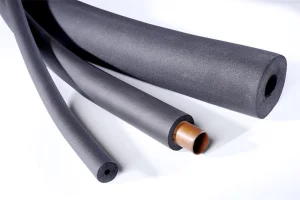
Formulated with advanced anti-aging stabilizers to combat high UV index and warm, humid monsoonal atmospheric exposure.
View Technical Specs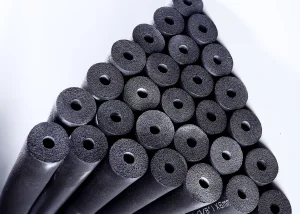
Proprietary elastomeric foam design optimizing temperature management on high-capacity chilled water lines.
View Technical Specs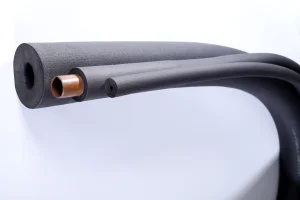
Exceptional flexible handling characteristics for tight industrial routing with highly competitive bulk pricing structures.
View Technical Specs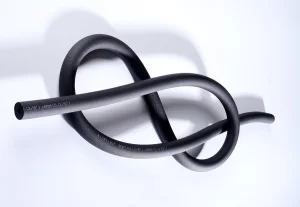
Specially blended NBR/PVC matrix offering high flame retardancy and resistance to industrial chemicals.
View Technical SpecsIndia is currently witnessing an unprecedented infrastructure expansion. From super-scale pharmaceutical hubs in Hyderabad and massive commercial offices in Bengaluru and Gurugram, to modern cold chain logistics hubs supporting agribusiness, the requirement for reliable energy control systems has never been higher. Standard industrial and commercial HVAC setups demand strict thermal efficiency protocols. This is where Closed-Cell NBR/PVC Elastomeric Rubber Foam Insulation acts as a critical line of defense.
Traditional open-cell structures or fibrous insulation options face significant degradation when exposed to India's high ambient humidity levels and extreme seasonal monsoons. Once moisture penetrates an insulation barrier, its thermal conductivity coefficient ($\lambda$) degrades exponentially, causing condensation issues, thermal bridging, and structural Corrosion Under Insulation (CUI). In this whitepaper, we examine why high-integrity, low-permeability closed-cell rubber foam is essential for long-term project performance across Indian climatic zones.
In regions such as Mumbai, Chennai, and Kolkata, relative humidity frequently spikes above 85% with ambient temperatures exceeding 35°C. For chilled water systems running at 4°C to 7°C, the temperature difference between the pipe surface and the ambient air is severe. If the vapor barrier fails, condensation forms immediately, promoting structural decay and indoor mold growth. Kingflex closed-cell rubber insulation features a built-in water vapor barrier that stops moisture intrusion without requiring secondary external vapor jacketing.
To help engineers and procurement directors write clear specifications, here is a breakdown of Kingflex closed-cell elastomeric foam performance metrics compared to general industry requirements:
| Performance Property | Kingflex Standard Specification | Test Standard Reference | |
|---|---|---|---|
| Thermal Conductivity (λ) | ≤ 0.033 W/(m·K) at 0°C | ASTM C518 / ISO 8301 | Extremely low rate of heat gain or loss |
| Water Vapor Resistance (μ) | ≥ 10,000 (Integral Vapor Barrier) | BS EN 12086 / ASTM E96 | Prevents moisture intrusion and condensation |
| Fire & Flammability Class | Class O / Class 1 / V-0 Rated | BS 476 Part 6 & 7 / UL 94 | Self-extinguishing, low smoke generation |
| Density Range | 40 - 55 kg/m³ | ASTM D1622 | Uniform cell size distribution |
| Working Temp. Range | -40°C to +105°C | ASTM C411 | Covers both sub-zero refrigeration and steam runs |
The performance of Kingflex rubber insulation tubes relies on a balanced blend of Nitrile Butadiene Rubber (NBR) and Polyvinyl Chloride (PVC). Nitrile rubber provides elasticity and resistance to oil and chemicals, while the addition of PVC enhances fire safety performance and structural strength. Together, they create a flexible, closed-cell matrix containing millions of tiny micro-voids filled with dry air. This structure limits heat convection and keeps thermal conductivity low throughout the system's operational lifetime.
Providing specialized mechanical insulation solutions for regional projects and climatic demands.
Indian data center hotspots in Mumbai, Chennai, and Noida rely on precise environmental controls to maintain optimal temperatures for high-performance servers. Our elastomeric insulation tubes prevent condensation on chilled water pipes and duct systems, minimizing the risk of moisture-related equipment damage.
India is a global source of generic pharmaceuticals. Formulation facilities in Hyderabad and Baddi require strict particulate and temperature control. Kingflex NBR/PVC insulation is fiber-free and dust-free, ensuring cleanroom areas remain uncontaminated.
High passenger density and underground layouts in the Delhi Metro, Namma Metro (Bengaluru), and Mumbai Metro networks require strict fire safety. Our Class O fire-rated insulation tubes prevent flame spread and limit smoke density, protecting commuters and mechanical corridors.
Kingflex Insulation Co., Ltd. is a specialized manufacturer of high-quality thermal insulation products. Our research, development, and primary production facilities are located in Dacheng, China—a hub for green building material development. Founded by the Jinwei Group, which has more than 40 years of industry experience dating back to 1979, we focus on energy-saving, environmentally responsible products.
With 5 modern automatic production lines and an annual capacity of over 600,000 cubic meters, Kingflex serves demanding global markets, exporting insulation products to more than 66 countries. We offer comprehensive solutions—including consulting, custom R&D production, installation guidance, and support services—to lead development in the building materials sector.
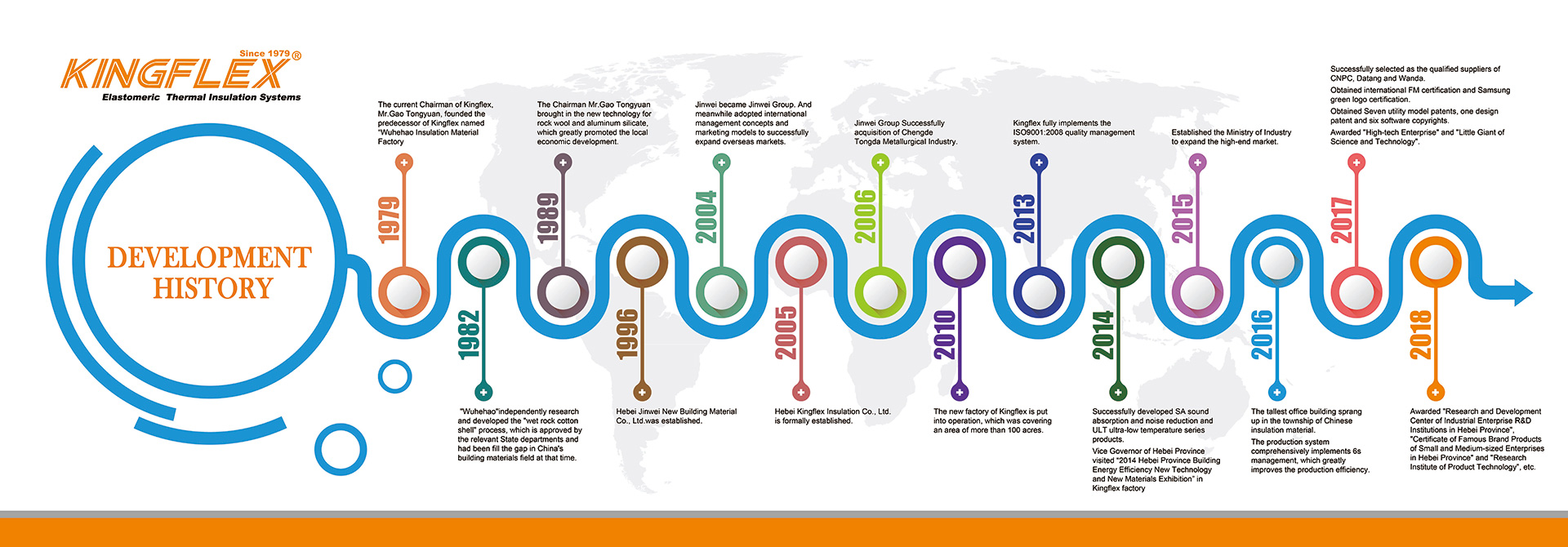
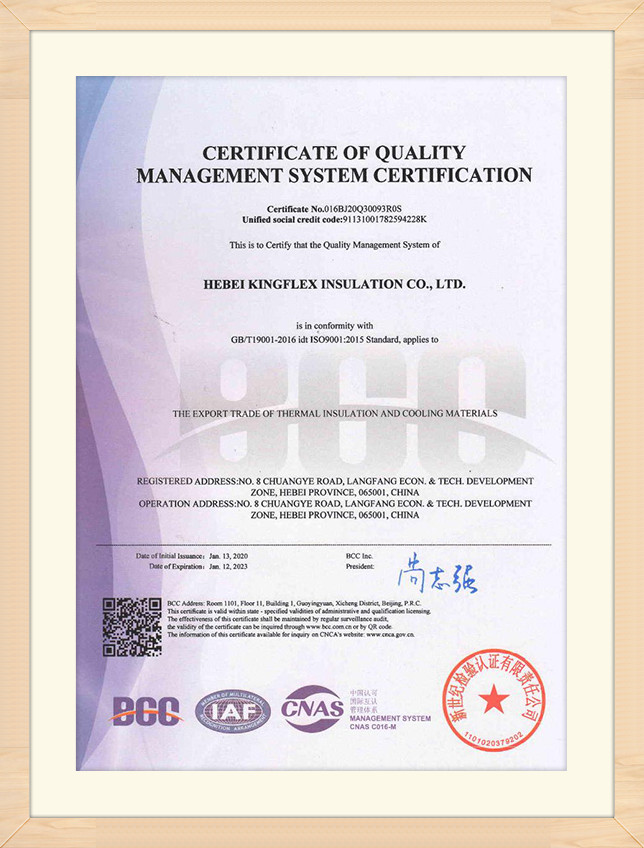
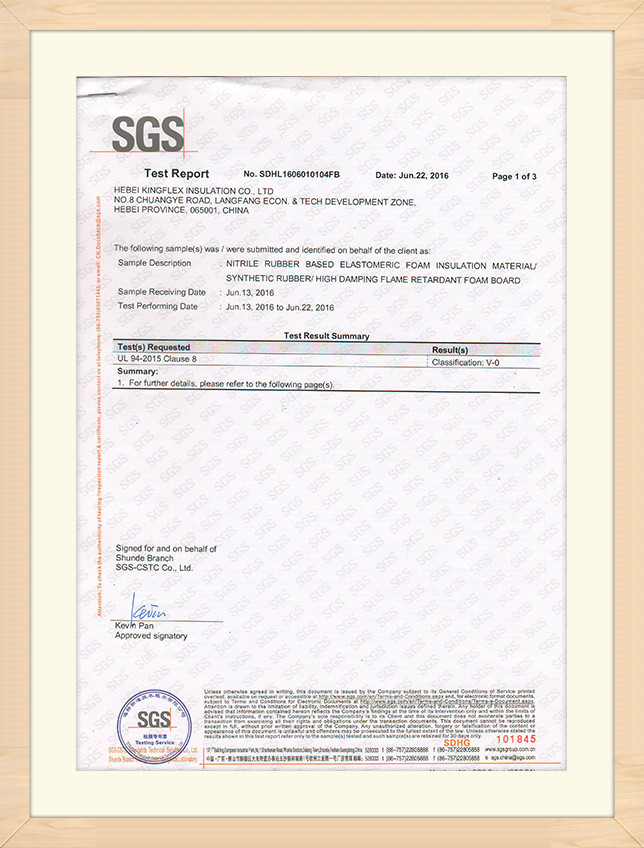
Our commitment to quality is backed by international certifications, ensuring compliance with global building safety regulations.


Explore our complete range of closed-cell elastomeric foam tubes, sheets, and cryogenic systems designed to support mechanical installations across the Indian market.
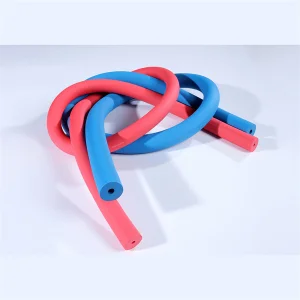
High insulation performance reduces energy consumption on central VRF and VRV air conditioning setups.
View Specs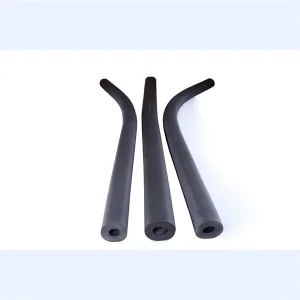
Durable black elastomeric foam tube designed for easy installation over complex pipe bends.
View Specs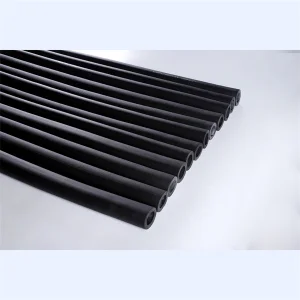
Industrial-grade NBR formulation offering high resistance to grease, oils, and physical wear.
View Specs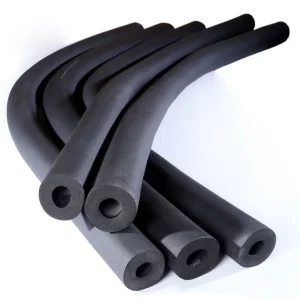
Consistent quality and sizing designed for industrial piping networks and steam transport runs.
View Specs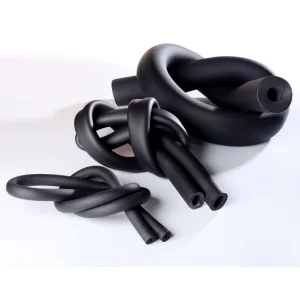
Maintains low thermal conductivity to help reduce system operating costs over time.
View Specs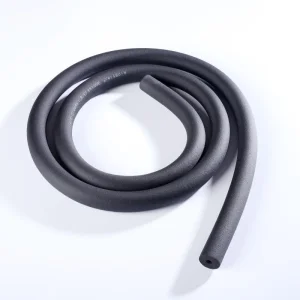
High resistance to moisture penetration, designed for systems operating in high-humidity climates.
View Specs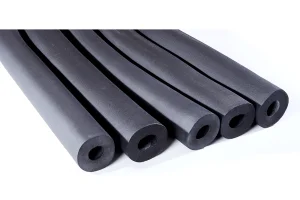
Specifically sized for standard copper refrigerant lines in commercial mini-split and VRF systems.
View Specs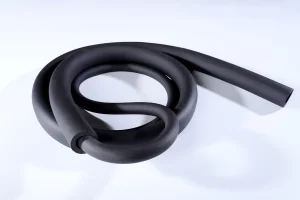
A versatile elastomeric thermal sleeve that offers reliable performance across a broad range of operating temperatures.
View SpecsThe global thermal insulation market is evolving rapidly, driven by strict carbon emission reduction targets and rising energy costs. In the Indian market, building energy codes such as the Energy Conservation Building Code (ECBC) are setting higher standards for the energy performance of commercial structures. Insulating mechanical piping is no longer just about avoiding condensation; it is now a core requirement for achieving green building certifications (such as LEED India and the Indian Green Building Council (IGBC) ratings).
Modern HVAC systems consume a significant portion of a building's overall energy. By applying high-quality closed-cell rubber foam insulation, operators can minimize thermal losses in hot water loops and prevent temperature gain in chilled water lines. This reduces the load on central chillers, lowers power consumption, and extends the operational lifetime of mechanical equipment.
Regulatory agencies are closely monitoring volatile organic compound (VOC) levels and chemical additives used in building products. The industry is shifting away from halogenated flame retardants toward low-smoke, halogen-free formulations. These materials maintain reliable fire performance while significantly reducing smoke toxicity—a critical factor for passenger safety in transit tunnels and high-occupancy structures.
Additionally, modern production lines focus on lowering their environmental impact. By using eco-friendly blowing agents with zero Ozone Depletion Potential (ODP) and low Global Warming Potential (GWP), manufacturers can supply insulation products that support sustainable construction practices.
For major infrastructure projects like commercial centers in Bengaluru or terminal expansions in Mumbai, choosing the right insulation is essential. Specifying NBR/PVC closed-cell foam with a high water vapor diffusion rating (μ ≥ 10,000) helps maintain thermal performance and prevents early system failure due to moisture infiltration.
Common questions from HVAC engineers, mechanical contractors, and procurement managers in the Indian market.
It is mainly used for HVAC ducts, air conditioning lines, chilled water piping, building thermal insulation, industrial process lines, and sound isolation. Its flexibility and moisture resistance make it highly effective for cold-insulation applications.
Yes, our rubber foam insulation is formulated with flame retardants to meet international safety standards, including BS 476 (Class O/Class 1) and UL 94 (V-0 rating), ensuring compliance with local fire safety codes.
Closed-cell rubber foam is flexible, highly resistant to moisture, and has an integrated vapor barrier, making it ideal for HVAC and refrigeration systems. Rock wool is suited for higher-temperature industrial piping due to its high-heat resistance, but it lacks inherent moisture resistance and requires a separate vapor barrier.
Yes, we offer OEM services to supply custom inner diameters for pipes, varying sheet thicknesses, and pre-cut lengths to match specific project designs.
Kingflex products are certified under BS 476, CE, REACH, RoHS, UL 94, and ASTM. This guarantees consistent performance and compliance for international projects.
Yes, we implement batch tracking systems throughout the manufacturing process, allowing complete traceability from raw material selection to the finished product.
We produce elastomeric rubber foam sheets and rolls in thicknesses ranging from 6mm to 50mm, accommodating a wide range of thermal performance requirements.
With correct installation and regular maintenance, our elastomeric rubber foam insulation systems typically provide an operational lifetime of 10 to 15 years.
Contact our engineering team to request technical datasheets, product samples, or project price quotes designed for the Indian market.
Send Inquiry Now Kingflex