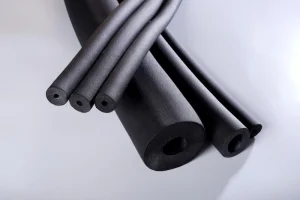
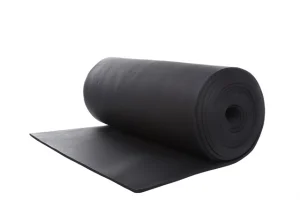
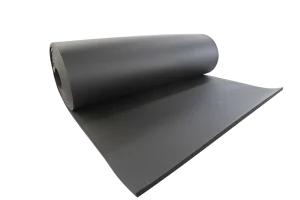
High-performance elastomeric thermal insulation materials matching premium China AC copper pipe installations.
Global HVAC infrastructure demands highly integrated solutions that couple ASTM B280 deoxidized high-phosphorus (C12200) copper pipes with state-of-the-art elastomeric insulation. Air conditioner copper lines act as the crucial vascular system of refrigeration circuits, transporting high-pressure refrigerants like R32, R410A, and R290. Without premium thermal sheathing, these lines experience rapid thermal drift, exterior sweating, condensation damage, and premature structural failure.
When engineering firms seek accurate factory quotes out of China, they look beyond copper raw material indices (LME / SMM). They demand a holistic piping architecture that balances structural rigidity, corrosion proofing, and thermal energy containment. High-performance closed-cell NBR/PVC insulation, such as Kingflex's signature line, offers the precise physical attributes required to maximize COP (Coefficient of Performance) in complex HVAC designs.
By coordinating the sourcing of copper pipes and rubber foam sleeves directly from Dacheng—China's prominent green-building material cluster—EPC contractors and wholesale distribution units achieve optimized shipping volumes and unmatched cost-to-performance ratios.

A comparative overview of mechanical, thermal, and regulatory performance criteria required for modern HVAC environments.
| Performance Attribute | NBR/PVC Elastomeric Insulation Tube | ASTM B280 C12200 Copper Pipe Standard |
|---|---|---|
| Core Material Structure | Cross-linked closed-cell elastomer matrix (>98% closed cells) | 99.9% Pure Deoxidized High Phosphorus Copper (DHP) |
| Thermal Conductivity (λ) | ≤ 0.034 W/(m·K) at 0°C | Approx. 401 W/(m·K) (High structural thermal transfer) |
| Operating Temperature Range | -40°C to +105°C | Cryogenic to high-temp hot water loops (>200°C) |
| Water Vapor Permeability (μ) | ≥ 10,000 (Built-in vapor barrier) | Impervious to vapor and gaseous migration |
| Fire Safety Compliance | BS 476 Class 0, UL94 V-0, ASTM E84 Class A | Non-combustible (Euroclass A1) |
| Common Standard Dimensions | Wall Thickness: 6mm - 50mm; ID: 6mm - 114mm | OD: 1/4" to 4-1/8"; Wall Thickness: 0.025" - 0.125" |
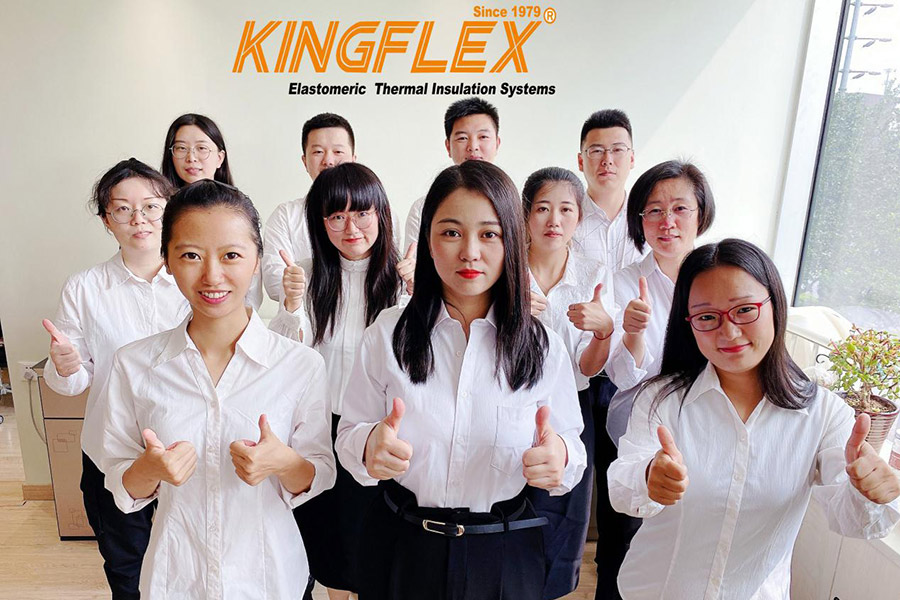
Founded by the prestigious Jinwei Group—a pioneer established in 1979 as the first thermal insulation manufacturer north of the Yangtze River—Kingflex Insulation Co., Ltd. stands as a powerhouse in energy-saving industrial systems. We integrate research, development, custom manufacturing, and global trading to support large-scale HVAC piping installations.
Operating with a core focus on structural energy efficiency and system condensation prevention, Kingflex delivers custom products designed for challenging applications. Our facilities are equipped with 5 large automatic assembly lines, supporting a robust annual capacity exceeding 600,000 cubic meters. This scale has earned us designated production status from the Ministry of Energy, the Ministry of Electric Power, and the Ministry of Chemical Industry.
Our workforce features 8 dedicated R&D engineers, 6 international sales specialists, and 230 production personnel, serving clients across 66 countries over the past 16 years.
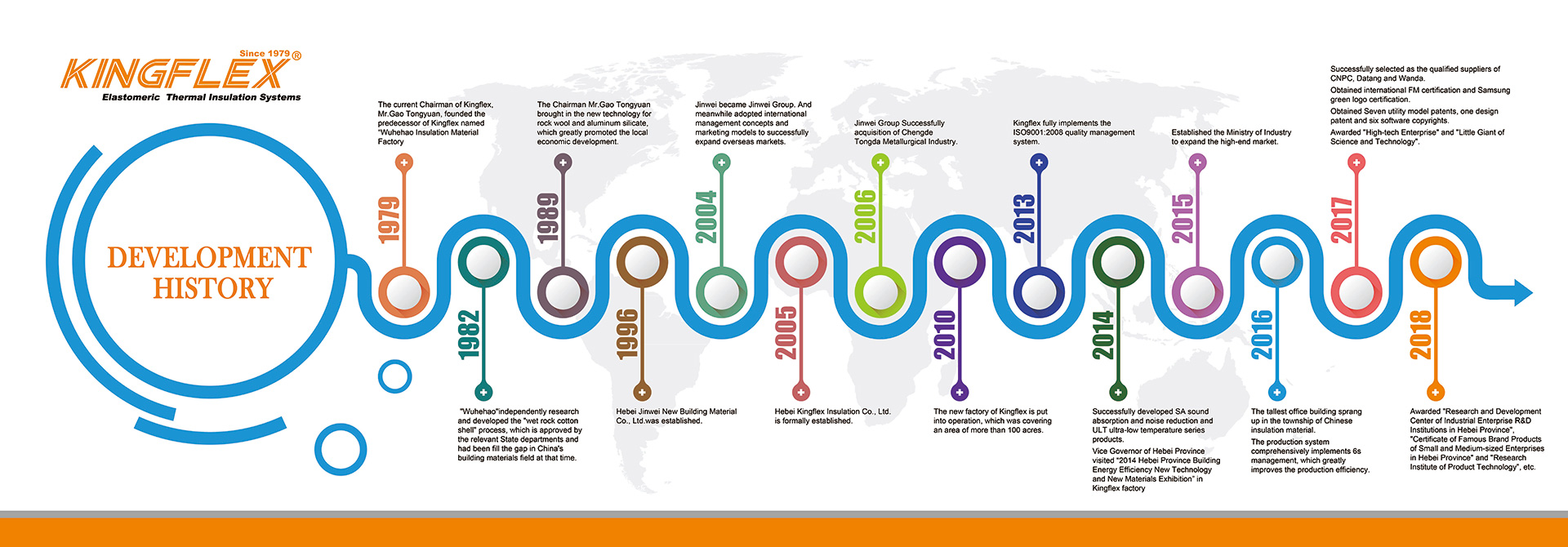

Group Established
Annual Production Output
Exporting Destinations
Fully Automated Extruders
Deep engineering profiles of Kingflex elastomer insulation products for AC piping and air ducts.
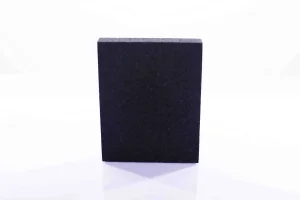
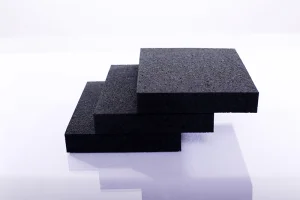
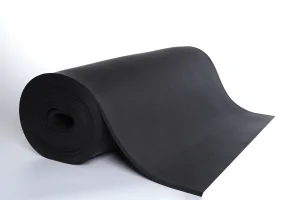
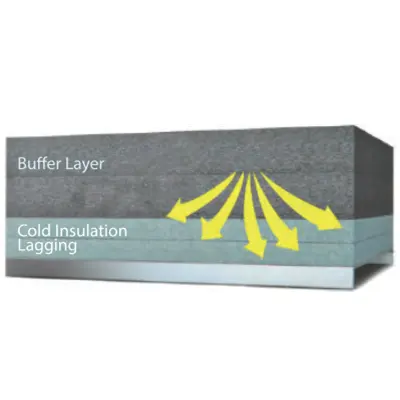
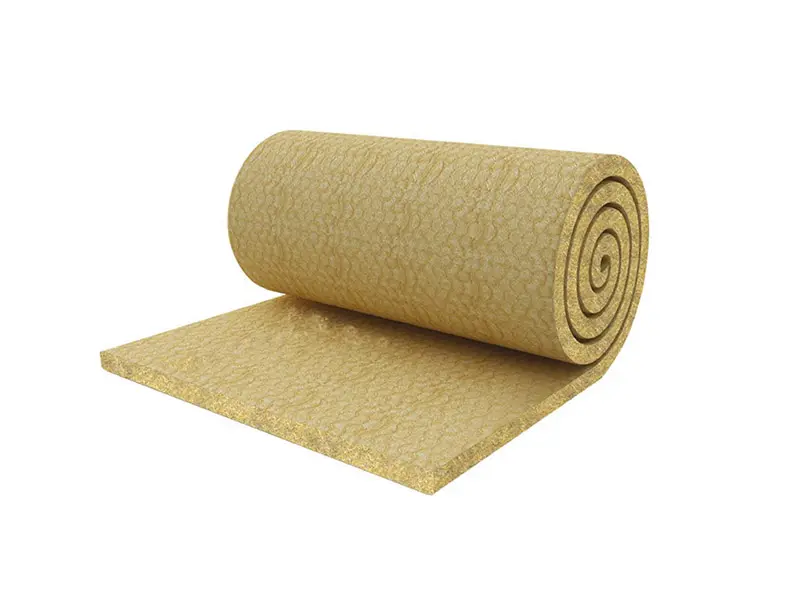
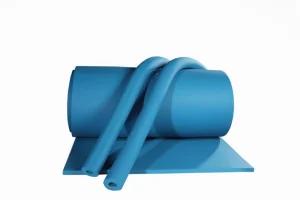
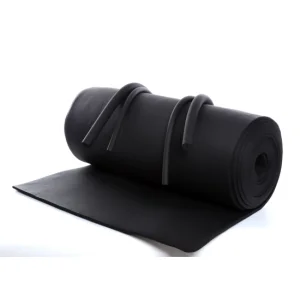
High-flexibility elastomer insulation sheeting designed to wrap oversized copper distribution manifolds, valves, and ventilation ducts.
Application: Central HVAC ductwork, building envelope acoustic insulation, and heavy chemical process tanks.
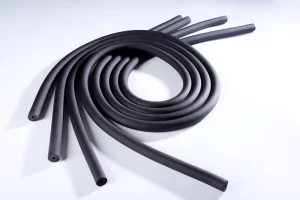
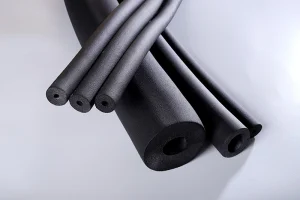
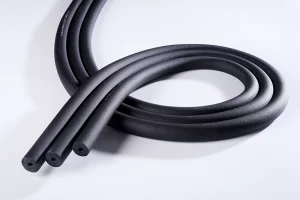
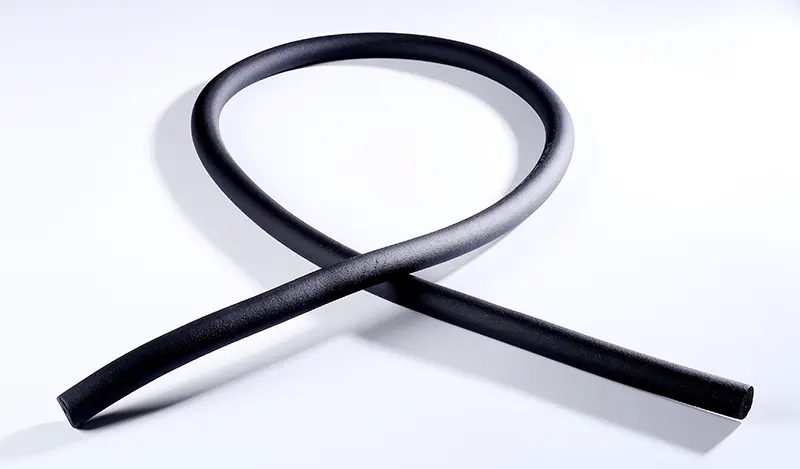
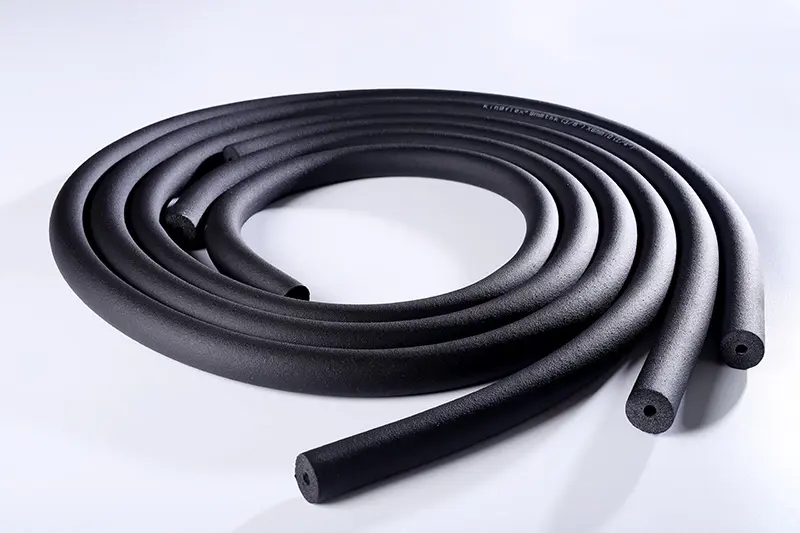
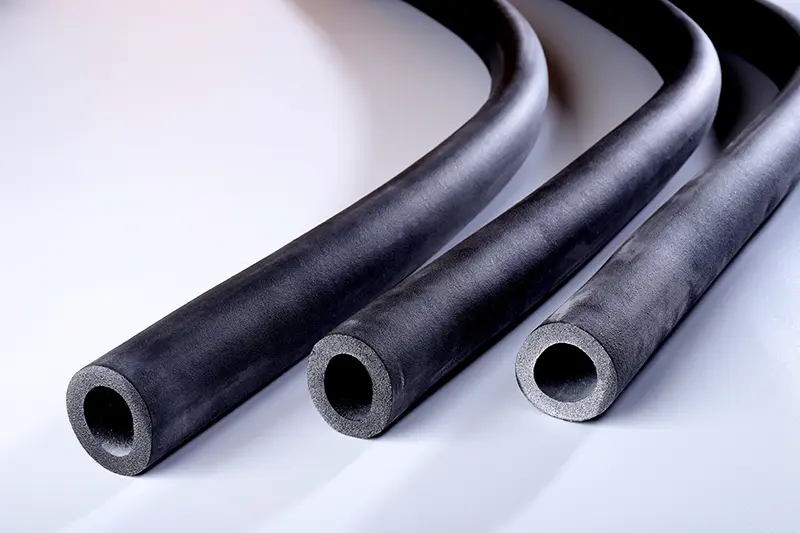
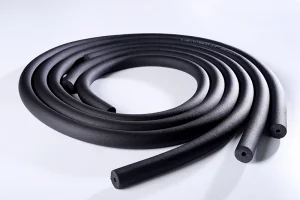
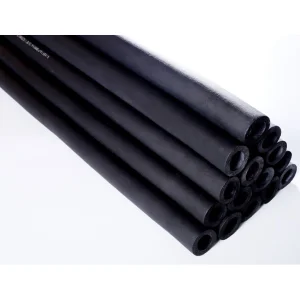
Pre-extruded elastomeric piping sleeves engineered to slip over standard AC copper tubes, preventing condensation and energy losses.
Application: Split system line sets, industrial chilled water piping, and hot water service runs.
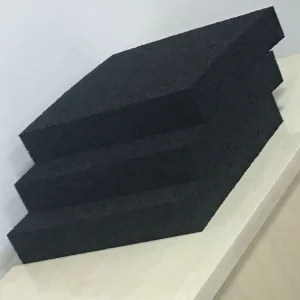
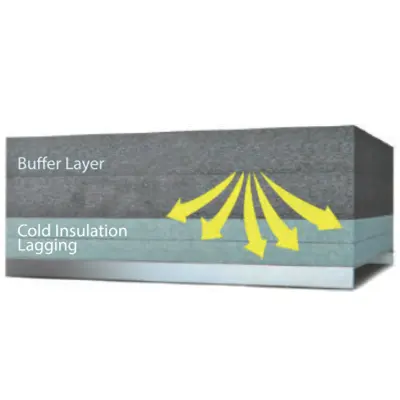
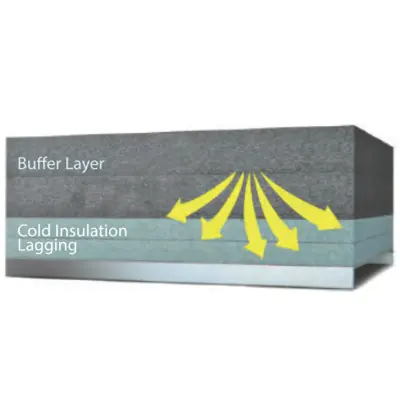
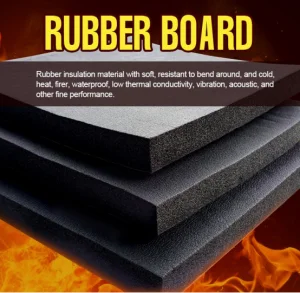
Specially engineered, ultra-dense elastomeric materials built for extreme low-temperature pipelines and cryogenic gas transfers.
Application: LNG transport pipelines, medical gas piping, and specialized laboratory cooling systems.
From central air conditioning plants to heavy chemical pipelines, Kingflex insulation systems deliver reliable thermal management worldwide.

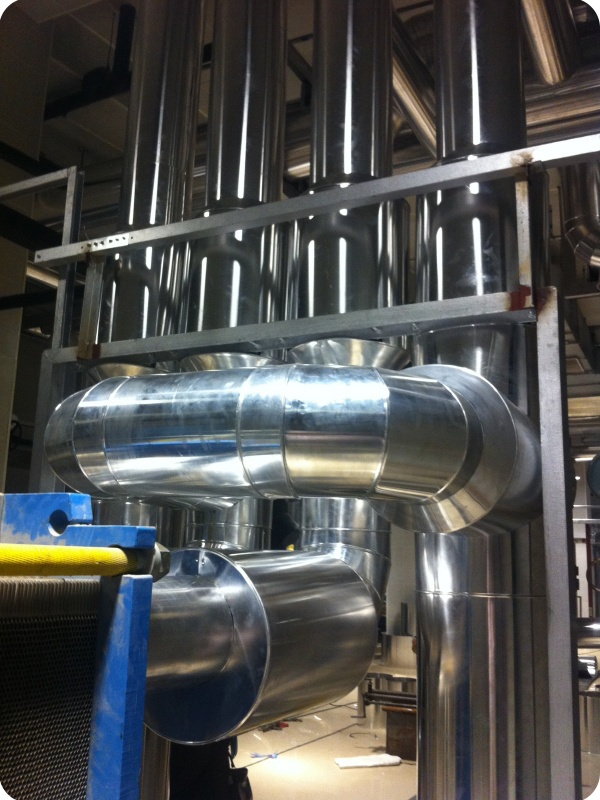
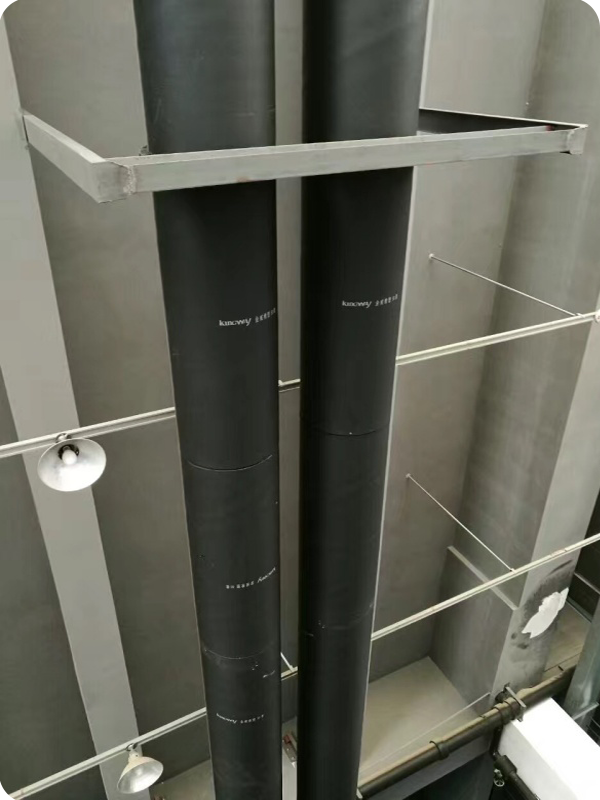
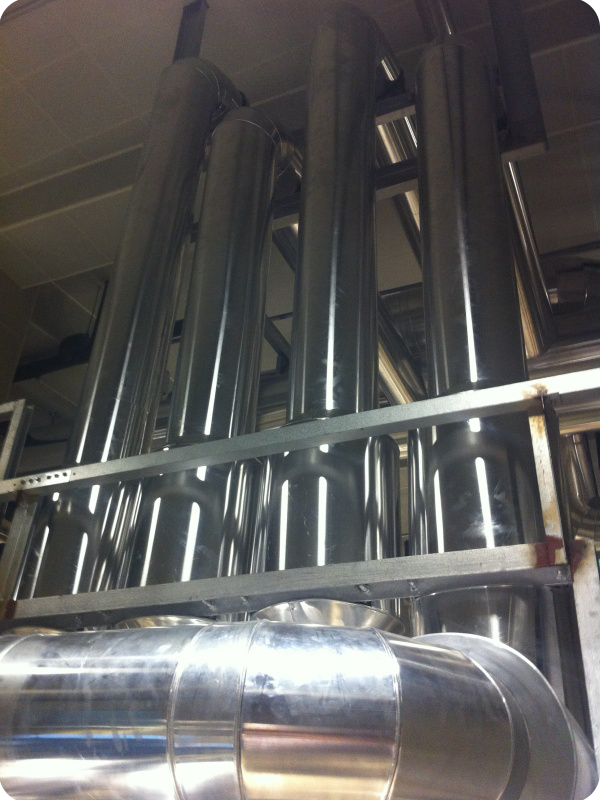
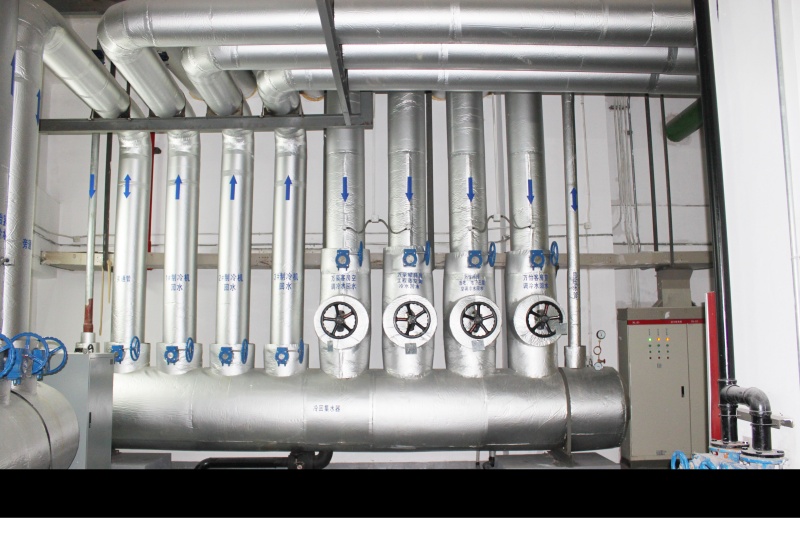


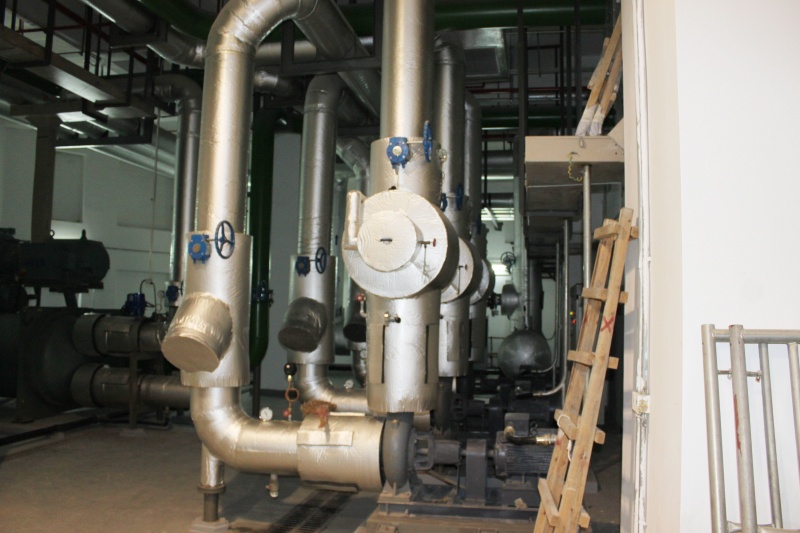
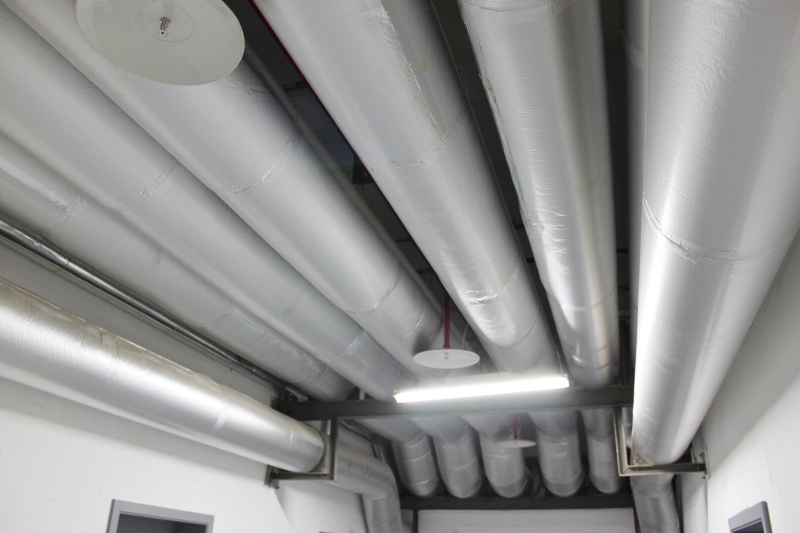

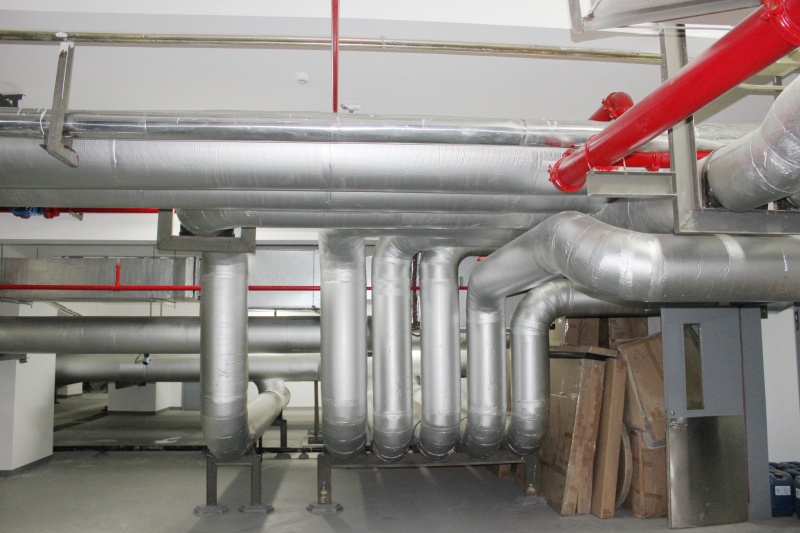
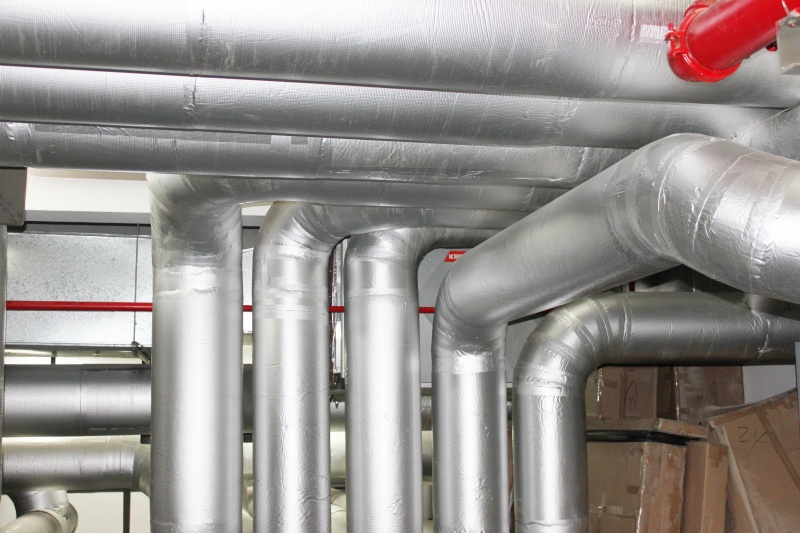
Browse our primary catalog of NBR/PVC elastomeric solutions, rock wool boards, and cryogenic thermal barriers.
To support major construction and industrial operations globally, insulation materials must meet international fire safety and chemical composition codes. Kingflex products undergo testing and hold certifications including BS 476, CE, REACH, ROHS, UL94, and ASTM.
These certifications verify that our insulation materials perform reliably under demanding fire, chemical, and moisture conditions. By maintaining a complete chain of traceability, Kingflex ensures that every delivery meets the specifications required for international HVAC projects.
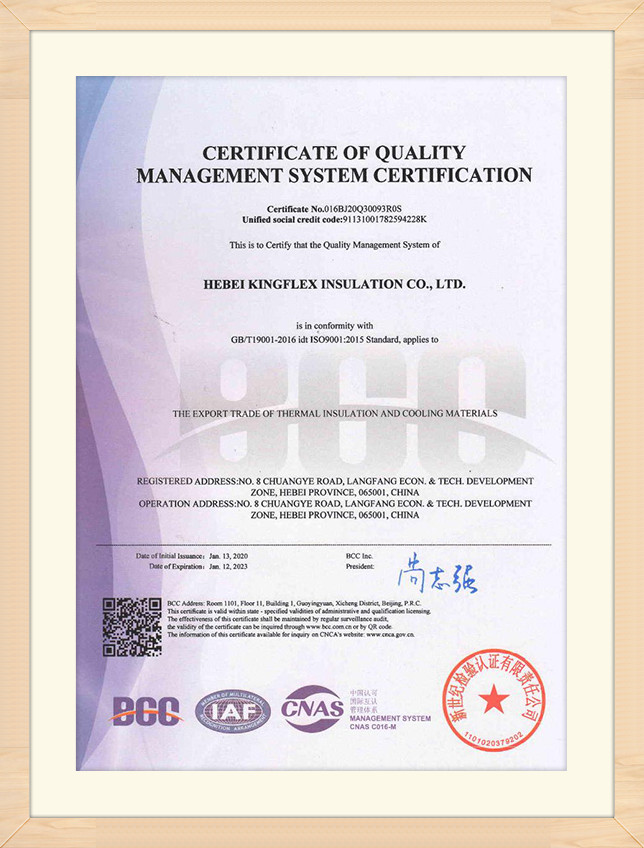


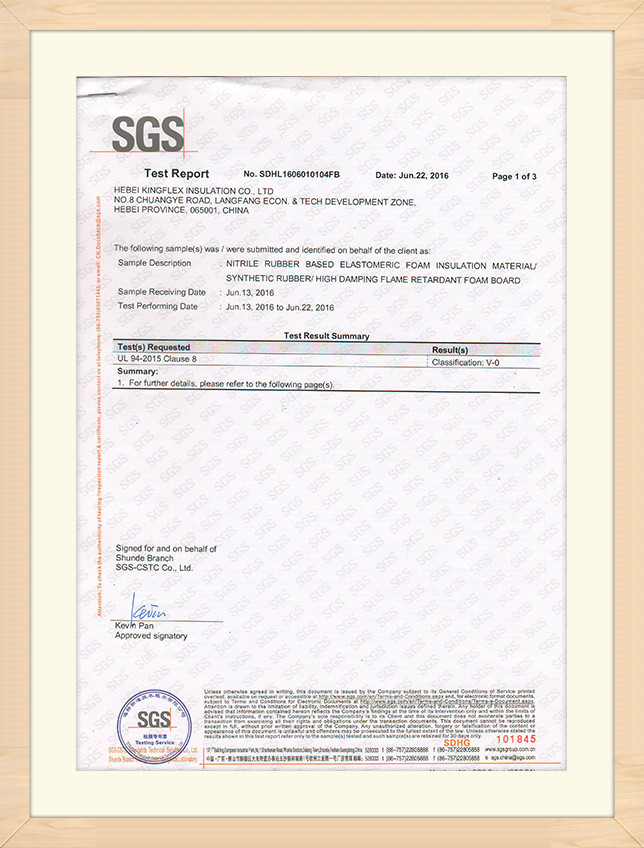
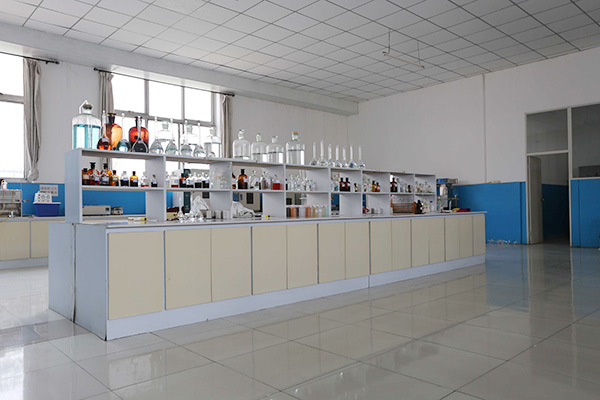
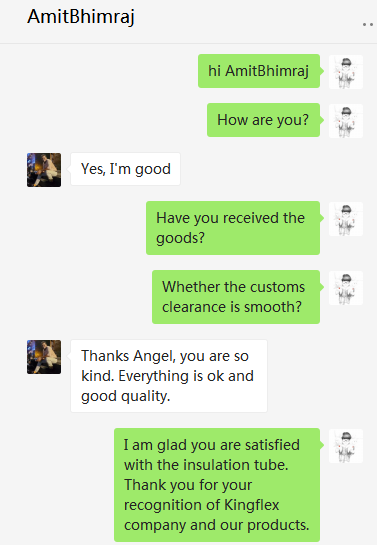
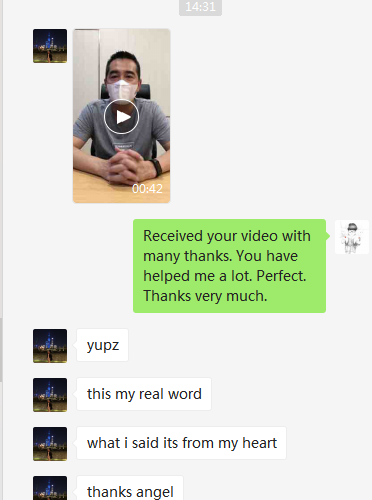
Review actual client coordination and order confirmations, illustrating our direct trade support and client services.




Find professional engineering answers regarding specifications, compliance, and material selection for your projects.
A catalog of raw materials, finished stock, and automated packaging lines at our production base.
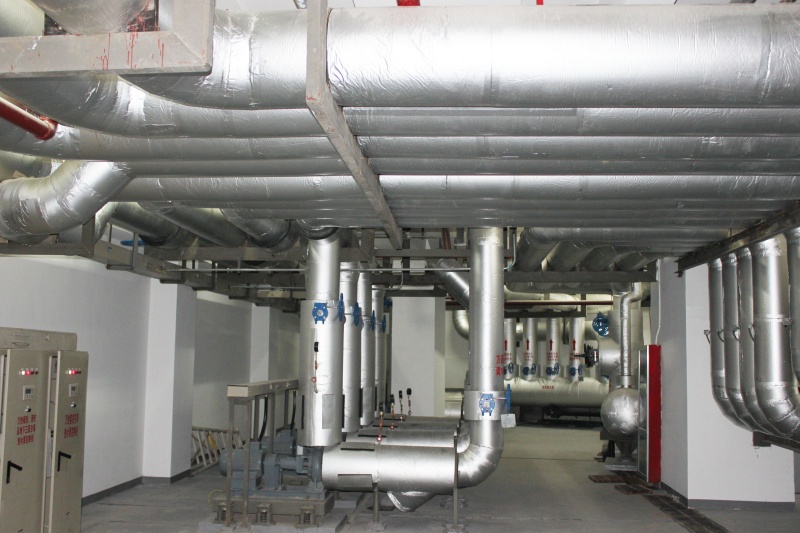
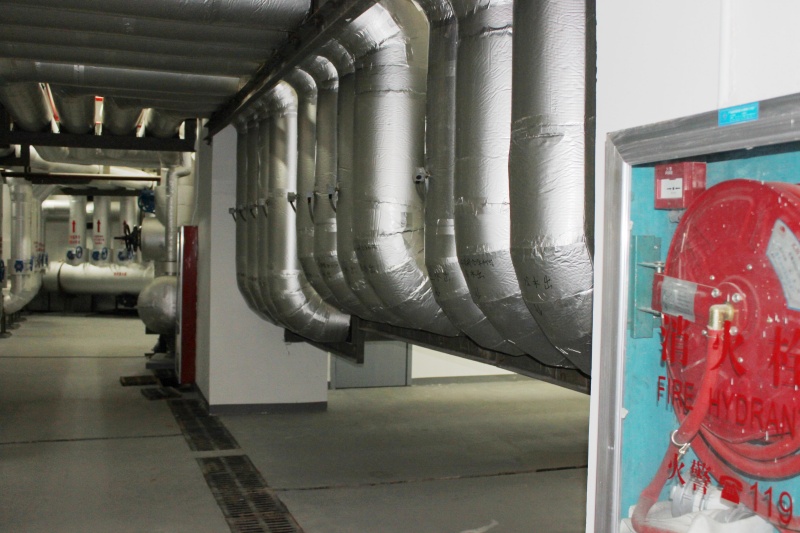
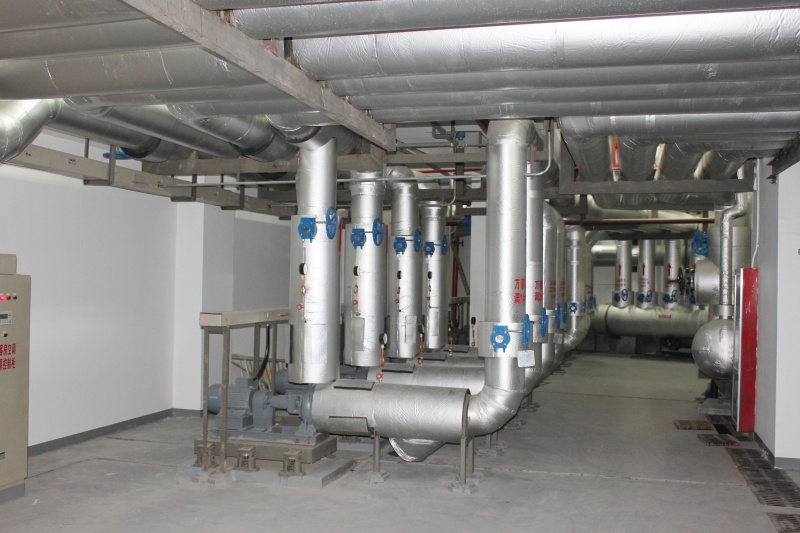







Explore our NBR/PVC elastomeric insulation options designed for copper line sets and chilled water loops.
Sourcing air conditioner copper pipes and companion insulation materials directly from Chinese manufacturers requires understanding the cost structures that shape factory quotes. Copper pipe pricing is directly tied to the raw LME (London Metal Exchange) and SMM (Shanghai Metals Market) indices. Factories calculate quotes using a formula: Copper Material Index Price + Processing Fee. The processing fee covers extrusion, drawing, annealing, and conforming to ASTM B280 or EN 12735-1 specifications.
For insulation materials, the cost of NBR/PVC elastomer runs is driven by chemical foaming agents, nitrile rubber monomers, and fire-retardant additives. Buying pre-insulated copper line sets helps reduce direct labor costs on-site, making them a preferred choice for residential and light commercial HVAC installations.
When requesting quotes for large HVAC projects, specifications should detail the wall thickness, copper alloy type (such as C12200 Deoxidized High Phosphorus), and the insulation's fire performance rating (such as BS 476 Class 0 or ASTM E84). Our team at Kingflex works with engineering firms to provide coordinated piping and insulation systems designed for long-term thermodynamic efficiency.
In high-tonnage chiller plants and central VRF configurations, the thermal integrity of refrigerant piping determines overall system efficiency. Uninsulated or poorly insulated pipelines lead to thermal drift, causing the compressor to work harder and reducing the system's Coefficient of Performance (COP). In hot, humid climates, cold suction lines can sweat if the insulation's thickness is insufficient, which can damage ceilings and electrical systems.
Our elastomeric NBR/PVC insulation features a high water vapor resistance factor (μ ≥ 10,000) that prevents moisture intrusion without requiring a separate vapor barrier. This closed-cell design maintains stable thermal conductivity over a long service life, protecting the copper lines from corrosion under insulation (CUI).
Selecting the proper insulation thickness and material density helps engineering projects reduce carbon emissions, lower operating costs, and meet energy codes like ASHRAE 90.1.
 Kingflex