Explore our elite selection of certified elastomeric, halogen-free, and cryogenic insulation materials designed for modern HVAC infrastructure and critical piping networks.
Addressing energy conservation, ambient thermal barriers, and anti-condensation requirements on a macro scale.
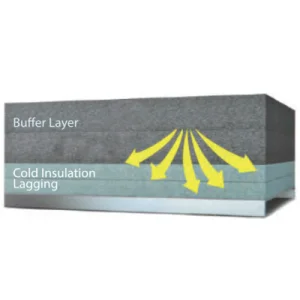
Across major commercial and industrial sectors, structural cooling and heating transport ducts suffer from substantial energy dissipation. Modern regulations—such as ASHRAE Standard 90.1, EU EPBD, and domestic green building directives—now strictly dictate the thermal resistance values (R-value) of insulation installed on HVAC ducts. Proper insulation acts as a thermal barrier, preventing ambient heat transfer and ensuring cold supply air reaches terminals without raising energy loads.
Selecting the right China air duct insulation supplier requires evaluating thermal conductivity parameters ($\lambda$ values). High-grade elastomeric closed-cell structures present a highly resilient, durable choice compared to traditional glass or rock wool variants, mitigating fiber loss and maintaining functional efficiency over decades.

Sourcing directly from optimized manufacturing hubs in Dacheng, China—historically known as the green building material capital—allows global contractors and procurement managers to realize massive cost efficiencies. Industrial integration enables raw material processing and compounding of NBR and PVC mixtures under strict cost and quality control.
By bypassing multiple layers of regional distribution, companies secure bulk pricing quotes directly from active production hubs, guaranteeing consistent product traceability, direct logistics planning, and technical modifications tailored to regional wind patterns, humidity profiles, and safety codes.
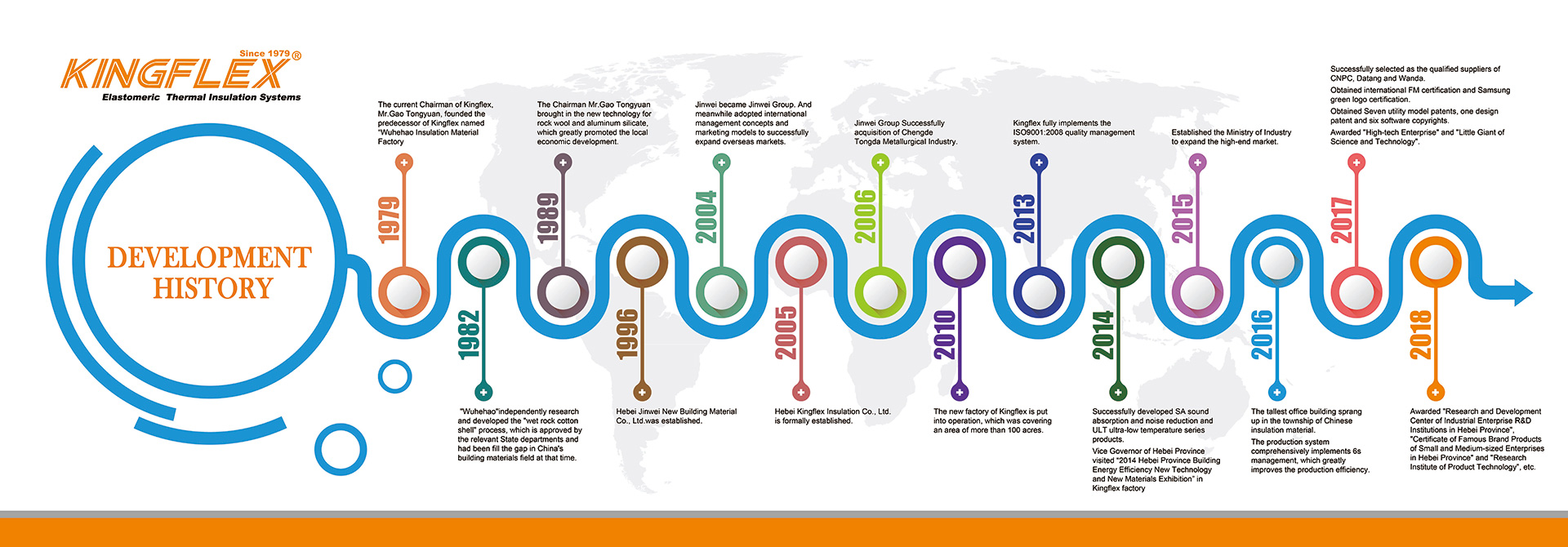
Our 40-year foundation as part of the Jinwei Group supports our massive scale and continuous technological innovation.
"Kingflex Insulation Co., Ltd. functions as a highly professional manufacturing and trading combo, focusing primarily on building energy-saving systems, low-temperature pipelines, and industrial acoustics. As a designated enterprise recognized by the Ministry of Energy, the Ministry of Electric Power, and the Ministry of Chemical Industry, our products serve as primary thermal barriers globally."
With eight full-time professional engineers leading our R&D Department, 6 international sales agents providing technical consultations, and 230 highly trained operators managing production, we design tailored systems to prevent condensation and structural heat gain. Our material designs pass fire, chemical, and dimensional stability tests, ensuring quality control across production batches.
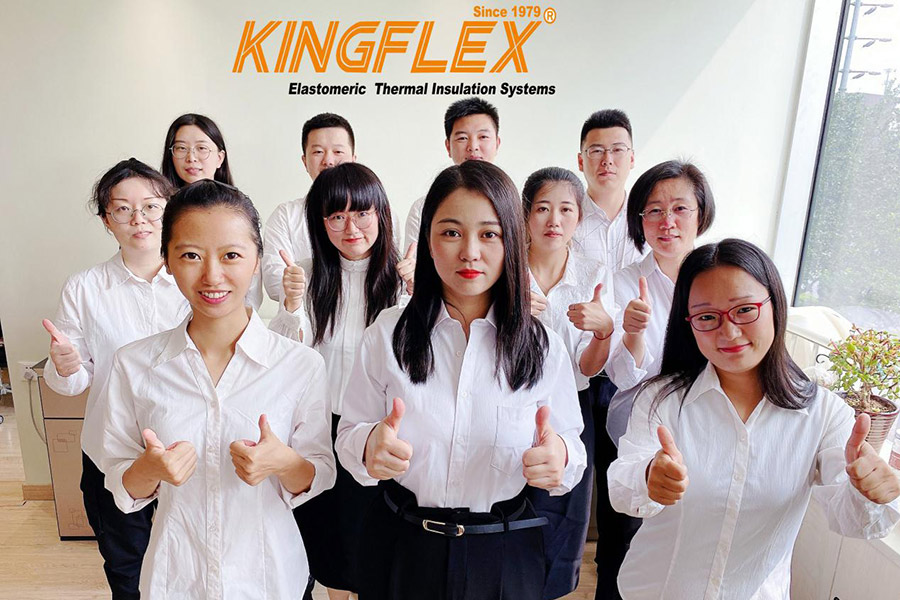
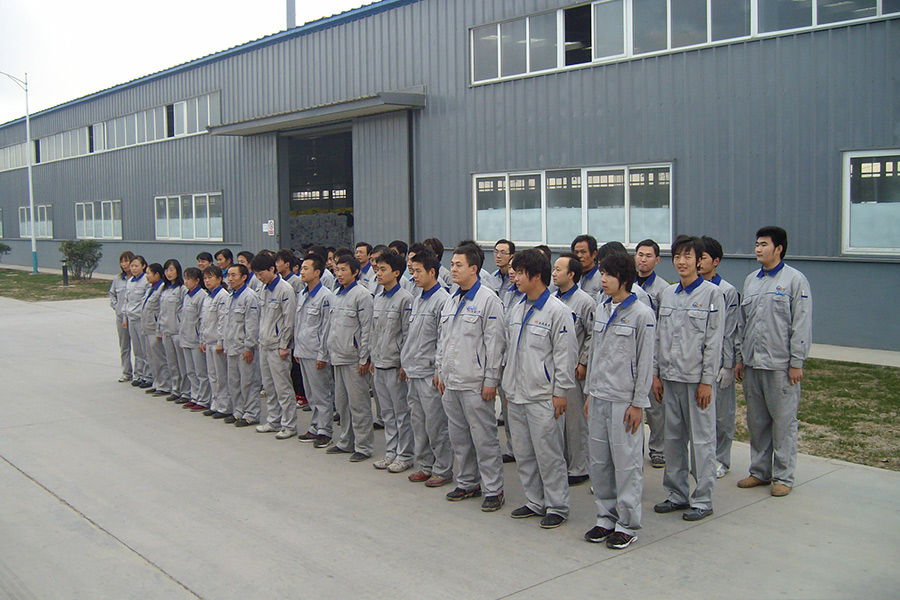
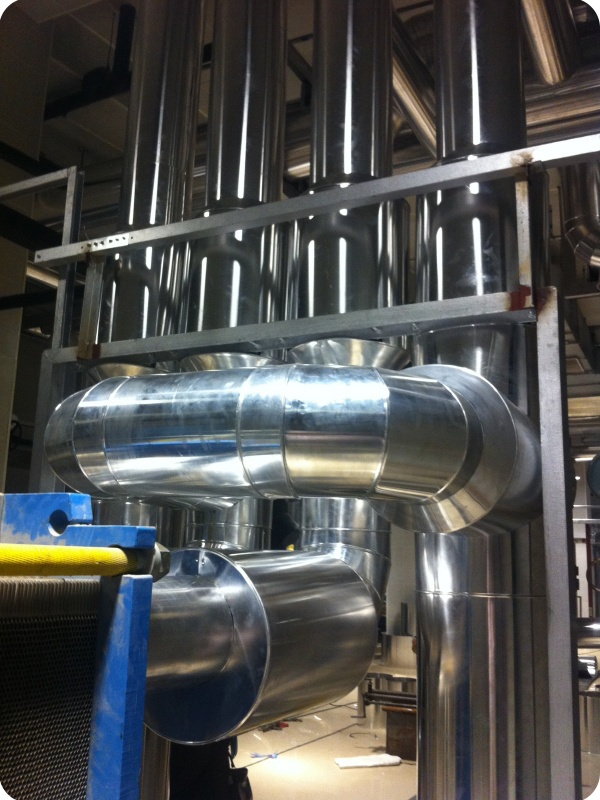
Explore the technical properties of our NBR/PVC elastomeric rubber insulation systems designed for commercial and industrial applications.
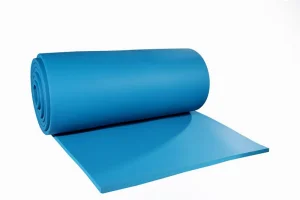
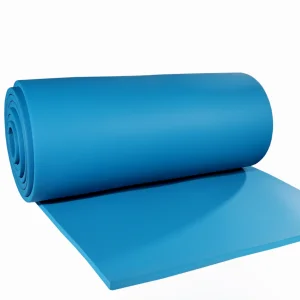
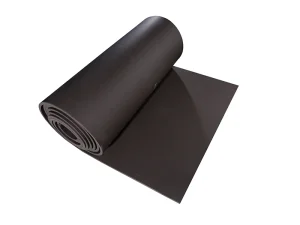
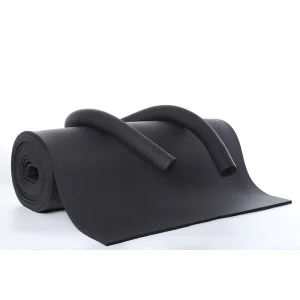
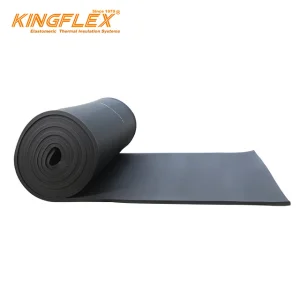
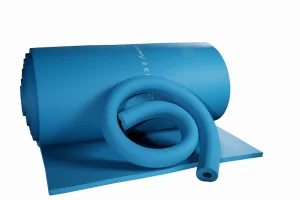
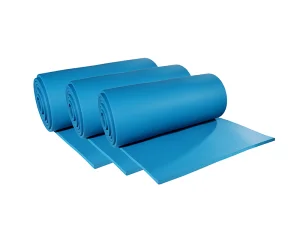
Designed primarily for large rectangular air ducts, round ventilation networks, and flat industrial storage tanks. This material resists thermal bridging and dampens sound in metal duct networks.
| Parameters | Specifications |
|---|---|
| Material Composition | Premium NBR/PVC Elastomeric Foam |
| Thickness Range | 6mm to 50mm |
| Material Density | 40 - 55 kg/m³ |
| Service Temp. Range | -40℃ to 105℃ |
| Closed Cell Rate | > 98% |
| Compression Resilience | > 80% |
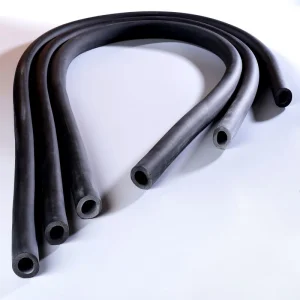
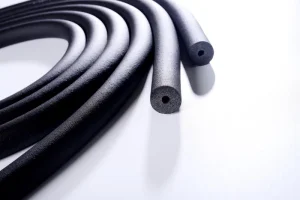
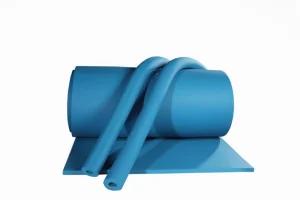
Engineered for hot water lines, chilled water pipelines, and condensate drain lines. The closed-cell profile prevents ambient moisture absorption, which can degrade thermal efficiency.
| Parameters | Specifications |
|---|---|
| Material Composition | Premium NBR/PVC Elastomeric Foam |
| Thickness Range | 9mm to 40mm |
| Inner Diameter (ID) | 6mm to 114mm |
| Service Temp. Range | -40℃ to 105℃ |
| Key Feature | Anti-freezing & Anti-condensation |
| Cell Structure | Fully Closed Cell with Low Permeability |

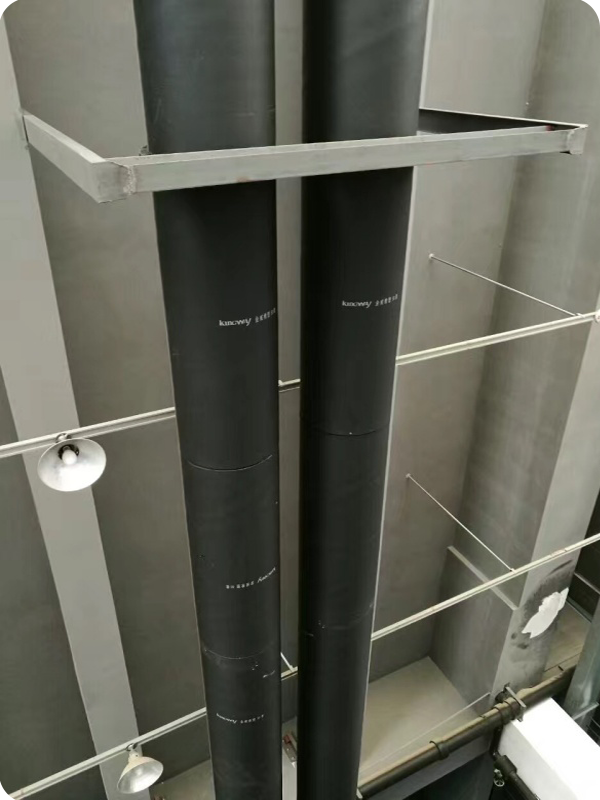
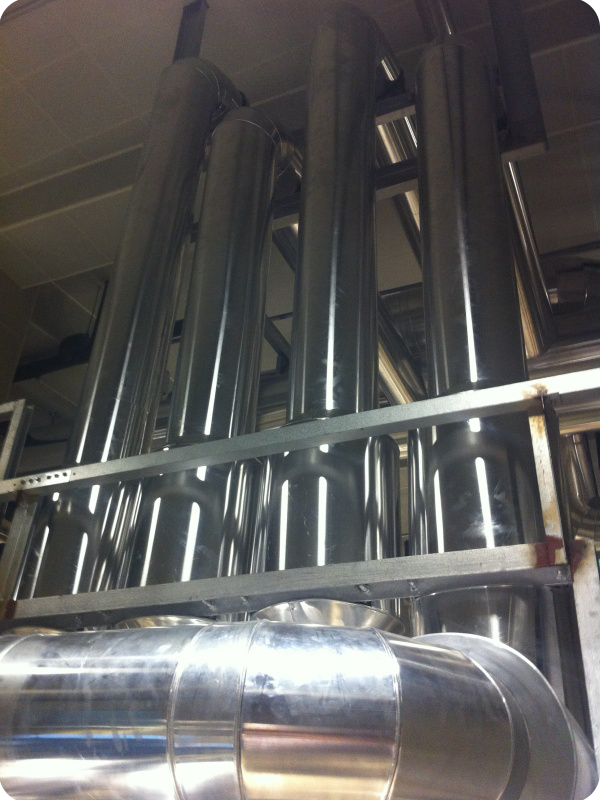
Our systems are tested to meet international standards for fire safety, environmental health, and quality control.
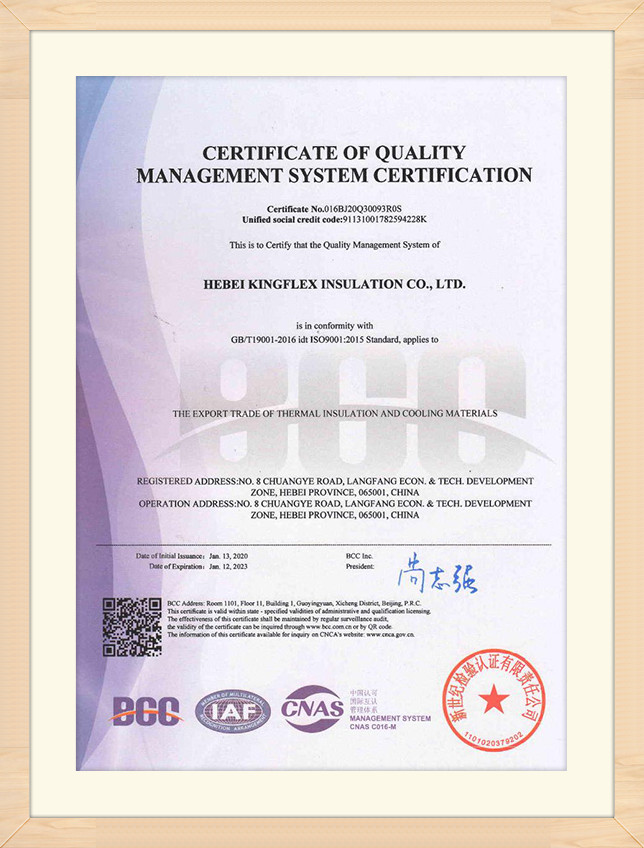
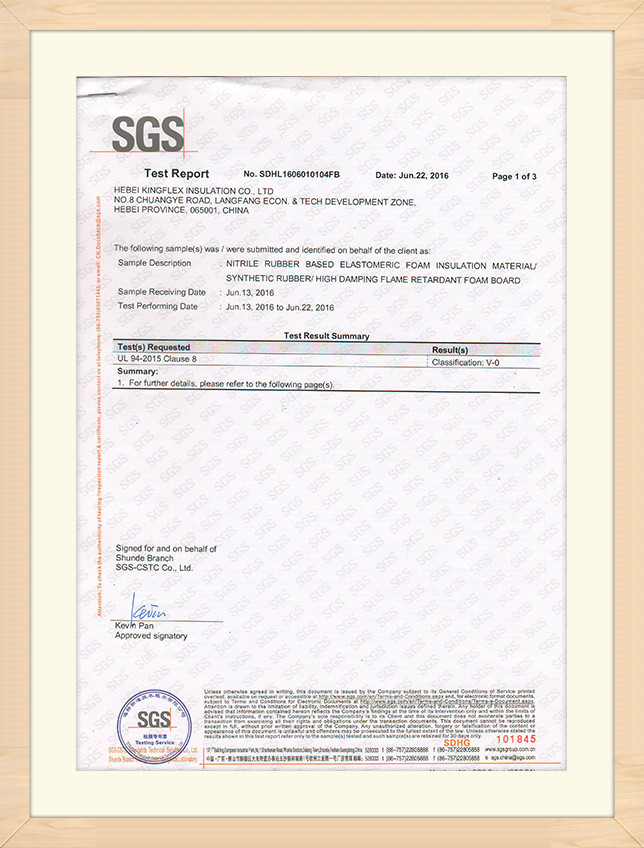
HVAC components must comply with regional fire and chemical regulations. Kingflex products undergo continuous evaluation at international testing laboratories. Our materials hold certifications for fire safety, smoke density, toxic gas emission, and thermal performance.
Our solutions comply with the following international frameworks:


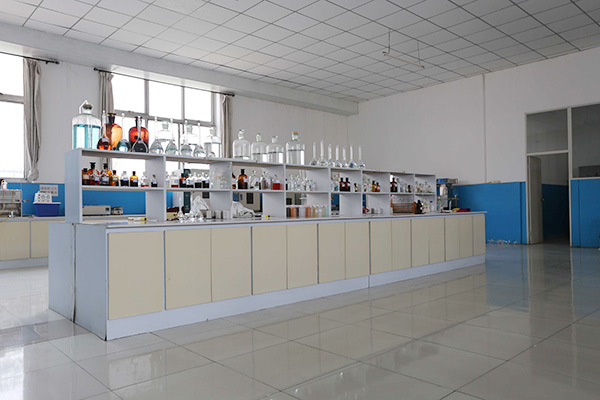

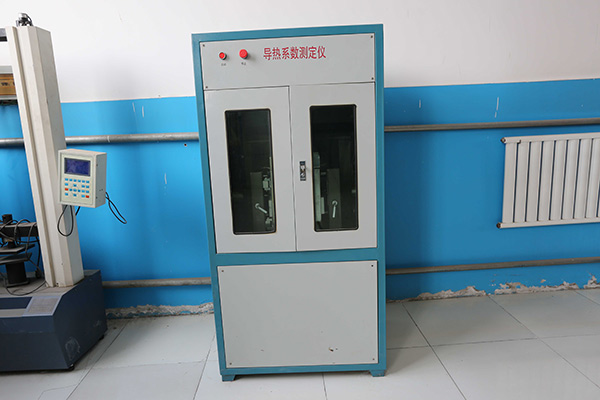
Our dedicated R&D facility utilizes specialized instrumentation to evaluate the performance of insulation materials under simulated environmental conditions.
Through cyclic temperature testing and environmental chambers, our engineers verify mechanical integrity, thermal performance, and moisture resistance before distribution.
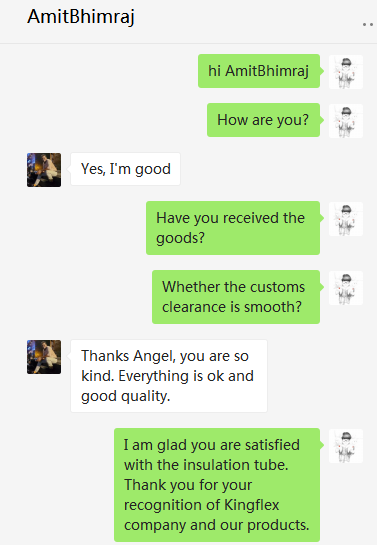
Review client interactions and documentation verifying our delivery standards and product compliance.
We maintain active communication channels with our clients, providing shipping schedules, laboratory verification, and technical support. Our team assists with thickness selection and offers guidance on adhesive applications for custom configurations.
We focus on transparency in logistics, production timelines, and material sourcing, building long-term partnerships with mechanical sub-contractors and industrial buyers worldwide.




Explore our upcoming product developments, environmental goals, and structural solutions for mechanical engineers.
To meet green building certification requirements like LEED and BREEAM, our R&D team is refining halogen-free elastomeric foams. These formulations eliminate chlorine and bromine fire retardants, reducing toxicity and acid gas emissions in the event of fire, making them ideal for high-occupancy commercial projects.
Our cryogenic research focuses on extreme temperature applications (down to -200℃), such as LNG pipelines and cryogenic processing plants. Maintaining structural flexibility at these temperatures prevents thermal stress cracking and preserves vapor barrier integrity over long operational life cycles.
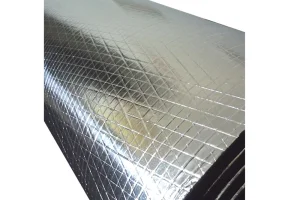
For outdoor mechanical lines and harsh industrial environments, we offer pre-applied aluminum foil and polymeric protective outer coatings. These systems protect the underlying elastomeric insulation from UV degradation, mechanical impacts, and chemical exposure, eliminating the need for manual cladding on-site.
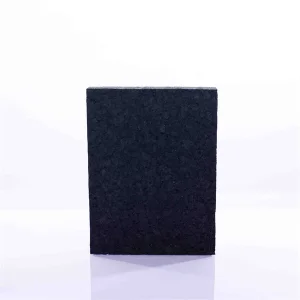
Our open-cell rubber foam solutions address noise transmission along ventilation pathways. By combining closed-cell layers for thermal barrier control with open-cell layers for sound absorption, we provide multi-functional insulation panels for air handling unit (AHU) casings and mechanical rooms.
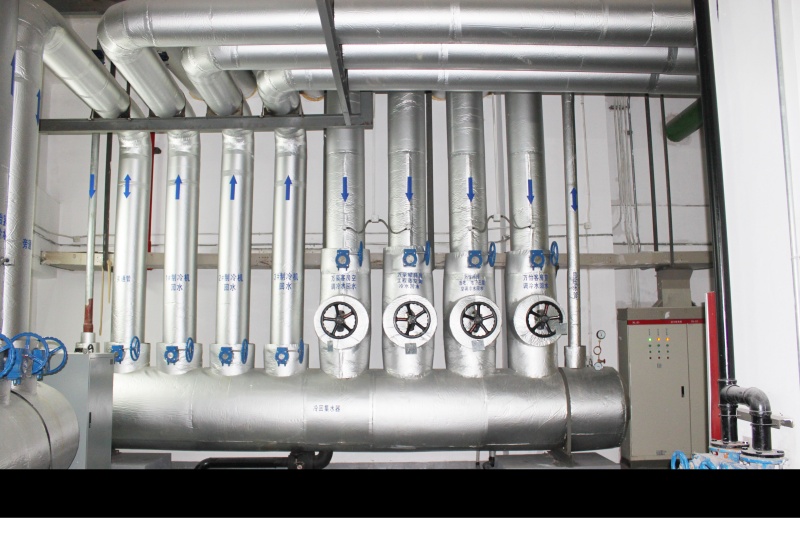
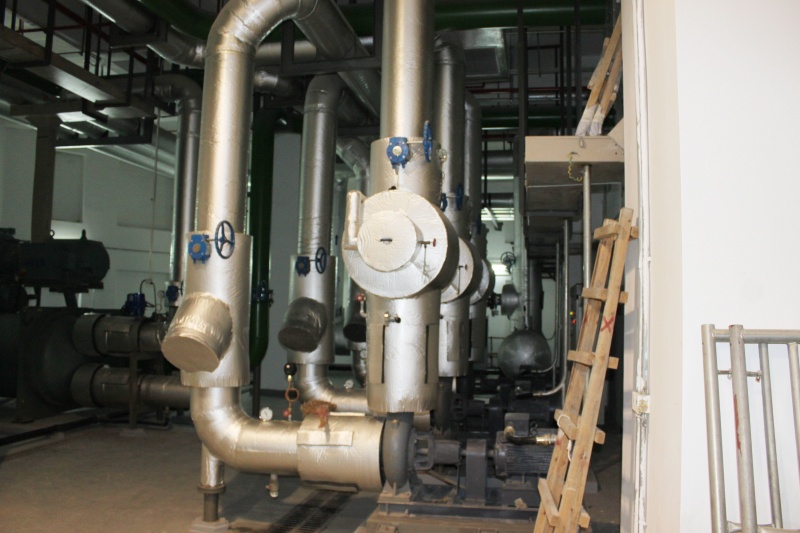
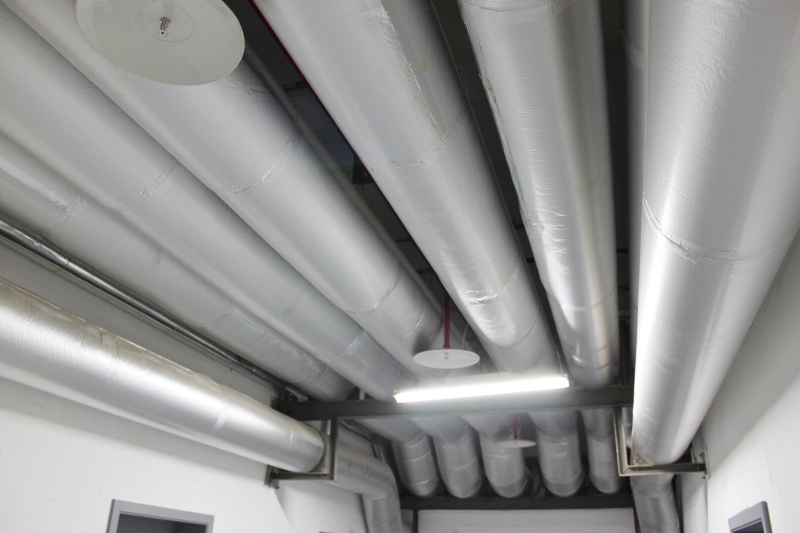
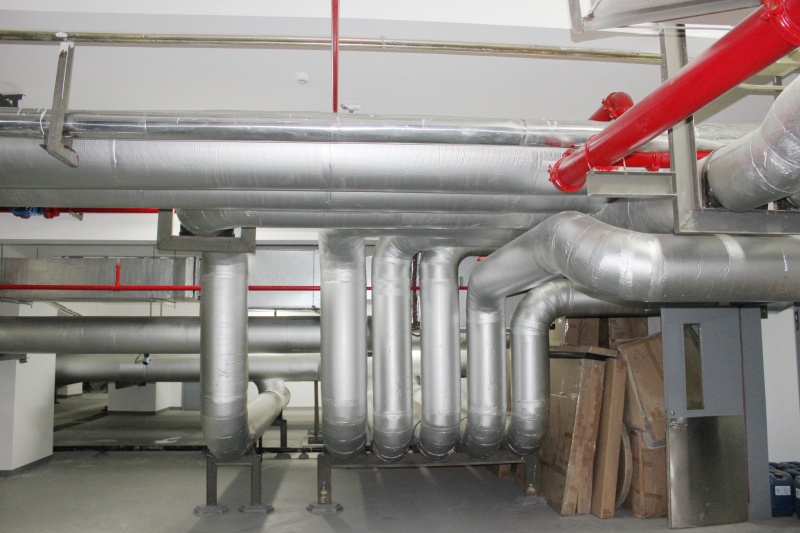
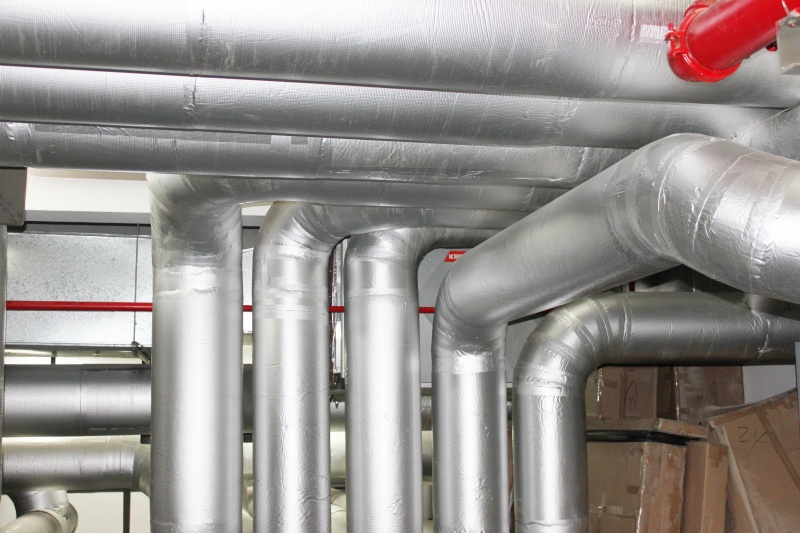
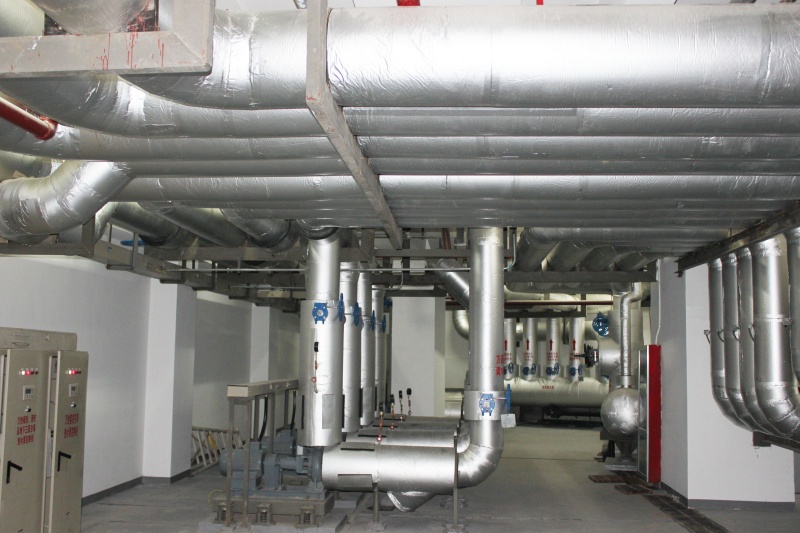
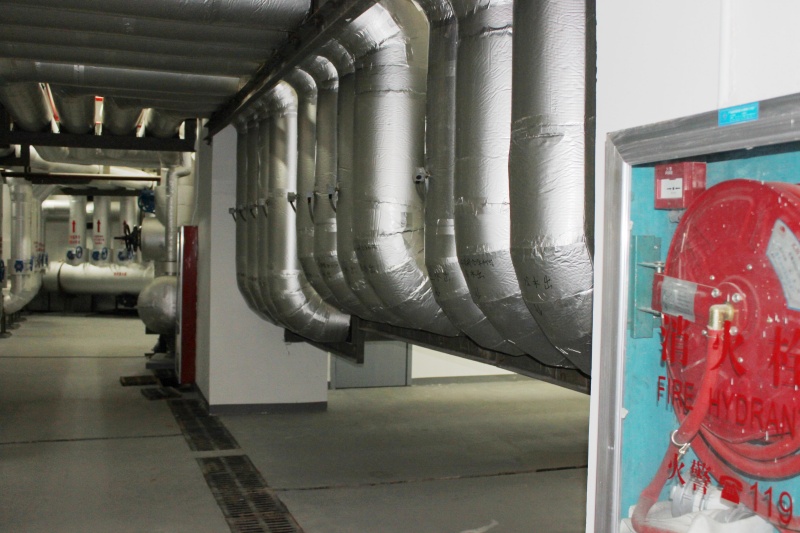
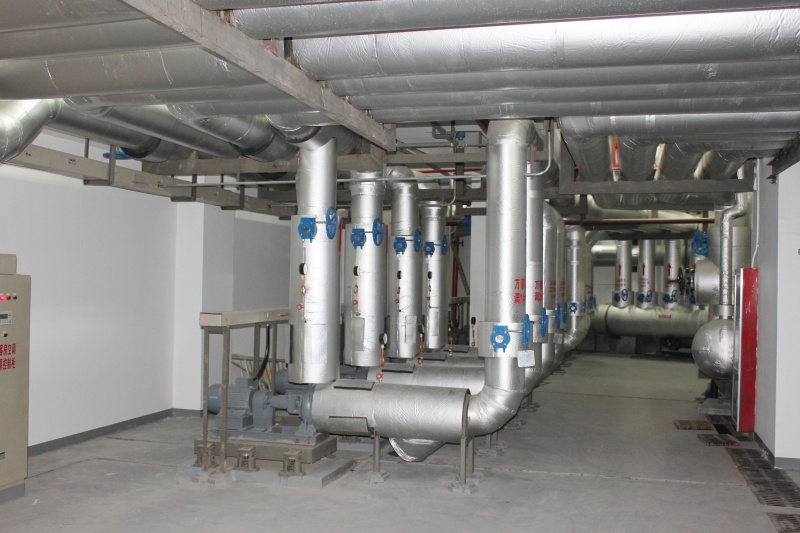
A visual overview of our raw material mixing, automated extrusion lines, testing stations, and ready-to-ship inventory.




Explore detailed answers to common procurement and engineering questions regarding elastomeric rubber foam insulation.
It is primarily used for insulating HVAC ducts, central air conditioning lines, cold and hot water pipelines, building wall/roof thermal barriers, and cryogenic industrial pipe setups to manage heat transfer, condensation, and noise.
Yes. Our rubber foam insulation includes flame-retardant additives that allow it to meet BS 476 Class 0 and Class 1, UL94, and ASTM fire safety standards for commercial and industrial structures.
Rubber foam is a flexible, closed-cell, moisture-resistant material suitable for chilled lines, air ducts, and anti-condensation designs. Rock wool is a high-density, high-temperature fibrous material best suited for high-temperature steam systems and structural fire barriers.
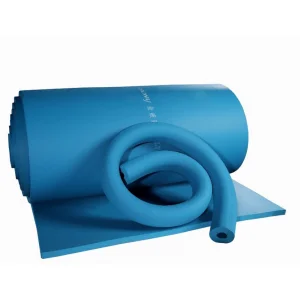
Yes. We support custom orders, including variations in thickness, sheet dimensions, inner diameters, and factory-applied protective foil coatings to suit specific project designs.
Our materials are tested and certified to comply with BS 476, CE, REACH, RoHS, UL94, and ASTM standards, confirming safety and environmental compliance for global markets.
Yes. We maintain a system to trace finished products back to their raw material batch numbers and production lines, helping verify consistency across orders.
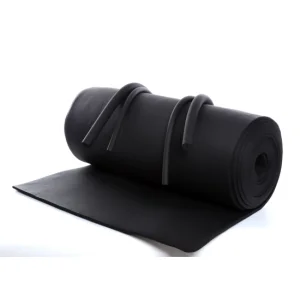
We manufacture rubber foam sheet rolls in thicknesses ranging from 6mm to 50mm, enabling designers to match the required thermal resistances (R-values) for their systems.
When installed correctly in indoor mechanical environments, our elastomeric rubber foam insulation has an expected service life of 10 to 15 years, maintaining its thermal and moisture-resistant properties over time.
Browse additional products, including cryogenic rubber foam, elastomeric sheet rolls, and foil-clad options designed for heavy-duty industrial configurations.
 Kingflex