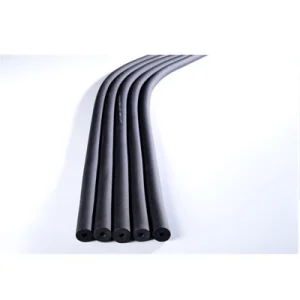
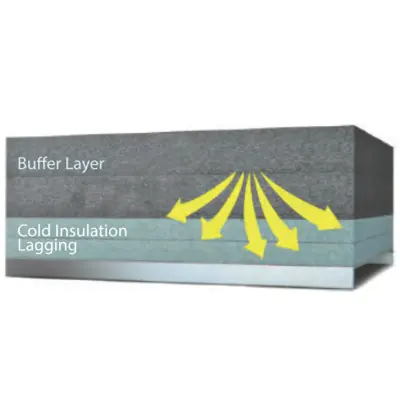
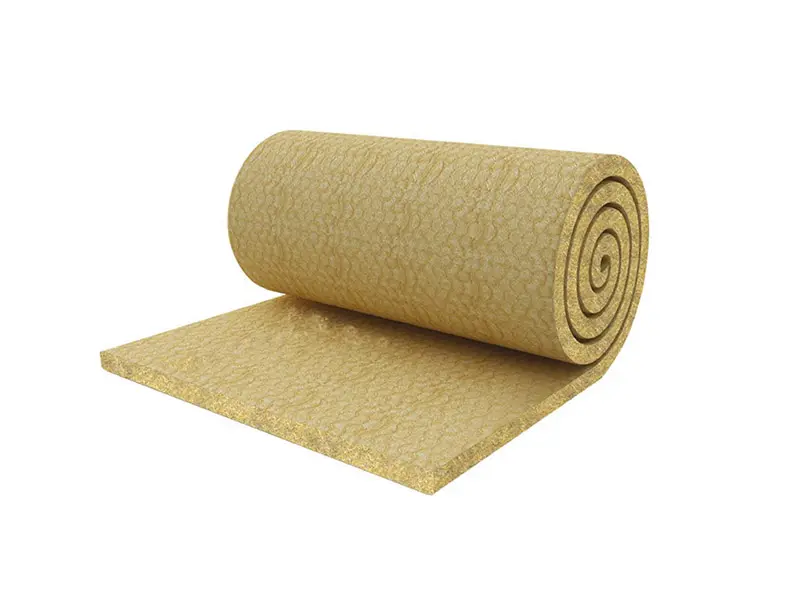
Engineered high-performance elastomeric and fiber-glass configurations designed for mechanical thermal protection systems.
The convergence of micro-porous glass fibers and multi-layered vapor barriers for advanced temperature regulation.
Glass Wool Insulation Felt with FSK (Foil-Scrim-Kraft) facing represents a major advancement in thermal engineering for commercial and industrial structures. Glass wool is created by melting natural sand and recycled glass at extremely high temperatures, then spinning the molten mixture into ultra-fine, interlocking fibers. This forms a structure that traps air, creating highly effective thermal barriers.
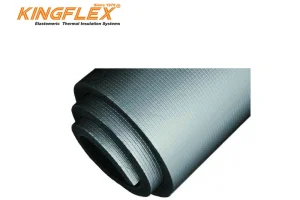
The addition of an FSK facing enhances this core material. FSK consists of a protective aluminum foil layer, reinforced with a tri-directional fiberglass scrim, and backed by high-strength kraft paper. This design acts as an excellent vapor retarder, protecting the glass wool from moisture intrusion and dynamic pressure, while also reflecting radiant heat.
In today's global market, where sustainability is a top priority, this composite insulation is essential for HVAC systems, metallic roofing assemblies, and mechanical piping. It reduces thermal loss, prevents surface condensation, and improves structural fire safety.

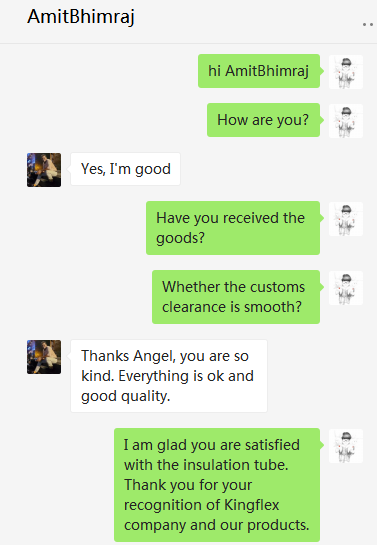
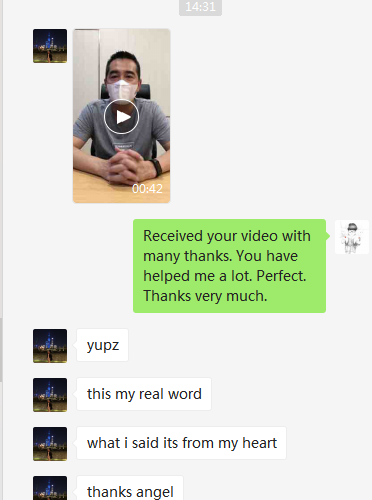
Kingflex Insulation Co., Ltd. is a leading manufacturer and trader specializing in high-performance thermal insulation products. Located in Dacheng, China—a major hub for green building materials—our facilities combine advanced research and development with large-scale production.
Our core mission centers on energy saving and consumption reduction. We support global partners through every stage of their project, offering professional consulting, custom research, production, installation guidance, and comprehensive post-sale services. We aim to drive energy efficiency forward across the global construction and industrial fields.
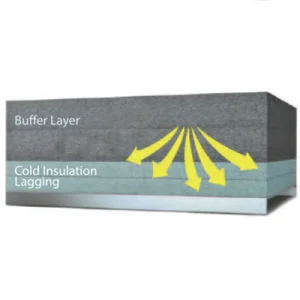
Analyzing the physics of multi-layered thermal protection and vapor barrier systems.
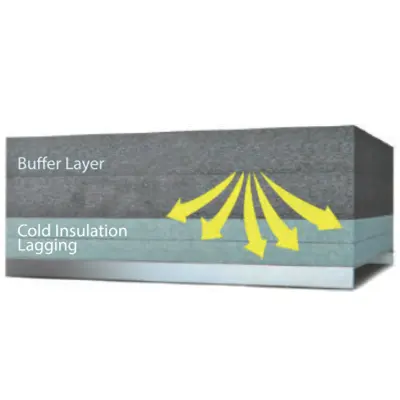
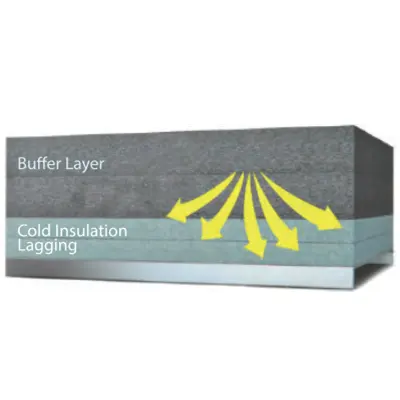
The FSK barrier combines aluminum foil, a fiberglass mesh, and kraft paper. This design resists tears, seals out moisture, and provides structural stability under mechanical stress.
By trapping millions of tiny pockets of air within its micro-glass fiber matrix, this material significantly reduces conductive heat transfer, helping control energy costs.
Naturally non-combustible glass fibers combined with flame-retardant adhesive formulations prevent the spread of fire, meeting strict global building safety codes.
SEO Insights & Industry Compliance: Our FSK Glass Wool insulation systems comply with international testing standards, including ASTM C553 (Mineral Fiber Blanket), BS 476 Parts 6 & 7 (Fire Tests on Building Materials), and have low VOC emissions for green building projects.
| Property Checked | Glass Wool with FSK Spec | Elastomeric Foam Sheet | Testing Protocol Compliance |
|---|---|---|---|
| Operating Temperature | -120°C to 400°C | -40°C to 105°C | ASTM C411 / ASTM C518 |
| Thermal Conductivity | 0.035 W/m·K at 24°C | 0.033 W/m·K at 0°C | ASTM C518 / ISO 8301 |
| Combustibility Rate | Non-combustible (Class A/0) | Flame Retardant Class 1 | BS 476 Parts 6 & 7 / UL 94 |
| Vapor Transmission | 0.02 Perms maximum | Moisture Resistance Factor μ ≥ 7,000 | ASTM E96 Procedure A |
| Acoustic Rating | NRC 0.80 - 0.90 | Acoustic damping properties | ASTM C423 |
Tailoring thermal insulation to demanding industrial and architectural requirements.
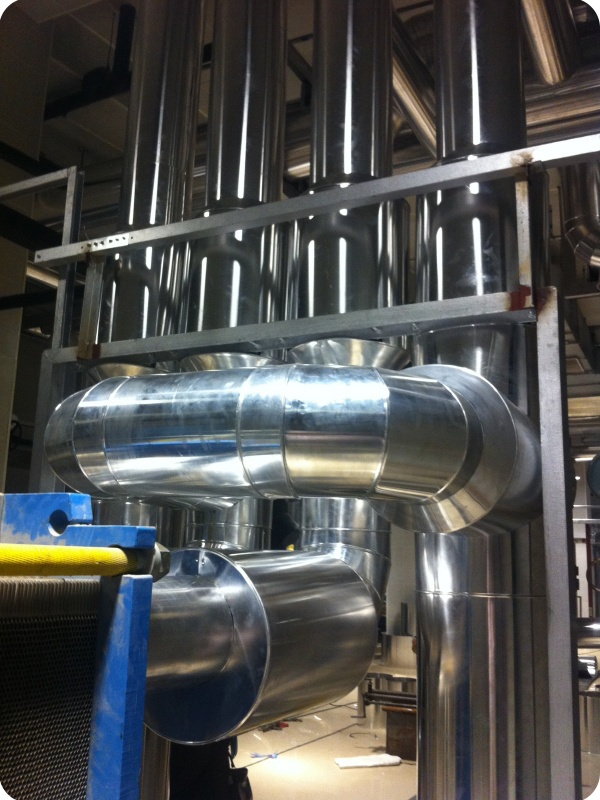
Applied externally on sheet metal ductwork, it prevents condensation build-up and maintains conditioned air temperatures across long distribution routes.
Commonly used as purlin roof and wall insulation in commercial warehouses, sports facilities, and distribution hubs.
Used in oil refineries, chemical processing facilities, and chilled-water systems to optimize system efficiency.
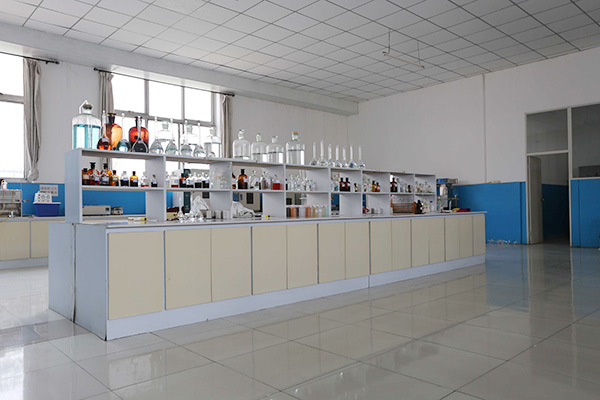
Our R&D department features specialized testing equipment, including thermal conductivity meters, environmental chambers, and flame-spread chambers. This setup allows us to monitor critical factors like moisture absorption, density consistency, and chemical purity.
By utilizing automated production and continuous quality control, we ensure every batch of FSK glass wool meets international standards for quality, safety, and tracebility.
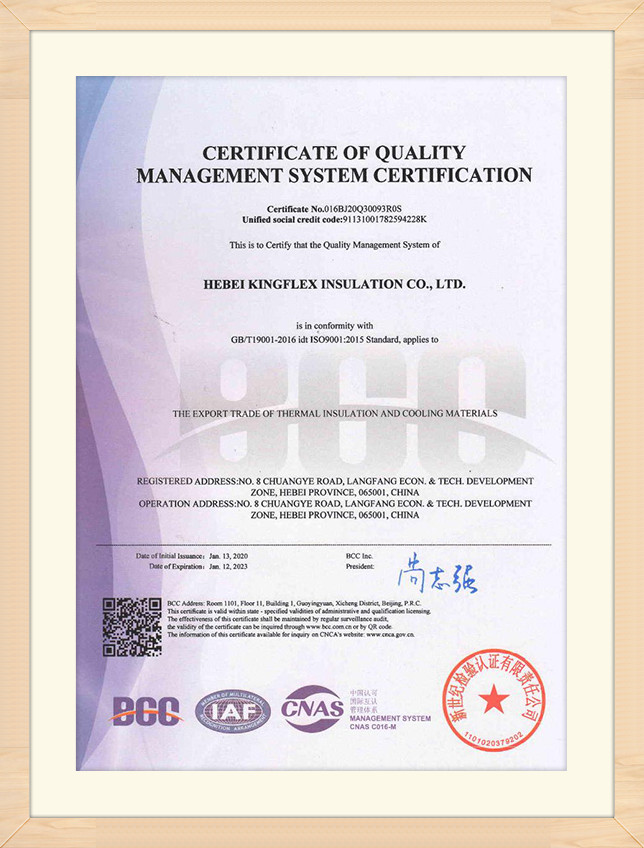


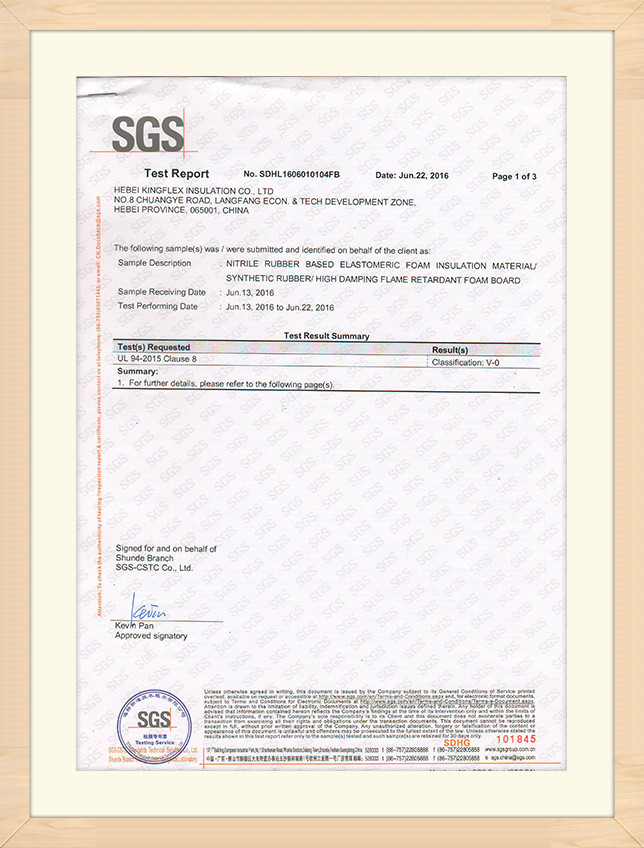

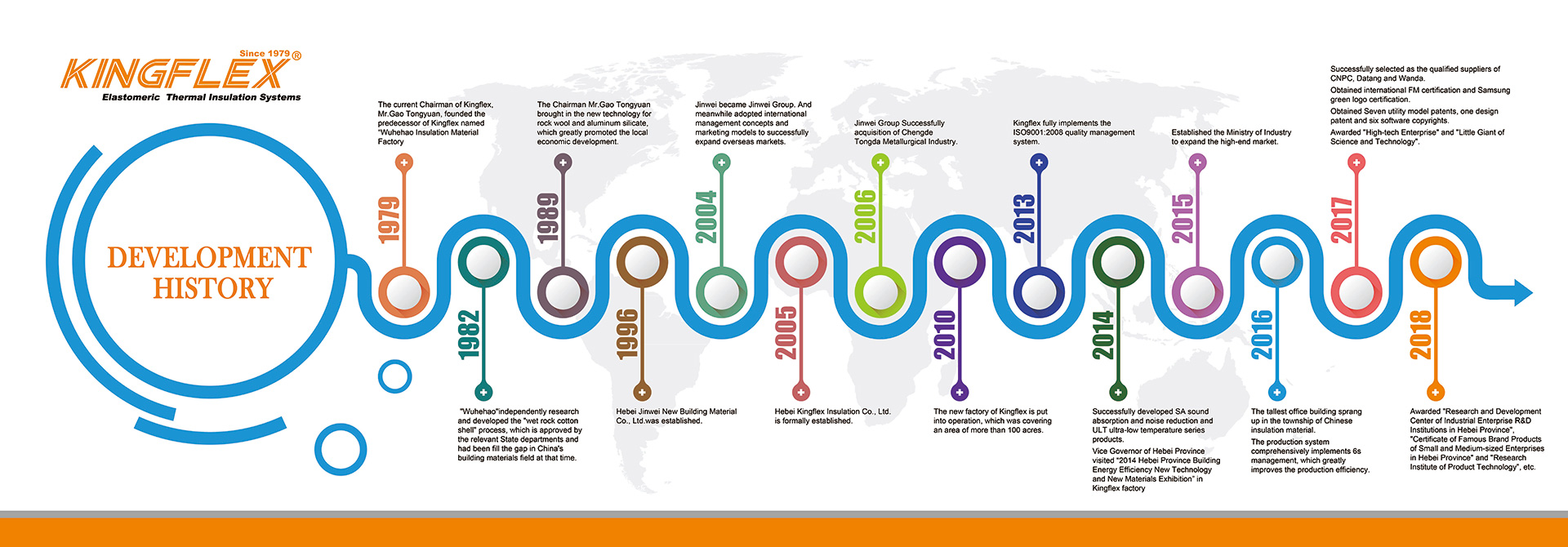
Kingflex was founded by the Jinwei Group, which brings over 40 years of experience to the insulation industry. Established in 1979, the group was one of the earliest thermal insulation manufacturers in Northern China.
Decades of technical refinement and focused growth have shaped Kingflex into a trusted manufacturer. Today, we supply custom insulation materials to commercial developments, chemical complexes, and infrastructure projects around the world.
Where materials science meets regional building efficiency regulations.
Transitioning toward bio-based, formaldehyde-free binders to ensure low VOC profiles and support regional green building standards like LEED and BREEAM.
Integrating advanced metallized polymers with traditional FSK designs to increase tear resistance and improve performance in high-humidity zones.
Upgrading assembly lines with real-time laser monitoring to guarantee consistent adhesive thickness and flat lamination, eliminating bubbles and weak spots.
Technical answers regarding installation, performance, and material selection.
Our materials are trusted in commercial centers, industrial facilities, and transport systems worldwide.

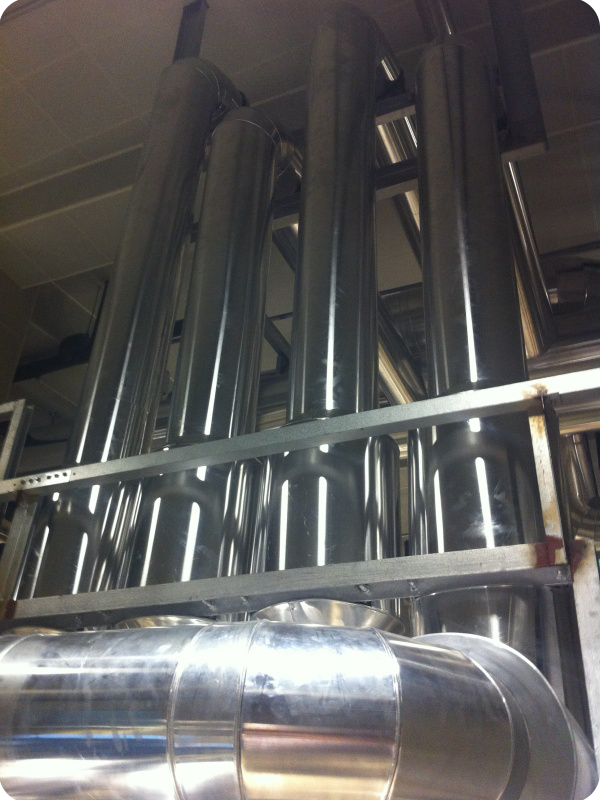
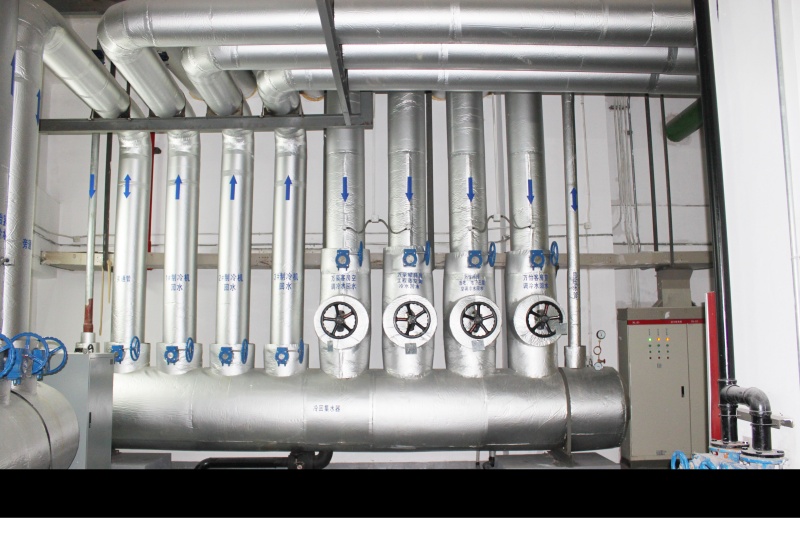


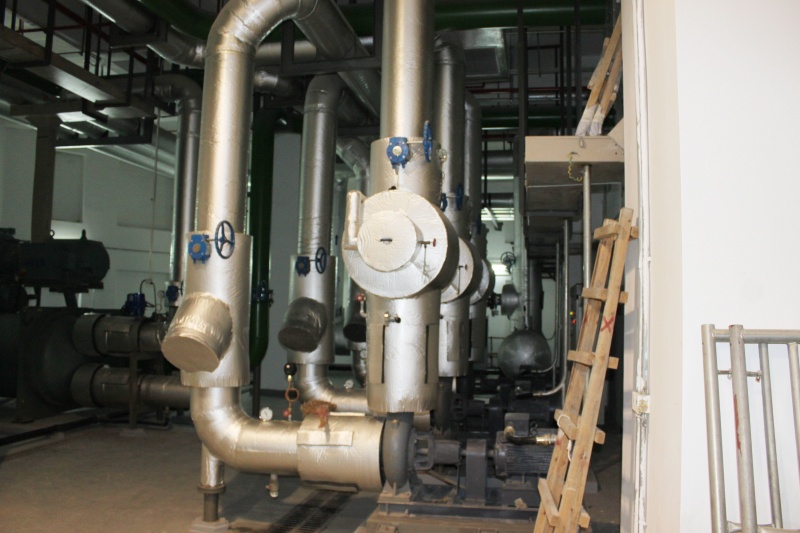
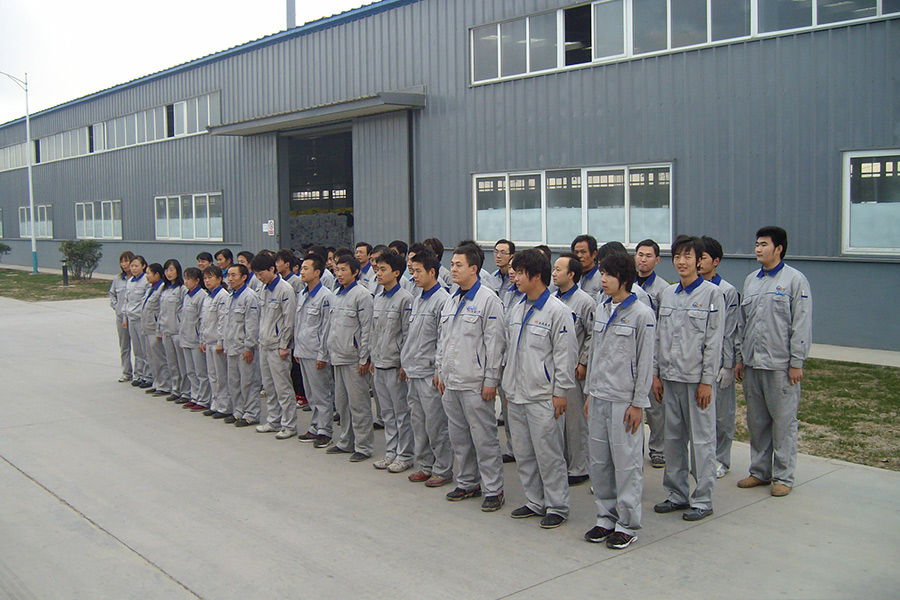
Our staff includes 8 R&D engineers, 6 international sales consultants, and 230 production personnel, working together to deliver high-quality products and services to our customers.

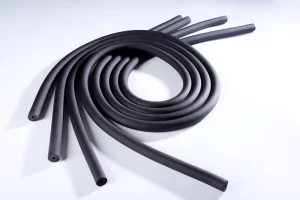
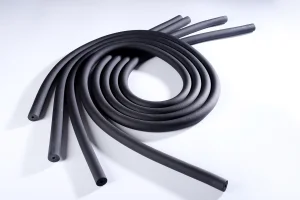
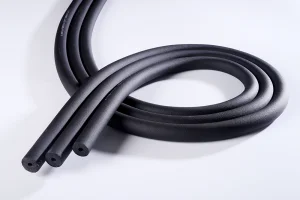
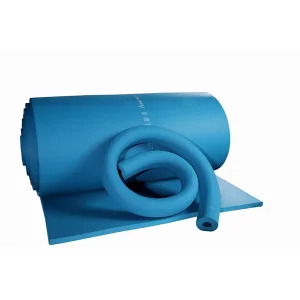
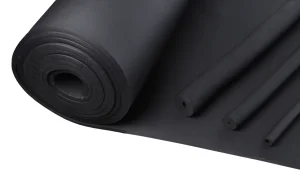
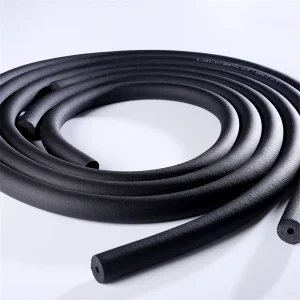
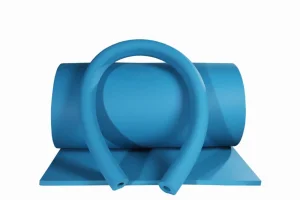
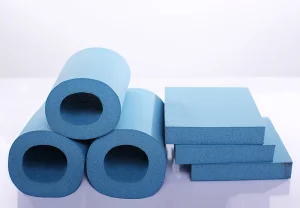
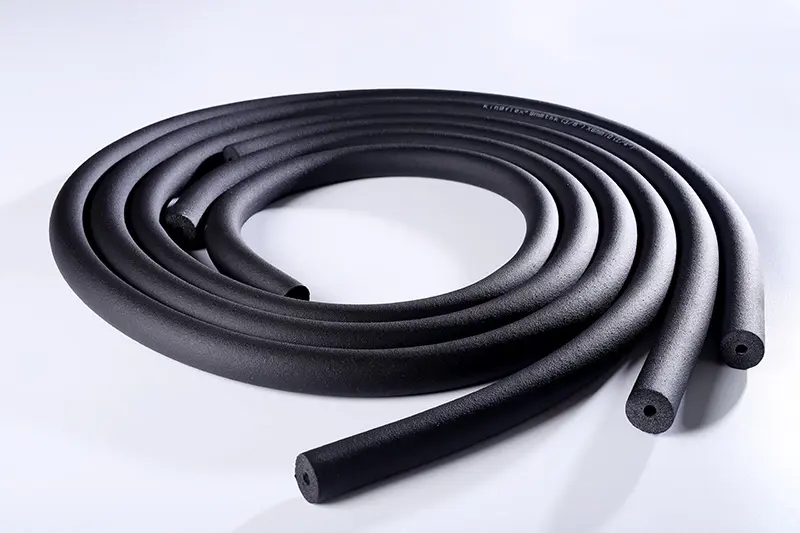
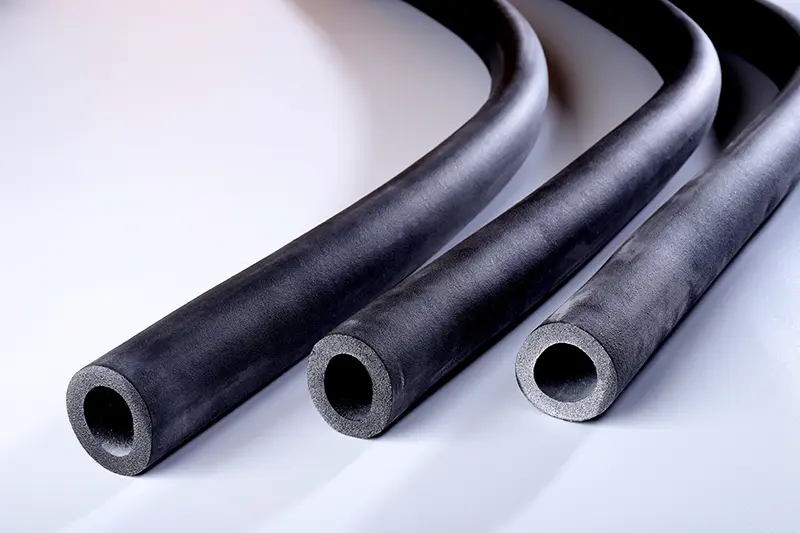
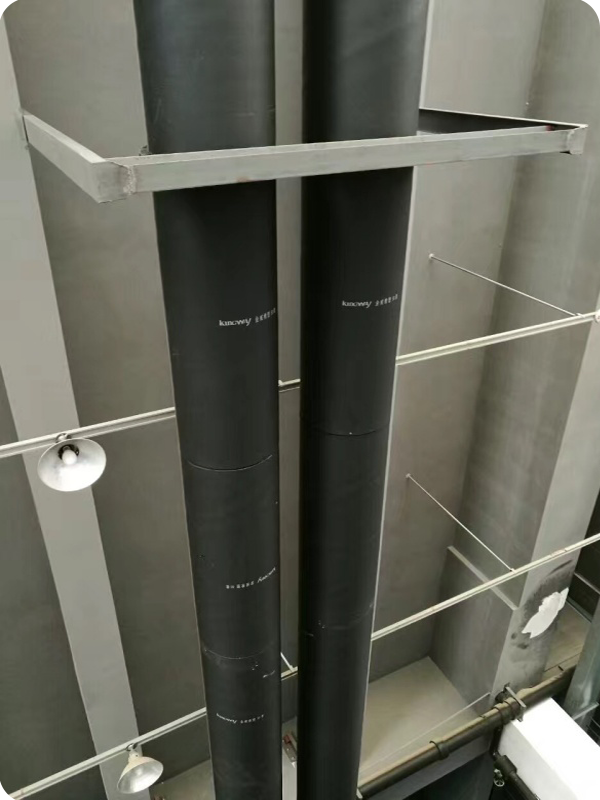
Material Composition: NBR/PVC blend with an even, closed-cell structure (>98%).
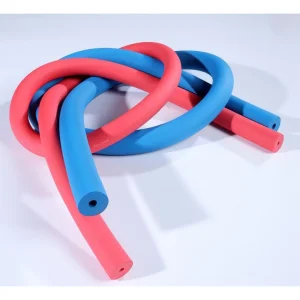
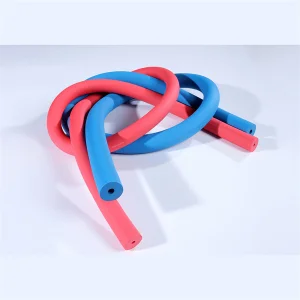
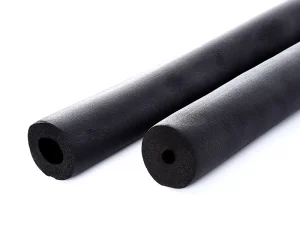
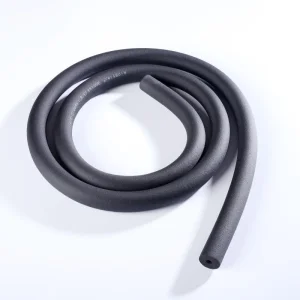
Material Composition: NBR/PVC, extrusion coated for consistent wall thickness.



Explore our full line of elastomeric and fibrous insulation solutions.
 Kingflex