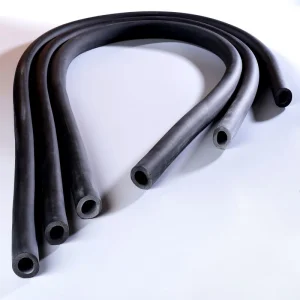
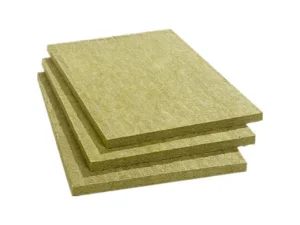
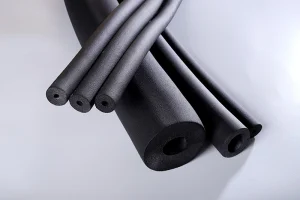
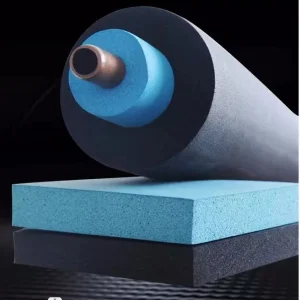
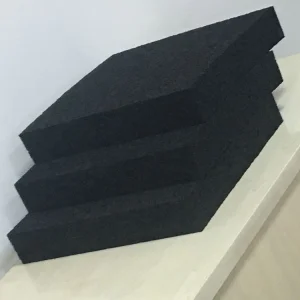
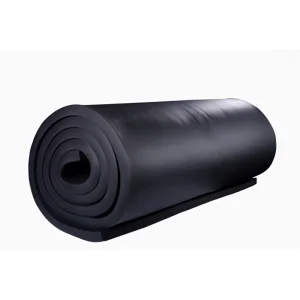
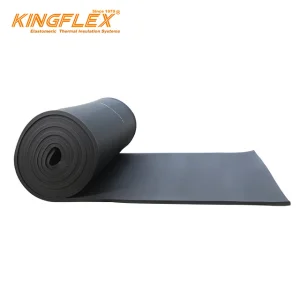
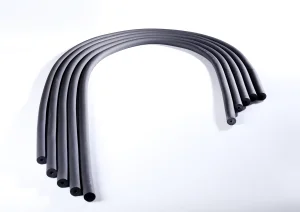
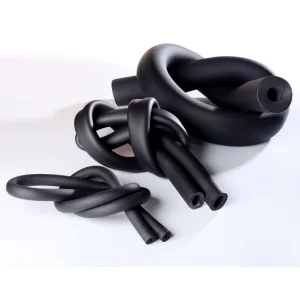
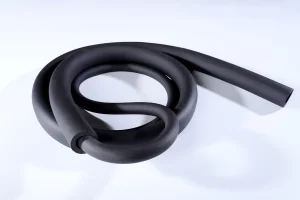
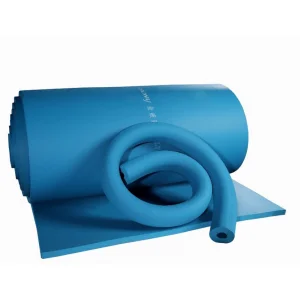
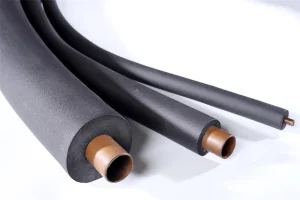
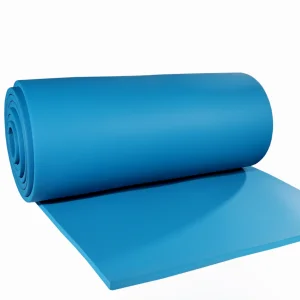
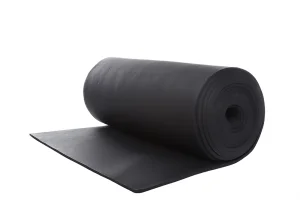
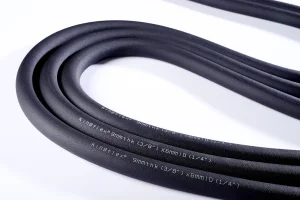
Explore our core selection of elastomeric rubber foam insulation pipes, tubes, and rock wool boards, manufactured in our high-tech Chinese production facility.
Within the scope of mechanical engineering and commercial HVAC system design, the insulation layer wrapped around air vents, supply ducts, and return distribution systems represents a critical interface for thermal stabilization, condensation control, and structural longevity. Efficient air vent insulation prevents ambient temperature drift, safeguarding the energy utilized during ventilation while mitigating the dangerous buildup of ambient condensation in humid plenum zones.
"By implementing high-density closed-cell rubber elastomeric structures or specialized mineral wool systems, commercial operations can decrease mechanical thermal drag by up to 28% while comprehensively eliminating structural moisture risks."
As the international community converges on net-zero greenhouse gas frameworks such as the European Union's Energy Performance of Buildings Directive (EPBD) and the United States' ASHRAE 90.1 standard, HVAC thermal efficiency has transitioned from a design option to a strict legislative mandate. China-based manufacturers are leading this transition, applying high-throughput automated compounding systems that deliver superior raw materials at global scale. By ensuring high vapor diffusion values (μ ≥ 10,000) and lowering thermal conductivity factors down to 0.034 W/(m·K) at 0°C, these high-grade insulators support green building certifications like LEED, BREEAM, and DGNB globally.
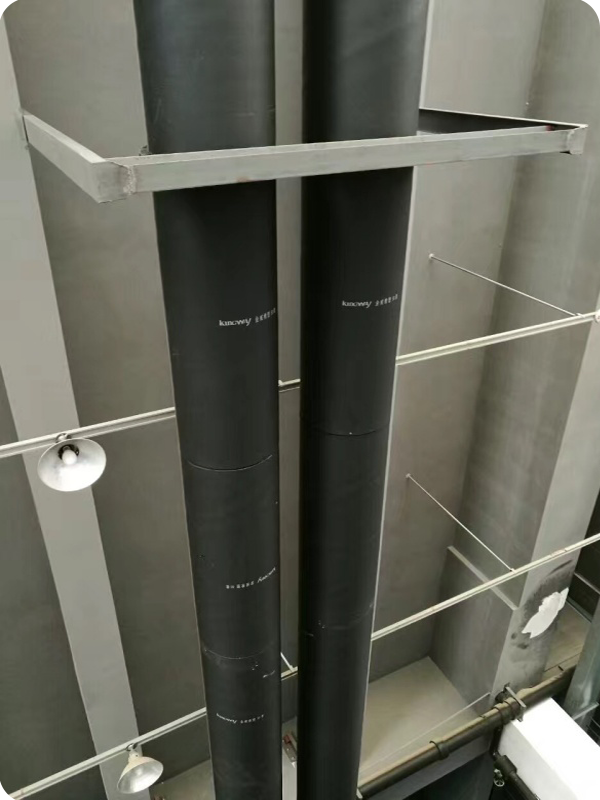
Air vent systems, particularly those installed in tropical and subtropical commercial facilities, are susceptible to thermal bridging. When cold supply air (commonly 10°C to 14°C) passes through structural ceilings without proper insulation, the duct surface falls below the dew point of the ambient space. This generates moisture, which can damage ceiling components and foster mold growth, compromising indoor air quality (IAQ). Kingflex closed-cell elastomeric rubber foam functions as a built-in vapor barrier, resolving moisture penetration issues and extending duct lifespan without requiring secondary protective wraps.
A technical assessment comparing the physical properties, thermodynamic behavior, and safety indexes of Elastomeric Rubber Foam against industrial-grade Rock Wool.
| Performance Criteria | NBR/PVC Elastomeric Rubber Foam | High-Density Rock Wool (Mineral) |
|---|---|---|
| Thermal Conductivity (λ at 0°C) | ≤ 0.034 W/m·K (Highly stable across cycles) | ≤ 0.038 W/m·K (Higher threshold stability) |
| Water Vapor Permeability Coefficient (μ) | ≥ 10,000 (Built-in moisture block) | Vapor permeable (Requires additional foil cladding) |
| Fire Behavior Standard | BS 476 Class 0, GB 8624 B1, UL 94 V-0 | Non-combustible Class A1 (ASTM E84 compliant) |
| Acoustic Isolation Capability | Excellent structural dampening (Medium-low frequencies) | Outstanding sound absorption (Broadband NRC up to 0.90) |
| Density Range | 40 - 55 kg/m³ | 60 - 150 kg/m³ |
| Operational Temperature Range | -40°C to +105°C | -260°C to +650°C |
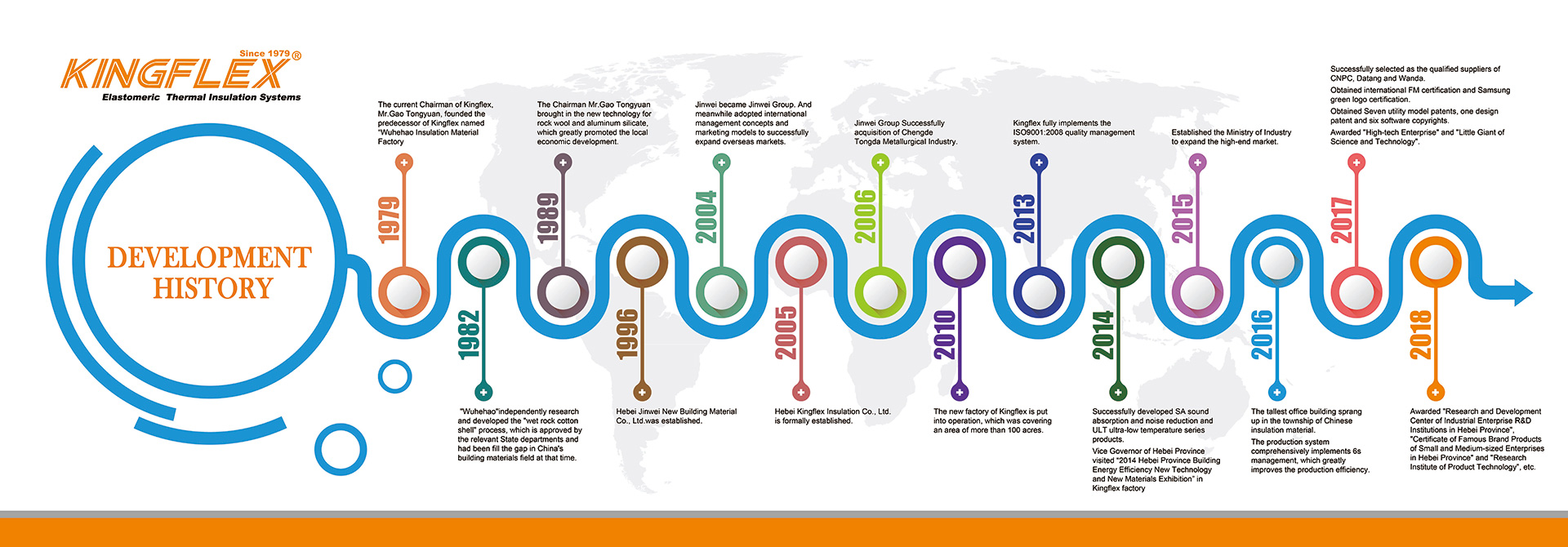
A manufacturing tradition established in 1979 under the Jinwei Group, delivering high-volume production for international projects.
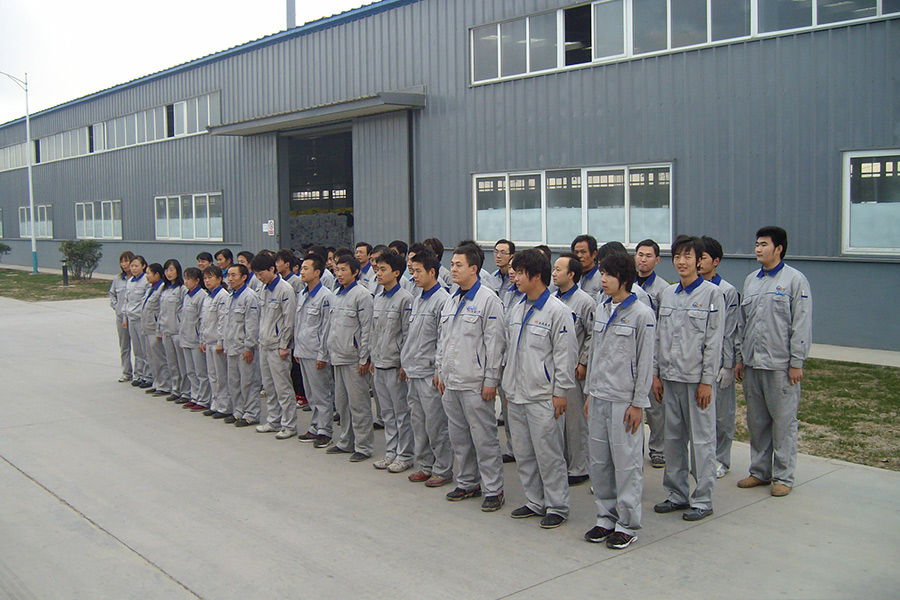
Kingflex Insulation Co., Ltd. operates as a specialized manufacturing and trading combination for thermal insulation products. Our research development and production center is located in Dacheng, China, a recognized hub for green-building materials. As an energy-saving, environmentally conscious enterprise, Kingflex centers its operations around resource conservation and emission reduction.
We provide full-service solutions ranging from initial consultation, R&D trials, custom fabrication, and onsite installation guidance to post-sale verification, positioning ourselves at the forefront of the global building materials industry.

Equipped with 5 fully automated assembly lines, our manufacturing base ensures batch-to-batch consistency and fast shipping turnaround times.
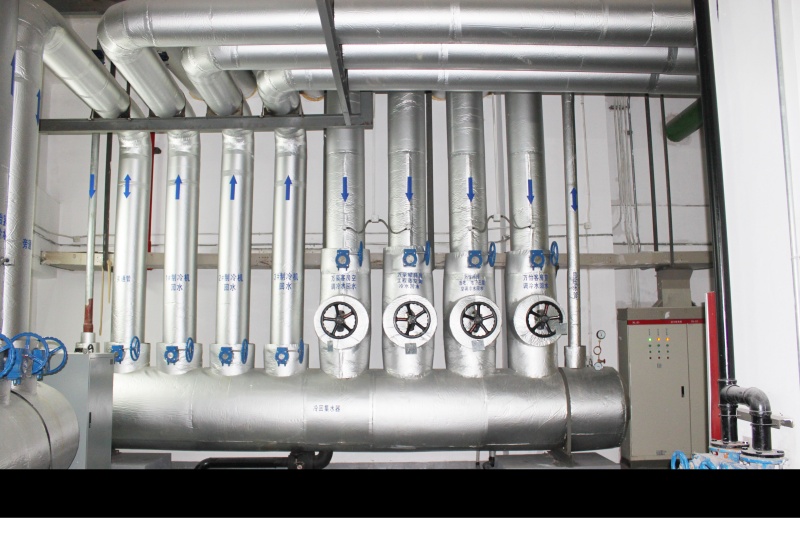


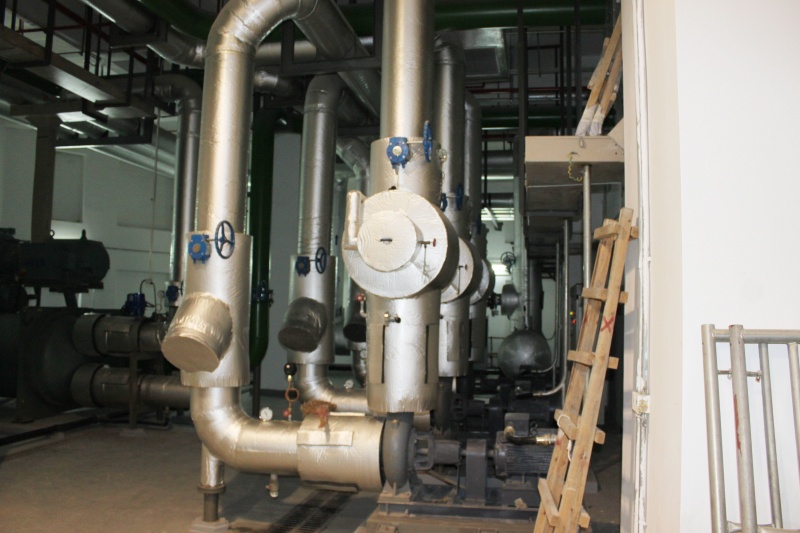
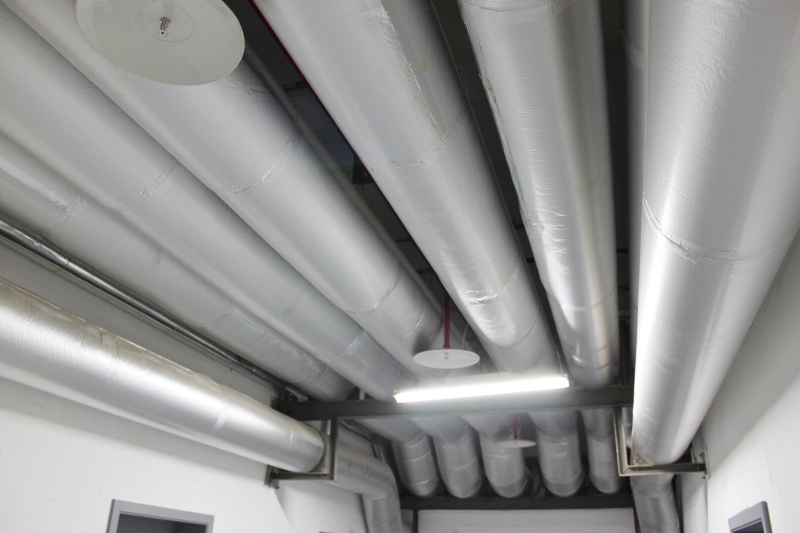

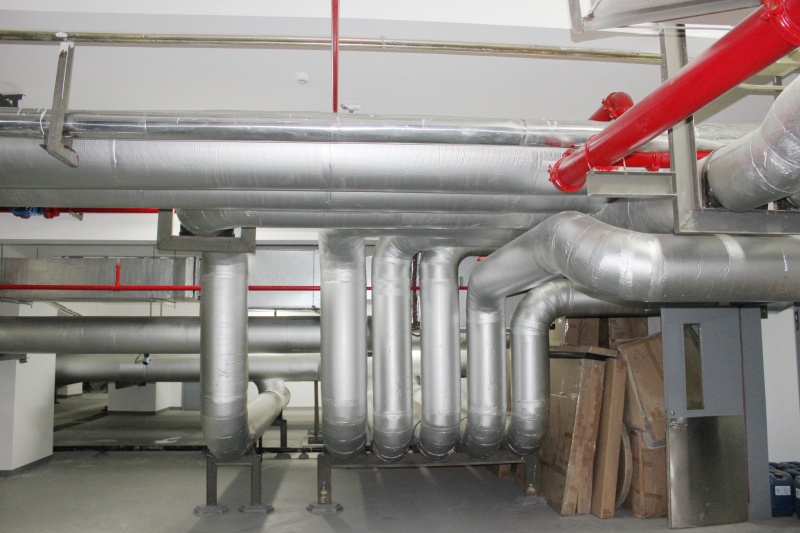
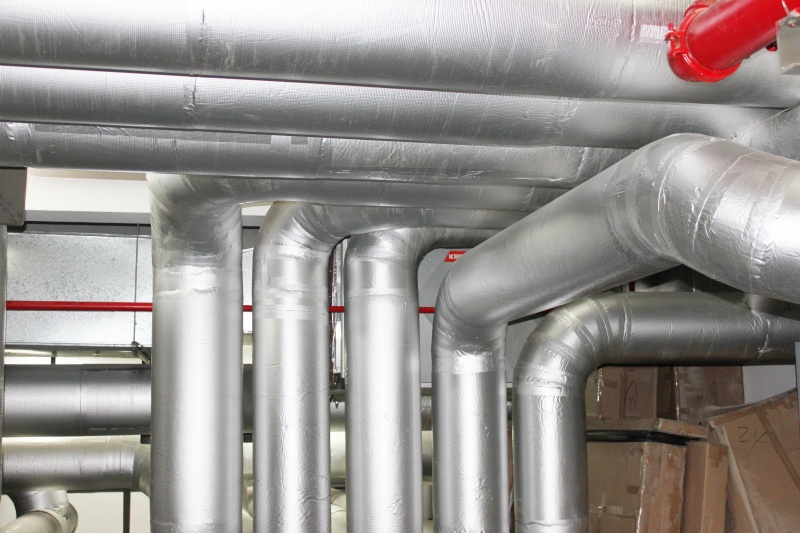
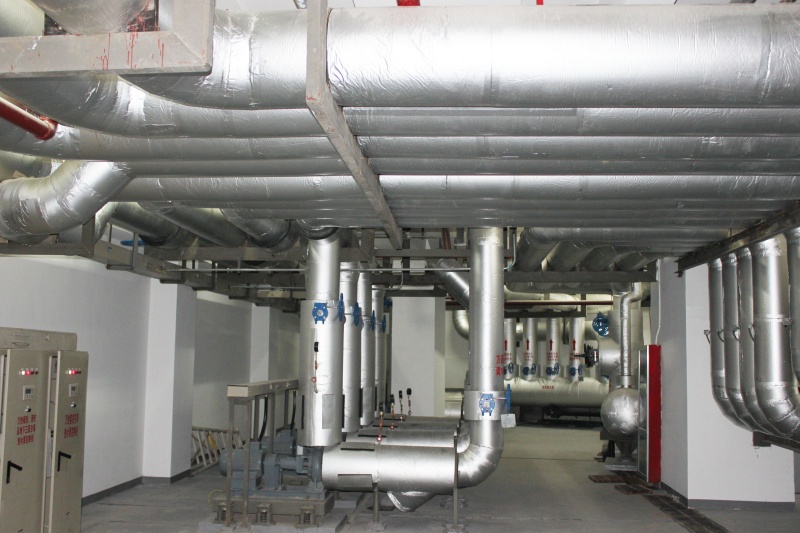
Our insulation systems are designed to address the specific performance demands of various commercial and industrial environments.
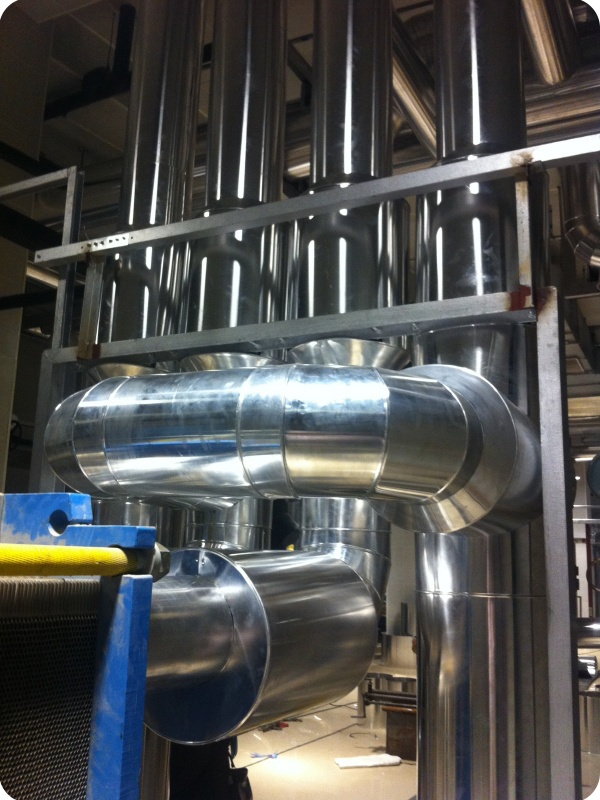
Controls condensation in supply air ducts of shopping malls, sports centers, and hotels.
Constructed from low-outgassing formulations suitable for pharmaceutical facilities.
Saltwater-resistant and flame-retardant marine insulation designed for severe humidity.
Maintains thermal insulation down to -200°C, preventing structural cracking on low-temperature lines.
Open-cell sound-absorbing insulation designed to lower noise transmission through mechanical vents.
Employs high-density rock wool to contain heat in process piping systems up to 650°C.
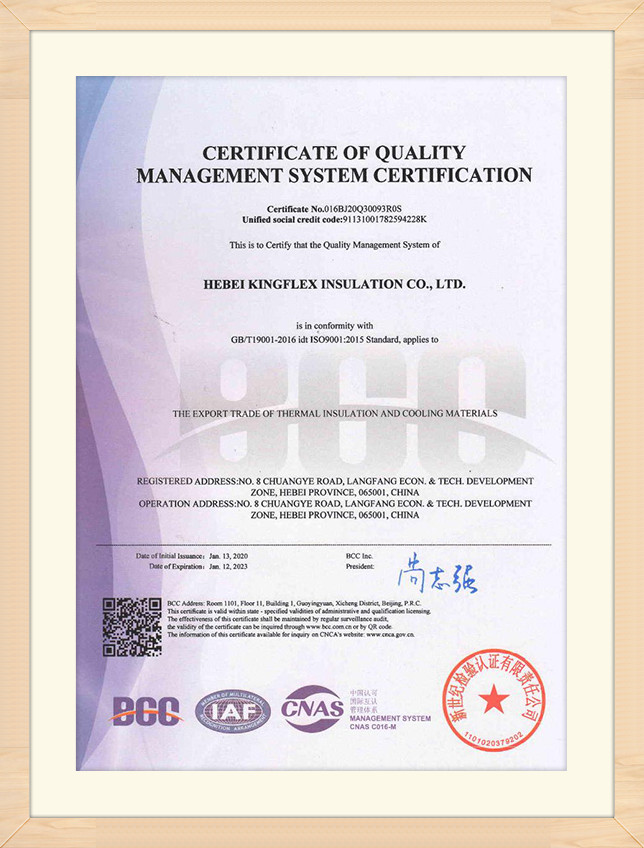
Our manufacturing and testing protocols align with international quality standards, ensuring compliance across different export markets.
Every production batch is tested in our central laboratory for physical and chemical performance metrics. Density ranges are monitored between 40-55 kg/m³ to balance lightweight handling with thermal resistance. Closed-cell counts are verified above 98% to ensure moisture protection. We also conduct fire safety testing to verify compliance with BS 476, CE, REACH, RoHS, UL94, and ASTM standards before shipment.


We work with HVAC contractors, architectural consultants, and industrial procurement managers globally, ensuring clear communication and traceable quality.





How we are evolving our compounding chemistry and manufacturing processes to support sustainable building design.
We are researching the integration of agricultural bio-mass resources to replace fossil-based monomers in the NBR/PVC polymer backbone. Our goal is to reduce carbon footprints by 20% while maintaining the material's closed-cell density and thermal conductivity ratings.
To meet flame-safety regulations in transport infrastructure and high-rise structures, we are expanding our line of halogen-free materials. These formulations limit corrosive gas emissions and reduce smoke obscuration rates during fire incidents.
Our production facilities utilize inline scrap reclamation processes. Extrusion trim and punching remnants are collected, ground, and re-processed into specialized industrial acoustic layers, minimizing waste in landfill sites.
Technical guidance and answers to common integration questions regarding air vent and duct insulation.
Explore our selection of industrial pipe insulation, cryogenic thermal foams, and waterproof elastomeric tubes for commercial applications.
 Kingflex