Explore our certified elastomeric and cryogenic thermal insulation systems designed for global infrastructure compliance.
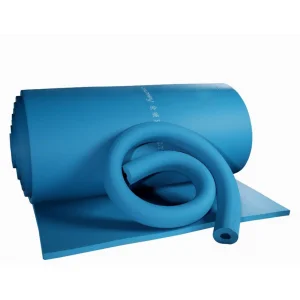
In modern industrial and building engineering, determining the optimal insulation thickness is not merely a matter of safety; it is a critical equation balancing thermal efficiency, economic returns, and environmental sustainability. Underestimating the thickness leads to catastrophic issues such as condensation, system energy loss, and localized structural failure. Conversely, over-insulating increases logistics, installation, and raw material costs without generating marginal energy savings.
Our online calculation system utilizes standard engineering formulas based on ASTM C680 and ISO 12241 to calculate heat transfer through flat and cylindrical surfaces. By inputting parameters like operating temperature, ambient temperature, relative humidity, wind speed, and the thermal conductivity ($\lambda$-value) of the selected elastomeric rubber foam or rock wool material, engineers can precisely forecast:

In a volatile supply chain environment, EPC contractors, design engineers, and developers face distinct operational bottlenecks.
Global projects demand localized certification alignment (ASTM, BS 476, CE, REACH, RoHS, UL94). Ensuring traceabiliy of raw materials is key to clearing regional customs and structural inspecton approvals.
Multinational companies must report carbon footprint reductions. Installing calculated insulation configurations minimizes process heat loss and helps enterprises achieve Net-Zero targets.
Properly calculated closed-cell structures prevent Corrosion Under Insulation (CUI). CUI represents a multi-billion-dollar threat to global oil, gas, and chemical pipe networks.
Review the empirical parameters engineered into our manufacturing process to support precise online calculations.
| Property / Characteristic | Kingflex NBR/PVC Rubber Foam Specifications | Test Methods & Compliance | |
|---|---|---|---|
| Density Range | 40 - 55 kg/m³ | ASTM D1622 / ISO 845 | Excellent structural integrity and lightness. |
| Thermal Conductivity ($\lambda$) | $\le 0.034$ W/(m·k) at $0^\circ\text{C}$ | ASTM C518 / ISO 8301 | Exceptional heat barrier efficiency. |
| Service Temperature Range | $-40^\circ\text{C}$ to $+105^\circ\text{C}$ (Cryogenic to $+105^\circ\text{C}$) | EN 14706 / ASTM C411 | Highly versatile for industrial utility lines. |
| Moisture Resistance Factor ($\mu$) | $\ge 10,000$ (Water Vapor Permeability) | BS EN 12086 / ASTM E96 | Ensures dry core protection to eliminate CUI. |
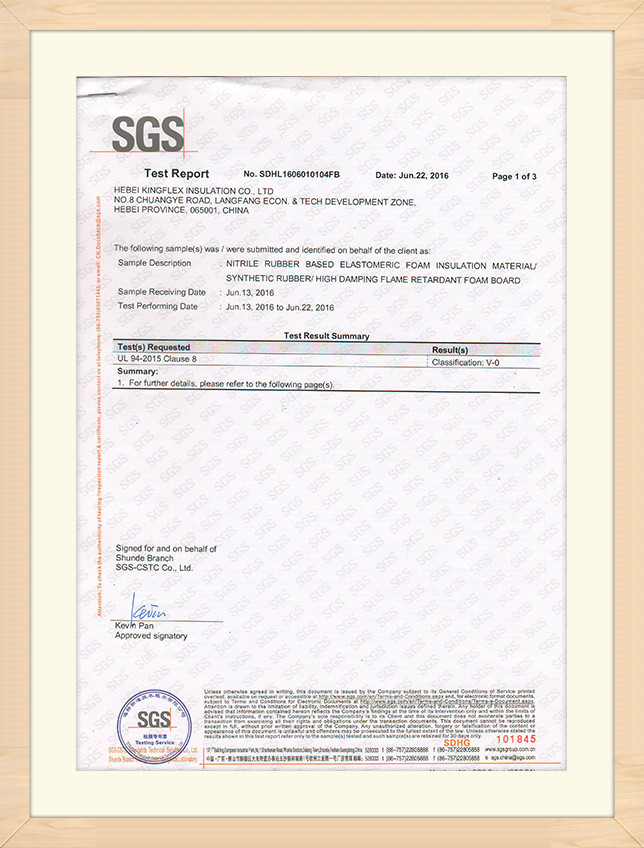
| Fire Safety Rating | Class 0 / Class 1, Flame Retardant | BS 476 Part 6 & 7 / UL 94 V-0 / ASTM E84 | Self-extinguishing without toxic droplets. |
| Compression Resilience | $\ge 80\%$ recovery rate | ASTM D1056 | Retains physical thickness under stress. |
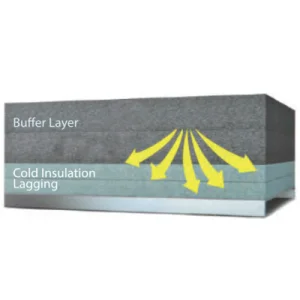
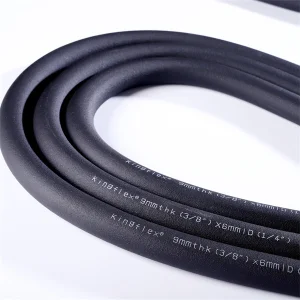
Kingflex closed-cell rubber foam represents an evolutionary step in chemical polymer formulation. Unlike standard open-cell materials that absorb moisture over time, the >98% uniform closed-cell rate serves as an integrated vapor barrier.
When calculating thickness for cold-temperature systems, moisture ingress is the primary cause of thermal degradation. When water penetrates insulation, its thermal conductivity climbs to 0.60 W/(m·k), nearly 18 times higher than clean elastomeric foam. Thus, using a closed-cell structure keeps the system dry, maintaining steady thermal performance and preserving the design calculations over a 10 to 15-year lifecycle.
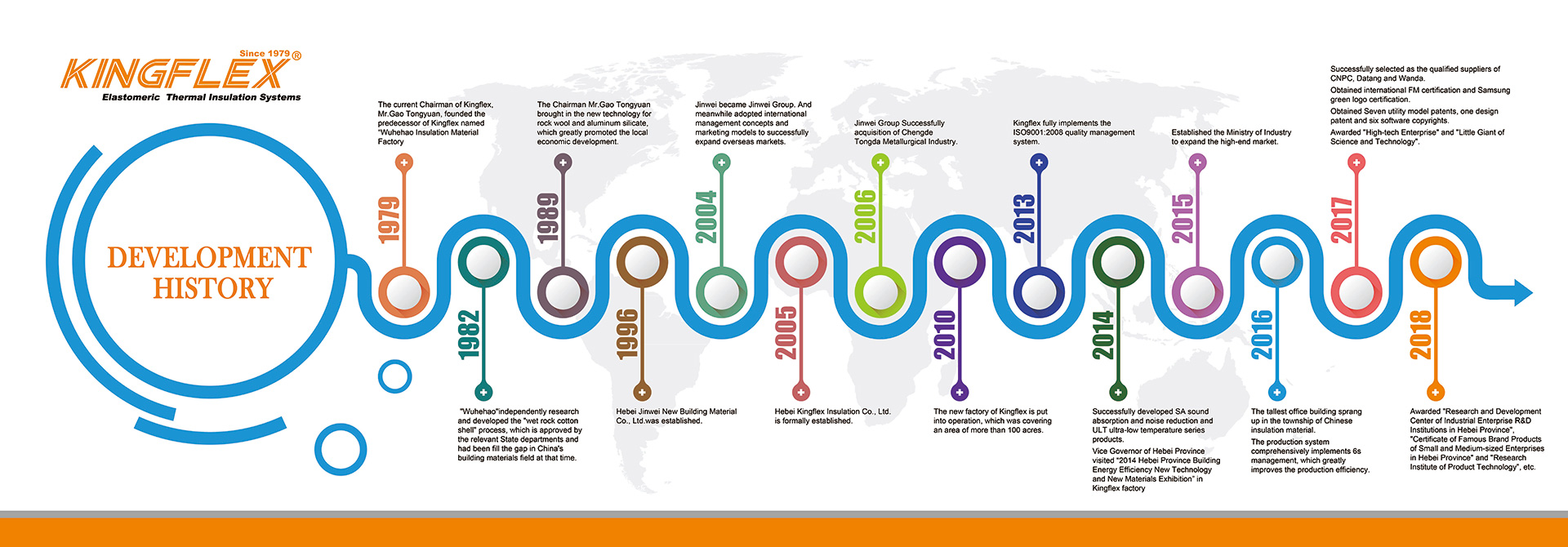
Established under the Jinwei Group—a pioneer in thermal insulation with a legacy dating back to 1979—Kingflex Insulation Co., Ltd. has grown into a leading industrial manufacturing and trading cluster. We were the first thermal insulation manufacturer established north of the Yangtze River, growing alongside China's green-building materials capital in Dacheng.
At present, Kingflex operates five large automated assembly lines, supporting an annual production capacity exceeding 600,000 cubic meters. Because of this massive scale, we are a designated production enterprise certified by the Chinese Ministry of Energy, the Ministry of Electric Power, and the Ministry of Chemical Industry.
Our operation runs on a simple core principle: energy saving and consumption reduction. We provide comprehensive insulation solutions through consultation, custom research and development, installation guidance, and dedicated post-sale support.
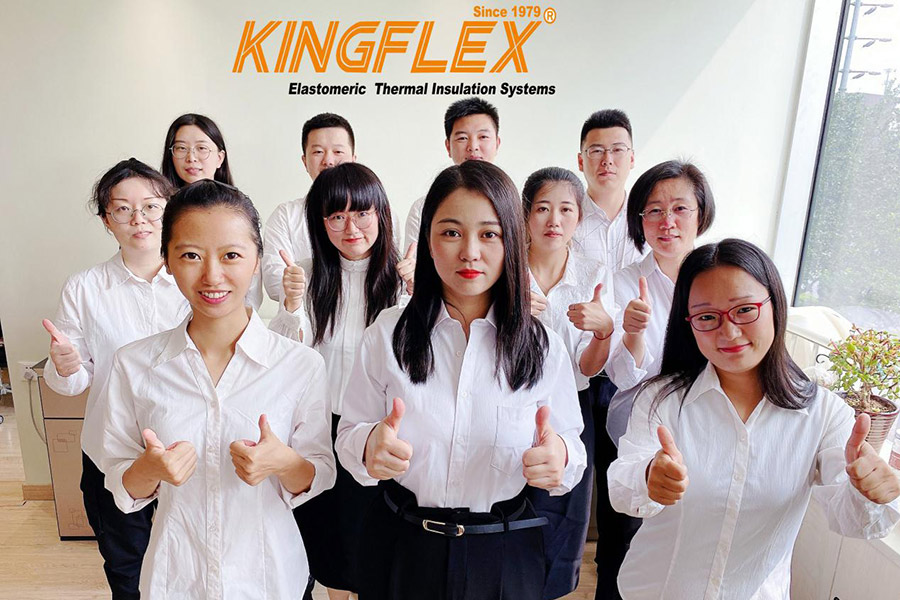
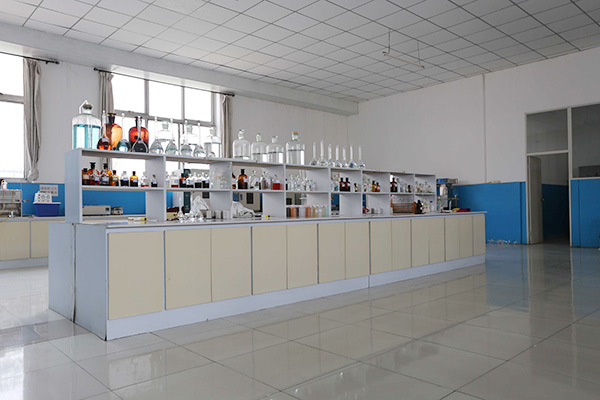
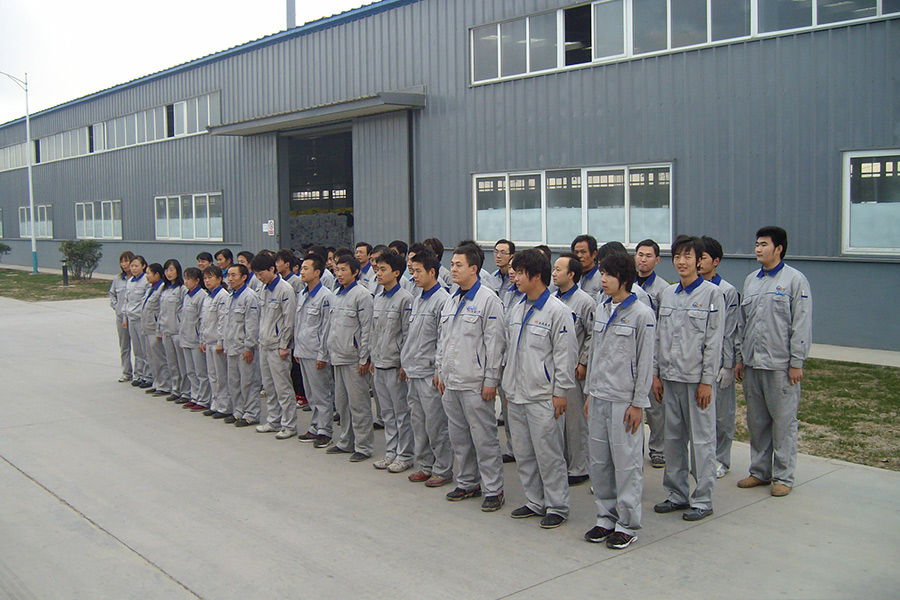
Eight dedicated engineers developing new polymer mixtures.

Automated density and cell-structure inspections.
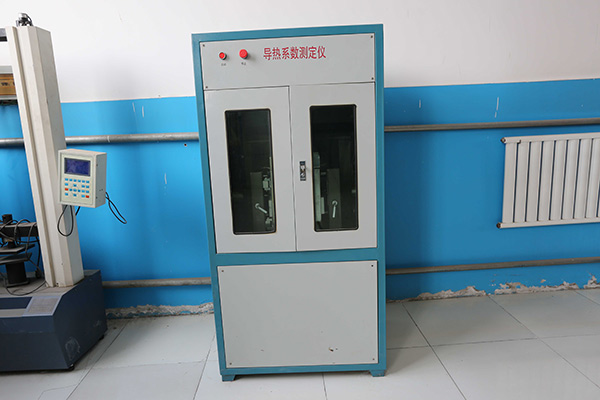
Large-scale storage capability for swift B2B shipments.
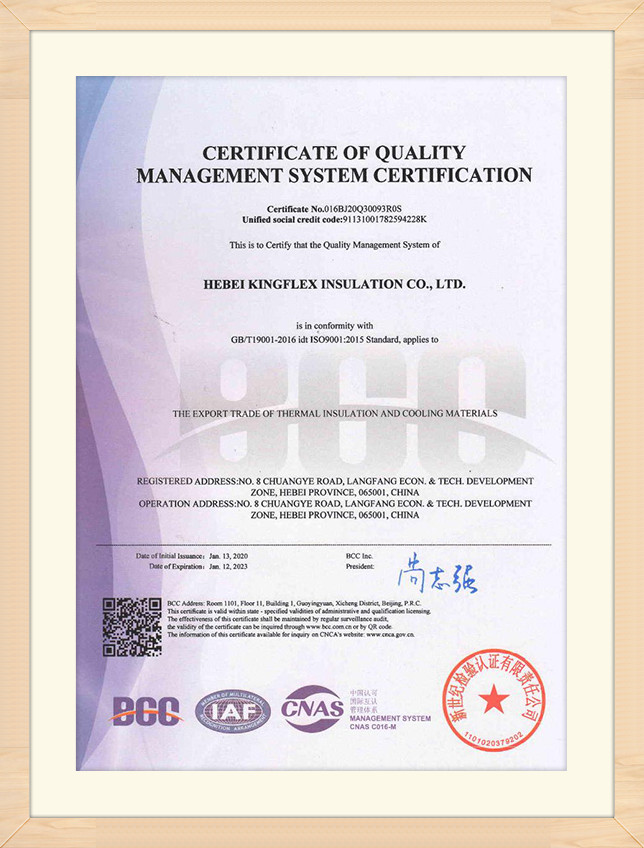
ASTM, CE, RoHS, and REACH compliant solutions.
Our products undergo rigorous testing at international certification laboratories, verifying compliance with international fire, environmental, and thermal standards.


As smart manufacturing and green building codes evolve, the insulation industry is transforming rapidly. Here is how Kingflex is leading the way.
We are transitioning from simple online calculation engines to interactive AI-driven thermodynamic models. These systems connect with site sensors via IoT hubs, letting design engineers adjust calculated insulation thicknesses in real time based on seasonal humidity and temperature changes.
As the global demand for clean energy grows, cryogenic insulation systems for LNG storage and transport are more critical than ever. Kingflex is expanding its production of specialized ultra-low temperature elastomeric materials designed to operate reliably down to $-200^\circ\text{C}$.
Our future materials prioritize environmental sustainability. Our next-generation R&D projects focus on developing halogen-free, zero-VOC elastomeric foams. These materials comply with strict green building standards like LEED and BREEAM, keeping occupants safe without releasing harmful fumes during a fire.
Our solutions protect critical infrastructure worldwide. Explore real-world applications of our calculated insulation products.

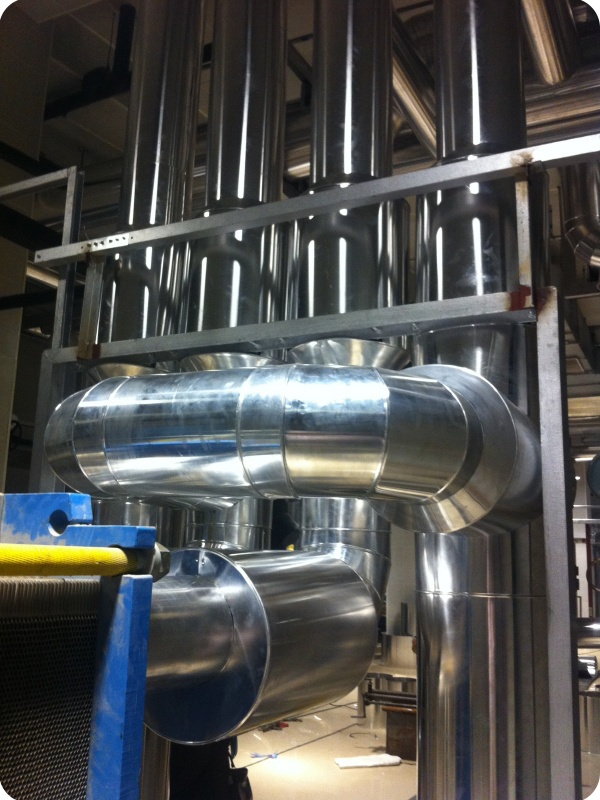
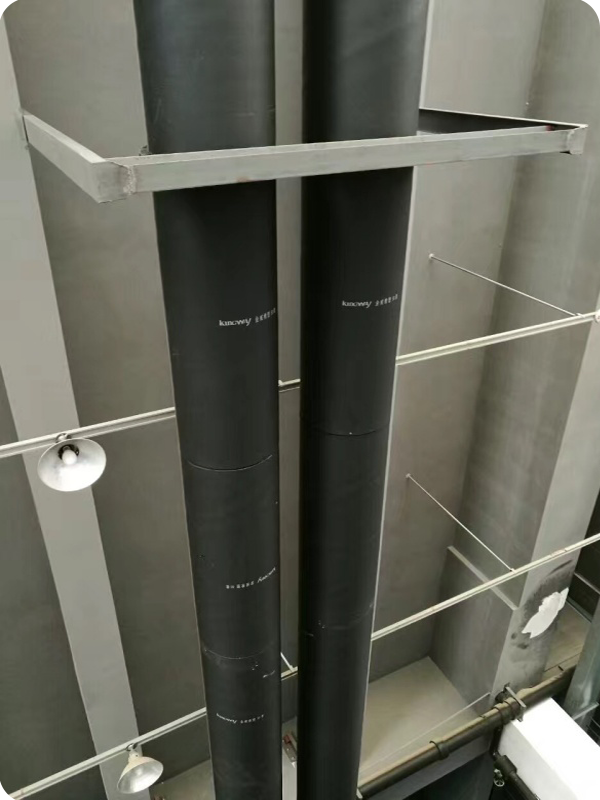
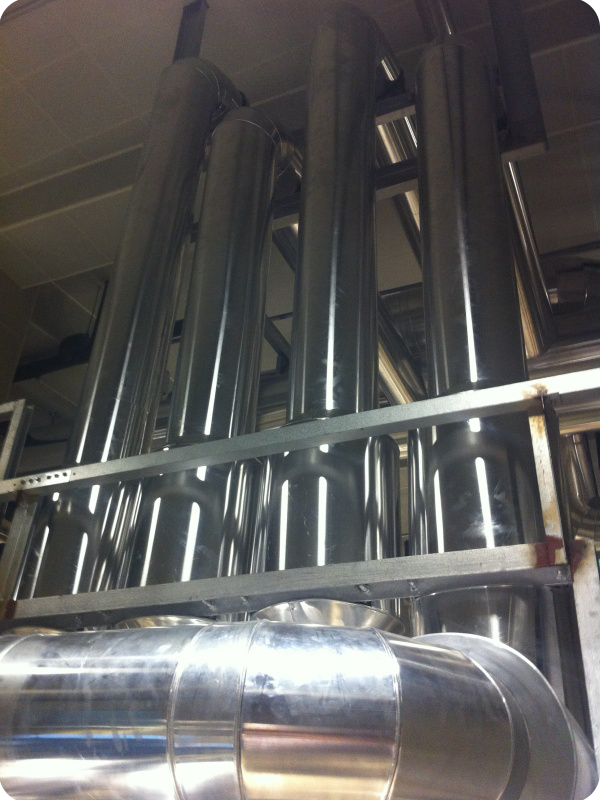
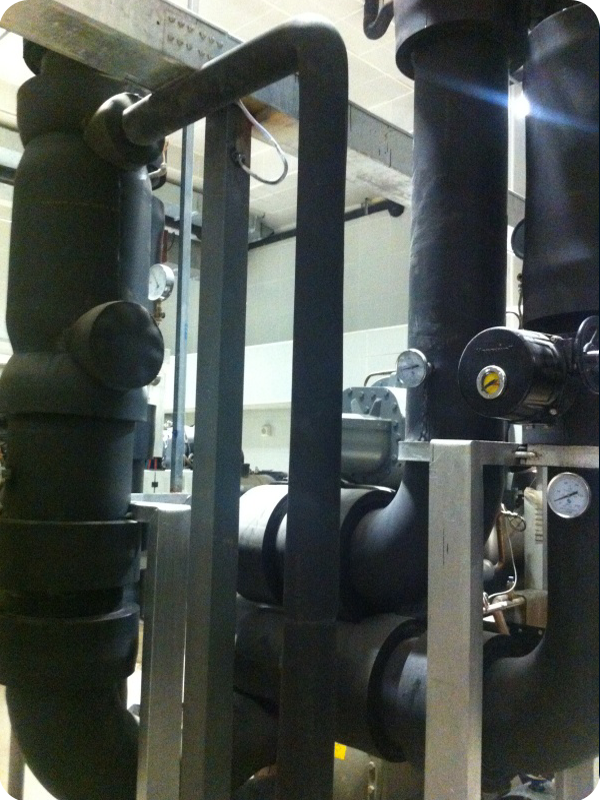
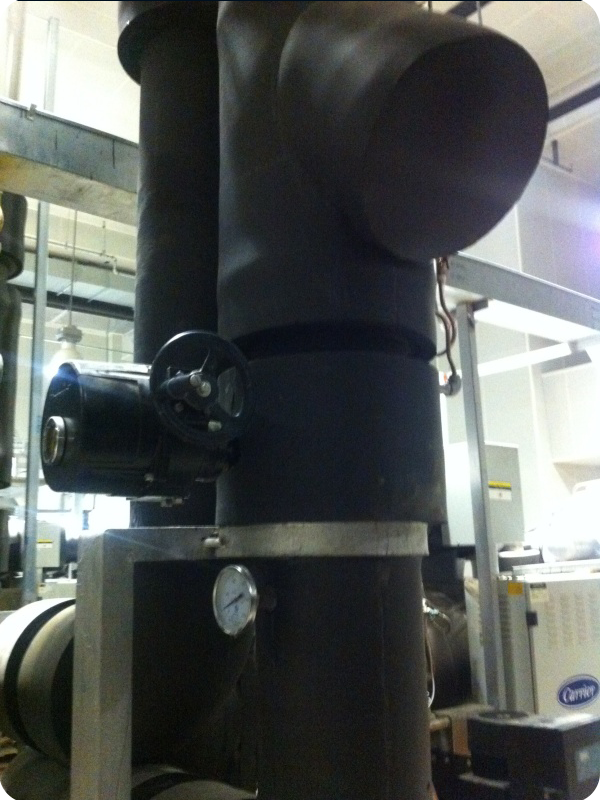
Challenge: An international terminal in a high-humidity tropical zone suffered from persistent condensate dripping. This dripping damaged ceiling tiles and raised risks of biological mold growth.
Solution: Using the Kingflex thickness calculation tool, engineers factored in a 90% Relative Humidity index, a $27^\circ\text{C}$ ambient temperature, and a $5^\circ\text{C}$ fluid operating temperature. The calculation indicated that upgrading to 25mm closed-cell NBR/PVC elastomeric rubber foam would prevent condensation. After replacing the old insulation, condensation was completely resolved, leading to a 14% drop in annual energy consumption for the building's chiller system.
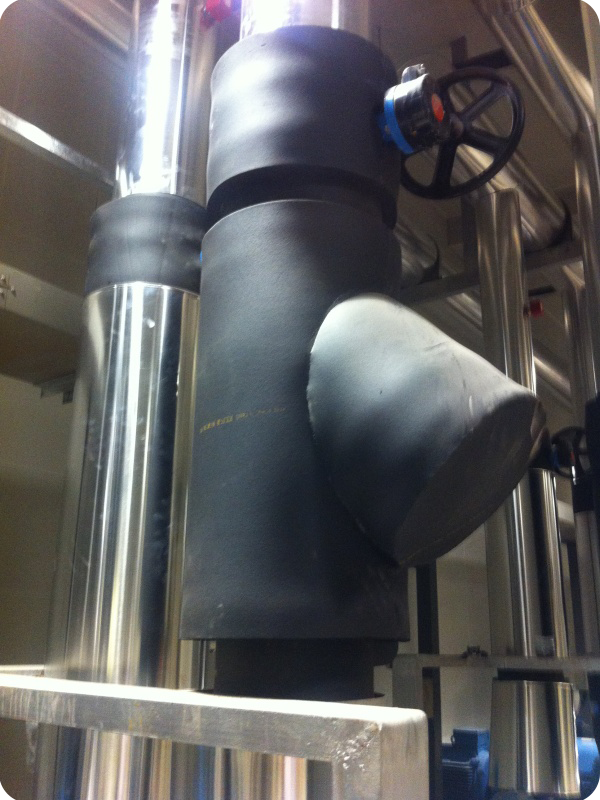
Transparency is key to our relationships. We work closely with our partners from calculation reviews to global logistics.



Choose from our standard range or request custom specifications for your project requirements.
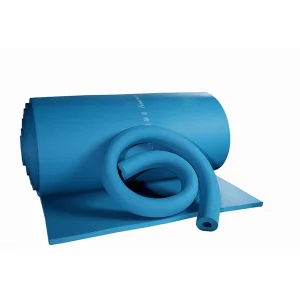
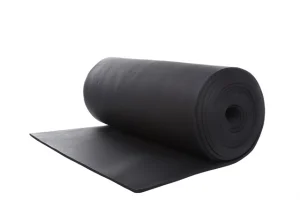
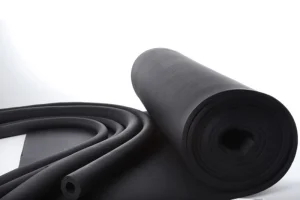
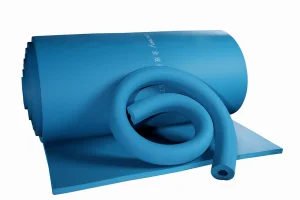
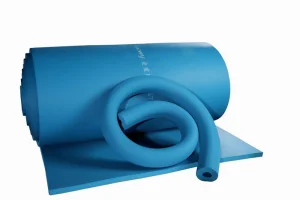
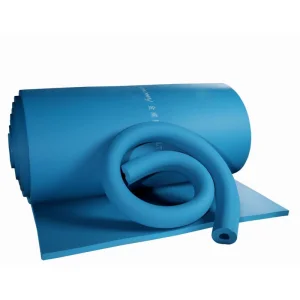
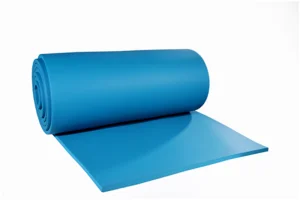
Material: Nitrile Butadiene Rubber / Polyvinyl Chloride (NBR/PVC)
Thickness Range: 6mm to 50mm
Density Option: 40 to 55 kg/m³
Service Temperature: $-40^\circ\text{C}$ to $+105^\circ\text{C}$
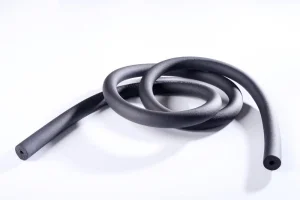
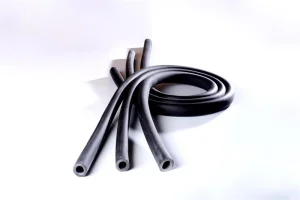
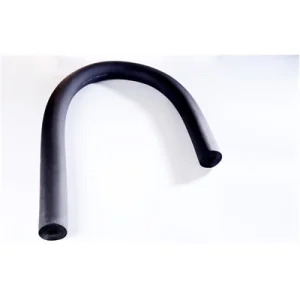
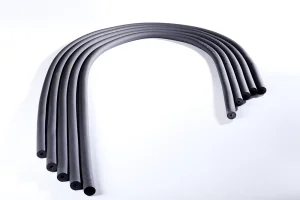
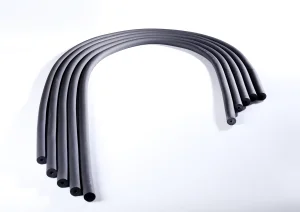
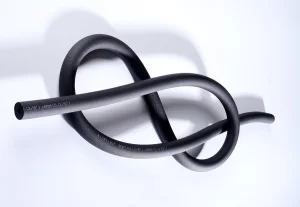
Material: High-density NBR/PVC closed-cell matrix
Thickness Range: 9mm to 40mm
Inner Diameter: 6mm to 114mm
Service Temperature: $-40^\circ\text{C}$ to $+105^\circ\text{C}$
Material: Natural basalt and inorganic stone fibers
Properties: Outstanding fire resistance and heat insulation
Application Focus: High-temperature steam systems and commercial wall assemblies.
Clear answers to complex technical questions about calculating insulation thickness and selecting materials.
Browse our full range of solutions designed to meet the demands of global industrial and energy infrastructures.
 Kingflex