Explore our core product lineup, featuring elastomeric foam, cryogenic materials, and customized thermal barriers engineered for industrial, commercial, and HVAC networks.
The global industrial sectors are undergoing a massive transition toward decarbonization and operational energy efficiency. Polyurethane (PU/PIR) pipe insulation specifications and elastomeric rubber foam materials have emerged as the foundational pillars for thermal barrier integrity. From massive cryogenic Liquefied Natural Gas (LNG) pipelines to complex district heating networks spanning entire municipal boundaries, selecting the correct material parameters is critical.
Today, specifications dictate rigorous performance levels. Thermal conductivity (the k-value), water vapor permeance, fire safety ratings (such as BS 476 Part 7 Class 1 or ASTM E84 Class A), and structural integrity under high pressure are highly scrutinized. Engineers globally require insulation materials that prevent thermal bridging, mitigate corrosion under insulation (CUI), and remain stable across service temperatures ranging from cryogenic levels (-196°C) to high-temperature process steam (+150°C).

A comparative overview of thermal insulation specifications designed to help procurement teams choose the optimal material structure based on temperature limits, thermal conductivity, and density parameters.
| Insulation Material | Core Specs (Density) | Service Temp. Range | Thermal Conductivity (λ) | Closed Cell Rate | Primary Industrial Applications |
|---|---|---|---|---|---|
| Preformed Polyurethane (PU/PIR) | 40 - 80 kg/m³ | -196℃ to +120℃ | ≤ 0.024 W/(m·K) at 10℃ | ≥ 92% | Cryogenic LNG, district heating pipes, petrochemical mains |
| Elastomeric Rubber Foam (NBR/PVC) | 40 - 55 kg/m³ | -40℃ to +105℃ | ≤ 0.035 W/(m·K) at 0℃ | ≥ 98% | HVAC refrigeration, condensate lines, building water pipes |
| Industrial Rock Wool Board/Pipe | 80 - 150 kg/m³ | Up to +650℃ | ≤ 0.040 W/(m·K) at 70℃ | Open-cell (Fibrous) | High-temperature industrial steam, fireproofing barriers |
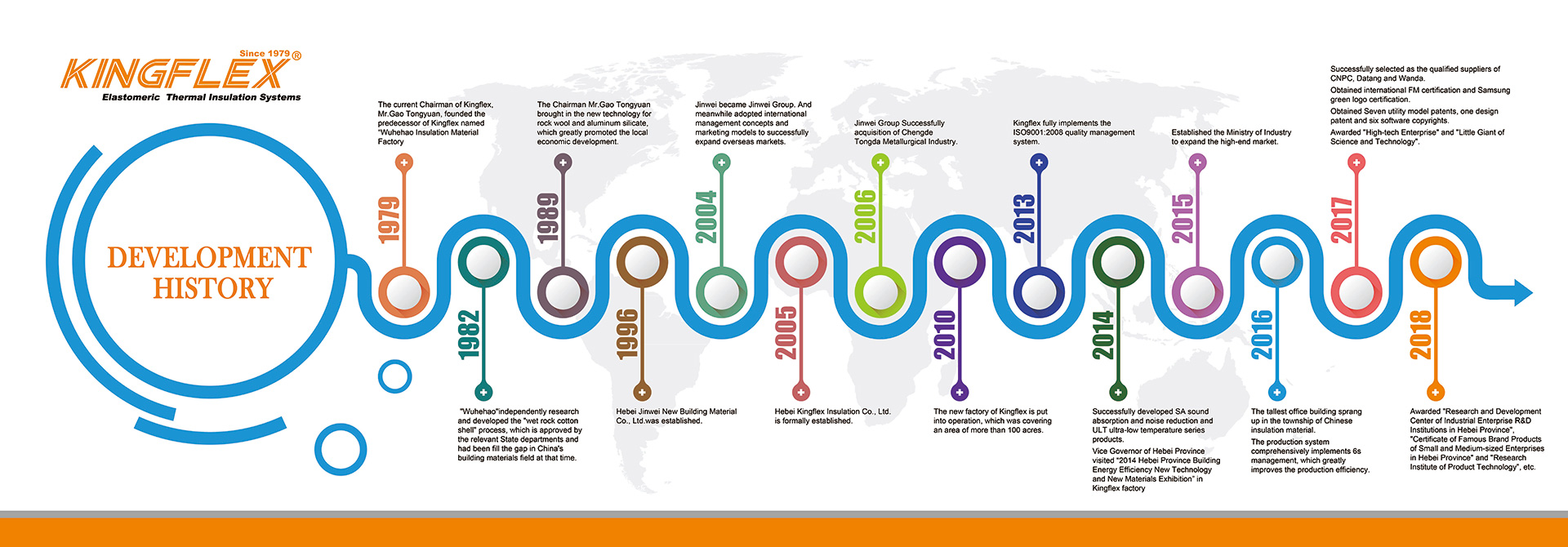
Located in Dacheng, the recognized capital of green-building materials in China, Kingflex Insulation Co., Ltd. benefits from a highly integrated industrial ecosystem. This geographical cluster facilitates immediate access to high-grade polyether polyols, isocyanates, and elastomeric base polymers. The close proximity to raw material producers minimizes logistics bottlenecks and reduces procurement overheads, translating directly to cost efficiencies for our global clients.
Our production facilities operate 5 large automatic continuous assembly lines, driving an annual capacity of over 600,000 cubic meters. Automated precision controls regulate the chemical mixing, foaming, and profile extrusion processes. This level of factory automation ensures uniform cell distribution and consistent density profiles across every batch. Ultimately, this precision minimizes deviations in thermal conductivity and enhances the structural durability of the final pipe insulation.
From harsh offshore platforms to high-density metropolitan infrastructure, our pipe insulation specs are adapted to survive demanding local environmental conditions.
In humid tropical climates, HVAC chilled water lines are highly vulnerable to condensation, which can lead to mold development and water damage. Kingflex elastomeric closed-cell structures block ambient moisture penetration, eliminating the need for separate vapor barriers.
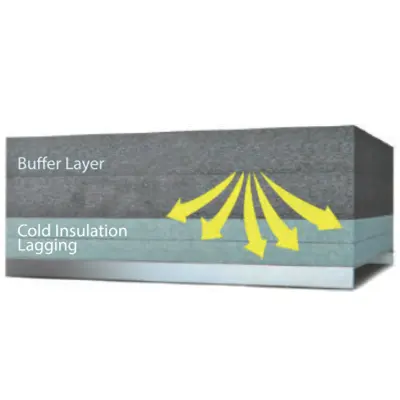
Liquefied gas lines require robust thermal barriers to control heat gain and maintain sub-zero temperatures. Combining rigid polyurethane shells with a flexible elastomeric sub-layer provides a multi-barrier system that absorbs mechanical vibrations and thermal contraction shocks.
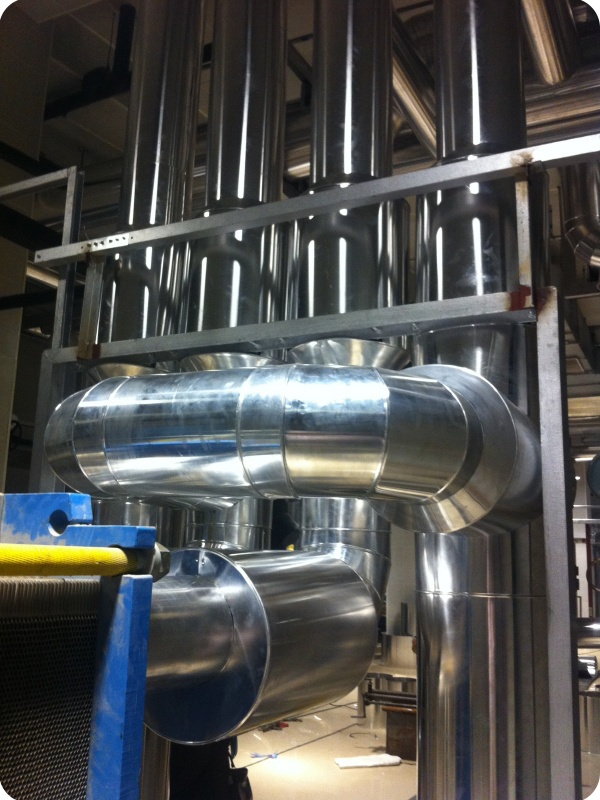
High-temperature processes demand heavy-duty insulation materials. In these setups, high-density rock wool pipes are combined with protective aluminum cladding, providing heat conservation, fire defense, and structural durability against external mechanical impacts.
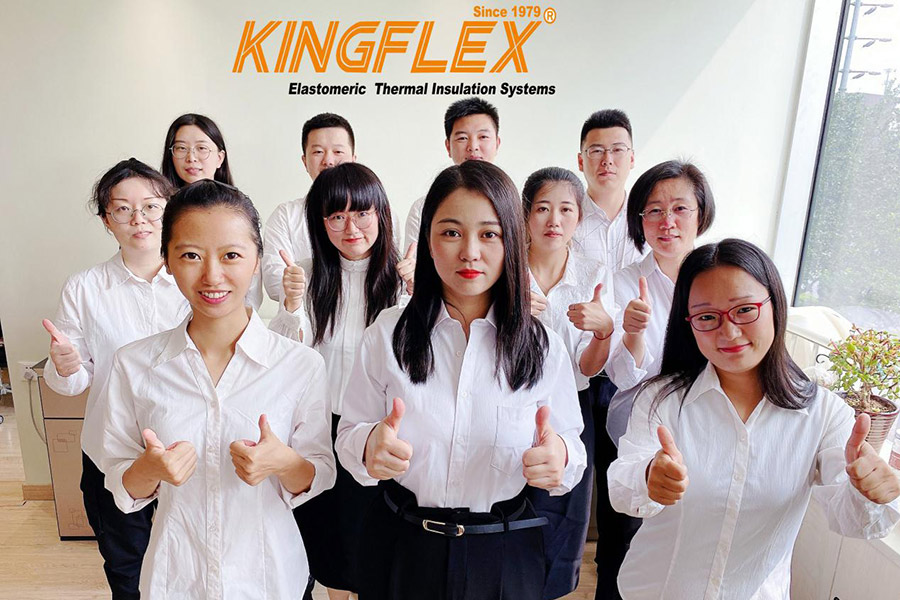
Founded by the Jinwei Group, which brings over 40 years of market history since its establishment in 1979, Kingflex has evolved into a leading exporter of energy-saving insulation systems. Our facility houses 8 professional R&D engineers, 6 international sales specialists, and over 230 skilled production technicians.
Our commitment extends beyond simply manufacturing raw materials. We act as an integrated solutions provider, delivering support that spans initial consultation, thermal loss calculations, on-site installation guidance, and post-sale traceability. The Ministry of Energy and the Ministry of Chemical Industry have recognized our operational scale, designating Kingflex as a preferred supply partner for key national infrastructure projects.
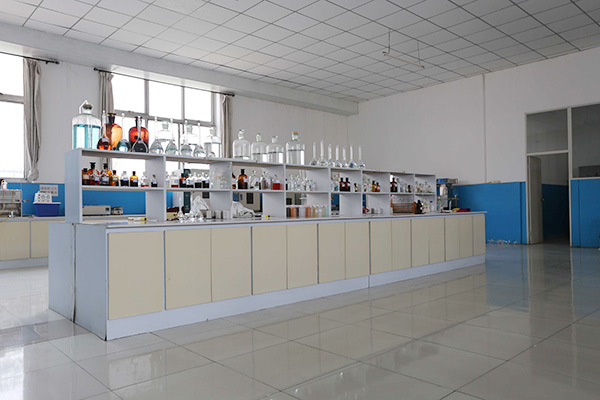

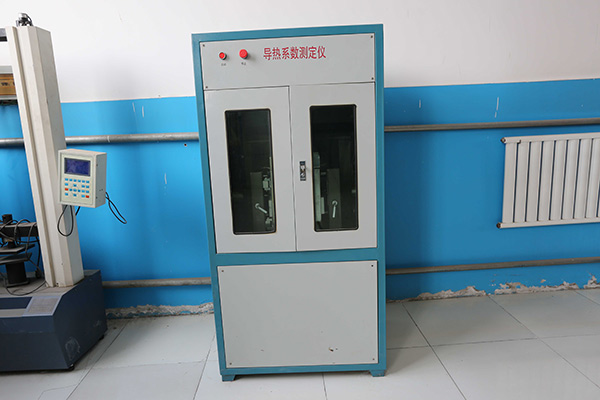
Our insulation products undergo rigorous third-party verification to comply with international fire safety, environmental, and thermal performance regulations.
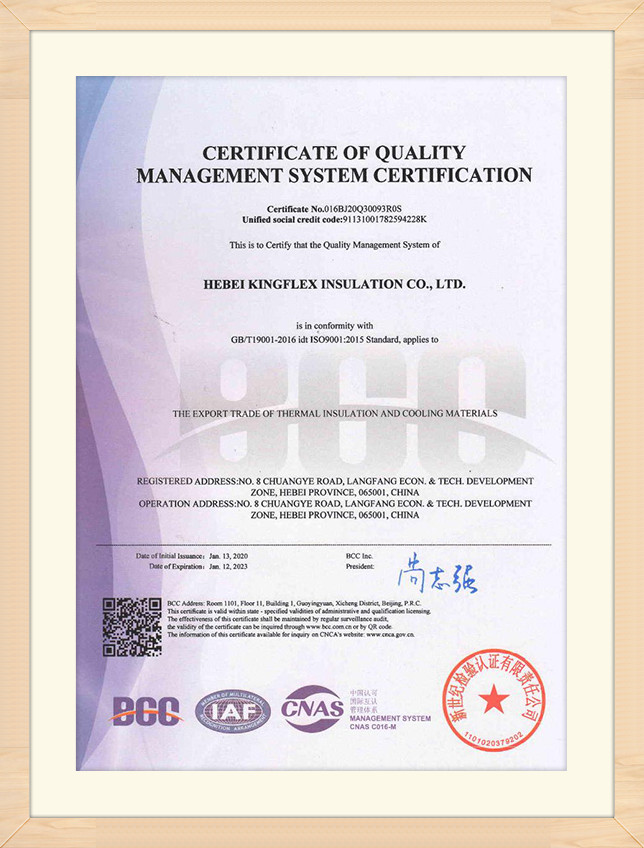


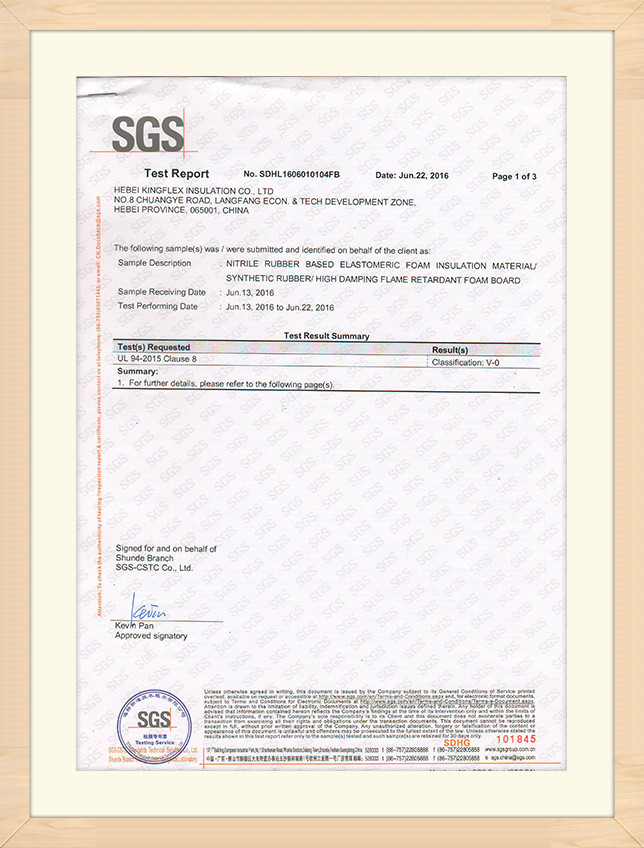
By meeting key international standards—including BS 476, CE, REACH, RoHS, UL94, and ASTM—we ensure our insulation solutions comply with the local building and safety regulations of overseas import markets.
Review the standard properties and application scopes for our high-demand insulation lines.
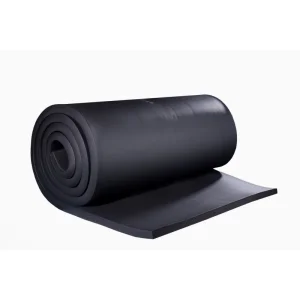
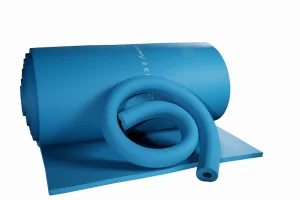
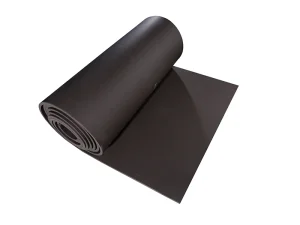
This material features a closed-cell rate exceeding 98%, providing consistent long-term thermal conductivity. With compression resilience scaling above 80%, it withstands structural pressures while maintaining its thermal barrier integrity. Additionally, its flame-retardant formulation ensures it self-extinguishes upon fire exposure.
Used for central HVAC air ducts, building wall and roof linings, acoustics rooms, marine thermal insulation, and process tank cladding.
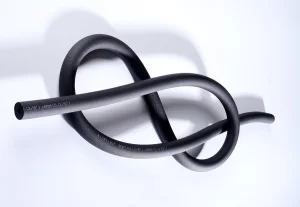
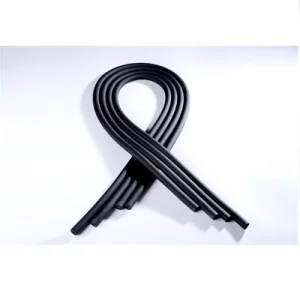
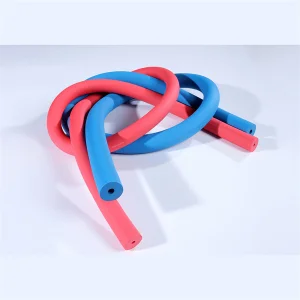
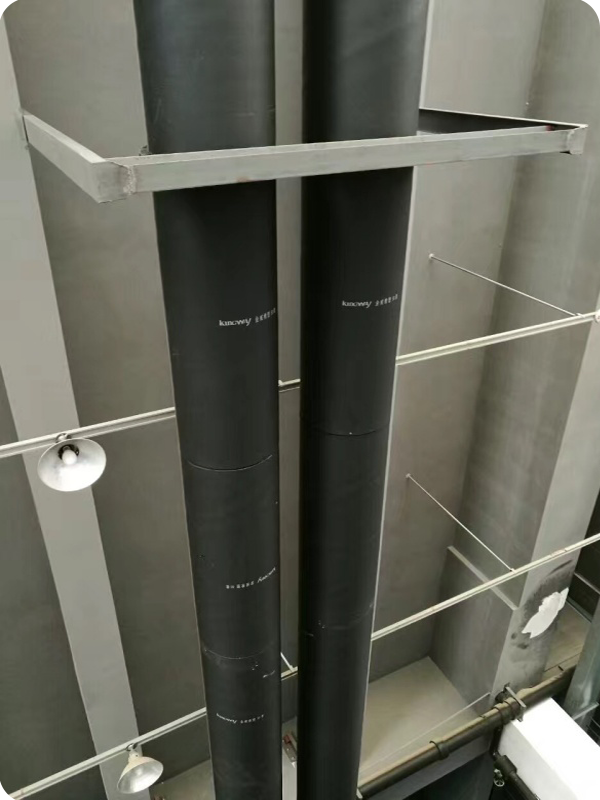
Precision extrusion ensures uniform wall thicknesses, which minimizes thermal loss variations. The high moisture resistance factor prevents water vapor transmission, protecting metal pipes against corrosion under insulation (CUI) and reducing the risk of pipe freezing in winter.
Chilled water lines, domestic hot and cold water pipes, solar hot water copper loops, and petrochemical processing pipelines.
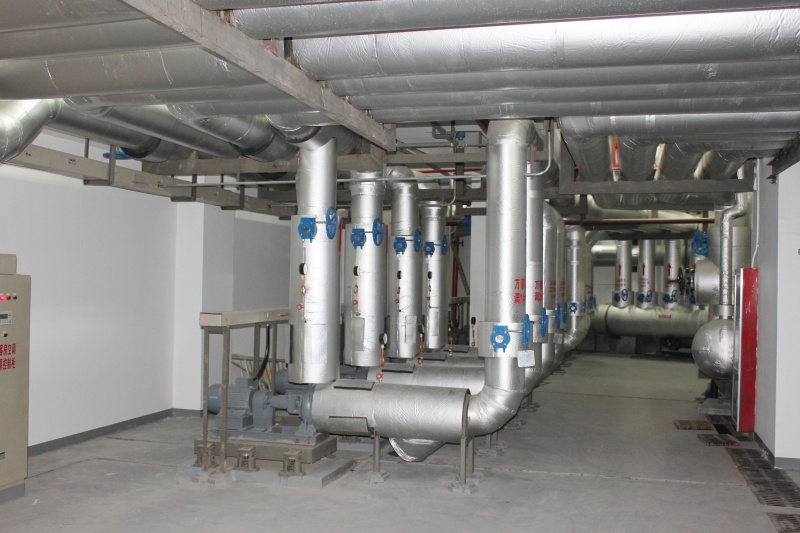
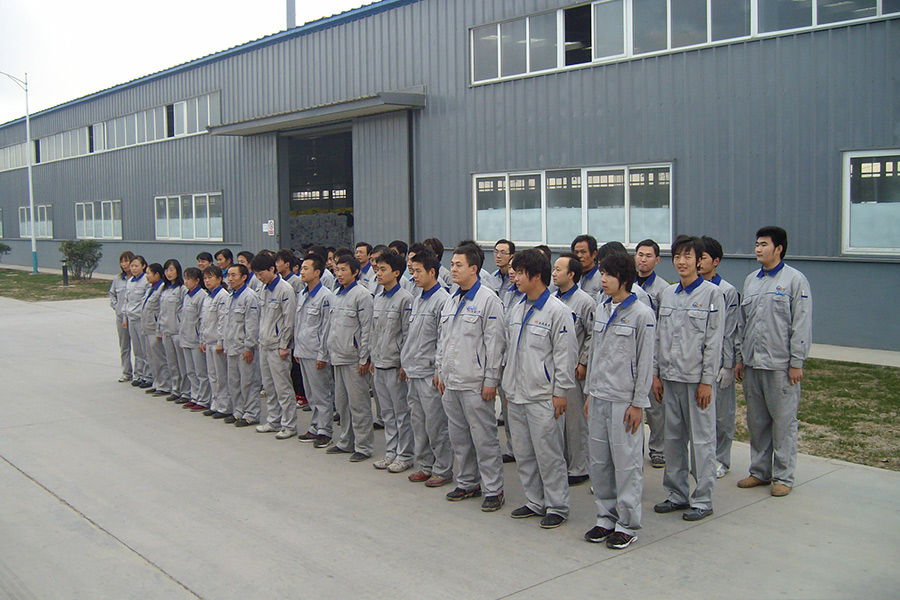
A visual overview of our manufacturing processes, product handling, and global client collaborations.

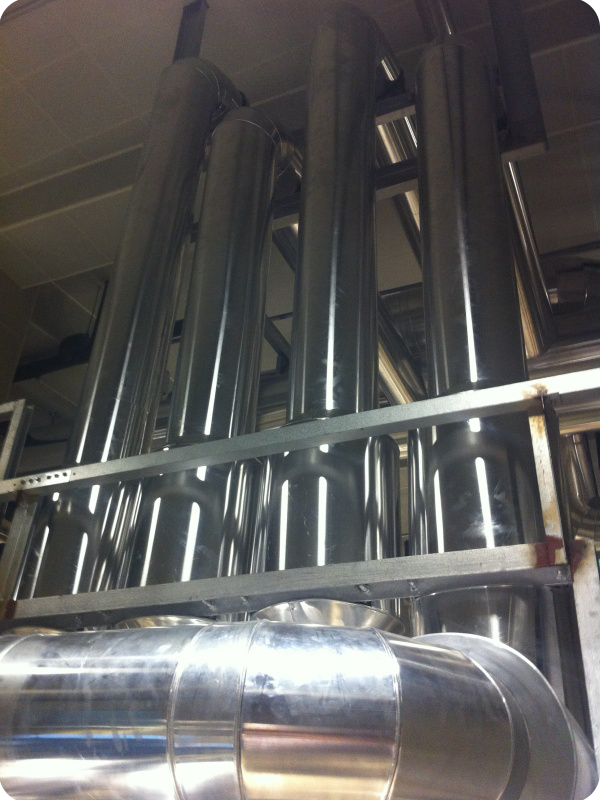
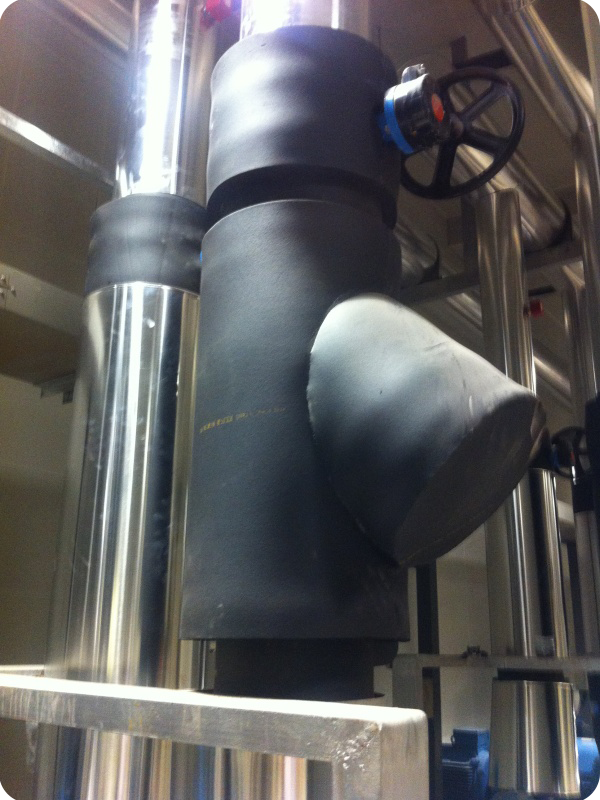
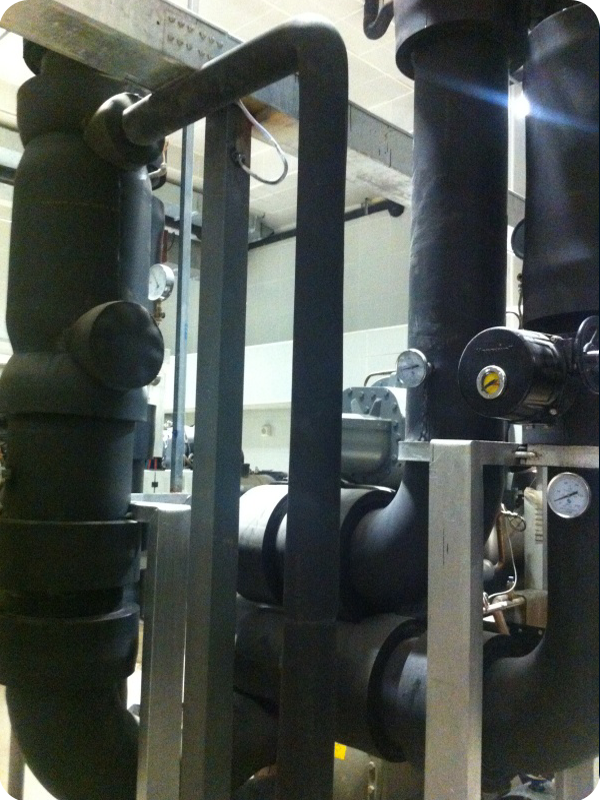
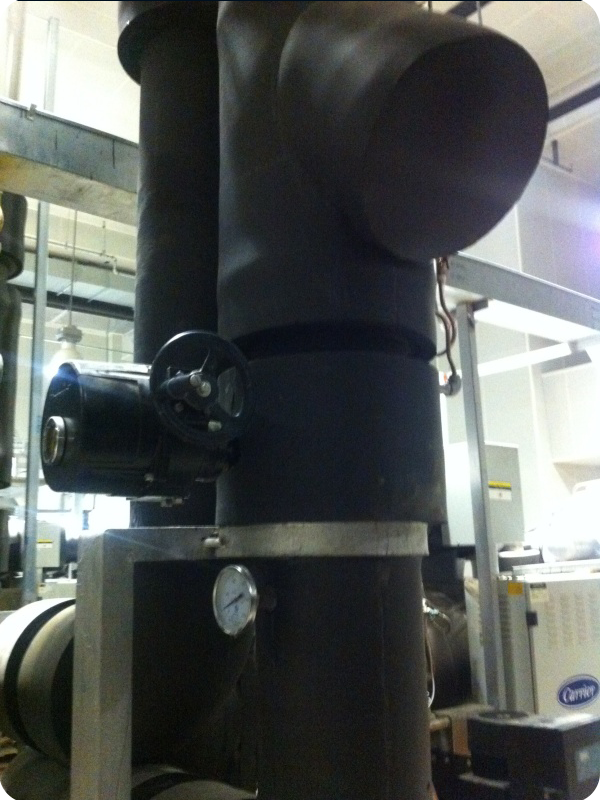
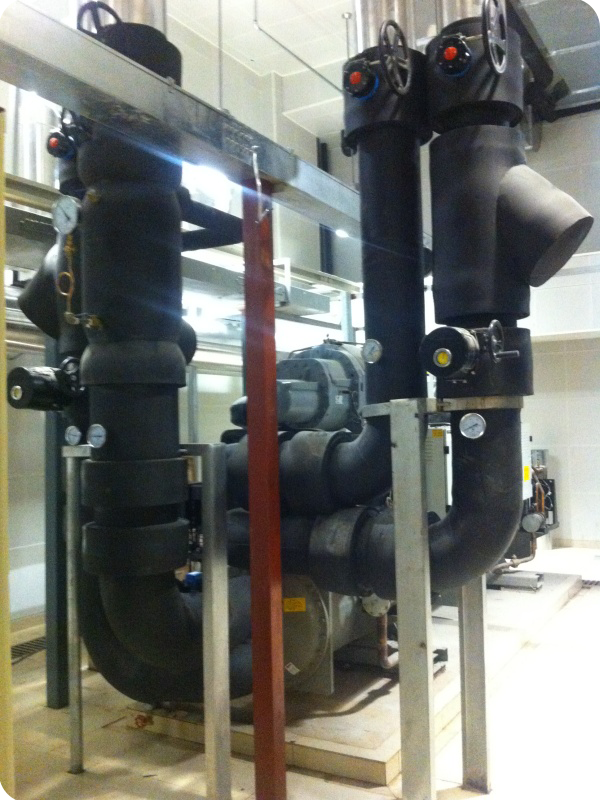
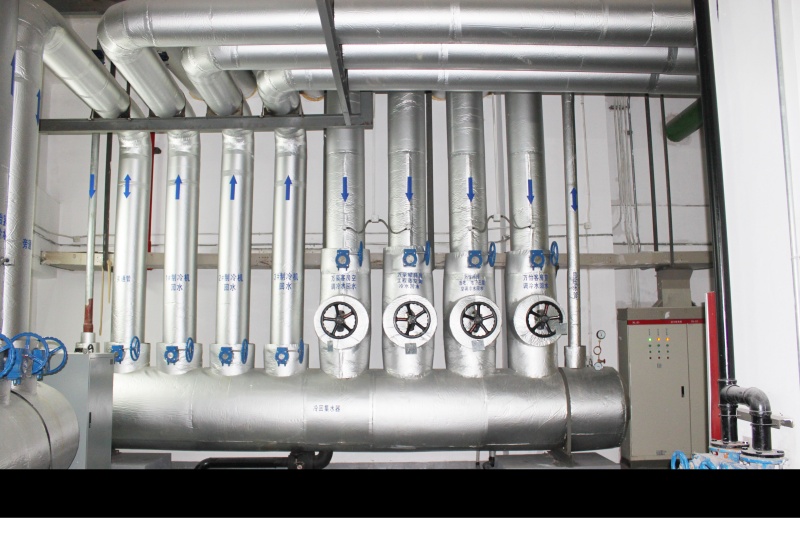


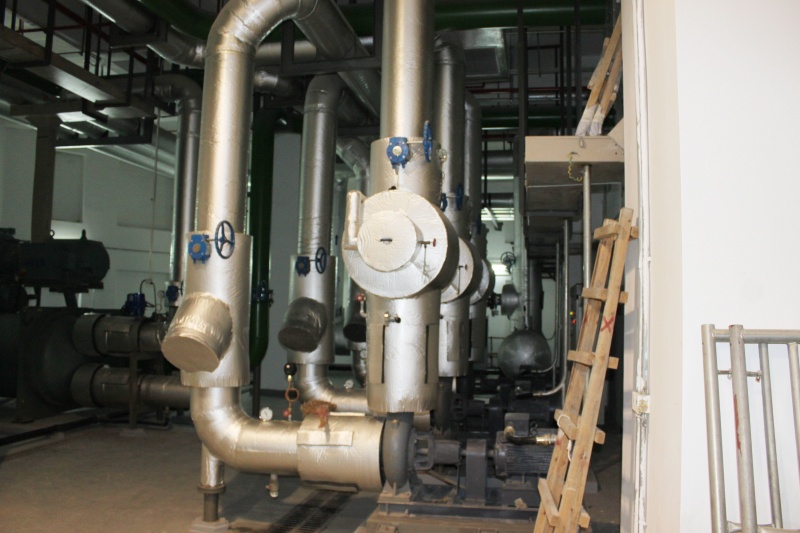
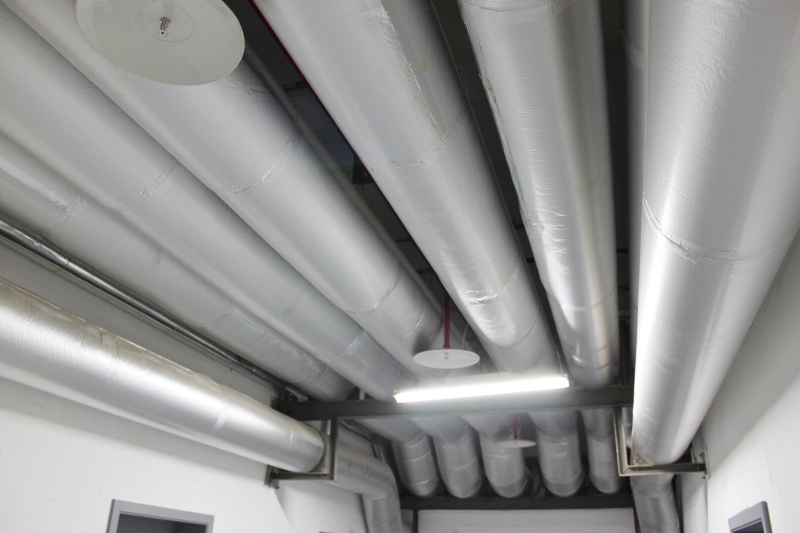

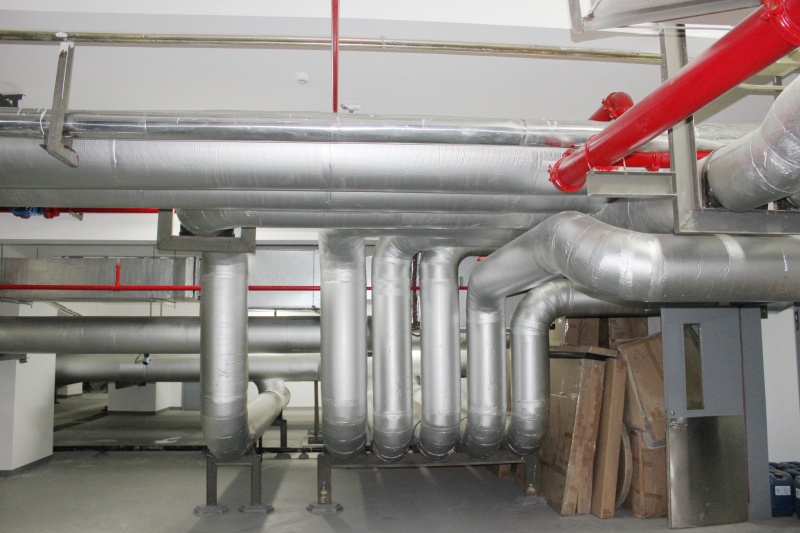
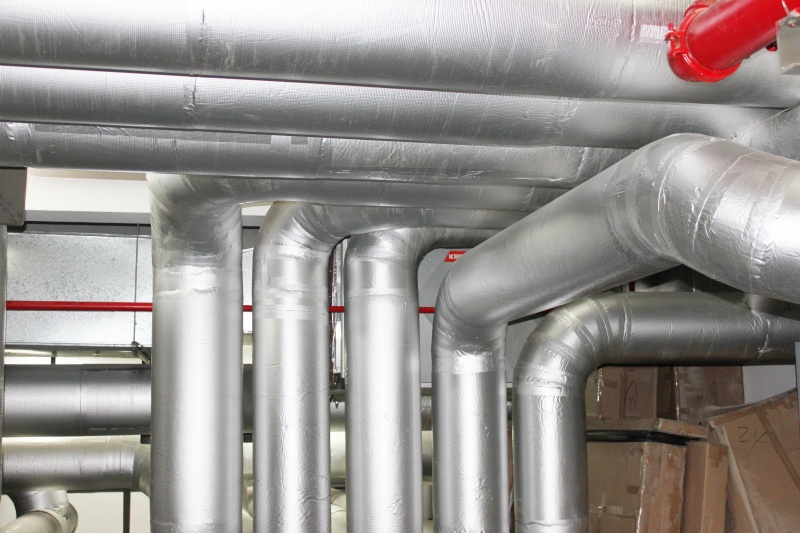
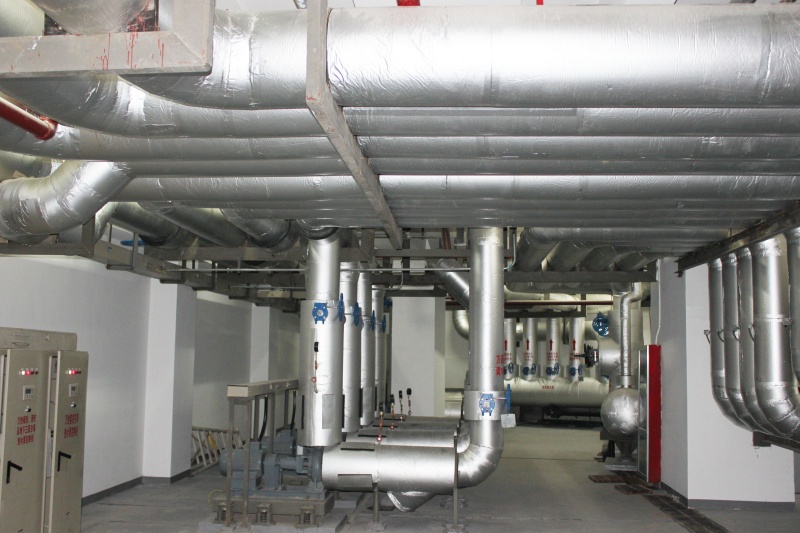
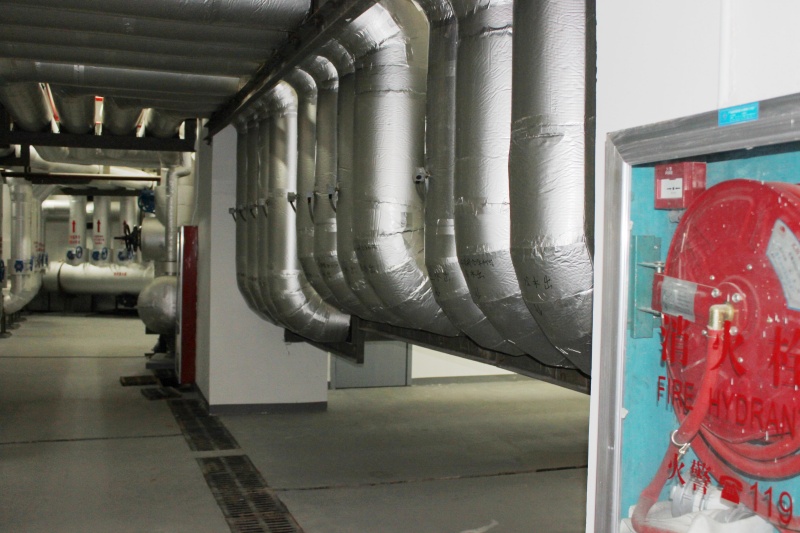

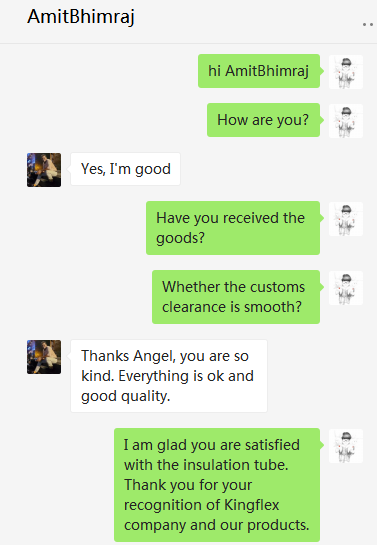
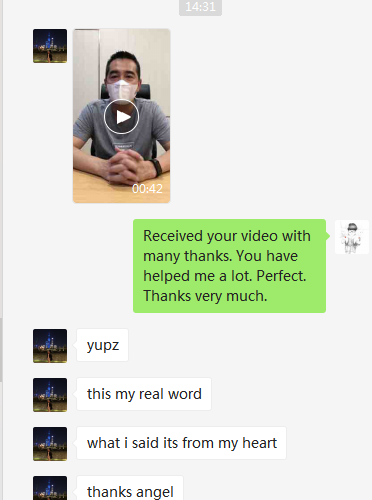
We maintain transparent, responsive communications with global procurement officers, ensuring technical questions, delivery schedules, and customized specification orders are resolved efficiently.



Find expert answers to common queries regarding thermal conductivity limits, material comparisons, standard specifications, and import protocols.
Elastomeric rubber foam is a flexible, closed-cell insulation designed to prevent condensation, reduce thermal losses, and absorb acoustics. It is widely used in HVAC refrigeration lines, chilled water loops, industrial cooling systems, domestic plumbing, and equipment rooms.
Yes, our rubber foam products are formulated to be fire retardant. They meet critical international standards, including BS 476 Part 7 Class 1 and UL94 V-0 flame ratings, making them safe for commercial and industrial installations.
Rubber foam is a flexible, closed-cell, moisture-proof material suitable for sub-zero and medium temperatures (-40°C to 105°C) to prevent condensation. Rock wool is a fibrous, open-cell material with high-temperature resistance (up to 650°C), making it ideal for industrial steam pipes and structural fireproofing.
Yes, we provide full OEM and ODM services. We can customize density profiles, thicknesses (from 6mm to 50mm for sheets), inner diameters for pipes, and supply protective coatings like aluminum foil or adhesive backing.
Kingflex products comply with several global quality standards, holding certificates for BS 476, CE, REACH, RoHS, UL94, and ASTM. This ensures our materials meet building code requirements globally.
Yes, our quality management system tracks products from raw material intake to final packaging. Each production batch is assigned a unique tracking code to ensure quality control consistency.
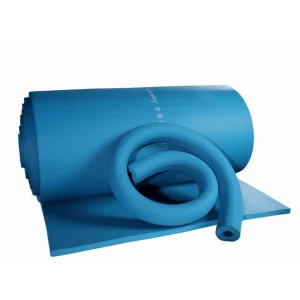
We manufacture elastomeric rubber foam sheet rolls in thicknesses ranging from 6mm to 50mm, allowing you to choose the appropriate thickness based on thermal insulation requirements.
Under typical operating conditions and when installed according to standard guidelines, Kingflex rubber foam insulation materials have a design life of 10 to 15 years.
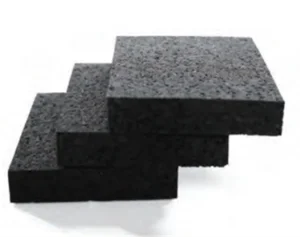
For district heating and underground piping, standard rigid polyurethane foam (PUR) is typically specified with a core density of 60 kg/m³ to 80 kg/m³. This range provides an optimal balance of structural compressive strength and low thermal conductivity.
Corrosion Under Insulation (CUI) occurs when water penetrates the insulation and attacks the underlying metal pipe. Closed-cell insulation materials, such as NBR/PVC rubber foam or rigid polyurethane, feature a closed-cell rate of over 92% to 98%. This structure prevents liquid water and vapor from reaching the pipe surface, significantly reducing the risk of CUI.
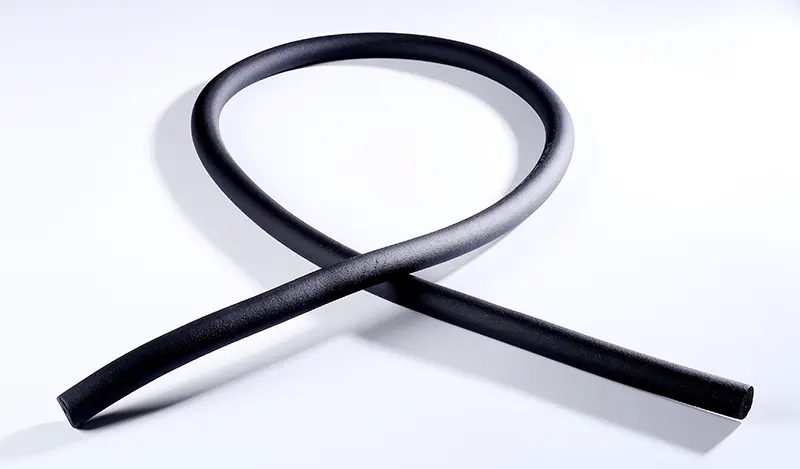
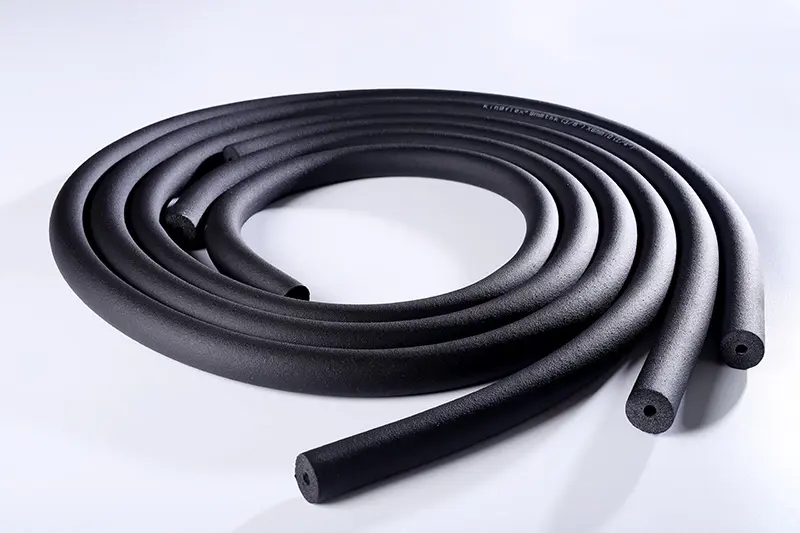
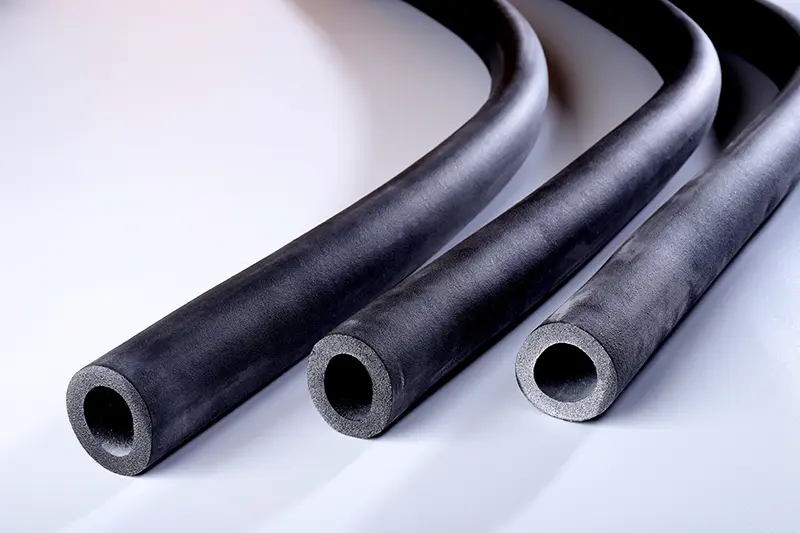
Select from our high-performance thermal insulation pipes and tubes, designed for HVAC systems, cold storage installations, and demanding industrial applications.




 Kingflex