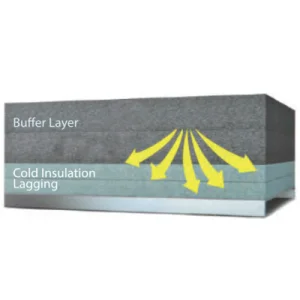
In high-performance building systems, heavy industrial machinery, and HVAC distribution networks, modern acoustic management demands advanced materials. Traditional fibrous materials struggle with humidity and structural longevity. Rubber-based acoustic insulation—developed utilizing a closed-cell Nitrile Butadiene Rubber (NBR) and Polyvinyl Chloride (PVC) composite matrix—has emerged as the premier solution. This material addresses the challenges of sound transmission loss, vibrational decoupling, and airborne noise absorption.
The physical mechanism behind rubber acoustic dampening relies on two properties: its high internal density (ranging from 40 to 55 kg/m³) and its viscoelasticity. Unlike open-cell foams that absorb sound waves purely via air resistance, elastomeric rubber foam functions as a dampening barrier. The mechanical energy of sound waves traveling through pipes and ducts is converted into localized heat energy within the rubber matrix. This prevents structural noise from mutating into airborne noise, resolving mechanical vibrations at their source.

"According to global acoustic research benchmarks, elastomeric rubber foam insulation demonstrates up to a 28 dB attenuation in structural noise transmission within chilled water pipelines and air handling ducts, satisfying ASTM E90 and BS 476 environmental noise parameters."
For project engineers and procurement managers, sourcing insulation requires balancing acoustic values, thermal values, and fire safety. The technical criteria for large-scale developments center on water vapor resistance (typically μ ≥ 7000 or a permeance rating of < 0.05 perm-inch) and flame spread performance. A failure to manage water vapor intrusion leads to condensation, which compromises acoustic dampening efficiency and causes Corrosion Under Insulation (CUI) on metallic pipelines. Kingflex closed-cell technology prevents these risks.
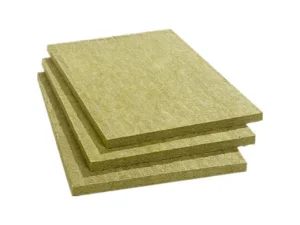
| Material Core Composition | NBR/PVC Elastomeric Foaming Matrix | Rock Wool (Comparison Material) |
|---|---|---|
| Density Profile | 40 - 55 kg/m³ (High Density Elastomeric) | 80 - 150 kg/m³ (Fibrous Matrix) |
| Thermal Conductivity (λ at 0°C) | ≤ 0.035 W/(m·K) (Excellent thermal barrier) | ≤ 0.040 W/(m·K) |
| Service Temperature Limit | -40°C to 105°C (Extreme Cryogenic options to -200°C) | Up to 650°C (High Temp Industrial) |
| Water Vapor Resistance Factor (μ) | ≥ 7,000 (Built-in vapor barrier) | 1 (Requires external cladding) |
| Acoustic Decoupling Loss | Up to 28 dB Noise Attenuation | Airborne Absorption Focus |
| Fire Rating Standard | BS 476 Class 0, UL94 V-0, ASTM E84 Class A | Non-combustible Class A1 |
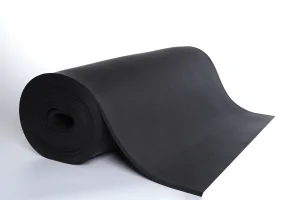
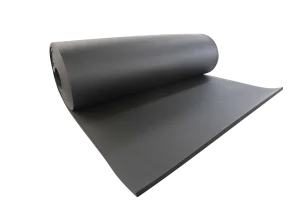
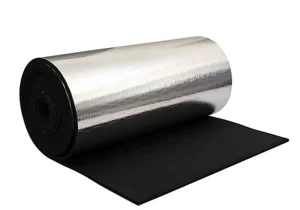
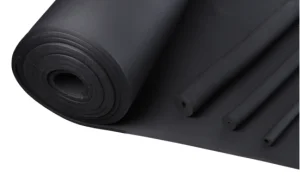
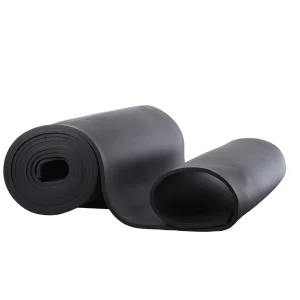
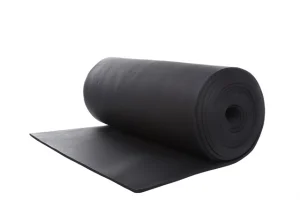
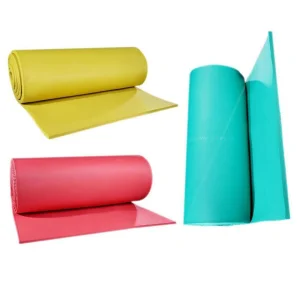
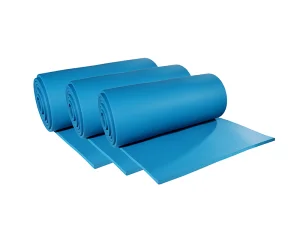
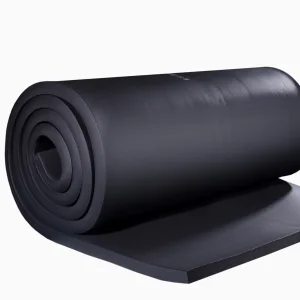
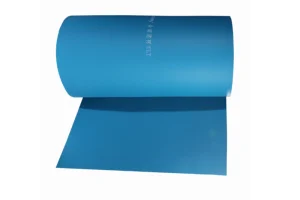
Engineered for expansive flat surfaces such as large-diameter storage tanks, square ventilation ducts, and HVAC terminal units. The sheet rolls feature a high compression resilience (exceeding 80%) to support easy wrapping without structural thin spots. This consistency guarantees long-term thermal resistance and uniform acoustic isolation.
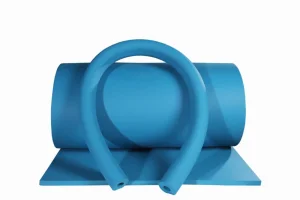
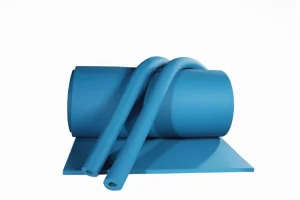
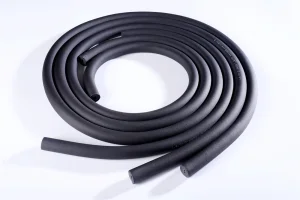
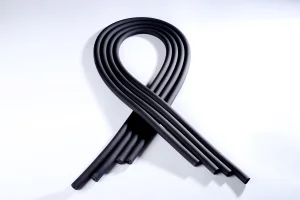
Specifically tailored for process piping and mechanical HVAC conduits. The manufacturing line implements continuous tubular extrusion to ensure clean dimensions. With inside diameter ranges spanning from 1/4" to 4.5" (6mm to 114mm ID), these tubes slip onto piping projects smoothly to protect against condensation-induced pipe cracking.
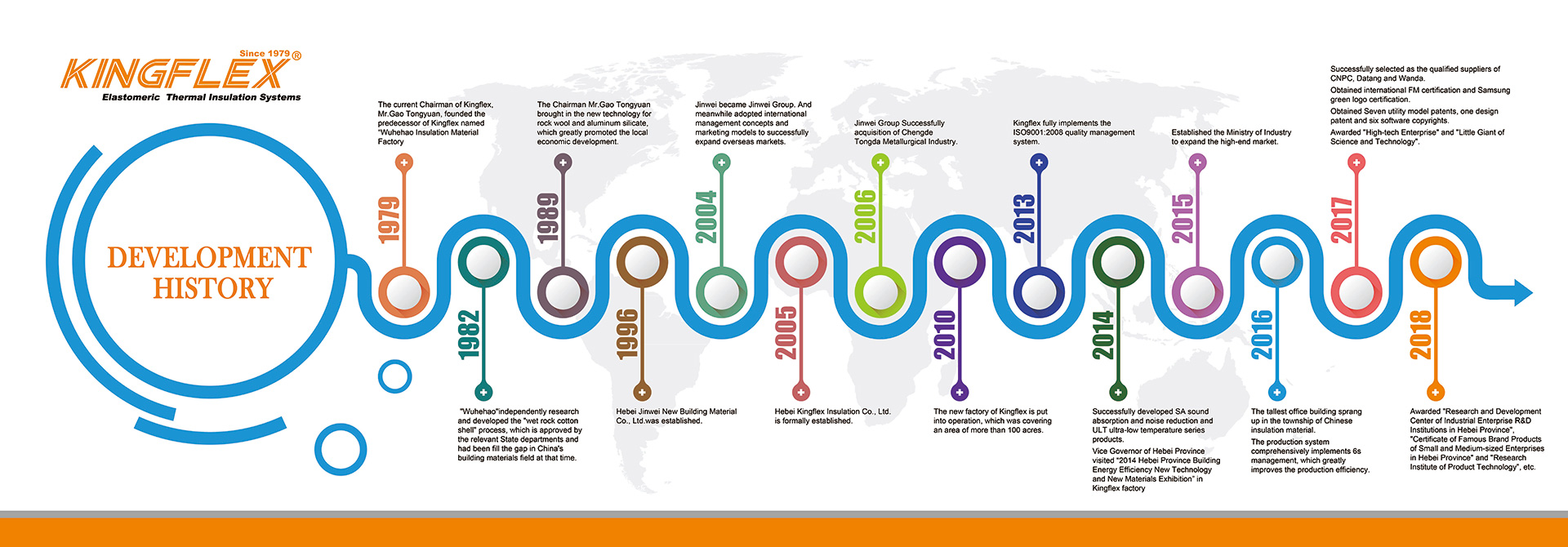
Established as a key manufacturing division of the Jinwei Group, which boasts a thermal insulation heritage dating back to 1979, Kingflex has built a long-term reputation in Northern China. Located in Dacheng, the recognized capital of green-building materials, we operate an energy-saving, environmentally conscious manufacturing facility.
Today, our facilities host 5 large automatic assembly lines, generating an annual output capacity in excess of 600,000 cubic meters. This capacity has made Kingflex a designated manufacturing partner for energy, electric power, and chemical industry departments globally.
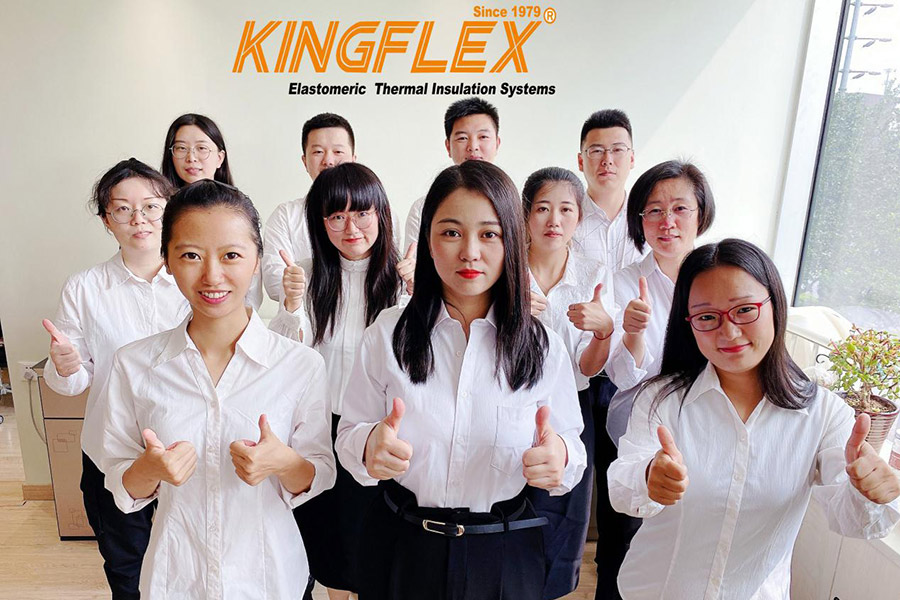
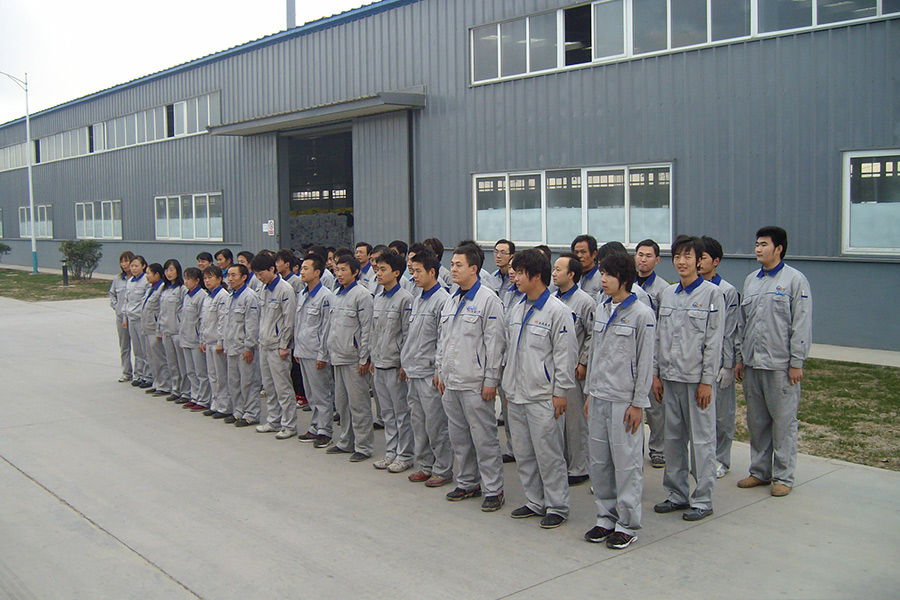
Our core strength lies in our integrated team structure. Kingflex maintains 8 dedicated professional engineers in our R&D Department, 6 international sales specialists, and a production team of over 230 workers. We focus on delivering energy-saving insulation systems for HVAC, building, cryogenic, and industrial acoustic decoupling projects.

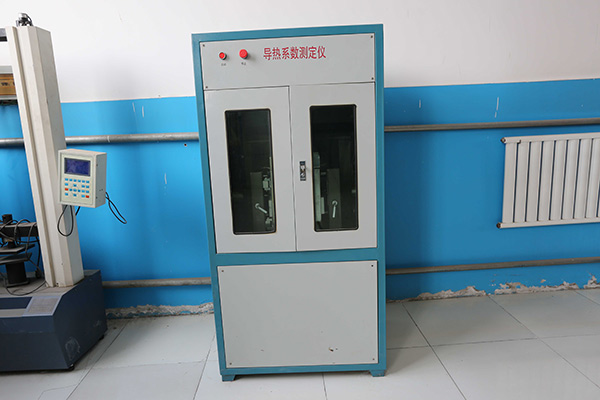
Cryogenic operations, such as liquefied natural gas (LNG) processes, liquid nitrogen piping, and scientific Ultra-Low Temperature (ULT) cooling lines, present extreme engineering challenges. Thermal contraction and moisture ingress are constant risks. Standard elastomeric materials freeze and become brittle when exposed to cryogenic temperatures.
Kingflex addresses these risks through our specialized cryogenic flexible insulation. Engineered to perform down to -200°C, this thermal barrier retains elasticity and dampening characteristics at extreme temperatures. By preventing thermal shock and mechanical contraction failures, it protects critical piping systems and lowers structural risk in heavy industrial environments.


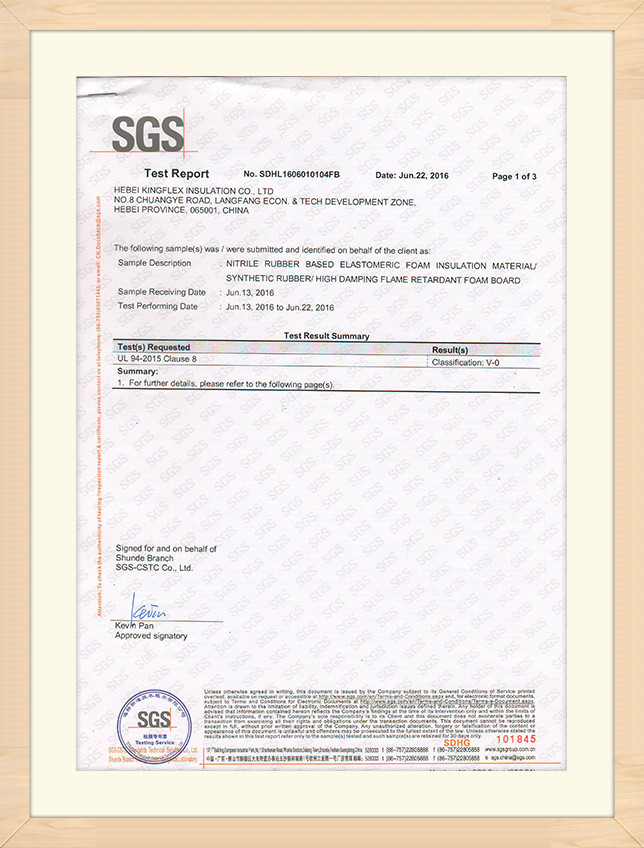

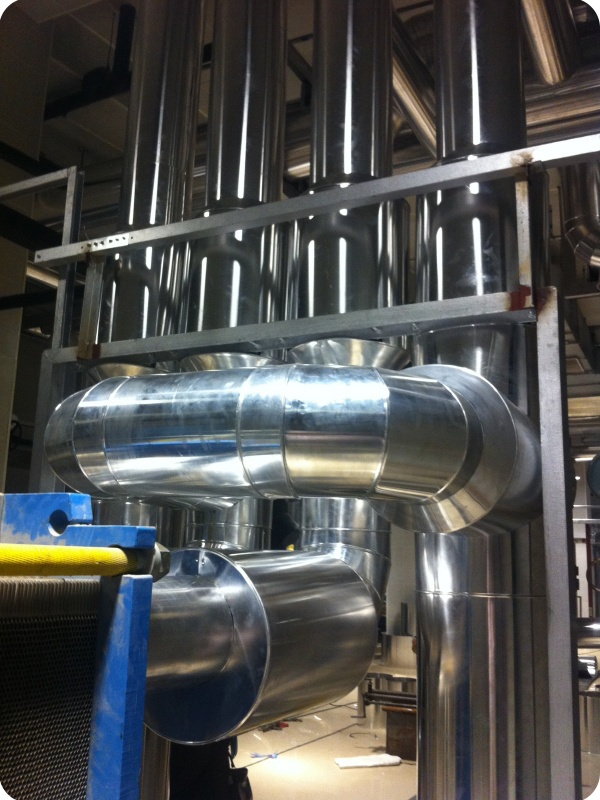
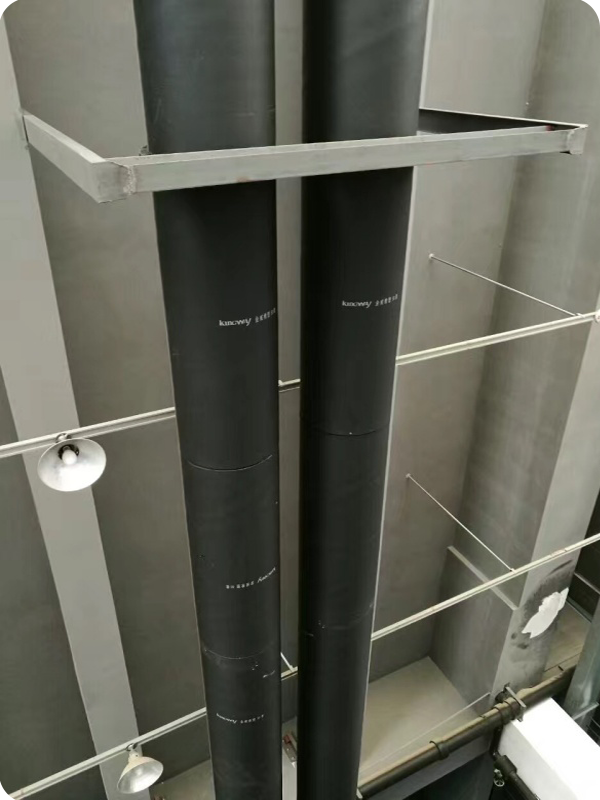
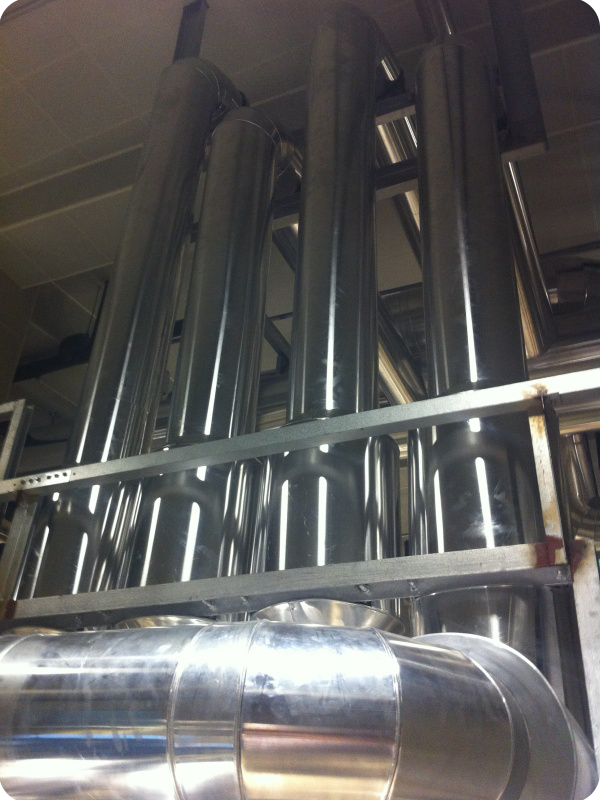
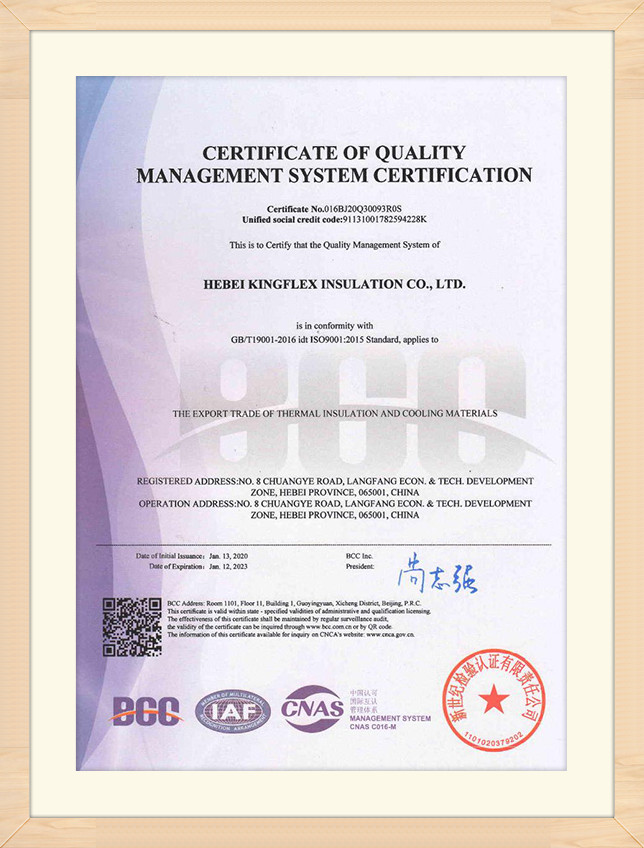
Exporting insulation materials to over 66 countries requires adherence to local fire safety and building standards. Kingflex maintains a robust compliance system. Our product ranges are certified under European Standards CE, British Standard BS 476 (Class 0 and Class 1), American Testing Standard ASTM, UL94, as well as ecological compliance guidelines REACH and RoHS.
This ensures that when a procurement specialist sources a Kingflex product, they are getting a fully traceable material. Our manufacturing processes include tracking codes, ensuring quality verification at every step of project delivery.


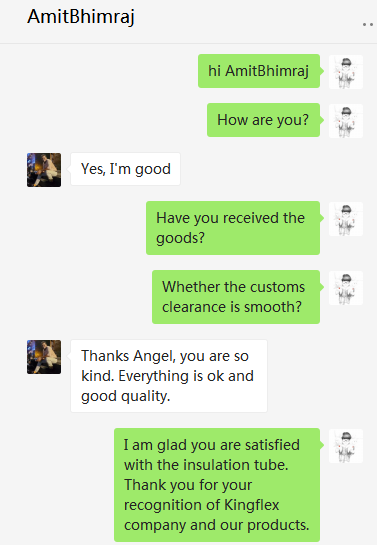


Need thermal calculations or custom sizes for a major HVAC, cryogenic, or industrial building project? Partner with a team backed by 40 years of industry experience.
Request Technical Consultation & Factory Quotes Kingflex