Wholesale Flex Clad Insulation Manufacturer & Quotes

Premium Closed-Cell Elastomeric Thermal Systems & Pre-Clad Weatherproof Shields for High-Performance Industrial HVAC & Cryogenic Applications

Industry Evolution: Flex Clad Insulation Trends

In modern industrial and commercial piping networks, conventional metal jacketing systems are increasingly giving way to integrated Flex Clad Insulation Systems. Historically, safeguarding elastomeric foam core insulation from mechanical impact, UV radiation, and atmospheric moisture infiltration meant applying heavy sheet metal claddings like aluminum or stainless steel on-site. This required skilled manual labor, generated material waste, and heightened the risk of water ingress at joints—ultimately causing Corrosion Under Insulation (CUI).

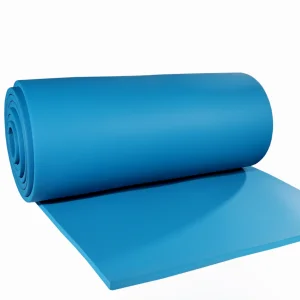
Today, the industry is witnessing a structural shift toward pre-clad, multi-layered flexible composite jackets. Flex Clad solutions merge a closed-cell elastomeric rubber core with an ultra-durable, weather-resistant outer membrane. This hybrid configuration delivers a "zero perm" vapor barrier, protecting chilled lines and cryogenic plants from condensation and thermal efficiency loss. According to global HVAC engineering research, pre-clad systems lower operational degradation by up to 45% over their service lifetimes compared to traditional field-jacketed elastomeric lines.

Key Market Catalyst: Energy efficiency mandates, industrial decarbonization directives, and rising labor costs are accelerating the global adoption of pre-fabricated insulation systems. By integrating the weather-barrier jacket at the factory level, EPC contractors can reduce on-site labor requirements by up to 60%.
600K+
Annual Capacity (m³)
66+
Export Destinations
98%+
Closed Cell Ratio
40+
Years Industry Trust

Global Procurement Requirements & Technical Standards

Large-scale commercial buyers, engineering firms, and procurement specialists require strict technical compliance when sourcing thermal insulation. In critical projects, insulation materials must protect assets against severe atmospheric conditions, high thermal loads, and extreme low temperatures. Below are the primary engineering baselines demanded by global procurement departments:

Performance Characteristic Requirement Level Test Standard Reference
Thermal Conductivity (λ) ≤ 0.034 W/(m·K) at 0 °C ASTM C518 / ISO 8301
Water Vapor Permeability ≥ 1.0 × 10¹&sup0; (Zero Perm options available) ASTM E96 / BS EN 12086
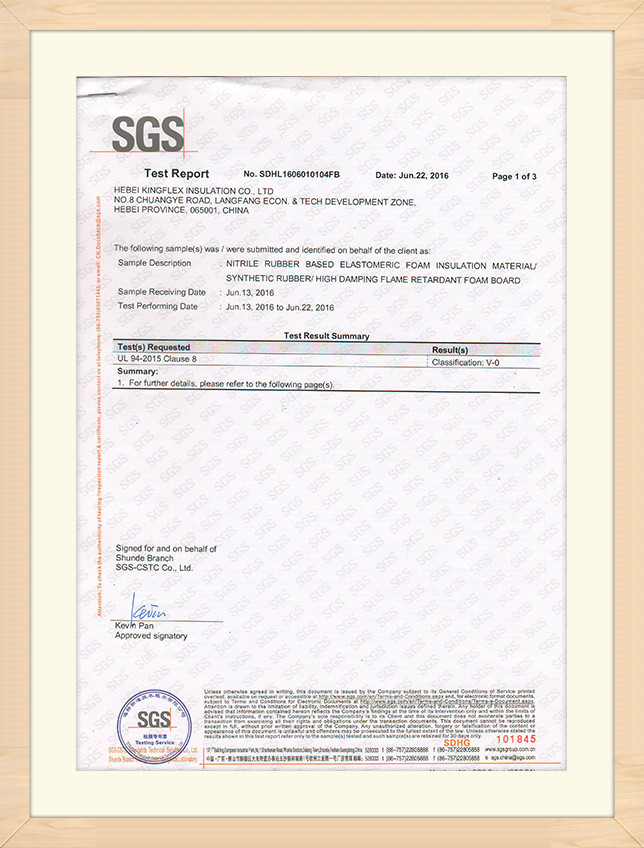
Fire Safety Rating Class 0 / Class 1 / V-0 BS 476 Part 6/7, UL94, ASTM E84
Density Control 40 - 55 kg/m³ ASTM D1622
Service Temperature Limits -40 °C to +105 °C (Down to -200 °C for Cryogenic) ASTM C411 / EN 14706

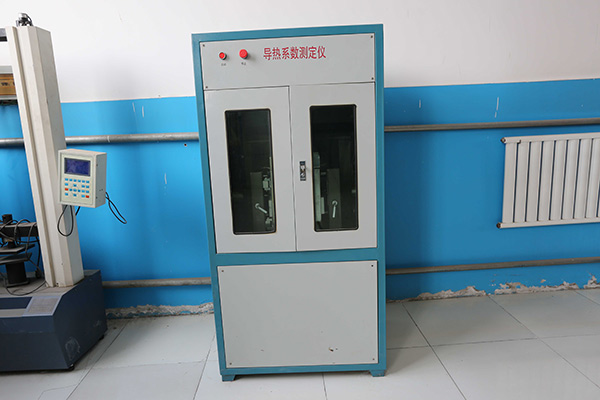
Beyond material specs, project timelines depend heavily on continuous supply chain throughput. Global procurement officers prioritize manufacturers with integrated quality assurance models. Materials must undergo rigorous mechanical testing—including tensile strength, compression resistance, and ozone weathering—before leaving the factory floor.

China Factory 4.0: Supply Chain Resilience & Production Capacity

Automated Assembly

By leveraging five automated, state-of-the-art continuous assembly lines, Kingflex maintains an annual manufacturing capacity exceeding 600,000 cubic meters. Automation guarantees uniform foaming density, reliable cell diameters, and stable thermal conductivity values across every production run.

Supply Chain Resilience

Located in Dacheng, the green-building materials center of China, Kingflex operates an integrated supply network. We source raw elastomeric compounds, vulcanizers, and outer cladding foils locally to protect operations against international logistics disruptions.

Global Certifications

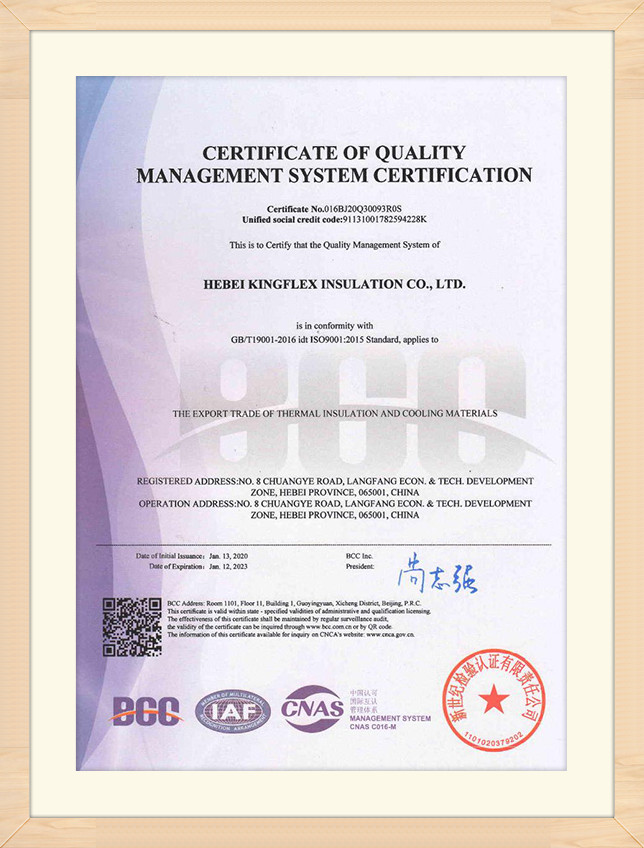
Every product batch undergoes continuous inspection to meet global standards. We hold approvals from international testing bodies, including BS 476, CE, REACH, RoHS, UL94, and ASTM. This guarantees compliance at ports of entry and project sites worldwide.

Localized Application Scenarios

Industrial applications present unique environmental challenges that require tailored insulation choices. The Kingflex product line is engineered to address these specific operational environments:

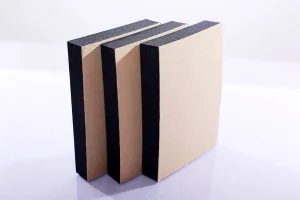
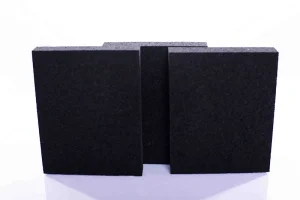
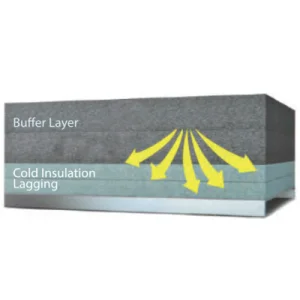
  • HVAC & Commercial Ductwork: Located in high-humidity zones, HVAC air distribution systems are prone to condensation and dripping. Applying closed-cell elastomeric panels (such as our high-density acoustic boards) dampens noise while preventing condensation and microbial growth.
  • Industrial Process Piping & Steam Systems: High-temperature lines suffer thermal losses and potential mechanical damage. The high-performance elastomeric structure offers a resilient, vibration-dampening insulation shield that resists corrosion under insulation (CUI) and protects pipelines.
  • Cryogenic Systems & Low-Temperature Lines: Applications like LNG transportation and refrigeration systems run at sub-zero temperatures. These setups rely on specialized low-temperature elastomeric foam to prevent pipe freezing, cracking, and excessive energy loss.

About Kingflex Insulation Co., Ltd.

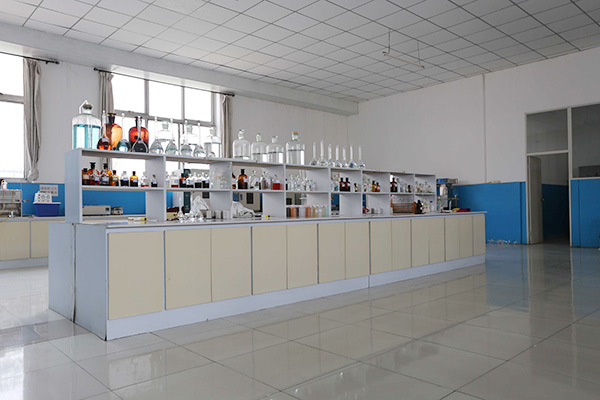
Kingflex Factory

Our Company

Kingflex Insulation Co., Ltd. is a professional manufacturing and trading combo for thermal insulation products. Our research, development, and production departments are located in Dacheng, China, a recognized hub for energy-efficient building materials. We focus on energy conservation and environmental sustainability. By providing comprehensive consulting, R&D, manufacturing, and installation guidance, we deliver high-performance insulation systems to the global construction and processing industries.
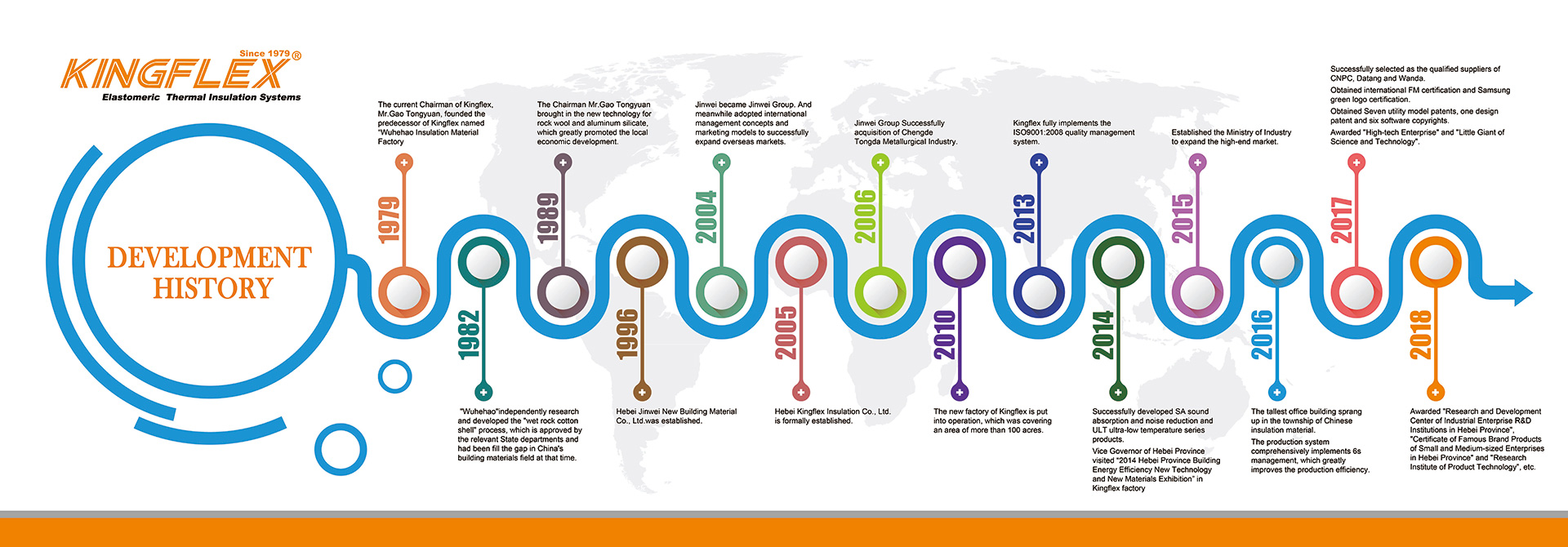
Kingflex History

Our History

Kingflex was established by the Jinwei Group, which brings over 40 years of manufacturing history. Founded in 1979, the group was the first major developer of thermal insulation materials north of the Yangtze River. Decades of engineering experience enable us to deliver reliable products that meet strict international structural codes and demanding industrial specifications.
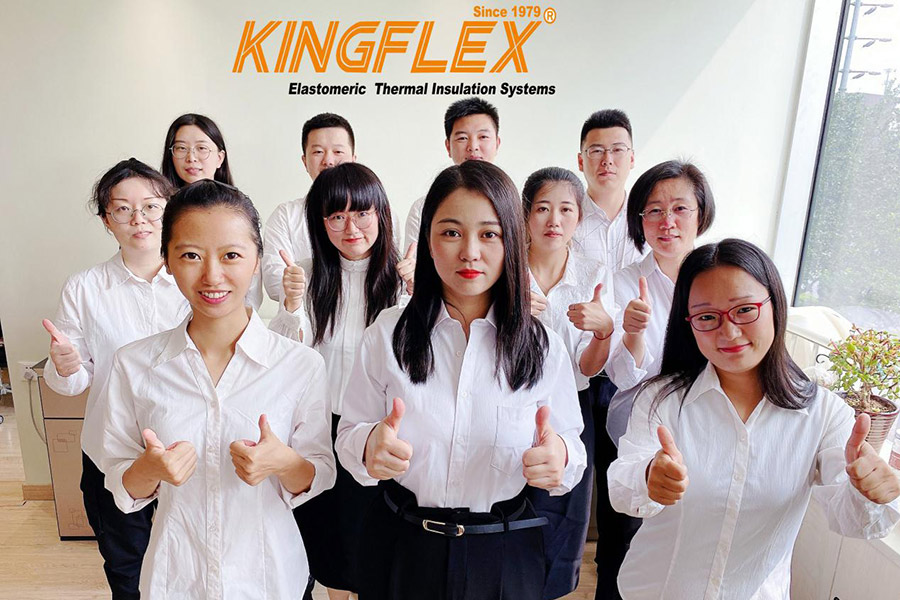
Kingflex R&D Team

Our Team

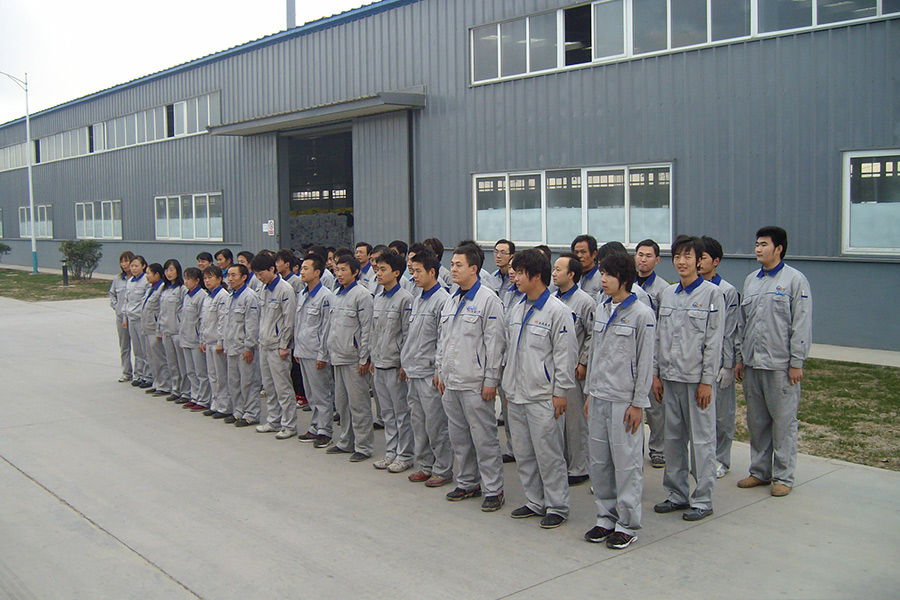
At Kingflex, our technical team works with a shared commitment to delivering consistent, premium service. Our staff includes 8 professional R&D engineers, 6 experienced international sales representatives, and 230 skilled production technicians, ensuring smooth execution from custom formulation to final delivery.
Core Product Specifications

Our primary elastomeric product categories are engineered to offer long-term thermodynamic stability under demanding operating conditions:

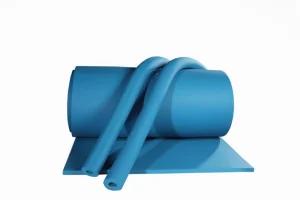
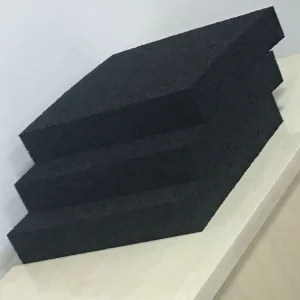
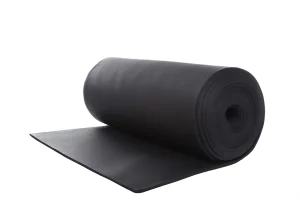
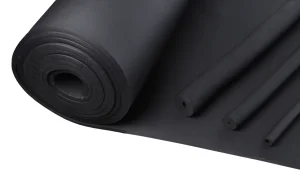
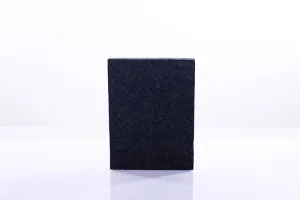
Black Rubber Foam Insulation Sheet Roll

Material: Premium NBR/PVC Blend
Thickness Range: 6mm - 50mm
Foaming Density: 40 - 55 kg/m³
Operating Temperature Range: -40℃ to 105℃

Core Performance Benefits:

  • Uniform, ultra-fine cell morphology with over 98% closed-cell structure.
  • Low moisture absorption rate for long-term thermal stability.
  • High compression resilience (recovering over 80% under test load).
  • Inherent flame-retardant chemistry with self-extinguishing safety properties.

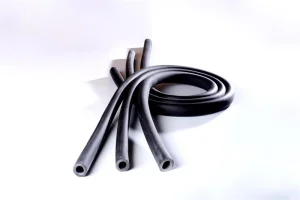
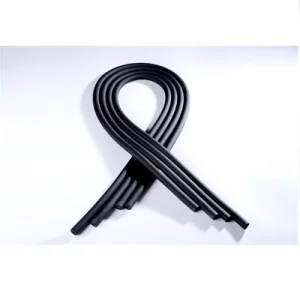
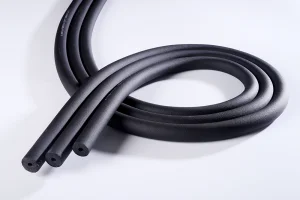
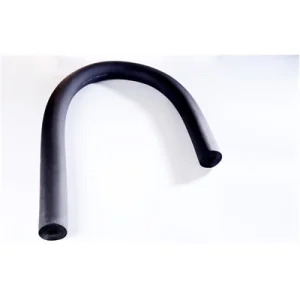
Black Rubber Foam Insulation Pipe

Material: Premium NBR/PVC Blend
Thickness Range: 9mm - 40mm
Inner Diameter (ID): 6mm - 114mm
Foaming Density: 40 - 55 kg/m³
Operating Temperature Range: -40℃ to 105℃

Core Performance Benefits:

  • Consistent wall thickness control via automated vertical extrusion.
  • Highly flexible for quick installation around bends and complex manifolds.
  • Reduces heat gains/losses on chilled and hot water piping.
  • Protects industrial lines against condensation, freezing, and splitting.

Project Applications

Kingflex elastomeric systems are used in diverse applications, including:

  • HVAC Systems: Thermal protection for air distribution ducts and chilled water pipes.
  • Industrial Plants: Pipeline insulation in oil, chemical, and gas processing facilities.
  • Cryogenic Facilities: Cryogenic foam configurations designed for liquid gas pipelines.
  • Civic Infrastructure: Safe insulation and noise reduction in airports, hotels, and hospitals.

Proven Quality Assurance: Client Trust & Performance

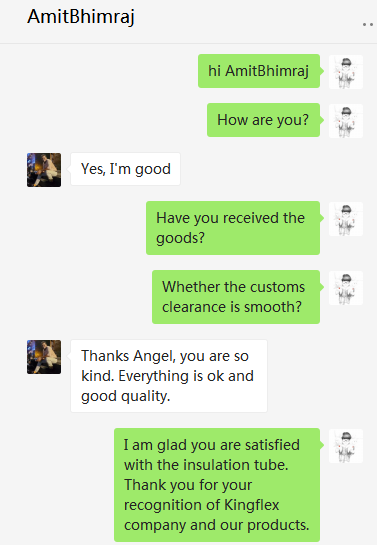
At Kingflex, we believe product quality is best verified by long-term field performance and customer satisfaction. Our insulation solutions are backed by rigorous testing, international certifications, and successful projects worldwide. Our quality management system covers every stage of production—from raw material inspection to automated curing, packaging, and final container loading.

Our customers value the performance consistency of our elastomeric and pre-clad solutions, noting their resistance to moisture, ease of installation, and reliable thermal performance in humid or demanding environments. Below are real-world transaction logs and delivery records highlighting our export history:

Frequently Asked Questions

Q1: What is elastomeric rubber foam insulation used for?
A1: Elastomeric rubber foam is a flexible, closed-cell insulation material. It is primarily used for thermal insulation of HVAC ducts, air conditioning lines, VRF systems, process piping, chilled water networks, and low-temperature industrial equipment. Its closed-cell structure prevents moisture ingress and condensation on cold surfaces, helping maintain system efficiency.
Q2: Is Kingflex rubber foam insulation fire resistant?
A2: Yes, our elastomeric products are formulated with fire-retardant compounds that meet strict fire safety regulations. Kingflex products comply with Class 0 and Class 1 standards under BS 476 Part 6 & 7, and are rated under UL94 and ASTM E84, ensuring they are safe for commercial building and industrial projects.
Q3: What is the difference between rubber foam and rock wool insulation?
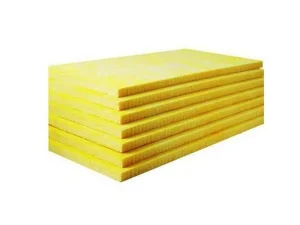
A3: Rubber foam is a flexible, closed-cell material that offers high moisture resistance, making it suitable for chilled systems, HVAC, and condensation-prone pipes. Rock wool is a fibrous material that resists high temperatures, making it suitable for high-heat steam pipes, industrial ovens, and structural fireproofing.
Q4: Do you provide customized insulation products?
A4: Yes, we provide OEM and customized manufacturing. We can customize density, wall thickness, inner diameter, and add specific cladding options (such as aluminum foil or heavy-duty weather barriers) to meet your project specifications.
Q5: What certifications do your products have?
A5: Kingflex products have passed testing and hold certifications including BS 476, CE, REACH, RoHS, UL94, and ASTM. This ensures compliance with regional construction codes and import regulations globally.
Q6: Are Kingflex products traceable?
A6: Yes, we maintain batch traceability. Each production run is cataloged with logs detailing raw material lots, processing temperatures, and QA measurements to ensure consistent quality.
Q7: What thicknesses of rubber foam insulation rolls can you produce?
A7: We can produce insulation sheet rolls in thicknesses ranging from 6mm up to 50mm, allowing you to select the appropriate thickness for your system's thermal calculation needs.
Q8: What is the typical service life of rubber foam insulation?
A8: When properly specified and installed, Kingflex rubber foam insulation systems typically last between 10 to 15 years, depending on environmental exposure and operating conditions.
Q9: What is Flex Clad Insulation and what are its key advantages?
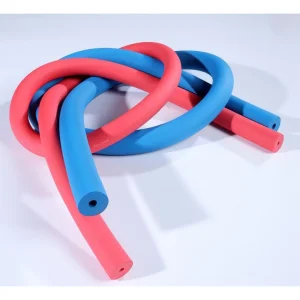
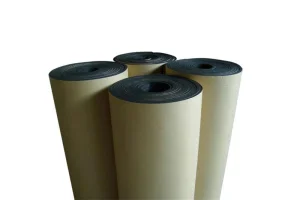
A9: Flex Clad is an insulation system that combines a flexible elastomeric core with a pre-applied, multi-layer protective jacket. The jacket protects the core from UV degradation, weather, and physical wear, eliminating the need to install metal cladding on-site.
Q10: Can pre-clad elastomeric insulation prevent Corrosion Under Insulation (CUI)?
A10: Yes, by bonding the protective cladding directly to the closed-cell elastomeric core at the factory, we eliminate air gaps where water could pool against the metal pipe, helping prevent the moisture accumulation that causes CUI.