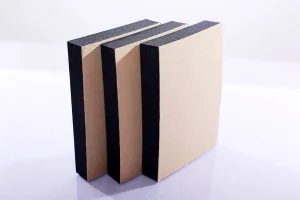
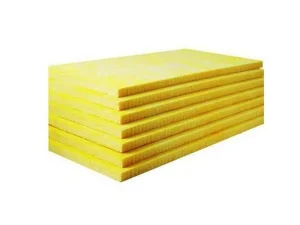
As modern building code standards and industrial environmental restrictions intensify, architectural engineers require multi-dimensional insulation materials that serve a triple function: heat conservation, superior condensation barrier control, and integrated acoustical treatment. Glass Wool Insulation Felt with Aluminum Foil on One Side represents the peak synthesis of inorganic glass fiber matrices with protective metallic foil facings. This system offers unprecedented thermodynamic stability across a wide operating envelope.
By integrating a high-purity aluminum foil facing (commonly reinforced with fiberglass scrim) to one side of the porous glass wool felt, the heat transfer pathways are dramatically restricted. The glass fiber matrix minimizes conductive and convective heat flows through its highly trapped micro-air cell geometry. Meanwhile, the reflective aluminum foil face blocks up to 97% of radiant heat waves, acting simultaneously as a robust Class 0 vapor barrier. This dual-action dynamic prevents condensation formation on ductworks and industrial structural shells, maintaining thermal system integrity over decades of performance.
Aluminum foil facing lowers water vapor permeability virtually to zero, preventing structural damage and mold growth.
Superfine fiber diameters ensure low thermal conductivity (λ ≤ 0.038 W/m·K at 25°C), reducing overall energy expenditures.
Intertwined porous fibers feature high acoustic absorption metrics, controlling noise levels inside industrial machinery rooms.
Our solutions cater directly to EPC contractors, procurement directors, and industrial distributors globally. By offering precise dimensional variances—ranging in thicknesses from 25mm to 100mm and densities up to 48kg/m³—we ensure compliance with varying mechanical specifications. Whether targeting HVAC return-air plenums in GCC countries or exterior cladding projects across continental Europe, our glass wool felt solutions remain resilient, non-corrosive, and chemically inert.

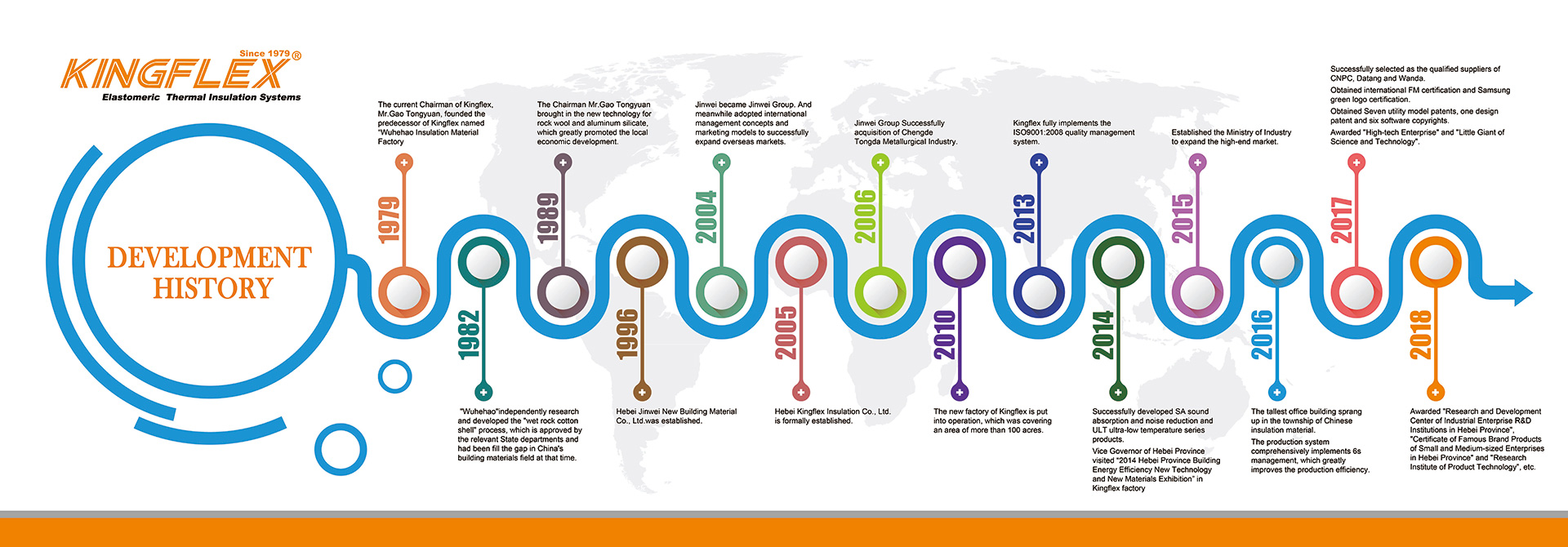
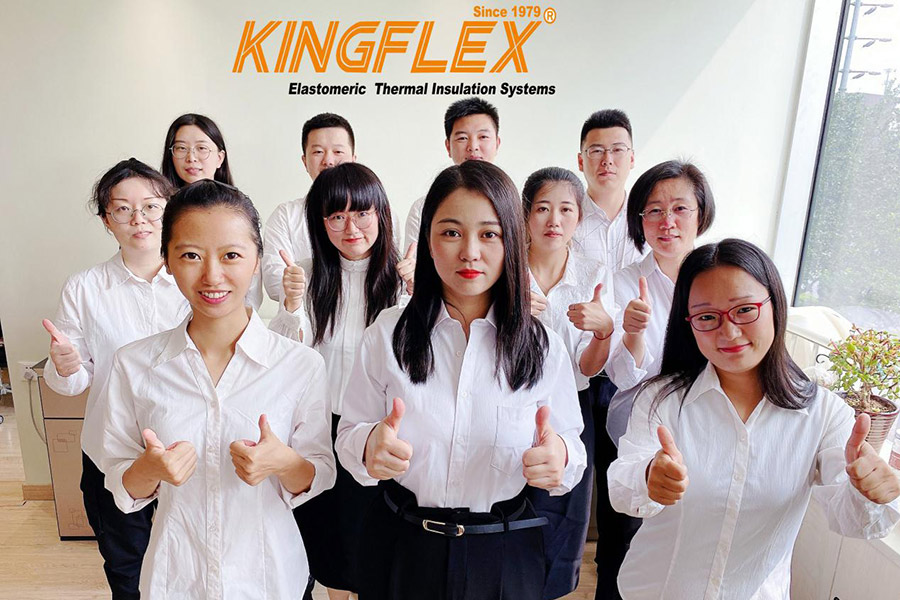
Kingflex Insulation Co., Ltd. is a professional manufacturing and trading combo for thermal insulation products. Located in Dacheng, China—the capital of green-building materials—Kingflex concentrates on research, development, production, and global sales. We provide comprehensive insulation solutions, including consultancy, R&D production, installation guidance, and post-sale support.
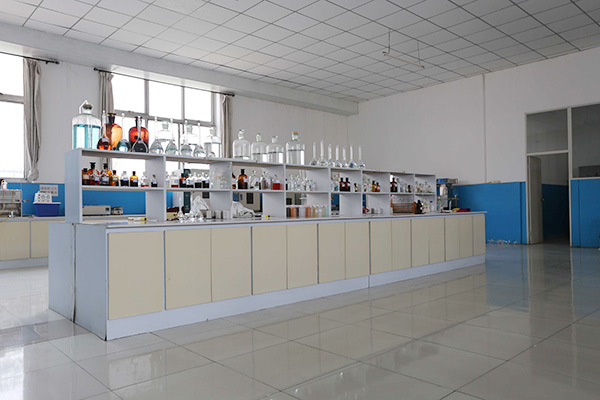
By leveraging the heritage of the Jinwei Group, established in 1979 as the pioneer of thermal insulation northern-manufacturing, we integrate historical expertise with modern smart-factory lines. Our production ensures tight quality tolerances, verified by global standard testing associations.

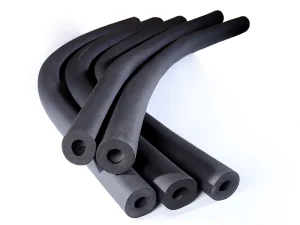
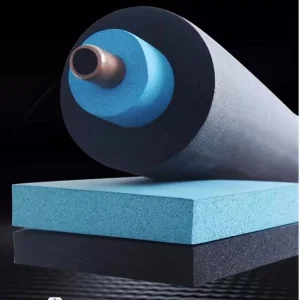
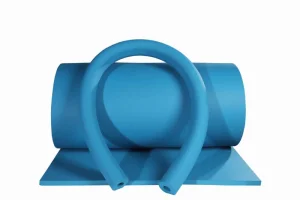
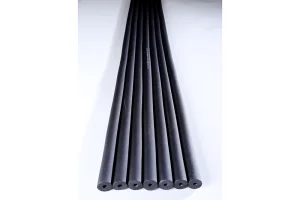
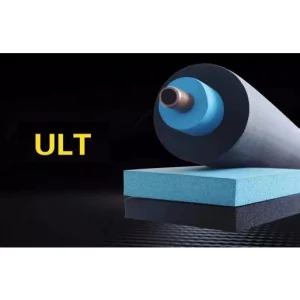
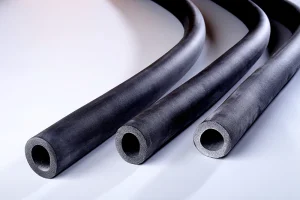
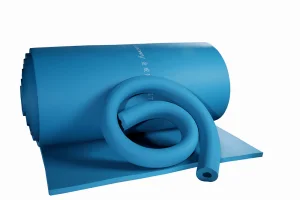
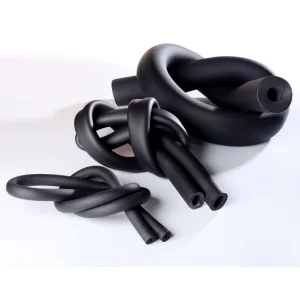
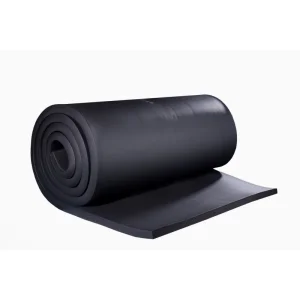
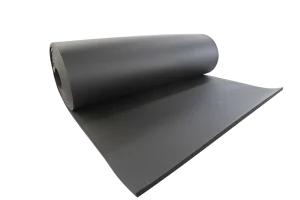
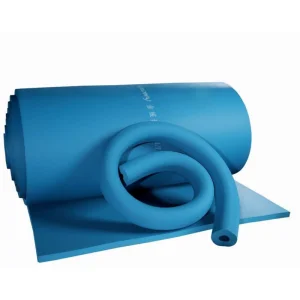
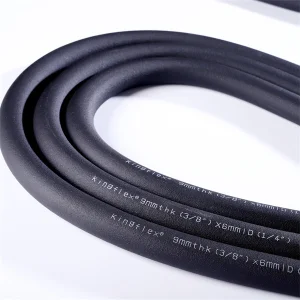
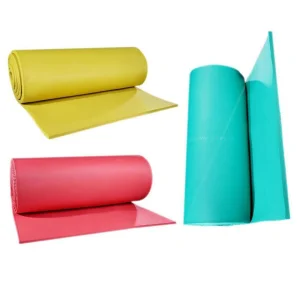
To ensure procurement efficiency, compare our signature elastomeric formulations alongside the glass wool insulation felt ranges:
| Dimension Parameter | Elastomeric Foam Sheet | Elastomeric Foam Pipe |
|---|---|---|
| Base Raw Material | NBR/PVC Elastomeric Matrix | NBR/PVC Elastomeric Matrix |
| Available Thicknesses | 6mm to 50mm | 9mm to 40mm |
| Inside Diameter (ID) | N/A (Roll Format) | 6mm to 114mm |
| Bulk Density | 40 - 55 kg/m³ | 40 - 55 kg/m³ |
| Service Temperature | -40℃ to 105℃ | -40℃ to 105℃ |
The single-sided aluminum foil acts as an effective radiant barrier and moisture-vapor retarder. It protects the glass wool core from humidity, preventing moisture accumulation that could compromise its thermal efficiency.
Rubber foam is a flexible, closed-cell material optimal for HVAC chilled-water lines and cryogenic piping. Glass wool is an open-celled fibrous material designed for high-temperature resistance, building envelopes, and sound absorption.
Our insulation ranges are fire retardant and self-extinguishing, meeting major global standards including BS 476, CE, REACH, RoHS, UL94, and ASTM guidelines.
Yes, we provide OEM customization services. We tailor density parameters, foil types, thickness dimensions, and length configurations to meet specific project guidelines.
When installed correctly in dry conditions with sealed joints, our premium glass wool and rubber foam products can maintain their performance parameters for 10 to 15 years.
Yes, we implement complete batch control. Each dispatch is traceable back to its production run, guaranteeing consistent quality control for global infrastructure demands.
 Kingflex